Brochure Printing In Singapore: Guide To High-Quality & Cost-Effective Services
Overview of Brochure Printing in Singapore
Brochure printing in Singapore stands as a cornerstone for effective marketing and branding strategies among local businesses and organizations alike. With a vibrant economy and a diverse market landscape, companies recognize the value of professionally-designed brochures to communicate their message, showcase products, and establish a memorable identity. The city-state's advanced printing industry offers a wide array of services tailored to meet various needs, from small startups to large corporations, ensuring top-tier quality and customization options.

Brochure printing services in Singapore are equipped with state-of-the-art digital and offset printing technologies. This enables consistent reproduction of vibrant colours, fine details, and sharp images that faithfully represent brand identities. Additionally, the diversity of printing options allows businesses to select the most suitable type of brochure and folding style, aligning their promotional materials with campaign objectives and target audiences. The importance of a well-printed brochure extends beyond aesthetics; it plays a crucial role in building credibility, fostering trust, and facilitating customer engagement.
The Significance of Brochures in Business Growth
- Enhances brand recognition through cohesive visual identities.
- Serves as a tangible marketing tool during events, meetings, and direct mail campaigns.
- Conveys detailed product or service information effectively and professionally.
- Supports multi-channel marketing strategies with versatile formats.
In Singapore’s fast-paced business environment, the ability to produce high-quality brochures efficiently and reliably is essential. Local printing establishments maintain rigorous quality standards to ensure each brochure meets client expectations and industry benchmarks. From initial design consultation to the final finishing touches, the entire process is driven by precision and attention to detail, reinforcing Singapore’s reputation as a hub for premium printing solutions.
Materials and Finishing Options
Choosing the right materials and finishes is crucial in producing brochures that are both visually appealing and durable. Standard paper stocks for brochures include matte, gloss, and satin finishes, each offering different tactile sensations and visual effects. Matte finishes are ideal for readability and reduced glare, making them suitable for detailed images or text-heavy content. Gloss finishes enhance colour vibrancy and sharpness, perfect for high-impact visuals that demand attention. Satin finishes strike a balance between the two, providing a smooth, semi-matte sheen that suits versatile branding needs.
In addition to paper type, various finishing options can elevate the quality of printed brochures. UV coating offers an extra layer of protection against scratches, fingerprints, and moisture, giving the brochure a polished look that endures handling. Spot varnishes can be selectively applied to highlight specific design elements, such as logos or important call-to-action areas, adding a tactile contrast that draws attention. Embossing and debossing techniques add depth and texture to certain parts of the design, creating a premium feel that enhances brand perception.
Printing Technologies and Quality Standards
Singapore's brochure printing industry utilises both digital and offset printing technologies to meet a diverse range of client needs. Digital printing is cost-effective and highly versatile, suitable for short runs and quick turnarounds, while offset printing is preferred for large volume orders due to its superior colour accuracy and consistency. Each method adheres to strict quality standards that ensure vibrant colours, sharp details, and impeccable registration across all pieces.
Offset printing employs high-precision plates and advanced colour management systems, which guarantee colour fidelity and uniformity, especially critical for brand-specific palettes. Digital presses incorporate modern inkjet and xerographic technologies that produce comparable results with the advantage of fast setup times. Both methods facilitate precise colour matching and consistency, essential for maintaining brand integrity across every brochure batch.
Strict quality assurance involves multiple stages, including proofing, colour calibration, and final inspection, to ensure every brochure meets the desired specifications. These standards contribute to a reliable printing process that supports professional marketing campaigns and branding efforts in Singapore’s competitive business environment.

Materials and Finishing Options
Choosing the right materials and finishing options is crucial for producing high-quality brochures that not only convey professionalism but also endure regular handling. Paper stocks vary in weight and texture, with heavier, thicker papers imparting a sense of durability and prestige. Common options include standard gloss or matte finishes, each serving different aesthetic and functional purposes. A gloss finish enhances vibrant colors and gives a sleek, modern appearance, ideal for eye-catching designs. Conversely, a matte finish offers a subdued, elegant look with reduced glare, suitable for text-heavy or sophisticated brochures.
Lamination provides an additional layer of protection, helping brochures resist water, dirt, and wear, ensuring longevity. UV coating further enhances durability and brightness by adding a glossy or matte layer applied through a specialized curing process. Special effects such as hot-stamping introduce metallic foils that create eye-catching accents, while spot UV coating can be selectively applied to highlight particular design elements, adding depth and visual interest.
Incorporating these finishing touches can significantly elevate the overall perception of your brochure. When selecting materials, consider the intended usage, target audience, and branding message. Durable, high-quality finishes ensure that your brochures withstand the test of time and handling, making a lasting impression on recipients.
Advanced Special Effects for Brochures
- Hot-stamping: Adds metallic or pigmented foil accents for a luxurious look, often used on logos or headers to draw immediate attention.
- Spot UV Coating: Provides a glossy finish on specific areas, creating contrast against matte backgrounds and emphasizing key elements.
- Embossing and Debossing: Creates raised or recessed design elements that add tactile appeal and depth to branding details.
- Varnishing: Applies a transparent layer with various finishes to protect and enhance the visual quality of the brochure.
Employing these techniques requires precise application standards and professional machinery, ensuring each brochure maintains consistency in design and quality. Strategic use of these finishes communicates a premium value that resonates with discerning audiences, reinforcing brand identity and message clarity.
Understanding the Officia l Methods for Brochure Printing in Singapore
When considering brochure printing in Singapore, it is essential to prioritize established, professional printing processes that guarantee high quality, durability, and adherence to international standards. These methods not only ensure vibrant and precise color reproduction but also maintain consistency across large volume outputs, meeting the rigorous expectations of various industries including retail, corporate, hospitality, and non-profit sectors.

Offset printing remains the cornerstone of professional brochure production in Singapore, favored for its ability to produce consistent, high-resolution images on large runs. This method involves transferring ink from a plate to a rubber blanket, then onto the printing surface, allowing for vibrant color reproduction and fine detail. Offset printing is especially suitable for projects requiring precise color matching and uniformity across hundreds or thousands of copies, making it ideal for branding campaigns and corporate communications.
Digital printing, on the other hand, offers flexibility and quick turnaround times. It is ideal for smaller quantities or projects with frequent design updates. Digital presses eliminate the need for plates, enabling a streamlined process that delivers quick proofs and adjustments, which is critical for marketing campaigns that require rapid deployment. While digital printing may not match offset in unit cost for larger runs, advancements in technology have bridged much of this gap, ensuring sharp images and accurate color outputs.
Both methods adhere to strict quality standards in Singapore, with state-of-the-art machinery capable of producing high-definition graphics, crisp text, and consistent colors. Reputable printing companies also employ rigorous pre-press procedures, including color calibration, proofing, and quality control checks, to ensure that the final products meet professional expectations. Ensuring these quality standards is crucial in maintaining a company's image and conveying credibility through printed marketing materials.
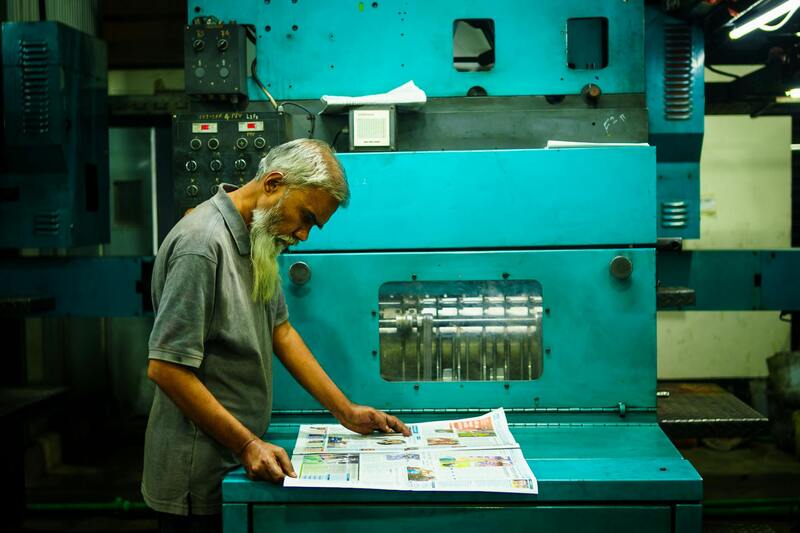
In addition to the core printing technology, finishing processes like coating, laminating, and binding are performed under strict quality controls. These finishing techniques enhance durability, provide resistance to wear and tear, and contribute to the visual appeal of each brochure. Special effects such as matte or gloss lamination, spot UV coating, embossing, and foil stamping are also implemented to add tactile and visual depth, further elevating the perceived value of the printed material.
Choosing an experienced, reliable printer in Singapore involves assessing their commitment to quality standards, reputation, and technological capabilities. It is advisable for clients to request samples or proofs prior to mass printing, ensuring that the output aligns with their branding and aesthetic expectations. This due diligence helps in avoiding issues related to color mismatches, image resolution, or finishing deficiencies, ultimately resulting in professional, impactful brochures.
Understanding these legitimate and practiced printing methods allows businesses in Singapore to make informed decisions, ensuring their promotional materials effectively communicate their message and uphold their brand image. Properly executed, professional brochure printing becomes a powerful tool in strategic marketing and corporate communication efforts.
Comprehensive Methods for Legitimate Brochure Printing in Singapore
In Singapore, businesses seeking to produce high-quality brochures must prioritize established printing methods that assure consistency, durability, and visual appeal. Recognized printing technologies include offset printing and digital printing, both of which are widely accepted and used by professional printing providers. Offset printing remains the preferred choice for large-volume orders due to its efficient production speed and superior color accuracy. This technique involves transferring ink from a plate to a rubber blanket, then onto the printing surface, allowing for precise color matching and sharp image reproduction. Digital printing, on the other hand, offers flexibility and rapid turnaround for smaller batches or customized jobs, as it directly applies digital images onto the substrate without the need for plates. The integration of these methods ensures that clients can select the most suitable technology based on their project scale and budget.

Maintaining high-quality standards involves more than just the choice of printing technology. Reputable printers adhere strictly to established calibration protocols to ensure color consistency and sharp image detail across all prints. They utilize high-resolution image files prepared according to industry-specifications, which minimizes issues like pixelation or misregistration. Quality control processes include thorough proofing, color calibration, and finishing inspections before the final batch. When selecting a printing provider, clients are encouraged to request samples or proofs, examining color fidelity, image sharpness, and paper quality firsthand. This step is vital for aligning expectations with the final output and avoiding costly reprints.

Other critical aspects include the use of legitimate, high-grade materials, such as acid-free papers, eco-friendly inks, and durable finishes like lamination or varnish. Finishings, including matte or gloss coatings, spot UV, embossing, and foil stamping, are applied under strict quality protocols to enhance visual impact and tactile experience. These finishing touches not only augment aesthetic appeal but also increase the longevity of the brochure, making them suitable for prolonged handling and exposure to environmental elements.
Choosing a printer with proven technological capabilities and a track record of quality assurance is paramount. Clients should evaluate the provider's portfolio, review client testimonials, and assess the range of services offered. Detailed discussions about project specifications, required turnaround times, and sample reviews help ensure alignment. Engaging with experienced professionals guarantees that their printing processes follow legitimate, industry-recognized standards, ultimately delivering compelling marketing collateral that faithfully represents the brand or message intended.
Understanding the Materials and Finishing Options for Brochure Printing in Singapore
Choosing the right materials and finishing options is fundamental to producing brochures that are both visually appealing and durable. In Singapore, reputable printing providers prioritize high-quality materials, ensuring that each brochure not only captures attention but also withstands prolonged handling. This commitment to quality begins with selecting appropriate paper stocks, ink types, and protective coatings.
Premium Paper Stocks for Brochures
The foundation of any professional brochure is its paper quality. Standard options include matte, gloss, and satin finishes, each offering distinct visual and tactile qualities. Matte paper provides a non-reflective surface that lends a sophisticated look, suitable for conveying elegance and readability. Glossy paper enhances color vibrancy and contrast, making visuals and graphics pop to attract the reader's eye. Satin or silk finishes strike a balance, offering a smooth surface with a subtle sheen that elevates the overall appearance.

Additionally, specialized papers such as recycled, textured, and heavy-weight stocks are available to align with branding values or specific tactile preferences. Recycled papers underscore an eco-conscious image, while textured options like linen or vellum add unique tactile dimensions. Heavy-weight stocks ensure sturdiness, making brochures suitable for handling without risk of tearing or creasing.
Finishings and Coatings
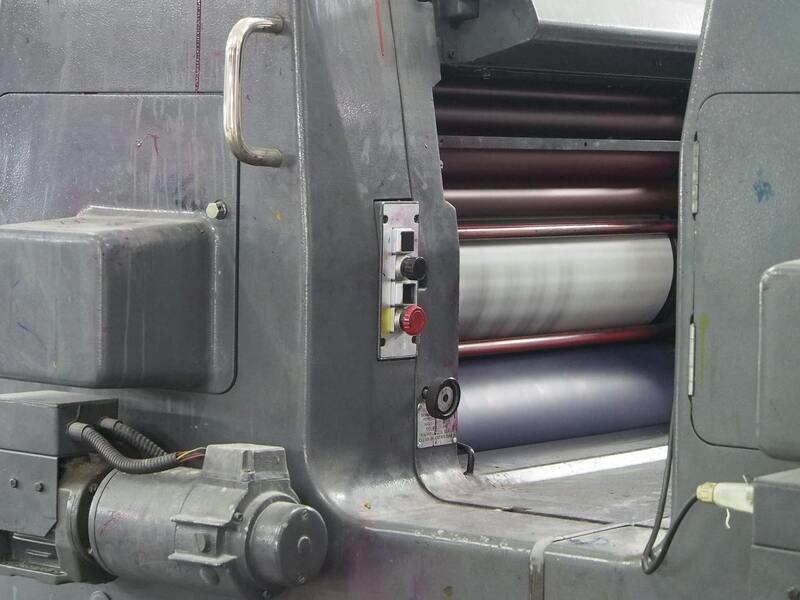
Finishing touches significantly enhance aesthetic appeal and longevity. Matte finishes are preferred for understated elegance and professional documents, while gloss coatings serve to intensify colors and add a vibrant sheen. Spot UV coating is a popular technique used selectively on specific areas, such as logos or headings, to add a striking visual contrast and tactile differentiation. Embossing and debossing techniques create raised or recessed designs, adding depth and a premium touch to the brochure’s visual elements.
Foil stamping is another impactful finishing option, often used for titles, logos, or accent details. It applies metallic or pigmented foils to the surface under high heat and pressure, resulting in a luxurious effect. Lamination, available in matte, gloss, or soft-touch finishes, provides an additional protective barrier against scratches and environmental wear, extending the brochure’s lifespan.
Application and Strategic Selection
The choice of materials and finishing should align with the brochure’s purpose, target audience, and brand identity. For instance, a luxury brand might opt for vellum textured paper with foil stamping and spot UV accents, emphasizing exclusivity. Conversely, environmentally conscious companies may prefer recycled matte paper with minimal finishing to reinforce their sustainable message.
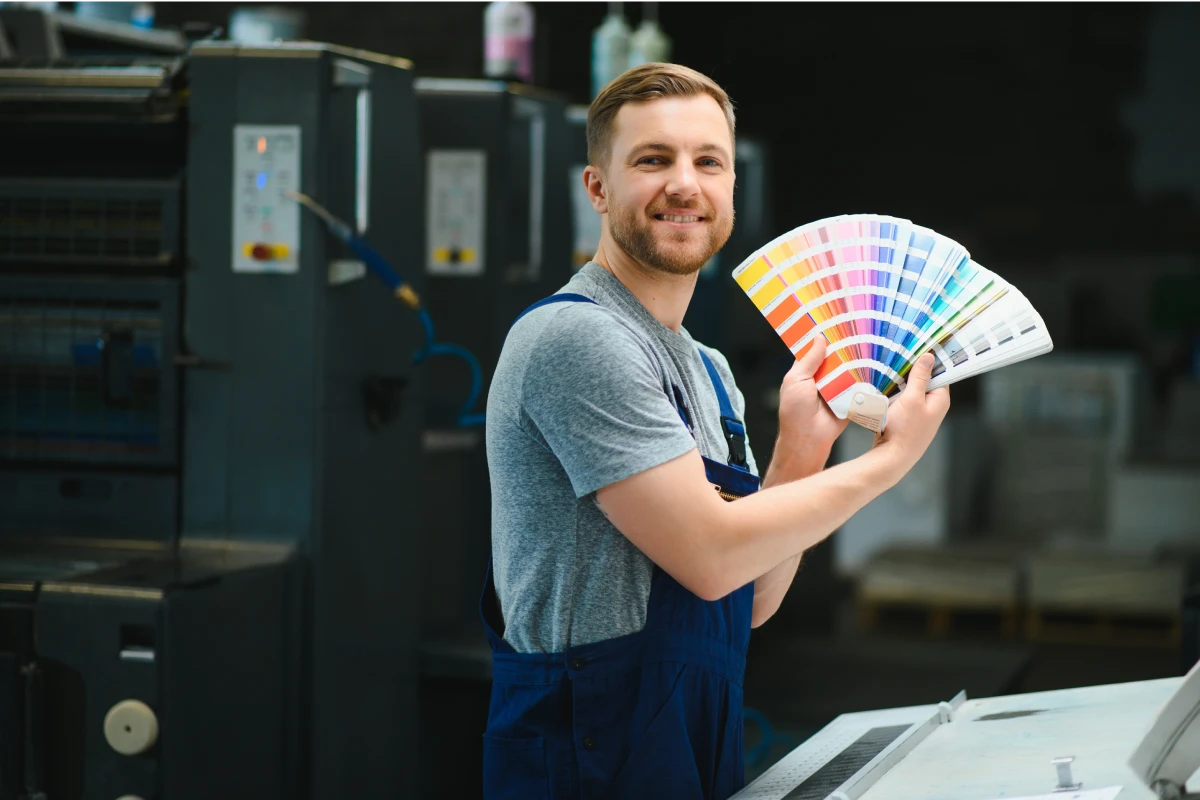
Regardless of the selected options, working with a printer experienced in Singapore’s printing standards ensures consistency, adherence to quality control procedures, and compliance with industry best practices. Sample proofs and swatch books allow clients to preview the final product and verify that the selected materials meet expectations before mass production begins.
Overview of Brochure Printing in Singapore
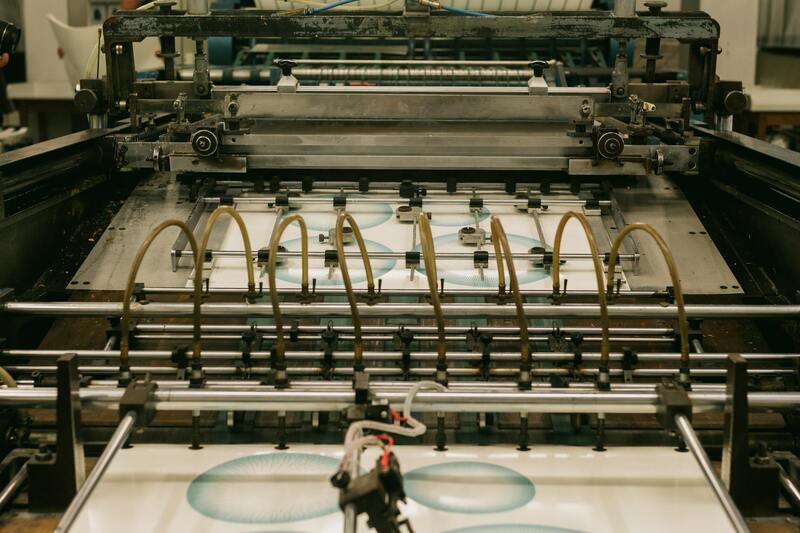
Brochure printing remains a cornerstone of professional marketing and branding strategies within Singapore’s vibrant business landscape. High-quality brochures serve as tangible representations of a company’s identity, showcasing products, services, or corporate messages with design precision and tactile appeal. With Singapore’s competitive market environment, choosing the right printing method, material, and finishing options is crucial to produce brochures that effectively communicate your brand’s value proposition and captivate your target audience.
Types of Brochures and Folding Styles
The diversity of brochure styles allows for tailored messaging and visual impact, depending on your marketing objectives. Common formats include tri-fold, bi-fold, gate-fold, accordion, and Z-fold designs, each offering unique opportunities for creative layouts and content presentation.
- Tri-fold brochures: Popular for their compact design and versatility, tri-fold brochures divide the content into three panels, which can be unfolded to reveal expansive internal sections. They are ideal for product catalogs, event programs, and service overviews.
- Bi-fold brochures: Featuring two panels that fold inward, bi-folds provide a clean and professional look, suitable for detailed information and brand storytelling.
- Gate-fold brochures: These have two end panels that open like gates to reveal a central panel, offering a dramatic reveal for promotional content or high-end product displays.
- Accordion or Z-fold brochures: Folding in a zig-zag pattern, these are excellent for storytelling or step-by-step processes, providing an engaging reading experience.
The choice of folding style influences not only aesthetics but also how easily your audience can navigate the information, making it essential to match the style to your content and distribution method.
Materials and Finishing Options
Material selection impacts both the durability and visual appeal of your brochures. Options include standard coated papers, textured finishes, recycled stocks, and specialty materials such as vellum or glossy finishes. Finishes like lamination, embossing, foil stamping, and spot UV coating can significantly enhance the tactile feel and visual impact of your brochures.

Choosing the right combination depends on your branding goals and target audience. Luxury brands often opt for vellum textured paper with foil stamping and spot UV, elevating perceived value. Greener initiatives may favor recycled matte papers combined with minimal finishing to emphasize sustainability.
Printing Technologies and Quality Standards
Advanced printing technologies such as digital and offset printing ensure sharp visuals, consistent color reproduction, and efficient production processes. Digital printing offers fast turnaround and flexible customization, making it suitable for short runs and on-demand orders. Offset printing, with its superior color accuracy and bulk cost efficiencies, is ideal for large volume projects where quality consistency is paramount.
Maintaining industry-standard quality involves strict adherence to calibration procedures, color management, and meticulous quality control checks. Samples and proofs are typically provided before final printing, allowing clients to verify color accuracy, layout, and material choice, ensuring their expectations are met precisely.
Customization and Design Services
Professional printing providers often offer comprehensive design services to translate your branding concepts into impactful brochure layouts. From incorporating brand elements to enhancing readability through typography and imagery, these services ensure your brochures stand out. Customization options include die-cut shapes, matte or glossy finishes, embossing, foil accents, and unique fold patterns, enabling tailored solutions that align with your brand identity and campaign goals.
Turnaround Time and Delivery Options
Efficient project management allows for rapid turnaround times, often ranging from 3 to 7 business days depending on the complexity and volume. Express options are available for urgent needs, with some providers offering next-day or same-day printing in Singapore. Reliable shipping and courier services ensure your finished brochures are delivered promptly to your designated location, whether for pre-launch events, trade shows, or direct mailing campaigns.
Effective Utilization of Official Methods for Brochure Printing in Singapore
To maximize the impact of your marketing campaigns and uphold branding standards, relying on reputable and established brochure printing methods is essential. Singapore boasts a vibrant printing industry equipped with state-of-the-art technology and experienced professionals dedicated to delivering consistent, high-quality results. When selecting a brochure printing service, it is crucial to focus on factors such as adherence to industry standards, use of official printing protocols, and access to comprehensive quality control measures.
Ensuring Printing Quality Through Certified Equipment and Processes
Employing certified printing equipment ensures that color reproduction, image clarity, and material consistency meet rigorous standards. Professional printers in Singapore utilize calibrated digital presses and advanced offset machinery that adhere to industry benchmarks for color accuracy and sharpness. These machines are regularly maintained and calibrated, helping prevent discrepancies in color tones, image resolution, and finishing details.

Adherence to Color Management and Proofing Protocols
Accurate color matching is vital for maintaining brand integrity and ensuring your brochures appear as intended across all distribution channels. Established printing firms employ color management systems (CMS) and printing standards like ISO 12647 to control color output precisely. Before the final run, clients receive printed proofs or digital samples, which are verified to match the desired visual outcome. This official validation process minimizes errors and ensures the final product aligns with branding requirements.
Use of High-Quality Materials and Finishing Techniques
Legitimate brochure printing services source materials from reputable suppliers, guaranteeing material authenticity and durability. Materials such as premium gloss, matte, or textured papers, combined with eco-friendly options, are used according to project specifications. Finishing options—including lamination, embossing, foil stamping, and die-cutting—are conducted using certified processes designed to enhance aesthetics and longevity. These techniques are performed under strict protocols to ensure every finish adheres to safety and quality standards.
Methodical Workflow for Consistent Results
Official brochure printing methods follow a structured workflow that incorporates multiple quality checks throughout the process. From pre-press preparations such as file verification and color proofing to final inspection before packaging, each stage is documented and audited. This systematic approach guarantees that only defect-free, high-quality brochures reach clients. Reliable providers often implement ISO-certified quality management systems, further reinforcing confidence in their processes.
Legitimate Delivery and Logistics Solutions
Official printing companies partner with reputable logistics providers to ensure timely and secure delivery of printed materials. Depending on client needs, they offer express, standard, or bulk shipping options. Tracking systems and insurance policies accompany the delivery process, providing transparency and protection against potential damages or delays. These practices authenticate the handling of your marketing collateral, reinforcing the authenticity of the printing process.
Compliance with Industry Regulations and Safety Standards
All official printing facilities in Singapore comply with local regulations regarding environmental standards, waste disposal, and safety protocols. Use of non-toxic inks and eco-certified papers aligns with sustainable practices and safety guidelines. Certification marks such as ISO 14001 or FSC indicate compliance with environmental management standards, showcasing a commitment to responsible manufacturing practices that meet official protocols.
Investing in authorized and certified brochure printing methods in Singapore not only guarantees a superior quality product but also safeguards your brand reputation. By choosing trusted providers that adhere to established industry standards, you ensure that your marketing materials are produced through legitimate, high-quality processes designed to meet professional expectations and industry best practices.