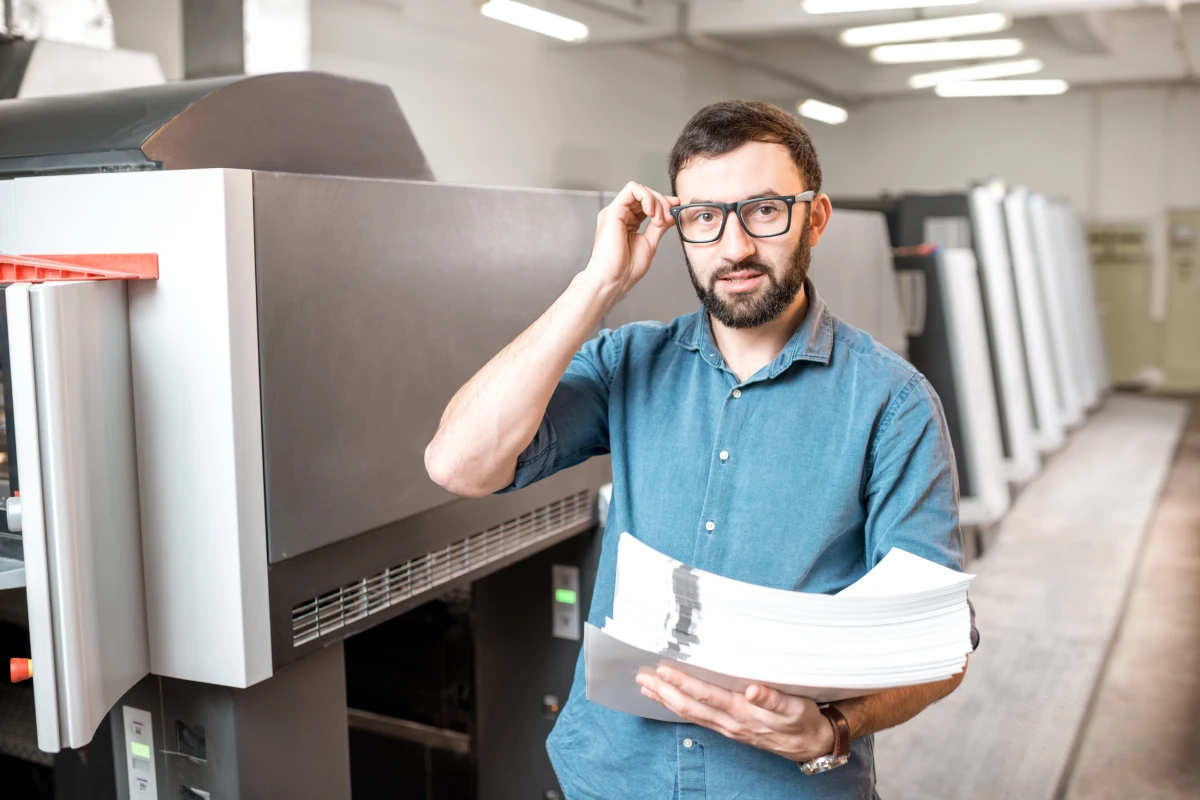
Booklet Printing Quote: How To Get The Best Printing Cost For Your Booklets
Understanding Booklet Printing Services
Booklet printing serves as a vital method for creating compact, professional materials that effectively communicate information, promote products, or tell stories. Whether used for marketing campaigns, educational purposes, or artistic projects, booklets are versatile tools that cater to a range of needs. The process involves selecting the appropriate paper, binding, and printing options to produce a finished product that aligns with your goals and budget.
Common Uses of Booklet Printing
- Marketing brochures and catalogs
- Event programs and agendas
- Instruction manuals and product guides
- Art portfolios and photography collections
- Educational materials such as workbooks and manuals
- Promotional leaflets for retail or corporate branding
- Creative projects like zines, comics, and coloring books
Binding Types and Sizes
Booklet binding options are designed to suit specific project needs, with common types including saddle stitch, perfect binding, wire-o binding, and spiral binding. Saddle stitching, created with staples along the spine, is cost-effective and ideal for booklets with fewer pages. Perfect binding offers a sleek, professional finish for thicker booklets, often used in magazines and catalogs. Wire-o and spiral bindings facilitate easier page turning and are popular for workbooks, manuals, and creative portfolios.
Standard booklet sizes vary but typically include 5.5" x 8.5", 8.5" x 11", or square formats—chosen based on content and distribution preferences. Custom sizes are available to meet specific requirements.
Printing Options Available
Printing methods range from digital to offset printing, each with benefits suited to different quantities. Digital printing offers quick turnaround and flexibility for small batches, while offset printing provides high quality and cost efficiency for larger runs. Full-color printing enhances visual appeal, especially for marketing materials, whereas black and white options are suitable for text-heavy documents.
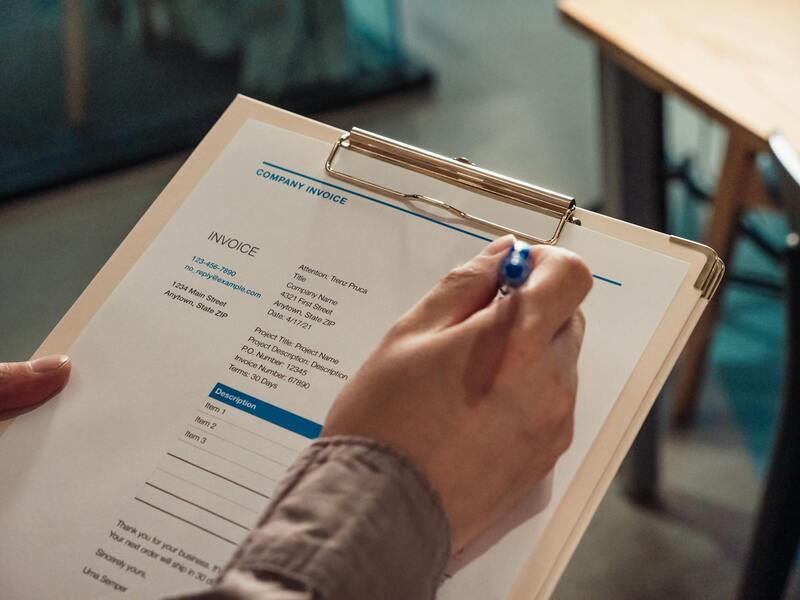
Additional print finishes, such as gloss or matte coatings, embossing, and lamination, contribute to durability and aesthetic quality. The choice of options directly impacts the overall presentation and cost of your booklet printing project.
Understanding Booklet Printing Services
Engaging professional booklet printing services involves a comprehensive understanding of the various options available to ensure that your project meets both aesthetic and functional expectations. When seeking a proper booklet printing quote, it's essential to consider specific parameters such as size, binding method, paper quality, and color options to fully grasp the associated costs. These factors directly influence the overall quality, durability, and visual appeal of the final product.
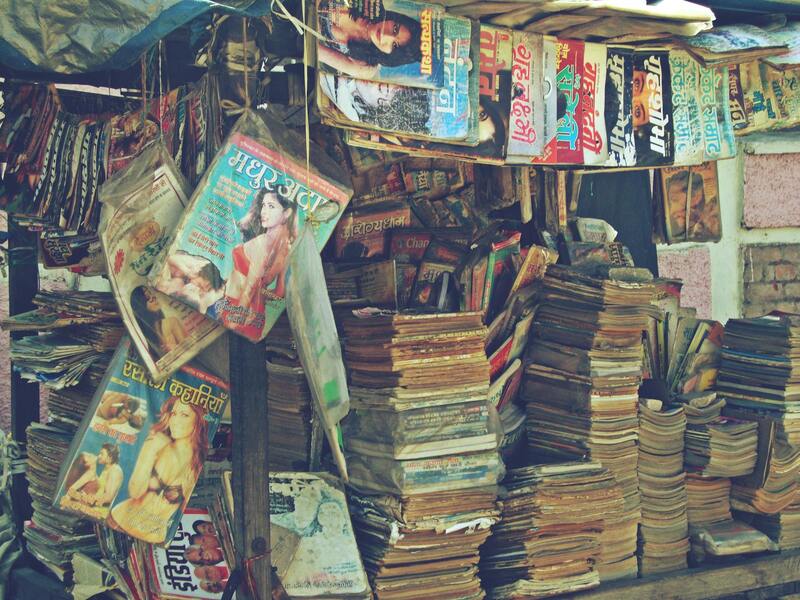
Popular Booklet Formats and Customization
Booklet sizes typically range from standard dimensions, such as 5.5" x 8.5" or 8.5" x 11", to custom dimensions crafted to meet particular content or branding requirements. The choice of size impacts material costs and the printing process itself. In addition, the interior content layout—whether simple textual information or rich, full-color visuals—must be matched with appropriate printing techniques and paper qualities.
Customization in binding and finishing options allows for tailored presentations. Saddle stitching, which uses staples along the spine, offers an economical solution suitable for shorter booklets. Perfect binding achieves a sleek, professional appearance for thicker projects like catalogs and magazines. Wire-o and spiral bindings facilitate easy page turning, making them ideal for workbooks and manuals where accessibility is key.
Color and Paper Selection
The decision between full-color printing and black-and-white options significantly impacts costs and production time. For visually engaging marketing materials or catalogs, full-color printing on high-quality, coated papers enhances vibrancy and durability, making a favorable impression on recipients. Conversely, text-heavy or internal documents may benefit from black-and-white printing, reducing expenses without compromising clarity.
Paper quality is a critical consideration. Thinner, lightweight papers serve well for informational booklets, while thicker, premium stocks elevate the tactile experience, suitable for luxury branding or presentation copies. Specialty finishes, such as gloss or matte coatings, embossing, or lamination, can further enhance the durability and aesthetic of your booklets, but these options also influence the overall booklet printing quote.
Additional Printing Finishes
- Gloss or matte coatings for visual impact and protection
- Embossing or debossing for textured effects
- Lamination to increase durability and provide a professional touch
By selecting appropriate finishes, clients can significantly improve the presentation quality and lifespan of printed booklets, aligning the final product with their brand standards and project goals.
Understanding Booklet Printing Services
Booklet printing encompasses a range of options designed to meet various marketing, informational, and branding needs. Whether you are producing a small run of promotional materials or a large-scale catalog, selecting the right printing methods ensures a professional outcome aligned with your budget. Key considerations include the choice of binding, paper quality, ink options, and finishing touches. Each aspect influences not only the visual appeal but also the overall cost, turnaround time, and durability of the finished product.

Traditional saddle stitch binding remains a popular choice for booklets with a modest number of pages, providing a cost-effective and clean layout. For thicker booklets, perfect binding offers a more polished appearance, similar to paperback books, and is suited for longer projects. Spiral or wire-o binding offers the advantage of easy page turning, making these formats perfect for manuals, workbooks, or instructional guides where accessibility is important.
Material Choices and Finishes
The paper selection will directly influence the quality and feel of your booklet. Standard options include uncoated paper for internal pages, which is ideal for text-heavy documents, or coated stocks for vibrant images and cover pages. For enhanced durability and aesthetic appeal, clients often opt for glossy or matte coatings, which dramatically affect the visual presentation and protective qualities of the finished product. Embossing, UV coating, and lamination are additional finishes that can elevate the tactile experience and longevity of your booklet, proving worthwhile for branding and premium presentations.
Print Color and Ink Options
The decision between full-color and monochrome printing hinges on your objectives and budget. Full-color printing delivers vivid, engaging visuals perfect for product catalogs, branding brochures, or any marketing material where color plays a pivotal role. Black-and-white printing, on the other hand, offers a economical alternative for internal documents or manuals that prioritize clarity over vibrancy. Digital or offset printing methods are chosen based on volume and desired quality, with each having specific advantages that impact costs and turnaround times.
Cost Factors and Optimization
The total expense for booklet printing is determined by numerous variables, including:
- Number of pages
- Quantity ordered
- Type of binding selected
- Paper quality and finish
- Color printing versus black-and-white
- Additional finishes such as coating or embossing
Understanding these factors allows you to tailor your project specifications to align with your budget while maintaining quality. For example, reducing page count, opting for standard paper, or simplifying finishing options can significantly decrease printing costs without sacrificing clarity or impact.
Images and Design Considerations

Design complexity and image quality also play crucial roles in the overall pricing. High-resolution images and intricate layouts may require more advanced printing techniques and result in higher costs. Collaborating with experienced designers can streamline this process, ensuring that your booklet makes a compelling visual statement aligned with your brand standards.
Understanding Booklet Printing Services
Booklet printing encompasses a range of professional services designed to produce marketing materials, informational publications, or artistic projects with precision and aesthetic appeal. These services typically involve the conversion of your digital designs into tangible printed booklets, using state-of-the-art technology that ensures vibrant colors, sharp images, and durable finishes. Reputable printing providers, like s7printing.com, offer tailored solutions that accommodate various sizes, binding types, and paper qualities, aiming to meet both your creative vision and budget constraints.

Design and Material Selection
The foundation of a successful booklet begins with thoughtful design, which should consider layout, typography, imagery, and overall aesthetics. Equally important is the choice of materials. The type of paper—ranging from standard, matte, gloss, or premium finishes—directly influences the tactile experience and perceived value of your printed piece. Higher-grade paper options are ideal for projects requiring durability and a premium look, such as executive summaries or art booklets, while more economical options serve internal documents or informational pamphlets.
Printing Techniques
Two primary printing processes dominate the industry: digital and offset printing. Digital printing offers quick turnaround times and is cost-effective for smaller quantities, providing excellent quality with fewer setup requirements. Offset printing, suitable for larger runs, delivers superior color fidelity and consistency, especially important for projects with extensive color profiles or detailed imagery. Selecting the optimal method depends on the number of copies needed and your quality expectations.
Finishing Options
Beyond basic printing, finishing touches such as coating, lamination, embossing, or foil stamping can significantly enhance the durability and visual impact of your booklet. For instance, UV coating adds a glossy layer that enhances colors and provides scratch resistance. Embossing or debossing introduces tactile elements that make your booklet memorable. Such options are essential for projects intended to convey a sense of luxury or to capture attention in competitive markets.
Bindings Available
- Saddle Stitching: Cost-effective and suitable for booklets with fewer pages, offering a clean, professional look.
- Perfect Binding: Provides a polished, book-like appearance, ideal for larger booklets or catalogs.
- Sewn Binding: Offers durability for publications intended for frequent reference.
- Spiral and Wire-O Binding: Facilitate easy page turning and lay-flat functionality, perfect for manuals or workbooks.
Each binding type brings its own cost implications and suitability depending on the project's scope and intended use. Carefully evaluating your needs will help optimize your budget while ensuring functional excellence.
Understanding Booklet Printing Services
Booklet printing services encompass a comprehensive range of options designed to bring your visual and textual content to life through high-quality production processes. These services cater to diverse needs, from marketing materials such as brochures and catalogs to creative projects like art books and comics. The primary goal is to produce a finished product that accurately reflects your design and branding while meeting your budget and timeline requirements. Professional booklet printing involves not just the printing process but also thoughtful considerations of materials, binding, finishing touches, and customization options to ensure a polished and impactful final product.
Factors Influencing Booklet Printing Quotes
When requesting a booklet printing quote, several key factors can influence the overall cost, and understanding these allows for better budget planning and project management. Costs are primarily impacted by the following elements:
- Quantity: Larger print runs generally lead to lower per-unit costs due to economies of scale. Small orders, however, may incur higher unit costs because setup and preparation costs are spread over fewer copies.
- Page Count: The number of pages directly affects printing, binding, and finishing expenses. Booklets with more pages require more materials and more time, influencing the final quote.
- Paper Type and Weight: Thicker, higher-quality paper increases production costs but provides a more durable and premium feel. Choices range from standard gloss or matte finishes to specialty papers like textured or recycled options.
- Binding and Finishing Options: Binding methods such as saddle stitching, perfect binding, or spiral binding offer different levels of durability and aesthetic appeal, each with its associated costs. Additional finishing touches, like lamination, embossing, or foil stamping, add visual flair and tactile value, impacting overall pricing.
- Color vs. Black and White: Full-color printing is more costly due to the use of multiple inks and longer print times, whereas black and white is typically more budget-friendly.
- Delivery and Turnaround Time: Expedited production often incurs higher costs. Standard turnaround times are more economical but may not suit urgent project deadlines.
Calculating Your Booklet Printing Costs
To accurately estimate your booklet printing costs, consider the cumulative effect of each influencing factor. For instance, a large-order booklet with high-quality paper and ornate finishing will naturally carry a higher price than a small batch printed on standard paper with basic binding. It’s essential to prioritize your project’s key features—such as durability or visual impact—and balance these with available budget constraints. Many printing providers offer detailed cost calculators or consultation services that help you understand how varying options affect your overall quote.
Requesting Quotes from Printing Providers
When reaching out to printing providers for a booklet printing quote, clarity and detailed specifications are crucial. Provide comprehensive information regarding your project, including dimensions, page count, preferred paper types, binding style, and finishing options. This level of detail helps ensure the quote accurately reflects your desired outcome, preventing unexpected costs later in the process. Several legitimate channels exist for obtaining quotations, including online forms, direct emails, or phone consultations. It’s advisable to gather multiple quotes to compare prices, turnaround times, and service quality. Be sure to inquire about bulk discounts, promotional offers, or package deals that can optimize your budget. Having a clear understanding of your project’s scope, expected quality, and timeline will streamline the quoting process and foster effective communication with your chosen printing provider. Additionally, discussing potential cost-saving options—such as reducing page count, selecting alternative paper finishes, or adjusting binding styles—can help you find a solution that aligns perfectly with your goals and budget constraints.
Understanding Booklet Printing Services
Booklet printing services encompass a range of options designed to produce high-quality printed materials suitable for promotional, informational, or creative purposes. These services often cater to businesses, artists, and organizations seeking professional-grade booklets that reflect their brand or artistic vision. The process involves selecting appropriate paper types, binding methods, sizes, and finishing options, all aimed at creating a visually appealing and durable product. Reputable providers utilize advanced printing technology to ensure color accuracy, sharp images, and consistency across large print runs. When exploring booklet printing services, it’s essential to consider the printer’s experience, equipment quality, and capacity to handle specific project requirements, which directly influences the overall quality and value of the final product.
Factors Influencing Booklet Printing Quotes
Several key elements determine the cost of booklet printing, each impacting the final quote provided by printing companies. These factors include:
- Quantity: The number of booklets ordered significantly affects unit costs. Larger quantities often benefit from bulk discounts, reducing the per-unit price.
- Page Count and Size: The number of pages and the dimensions of the booklet influence paper usage, binding complexity, and overall printing costs.
- Paper Quality and Type: The choice between matte, gloss, recycled, or specialty papers can alter expenses. Premium or textured papers tend to cost more than standard options.
- Binding Style: Options such as saddle stitch, perfect binding, spiral binding, or wire-o binding each have distinct costs and durability considerations.
- Finishings and Special Features: Enhancements like lamination, embossing, foil stamping, or additional coatings add to the total price but can elevate the booklet’s appeal and protection.
- Turnaround Time: Express or expedited services, like same-day or next-day delivery, typically incur higher charges due to increased production speed and resource allocation.
Calculating Your Booklet Printing Costs
Understanding the cost structure helps in planning your budget effectively. Begin by determining the essentials: expected print quantity, page dimensions, paper preferences, and binding type. Multiply the unit price—based on these factors—by your projected quantity to estimate overall expenses. Consider potential add-ons, such as special finishes, additional copies for distribution, or custom design services. Many online printing platforms provide calculators or instant quotes to streamline this process, allowing for quick adjustments to project specifications and immediate cost awareness. Recognizing the independent impact of each element ensures more accurate budgeting and helps prioritize options that align with your financial constraints.
Requesting Quotes from Printing Providers
When obtaining quotes, clarity in your project specifications is crucial to receiving accurate estimates. Prepare detailed descriptions including:
- Final dimensions of the booklet
- Number of pages and total quantity
- Preferred paper types and weights
- Binding style and finishing options
- Desired turnaround time
- Additional services such as custom packaging or mailing
Many printing companies offer online quote forms, enabling you to input your project details directly for immediate estimates. Alternatively, direct communication via email or phone consultations can facilitate more tailored discussions, especially for complex projects. It’s beneficial to gather multiple quotes, compare not just prices but also delivery times and service quality. This due diligence ensures a comprehensive understanding of the available options, helping you select a provider that offers the best combination of affordability and quality. When discussing your project, inquire about discounts for bulk orders, potential promotional rates, or bundled services that can add value to your investment.
Turnaround Times and Their Impact on Cost
Speed of production directly influences pricing in booklet printing, with expedited options like same-day or next-day delivery involving higher costs due to resource prioritization. Standard turnaround times, typically ranging from a few days to a week, generally offer more economical rates. When planning your project, balancing urgency with budget considerations is vital. If your schedule permits, opting for a standard or slightly extended timeline can result in significant savings while still receiving high-quality output. Conversely, tight deadlines might necessitate premium rates, especially if additional shifts or urgent production processes are required. Assessing your project’s timeline helps you determine the most cost-effective approach without compromising quality or delivery needs.
Understanding Booklet Printing Services
Booklet printing is a versatile service tailored to meet a wide range of marketing, educational, and creative needs. It involves printing multiple pages that are folded, bound, and presented as a cohesive publication. From promotional brochures and catalogs to artistic portfolios and community zines, the scope of booklet printing is extensive. When seeking a booklet printing quote, it’s essential to understand the scope of services offered by providers, including options for paper quality, binding styles, print quantities, and finishing techniques. Reliable printing companies employ high-quality digital or offset printing technologies to ensure vibrant colors, sharp text, and durable bindings, which all influence the overall costs. Additionally, understanding the technical aspects, such as page count and fold types, helps in accurately assessing pricing and making informed decisions.

Factors Influencing Booklet Printing Quotes
Several key factors determine the cost of booklet printing, making it important to evaluate each aspect to obtain an accurate quote. The primary considerations include:
- Page count and size: Larger booklets with more pages will naturally incur higher costs. Standard sizes, such as A4 or letter-size, tend to be more economical than custom dimensions.
- Paper quality and finish: Options range from lightweight gloss or matte finishes to heavier, premium stocks. Special finishes such as gloss lamination, UV coating, or textured papers can significantly impact pricing.
- Binding style: Choices like saddle stitching, perfect binding, or spiral binding affect both the aesthetic appeal and cost. Simpler saddle-stitch bindings usually cost less, making them ideal for shorter booklets.
- Print quantity: Larger bulk orders often benefit from volume discounts, reducing the per-unit price.
- Color versus black-and-white printing: Full-color printing, especially on both sides, increases expenses compared to monochrome options.
- Turnaround time: Expedited services, such as same-day or next-day delivery, usually carry premium charges due to accelerated production schedules.
Calculating Your Booklet Printing Costs
Accurately estimating the cost of booklet printing involves considering the outlined factors and obtaining detailed quotes from multiple providers. To facilitate this process:
- Determine the desired size, page count, and quantity.
- Select the preferred paper type and binding style based on your aesthetic and durability needs.
- Decide on color or black-and-white printing, considering the importance of visual elements.
- Adjust your project timeline prudently to balance costs and delivery speed.
- Request detailed quotations by providing specific project details, including any special finishing requirements or custom features.
It’s advisable to request sample prints or view portfolios from potential providers to ensure the quality aligns with your expectations before committing to a large batch, especially when the project involves critical branding elements.

Requesting Quotes from Printing Providers
To secure the most competitive booklet printing quote, compile a comprehensive project brief that clearly outlines your specifications. This should include the booklet dimensions, page count, number of copies, paper preference, binding style, and any special finishing touches. Contact multiple providers either through their online quote forms, email, or phone, and provide these details to receive precise estimates. Many reputable printing companies like s7printing.com offer tools that allow for instant online quotes based on your input, enabling quick comparison. When requesting quotes, it’s beneficial to ask about discounts for bulk orders, repeat business, or bundled services, which can contribute to further savings. Additionally, clarifying turnaround times and requesting proof samples or digital mockups can prevent costly surprises and ensure your project remains aligned with expectations.
Choosing the Right Paper and Binding for Your Budget
Selection of paper and binding is a critical aspect impacting both appearance and budget. Standard options like matte or gloss finishes on lightweight paper are typically the most affordable and suitable for informational brochures. Conversely, heavier, textured, or coated papers enhance tactile appeal but come with higher costs. When balancing aesthetics and expenses, consider the primary purpose of your booklet—if it's for a brief promotional handout, a simple matte finish with saddle stitching may suffice. For a high-end portfolio or a publication that requires durability, investing in premium paper stocks and binding options like perfect binding or spiral binding might be justified. Consulting with your printing provider about material choices can provide insights into cost-effective solutions that meet your quality expectations without exceeding your budget.
Turnaround Times and Their Impact on Cost
The urgency of your project greatly influences the pricing of booklet printing. Standard turnaround times, typically ranging from three to seven business days, are generally more economical. These allow the printing company to optimize production schedules and reduce labor costs. Rush orders, including same-day or next-day services, involve additional resource allocation, often incorporating overtime work or expedited shipping fees, which elevate the overall cost. Planning your project well in advance can lead to substantial savings, providing ample time to review proofs, approve designs, and schedule printing without premium charges. In scenarios where deadlines are tight, consider balancing speed with expense by opting for a slightly extended timeline, which can significantly reduce costs while still ensuring delivery of high-quality printed booklets.
Finalizing Your Booklet Printing Budget and Quote
Securing an accurate and comprehensive booklet printing quote is essential to ensuring your project remains financially feasible while meeting your quality expectations. The process involves a careful review of the initial estimates provided by your chosen printing service, along with an understanding of potential additional costs that may arise during production.
Analyzing the Quote Breakdown
Most professional printing companies will offer a detailed quote that itemizes costs based on various factors such as the number of copies, paper quality, binding type, and finishing touches. When reviewing these quotes, pay close attention to the following:
- Per-unit pricing: This indicates the cost for each booklet. A lower per-unit price often correlates with larger print runs.
- Setup fees: Charges associated with preparing the printing process, such as plate creation or digital file setup.
- Material costs: Cost variations based on paper type, weight, and finish. Premium papers will increase expenses, but they can elevate the perceived value of your booklet.
- Binding options: Choices like saddle stitch, perfect binding, spiral binding, or wire-o each have different costs associated.
- Finishing options: Laminations, UV coatings, embossing, or foil stamping can add to the overall price but enhance durability and aesthetics.
- Delivery charges: Shipping costs are often calculated separately and can vary significantly based on location and delivery speed.
Considering Hidden or Optional Costs
While most quotes are transparent, it is prudent to inquire about any additional fees that might not be immediately apparent. These could include supplemental charges for:
- Design adjustments or proofing revisions, especially if multiple review cycles are anticipated.
- Rush printing options, which involve expedited workflows and higher labor costs.
- Specialized finishes or custom inserts that may be requested mid-production.
Ensuring the Quote Fits Within Your Budget
To keep your project financially on track, compare multiple quotes from reputable providers, ensuring all include identical specifications for an accurate comparison. Additionally, communicate your budget constraints transparently in your initial inquiry. A reliable printer can often recommend cost-effective alternatives—such as substituting certain materials or adjusting finishing details—that maintain your booklet's visual appeal without overspending.
Final Considerations
When finalizing your booklet printing budget, factor in the quality trade-offs associated with different choices. Recognize that investing slightly more in durable paper or binding can extend the lifespan of your booklet, especially if it serves as a promotional or reference material. Conversely, understanding the cost implications of larger print runs can help you decide whether to proceed with a bulk order to obtain better unit pricing.