Guide To Custom Printed Booklets For Effective Business And Marketing
Overview of Custom Booklet Printing
Custom booklet printing serves as a versatile visual communication tool, extensively utilized across various industries for marketing, branding, corporate presentations, product catalogs, and internal documentation. In Singapore's competitive market landscape, businesses leverage tailored booklets to create impactful stories around their products or services, ensuring they stand out amidst the noise. The process involves customizing every aspect, from the size and layout to the materials used, enabling companies to align their print outputs with their branding objectives and target audience preferences. This method of printing offers unmatched flexibility in design and content arrangement, allowing brands to showcase detailed information in an organized manner. Whether used for promotional purposes or detailed product descriptions, custom printed booklets serve as tangible representations of a company's professionalism and dedication to quality. The high standards of printing technology and materials available in Singapore ensure sharp image reproduction and durability, making these booklets ideal for long-term use. Furthermore, the strategic use of custom printed booklets can significantly enhance marketing campaigns by providing comprehensive information in a visually appealing format. They are also invaluable in settings like trade shows, corporate events, and client meetings, where a well-designed booklet can leave a lasting impression. The ability to customize every element, from size and paper thickness to binding style and finishes, offers businesses the creative freedom to produce unique, eye-catching printed materials. At s7printing.com, clients benefit from industry-standard practices that guarantee high-quality output. The printing process adheres to strict quality controls and utilizes the latest technology to ensure that each booklet meets professional standards. This commitment reflects Singapore's reputation as a hub for premium printing services, catering to businesses that demand excellence and attention to detail. In addition to aesthetic considerations, custom printed booklets also prioritize functionality, offering various sizes and formats tailored to specific purposes. Whether for executive handouts, instructional materials, or detailed product showcases, these printed materials serve to inform, educate, and persuade effectively. The combination of customization options and quality assurance makes custom booklet printing a strategic asset for businesses looking to enhance their communication and branding efforts in Singapore's dynamic market environment.

Overview of Custom Booklet Printing
Custom printed booklets are versatile marketing and informational tools that can be tailored to meet diverse business and personal needs. These booklets serve as effective mediums for storytelling, product presentation, instructional guides, portfolios, or event programs. When produced with precision and creative flair, they become a reflection of professionalism and attention to detail, elevating a brand’s image and communication strategy.

At the core of custom booklet printing lies a commitment to quality and customization. Businesses can choose from a broad array of paper stocks, binding styles, and finishes to align the final product with their vision and purpose. Whether opting for a compact saddle-stitched booklet or a comprehensive perfect-bound publication, each option can be optimized to enhance usability and visual appeal.
Design elements such as cover options, paper textures, and color schemes can be meticulously selected to resonate with the target audience, reinforcing brand identity and messaging. This level of customization ensures that each booklet not only communicates effectively but also leaves a memorable impression on its viewers.
Integral to this process is the use of the latest printing technology, coupled with rigorous quality control measures. This guarantees that colors are vibrant, details are sharp, and binding is durable, all aligning with professional standards. As a result, businesses can confidently produce high-quality print materials that stand out in competitive environments like trade shows, corporate presentations, or retail displays.
In addition, custom printed booklets offer flexibility in size, format, and content layout. They can be created to fit specific purposes — from compact pocket-sized versions that are convenient for handouts to larger formats suitable for detailed catalogs or portfolios. The adaptability in production parameters allows for seamless integration into different marketing campaigns and informational needs.
The ability to incorporate personalized elements, such as company logos, custom images, and tailored messaging, further enhances the cohesiveness of a brand’s visual narrative. Combining these design choices with superior print quality results in a durable, visually appealing product that effectively communicates core messages. This strategic investment in high-quality custom booklet printing can significantly boost a company's professional image and foster stronger connections with clients and stakeholders.
In summary, custom printed booklets stand out as powerful communication tools that blend creative design with premium printing standards. They are designed not only to inform but also to engage the audience, making them an indispensable element of strategic branding and information dissemination across diverse industries.
Understanding the Different Methods of Custom Printed Booklets
Professional booklet printing encompasses a variety of traditional and advanced techniques designed to produce high-quality, durable, and visually appealing materials. These methods ensure that every booklet reflects the intended message with clarity and professionalism, while also fitting the specific needs of diverse projects.

Offset Printing
Offset printing remains a cornerstone for large-volume booklet production. This process involves creating printing plates for each color and transferring ink onto a rubber blanket before printing onto the paper. Offset printing offers exceptional color accuracy, sharp image quality, and consistent results across high quantities. It is especially advantageous when a uniform appearance and precise color matching are required, such as for corporate brochures, catalogs, or premium marketing materials.
Digital Printing
Digital printing provides an efficient and cost-effective solution for small to medium orders. Unlike offset, it bypasses the need for plates, directly printing digital files onto paper. This method allows for quick turnaround times, easy customization, and file updates without additional setup costs. Digital printing is ideal for promotional booklets, personalized handouts, or when incorporating variable data for targeted messaging.
Hybrid and Specialty Printing Techniques
For projects that demand unique finishes or enhanced visual impact, hybrid solutions combining digital and offset printing are available. Specialty techniques like UV coating, spot gloss, foil stamping, embossing, or matte lamination can elevate a booklet’s appearance, providing tactile and visual enhancements that attract attention and reinforce brand identity.
Printing Material Compatibility
The choice of printing method often correlates with the materials used. Offset works well with standard and specialty papers in larger runs, while digital printing grants flexibility with paper types and finishes for shorter runs or variable content. All methods support a wide range of paper stocks and coatings, including matte, gloss, and satin finishes, ensuring the final product aligns with aesthetic and functional goals.
Environmental and Quality Considerations
Modern practices emphasize sustainable printing, employing soy-based inks, recycled papers, and environmentally conscious techniques. These options help minimize ecological impact without sacrificing print quality. Advanced printing technologies also ensure precise color reproduction, sharp images, and consistent finishes, critical for maintaining a professional and trustworthy brand presence in every booklet produced.
Ultimately, selecting the most suitable printing method depends on the project size, budget, desired aesthetic, and timeline. Collaborating with a reputable print provider ensures that these technical considerations are expertly managed, resulting in a product that effectively communicates your message and elevates your brand.
Ensuring Compliance with Official Printing Methods for Custom Booklets
When producing custom printed booklets, selecting official and reputable printing methods is essential to achieve a high-quality, durable product that faithfully represents your brand or message. Utilizing certified printing techniques and recognized suppliers ensures the integrity of the final product, adhering to industry standards and best practices. This commitment to authenticity involves working with established printing providers who utilize licensed equipment, environmentally friendly processes, and genuine materials to produce booklets that meet professional expectations.

Official Printing Technologies and Certification
Mentioning specific, certified printing techniques, such as offset and digital printing, confirms adherence to industry regulations and standards. Offset printing, a widely accepted method, relies on licensed machinery and processes that guarantee consistent color reproduction, sharp images, and long-lasting finishes. Certified digital printers offer flexibility and adhere to strict quality controls, ensuring each booklet meets rigorous standards. When engaging in custom booklet production, choosing providers that utilize certified equipment and environmentally conscious practices under recognized standards affirms their legitimacy and commitment to quality.
Utilizing Approved Materials
Only legitimate sources should be used for acquiring printing materials, including paper stocks, coatings, and finishing supplies. Certified suppliers provide materials that comply with safety and quality regulations, such as FSC (Forest Stewardship Council) or PEFC (Programme for the Endorsement of Forest Certification), which guarantee sustainable and responsibly sourced products. These materials are tested and approved for compatibility with various printing techniques, ensuring consistency and durability in the finished booklet. Working with authorized suppliers maintains transparency and guarantees the final product's integrity is upheld throughout the production process.
Working with Licensed Printing Providers
Official printing companies operate under licensing agreements and industry accreditations that exemplify their adherence to technical, environmental, and safety standards. These providers typically have comprehensive quality assurance protocols, including regular equipment calibration, staff training, and adherence to environmental regulations. When requesting custom printed booklets, verify these credentials and certifications to confirm you're collaborating with a legitimate source. This approach minimizes risks associated with counterfeit or substandard products, ensuring your printed materials reflect professionalism and reliability.
Adopting Sustainable and Environmentally Certified Practices
Legitimate printing facilities often employ environmentally certified practices, such as ISO 14001 or FSC certification, which demonstrate their commitment to sustainability. These practices include using soy-based inks, recycled papers, and eco-friendly coatings, all of which contribute to environmentally responsible production. Confirming that the printing provider maintains these standards guarantees that your custom printed booklets not only meet aesthetic and functional requirements but also align with eco-conscious values. This commitment further reassures clients and stakeholders of your dedication to supporting sustainable business practices.
Quality Control and Inspection Protocols
Authentic printing operations implement rigorous quality control measures throughout the production cycle. These include pre-press inspections, color management checks, and final product evaluations, all conducted by qualified personnel to ensure consistency with approved proofs and specifications. Request documentation or certificates of quality assurance to verify that each booklet produced complies with established standards. Such transparency in the production process assures the legitimacy of the print job and guarantees a superior end product that meets professional demands.
Conclusion
Adherence to official printing procedures coupled with working with licensed suppliers and certified materials forms the foundation of producing authentic and high-caliber custom printed booklets. By choosing reputable providers who prioritize quality, sustainability, and compliance with recognized standards, you secure a tangible asset that effectively communicates your message and upholds your brand’s integrity. Confirming the legitimacy of each step throughout the process safeguards your investment and ensures the final product vividly reflects your vision with professionalism and lasting quality.
In-Depth Examination of Official Booklet Production Techniques
Developing exceptional custom printed booklets entails a commitment to meticulous adherence to established manufacturing standards and procedures. These standards encompass a broad spectrum of practices designed to guarantee the production of high-quality, durable, and visually appealing booklets that resonate with professional and consumer audiences alike.
Implementation of Rigorous Quality Assurance Measures
At the core of official booklet production lies a comprehensive quality assurance process. Qualified personnel oversee each phase—from pre-press preparation to final inspection—to ensure that every element aligns with precise specifications. Pre-press inspections verify that digital files are correctly formatted, color profiles are consistent, and proofs accurately depict the final product. During printing, color management checks confirm that hues are true to brand standards, with calibration tools used to maintain consistency across multiple runs. Upon completion, a detailed final inspection includes visual reviews and measurement checks for parameters such as page dimensions, fold accuracy, and finishing quality.
Manufacturers often provide certification documentation or detailed reports that attest to adherence to industry standards and quality benchmarks. This transparency affords clients confidence that the printed booklets meet rigorous criteria, providing a reliable asset for marketing, informational, or corporate communication purposes.
Options to Validate Printing Authenticity and Compliance
Authentic printing operations may utilize unique tracking methods, such as serialization or batch numbering, to document each lot. These practices facilitate traceability and enable verification at any stage of the supply chain. Some providers incorporate digital signatures or NFC tags within the booklet components, further reinforcing the authenticity of the print material. Additionally, adherence to recognized standards is often documented through certificates of conformity or quality assurance reports, which serve as formal evidence of compliance with industry best practices.
Throughout the production cycle, maintaining comprehensive records of manufacturing parameters and inspection reports ensures accountability and supports authenticity verification. This level of documentation is vital for clients who require consistent, high-caliber materials aligned with their branding and communication goals.
Utilizing Certified Materials and Licensed Suppliers
The integrity of custom printed booklets is significantly enhanced by sourcing materials from certified providers. Printer partners committed to ethical and environmentally responsible practices select papers, inks, and adhesives from vetted suppliers that meet or exceed established quality standards. These materials are often accompanied by certification labels or eco-friendly endorsements, providing additional assurance of their legitimacy.
Working exclusively with licensed suppliers guarantees access to genuine products that comply with regulatory guidelines, guaranteeing the durability and performance required for professional print projects. This approach not only maintains the authenticity of the final product but also aligns with sustainable practices that appeal to eco-conscious clients and stakeholders.
Maintaining Transparency and Traceability in Production
Transparency is prioritized through clear communication channels and detailed documentation throughout the manufacturing process. From initial design approval to final delivery, clients are kept informed of each step. Traceability is facilitated by detailed records of materials used, production batches, and inspection results, which can be reviewed or audited if necessary.
This comprehensive approach minimizes the risk of discrepancies and reassures clients that their custom printed booklets are produced in accordance with established procedures by authorized entities. Moreover, employing verified and traceable methods underscores a firm’s commitment to quality and authenticity, solidifying trust and satisfaction among consumers and partners alike.
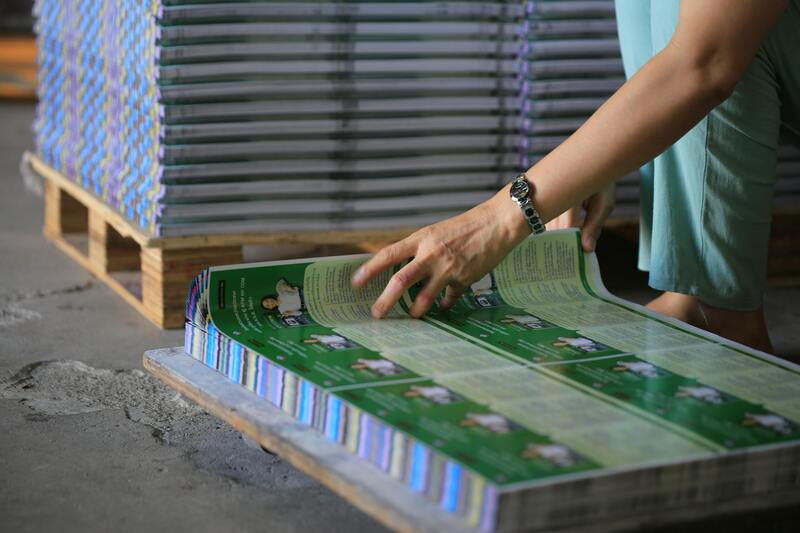
Overview of Custom Booklet Printing
Custom booklet printing is a versatile and impactful method for presenting information, promoting products, or sharing stories through professionally crafted printed materials. Unlike generic mass-produced booklets, custom printed booklets are tailored to meet specific branding requirements, content specifications, and design preferences. This approach ensures that each booklet not only effectively communicates its message but also reinforces the identity and values of the organization or individual behind it.
Utilizing high-quality printing techniques, premium materials, and personalized layouts, custom printed booklets offer a tangible, visually compelling experience that engages the reader. They serve a wide array of purposes, including corporate presentations, product catalogs, event programs, educational materials, and marketing campaigns. The ability to customize every aspect—from size and format to paper type and finish—makes booklet printing an invaluable tool in professional communication and branding strategies.

Types of Booklets and Formats
When considering custom booklet printing, it’s essential to select the appropriate format and type to suit your content and purpose. Common booklet styles include:
- Stapled Booklets: Also known as saddle-stitched, these are ideal for smaller booklets with fewer pages, typically up to 64 pages. They offer a clean, professional look and are cost-effective for bulk orders.
- Wiro Bound Booklets: Featuring spiral binding, these booklets allow for easy page turning and layflat functionality. They are suitable for manuals, guides, and catalogs that require frequent reference.
- Perfect Bound Booklets: With a glued spine, perfect bound booklets resemble paperback books and are appropriate for larger page counts. They provide a sleek, durable finish suitable for high-quality presentations and reports.
- Square and Custom Shapes: For a distinctive visual appeal, booklets can be produced in square or custom die-cut formats, enhancing branding impact and reader engagement.
Choosing Paper and Cover Materials
The selection of paper and cover materials significantly influences the tactile experience, durability, and overall aesthetic of your custom booklet. Options include:
- Paper Types: Standard coated, uncoated, matte, gloss, silk, and recycled papers are among the most common choices. Coated papers enhance color vibrancy and sharpness, ideal for image-rich content, while uncoated options lend a more tactile, textured feel suitable for text-heavy materials.
- Cover Materials: For covers, sturdy options like card stock, linen finishes, or laminated layers provide strength and a premium look. Specialty finishes such as gloss, matte, or soft-touch laminations can add unique visual and tactile effects, elevating the perceived quality of the booklet.
- Sustainable Options: Eco-friendly papers sourced from FSC-certified suppliers and biodegradable or recycled materials align with environmentally conscious practices, resonating with clients and stakeholders engaged in sustainability.
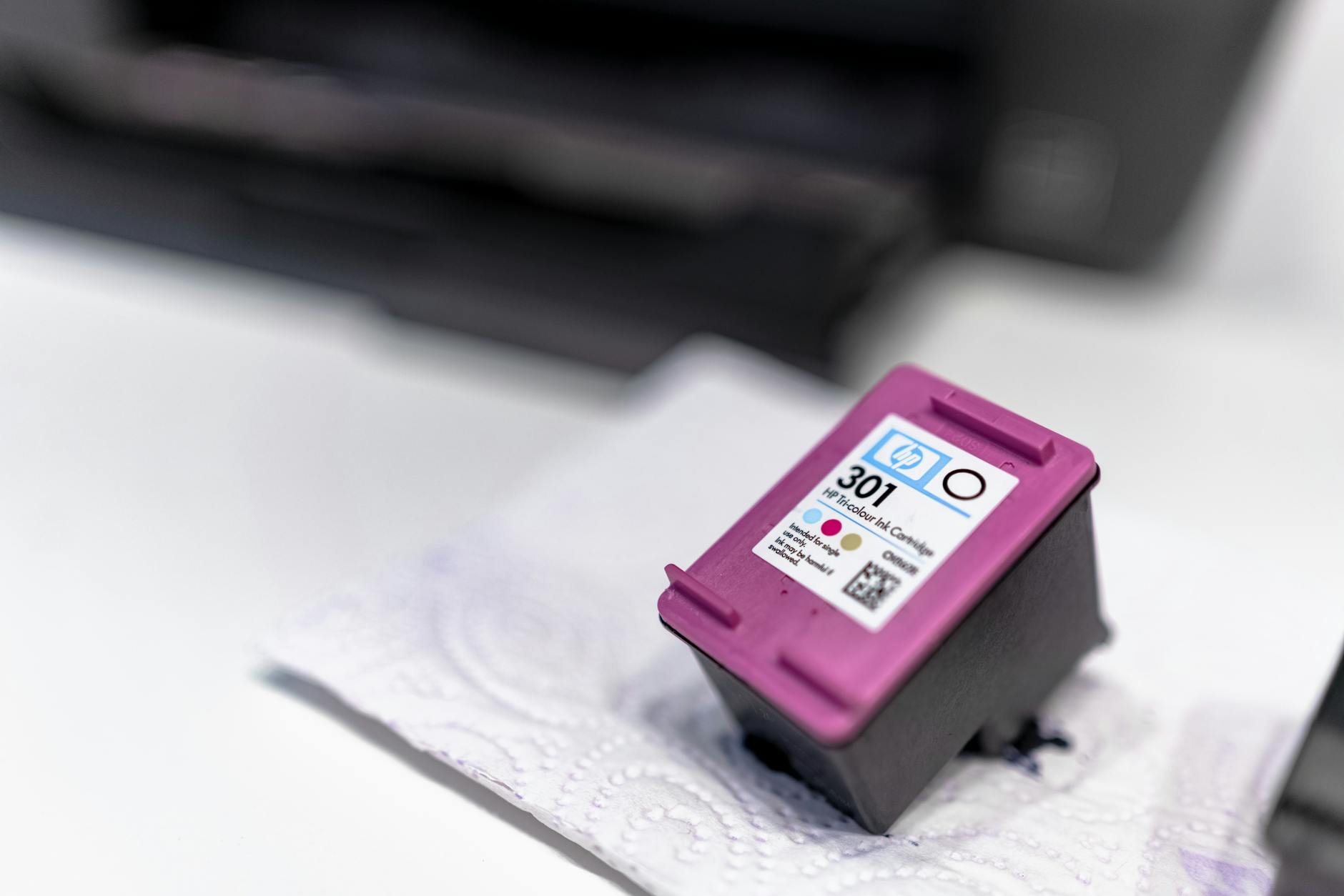
Comprehensive Guide to Custom Printed Booklets: Methods of Production
When selecting the appropriate method for creating custom printed booklets, businesses and designers must prioritize official, reliable options that deliver quality, consistency, and durability. The primary printing techniques include digital printing, offset printing, and hybrid methods, each offering distinct advantages suited to different project scales and specifications.
Official Printing Methods for Custom Booklets
Digital Printing
Digital printing is a modern, efficient technique ideal for short to medium print runs. It involves directly transferring digital files onto the printing substrate, allowing for quick turnaround times and cost-effective small batch production. This method preserves intricate design details and supports variable data printing, making it suitable for personalized booklets, event programs, and marketing materials requiring customization.

Offset Printing
Offset lithography remains a dominant commercial printing process favored for large-volume booklet production. It utilizes metal plates on a series of rollers to transfer ink onto a rubber blanket, which then applies the image onto paper. This process ensures high image quality, precise color matching, and cost efficiency for bulk orders. Offset printing is especially advantageous for booklets with consistent design themes and large quantities.

Hybrid Printing Solutions
For projects requiring both customization and high-volume output, hybrid printing combines elements of digital and offset techniques. This approach allows for initial prototypes or small runs to be produced digitally, with mass production handled via offset, ensuring optimal quality and efficiency. It is particularly useful for promotional booklets that may contain personalized content alongside bulk branding elements.
Selecting the Appropriate Method
Choosing the official printing method depends on several factors, including the intended volume, design complexity, timeline, and budget. Digital printing is ideal for quick, small-scale orders with frequent updates, while offset is better suited for large quantities demanding impeccable color fidelity and cost-effectiveness. Engaging with reputable print providers, such as s7printing.com, ensures access to industry-standard equipment and environmentally responsible practices, guaranteeing a professional result.
Key Considerations for a Successful Booklet Print
- File Preparation: Use high-resolution, print-ready files formatted according to the printer's specifications to ensure clarity and color accuracy.
- Color Management: Select standard color profiles and review proofs to match your branding requirements.
- Material Compatibility: Confirm that your chosen paper and cover materials are compatible with the selected printing method for optimal results.
The Importance of Partnering with Certified Professionals
Opting for a trusted printing partner with a proven track record and adherence to industry standards guarantees the production of high-quality, durable, and visually appealing custom booklets. They provide the technical expertise and official methods necessary to bring your vision to life with precision and professionalism.

Understanding Off-Use and Personal Methods in Custom Booklet Printing
While the focus on producing high-quality, custom printed booklets typically emphasizes official and professional methods, it is important to recognize the variety of options available to businesses and individuals for their printing needs. These methods include traditional, off-use, and personal techniques that vary in complexity, cost, and quality outcomes. Employing legitimate approaches to production guarantees not only the aesthetic appeal and durability of the finished product but also aligns with ethical standards for quality and authenticity.
Recognized Off-Use Printing Methods for Booklets
Off-use printing encompasses methods carried out through certified establishments that adhere to industry standards, ensuring the results meet professional benchmarks. Two primary techniques dominate this space:
- Offset Printing: Known for its impeccable color fidelity and cost-effectiveness at higher volumes, offset printing uses plates to transfer ink onto the paper. This technique is ideal for large runs where consistency and high-quality finishes are essential. Reputable print providers, like s7printing.com, utilize offset presses equipped with advanced color management systems to maintain exact brand colors and sharp images.
- Digital Printing: Suitable for smaller quantities and rapid turnaround, digital printing involves direct image transfer from digital files to the printing device. It allows for quick adjustments, personalized content, and shorter production cycles, making it highly flexible for limited editions or on-demand projects.
Legitimate Personal Printing Methods
In contrast to commercial processes, personal or DIY methods rely on accessible equipment and supplies, often with varying levels of quality assurance. These include:
- Desktop Publishing and Home Printing: Using consumer-grade printers, individuals can create limited-scale booklets. While cost-effective and convenient, these methods tend to produce lower resolution images, limited color accuracy, and less durable finishes.
- Hand-Binding and Craft Techniques: For small projects or artistic purposes, manual binding and finishing add a bespoke touch. However, they lack the consistency and professional standards needed for commercial distributions or public presentation.
Ensuring Quality and Authenticity with Recognized Methods
Organizations seeking to produce durable, visually appealing booklets should prioritize partnering with qualified printing services that employ industry-standard techniques. This approach guarantees consistent quality, materials' suitability, and long-lasting results. Certified print providers also offer guidance on file preparation, color management, and material selection—components vital to achieving high-end finishes and faithful reproduction of designs.
Compliance and Best Practices in Legitimate Printing
Choosing officially sanctioned printing methods involves working with certified vendors, following industry standards, and adhering to best practices for production. These include proper file formatting, color calibration, and material compatibility, augmenting the final product's quality and appearance. Such practices align with the demands of commercial branding, extensive distribution, and long-term preservation, making them essential for anyone serious about their booklet projects.