Brochure Printing Singapore: High-Quality Printing Services For Businesses
Importance of Brochure Printing for Businesses
In Singapore’s highly competitive marketplace, effective marketing materials are crucial for establishing brand presence and communicating key product or service benefits. Among these materials, brochures stand out as versatile tools that combine visual appeal with detailed information, making them an essential component of any comprehensive marketing strategy. Well-designed brochures help businesses convey professionalism, foster trust, and engage prospective clients by providing a tangible representation of their offerings.
Brochure printing plays a significant role in enhancing brand visibility. When executed with high-quality materials and precise printing techniques, brochures project a powerful image that resonates with target audiences. They are particularly impactful during trade shows, corporate events, and in-store promotions, where they serve as leave-behind materials that reinforce brand message long after the initial encounter.
Beyond aesthetics, brochures facilitate clear communication. They allow companies to organize complex information into easily digestible sections, complemented by compelling visuals. This organization aids potential customers in understanding product specifications, pricing, and unique selling points in a succinct and appealing manner. Consequently, brochures can influence purchasing decisions by providing the necessary details in a professional and accessible format.
Moreover, brochures serve as portable marketing assets that can be distributed across multiple channels. Whether handed out during direct sales interactions, placed in strategic locations, or included in mailing campaigns, they extend the reach of a business’s marketing efforts. Their physical presence often leaves a lasting impression, especially when printed on premium materials with attractive finishes, encouraging recipients to retain and revisit the information.
The importance of brochure printing also extends to supporting various industries. Hospitality, retail, real estate, and service providers benefit from tailored brochure designs that showcase their offerings and establish credibility. Custom print options ensure that each brochure aligns with a company’s branding, enhancing consistency and recognition in the marketplace.
In Singapore’s dynamic business landscape, investing in high-quality brochure printing is a strategic move. It equips businesses with tangible assets that not only inform but also inspire confidence and motivate engagement, ultimately driving growth and strengthening brand equity.
Understanding the Range of Brochure Materials and Finishing Techniques
Choosing the right materials and finishing options for brochure printing in Singapore is crucial to achieving a professional, durable, and visually appealing product. High-quality paper stocks, such as gloss, matte, or textured finishes, serve different purposes depending on the desired look and feel. Gloss finishes provide vibrant color reproduction and a shiny surface that makes visuals pop, making them ideal for product showcases or highly visual content. Matte finishes, on the other hand, offer a subdued, elegant appearance with reduced glare, suitable for text-heavy brochures that demand readability and sophistication.
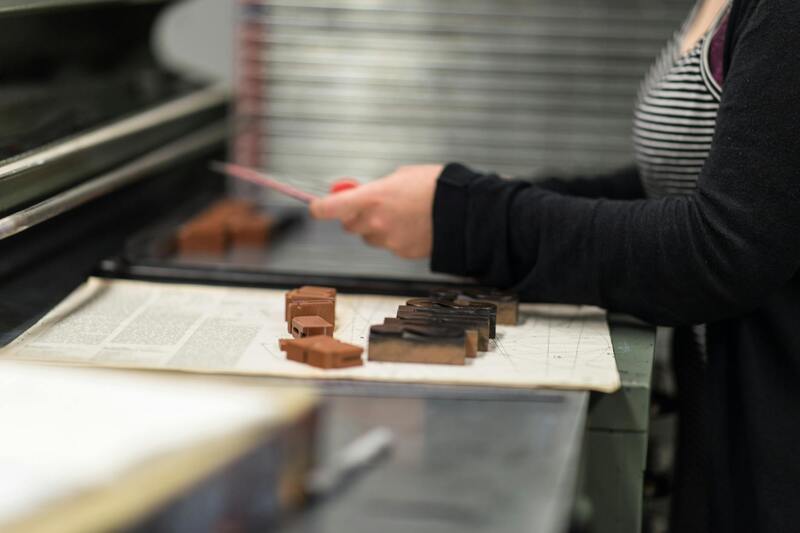
Beyond paper quality, finishing techniques such as UV coating, laminations, die-cutting, embossing, and spot UV add tactile and visual effects that make brochures stand out. UV coating and laminations provide additional protection against scratches and fingerprints, prolonging the lifespan of the printed materials. Die-cutting allows for unique shapes and cut-outs that can emphasize specific design elements or branding aspects. Embossing and spot UV, applied selectively, lend a three-dimensional or glossy effect to logo features or key messages, creating a memorable sensory experience for recipients.
Matching Brochure Formats and Folding Styles with Business Goals
Proper selection of brochure format and folding style complements the content and marketing objectives. Common formats include bi-fold, tri-fold, Z-fold, and gatefold, each offering different ways to organize information efficiently. For instance, tri-fold brochures are versatile and easy to distribute, ideal for introductory marketing or menus. Z-folds provide sequential storytelling, guiding recipients through a curated message. Gatefolds, with their larger interior panels, are suitable for high-impact displays or product launches. The choice of format should align with the intended message clarity, aesthetic appeal, and distribution method.
- Bi-fold and tri-fold: Compact, easy to handle, suitable for general marketing.
- Z-fold: Facilitates narrative progression, ideal for detailed presentations.
- Gatefold: High-end look, perfect for premium branding or showcasing multiple products.
Incorporating Customization for Brand Cohesion
Customization options are vital in ensuring brochures are consistent with brand identity. This includes choosing specific colors, fonts, logo placements, and imagery that reflect corporate branding guidelines. Customized design elements such as foil stamping, unique die-cut shapes, or textured finishes can reinforce brand recognition and leave a lasting impression. Precision in aligning design elements with the overall marketing strategy helps communicate professionalism and elevate the perceived value of the brochure.

High-quality brochure printing facilities in Singapore offer extensive options for customization, ensuring that each project is tailored to specific business needs. From selecting eco-friendly materials to experimenting with innovative textures and finishes, businesses can craft a brochure that seamlessly integrates with their broader marketing campaign. This meticulous attention to detail not only enhances visual appeal but also reinforces brand integrity, positioning a business favorably in the competitive local market.
Methods of Brochure Production in Singapore
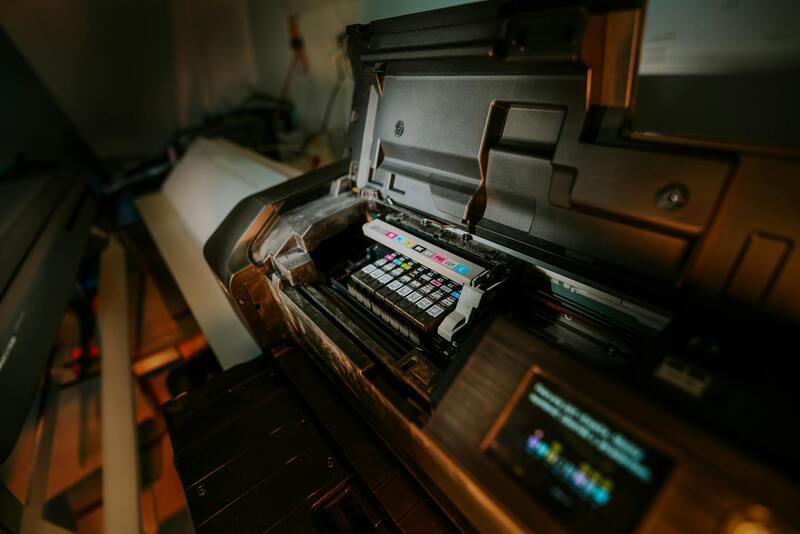
Choosing the right production method is essential for achieving optimal quality and efficiency in brochure printing. Digital printing offers rapid turnaround and cost-effectiveness for small quantities, making it suitable for limited-run projects or versions requiring frequent updates. Its precision and high-resolution output enable vibrant colors and crisp graphics, which are vital for engaging marketing materials.
Offset printing, on the other hand, excels in producing large volumes with consistent quality and color accuracy. This method is ideal for bulk orders where uniformity across hundreds or thousands of brochures is crucial. Offset printing employs metal plates to transfer ink onto paper, allowing for detailed images and exceptional color fidelity. The choice between digital and offset should align with project size, budget, and deadline considerations.
Advanced printing techniques such as UV coating, embossing, and foil stamping can also enhance the tactile and visual appeal of your brochures. UV coating provides a glossy or matte finish that resists wear, while embossing adds a three-dimensional effect that highlights specific design elements. Foil stamping imparts a luxurious metallic finish, perfect for premium branding or special editions.
Design and File Preparation Best Practices
For a seamless printing process, it’s critical to prepare your design files meticulously. Using high-resolution images (300 dpi or higher) prevents pixelation and ensures sharp graphics. Applying bleed settings of at least 3mm around the design allows for clean trimming without losing vital content. Ensuring that colors are set to CMYK mode guarantees accurate color reproduction, catering to professional print standards.
Creating print-ready PDFs with embedded fonts and vector graphics minimizes the risk of misalignment or missing elements. Always double-check for any missing links or font issues before submitting files. Clearly marking safe zones and trim lines within your design file helps the printer execute precise cuts, especially for complex folds and die-cuts.
Quality Control Measures During Printing
Implementing rigorous quality control checks throughout the printing process is vital to maintain high standards. Print proofing allows for visual inspection of color accuracy, layout alignment, and finishing details before the entire batch is produced. Many printing providers in Singapore offer digital or physical proofs to enable clients to approve the design beforehand.
During printing, monitoring parameters such as ink density and paper feed ensures consistent output. Post-printing, inspecting each brochure for defects like misalignments, smudges, or blemishes helps guarantee that only polished materials are distributed. Employing these quality assurance practices reflects professionalism and sustains your brand’s credibility.
Custom Finishing Enhancements for Brochures
Custom finishing options provide opportunities to elevate the overall look and feel of your brochures. Rounded or die-cut edges can add a unique geometric element, drawing attention to specific parts of the design. Textured finishes, such as linen or embossed patterns, enhance tactile experience, making your brochures stand out among competitors.
Specialty coatings like matte, gloss, or soft-touch finishes not only improve appearance but also add durability. For example, a matte finish reduces glare and offers a sophisticated aesthetic, whereas gloss enhances vibrant colors and sharp contrasts. These finishing touches may slightly influence costs but significantly impact the perceived value of your marketing collateral.
Summary of Critical Factors
- Matching production technique to project volume and deadline requirements
- Meticulous file preparation including high-resolution images, bleed, and color settings
- Implementing quality checks via proofs and in-process inspections
- Enhancing brochures with coatings and special finishes to leave a lasting impression
Materials and Finishing Options
Choosing the right paper and finishing options plays a vital role in enhancing your brochure’s visual appeal and durability. Standard cardstock options such as glossy, matte, or silk finishes suit various branding needs and target audiences. Glossy finishes provide vibrancy and sharpness, making colors pop and images stand out, ideal for visual-heavy brochures. Matte finishes, on the other hand, lend an elegant, non-reflective surface that emphasizes readability and a sophisticated look, suitable for informational brochures or minimalist designs.
In addition to paper stock choices, custom finishing techniques add a unique tactile and visual element to your brochures. Spot UV coating selectively enhances particular areas, such as logos or headings, creating a striking contrast with matte or gloss backgrounds. Embossing and debossing techniques add depth and texture, providing a premium feel that captures attention and reinforces brand identity.
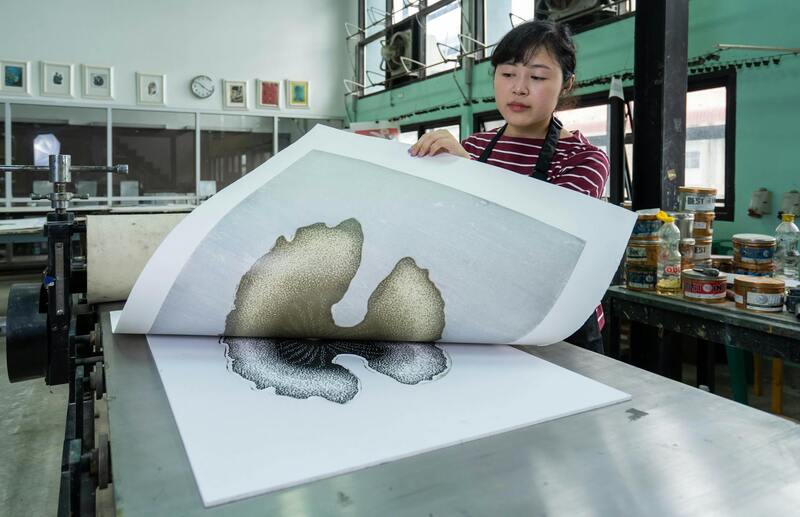
Die-cut edges and rounded corners can also contribute to the brochure’s aesthetic appeal, providing a more distinctive and memorable shape. Special textured finishes, such as linen, soft-touch, or embossed patterns, engage the sense of touch and encourage prolonged handling, which fosters a stronger connection with the audience.
Incorporating specialty coatings like soft-touch adds a velvety outer layer that feels luxurious while protecting the print surface from fingerprints and scratches. These options, although slightly increasing production costs, significantly enhance perceived value and set your marketing collateral apart from competitors.
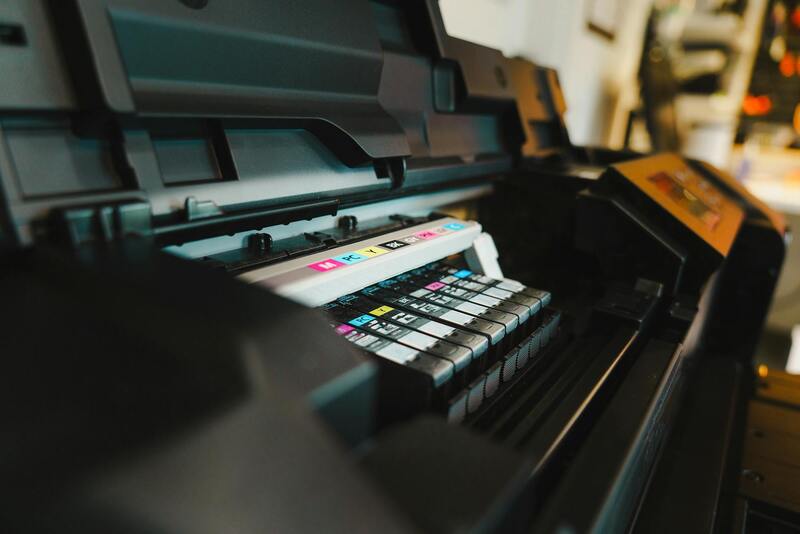
Durability should also be a consideration, especially if brochures are meant for outdoor distribution or frequent handling. Water-resistant coatings or laminate layers protect against moisture and wear, ensuring your marketing material retains its professional appearance over time.
Overall, the combination of high-quality materials and thoughtful finishing options creates a compelling product that not only communicates your message effectively but also leaves a lasting impression on potential clients and partners.
Materials and Finishing Options for Brochure Printing
Selecting the right materials and finishes is crucial to enhancing the visual appeal and durability of your brochures. High-quality paper stocks such as gloss, matte, or textured papers provide a sturdy base that reflects your brand image effectively. Thicker paper options, like 250gsm or 300gsm, lend a premium feel, making a positive impression on recipients.
Finishing techniques further elevate brochure quality. Lamination, whether gloss or matte, offers added protection against wear and moisture, ensuring your brochures maintain their appearance over time. Spot UV coating can be applied selectively to highlight specific areas, such as logos or key images, adding a glossy contrast that draws attention.
Additional embellishments like hot-stamping with metallic foils or embossed patterns contribute a tactile dimension, making your brochures stand out. These options are especially effective for creating a luxurious impression or emphasizing particular brand elements.
For outdoor or high-traffic distribution, water-resistant coatings such as vinyl laminate or protective layer coatings help preserve print quality amid various environmental conditions. These protective layers prevent damage from moisture, fingerprints, and scratches, extending the lifespan of your marketing materials.
Incorporating the appropriate paper and finish combinations depends on your specific objectives, target audience, and budget. By choosing durable, aesthetically pleasing options, your brochures will effectively communicate your message and reinforce your brand identity, leaving a lasting impression on your audience.
Choosing the Right Materials to Elevate Your Brochure's Impact
In the realm of brochure printing, selecting suitable materials is crucial in translating your brand’s essence into tangible marketing assets that captivate and inform your target audience. The material choice directly affects not only the aesthetic appeal but also the durability and perceived value of your brochures. High-quality paper options such as 250gsm or 300gsm cardstock lend a premium feel, ensuring that your brochures exude professionalism and sturdiness. These thicker papers provide an excellent base for vibrant printing and can withstand handling over time, reinforcing your brand’s commitment to quality.
Enhancing Visual Appeal with Finishing Techniques
Finishing options are pivotal in transforming a standard brochure into a striking marketing piece. Laminations, available in gloss or matte, offer surface protection against wear, moisture, and fingerprints, maintaining the crispness of images and text over time. Gloss lamination amplifies colors and provides a shiny, eye-catching surface, ideal for vibrant designs, while matte lamination minimizes glare and adds a sophisticated touch.
Spot UV coating is another sophisticated finishing process, selectively applied to emphasize specific elements such as logos or imagery. This glossy layer contrasts elegantly with matte backgrounds, directing the viewer’s attention precisely where intended. Hot-stamping using metallic foils can add a luxurious dimension, making your brochures stand out, especially for high-end brands or exclusive promotions. Embossing or debossing techniques further add tactile depth, offering a sensory experience that leaves a lasting impression.
Protection and Durability for Brochures in Various Conditions
Environmental and handling conditions dictate the necessity for protective finishes. For outdoor distribution or high-traffic locations, water-resistant coatings such as vinyl laminates or spray coatings serve as effective barriers against moisture, dirt, and scratches. These treatments prolong the lifespan of brochures, ensuring that recipients experience your content in its best form regardless of environmental factors.
In creating durable and visually appealing brochures, aligning material and finishing choices with your marketing goals and distribution environment is paramount. The combination of premium paper stocks with strategic finishes not only elevates your brand image but also guarantees your message endures in the hands of your audience.
.
Exclusive Material and Finishing Options for Brochure Printing in Singapore
Creating an impactful brochure requires selecting the right combination of printing materials and finishing techniques to enhance both appearance and durability. Singapore-based businesses seeking high-quality brochure printing should explore premium paper stocks such as gloss, matte, or silk finishes, each offering distinct visual and tactile effects. Gloss paper imparts vibrancy to colors and a shiny surface, making images pop, while matte or silk finishes provide a sophisticated, non-reflective appearance suitable for a more understated ambiance.
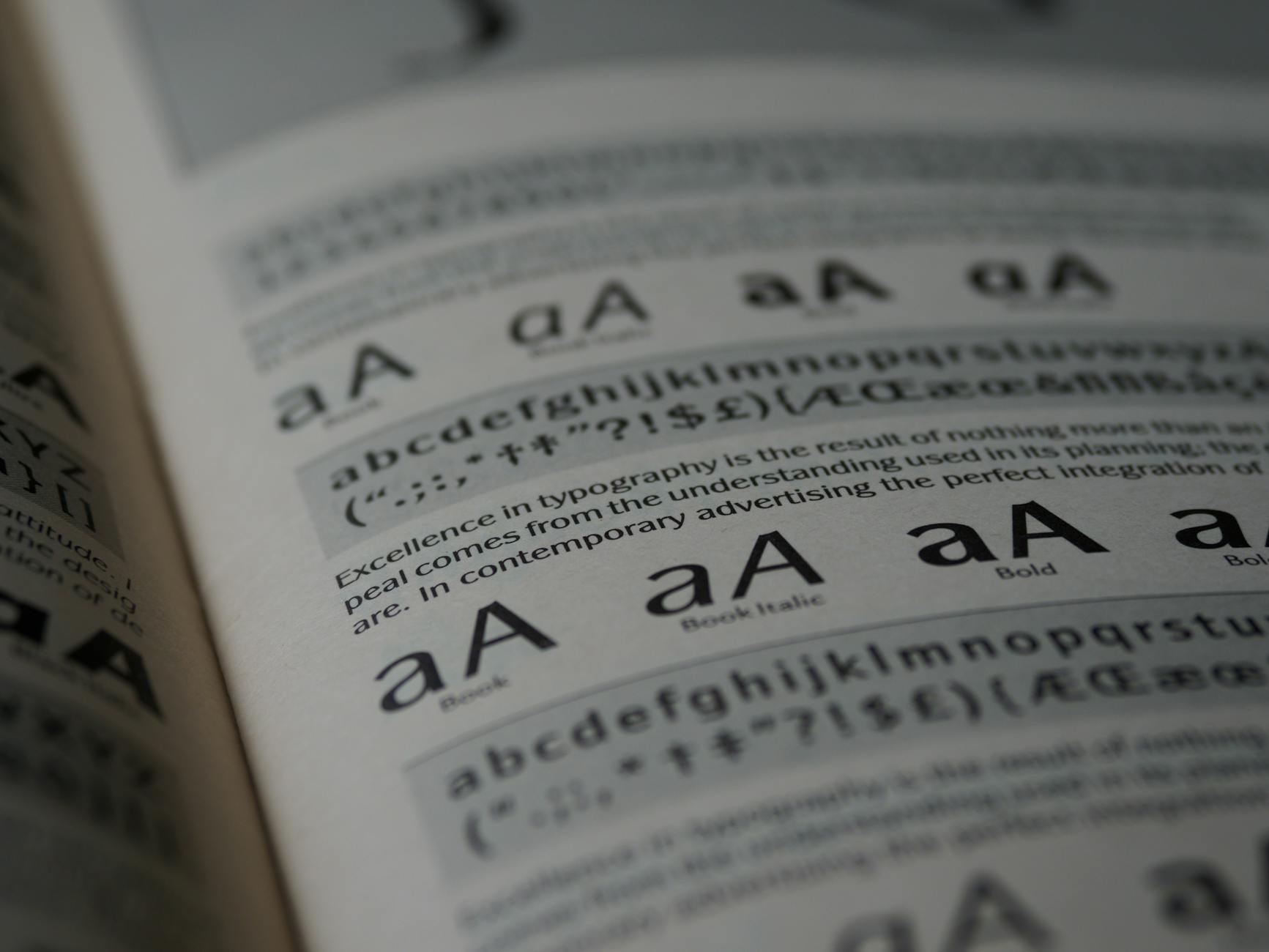
Final touches like lamination come in two principal forms: gloss and matte. Gloss lamination enhances color depth and creates a vibrant, eye-catching surface, ideal for promotional brochures that demand visual impact. Matte lamination offers a softer, understated look with reduced glare, delivering a premium feel for luxury brands or professional services. Additionally, spot UV coating can be selectively applied to emphasize specific design elements, such as logos or key images, adding a glossy contrast that directs attention effectively.
For a more luxurious and tactile experience, embossing or debossing techniques are often employed to create raised or recessed patterns, respectively. These methods add texture and depth, making certain sections of the brochure stand out and fostering brand recognition through sensory engagement. Hot-stamping with metallic foils is another option to imbue brochures with an opulent finish, particularly suitable for high-end products or prestigious events.
Protection and environmental resilience are also critical considerations. For brochures distributed outdoors or in high-traffic areas, water-resistant coatings like vinyl lamination or spray coatings are essential. They safeguard against moisture, dirt, and scratches, ensuring the printed message remains intact and visually appealing over time. Compact, heavy-duty finishes help preserve your branding materials regardless of handling conditions.
When selecting materials and finishes, it's important to balance aesthetic requirements with functional needs. Combining thick, high-quality paper with strategic finishing not only elevates the perceived value of your brochures but also enhances their lifespan, ensuring that your marketing message remains effective and memorable across different distribution environments.
Maximizing Impact Through Brochure Printing in Singapore
In the competitive landscape of Singapore's business environment, effective marketing tools are essential to capture attention and drive engagement. Brochure printing stands out as a strategic approach, offering tangible, visually appealing materials that resonate with potential clients and partners. The ability to showcase products, services, and brand stories in a well-designed format enhances credibility and leaves a lasting impression. High-quality printed brochures serve not only as informative guides but also as sophisticated marketing collateral that elevates a company's professional image.
Choosing the Right Printing Materials for Business Brochures
Selecting appropriate materials is a key determinant in the success of brochure printing campaigns. The choice of paper, coating, and finishing significantly affects durability, aesthetics, and tactile appeal. For instance, gloss-coated paper enhances vibrant colors and sharp images, creating a lively and engaging look. Conversely, matte finishes offer a sophisticated, understated elegance suitable for more serious or luxury brands.
Material options extend to weight and texture, with thicker papers conveying a premium feel. Additionally, environmentally conscious businesses often opt for recycled or FSC-certified paper options that align with sustainability goals. The environmental resilience of your brochures can be further enhanced with protective coatings like UV varnish, lamination, or spot UV, which guard against moisture, scratches, and handling wear.
Finishing Techniques to Elevate Brochure Quality
The application of various finishing techniques can transform standard brochures into memorable marketing pieces. Spot UV coating, for example, allows selective gloss application to highlight logos or images, creating a striking contrast against matte backgrounds. Embossing and debossing add tactile dimensions—embossing raising specific design elements, and debossing creating recessed patterns—imparting a premium, textured feel that entices touch and reinforces brand identity.
Metallic foil stamping introduces a metallic sheen—gold, silver, or other colors—adding a luxurious touch that is particularly effective for high-end branding or special campaigns. These finishes not only augment visual appeal but also create multi-sensory engagement, encouraging prolonged interaction with the brochure.
Design Adaptability and Creative Customization
Customization options afford businesses the flexibility to produce brochures that align perfectly with their branding and marketing strategies. Variable data printing allows personalized messages tailored to specific recipients, enhancing relevance and connection. Moreover, innovative folding styles like gate fold, Z-fold, or accordion expand the creative canvas, enabling complex storytelling or multi-panel layouts that guide readers through a compelling narrative.
The incorporation of diverse design elements—such as textured papers, custom die-cuts, or layered structures—can further distinguish your brochures. Careful attention to color schemes, typography, and imagery collectively ensures the final product accurately reflects your brand’s personality and message.
Cost-Effective Strategies for High-Quality Brochures
Achieving a balance between quality and budget is crucial. Bulk printing often reduces per-unit costs, making it feasible to distribute wider campaigns without compromising standards. Choosing standard sizes and folding styles can also streamline production costs. It’s essential to collaborate with reputable printing providers that guarantee precision and quality control, eliminating issues such as misalignments or color inconsistencies.
Investing in Professional Printing Services
Partnering with experienced print specialists in Singapore ensures access to advanced technologies and high-grade materials. These providers offer comprehensive services—from design consultation to finishing—ensuring your brochures meet the highest standards of quality and effectiveness. By leveraging their expertise, businesses can benefit from tailored solutions that reflect their unique marketing objectives, thereby maximizing return on investment.
Advantages of Authentic Printing Processes for Brochures
Employing proven printing methods such as digital and offset printing ensures the production of high-quality brochures that meet professional standards. Digital printing offers quick turnaround times and cost-effectiveness for small to medium runs, making it ideal for targeted campaigns or personalized brochures. Offset printing, on the other hand, caters to larger volumes, providing superior color fidelity, sharp details, and consistency across extensive batches. This traditional technique utilizes plates for each color, resulting in vibrant and precise imagery that effectively captures brand identity. Both methods benefit from meticulous pre-press preparations, including color calibration and proofing stages, to guarantee that the final output aligns perfectly with your design intentions.
Customization and Finishing Techniques to Elevate Your Brochure Design
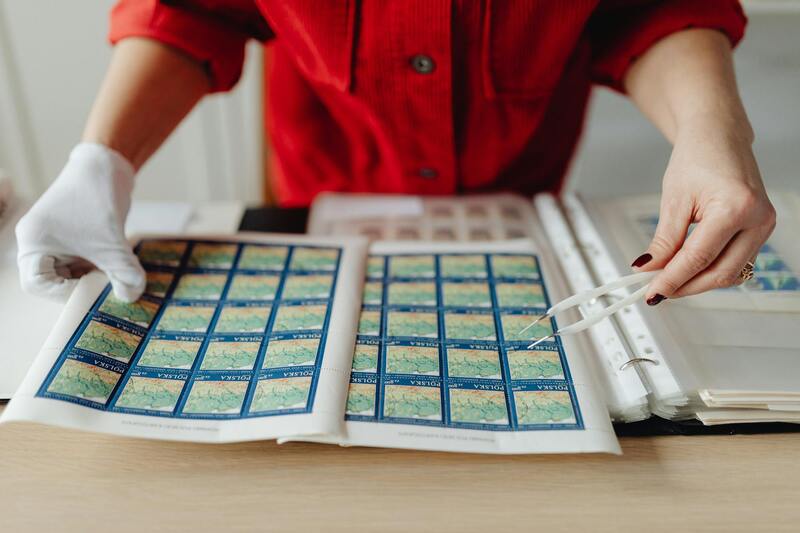
To produce brochures that truly stand out, consider integrating advanced finishing options such as gloss or matte lamination, spot UV coating, and embossed elements. These treatments enhance tactile appeal and visual impact, making key sections or images pop. Die-cutting allows for creative shapes and window designs that can reveal enticing glimpses of your content or products. Additionally, layered effects or textured papers provide a premium feel that underscores your brand’s quality. When customizing, it is essential to select finishes that complement your design style and message, ensuring the brochure not only looks stunning but also withstands handling, preserving its professionalism over time.

Quality Control Measures During Printing to Guarantee Final Results
Reliable brochure printing providers in Singapore adhere to strict quality control protocols at every stage to deliver impeccable products. This involves rigorous inspection of pre-press files for correct color profiles, resolution, and formatting. Proof approval processes enable clients to review samples before full production, minimizing errors and ensuring satisfaction. During printing, technicians monitor color consistency, registration accuracy, and output precision. Post-printing, finished brochures undergo final checks for any defects, such as misalignments or blemishes, before packaging and delivery. Working with experienced professionals ensures that every brochure is produced with attention to detail, consistency, and excellence, aligning with your brand’s standards.
Ensuring Precise Finished Dimensions for Your Brochures
Accurately specified final dimensions are critical in achieving a professional appearance and seamless integration with your marketing materials. When preparing your files, it's essential to communicate the exact trimmed size, taking into account any bleed allowance, typically 3mm beyond the intended cut line. This ensures that when trimming occurs, no important content is lost or misaligned, maintaining the visual integrity of your design. Properly set up files with crop marks and bleed guides facilitate precise cutting, ensuring each brochure matches your specified dimensions. Standard sizes in Singapore include A4, A5, and other custom dimensions tailored to specific marketing needs, and adhering to these standards simplifies the printing process and enhances compatibility with various distribution channels.

Color Management and Consistency in Brochure Printing
Maintaining consistent color output across batches is essential for brand recognition and maintaining visual appeal. Utilize color profiles such as ISO Coated V2 or Fogra standards, which align with printing conditions in Singapore. When designing your brochure, convert colors to CMYK to accurately predict how they will appear on printed media. Proofing, whether through digital soft proofs or printed samples, allows you to review color fidelity before the entire run, preventing costly reprints. Communication with your printer about color expectations and requesting color calibration during production can further ensure results match your branding guidelines precisely.
High-Resolution Graphics and Image Quality
All images and graphics included in your brochure should be at least 300 dpi in resolution to ensure clear, sharp output. Low-resolution images can appear pixelated or blurry once printed, undermining the professional look of the final product. When preparing images for placement, use high-quality copies and embed fonts and images properly to avoid unexpected substitutions during printing. This diligence guarantees that your visual elements—whether photographs, logos, or illustrations—are crisp and vibrant, reinforcing your message with clarity and impact.
Final Checks and Proofing Procedures
Comprehensive proofing is a vital step in the production process. Before committing to full-scale printing, request a physical proof or a high-resolution digital proof from your service provider. Review all aspects including layout alignment, color accuracy, font clarity, and image sharpness. Verifying these elements minimizes errors and rework costs, ensuring the final brochures meet your standards. Some providers offer multiple rounds of proofing, which allows for adjustments to be made proactively. These practices uphold quality and help bring your vision to life with precision and consistency.
Strategies for Maximizing Brochure Impact in Your Marketing Campaigns
Creating an effective brochure goes beyond choosing the right paper or design; it requires strategic planning to ensure your message resonates with your target audience. To maximize the impact of your brochures, consider integrating compelling copywriting that clearly articulates your unique value propositions. Clear headlines, concise body text, and strong calls-to-action guide readers seamlessly through your narrative, prompting desired responses such as inquiries or purchases.
Visual hierarchy is also crucial to draw attention to key elements. Employ bold headings, strategic use of color, and compelling imagery to emphasize your primary messages. Incorporating high-quality visuals that align with your brand identity reinforces credibility and helps to convey complex information quickly and effectively.

In addition to design, distribution strategies play a pivotal role in ensuring your brochure reaches the right audience. Distributing brochures at targeted events, in strategic locations, or through direct mail campaigns can significantly increase engagement rates. Personalizing distribution based on demographics and geographic regions ensures your marketing efforts are contextually relevant and more likely to generate leads.
Leveraging Professional Services for Effective Brochure Production
Partnering with experienced printing services in Singapore, such as s7printing.com, ensures your finished product maintains high standards of quality and professionalism. These providers offer extensive customization options, including a variety of materials, finishes, and folding styles, enabling you to craft brochures that reflect your brand ethos and appeal to your audience’s preferences.
Professional printers also assist with precise color calibration, high-resolution output, and consistency across multiple batches, which are essential for maintaining brand integrity. Their expertise in file preparation, color management, and finishing processes ensures your brochures look polished and impactful, aligning with your overall marketing strategy.
Integrating Brochure Distribution into Your Broader Marketing Campaign
Effective brochure marketing should be part of a comprehensive multi-channel approach. Combining brochures with digital marketing efforts, such as social media campaigns, email marketing, and online advertising, amplifies your message and broadens your reach. QR codes embedded within brochures enable direct links to landing pages, making it easy for interested prospects to learn more or take action immediately.
Tracking distribution points and engagement metrics helps refine your strategy over time. Analyzing data on where brochures are most effective provides insights into customer behavior and preferences, allowing for continuous optimization of your outreach efforts.
Assessing the Return on Investment (ROI) of Brochure Campaigns
Measuring the success of brochure campaigns involves evaluating specific metrics such as lead generation, conversion rates, and direct responses to calls-to-action. Ensuring each brochure is tailored to a clearly defined target audience increases the likelihood of achieving meaningful engagement and a favorable ROI. Regularly reviewing campaign performance helps identify high-performing channels and content, guiding future investments.
Incorporating customer feedback and conducting surveys can also provide qualitative insights into the effectiveness of your brochure content and design. This data-driven approach ensures your marketing resources are allocated efficiently, generating tangible results that support your business growth objectives.
Advanced Techniques in Brochure Printing for Singapore Businesses
Strategic brochure printing involves more than just selecting the right design; it requires meticulous attention to the technical and sensory details that elevate a basic marketing tool into a memorable brand experience. Industry leaders in Singapore leverage advanced printing techniques to distinguish their brochures in a competitive marketplace. These methods enhance visual impact, tactile engagement, and overall durability, ensuring that each brochure leaves a lasting impression on potential clients and partners.
Innovative Printing Technologies
Beyond traditional digital and offset methods, high-end brochure printing in Singapore now incorporates techniques such as UV coating, lacquer finishing, and textured embossing. UV coating provides a glossy, resistant layer that intensifies colors and protects against scratches, making brochures ideal for environments with frequent handling. Lacquer finishing adds a semi-gloss or matte effect, offering visual depth and sophistication. Embossing and debossing create tactile textures on specific design elements, emphasizing logos, headings, or decorative motifs for a more compelling sensory experience.

Specialty Printing for Unique Effects
Specialty printing options include foil stamping, spot UV, and foil embossing. Foil stamping introduces metallic accents that catch the light and draw attention to key messaging or branding elements, adding a premium feel to the brochure. Spot UV highlights specific design features with a shiny, raised surface, creating a layered visual effect that guides the viewer’s focus. Foil embossing combines metallic foil with embossing, resulting in textured, eye-catching details that reinforce brand identity and provide a tactile distinction from standard printed materials.
Material Selections and Their Impact
Selecting appropriate materials impresses upon the recipient the quality and credibility of your brand. Premium brochures often utilize thick cardstocks such as 300gsm or higher, coated with matte or gloss finishes. Textured papers, such as linen or felt, lend an upscale feel and enhance tactile engagement. Recycled or eco-friendly paper options are also available for brands committed to sustainability, providing an environmentally conscious message without compromising aesthetics. Choosing the right material not only enhances the brochure's visual appeal but also influences its durability and how it withstands various handling scenarios.
Durability and Storage Solutions
Designing brochures with longevity in mind is critical for campaigns with extended shelf life or extensive distribution. Lamination, whether matte or gloss, offers a protective layer against moisture, wear, and tear. For outdoor or high-traffic settings, weather-resistant materials or waterproof coatings are advisable. Additionally, inserting brochures into sealed folders or covers can prevent damage during transportation or storage, maintaining a pristine presentation until the point of distribution.
Integration of Modern Technology
Cutting-edge brochure printing in Singapore also incorporates technology to improve user experience. QR codes, augmented reality (AR) triggers, and NFC tags embedded within brochures facilitate seamless interactions, providing instant access to digital content, videos, or online catalogs. This integration not only adds an innovative flair but also bridges the gap between print and digital marketing channels, offering recipients an engaging, multi-dimensional brand encounter.
By utilizing these advanced printing and customization techniques, businesses in Singapore can create compelling brochures that stand out visually, engage multiple senses, and communicate their message effectively. The choice of high-quality materials combined with innovative finishing options ensures that the final product aligns with the brand’s positioning and marketing objectives, driving higher engagement levels and fostering trust with the target audience.
}Comprehensive Guide to Brochure Printing in Singapore
In the realm of effective marketing materials, brochures serve as vital tools to communicate brand messages, showcase products, and engage potential clients. High-quality brochure printing in Singapore ensures that these materials not only reflect professionalism but also leave a lasting impression on recipients. To optimize the impact of your brochures, it is essential to understand the various facets involved in their production, from choosing the right formats and materials to selecting suitable printing techniques and finishing options.
Understanding the Range of Brochure Types and Folding Techniques
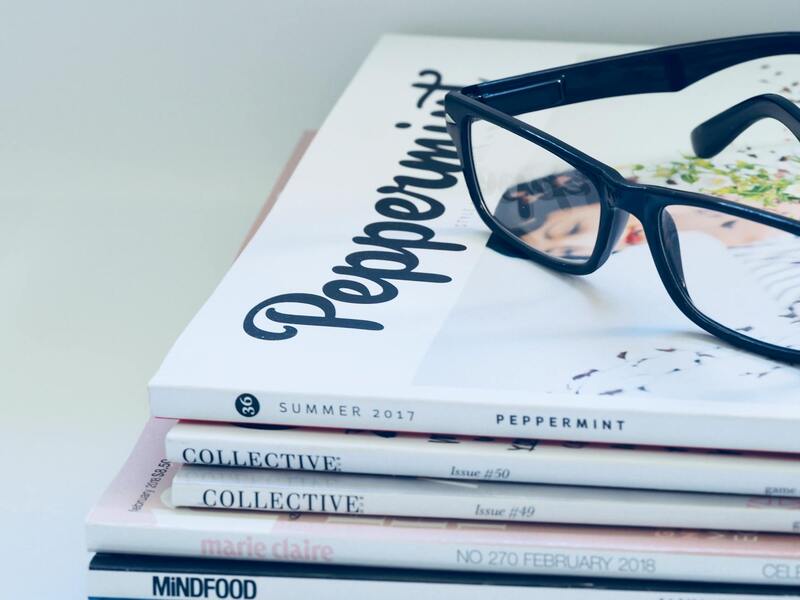
Brochures come in diverse formats and folding styles, each suited to different marketing goals and content complexity. Common formats include bi-fold, tri-fold, Z-fold, gate fold, and roll fold, among others. The choice of folding method influences the brochure’s overall aesthetic and functionality, affecting how content is organized and presented. For example, a tri-fold brochure offers three panels for distinct sections, ideal for segmented information, while a gate fold creates a dramatic opening effect suitable for premium presentations.
Materials and Finishing Options for Brochures
Selecting the appropriate material is critical for durability, appearance, and tactile appeal. Common choices include gloss, matte, and silk finishes made from high-quality paper stocks such as woodfree or art paper. For added durability, especially for brochures intended for outdoor distribution, weather-resistant materials or waterproof coatings can be employed. Finishing options like lamination (matte or gloss), spot UV coating, embossing, foiling, and die-cutting enhance visual impact and tactile experience, making brochures more engaging and resistant to wear and tear.
Digital Versus Offset Printing: Making the Right Choice
Digital printing offers rapid turnaround times, cost-effectiveness for small batches, and flexibility for customization. Offset printing, on the other hand, excels in cost efficiency for larger runs, delivering high-quality images with consistent color accuracy. The decision between digital and offset should be based on project scale, budget, and desired quality. For large-volume orders requiring precise color matching, offset printing remains the preferred method, while digital printing suits projects with tight deadlines or requiring variable data.
Design and Customization Features
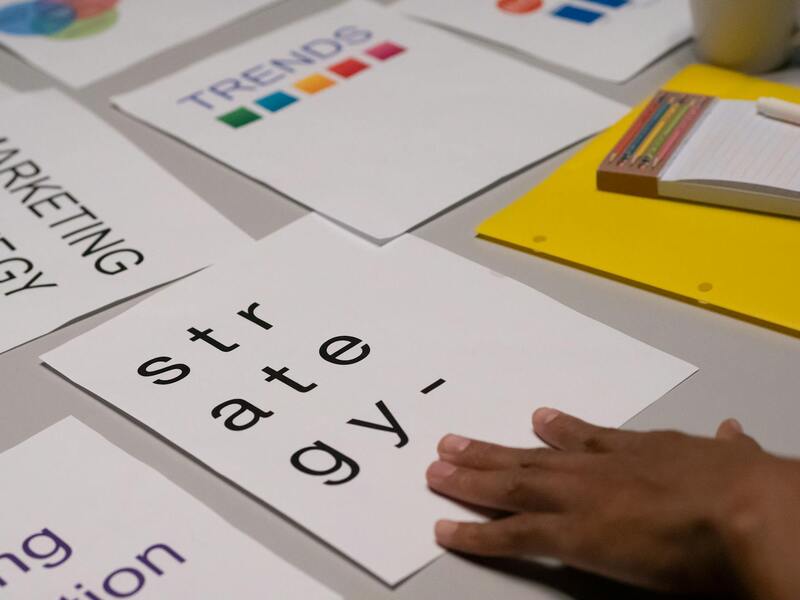
Modern brochure printing allows for extensive customization to align with branding and campaign objectives. This includes bespoke sizes, unique folds, special finishes, embossed elements, and integrated digital features like QR codes or augmented reality markers. Design elements such as vivid imagery, compelling typography, and consistent color schemes reinforce brand identity and enhance message clarity. Incorporating interactive features bridges the physical and digital worlds, providing recipients with seamless access to online content or multimedia presentations.
Pricing, Turnaround, and Cost Considerations
Brochure printing costs vary based on factors such as size, material, quantity, folding style, and finishing details. Projects with larger quantities generally benefit from reduced unit costs, while premium finishes or special materials can increase the overall budget. Fast turnaround services are available for urgent needs, often at a premium. Planning your budget with these variables in mind ensures the final product aligns with marketing objectives and financial constraints.
Reliable Brochure Printing in Singapore: Where to Turn
Leading printing providers in Singapore offer comprehensive services, from design consultation to finishing and delivery. Reputable companies maintain stringent quality control standards, utilize advanced machinery, and offer customizable solutions tailored to specific business needs. When selecting a service provider, consider their portfolio, customer reviews, and the range of available options to ensure your brochures meet high standards of professionalism and quality.
Additional Services to Enhance Your Brochure Campaign
Many printers offer value-added options such as matching envelopes, custom packaging, inserting additional promotional materials, or incorporating digital elements like NFC tags or QR codes. These enhancements can elevate your brochure’s effectiveness by providing interactive experiences or ensuring easier distribution. Such services enable businesses to create cohesive marketing packages that reinforce brand messaging across multiple touchpoints.
Preparing Files and Ensuring Production Quality
To ensure the final brochures mirror your design intentions, files should be prepared following specific guidelines—high-resolution images (usually 300 dpi), correctly set color modes (CMYK), and bleed areas to prevent unwanted white borders. Review and proof your files meticulously, utilizing print proofs or digital previews provided by the printer. Clear communication of your requirements and expectations minimizes errors, ensuring a smooth production process and a superior final product.
Budgeting for Brochure Printing: Key Cost Factors
In addition to quantity and material selection, other factors influencing costs include the complexity of design, finishing techniques, and turnaround times. Bulk orders typically result in unit cost reductions, but it's essential to balance quality and budget constraints. Selecting standard sizes and finishes can help minimize expenses, while customized features and premium materials should be incorporated thoughtfully to maximize ROI and campaign impact.
Materials and Finishing Options for Brochure Printing in Singapore
Choosing the right materials and finishing techniques is instrumental in enhancing the tactile experience and visual appeal of your brochures. The selection of paper stock impacts durability, texture, and perceived value, while finishing options can add distinctive features that make your brochures stand out in crowded marketing spaces.
- Paper Types: A spectrum of paper stocks is available, ranging from standard gloss and matte finishes to premium options like uncoated or textured papers. Glossy papers are ideal for vibrant images and high-impact visuals, offering a shiny surface that enhances color vibrancy. Matte papers, on the other hand, provide a sophisticated, non-reflective finish suitable for text-heavy brochures, reducing glare and facilitating readability.
- Weight and Thickness: Brochures are commonly printed on paper ranging from 135gsm to 350gsm or higher for a more luxurious feel. Thicker stocks lend durability and an upscale appearance, making your marketing materials more memorable and suitable for frequent handling or distribution environments.
- Finishing Techniques: Specialized finishing touches can elevate your brochures’ presentation. Options such as soft-touch coating create a velvety surface that appeals to touch, while aqueous coatings offer a protective layer against scratches and fingerprints. UV coatings can be applied to specific areas to add gloss and durability, especially for spot highlights or logos.
- Special Effects: Incorporating effects such as embossed or debossed elements — where parts of the design are raised or recessed — can deliver a tactile dimension that captures attention. Additionally, spot UV coating selectively enhances certain areas, providing contrast and visual interest. Foil stamping introduces metallic accents that lend a premium quality, perfect for branding or highlighting key information.

Print Techniques: Digital vs Offset for Singaporean Businesses
The choice between digital and offset printing methods hinges on project scope, quality demands, and budget considerations. Each technique offers distinctive advantages suited to different marketing objectives.
- Digital Printing: Utilizing electronically operated presses, digital printing excels in short runs, variable data printing, and rapid turnaround times. It enables businesses to customize brochures with different content or images without the need for costly plates, making it ideal for targeted campaigns or testing new designs. The quality of digital prints has significantly improved, offering sharp images and vibrant colors comparable to traditional methods.
- Offset Printing: This process employs metal plates transferred to rubber blankets before printing onto paper. Offset is best suited for larger print runs due to its cost efficiency at scale. It produces high-quality, consistent results with excellent color fidelity, making it the preferred choice for branding materials requiring uniformity and intricate designs. Offset also accommodates a wider range of special finishes and thicker stocks, providing flexibility for premium brochures.
Optimizing Your Brochure Design for Singapore's Market
While design is a critical factor, understanding local preferences and cultural nuances can significantly influence the effectiveness of your brochures. Use vibrant colors and imagery that resonate with Singaporean audiences, and incorporate multilingual captions or call-to-actions if applicable. Clear, concise content combined with compelling visuals ensures your message is communicated effectively, encouraging engagement and response.
Furthermore, professional design tailored to the medium becomes more impactful when paired with high-quality printing. Ensuring alignment, proper margins, and consistency across pages is crucial prior to production. Many local printing services provide consultation and design review, facilitating seamless translation of your creative vision into a tangible marketing asset.
Effective Strategies for Distributing Brochures in Singapore
Maximizing the reach and impact of your brochures requires careful planning of distribution strategies that align with your target audience and marketing objectives. In Singapore's dynamic market, employing a mix of both traditional and innovative distribution channels ensures your brochures effectively generate awareness and interest.
Targeted Distribution Approaches
- Direct Mail Campaigns: Sending brochures directly to potential clients or existing customers can personalize your outreach. This method is particularly effective when combined with targeted mailing lists that segment audiences based on demographics, preferences, or geographic locations within Singapore.
- Event and Venue Placement: Distributing brochures at trade shows, exhibitions, conferences, and community events increases visibility among interested parties. Strategically placing brochures at locations frequented by your target market, such as shopping malls, business districts, or cultural centers, enhances exposure.
- In-Person Engagements: Sales representatives and brand ambassadors can hand out brochures during face-to-face interactions. This personal approach allows immediate engagement and the opportunity to address questions or provide additional information.
- Partnerships and Collaborations: Collaborating with local businesses or organizations to display or distribute your brochures expands your reach. Co-branded brochures or placement in partner establishments can tap into established customer bases.
Integrating Digital and Physical Distribution
Blending traditional print distribution with digital channels amplifies your overall marketing efforts. For example, including QR codes in brochures that link to your website, social media profiles, or promotional videos encourages interaction and further engagement.
Enhancing Visibility and Accessibility
- Strategic Placement: Position brochures in high-traffic areas with prominent signage, such as store entrances, reception counters, or waiting areas, to attract the attention of passersby.
- Accessible Formats: Ensure brochures are available in multiple formats — including large-print or multilingual versions — to accommodate diverse audiences within Singapore's multicultural landscape.
- Repurposing Content: Adapt brochure content for distribution via digital platforms, email campaigns, or social media to broaden your outreach without additional printing costs.
Measuring Distribution Effectiveness
Tracking the success of your brochure distribution strategies involves monitoring engagement metrics such as collected leads, responses from embedded call-to-actions, and foot traffic generated from specific locations or events. Incorporating measurable elements like unique QR codes or promo codes can provide insights into which distribution channels yield the most conversions.
Choosing the right mix of distribution methods tailored to your target audience and marketing goals maximizes the return on your investment. Consistent evaluation and adaptation of strategies based on results ensure your brochures continue to generate value and support your brand growth within Singapore’s vibrant market landscape.