Multi Colour Printing Techniques And Applications In The Printing Industry
Overview of Multi Colour Printing
Multi colour printing stands at the forefront of contemporary printing technology, significantly enhancing the visual impact and fidelity of printed images. Unlike traditional single-colour or limited-colour methods, multi colour printing incorporates multiple inks or toners to achieve a broader spectrum of colours, resulting in vibrant, detailed, and more realistic reproductions. This process is crucial for branding, marketing, and artistic projects where colour accuracy and richness are paramount.
The core advantage of multi colour printing lies in its ability to emulate the full range of colours seen in digital displays and natural scenes. By expanding beyond the foundational cyan, magenta, yellow, and black (CMYK), advanced multi colour methods often include additional colours—such as orange, green, or special spot inks—to reproduce subtle hues and complex colour gradations more accurately. This expanded colour gamut ensures that the printed material closely mirrors the original digital or artistic design, providing a significant boost in image fidelity and visual appeal.
Conventional single-colour printing methods rely on a singular ink or toner, limiting the colour range and often resulting in images that lack depth and vibrancy. In contrast, multi colour printing leverages complex layering, precise registration, and advanced ink formulations to produce images with outstanding depth, contrast, and sharpness. This capability makes it a preferred choice for producing high-quality marketing materials, detailed illustrations, and photographic reproductions where colour accuracy and richness are essential.
The significance of multi colour printing extends beyond aesthetics; it plays a vital role in enhancing brand visibility and consumer engagement. Accurate colour reproduction can influence perception, evoke emotions, and reinforce brand identity. As industries demand more sophisticated and compelling visual content, multi colour printing becomes an indispensable tool in achieving these objectives efficiently and effectively.
Overall, multi colour printing represents a substantial advancement in printing technology, bridging the gap between digital colour precision and physical media. Its application ensures that printed outputs are not just visually stunning but also meticulously aligned with the original digital intent, providing a competitive edge in various professional and creative fields.
Technologies Used in Multi Colour Printing
Multi colour printing employs a variety of advanced technologies designed to accurately reproduce complex images with a broad spectrum of colours. Each method is chosen based on the specific application, desired quality, and production volume. Prominent among these are offset multi colour printing, digital multi-material approaches, and sophisticated RGB simulation techniques that extend traditional colour gamuts.
Offset multi colour printing remains a cornerstone for high-volume, high-quality outputs, utilizing multiple print plates to layer colours sequentially with precision registration. This process is ideal for producing marketing materials, packaging, and catalogues where consistency and vibrancy are paramount. The integration of advanced registration systems ensures alignment accuracy even in multi-colour sequences, maintaining sharpness and colour fidelity across the print run.
Digital multi-material printing, on the other hand, leverages high-resolution inkjet or toner-based systems to produce detailed images with multiple colours directly from digital files. This method offers rapid turnaround times and cost-effective short runs without the need for physical plates or extensive setup. It is especially suitable for customized items, prototypes, and limited editions.

Another innovative approach involves RGB simulation techniques. These extend the print colour space beyond the conventional CMYK model by incorporating additional inks to emulate the RGB spectrum, thereby enriching colour vibrancy and accuracy. Utilizing precise ICC profiles, this method translates digital RGB images into printable formats, ensuring that the final prints reflect the original digital intent with heightened realism and depth.
Advantages and Applications
- Offset Multi Colour Printing: Ideal for large-volume jobs demanding consistent high quality, such as magazines, packaging, and brochures.
- Digital Multi-material Printing: Perfect for short runs, customized designs, and quick production cycles in promotional materials and prototypes.
- RGB Simulation: Enhances photographic and artistic reproductions by increasing colour gamut, making it suitable for fine art prints, high-end branding, and detailed photographic reproductions.
Each of these technologies contributes to the evolving landscape of multi colour printing, enabling output with unmatched colour accuracy, clarity, and vibrancy. By selecting the appropriate method, businesses and creatives can achieve distinctive visual effects and meet diverse production demands with confidence and precision.
Material and Ink Considerations for Multi Colour Printing
Achieving high-quality multi colour prints hinges significantly on selecting appropriate materials and inks. The choice of substrates plays a crucial role in the final output, as different materials respond variably to the printing process. Coated papers, for instance, offer a smooth surface that enhances colour vibrancy and sharpness, making them ideal for techniques like RGB simulation or offset multi colour printing. Conversely, uncoated papers may introduce textures that can influence colour depth and consistency.
In terms of inks, a broad spectrum of options exists to support various multi colour printing methods. CMYK inks are standard in offset and digital printing, allowing for precise reproduction of many colours. However, advanced methods such as RGB simulation require additional inks—sometimes referred to as spot colours or extended colour inks—to broaden the colour gamut and achieve lifelike reproductions of vibrant hues like reds, blues, and greens.

It's also worth noting that the use of specialty inks, such as metallic or fluorescent pigments, further expands creative possibilities by adding visual effects like shimmer or glow. These inks can be incorporated into multi colour printing workflows to produce eye-catching designs for branding, packaging, and promotional materials.
Design Techniques for Multi Colour Printing
Effective design techniques are vital to maximize the impact of multi colour printing. Designers often utilize specific color layering, separation, and shading strategies to ensure that the final print accurately reflects their vision. For instance, separating colours into individual layers in digital design software enables precise control during the printing process, facilitating consistent and vibrant results across runs.
- Color separation: Dividing a design into distinct colour channels ensures each colour is printed accurately and maintains its integrity in the final output.
- Use of ICC profiles: Implementing colour management profiles guarantees colour consistency across different devices and media, aligning digital colours with printed results.
- Vector-based artwork: Creating designs with vector graphics promotes sharpness and clarity, especially important for detailed logos and text in multi colour print projects.
Incorporating high-contrast elements and strategic colour placement can also enhance visual depth, making prints more appealing and effective for marketing and branding use cases.

Overview of Multi Colour Printing
Multi colour printing encompasses a range of advanced techniques designed to produce visually striking and complex designs that utilize multiple hues within a single print run. This process is essential in sectors where vibrant branding, detailed illustrations, or high-fidelity reproductions are required. Unlike traditional single-colour or dual-tone methods, multi colour printing enables the creation of intricate visuals with a wide spectrum of colours, deep contrasts, and fine details. It enhances the visual impact and ensures that the finished product captures the intended aesthetic precisely.
In technical terms, multi colour printing involves carefully managing the interaction of different inks or toners to prevent colour bleeding, ensure accurate registration, and achieve colour consistency. The incorporation of multiple colours not only improves the vibrancy and realism of images but also broadens the design possibilities, allowing for nuanced shading, complex gradients, and realistic color transitions. This process is particularly valued in high-end commercial applications like packaging, promotional materials, apparel, and premium branding assets, where visual appeal directly influences consumer perception.

Common Multi Colour Printing Methods
There are several established methods to achieve effective multi colour prints, each suited to different types of projects, materials, and desired outcomes. Understanding these methods helps to select the most appropriate process for a specific application.
- Offset Multi Colour Printing: This process employs multiple printing plates, each carrying a different colour. The plates transfer ink onto a rubber blanket, which in turn applies it onto the substrate. Offset multi colour printing is ideal for large-volume runs demanding high precision and colour accuracy, such as packaging and posters.
- Flexography: Often used in packaging and labels, flexography employs flexible relief plates. It is capable of multi colour printing by using closely aligned plates and allows for quick production cycles on various substrates.
- Screen Printing: Suitable for diverse materials, screen printing uses stencils and mesh screens for each colour layer. It excels in producing opaque, vibrant colours on textured surfaces, making it popular for textile and promotional items.
- Digital Multi Colour Printing: This method involves digital presses that can print multiple colours simultaneously or in rapid succession. It offers flexibility for short runs and personalized designs, employing toner or inkjet technology for high-definition outputs.
Technologies Used in Multi Colour Printing
Advancements in printing technology have significantly expanded the capabilities of multi colour printing, making it more precise, efficient, and versatile. Several key technologies underpin these developments:
- Colour Management Systems (CMS): These systems utilize ICC profiles and advanced software to maintain colour fidelity across workflows and media. They enable consistent reproduction of colours, matching digital previews to physical outputs with high accuracy.
- Registration Precision: Modern presses incorporate precise registration mechanisms, allowing multiple colours to align perfectly, preventing misprints or colour overlap issues even on complex designs.
- Stochastic and FM Screening: These screening techniques enhance image detail, smooth gradients, and achieve high-resolution outputs. They are especially effective in reproducing subtle colour transitions and photographic quality images.
- Special Inks and Toners: Incorporating UV-reactive, metallic, or fluorescent inks broadens creative possibilities. These inks can be combined with multi colour workflows to add visual effects and special finishes.
- Hybrid and Digital Technologies: Combining traditional offset or flexography with digital printing allows for on-demand multi colour outputs, flexible short-run production, and complex variable data printing.
Material and Ink Considerations in Multi Colour Printing
Choosing the appropriate materials and inks is fundamental to achieving high-quality multi colour prints. The selection process goes beyond mere aesthetic considerations; it impacts the durability, vibrancy, and fidelity of the final product. When working with multi colour printing processes, especially those involving advanced technologies, manufacturers typically offer a range of substrates designed to maximize the effects of diverse inks and printing methods.
For instance, coated papers such as gloss or matte finishes are preferred in high-resolution multi colour printing because they provide a smooth surface that promotes ink adhesion and prevents bleeding. Offset papers, with their optimized absorption qualities, are also commonly used; they support fine details and sharp registration, which are essential in multi colour workflows where precise alignment of multiple inks is critical.
In addition to substrate selection, the type of ink used plays a vital role. Standard CMYK inks are universally compatible, but for exclusive effects such as metallic, fluorescent, or UV-reactive finishes, specialized inks are integrated into the process. Metallic inks, for example, are composed of fine metallic powders that lend a reflective quality, ideal for luxury packaging or high-end marketing materials. Fluorescent inks, on the other hand, produce vibrant colors under UV light, making designs stand out in marketing campaigns and retail displays.

In the realm of digital multi colour printing, UV-cure inks are gaining popularity due to their quick-drying properties and excellent adhesion to a variety of surfaces, including plastics, glass, and metal. These inks facilitate on-demand multi colour outputs with complex finishes, enabling manufacturers to meet specific project requirements without sacrificing quality or efficiency.
Another material consideration involves the compatibility of inks with different printing technologies. For example, solvent-based inks are suitable for outdoor applications because of their resistance to environmental elements, whereas water-based inks are preferred for indoor projects due to their environmental friendliness and low VOC emissions. Ensuring the substrate's compatibility with the chosen ink type helps maintain color integrity and prevents issues such as bleeding, smudging, or fading over time.
Color Reproduction and Calibration in Multi Colour Printing
Achieving accurate color reproduction across different materials and inks is a complex task that requires meticulous calibration and management. Modern multi colour printing employs sophisticated color management systems (CMS) that utilize ICC profiles to ensure consistency between digital files and physical outputs. Calibration involves regular adjustments of printers, inks, and substrates to match standardized color spaces such as Adobe RGB 1998 or sRGB, providing predictable and reliable results.
Color consistency is particularly critical when reproducing branding elements or photographic images, where even minor discrepancies can compromise the integrity of the design. Implementing color measurement tools, such as spectrophotometers, allows operators to verify color accuracy during the printing process, making adjustments as necessary. This rigorous approach minimizes deviations and ensures each print aligns with the original design intent, regardless of the job's complexity or scale.
Maintenance and Quality Control
Maintaining the longevity and performance of multi colour printing equipment involves regular cleaning and calibration routines. Ink residues can cause registration issues and color inconsistencies, especially when switching between different ink types or bottle colors. Routine maintenance schedules involve cleaning print heads, replacing worn rollers, and checking alignments. Such practices help preserve image sharpness and colour fidelity, which are especially important in multi colour workflows that demand high precision.
Quality control measures extend to inspecting each print for registration accuracy, colour vibrancy, and overall finish. Employing inline inspection systems, which utilize cameras and image analysis software, can automatically detect misalignments, colour deviations, or defects at various stages of production. This proactive approach ensures the final output consistently meets high standards, reducing waste and reprints.
Overview of Multi Colour Printing
Multi colour printing is a sophisticated technique that enables the reproduction of complex images with multiple hues and shades, surpassing traditional single or dual-colour processes. This method is often employed in industries where visual impact and brand consistency are critical. By layering multiple colours in precise registration, multi colour printing creates vibrant, detailed, and eye-catching visuals suitable for a broad range of applications, including packaging, promotional materials, textiles, and fine art reproduction. Achieving accurate colour reproduction involves an intricate balance of ink selection, printing technology, and quality control measures to ensure each colour layer integrates seamlessly, maintaining sharpness and vibrancy across the final product.

Common Multi Colour Printing Methods
Several established methods are widely recognized for delivering high-quality multi colour outputs, each suited to different project requirements and substrate types:
- Offset Multi Colour Printing: A highly efficient process suitable for large-volume printing, where different colour plates are used for each ink layer, ensuring precise registration and vibrant results.
- Digital Multi Colour Printing: Utilizing advanced digital presses capable of printing multiple colours directly from digital files, offering flexibility and quick turnaround for short runs. li> Screen Printing: Ideal for bold, opaque colours, especially on textured or non-porous surfaces, where individual screens apply each colour layer sequentially.
- Flexography: Common in packaging, this method employs flexible relief plates for rapid multi colour printing on various packaging materials, including plastics and foils.
- Gravure Printing: Known for high-quality, detailed images, often used in magazine and high-end packaging where fine detail and rich colour reproduction are required.
Technologies Used in Multi Colour Printing
The foundation of multi colour printing lies in the advanced technologies that facilitate precise application and colour management. These include:
- Colour Registration Systems: Automated systems that ensure each colour layer aligns perfectly, reducing registration errors and enhancing image clarity.
- Spectrophotometers and Colour Measurement Tools: Devices that monitor and adjust colour consistency throughout the printing process, essential for brand-critical projects.
- Advanced Ink Delivery Systems: Precise ink mixing and delivery systems allow for a wide gamut of colours, including custom shades, to be reproduced accurately.
- Computer-to-Press (CTP) Technology: Streamlines the creation of printing plates with exact colour separations, improving efficiency and accuracy.
- Software Solutions: Specialized software for colour management, screening, and prepress adjustments, enabling seamless workflow integration and high fidelity reproduction.

Material and Ink Considerations
Choosing the right materials and inks is pivotal for achieving superior results in multi colour printing. The substrate must be compatible with multiple ink layers to prevent issues like bleeding, warping, or insufficient adhesion. Common materials include coated and uncoated papers, synthetic papers, plastics, and textiles, each requiring specific ink formulations for optimal results.
Inks used in multi colour printing are formulated for durability, vibrancy, and precision. Pigment-based inks tend to produce longer-lasting colours compared to dye-based inks, which can be more vibrant but less resistant over time. Additionally, considering environmental factors such as UV resistance, weatherproofing, and eco-friendly formulations can enhance the longevity and sustainability of the final product.
Design Techniques for Multi Colour Printing
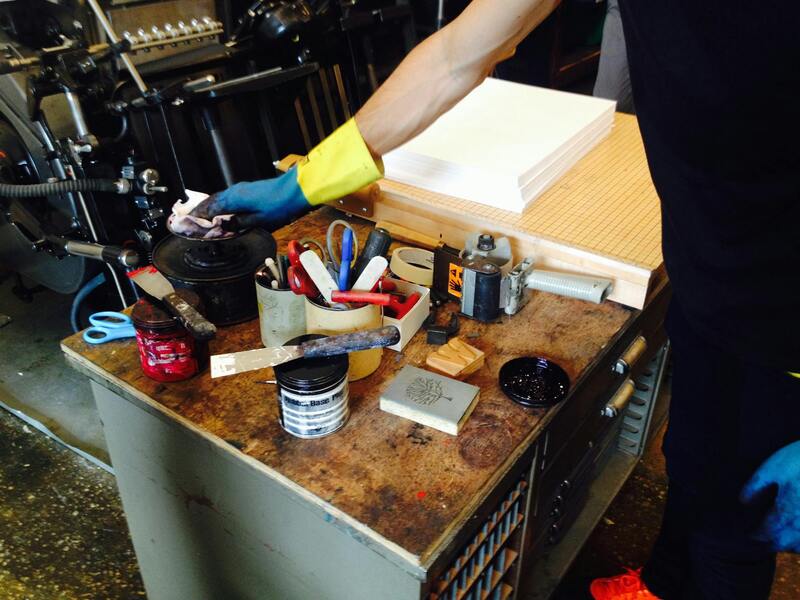
Effective design plays a vital role in maximising the capabilities of multi colour printing. Designers should employ techniques that facilitate colour separation and alignment, including:
- Layered Colour Separation: Using software to divide images into separate colour channels that correspond to each printing ink.
- Use of Pantone and Custom Colours: Ensuring colour accuracy across different batches by selecting standardized or custom-matched colours.
- Gradient and Blending Techniques: Creating smooth transitions and depth by managing colour overlap and transparency.
- High-Resolution Artwork: Preparing files with high resolution to prevent pixelation and ensure sharpness in the final printed image.
- Registration Marks and Guides: Incorporating precise marks to aid in alignment during printing, reducing misregistration and overlapping issues.
Overview of Multi Colour Printing
Multi colour printing is an advanced technique that enables the reproduction of complex images with a broad spectrum of colours by employing multiple inks or toners during the printing process. This approach allows for vibrant, detailed, and high-fidelity images, making it especially suitable for branding, packaging, and artistic displays where colour accuracy and richness are paramount. The process involves careful control of ink placement, colour blending, and registration to ensure that each hue aligns precisely, resulting in seamless and vivid visuals.
The capability to produce images with multiple colours directly correlates with increased opportunities for customization and differentiation in competitive markets. By utilizing multi colour printing, businesses can achieve superior visual impact, enhancing product appeal and consumer engagement. What distinguishes this technique from traditional single or dual-colour methods is its capacity to handle a vast palette, from subtle gradients to bold, eye-catching designs, all within a unified workflow.
Common Multi Colour Printing Methods
- Offset Multi Colour Printing: Utilizes multiple plates to transfer each colour layer onto the substrate, ensuring high quality and consistency, ideal for large-volume printing projects.
- Digital Multi Colour Printing: Employs digital presses capable of printing multiple colours directly from digital files, allowing for rapid changes and short runs with high accuracy.
- Screen Printing with Multi Colour Capabilities: Uses stencils and separate screens for each colour, facilitating vibrant graphics on a variety of materials, often used for textiles and promotional items.
- Flexographic Printing: Suitable for packaging, this method can print multiple colours through engraved flexible plates, especially on flexible materials like plastics and metallic foils.
Technologies Used in Multi Colour Printing
Advancements in printing technology have expanded the possibilities within multi colour printing. Inkjet printers equipped with multiple heads can deposit different inks simultaneously, enabling detailed multi-colour images on diverse substrates. Additionally, LED-UV and reactive inks facilitate vibrant, durable, and eco-friendly outputs. The integration of colour management software ensures that colour accuracy and consistency are maintained across different print runs, which is vital for branding and high-fidelity reproductions.

Some systems incorporate automated registration mechanisms that align each colour layer with exceptional precision, reducing waste and reprints. The use of spectral sensors and sophisticated colour matching algorithms further enhances the fidelity of the final print, allowing for exact replication of colours specified in the design. These technological innovations collectively contribute to the versatility, speed, and quality of multi colour printing processes.
Material and Ink Considerations
Choosing appropriate substrates and inks is fundamental to achieving optimal results in multi colour printing. The compatibility between inks and the printing surface influences durability, vibrancy, and overall appearance. Standard materials include coated and uncoated papers, synthetics like plastics and vinyls, textiles, and other specialty medias. It is crucial to select inks with properties tailored to the material, such as UV resistance for outdoor applications or flexible inks for textiles.
- Pigment-based Inks: Known for their resistance to fading and weathering, these inks are ideal for long-lasting displays and outdoor signage.
- Dye-based Inks: Offer brighter colours and wider colour gamuts, suitable for short-term promotional materials where vibrancy is critical.
- Eco-friendly Inks: Water-based or vegetable-based inks that reduce environmental impact while maintaining high quality.
In addition to ink type, the use of specialized coatings or primers on substrates can enhance ink adhesion and prevent issues like smudging or colour bleed. Precision in material handling and preparation ensures uniform coverage and colour consistency, which are essential for high-quality multi colour output.
Design Techniques for Multi Colour Printing
Effective design is the cornerstone of successful multi colour printing. Proper separation of colours, accurate registration, and thoughtful layout can significantly influence the final outcome. Designers should leverage advanced software to divide images into single colour channels, reflecting the specific inks used in printing. Utilizing Pantone colour guides or custom colour matching ensures consistent colour reproduction across multiple production batches.
- Layered Colour Separation: Dividing images into individual colour layers that correspond to each ink enhances control over colour blending and registration.
- Gradient and Transparency Effects: Mastery of blending techniques creates smooth colour transitions and depth, adding realism and vibrancy.
- High-Resolution Artwork: Creating designs in high resolution avoids pixelation, ensuring sharp details in the printed image.
- Registration Marks: Including visual guides assists in precise alignment of colours, minimizing misregistration issues.

Overview of Multi Colour Printing
Multi colour printing is a sophisticated technique that enhances the visual richness and depth of printed images by utilizing multiple ink colours in a single production process. This approach allows for vibrant, highly detailed images that can capture subtle gradients, realistic textures, and accurate colour representations beyond traditional CMYK palettes. By expanding the printable colour spectrum, multi colour printing ensures that complex designs, promotional materials, and branding elements are rendered with exceptional clarity and fidelity, making them stand out in competitive markets.
Utilizing various applications across industries such as packaging, textiles, commercial advertising, and fine arts, this printing method offers unparalleled versatility. It also provides creative professionals with a broader palette for unique design expression, where precise colour matching and consistency are critical. The ability to reproduce intricate colour nuances and maintain colour accuracy across large batches makes multi colour printing indispensable for high-quality visual outputs.
Common Multi Colour Printing Methods
Several established methods facilitate effective multi colour printing, each suited to different substrate types and production needs:
- Screen Printing: This traditional technique involves creating stencils for each colour and sequentially applying inks through meshes, suitable for high-volume applications like textiles and signage.
- Digital Printing: Modern digital printers utilize advanced inkjet technology capable of layering multiple colours directly onto various media, offering rapid turnaround and flexibility for smaller runs.
- Offset Printing: Employing plates for each colour, offset printing provides precise registration and high-quality outputs ideal for commercial-scale projects.
- Pad and Lithographic Printing: These methods allow for specialised applications involving textured surfaces or specific material constraints.
Each of these methods employs unique techniques to deposit multiple inks accurately and consistently, ensuring colour integrity and sharpness in the final product.
Technologies Used in Multi Colour Printing
Advances in printing technology have expanded the possibilities of multi colour output. Notable innovations include:
- Enhanced Inkjet Systems: These machines feature multi-nozzle arrays and sophisticated colour management software to reproduce a wide gamut of colours with high precision.
- Expanded Colour Profiles: Utilizing colour management profiles like Adobe RGB 1998 allows for expanded colour gamuts, ensuring more vibrant and accurate reproductions.
- Stochastic Screening: Application of micro-dot patterns (~20-30 μm) effectively reduces moiré and enhances colour blending, resulting in smoother gradients and more realistic images.
- Multi Material and Multi Ink Systems: These setups facilitate the precise layering of different inks, including metallics or fluorescents, often used in high-end branding and artistic applications.
Material and Ink Considerations
The choice of substrates and inks is vital to achieving optimal multi colour results. Various factors influence the quality and durability of the printed output:
- Substrate Compatibility: Coated papers, plastics, textiles, and metallic surfaces each require specific ink formulations and pre-treatment for adhesion and vibrancy.
- Ink Types: Solvent-based, UV-curable, aqueous, and UV inks each offer distinct benefits concerning colour range, drying times, and environmental impact.
- Color Stability and Fastness: Selecting inks with high resistance to fading, smudging, and environmental exposure ensures long-lasting, vibrant images.
- Primers and Coatings: Applying primers or protective coatings can enhance ink adhesion, prevent bleeding, and improve colour sharpness.
Design Techniques for Multi Colour Printing
Designing for multi colour printing requires careful preparation to maximize colour accuracy and registration:
- Colour Separation: Digital software tools facilitate accurate separation of colour channels, reflecting the specific inks used in the process.
- Registration Precision: Incorporating registration marks and alignment guides ensures each colour layer aligns accurately during printing, preventing misregistration and colour overlap issues.
- Gradient and Opacity Effects: Utilizing blending and transparency features allows for depth and realism, especially in detailed artwork.
- High-Resolution Artwork: Using high-resolution images avoids pixelation and maintains sharpness in the final print.
- Pantone Matching: This allows designers to specify exact colours, ensuring consistency across production runs.