Cost-Effective And High-Quality Colour Printing Services In Singapore
Overview of Colour Printing Services
Colour printing services have become an essential component for many businesses and individuals seeking vibrant, high-quality visual communication. These services enable the reproduction of images, graphics, and text in a spectrum of colours, transforming simple ideas into compelling visuals that effectively attract attention and convey messages clearly. In Singapore, the demand for colour printing spans across various industries, including retail, marketing, education, and personal use, driven by the need for professional presentation materials, promotional items, and personal projects that stand out.

At its core, colour printing enhances the visual appeal of printed materials, making them more engaging and easier to interpret. Whether it’s showcasing product images on packaging, designing eye-catching flyers, or printing personal photo albums, colour printing services ensure that every detail is rendered vividly and accurately. This level of quality is achieved through advanced printing technologies that optimise colour fidelity, sharpness, and consistency across different types of media and substrates.
For businesses, colour printing services support branding efforts by reproducing logos, corporate colours, and branded materials that reinforce brand identity and professionalism. For individuals, these services offer personalized solutions for creating memorable keepsakes, event invitations, or custom artwork. The versatility of colour printing accommodates both small-scale personal projects and large-scale commercial productions, making it a cost-effective solution for diverse needs.
Moreover, the integration of digital and offset printing technologies has broadened the scope and efficiency of colour printing services in Singapore. Digital printing allows for quick turnaround and short runs, ideal for custom or one-off projects, while offset printing offers high volume production with consistent quality and lower per-unit costs. As a result, clients can choose the most suitable method based on project requirements, budget, and timeline.
Innovations in ink formulations and printing hardware continue to enhance colour accuracy and durability, allowing prints to withstand environmental factors such as sunlight, moisture, and handling. This durability ensures that printed materials maintain their vibrant appearance over time, providing long-term value for marketing campaigns and personal keepsakes alike.
Overall, colour printing services serve as a vital tool for effective visual communication, offering vibrant, precise, and durable prints that meet the diverse needs of Singapore’s dynamic market. The accessibility of these services, alongside technological advancements, empowers both businesses and individuals to produce high-quality printed materials that leave a lasting impression.
Materials and Substrates Used in Colour Printing
Choosing the appropriate materials and substrates is critical in ensuring the vibrancy, durability, and overall quality of colour prints. The variety of substrates available in colour printing services caters to different project requirements, whether for marketing collateral, personal keepsakes, or large-format displays.
Standard paper stocks, including gloss, matte, and satin finishes, are most commonly used for brochures, flyers, and business cards. Their surface textures and reflectivity influence how colours appear, making the selection of the right paper essential for achieving desired visual effects. For instance, gloss paper enhances vibrancy and sharpness, perfect for product photography and marketing materials, while matte options reduce glare and lend a sophisticated touch to professional documents.

Beyond standard options, specialty substrates like PVC, acrylic, canvas, and textiles are increasingly incorporated into colour printing projects to add durability and aesthetic value. These materials are ideal for signage, wall murals, and customised promotional items. For example, printing on vinyl or fabric can ensure weather resistance and flexibility, making products suitable for both indoor and outdoor use.
Innovations in coating and finishing processes also play a role in enhancing the qualities of printed materials. UV coatings, lamination, and embossing not only provide additional protection against environmental factors but also elevate visual appeal and tactile sensation. These enhancements are particularly relevant for luxury packaging or high-end marketing campaigns where impression matters greatly.
The selection of materials must consider environmental sustainability as well. Many printing providers now offer eco-friendly substrates, such as recycled paper or biodegradable plastics, aligning with responsible business practices and environmental stewardship. Such options ensure that high-quality colour printing can be achieved without compromising ecological values.
Applications and Uses of Colour Printing Services
- Marketing Campaigns: Eye-catching posters, banners, and product packaging aimed at capturing consumer attention and reinforcing brand identity.
- Corporate Branding: Business cards, letterheads, and branded merchandise that demonstrate professionalism and consistency.
- Personalized Gifts and keepsakes: Custom photo albums, framed prints, and wedding invitations that create lasting memories.
- Event Displays: Signage, standees, and backdrops designed for exhibitions, trade shows, weddings, and community events.
- Educational and Informational Materials: Charts, maps, and instructional manuals that benefit from vibrant, easy-to-read visuals.
Factors to Consider When Choosing a Colour Printing Service
- Print Quality and Colour Fidelity: Examining sample works or case studies ensures the provider can meet high standards of colour accuracy and detail.
- Range of Substrates Offered: Compatibility with desired materials directly impacts project outcomes and durability.
- Turnaround Time and Capacity: The ability to meet deadlines is essential, especially for large-scale campaigns or urgent projects.
- Pricing and Cost Transparency: Clear quotations and understanding of pricing structures help accurately budget for each project.
- Additional Services: Finishing options such as lamination, die-cutting, and mounting add value and versatility to the final product.
How to Select a Reliable Colour Printing Provider in Singapore
Checking the provider’s portfolio and seeking recommendations can give insight into their expertise and consistency. It is important to prioritize providers that employ advanced printing technology—such as digital presses with high-resolution capabilities and offset presses for high-volume runs—ensuring precise and vibrant results. Customer reviews and testimonials also serve as useful indicators of service quality and reliability.
Furthermore, transparency in communication regarding project specifications, timelines, and costs helps establish trust. A reputable provider will support clients throughout the process, from material selection to final delivery, ensuring that expectations are aligned and the outcome exceeds standards.
Overview of Colour Printing Services
Colour printing services are integral to creating vibrant and impactful visual communications across various industries. These services encompass a wide array of printing methods designed to produce high-resolution, eye-catching images and graphics on diverse substrates. From marketing materials to promotional displays, colour printing enhances brand visibility and enables businesses to convey messages with clarity and visual appeal. The evolution of printing technology has allowed providers to offer tailored solutions that meet specific project requirements, ensuring colour consistency, high fidelity, and durability across all outputs.
At the core of professional colour printing services lies a commitment to quality and precision. This involves not only the ability to reproduce colours accurately but also maintaining consistency across large batches, which is essential for brand integrity. Whether it involves short-run custom printing or high-volume production, modern colour printing services leverage advanced equipment and processes to meet these standards. The integration of digital and offset printing techniques allows providers to handle a broad spectrum of printing demands, ensuring clients receive products that align perfectly with their expectations and project specifications.

Customisation options in colour printing services extend to finishes, coatings, and mounting techniques, which add durability and aesthetic value to the final product. This flexibility ensures that printed materials can withstand environmental factors and usage conditions while maintaining their visual impact. Besides corporate branding, colour printing services also support creative projects, educational materials, and event displays, making them a versatile choice for any organisation or individual seeking professional-grade print outputs.
Types of Colour Printing Techniques
Understanding the different colour printing techniques available enables clients to select the most suitable method for their specific needs. Each technique offers unique advantages in terms of quality, speed, and cost-efficiency. The primary types include digital printing, offset printing, and large-format printing, each optimized for particular applications and substrate compatibilities.
- Digital Colour Printing: Known for its quick turnaround and cost-effective short runs, digital printing directly transfers digital images onto substrates. This technique excels in producing high-resolution images with precise colour matching, making it ideal for personalised marketing materials, small batch posters, and business cards.
- Offset Colour Printing: Leveraging metal plates, offset printing offers high-quality output for bulk production. The process provides consistent colour reproduction and fine detail, especially on larger volumes of brochures, catalogues, and magazine prints. While setup costs are higher, the per-unit expense decreases with larger runs, offering excellent value for extensive campaigns.
- Large-Format Printing: Suitable for banners, posters, backlit displays, and signage, large-format printing employs wide-format inkjet printers capable of rendering vibrant images on large substrates such as vinyl, fabric, or foam board. Precision and colour vibrancy are crucial for impactful visual displays in retail, events, and exhibitions.
Each of these methods can produce a wide range of colour effects and finishes, catering to diverse marketing and branding needs. Selecting the optimal printing technique involves assessing project scope, budget, and desired aesthetic effects, ensuring the final output aligns with strategic objectives and visual standards.
Modern colour printing services often integrate advanced colour management systems to monitor and control output quality throughout the production process. This ensures near-perfect colour conformity, consistent tone, and detailed graphics reproduction across all printed materials. Such precision is vital for maintaining brand consistency, especially when replicating complex logos, gradients, and photographic images. In addition, eco-friendly inks and substrates are increasingly used to reduce environmental impact while maintaining superior print quality.
By choosing the appropriate colour printing technique and leveraging the latest in digital technology, businesses can produce visually compelling materials that effectively communicate their messages and stand out in competitive environments. Professional colour printing providers also ensure high standards of colour fidelity, consistency, and finishing options, resulting in products that meet and exceed client expectations.
Materials and Substrates Used in Colour Printing
Choosing the right materials and substrates forms the foundation of achieving high-quality colour prints that meet both aesthetic and functional needs. The selection process involves understanding the characteristics of various printing surfaces and how they interact with different ink types and printing techniques.
Specialised substrates are designed to optimise colour vibrancy and durability, including options suitable for indoor and outdoor applications. Promotional posters or banners exposed to outdoor elements require weather-resistant materials such as vinyl or laminated paper, which retain their colour integrity over time. For upscale presentation materials, coated papers with high gloss or matte finishes are preferred, offering enhanced colour depth and sharpness.
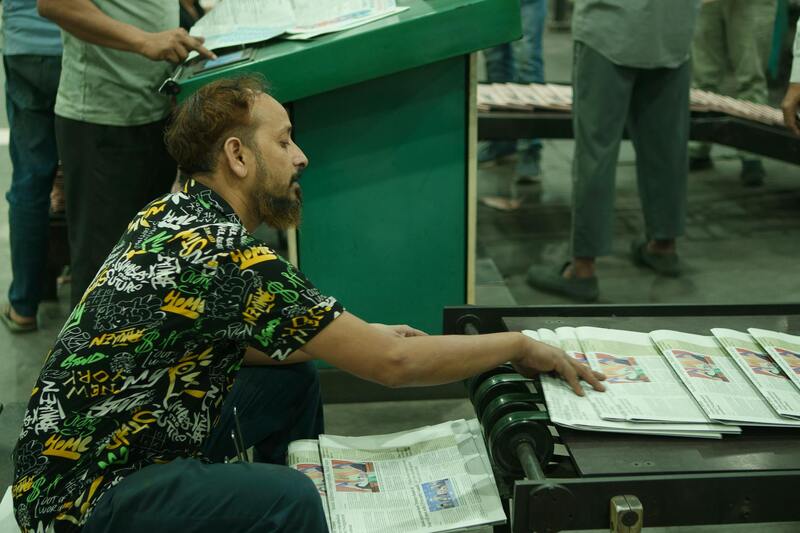
In addition to traditional options, eco-friendly substrates made from recycled materials or biodegradable options are increasingly gaining popularity among businesses committed to sustainability. Such materials often include recycled paper or plant-based plastics, which support environmental goals while delivering excellent print quality.
Inks used in colour printing, whether solvent-based, UV-curable, or water-based, are chosen to complement the substrate and produce vibrant colour reproduction. Proper substrate selection ensures that the inks adhere well, resist fading, and maintain stability over time, thereby extending the lifespan of the printed materials.
For high-fidelity colour reproduction, calibrated substrates with consistent surface textures contribute significantly to achieving precise and predictable outcomes. The ability to produce consistent results across different printing runs is essential for strong brand identity and visual consistency. Overall, the integration of appropriate materials and substrates underpins the success of any colour printing project, spanning from simple marketing flyers to complex, large-scale signage.
Detailed Techniques and Processes in Colour Printing Services
Colour printing services employ a variety of sophisticated techniques designed to deliver high-quality, vibrant, and accurate reproductions of digital images or designs on diverse substrates. Understanding these methods is crucial for selecting the right approach aligned with specific project requirements, whether for marketing campaigns, branding, or large-scale signage.
Core Colour Printing Techniques
- Offset Printing: This traditional method relies on the transfer of ink from a plate to a rubber blanket and then onto the printing substrate. Offset printing is renowned for its high-volume capacity and exceptional print quality. It allows for precise colour matching and consistency, making it ideal for producing brochures, posters, and packaging materials with complex colour gradients and fine details.
- Digital Printing: Digital colour printing involves directly reproducing digital images onto substrates using inkjet or laser technology. It offers quick turnaround times, cost efficiency for small to medium quantities, and the flexibility of on-demand printing. Digital printing is particularly suitable for customised prints, short-run marketing materials, and prototypes where colour fidelity is paramount.
- UV Printing: This technique uses ultraviolet light to cure inks instantly upon contact with the substrate. UV printing yields highly durable, vibrant images on a variety of surfaces, including plastics, metals, and glass. Its ability to print directly onto non-porous materials makes it a versatile choice for signage and decorative applications requiring bright, long-lasting colours.
- Flexography: Common in packaging and labels, flexography utilises flexible relief plates to apply swift and consistent ink layers. Its compatibility with a broad spectrum of substrates and fast production speeds are advantageous for large-scale commercial work that demands bright, impactful colours.
Advanced and Specialised Colour Printing Methods
- Giclée Printing: Primarily used for art reproduction and fine photography, giclée printing employs high-resolution inkjet technology with a broad colour gamut. This method ensures smooth gradations and colour accuracy, making it suitable for gallery-quality prints and limited edition artworks.
- Electrophotography: Utilised mainly in high-volume business printing, this process produces crisp images with consistent colour output. It integrates seamlessly with digital workflows for fast, efficient production of marketing collateral and administrative documents.
- Screen Printing: Applicable in producing vibrant prints on textiles, plastics, or ceramics, screen printing involves pressing ink through a mesh stencil. It allows for vivid colour application on irregular surfaces and is often used for promotional T-shirts, banners, and specialty items requiring bold, eye-catching colours.
Image Placeholders and Visual Representation

Each of these methods is chosen based on the specific characteristics of the project, such as required colour vibrancy, durability, substrate compatibility, and production volume. Proper selection ensures the final printed material maintains visual impact, consistency, and longevity, matching industry standards and client expectations.
Overview of Colour Printing Services
Colour printing services encompass a wide range of printing techniques and applications that leverage the power of vibrant, accurate hues to enhance visual communication. These services are essential in producing high-quality promotional materials, brand identities, product packaging, and more. The core advantage of colour printing lies in its ability to reproduce images and designs with precision and consistency, creating impactful visual impressions that resonate with audiences. When selecting a colour printing provider, it’s crucial to evaluate their expertise in handling various substrates, their adherence to industry standards, and their commitment to delivering true-to-colour outputs. From business cards to large-format banners, colour printing services serve diverse needs across multiple sectors, ensuring that your visual materials stand out and effectively communicate your message.
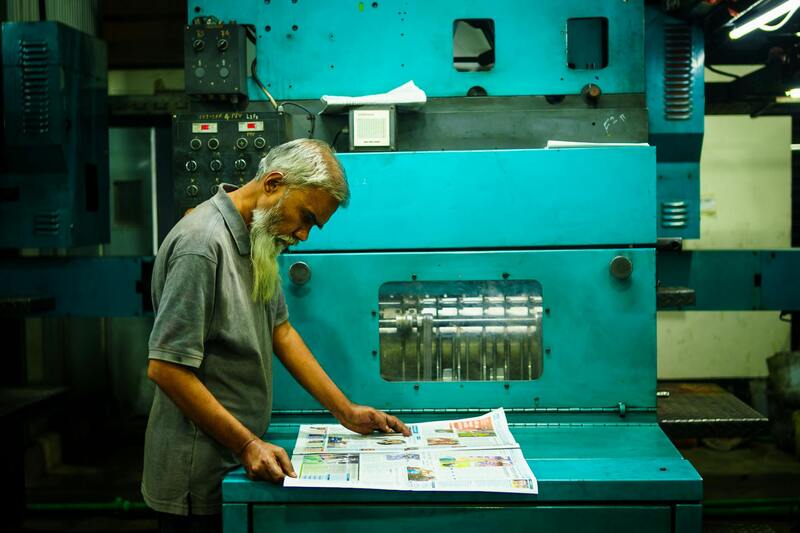
Types of Colour Printing Techniques
Modern colour printing employs a variety of techniques, each suited to specific purposes, substrates, and volume requirements. The most common methods include:
- Digital Inkjet Printing: Ideal for both small runs and large-format prints, this technique offers high resolution and excellent colour accuracy. It is frequently used for posters, banners, and custom promotional items due to its quick turnaround and ability to reproduce detailed images.
- Offset Printing: Known for producing consistent colours across large volumes, offset printing is cost-effective for bulk orders. It involves transferring ink from a metal plate to a rubber blanket, then onto the substrate, ensuring sharp details and vibrant hues in high volumes.
- Screen Printing: Best suited for printing on irregular surfaces like textiles, plastics, and ceramics, this method involves pressing ink through a mesh stencil. Screen printing offers bold, vivid colours and durability, making it popular for T-shirts, banners, and promotional products.
- Giclée Printing: A high-end inkjet process used primarily for fine art and photographic reproductions. It uses pigment-based inks to produce a broad colour gamut, delivering smooth gradations and impressive colour fidelity.
- Electrophotography: Commonly used in large-scale business printing, this digital printing method produces crisp images with consistent colour output, suitable for marketing collateral and administrative materials.

Materials and Substrates Used in Colour Printing
The selection of materials plays a vital role in ensuring the desired colour quality and durability of printed materials. Common substrates include:
- Paper and Cardstock: Ranging from standard coated and uncoated paper to premium art papers, these substrates support a variety of printing techniques and surface textures.
- Vinyl and Plastics: Used for banners, signage, and vehicle wraps, these materials require durable inks and precise printing methods to withstand environmental elements.
- Fabric: Suitable for textile printing, fabric substrates demand specialized inks that provide vibrant colours and longevity.
- Wood and Metal: Specialty substrates often used in custom signage and artistic installations, requiring careful preparation and compatible printing techniques.
The compatibility of the substrate with the chosen printing method influences the final output's vibrancy, durability, and aesthetic appeal. High-quality materials ensure that colours appear vivid and consistent over time, even under challenging environmental conditions.

Overview of Colour Printing Services
Colour printing services encompass a wide range of solutions designed to meet diverse business and personal needs for vibrant, high-quality visual representations. From marketing collateral and promotional materials to artistic displays and custom packaging, colour printing ensures that imagery, logos, and messages are conveyed with clarity and aesthetic appeal. The advanced technology and extensive materials available today enable precise colour reproduction, durability, and unique finishing options, making colour printing an essential component in branding and communication strategies.
Understanding the Role of Professional Colour Printing
Professional colour printing involves specialized techniques and equipment that go beyond basic printing applications. It leverages high-resolution digital presses, offset printers, and specialized inks to produce consistent, sharp, and vivid images. These services emphasize colour accuracy, consistency across large runs, and the ability to customize output for specific applications. They are particularly valuable for enterprises requiring large quantities of branded materials such as brochures, banners, posters, and packaging, where the quality of colour can significantly influence audience perception and engagement.
Customization and Quality Assurance
One of the main advantages of professional colour printing services is the ability to customize each project. Whether adjusting colour profiles to match brand standards or selecting finishes that enhance texture and gloss, clients benefit from tailored solutions that align with their branding goals. Furthermore, quality assurance protocols involve calibration, colour management systems, and proofing processes that ensure the final output meets specified standards, reducing wastage and ensuring satisfaction.
Applications Across Industries
- Marketing and Advertising: Color-rich flyers, posters, banners, and point-of-sale displays designed to attract attention and communicate key messages effectively.
- Event and Exhibition Materials: Vibrant backdrops, signage, and banners that make an impact in varied environments.
- Product Packaging: Eye-catching labels, boxes, and wrappers requiring precise colour matching and durability.
- Art and Design: High-quality reproduction of artwork, photographic prints, and custom artistic projects.
- Corporate Stationery: Business cards, letterheads, and reports that reflect professionalism through vivid, consistent colour.
Key Benefits of Colour Printing Services
- Enhanced Visual Impact: Bright, accurate colours improve the aesthetic appeal and effectiveness of printed materials.
- Brand Consistency: Precise colour reproduction upholds brand identity across multiple media and substrates.
- Durability: Advanced inks and protective coatings ensure longevity even in challenging environments.
- Versatility: Wide range of substrates, finishes, and printing techniques accommodate diverse project requirements.
- Cost Efficiency: Bulk printing options and sophisticated technology help reduce costs while maintaining high quality.

Comprehensive Insights into Colour Printing Services in Singapore
Understanding the Spectrum of Colour Printing Techniques
Colour printing encompasses a range of innovative methods tailored to meet diverse design, quality, and efficiency needs. Among the most prevalent techniques are offset printing, digital printing, and wide-format printing, each offering distinct advantages for different projects.
Offset printing employs plates and is ideal for high-volume runs, delivering precise colour consistency and sharp detail. Digital printing, on the other hand, bypasses plates, allowing for quick turnaround and cost-efficient short runs, making it perfect for personalised or small-batch projects. Wide-format or large-scale printing is commonly used for banners, posters, and exhibition displays, capable of producing vibrant images on various large substrates.

Materials and Substrates Utilised in Colour Printing
The choice of materials plays a pivotal role in determining the durability, appearance, and functionality of the final product. Common substrates include paper, synthetic media, vinyl, canvas, and fabric, each suitable for specific applications such as indoor displays, outdoor signage, or packaging.
High-quality coated papers facilitate vibrant colour reproduction, while synthetic media, like PVC or PET films, provide resistance against weather and handling. For artistic or premium branding, textured surfaces like canvas or specialty papers can enhance the visual appeal and tactile experience.
Practical Applications of Colour Printing Services
- Marketing and Branding: Eye-catching flyers, brochures, and banners that communicate brand identities effectively.
- Event Promotions: Vibrant posters, backdrops, and signage to capture attention at exhibitions and conferences.
- Product Packaging: Custom labels and boxes with precise colour matching to enhance product appeal.
- Art and Photography: High-resolution reproductions for galleries, portfolios, and artistic projects.
- Corporate Materials: Professional business cards, letterheads, and reports showcasing consistent branding with vivid colours.
Critical Factors When Selecting a Colour Printing Service
Choosing the right provider involves assessing several key aspects, including the quality of the end product, turnaround times, and the provider's expertise with specific printing techniques. It's crucial to review their portfolio, request samples, and understand their colour management protocols to ensure they can meet your project standards.
In addition, evaluating their capacity to handle varied substrates and finishes provides insight into their versatility. Customer support and the ability to provide comprehensive consultation also contribute significantly to a successful collaboration.
Tailored Solutions and Customisation
Opt for services that accommodate custom sizes, finishes, and special effects such as spot UV or embossing. These features can elevate the visual impact of printed materials and align with branding strategies.
Key Attributes of a Reputable Colour Printing Provider in Singapore
Reliability, technological expertise, and a track record of consistent quality are imperative indicators of a dependable provider. Local companies with advanced calibration and colour management systems are better positioned to reproduce colours accurately across multiple media. They should also be transparent about their processes, from proofing to final output, and capable of managing a variety of project scales efficiently.
Customer testimonials and industry credentials can serve as additional assurance of their professionalism and capabilities.

Pricing Structures and Delivery Timelines for Colour Printing
Pricing largely depends on factors such as the complexity of the design, volume, substrate choice, and finishing requirements. Many providers offer tiered rates, with discounts for bulk orders, enabling clients to optimise budgets without compromising quality.
Additionally, turnaround times can range from same-day services for simple print jobs to several days for elaborate, large-format projects. It is advisable to coordinate scheduling well in advance, especially for time-sensitive marketing campaigns or events, to ensure the availability of the desired materials when needed.
Effective communication regarding project specifications and deadlines is vital to achieving prompt delivery and maintaining quality standards.