Full Colour Printing: Techniques, Applications And Benefits In Singapore's Printing Industry
Nature and Definition of Full Colour Printing
Full colour printing is an advanced printing process that enables the production of vibrant, high-resolution images with a wide spectrum of colours. By utilizing the complex interplay of the four standard ink colours—cyan, magenta, yellow, and black (collectively known as CMYK)—this technique ensures the reproduction of detailed and vividly reproduced visuals suitable for diverse printing requirements. This method surpasses monochrome or limited colour output, offering a broad palette that can accurately render photographs, artwork, and intricate graphics with impressive fidelity.
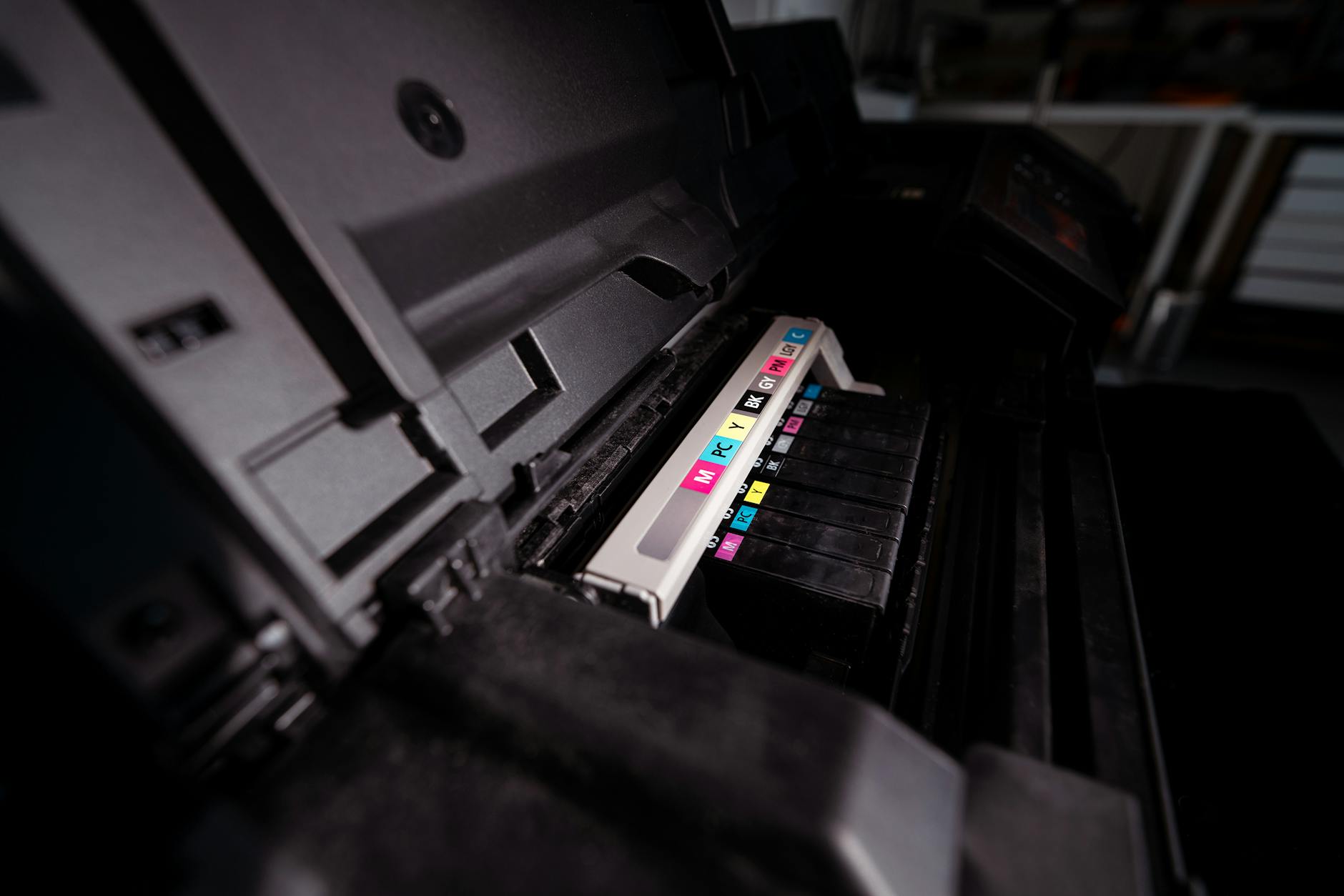
At the core of full colour printing is the CMYK colour model, a subtractive colour system where combining different ink shades creates a multitude of hues. The process involves layering tiny dots of these inks on the printing substrate, which blend optically to form the desired colour. Used extensively in commercial printing environments, full colour printing ensures consistent colour quality and sharpness across various media, making it ideal for marketing materials, packaging, display banners, and corporate branding assets.

Full colour printing offers remarkable versatility, capable of producing everything from detailed photographs to bold graphics and colourful illustrations. Its efficiency in delivering multi-hued images makes it a preferred choice for businesses aiming to create visually compelling marketing materials. Whether for print advertising, exhibitions, packaging, or promotional giveaways, this process provides the depth, richness, and accuracy that modern branding demands.
One of the significant advantages of full colour printing is its ability to reproduce images consistently with high resolution, ensuring that the colours are vibrant and true to original designs. Modern printers employing state-of-the-art technology can achieve precise colour matching, fast turnaround times, and cost-effective production runs, which are crucial for businesses seeking to meet deadlines without compromising quality. As the demand for visually engaging printed content continues to grow, full colour printing remains at the forefront due to its reliability and superior output capabilities.
In addition, the technology behind full colour printing allows for customization and creative flexibility. It supports various digital and offset printing methods, extending the possibilities for short-run projects, personalized marketing, or elaborate design embellishments. This adaptability underscores its importance in competitive markets, where striking visual presentation can significantly influence consumer perception and engagement.
Materials and Substrates Used in Full Colour Printing
Achieving high-quality full colour prints depends significantly on selecting suitable materials and substrates. The versatility of full colour printing allows for a wide array of media, each capable of delivering vibrant, durable results tailored to specific applications. Common materials include paper varieties such as gloss, matte, and satin finishes, which are favored for their ability to vividly reproduce colour details and fine images. These paper types are ideal for marketing materials like brochures, flyers, and posters, where colour vibrancy and sharpness are paramount.
Beyond traditional paper, synthetic substrates such as vinyl, polyester, and polypropylene are frequently utilized for durable outdoor signage, banners, and vehicle wraps. These materials resist environmental factors like moisture, UV exposure, and abrasion, ensuring longevity while maintaining rich colour displays. For example, vinyl with a gloss or semi-gloss laminate provides excellent colour saturation and weather resistance, making it suitable for outdoor advertising campaigns that demand vivid visual impact over time.

Specialized substrates such as clear acrylic, metal sheets, or fabric can also be employed for high-end display products, where transparency, texture, or unique aesthetics are desired. These materials require specific printing techniques to optimize colour rendition and adhesion. Moreover, textured surfaces like linen or canvas can be chosen for artistic reproductions or luxury packaging, accentuating colour depth and providing tactile appeal.
Color consistency and adhesion quality are critical factors when selecting substrates. The material must be compatible with the chosen printing technology—whether digital, offset, or screen printing—to ensure precise colour matching and durability. Proper preparation, including surface cleaning and appropriate coating application, enhances ink absorption and print quality, ultimately providing the desired visual accuracy and lifespan of the print job.
In addition to aesthetic considerations, environmental impact and sustainability are increasingly important. Eco-friendly substrates such as recyclable papers or biodegradable plastics can be selected to meet organizational commitments to sustainability without compromising colour vibrancy or quality. By carefully evaluating the application requirements, budget constraints, and environmental considerations, businesses can choose the most appropriate substrates that maximize visual impact and functional performance in their full colour printing projects.
Nature and Definition of Full Colour Printing
Full colour printing is a versatile printing process capable of reproducing a wide spectrum of colours, enabling the creation of vibrant and detailed imagery across various media. This technique leverages multiple ink colours—primarily Cyan, Magenta, Yellow, and Black (CMYK)—to simulate a multitude of hues and shades, resulting in images that closely match original designs. It is distinguished from monochrome or limited colour printing by its ability to render complex, multi-tonal visuals with remarkable accuracy.
At its core, full colour printing is about achieving optimal colour fidelity, sharp detail, and consistent reproduction. These qualities make it ideal for a broad range of applications, from marketing collateral and packaging to fine art reproductions and promotional materials. The process involves precise colour management and calibration to ensure that each print accurately reflects the intended Colour palette, regardless of the substrate used. This fidelity is maintained through standardised colour profiles and advanced printing technology, which together offer high-quality visual output that meets professional standards.

In terms of technology, full colour printing encompasses several methods, including digital, offset, and screen printing, each suited to different production volumes and material types. Digital full colour printing provides flexibility for short runs and customisation, while offset printing offers cost-effective solutions for large volumes with consistent quality. Screen printing, originally popular for textiles and signage, can also achieve vibrant colours on various surfaces. Regardless of the specific method, the essential goal remains the faithful replication of complex colour gradients and detailed imagery, which is fundamental to capturing the intended visual impact.
Beyond the technical execution, the strategic application of full colour printing considers factors like colour accuracy, substrate compatibility, and environmental sustainability. Modern advancements include eco-friendly inks and recyclable materials, aligning with growing demands for sustainable practices. This approach ensures that vibrant colours are produced responsibly without compromising on quality, durability, or environmental impact. Selecting the appropriate process and materials is vital to achieving the desired aesthetic and functional performance in every print project.
Common Materials and Substrates for Full Colour Printing
Choosing suitable materials and substrates is pivotal in achieving vibrant, durable, and high-quality full colour prints. The diversity of available options allows for customization based on project requirements, environmental considerations, and budget constraints. Some of the most prevalent materials dedicated to full colour printing include paper, synthetic films, textiles, and rigid substrates, each offering distinct benefits and optimal applications.
High-quality paper remains the most versatile and widely used substrate for full colour printing. Varieties such as gloss, matte, and satin finishes provide different visual effects and tactile experiences, making them ideal for business cards, brochures, and promotional flyers. Specialty papers with textured surfaces or metallic finishes can enrich the aesthetic appeal of print materials, especially when colour fidelity and detail are critical.
Synthetic materials like vinyl films and polyester sheets are often employed for outdoor signage, banners, and vehicle wraps due to their resistance to weather elements. These substrates support vibrant colour printing through specialized ink adhesion, ensuring longevity and vividness even under harsh conditions. Moreover, their flexibility allows for installation on complex surfaces, expanding creative possibilities.
Textiles such as polyester and cotton fabrics are increasingly incorporated into full colour printing for promotional clothing, banners, and textile displays. Advances in dye sublimation and pigment ink technology enable the reproduction of intricate colour gradients and photographic images on fabric surfaces, with excellent wash-fastness and durability.
Rigid substrates like foam boards, acrylic sheets, and metal panels are suitable for high-impact visual displays, signage, and art installations. Their sturdy profile supports vibrant prints that maintain precision and clarity even when enlarged, making them ideal for retail environments and large-format advertising.
Eco-friendly and recyclable materials are gaining popularity within the industry. Recycled papers and biodegradable plastics provide sustainable alternatives without compromising print quality. Employing environmentally conscious substrates aligns with the growing focus on responsible manufacturing and environmental stewardship.
Expertise in material selection ensures optimal results in full colour printing projects. Compatibility between ink types, substrate properties, and environmental conditions must be carefully considered to prevent issues such as ink smudging, fading, or poor adhesion. Printer specifications and the intended display environment play crucial roles in determining the best substrate choice.
Adopting advanced printing technologies tailored to specific materials, such as UV printing for rigid substrates or dye sublimation for fabrics, further enhances the visual quality and durability of the final product. As technology evolves, so does the variety of substrates available, enabling more innovative and sustainable applications of full colour printing across industries.
Materials and Substrates Used in Full Colour Printing
Choosing the appropriate materials for full colour printing is critical to achieving vibrant, durable results across various applications. The selection of substrates depends largely on the intended use, environmental exposure, and the desired aesthetic quality. High-quality paper stocks, such as coated and uncoated papers, are commonplace for premium flyers, brochures, and posters, offering excellent colour reproduction and sharp detail. For outdoor signage or items subject to frequent handling, rigid materials like PVC, acrylic boards, and metal panels are often preferred due to their resilience and ability to maintain colour fidelity over time.
Textiles and fabrics have become increasingly popular substrates in full colour printing, especially for fashion, home décor, and promotional merchandise. Dye sublimation and direct-to-garment (DTG) printing are widely used techniques that allow for highly detailed, full spectrum colour images on fabric surfaces. These methods ensure vibrancy and longevity, even after multiple washes. Moreover, eco-conscious options such as recycled plastics, biodegradable films, and sustainably sourced papers are gaining traction as industry standards evolve towards sustainability. These materials not only support brand stories emphasizing environmental responsibility but also meet consumer demand for greener products.
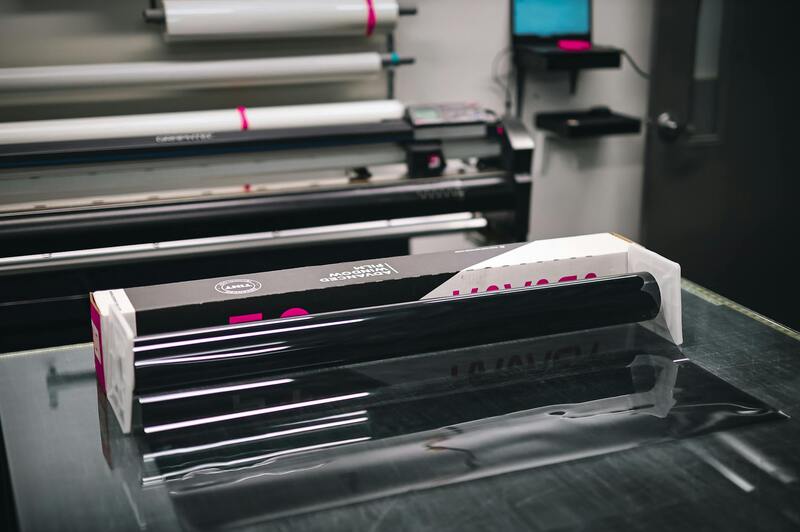
Furthermore, some substrates require surface treatments or primers to optimize ink adhesion and prevent issues like peeling or fading. For example, textured surfaces may need smoothing treatments before printing to ensure colour vibrancy and sharp detail. The compatibility between inks and substrates is a crucial consideration—UV-curing inks, for instance, work exceptionally well on non-porous surfaces such as glass and metal, providing excellent adhesion and UV resistance. When selecting materials, it is essential to account for environmental factors including exposure to sunlight, moisture, and temperature fluctuations, which can affect both print quality and substrate integrity.
Emerging innovations in substrate technology continually expand the possibilities for full colour printing. Advances in flexible and printable plastics, as well as those with enhanced chemical resistance, allow for more versatile applications such as vehicle wraps, outdoor banners, and wearable products. Flexibility in substrate choice combined with high-definition, full colour digital printing broadens creative opportunities for brands seeking impactful visual communication in Singapore and beyond.
Quality and Colour Fidelity in Full Colour Printing
Achieving precise colour reproduction is a core aspect of full colour printing, especially for branding and marketing materials where visual consistency matters. High-end printing processes incorporate sophisticated colour management systems that utilize colour profiles, such as ICC profiles, to match colours accurately across different devices and substrates. This ensures that the printed output closely aligns with the original design intent, reducing discrepancies caused by variations in ink formulation or paper type.
In professional settings, colour calibration tools are routinely used to fine-tune printers, monitor ink levels, and maintain consistent quality over multiple print runs. This approach minimizes colour shifts and enhances the vibrancy of print jobs, whether on paper, fabric, or rigid surfaces. The selection of inks also plays a vital role; pigment-based inks excel in producing vivid, durable colours and are resistant to fading from UV exposure and environmental elements.

Technical Considerations for Optimal Results
Several technical factors influence the quality of full colour printing, including resolution, layer thickness, and drying or curing methods. Resolution, typically measured in dots per inch (DPI), determines the level of detail and sharpness in the final printed piece. Higher DPI settings — often 300 DPI or above for promotional materials — enable intricate images and text to stand out with clarity.
Layer thickness impacts the density and vibrancy of colours; thinner layers typically allow for more precise colour blending, which is especially important for photographic reproductions. The curing process, whether UV or heat-based, ensures that inks are properly bonded to substrates and resistant to smudging or environmental damage post-printing.
Color Overlay and Special Effects
Beyond standard CMYK printing, advanced full colour printing often incorporates special effects such as gloss, matte finishes, or textured overlays. These effects can add depth and tactile appeal, making printed materials more engaging. Techniques like spot varnishing or metallic inks are used selectively to highlight certain areas for greater visual impact, particularly on high-value promotional items where brand differentiation is essential.
Equipment and Technologies Powering Full Colour Printing
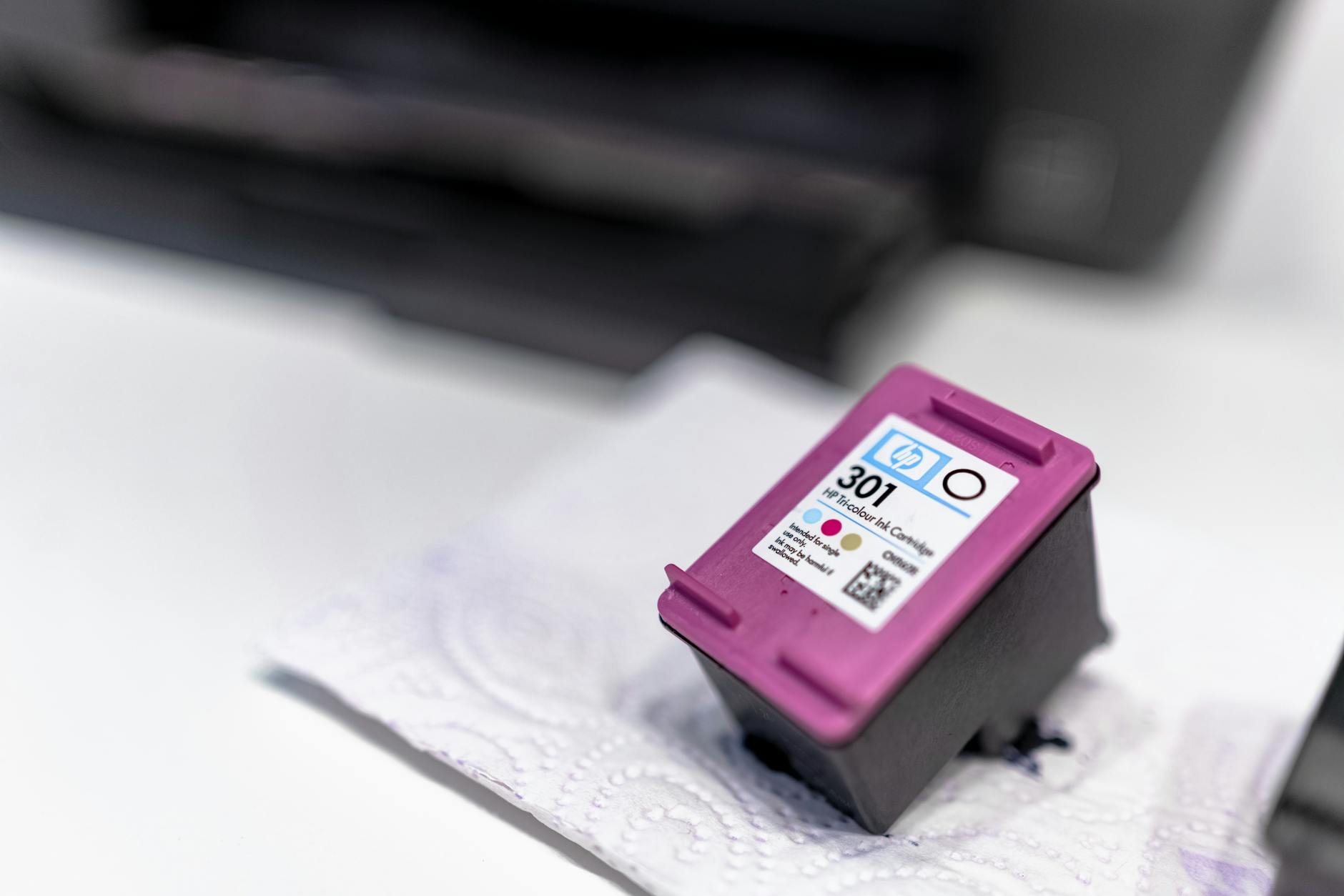
The backbone of professional full colour printing includes digital presses, offset printers, and large-format inkjet systems. Digital presses, such as high-end inkjet models, offer rapid turnaround and excellent colour fidelity, making them ideal for short runs and customized work. Offset printing remains a preferred choice for bulk production due to its cost-effectiveness and consistent quality across large quantities.
Emerging technologies like UV-curable and eco-solvent inks expand the versatility of full colour printing by enabling printing on diverse substrates, including plastics, metals, and textiles. These systems support vibrant colours and durable finishes suitable for outdoor signage, vehicle wraps, and promotional merchandise.
Ensuring Longevity and Durability of Full Colour Prints
Longevity is crucial for materials exposed to environmental elements. Applying protective coatings, such as laminates or UV coatings, safeguards against scratches, fading, and moisture. For items like banners or outdoor signage, selecting substrates with inherent weather resistance and utilizing UV-resistant inks prolongs the vibrancy and structural integrity of the print.
Understanding the technical properties of different materials allows print service providers to recommend appropriate finishing options and ensure that the production aligns with the intended application and lifespan expectations.
Factors to Consider When Using Full Colour Printing Services
Choosing the appropriate full colour printing service requires careful assessment of several critical factors to ensure the final product meets expectations in quality, durability, and vibrancy. One of the foremost considerations is the quality of the printing technology used. High-resolution digital presses and offset printers with precise colour management systems are vital for achieving sharp, vivid images that accurately reproduce the intended colour schemes. Requesting samples or viewing previous work can provide insight into the consistency and fidelity of the printer.
Another important aspect is the selection of substrates and materials. Different printing techniques perform optimally on specific materials—whether it be paper, vinyl, fabric, or plastics. For outdoor signage or banners, for example, selecting weather-resistant materials paired with UV-resistant inks can substantially extend the lifespan of the print. For delicate items like business cards or brochures, thinner, high-quality papers with coated finishes might be preferred to enhance colour vibrancy and tactile appeal.
Cost considerations are also essential. While full colour printing is generally more resource-intensive than monochrome printing, the overall cost depends on factors such as print volume, material choice, finishing options, and turnaround time. Bulk orders typically benefit from economies of scale, ensuring cost-effectiveness without compromising quality. Comparing quotes from different providers, taking into account the specifications and additional services like lamination or mounting, can help identify the best value for investment.

Lead times vary depending on the complexity of the project and the capabilities of the chosen printer. High-end digital presses and large-format printers can provide rapid turnaround for time-sensitive projects, especially for small to medium print runs. Offset printing, while faster per unit on large quantities, may require longer initial setup times but offers uniform quality across bulk volumes. Clear communication with the printing service about deadlines is vital to ensure timely delivery without compromising on quality.
Quality assurance steps should be part of the process, including proofing and color checks before the full run. Many print providers offer digital or physical proofs to confirm that colours, images, and text align with client expectations. Ensuring that the provider maintains strict quality control standards reduces the risk of issues such as color mismatches, registration errors, or material defects.

Lastly, evaluating the environmental practices of a printing service can impact satisfaction and sustainability commitments. Manufacturers using eco-friendly inks, recyclable substrates, and energy-efficient processes contribute to sustainable printing practices. For projects requiring environmentally conscious solutions, verify that the provider adheres to these standards to align with corporate social responsibility goals and eco-conscious branding.
Quality Control and Color Accuracy in Full Colour Printing
Maintaining high standards in full colour printing is essential to achieve vibrant, precise, and consistent results. Standard quality control measures include rigorous color calibration of printing equipment, regular maintenance, and thorough inspection processes. Color calibration involves adjusting printers to ensure the output matches intended colour profiles, which is vital for brand consistency and professional presentation.
Before commencing large runs, proofing stages—either digital or physical—are implemented to confirm the accuracy of colours, images, and text. Digital proofs allow rapid adjustments, while physical proofs provide a tangible preview of the final product. This step minimizes the risk of costly reprints and ensures alignment between client expectations and finished output.
Registration accuracy, ensuring that colours and images align perfectly across different layers and backgrounds, also plays a key role. Advanced printers are equipped with registration systems that reduce misalignment, resulting in sharp, professional-quality prints.
Post-print quality assurance includes detailed inspections for colour consistency, registration, and defect detection. Such diligence guarantees that every piece leaving the printer meets stringent quality standards, reinforcing trust and satisfaction.

Sustainable Practices and Eco-Friendly Solutions in Full Colour Printing
Many modern printing providers are adopting environmentally sustainable practices to minimize their carbon footprint and promote eco-conscious business operations. Incorporating eco-friendly inks that are low in volatile organic compounds (VOCs) and non-toxic contributes significantly to safer work environments and reduced environmental impact.
Recycling substrates and substrates made from renewable or biodegradable materials is increasingly common. Recyclable papers, PVC-free banners, and biodegradable plastics exemplify materials aligned with sustainability goals.
Energy-efficient production methods, such as digital printing technology, reduce waste and energy consumption. Digital presses allow for on-demand printing, which decreases excess inventory and waste, aligning with just-in-time production principles.
Providers committed to sustainability typically adhere to strict environmental standards and obtain certifications that attest to their eco-friendly operations. For clients aiming to enhance their brand image with sustainable practices, selecting a provider with transparent environmental policies is critical.
Final Considerations for Optimal Full Colour Printing Outcomes
Successful implementation of full colour printing projects hinges on transparent communication with the chosen service provider. Clear articulation of project specifications—including colour accuracy requirements, volume, deadlines, and sustainability preferences—ensures the provider can tailor their services effectively. Assessing the provider’s portfolio for diversity in substrates, finishing options, and technological capabilities can provide insight into their suitability for specific needs. For instance, certain projects may benefit from specialty finishes such as matte, gloss, or soft-touch coatings, which enhance aesthetics and tactile appeal. Requesting samples or viewing portfolios allows clients to evaluate the quality standards and craftsmanship of potential printers. A reputable provider regularly invests in the latest printing technologies and maintains strict quality assurance protocols. Moreover, engaging with providers that offer comprehensive prepress support—from colour management to proofing—streamlines the workflow and minimizes errors. This collaborative approach ensures the final product aligns with brand integrity, visual impact, and functional requirements. Through careful selection, quality assurance, and sustainable practices, businesses can maximize the benefits of full colour printing, achieving striking, durable results that elevate their marketing, branding, and communication efforts.