Understanding Colour Printing Cost In Singapore's Printing Industry
Overview of Colour Printing
Colour printing has become an essential component in various industries and personal projects, offering vibrant, professional-quality visuals that captivate audiences and communicate messages effectively. This printing method involves converting digital images into physical copies using multiple ink colours, typically cyan, magenta, yellow, and black (CMYK). The result is a rich, full spectrum of colours that can accurately reproduce photographs, logos, charts, and artwork.
In Singapore, the demand for colour printing spans a diverse range of applications. Businesses frequently use colour printing for marketing materials such as brochures, flyers, posters, and business cards to attract customers and enhance brand recognition. Educational institutions and government agencies rely on colour printing for reports, presentations, and informational signage that demand visual clarity and appeal.

Individuals also utilize colour printing for personal projects including invitations, photo albums, and customised gifts, given the visual enhancement and professionalism it imparts. The versatility of colour printing is further emphasized by its capacity to produce both small quantities—ideal for personalized items—and large batches for commercial purposes.
One of the key reasons behind its popularity is the ability to produce detailed, eye-catching images with accurate colour reproduction. This makes colour printing invaluable in fields such as graphic design, advertising, and photography, where colour precision and vibrancy are paramount. Moreover, technological advancements have made colour printing more accessible and faster, supporting batch jobs and on-demand printing with high colour fidelity.
Despite its advantages, colour printing comes with notable considerations regarding costs. The factors influencing the expense include the choice of printing method, the complexity of the print job, the volume of output, and customisation options. It is essential for customers to understand these elements to manage their budgets effectively while securing high-quality results.
Businesses and individuals in Singapore seeking colour printing services should evaluate various providers, focusing on quality, turnaround times, and clear pricing models. Transparency in pricing is crucial, especially concerning additional charges for specialised inks, finishes, or bulk discounts. By understanding these aspects, clients can make informed decisions that balance cost-efficiency with output quality.
In summary, colour printing is a versatile, vibrant, and essential service for a multitude of applications in Singapore. Its ability to produce visually compelling materials makes it a preferred choice across different sectors, reaffirming its significance in today’s competitive visual communications landscape.
Understanding the Factors Influencing Colour Printing Costs
When evaluating the overall expenditure for colour printing, it is crucial to understand the key factors that directly impact the final cost. These elements can vary significantly based on the specific requirements of each print job, allowing clients to plan effectively and avoid unexpected expenses. Foremost among these factors are printing volume, material quality, printing technique, and colour complexity.
- Printing Volume: The number of copies directly influences the unit cost. Higher volumes often benefit from bulk discounts, reducing the cost per piece, while smaller runs tend to have a higher per-unit cost due to setup and processing fees.
- Material Quality: The choice of paper or substrate affects the overall cost. Premium, thicker, or specialty materials enhance visual appeal but incur higher expenses compared to standard options. Additionally, environmentally friendly materials might be priced differently, reflecting their eco-conscious production processes.
- Printing Method: Various techniques such as digital printing, offset, or screen printing come with distinct cost structures. Digital printing offers affordability for short runs and quick turnaround times, whereas offset printing becomes more economical for large batches but involves initial setup costs.
- Colour Complexity: The extent of colour coverage and the number of colours used also impact printing costs. Full-colour images with intricate gradients and multiple colour layers require more ink and precise calibration, increasing overall expenses compared to simpler, monochromatic designs.

Understanding these elements enables clients to make informed decisions about their print projects. For instance, choosing less complex colour schemes or standard materials can lead to significant savings without compromising essential visual quality. Moreover, engaging with a printing provider that offers transparent pricing helps clarify any additional charges related to specific printing techniques or custom finishes.
Balancing Cost and Quality in Colour Printing
Achieving the desired visual impact while managing budget constraints involves strategic planning. Short runs of high-quality, complex colour prints may warrant opting for digital printing with premium inks, ensuring vibrant results within a controlled cost. On the other hand, large volume projects might benefit from offset printing, which lowers the unit cost after the initial setup but requires careful consideration of the printing process and material selection.
Clients should also consider the scope for customisation options, such as unique finishes or special coatings. These enhancements can elevate the aesthetic appeal but need to be balanced against potential cost increases. Discussing these options early in the planning phase with a certified printing provider ensures that chosen enhancements align with budget goals.
Effective Cost Management Strategies
To optimise costs while maintaining high-quality output, consider the following strategies:
- Consolidate print jobs to maximize volume discounts.
- Select standard or recycled materials that meet your aesthetic and environmental preferences.
- Limit the number of colours in your design to reduce ink consumption and printing time.
- Use vector graphics where possible to streamline complex image processing.
- Request detailed quotations from multiple providers to compare pricing structures and service offerings.

By understanding the underlying factors that influence colour printing costs and proactively managing these elements, businesses and individuals can secure vibrant, high-quality print outputs without overspending. Engaging with experienced printing specialists ensures that cost-efficiency is maintained throughout the project's lifecycle, delivering results that meet both budgetary and visual expectations.
Understanding the Components Influencing Colour Printing Cost
When evaluating the expenses associated with colour printing, several fundamental aspects come into play beyond just the quantity of prints. These include the choice of printing technology, the complexity of the design, the materials used, and the level of finish applied to the final product. Recognising these elements helps both businesses and individuals make informed decisions that balance cost with quality.
Impact of Printing Technology
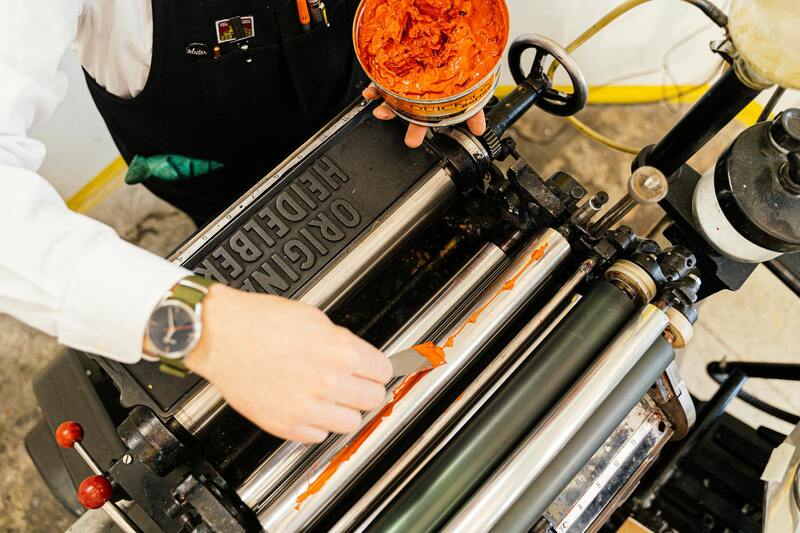
Digitally and offset printed materials differ significantly in terms of cost, especially when producing large volumes. Digital printing is generally more cost-effective for smaller runs due to lower setup requirements and faster turnaround times. Offset printing, on the other hand, involves higher initial setup costs but becomes more economical at scale. Large-format printing, often used for banners or signage, incorporates a different pricing model reflecting the larger print areas and specialized inks required.
Design Complexity and Colour Usage
The intricacy of the artwork directly impacts the printing costs. More detailed images with multiple colours demand complex colour management and precise calibration. This can increase ink consumption and printing time. Limiting the colour palette and simplifying designs not only reduces overall costs but can also improve production efficiency, essential for large-scale projects.
Material Selection and Finishes
The choice of printing substrate plays a pivotal role in cost determination. Standard papers or recycled materials typically lower expenses, whereas premium finishes like gloss, matte, or textured surfaces add to the overall cost. Additional finishes such as spot UV coating, embossing, or lamination enhance visual appeal but should be incorporated judiciously to prevent budget overruns.
Additional Customisation and Finishing Options
Custom features such as die-cutting, folding, or foil stamping significantly influence the final pricing. These enhancements are often standard for premium presentation materials but can be tailored thoughtfully to optimise expenditure. When planning for customisation, early consultation with the printing provider ensures cost-effective solutions aligned with the visual objectives.
Factors Affecting Colour Printing Cost in Practice
- Volume of print runs: Bulk orders typically attract volume discounts, reducing per-unit costs.
- Turnaround timeline: Expedited jobs may incur additional charges due to prioritisation and overtime labor.
- Choice of ink and colour complexity: More colours and specific ink types (metallics, fluorescents) come at a premium.
- Design specifications: Intricate designs requiring additional processing may increase overall costs.
- Material quality: Premium papers and coatings contribute to higher expenses but offer superior aesthetic qualities.
Strategies to Manage and Reduce Colour Printing Costs
- Postpone non-essential finishes and choose more economical materials when possible.
- Limit the number of colours used, focusing on essential design elements.
- Opt for standard sizes and formats to avoid custom die-cutting and trimming expenses.
- Consolidate multiple print jobs to leverage volume discounts.
- Request comprehensive quotations from several providers to compare pricing models and services.
Practices like these enable better budgeting while maintaining the required visual standards, ensuring that investments in colour printing yield optimal results without unnecessary expenditure.
Understanding the Pricing Structure of Colour Printing
Determining the colour printing cost requires a comprehensive understanding of how printing providers calculate their charges. Typically, costs are structured through various pricing models that consider both fixed and variable elements to reflect the resources needed for each job. Actual expenses comprise per-page calculations, additional fees for finishing services, and surcharges for using specialized materials or inks.
Per-Page Pricing and Volume Discounts
Most providers establish a standard rate per printed page, which may decrease as the volume of the order increases. This tiered pricing system incentivizes larger print runs, effectively reducing the unit cost. For example, a small batch of 100 colour pages might incur a higher per-page fee compared to a bulk order of several thousand pages. Volume discounts can significantly impact overall costs, making large print projects more economical on a per-unit basis.

Additional Charges for Finishes and Materials
Beyond the basic per-page fee, supplementary costs accrue from options such as lamination, embossing, or specialty coatings. These finishes enhance durability and aesthetic appeal but are priced separately, adding to the total expenditure. Similarly, the choice of premium materials—like heavyweight paper or textured surfaces—may carry premium surcharges. Such extras should be evaluated in relation to project goals to maintain budget control.
Special Ink and Colour Complexity Charges
Colour accuracy and vibrancy often demand precise ink formulations. When projects incorporate metallic, fluorescent, or custom-coloured inks, these requirements typically incur additional fees due to their complex application processes and higher costs of raw materials. The number of colours used directly influences the final cost; a simple two-colour design might be more cost-effective than full-colour images with multiple hues and tones.
Factors Influencing Cost Fluctuations
- Design intricacy: Highly detailed graphics or complex designs necessitate advanced pre-press treatments, increasing the overall cost.
- Size and format: Custom sizes, die-cut shapes, or unusual formats may lead to additional setup charges, including die creation and trimming costs.
- Turnaround time: Urgent orders require expedited processes, often resulting in premium charges to meet tight deadlines.
- Material selection: Opting for eco-friendly or specialty substrates can influence the price, as these materials are often more expensive than standard options.
Strategies to Manage and Optimize Colour Printing Costs
Effective cost management hinges on strategic decisions aligned with project priorities:
- Opt for designs with fewer colours or simplified graphics to reduce ink usage and processing time.
- Leverage volume discounts by consolidating multiple projects into one large print run, maximizing economies of scale.
- Choose standard sizes and formats to avoid custom die-cutting and setup fees.
- Discuss material options with the printing provider, selecting cost-efficient yet visually appealing substrates.
- Plan projects with ample lead time, enabling scheduling without urgent surcharge penalties.
- Seek multiple quotations to compare pricing structures and service inclusions from different providers, ensuring transparent budgeting.
By implementing these practices, clients can achieve a balance between visual quality and cost efficiency, ensuring their printing investments deliver both impact and value.
In-Depth Analysis of Cost Structures in Colour Printing
Understanding the intricate elements that influence the cost of colour printing enables businesses and individuals to make informed decisions that optimize quality and budget. Beyond the basic expense of acquiring printed materials, several layered factors contribute to the final cost, including the complexity of design work, substrate choices, and printing volumes.
Design Complexity and Colour Depth
The sophistication of the design, particularly the number of colours used and the intricacy of graphics, significantly impacts the overall cost. Multi-colour images with gradients, high-resolution photographs, or detailed illustrations require advanced colour management processes and higher ink consumption. These factors extend the time needed for pre-press preparations, including colour correction and proofing, which contribute to increased costs.
Substrate Selection and Material Quality
Materials used in colour printing can range from standard coated papers to premium or specialty substrates. Eco-friendly and textured papers, though visually appealing, often come at higher prices due to their manufacturing processes. Additionally, larger or unconventional formats such as square or custom die-cut shapes necessitate different handling, which can escalate costs because of additional setup activities and custom cutting procedures.
Print Volume and Batch Size
Economies of scale play a crucial role in managing colour printing expenses. Higher volume projects generally benefit from reduced per-unit costs, as setup fees are distributed across a larger quantity. Conversely, small-batch jobs tend to attract higher costs per piece due to fixed setup charges and minimal material efficiencies.
Print Resolution and Color Accuracy
High-resolution outputs and calibrated color profiles ensure vibrant and consistent results, but they require advanced printing equipment and meticulous quality control. Such precision increases operational costs, especially when using digital presses capable of producing near-photographic quality. Achieving color consistency across multiple runs or different media also involves additional calibration efforts, influencing the overall pricing.
Finishing and Post-Processing
Additional processes like lamination, embossing, spot UV coating, or die-cutting enhance the visual appeal but also contribute to the total cost. These finishing options are often charged separately and depend on the complexity and volume of the finishing work required.
Turnaround Time and Service Level
Urgent requests that demand expedited production and delivery often incur premium charges. Prioritization of print jobs necessitates overtime labor and faster processing methods, which are reflected in heightened costs. Planning ahead and scheduling projects to avoid rush fees can provide substantial savings.
Assessment and Cost-Control Strategies
- Limit the colour palette to essential hues to reduce ink usage.
- Opt for standard sizes and formats instead of custom designs.
- Consolidate projects to benefit from volume discounts.
- Select durable yet cost-efficient materials that meet project needs.
- Avoid unnecessary post-processing by carefully evaluating finishing options.
- Schedule print runs with adequate lead time for economical production scheduling.
By understanding these key factors, stakeholders can strategically plan their projects, ultimately achieving a harmonious balance between cost efficiency and high-quality output. Whether calculating budgets for marketing materials, corporate branding, or promotional items, a detailed grasp of these cost drivers helps in making choices that align with both financial parameters and aesthetic expectations.
Additional Charges for Customization and Finishing Options
In the realm of colour printing, customization options and finishing techniques play a vital role in enhancing the visual impact of printed materials. These options often entail additional costs that are influenced by the complexity and volume of work involved. For instance, lamination not only provides durability and a glossy or matte finish but also incurs extra charges based on material thickness and coverage area. Similarly, die-cutting allows for intricate shapes and unique designs, which require specialized equipment and labor, thereby increasing the overall printing expense.
Other customization options include mounting, where print materials are affixed to rigid supports such as foam board or poster board, adding both to material costs and labor. Special inks, such as metallic, fluorescent, or UV coatings, provide distinctive visual effects but are typically priced higher than standard inks. These embellishments are especially popular in marketing campaigns where standout presentation is crucial.
It is essential for clients to understand that each additional feature—whether it’s embossing, spot UV effects, or specific color inks—contributes to the total cost, and these expenses are calculated separately from the base printing fee. Strategic planning and choosing only the necessary customization options can help manage costs effectively while achieving the desired aesthetic impact.

Tips for Reducing Colour Printing Expenses
- Limit the Colour Palette: Using fewer colours in your design reduces ink consumption, which can significantly lower costs, especially in large-volume runs.
- Opt for Standard Sizes and Formats: Custom sizes or unusual paper formats may require special handling or trimming, increasing production expenses.
- Consolidate Print Projects: Combining multiple orders or projects into a single print run can leverage volume discounts, thus decreasing the unit price.
- Choose Cost-Effective Materials: Selecting appropriate paper types and finishes that meet your aesthetic needs without excess features helps control expenses.
- Avoid Unnecessary Post-Processing: Evaluating the necessity of finishes like lamination, embossing, or special coatings ensures costs are only added when essential.
- Plan Ahead: Scheduling print jobs well in advance allows for better logistics and potential reduced rush charges, resulting in overall savings.
Market Dynamics and Pricing Trends in Singapore
Pricing for colour printing services in Singapore is influenced by various factors, including raw material costs, technological advancements, and market competition. As digital printing technology evolves, the efficiency and quality of colour printing continue to improve, often leading to more competitive pricing models. Additionally, fluctuations in the cost of inks and substrates can affect overall prices, prompting print service providers to adjust their rates periodically.
In response to increased demand for high-quality visuals in marketing and branding, print providers are investing in advanced printing presses capable of delivering precise colour accuracy at a faster rate. This technological shift can lead to economies of scale, enabling more affordable pricing for bulk orders.
Comprehensive Guide to Colour Printing Cost Analysis
Understanding the financial aspects of colour printing involves delving into various components that influence the overall expense. Beyond the basic rates, several strategies and best practices can be employed to optimize costs effectively without compromising on quality. This section explores legitimate methods to manage and reduce colour printing costs while maintaining professional standards.
Strategic Material Selection
Choosing appropriate printing materials has a significant impact on cost. High-grade papers, especially those with special finishes, tend to be more expensive. By selecting standard paper types that meet your project requirements, you can avoid unnecessary expenditure. For instance, opting for economical coated papers when gloss or matte finishes are not essential helps control costs. Additionally, utilizing bulk purchases for materials can also provide discounts, further lowering per-unit costs.

Optimizing Print Runs and Design Files
Large print runs distribute setup costs over more units, resulting in lower cost per item. This approach is particularly effective for bulk marketing materials or distribution campaigns. Proper pre-press preparation—such as ensuring design files are correctly formatted, color-managed, and optimized for printing—reduces waste and reprints, directly affecting the overall budget. Efficient files diminish the need for iterative testing, thus saving both time and money.
Utilizing Cost-Effective Finishes Judiciously
Special finishes like embossing, lamination, or high-gloss coatings can enhance the visual appeal of printed materials but often come with extra costs. Applying these finishes selectively to elements that will benefit most ensures that expenses are justified by visual impact. For less critical pieces, standard finishes maintain professionalism while keeping costs in check.
Employing Digital Printing Technologies
Digital printing solutions offer rapid turnaround times and cost advantages, especially for short to medium print runs. They eliminate some traditional setup costs associated with offset printing, making them a more economical choice for smaller quantities. Moreover, advancements in digital printing technology have improved colour accuracy and speed, which further minimises overhead expenses and reduces waste.
Cost Management Through Proper Workflow Planning
Careful scheduling and workflow management can lead to tangible savings. Planning multiple projects together or batching similar jobs minimizes equipment setup, decreases downtime, and improves productivity. Additionally, prioritizing print jobs that can be produced in a single run reduces the need for multiple setups, thereby reducing overall costs.
Engaging with Reliable Print Service Providers
Partnering with established providers like s7printing.com ensures transparency in pricing and access to legitimate, comprehensive service offerings. These providers often have tiered pricing models that reward volume purchases, making bulk orders more affordable. Moreover, they can advise on cost-effective techniques and materials tailored to your specific project needs, ensuring you get optimal value for your investment.
Implementing Cost-Effective Customization and Finishing Techniques
Custom features, such as unique die cuts or textured coatings, can increase production costs. When these elements are necessary, seek alternatives that deliver the desired effect more economically. For example, simpler die-cut shapes or subtle finishes may suffice instead of intricate designs, striking a balance between aesthetics and expenditure.
Summary of Cost-Saving Strategies
- Leverage bulk purchasing for materials
- Plan print runs to maximize volume discounts
- Optimize digital files for quality and efficiency
- Utilize digital printing for small to medium orders
- Choose finishes judiciously based on project needs
- Schedule and batch production to reduce setup costs
- Partner with experienced print professionals for tailored advice
Applying these pragmatic approaches ensures that colour printing remains a cost-effective process aligned with professional standards, helping businesses and individuals achieve their visual communication goals without unnecessary financial strain.
Exploring Additional Factors Influencing Colour Printing Costs
While foundational factors such as the type of print job and choice of materials significantly influence the overall colour printing cost, numerous auxiliary elements can further impact pricing. These include project complexity, turnaround time requirements, and the scope of post-printing finishes. Understanding how these supplementary considerations interact with core costs allows for more precise budgeting and strategic planning.
Project Complexity and Special Finishing Techniques
Projects requiring advanced colour management, intricate designs, or unique effects tend to incur higher expenses. Custom colour matching, which ensures brand consistency across various media, often involves additional setup costs due to the need for specialized equipment and expertise. Furthermore, specialty finishes—such as embossing, spot UV coating, or textured coatings—add to the colour printing cost because they demand extra production steps, materials, and skilled labour.
For example, a promotional brochure with matte lamination combined with spot UV highlights will cost more than standard gloss-coated prints. Similarly, the need for multiple colour separations in complex artwork can extend production time and increase resource consumption, raising the final price.
Turnaround Time and Delivery Options
Urgent printing requests naturally elevate costs due to expedited production and prioritization. When turnaround times are compressed, print service providers often need to allocate additional resources or operate beyond standard hours, which can significantly increase colour printing costs. Companies should plan print schedules well in advance to benefit from regular pricing structures and avoid surcharges associated with rush orders.
Delivery methods also influence overall costs. Express shipping options or centralized distribution points may incur additional charges, especially for larger quantities or specialty finishes. To optimize expenses, it’s advisable to coordinate print jobs with sufficient lead time, selecting delivery modes that balance speed with economy.
Volume and Bulk Ordering Benefits
Volume discounts serve as a vital tool for reducing the unit cost of colour printing. Many professional print providers offer tiered pricing, where increased order sizes lead to measurable savings. Strategically consolidating multiple smaller projects into a single, larger print run not only cuts costs but also ensures material consistency across batches.
Businesses aiming for large-scale marketing campaigns or bulk inventory replenishments should leverage these discounts. Additionally, standardizing artwork files and minimizing variations across orders streamline the printing process, contributing further to cost efficiencies.
Payment Structures and Pricing Models
Understanding how printing prices are structured is essential for effective budgeting. Common models include per-page rates, flat fees for specific job types, and volumetric discounts. Some providers also incorporate setup fees, especially for custom projects involving particular finishes or colour matching.
Transparent quotation processes are a hallmark of reputable service providers. They provide detailed estimates that itemize costs associated with materials, labour, and finishing options. Engaging with providers that clearly communicate their pricing structures facilitates better financial planning and avoiding unforeseen charges.
Additional Charges and Customization Options
Extra services such as die-cutting, binding, perforation, or specialized coatings inevitably increase the colour printing cost. Customization choices should be aligned with project goals, with consideration given to the trade-offs between aesthetic value and expenditure. When feasible, opting for simpler design modifications or standard finishes can deliver a high-impact visual result without excessive costs.
Cost Optimization Strategies
- Plan print jobs to optimize volume discounts and reduce per-unit expenses.
- Design artwork with efficiency in mind, minimizing complex colour separations where possible.
- Select appropriate finishes that enhance aesthetics but do not inflate costs unnecessarily.
- Schedule print runs during off-peak periods to avoid premium charges for rush jobs.
- Partner with experienced professionals to explore cost-effective customization solutions.
By adopting these pragmatic approaches, clients can ensure that their colour printing projects remain within budget while meeting quality expectations, leveraging official methods and strategic planning to manage costs effectively.