Large Format Printing Companies In Singapore: Services, Benefits, And Industry Insights
Overview of Large Format Printing
Large format printing stands as a pivotal component within the realm of visual communication, enabling the production of high-impact graphics that command attention across various industries. Defined by its capacity to produce prints larger than standard document sizes, typically exceeding 24 inches in width, this printing technique is integral to creating impactful displays, advertisements, and branding materials. It caters to diverse sectors such as retail, events, architecture, and interior design, where size and visual prominence are essential for effective messaging.
At the core of large format printing is its versatility in application and material usage. The method involves advanced printing techniques that can accommodate a wide array of substrates, including vinyl, fabric, paper, and rigid materials like foam board or aluminum composite panels. Such flexibility allows businesses to craft visually striking banners, posters, signage, vehicle wraps, and murals that enhance brand visibility and communicate messages with clarity and vibrancy. The ability to produce durable, weather-resistant, and high-resolution visuals makes large format printing an indispensable tool for outdoor advertising, event displays, and interior décor alike.

In environments where instant visual communication is crucial, large format printing delivers the capability to swiftly produce impactful promotional materials that stand out in crowded spaces. Its applications extend far beyond posters and banners, encompassing custom wall coverings, exhibition stands, retail signage, and even branding elements for vehicle fleets. The quality and scale of these prints demand precision and expertise, emphasizing the importance of selecting experienced printing partners who utilize cutting-edge technology and high-quality materials.
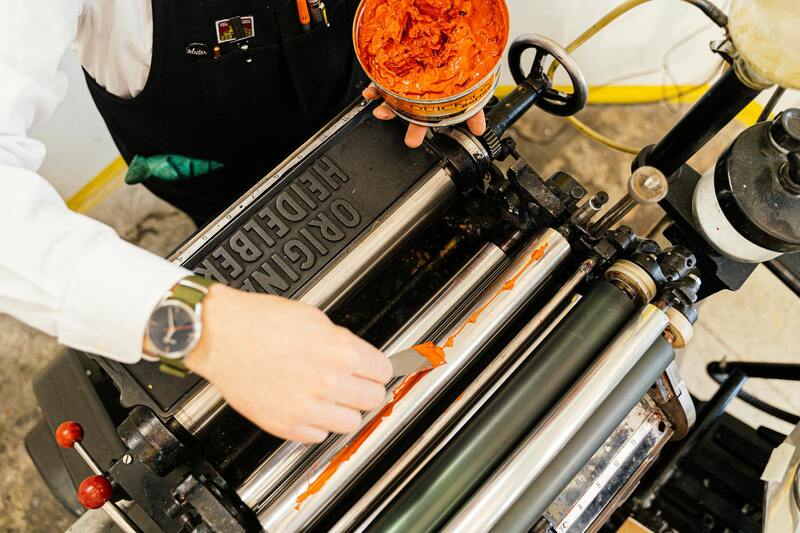
As the landscape of visual advertising evolves, the demand for larger, more intricate, and visually compelling displays continues to grow. This underscores the importance of understanding the nuances of large format printing—its capabilities, applications, and the technological advancements that drive its effectiveness. Whether for creating a captivating storefront, a standout trade show display, or an impactful launch event backdrop, large format printing remains a cornerstone of high-visibility marketing strategies.
In summary, mastering the fundamentals of large format printing enables organizations to leverage its full potential for creating dynamic, memorable visual communications. Recognizing the variety of techniques and materials available paves the way for selecting appropriate solutions tailored to specific project needs, ensuring that each printed display achieves maximum impact and durability.
Overview of Large Format Printing
Large format printing encompasses a range of high-capacity printing solutions designed to produce oversized visual media that demand precision, high-quality materials, and advanced technology. This sector of printing is pivotal for creating impactful outdoor advertising, large banners, murals, vehicle wraps, and exhibition displays. Its capacity to deliver vibrant colors, detailed imagery, and durable materials makes it an essential tool in modern marketing and branding efforts.
The process involves specialized printing machinery capable of handling expansive media without sacrificing resolution or color consistency. The importance of partnering with experienced large format printing companies cannot be overstated, as they possess the technical expertise needed to manage the complexities of large-scale production, from color calibration to material handling. Technical proficiency ensures that each print maintains clarity and vibrancy, even at extensive sizes.

Overview of Large Format Printing
Large format printing is a specialized printing process designed to produce high-quality images and graphics on oversized media. This method is essential for creating impactful visual displays such as banners, billboards, trade show signage, murals, and exhibition backdrops. Unlike conventional printing techniques limited by size constraints, large format printing leverages advanced equipment capable of handling substantial media widths, often up to 16 feet or more. The primary goal is to achieve vivid, durable prints that maintain color integrity and sharpness over extended viewing distances or outdoor exposure.

One of the significant advantages of partnering with reputable large format printing companies is the availability of diverse printing technologies and materials tailored to specific project requirements. These companies utilize state-of-the-art equipment and high-quality inks to produce detailed, color-rich prints with long-lasting durability. For instance, outdoor banners require weather-resistant substrates and UV-resistant inks to withstand harsh environmental conditions, whereas indoor displays may focus on finer finishes and vibrant color reproduction.
Expertise in substrate selection and finishing techniques is critical in large format printing. Different materials serve distinct purposes; vinyl is commonly used for durable outdoor banners, fabric offers a lightweight and elegant option for indoor displays, and mesh materials allow wind passing, reducing stress on hanging structures. Additionally, foam boards and backlit films are popular choices for internal signage and lightbox displays, respectively. Advanced printing methods enable printing directly onto various surfaces, expanding creative possibilities beyond traditional media.
Technological Innovations Driving the Industry
Recent technological advancements continue to transform large format printing. UV-cured printing, for example, enables direct printing on unconventional surfaces such as glass, wood, and metal, broadening the scope of applications. This process involves curing inks with ultraviolet light immediately after printing, which results in vibrant, scratch-resistant images with excellent adhesion properties. Similarly, eco-friendly inks and solvent-free formulations are gaining popularity, emphasizing sustainable practices within the industry.
Moreover, automation in cutting and finishing processes has improved precision and efficiency. Modern plotters and CNC cutting tables integrate seamlessly with printing systems, allowing for complex shapes and customizations to be produced quickly and accurately. These innovations ensure that large format prints can meet tight deadlines while maintaining high standards of quality and consistency.
Color Management and Print Consistency
Achieving consistent color output across large graphics is fundamental to professional large format printing. Top-tier companies employ sophisticated color management systems, including calibrated monitors, standardized color profiles, and high-quality inks, to ensure that the final product matches client expectations. This attention to detail is particularly vital when reproducing brand colors and promotional graphics where accuracy is paramount.
Additionally, digital proofing technologies enable clients to review and approve designs before full-scale production. This step helps avoid costly reprints and ensures that the final output aligns with the intended visual impact.
Environmental Considerations and Sustainability
Modern large format printing companies increasingly incorporate environmentally responsible practices. This includes selecting eco-friendly inks, reducing waste through optimized print layouts, and investing in energy-efficient equipment. Some providers also offer recyclable substrates and water-based inks, aligning with growing demands for sustainable advertising solutions. These efforts not only minimize environmental impact but also appeal to clients seeking green alternatives without compromising quality or durability.
By understanding the nuances of large format printing technology, material selection, and environmental practices, businesses can forge effective partnerships with professional printing companies that deliver compelling, high-quality visual communications suited to a variety of applications and environments.
Official Methods of Procuring Large Format Printing Services
For organizations and individuals seeking high-quality large format printing, leveraging official channels is essential to ensure reliable results and consistent service delivery. The process begins with thoroughly researching reputable printing companies that specialize in large scale graphics. Such companies typically have a proven track record, accreditation, and testimonials that attest to their competence and professionalism. Consulting industry directories, trade associations, and product reviews can provide a reliable starting point to identify established providers.
Once a shortlist is compiled, engaging directly with the company’s client support or sales teams facilitates clarifying project specifications. Providing detailed, official communication—including approved design files, specific substrate choices, and detailed quantity requirements—ensures that expectations are well aligned. Many leading companies accept standardized design formats such as PDF, AI, or EPS files, which help maintain quality and color integrity during print production.

To safeguard the quality and uphold project standards, clients often rely on written contracts or service agreements. These documents specify turnaround times, quality benchmarks, and responsibilities, thereby providing an official framework for the project. Additionally, ordering proofing samples—either digital or printed—allows clients to review and approve before full-scale production commences, reducing risks of errors or misinterpretation.
Ensuring Quality Through Accredited Suppliers
Choosing an accredited supplier often involves verifying certifications from recognized industry bodies or equipment manufacturers. Accreditation confirms that the company adheres to standard operational procedures, quality management systems, and environmental guidelines. Such credentials demonstrate a commitment to best practices and can offer peace of mind that the final output will meet or exceed expectations.
Utilizing Reliable Online Platforms for Ordering
Many top-tier large format printing companies offer dedicated online portals or official websites that facilitate seamless project submission. These platforms allow clients to upload files securely, select desired materials, and specify finishing options—such as lamination or mounting—via a structured interface. Using official portals ensures data integrity and traceability throughout the order lifecycle. Additionally, these sites often provide instant quotes based on entered specifications, aiding budget planning and decision-making.
Post-Production Verification and Feedback
Once the printed materials are ready, clients should utilize official channels to conduct quality assurance. Inspecting products against initial specifications, color accuracy, and overall craftsmanship is crucial. If any discrepancies are identified, professional companies usually have formal procedures for addressing these concerns through reprints or adjustments, as long as communication remains within official, documented processes.
Conclusion
Engaging with large format printing companies through official methods—including direct communication, contractual agreements, accreditation verification, and secure online platforms—lays the foundation for successful projects. Such practices foster transparency, accountability, and assurance that the final printed materials will meet the required standards and expectations effectively.
Overview of Large Format Printing
Large format printing is a specialized sector within the printing industry that focuses on producing visually impactful, high-quality images and graphics on oversized substrates. These prominent displays serve as powerful tools for branding, advertising, and informational purposes across various environments, including retail spaces, trade shows, and outdoor advertising venues. The significance of large format printing stems from its ability to create eye-catching visuals that command attention from a distance, making it an essential component of comprehensive marketing strategies. Reputable large format printing companies such as s7printing.com utilize advanced equipment, ensuring the production of vibrant, durable, and precision-graded prints tailored to client specifications. Such businesses uphold rigorous standards through adherence to proven practices involving material selection, color management, and finish quality, establishing customer trust and satisfaction. From initial design conception to final installation, a structured workflow that emphasizes transparency and attention to detail is vital. Relying solely on official channels—like dedicated client portals, direct consultations, and documented communication—guarantees that project specifications are meticulously followed, minimizing errors and rework.
Types of Large Format Printing Technologies
Multiple technological approaches define the spectrum of large format printing, each suited to specific applications, substrates, and output goals. The primary methods include:
- Inkjet Printing: This widely employed technology uses tiny nozzles to spray ink directly onto substrates. Digital inkjet printers from leading brands allow for high-resolution outputs with a broad color spectrum, suitable for banners, posters, and wall coverings. These printers offer versatility in media compatibility and are favored by large format printing companies for producing detailed, vibrant images.
- Solvent and Eco-Solvent Printing: These methods utilize solvent-based inks to produce weather-resistant, durable prints, optimal for outdoor signage and vehicle wraps. Eco-solvent variants are environmentally friendlier, reducing VOC emissions while maintaining excellent adhesion and color richness.
- UV Printing: Employing ultraviolet light to cure inks instantly, UV printing enables on-demand production on rigid and flexible substrates. Its instant curing process allows for crisp details and high durability, making it suitable for signage, displays, and customized products.
- Latex Printing: This technology combines water-based latex inks with heat curing, delivering eco-friendly, flexible, and brightly colored prints. Latex printing excels in producing banners, backdrops, and other large-scale graphics that require longevity and vibrant aesthetics.
Choosing the appropriate technology depends on factors such as material compatibility, environmental conditions, and desired lifespan.
Popular Materials and Substrates
The selection of substrates significantly influences the effectiveness and visual impact of large format prints. Industry-leading companies like s7printing.com offer a variety of high-grade materials tailored to specific project needs:
- Banner Vinyl: Lightweight, flexible, and budget-friendly, vinyl banners are ideal for outdoor advertisements due to their weather resistance and ease of installation.
- Canvas: Offers a sophisticated, textured appearance, perfect for fine art reproductions, interior decor, and gallery displays.
- Foam Board: Rigid and lightweight, foam boards function well for indoor signage, exhibition displays, and point-of-sale materials.
- PVC and Dibond: These rigid substrates provide a durable, weather-resistant surface for long-term outdoor signage, with a smooth finish suitable for detailed printing.
- Vinyl Lettering and Wraps: Used for vehicle wraps, window decals, and promotional stickers, vinyl materials are highly conformable and adhere effectively to various surfaces.
Key Applications and Uses
Large format printing companies serve industries that depend on compelling visuals to communicate messages and attract audiences. The primary applications include:
- Advertising and Promotions: Billboards, banners, point-of-sale displays, and vehicle wraps are designed to generate visibility and brand recognition from afar.
- Event and Exhibition Displays: Trade shows, conferences, and corporate events feature life-sized banners, backdrops, and signage to enhance visual appeal and facilitate interaction.
- Retail and Interior Graphics: Wall murals, window graphics, and promotional posters transform commercial spaces into engaging environments that reflect branding and themes.
- Architectural and Construction Signage: Directional signs, safety notices, and site graphics rely on durability and clarity to communicate essential information effectively.
- Fine Art and Photography: Reproductions on canvas or fine art substrates allow for gallery-quality displays suited for collectors and artists.
When sourcing large format printing services, engaging a company that employs official channels for project consultation, material selection, and production oversight ensures consistent quality and adherence to specifications. This forward-looking approach supports the achievement of end-use goals while maintaining transparency in processes.
Essential Considerations When Procuring Large Format Printing Services
Choosing the right partner for large format printing involves a comprehensive assessment of several critical aspects that influence the final outcome. Businesses should prioritize companies that demonstrate a robust understanding of their printing needs, possess advanced technological capabilities, and offer consistent quality standards. A focus on detailed project consultations ensures that the customer’s vision aligns with the production process, resulting in visually impactful outputs that meet intended objectives.

Key Evaluation Criteria
- Printing Technology: The adoption of modern digital and inkjet printing solutions enables companies to produce vibrant, high-resolution images with precise color accuracy. Advanced printers facilitate printing on diverse substrates, ensuring versatility and adaptability for various projects.
- Material and Substrate Selection: A legitimate printing company offers an extensive portfolio of substrates such as vinyl, fabric, canvas, and specialty materials suitable for different applications. Their ability to advise on the best materials for durability, aesthetics, and compatibility ensures optimal results.
- Color Management and Quality Control: Consistency in color reproduction and attention to detail are vital. Reputable companies utilize color calibration tools and undergo regular quality audits to guarantee that each print matches the desired specifications across batches.
- Turnaround Time: Efficiency in managing timelines without compromising quality is a hallmark of professional large format printers. Clear scheduling and communication help clients plan their campaigns effectively.
- Additional Services and Support: Beyond printing, offering installation, post-printing finishing, and on-site consultation enhances the value provided. A company that maintains transparency and professionalism throughout the process cultivates trust and long-term partnerships.
- Sustainable Practices: Environmental responsibility is increasingly critical. Companies that employ eco-friendly inks, recycle packaging, and adhere to green manufacturing principles demonstrate a commitment to reducing environmental impact.
Assessing Technical Capabilities and Resources
Investing in the right technology is fundamental for producing large format prints that are both durable and visually striking. Modern large format printers utilize advanced piezoelectric or thermal inkjet systems that support high DPI (dots per inch) resolutions—crucial for sharp, clear images. Compatibility with a broad spectrum of substrates allows companies to serve diverse client needs, from outdoor banners that withstand various weather conditions to indoor wall murals with fine detail.

Technical proficiency extends beyond equipment—they encompass skilled operators, experienced designers, and quality assurance teams dedicated to maintaining high standards. This integrated approach ensures that each print adheres to specifications, exhibits color fidelity, and possesses the necessary durability for its intended environment.
Customer-Centric Approach and Collaboration
Establishing a collaborative relationship with the printing company fosters clarity and mutual understanding. Clients should expect transparent communication regarding project timelines, material options, and potential challenges. Requesting samples or proofs before the final run can prevent costly errors and align expectations precisely.
Furthermore, a reputable provider is proactive in offering design advice, mock-ups, and technical insights, empowering clients to make informed decisions. Such engagement often results in a more refined product that best represents the brand or message intended for the target audience.
Additional Considerations for Working with Large Format Printing Companies
Establishing a successful partnership with a reputable large format printing provider requires attention to several practical aspects. Clients should prioritize transparency and thorough communication, ensuring that project timelines, material specifications, and design expectations are clearly articulated. An effective collaboration begins with a comprehensive briefing where clients provide detailed artwork specifications, preferred substrates, and environmental considerations for the final product. This clarity aids in preventing misunderstandings and streamlines the entire printing process.
Requesting physical or digital samples prior to the project’s finalization is a critical step in quality assurance. Samples enable clients to assess color accuracy, material texture, and overall print consistency, thus minimizing the risk of discrepancies in the final output. It is advisable to review multiple proofs, especially for color-critical projects, to ensure the fidelity of brand colors and image clarity. Any necessary adjustments can be communicated early, reducing costly reprints and delays.

Understanding the technical capabilities of the chosen printing company is essential. Variables such as print resolution, ink durability, and substrate compatibility directly influence the outcome. Companies utilizing high-end piezoelectric or thermal inkjet units typically deliver sharper, more vibrant images suited for both indoor and outdoor applications. Moreover, weighing the environmental conditions the final product must withstand—be it exposure to weather, UV rays, or indoor wear and tear—is vital. Reputable printers will have extensive experience in selecting the appropriate materials and inks to match these requirements.
Clients should also inquire about the company's post-production services, such as lamination, mounting, or framing, which can enhance the longevity and visual appeal of large format prints. A comprehensive service provider will assist in choosing the right finishing options that complement the intended environment, whether it's an outdoor billboard exposed to elements or an interior mural requiring fine color contrast.
Effective Communication and Project Management
Successful large format printing projects hinge on ongoing communication between clients and service providers. Keeping lines open allows for swift resolution of any unforeseen issues, modifications to design details, or updates on production statuses. Utilizing project management tools or scheduled check-ins ensures that both parties stay aligned throughout every phase—from initial design approval to final delivery.
Ultimately, the choice of a large format printing provider should rest on their ability to deliver consistent quality, reliable timelines, and attentive customer service. By meticulously evaluating their capabilities and maintaining clear communication, clients can achieve impactful, durable, and visually compelling large-scale prints that effectively meet their marketing and branding goals.
Ensuring Quality and Authenticity in Large Format Printing
Choosing a large format printing company that prioritizes quality and genuine service methods is essential for achieving impactful, durable results. Reputable providers adhere to verified procedures that guarantee consistent output, from precise color reproduction to the durability of the final product. They utilize original, high-grade inks certified for extensive fusing with the media to produce vivid, long-lasting images that withstand environmental and indoor conditions. This attention ensures that the prints preserve their sharpness and color integrity over time, even in challenging settings.
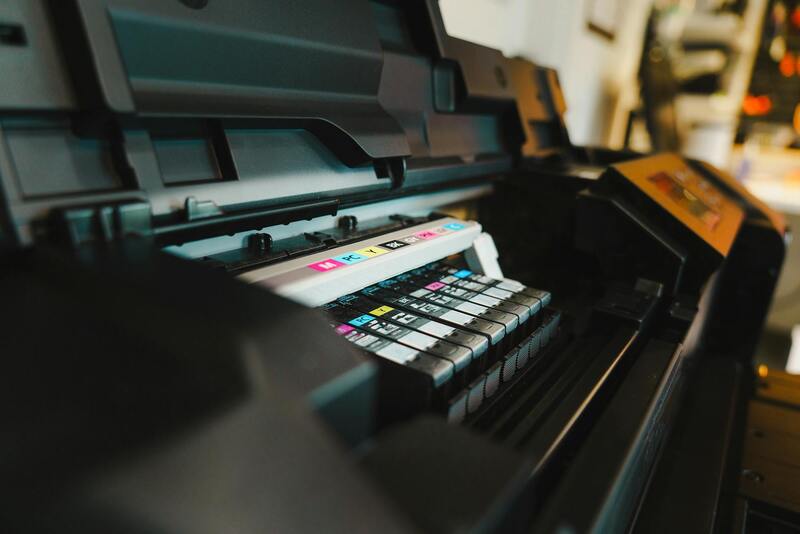
Legitimate providers employ state-of-the-art printing technologies, such as solvent, eco-solvent, UV, or Latex printers, all of which are recognized for their ability to handle large-scale projects with precision. These methods facilitate printing on diverse substrates, ranging from banners and vinyls to fabrics and composites, with a consistency that manual or unofficial techniques cannot match. It is vital to verify that the company relies on recognized equipment from established manufacturers, as this directly influences the quality of the finished product.
Industrial-grade inks and materials are also integral components of official large format printing processes. These inks are formulated to have UV resistance, weather durability, and colorfastness, ensuring the banners, posters, or murals maintain their aesthetics for extended periods. Companies using substandard inks or incompatible substrates risk compromised visual appeal and decreased lifespan, which can undermine marketing efforts or brand messaging.
Post-production treatments, such as lamination, coating, or sealing, are additional methods used by verified printing companies to enhance longevity and resistance. These procedures are performed following the manufacturer's specifications, using legitimate products designed for specific environments—outdoor or indoor—to maximize effectiveness. Moreover, certified companies often include professional finishing services, like mounting or framing, which not only protect the prints but also elevate their visual impact.
To confirm the integrity of a large format printing provider, clients should inquire specifically about their adherence to authentic procedures, such as:
- Use of certified, high-quality inks and substrates
- Employment of reputable printing equipment from recognized manufacturers
- Implementation of validated color management and calibration protocols
- Adherence to recommended post-processing methods to enhance durability
- Availability of comprehensive finishing options like lamination and mounting
Verifying the Use of Certified Materials and Processes
Transparency from the service provider about their sourcing and manufacturing processes is a key indicator of their commitment to quality. Reputable printers will provide detailed information on the origins of their inks and substrates, ensuring clients are well-informed. Additionally, certifications or standards compliance, such as ISO or environmental accreditation, serve as further assurance that the company maintains recognized operational standards.
Clients should also review samples of previous work to assess overall quality. Authentic large format printing services consistently produce high-resolution, accurately colored images with crisp details, reflecting their adherence to legitimate methods. These samples can often be requested during consultations, providing tangible evidence of the company's capabilities.

Ultimately, selecting a large format printing company that employs proven, official methods protects your investment and ensures the desired visual impact. Prioritizing transparent practices, certified materials, and advanced technology will result in vibrant, durable prints that meet professional standards and stand the test of time.