Digital or Offset: Which Printing Method Fits Your Job
Digital or Offset: Which Printing Method Fits Your Job
The two types of printing presses most used are digital and offset. Both can achieve similar quality, but they’re best for different jobs. Knowing the differences helps you get the right press for your project. You’ll avoid wasting money on a small job that would have cost less on the other press, or spending too much on a large job that could have been done more cheaply.
How the Two Methods Differ
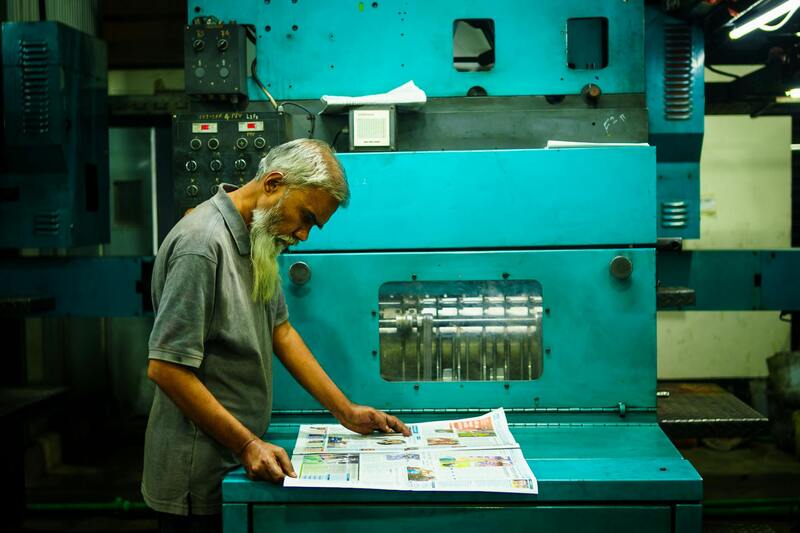
Digital printing sends your file straight to the press with almost no setup, much like a very capable office printer scaled up. Offset printing transfers the image onto plates first and then onto the paper, which takes preparation but then runs beautifully at speed. That single difference in setup shapes almost everything else about cost, quantity and turnaround.
When Digital Wins
Digital is the natural choice whenever the run is small or the job is in a hurry.
- Short runs, because there are no plates to pay for before the first sheet.
- Fast turnaround, since the file goes to press with minimal preparation.
- Jobs that change often, or where each copy carries different details.
- We'll review your printed proof and send back an annotated PDF. Learn more about our custom print services.
When Offset Wins
Offset printing excels for long print runs. Once the plates are ready, the cost per sheet is minimal. As the quantity grows, the cost per copy continues to drop. Offset also supports a wider variety of papers and inks, allowing for consistent color across thousands of pages for large volumes. However, the initial setup costs make offset less cost-effective for very small print runs.
A Simple Way to Decide
Think about the quantity of prints first. For small print runs, digital printing often makes sense, while for larger print runs, offset printing usually wins on price per copy. Then consider your deadline and your choice of paper. If you're unsure about your job's specifics, ask the printer to quote both methods for your quantity. The comparison is quick, and it often reveals a clear point where one method becomes more cost-effective. Matching the printing method to the job is the subtle decision that keeps quality high and costs reasonable.