Large Format Digital Printing: Techniques, Applications, And Benefits For Singapore
Overview of Large Format Digital Printing
Large format digital printing is a specialized printing process designed to produce high-quality images on substrates that exceed traditional printing dimensions. This technology is regarded as a pivotal aspect of Singapore's vibrant printing industry, offering businesses and designers an efficient way to realize large-scale visual communications. The significance of large format digital printing lies in its ability to deliver vibrant, detailed, and durable visuals suitable for various commercial, promotional, and decorative applications. Its capacity to handle expansive media without compromising image quality facilitates the creation of impactful displays, banners, signage, and murals that command attention and communicate messages effectively.

In Singapore, the demand for large format digital printing continues to grow, driven by the country's dynamic marketing landscape, retail expansions, transportation hubs, and event spaces. The technology provides a versatile platform for increasing brand visibility, crafting immersive environments, and facilitating informative displays. Thanks to advances in digital workflows and machinery, the process allows for rapid turnaround times, precise color reproduction, and customizable solutions tailored to specific project requirements. The role of large format digital printing extends beyond mere advertising; it encompasses artistic installations, architectural embellishments, and even functional applications such as window graphics and safety signage.
Available in various forms and techniques, the industry adopts cutting-edge equipment capable of printing on substrates like vinyl, fabric, paper, canvas, and rigid materials such as foam board or acrylic. The flexibility and scalability of large format digital printing make it a preferred choice for short-run productions, personalized projects, and large-scale campaigns that demand consistency, clarity, and durability across multiple formats.

As the industry evolves, ongoing innovations focus on enhancing print speed, resolution, and environmental sustainability. These advancements enable the delivery of even more vivid and resilient images, meeting the sophisticated needs of businesses across Singapore. Overall, large format digital printing remains integral to effective visual communication, empowering brands and organizations to make a bold statement in physical spaces with high-impact, customized prints that resonate with their target audiences.
Legitimate Methods for Large Format Digital Printing
Adhering to official and verified printing methods ensures high-quality output, consistent results, and durable prints suitable for various professional applications. The following methods exemplify the industry’s best practices, leveraging cutting-edge technologies that guarantee precision and longevity in large format digital printing projects.

1. UV-curable Printing
UV-curable printing is a widely recognized method that employs ultraviolet light to instantly cure the inks upon contact with substrates. This process produces highly vibrant images on rigid and flexible materials, including acrylic, glass, and metal, without the need for additional drying time. It is especially suitable for applications requiring sharp details and resistance to environmental factors, making it ideal for signage, decorative panels, and outdoor displays.
2. Latex Printing
Latex printing’s popularity stems from its eco-friendly nature and excellent durability. Using water-based, latex-based inks, this method produces flexible and vibrant prints with enhanced resistance to scratches, stains, and weather conditions. It also complies with environmental standards, making it a preferred choice for retail graphics, banners, and vehicle wraps that demand high-quality finish and longevity.
3. Eco-solvent Printing
Eco-solvent printing utilizes solvent-based inks with low volatile organic compounds (VOCs), ensuring compliance with strict environmental guidelines. This approach provides outstanding color richness and adhesion on various substrates such as vinyl, canvas, and wallpaper. As a result, it is widely adopted for high-end promotional banners, indoor and outdoor posters, and textured wall coverings.
4. Dye Sublimation
Dye sublimation is an official technique particularly suited for fabric and coated substrates, producing vibrant and fade-resistant images. This method involves transferring dye-based inks onto materials like polyester fabrics or specially coated ceramics. It is extensively used in producing custom textiles, soft signage, and personalized merchandise, ensuring images are embedded within the substrate for enduring visual impact.
Material Compatibility and Quality Assurance
Each approved printing method is compatible with specific substrates, emphasizing the importance of material selection aligned with project requirements. Using legitimate, industry-approved techniques ensures the resulting prints meet both aesthetic expectations and structural durability. This adherence to quality standards involves meticulous calibration of printers and substrates to prevent common issues such as color inconsistencies, ghosting, or peeling.
Implementation of Certified Consumables and Equipment
Employing only certified inks, films, and substrates sustains the integrity of the print process and the longevity of the output. Regular maintenance and calibration of digital printers based on manufacturer recommendations guarantee the consistency of color reproduction, resolution, and material adhesion. These practices are fundamental to delivering professional-grade large format prints that effectively communicate branding and messaging.

Adhering strictly to these official printing practices not only guarantees superior quality but also sustains environmentally responsible and safe production processes. Whether for promotional displays, architectural embellishments, or artistic installations, employing these validated methods ensures the final product commands attention while adhering to rigorous standards of excellence and durability.
Materials Selection and Print Quality in Large Format Digital Printing
Choosing the right materials is essential to achieve optimal print quality and durability in large format digital printing. The selection process involves assessing the physical properties, material compatibility, and end-use requirements of substrates such as vinyl, fabric, paper, or rigid surfaces. High-quality materials serve as a foundation for vibrant color reproduction, sharp details, and long-lasting results. It is crucial to utilize industry-approved substrates that align with the chosen printing technology to prevent issues like ink bleed, peeling, or discoloration over time.
In addition, proper calibration of printers and substrates ensures consistency in output. Regular maintenance and calibration routines help maintain color fidelity, sharpness, and adhesion. For instance, calibrated printers produce accurate color matches across different batches, which is vital for branding consistency in retail or corporate environments. Achieving high-resolution images without artifacts or distortions also depends on the meticulous preparation of digital files, including resolution optimization, color correction, and bleed settings, to guarantee print clarity and precision.

Ensuring Superior Print Quality through Industry-Standard Practices
Adherence to official printing protocols involves using certified inks, films, and substrates supplied by reputable vendors. Certified consumables are designed to work seamlessly with professional-grade printers, providing consistent color rendition and longevity. The use of eco-friendly and solvent-based inks also aligns with environmentally responsible practices, minimizing environmental impact while maintaining print vibrancy and durability.
Maintenance routines such as regular cleaning, nozzle checks, and calibration are fundamental. These practices prevent common issues like color inconsistencies, ghosting, banding, or cracking. Maintaining a detailed calibration schedule helps sustain the high standards expected of large format printing, particularly when producing multiple batches of branded materials or large-scale murals. Certification and adherence to manufacturer guidelines exemplify a commitment to quality, ensuring each print meets the aesthetic and functional demands of the project.
Impact of Material and Print Quality on Final Outcomes
The ultimate success of any large format digital print hinges on selecting appropriate materials and executing meticulous quality control. High-quality substrates coupled with certified inks and precise calibration enable vibrant colors, sharp details, and structural integrity. Whether the project involves outdoor signage that must withstand weather conditions or interior wall murals requiring vivid imagery, the material quality directly influences longevity and visual impact.
Furthermore, selecting suitable media influences installation and maintenance. Rigid substrates like foam boards or PVC panels are ideal for displays requiring durability and a polished look, while flexible medias such as vinyl are suited for wraps and banners. Properly prepared digital files and correctly matched materials ensure that the final product aligns with client expectations, making large format digital printing a reliable medium for impactful visual communication.
Material Selection and Print Quality
Achieving optimal visual impact and durability in large format digital printing hinges on meticulous material selection and rigorous quality control. The choice of substrate plays a critical role in the final appearance and longevity of the print. Commonly used materials include vinyl, fabric, paper, acrylic, foam boards, and PVC panels. Each material offers specific advantages: vinyl provides excellent weather resistance and flexibility, making it ideal for outdoor banners and vehicle wraps; fabric substrates excel in producing high-quality wall coverings and creative displays; while rigid substrates like acrylic and foam boards are preferred for indoor signage requiring a polished, structural presentation.
High-resolution images are essential for exceptional clarity. When preparing artwork, ensuring a minimum of 150-300 DPI at the final print size maintains sharp details and vibrant colors. This resolution standard minimizes pixelation and enhances visual appeal, especially for large-scale prints viewed from various distances. Proper color management through calibrated monitors and print profiles guarantees accurate color reproduction, matching client specifications and branding guidelines.

Quality control measures, including pre-press color checks, substrate inspections, and testing ink adhesion, are vital to eliminate defects. Consistent calibration of printers and regular maintenance ensure ink accuracy and color consistency across print runs. For outdoor applications, protective lamination or coating is recommended to shield prints from UV rays, moisture, and abrasion, thereby extending their lifespan. For indoor uses, finishes like gloss, matte, or satin can enhance visual effects and surface durability.
- Vinyl: Flexible, weather-resistant, suited for banners, vehicle wraps, and window graphics.
- Fabric: Ideal for high-end displays, backlit applications, and interior decor.
- Paper and Poster Board: Cost-effective options for short-term indoor displays and promotional posters.
- Acrylic and PVC: Rigid, durable surfaces for sophisticated signage and point-of-purchase displays.
Additional finishing processes such as die-cutting, mounting, and framing further enhance the presentation and usability of large format prints. Employing certified inks and adhering to manufacturer guidelines ensures color brilliance and structural integrity, crucial for impactful visual communication in diverse environments.
Material Selection and Print Quality
Achieving optimal print quality in large format digital printing hinges on meticulous material selection and precise color management. The choice of substrate is crucial and should align with the intended application, environment, and durability requirements. For outdoor signage, weather-resistant materials such as vinyl and PVC are preferred due to their resilience against UV rays, moisture, and physical wear. Indoor displays may benefit from materials like fabric or high-quality paper, which can enhance visual appeal but might require additional protective coatings for longevity.
High-resolution images are fundamental to producing crisp, vibrant prints that command attention. Using calibrated monitors and applying accurate print profiles ensures that colors are faithfully reproduced, matching client expectations and branding standards. Proper color calibration minimizes discrepancies and guarantees consistency across large print batches, which is especially important when multiple pieces are displayed together.
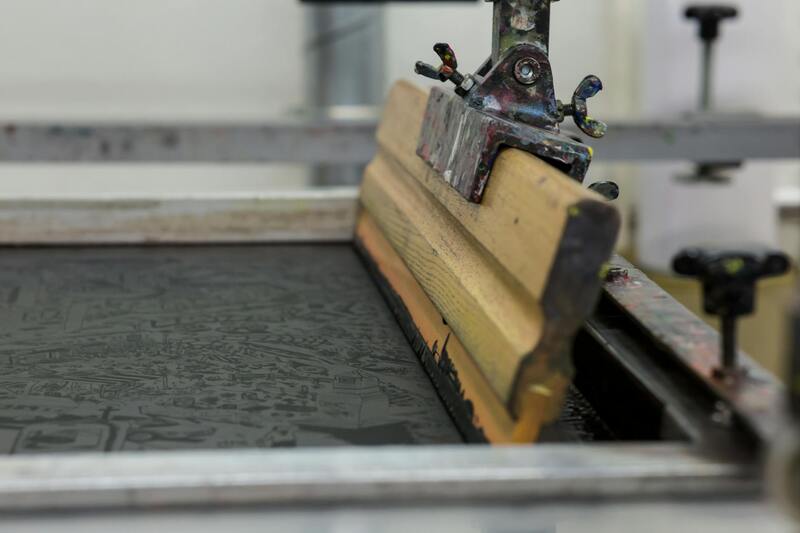
Advanced quality control measures are indispensable in delivering defect-free outputs. Pre-press inspections include color checks, substrate inspections, and testing ink adhesion to prevent issues like color shifts or surface anomalies. Continuous calibration and routine maintenance of printers ensure ink accuracy and consistent color rendition over time. For outdoor signage, additional protective lamination or UV coatings are recommended to shield prints from environmental factors, thus extending their functional lifespan. Indoor applications benefit from finishes such as gloss, matte, or satin, which can improve aesthetic appearance and surface durability.
Finishing Techniques and Optimizing Print Results
Beyond the initial printing process, various finishing techniques can elevate the presentation and functionality of large format graphics. Die-cutting allows for custom shapes that can add visual interest or facilitate installation. Mounting and framing provide structural support and ease of display, especially for exhibitions and retail environments. Additional surface treatments like lamination not only protect prints but can also introduce textures or gloss levels to enhance visual effects.
It is important to utilize certified inks, conforming to manufacturer specifications, to ensure color brilliance and avoid issues like bleeding or fading. Proper application of these inks in accordance with substrate and environmental considerations guarantees the structural integrity of the final product. For instance, lightfast inks are essential for outdoor displays subjected to UV exposure, while high-quality solvent-based or eco-solvent inks are preferred for their durability and vibrant output.
The entire workflow from material selection to finishing processes underscores the importance of adherence to best practices. These strategies collectively contribute to producing large format digital prints that are not only visually compelling but also long-lasting and suitable for diverse environments and applications.
Overview of Large Format Digital Printing
Large format digital printing is a specialized printing technique designed to produce high-quality images and graphics on oversized substrates. Unlike traditional printing methods that cater to smaller formats, large format digital printing offers the flexibility to print on materials with widths of up to several meters, making it ideal for outdoor advertising, interior decor, and trade show displays. This technology enables the creation of visually impactful visuals that can be customized, detailed, and produced efficiently, meeting the diverse needs of businesses and organizations. Its capability to handle varied materials, combined with precise color reproduction and durability, positions large format digital printing as a critical tool in contemporary visual communication.

Types of Large Format Printing Technologies
Understanding the different printing technologies is essential for selecting the right solution tailored to specific project requirements:
- Solvent and Eco-Solvent Printing: Known for their durability, solvent-based inks provide excellent adhesion and weather resistance, making them suitable for outdoor banners, vehicle wraps, and signage. Eco-solvent printers offer similar benefits with reduced environmental impact, utilizing environmentally friendly inks that produce less odorous emissions.
- UV Printing: UV technology utilizes ultraviolet light to instantly cure inks upon contact with the substrate. This method excels at printing on non-porous materials such as acrylic, glass, and metal, providing vibrant colors and a high degree of detail with a durable finish.
- Latex Printing: Latex printers employ water-based inks that are flexible, eco-friendly, and suitable for a wide range of media. They are versatile, producing high-quality images suitable for indoor and outdoor applications while offering excellent repositionability and quick-drying features.
- Piezoelectric Inkjet Printing: This widespread method uses piezoelectric crystals to generate droplets of ink with high precision. It is known for its sharp detail and color accuracy, often used in fine art reproductions and detailed graphics.

Applications of Large Format Digital Printing
The versatility of large format digital printing allows it to serve multiple industry sectors and purposes, including:
- Advertising and Promotional Materials: Banners, billboards, transit advertising, and event displays benefit greatly from large format prints that catch attention from afar with vivid visuals and branding.
- Interior and Exterior Decor: Wall murals, signage, window graphics, and aesthetic installations transform spaces and reinforce brand identity or thematic concepts.
- Retail Displays and Point-of-Sale Graphics: Customized, attention-grabbing displays and product signage enhance consumer engagement and influence purchasing decisions.
- Trade Shows and Exhibition Graphics: Large, high-impact booths and backdrops are essential for creating memorable and professional presentation environments.
- Vehicle Wraps and Fleet Graphics: Mobile advertising on vehicles offers high visibility and broad reach, making roads into moving billboards with vibrant, durable wraps.
Material Selection and Print Quality
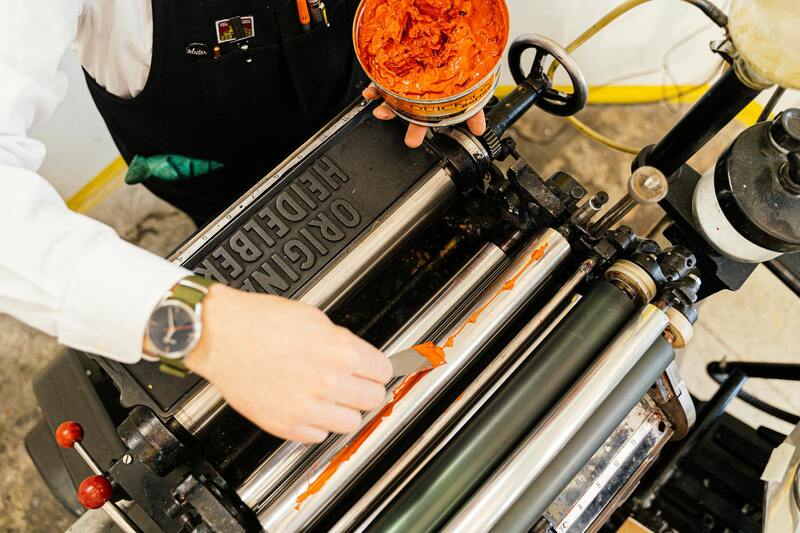
Choosing the appropriate substrates and ensuring top-tier print quality are vital for achieving the desired longevity and visual impact. Common materials include vinyl, fabric, mesh, foam boards, acrylics, and wallpapers, each offering unique benefits tailored to specific applications. For outdoor signage, weather-resistant materials combined with UV or solvent inks provide durability against UV exposure, moisture, and environmental pollutants. Indoor displays, on the other hand, may utilize lighter, repositionable materials that focus on high-resolution image clarity.
To optimize output, attention to image resolution—preferably 150-300 dpi at the final print size—is crucial for maintaining sharpness and detail. Color management processes, including calibration and proofing, ensure that the printed results meet precise color specifications, especially for brand consistency and visual impact.
Overview of Large Format Digital Printing
Large format digital printing is an advanced method of producing high-quality visuals on sizeable substrates, tailored for a variety of commercial, industrial, and decorative applications. This process enables the creation of meticulous imagery and vibrant graphics in dimensions that surpass conventional printing limits, making it an ideal solution for impactful signage, banners, and displays. As a versatile printing technique, it combines digital precision with the capacity to handle expansive media, ensuring sharp detail and color consistency across extensive surfaces.
Types of Large Format Printing Technologies
To meet the diverse demands of various print projects, several dominant large format printing technologies have been developed, each suited to specific materials and visual outcomes:
- UV Printing: Utilizes ultraviolet light to cure inks instantly upon contact with substrates, enabling printing on rigid surfaces such as glass, metal, and acrylic with exceptional precision and durability.
- Solvent and Eco-Solvent Printing: Employs solvent-based inks suitable for outdoor signage, featuring excellent adhesion and weather resistance on materials like vinyl and mesh.
- Latex Printing: Uses water-based inks that are environmentally friendly, offering flexibility, vibrant colors, and quick drying, perfect for banners and wall coverings.
- Piezoelectric Inkjet Technology: A widely adopted method for detailed image reproduction across various media, combining high resolution with speed efficiency.

Applications of Large Format Digital Printing
This technology is integral to numerous sectors, facilitating both visual communication and branding initiatives:
- Outdoor Signage: Durable billboards, parking lot signs, and storefront displays designed for high visibility and weather endurance.
- Retail Displays: Point-of-sale displays, promotional banners, and window graphics that attract customer attention and enhance brand recognition.
- Event and Trade Show Graphics: Large-scale backdrops, exhibition booths, and promotional materials crafted for maximum impact in short-term settings.
- Vehicle Wraps: High-resolution wraps that transform automobiles and fleet vehicles into mobile advertising platforms, combining vibrant imagery with long-term wear resistance.
- Interior Decor: Wall murals, custom wallpapers, and art installations that bring aesthetic value to indoor spaces, leveraging thick, eco-friendly prints.
Material Selection and Print Quality
The choice of substrates is crucial in large format digital printing, directly influencing the lifespan, visual acuity, and application suitability of the final product. Common materials tailored to specific environments include:
- Vinyl: The most versatile for outdoor signage and vehicle wraps, offering high durability and weather resistance.
- Fabric: Ideal for high-resolution wall coverings and indoor banners that demand a soft matte finish.
- Mesh: Suitable for building wraps and outdoor banners where some transparency is desirable to reduce wind load.
- Foam Boards & PVC Panels: Used for lightweight, rigid signage, exhibitions, and point-of-sale displays.
- Acrylic and Glass: Provide a sleek, modern aesthetic for high-end store displays and decorative purposes.
Print quality hinges on both the resolution and color calibration process. Achieving sharpness involves maintaining a resolution of approximately 150-300 dpi at the final print size. Color management, through calibration and color profiling, ensures that the vibrancy and shades precisely match branding specifications and visual expectations. Selecting weatherproof, UV-resistant inks for outdoor use extends the lifespan of prints, helping them withstand environmental elements and prolonged exposure without significant fading or deterioration.
Comprehensive Methods for Ensuring Compliance in Large Format Digital Printing
Manufacturers and service providers committed to maintaining high standards in large format digital printing focus on implementing robust, transparent processes that uphold the integrity of their offerings. These methods emphasize consistent quality control, adherence to industry guidelines, and the use of advanced technologies to guarantee that each print aligns with client expectations and established quality benchmarks.
Standardized Quality Management Systems
Implementing comprehensive quality management systems (QMS) is essential in delivering reliable large format printing services. Such systems involve meticulous monitoring of every production stage, from pre-press preparation to final output. Regular audits, process documentation, and staff training programs are integral to maintaining compliance and fostering continual improvement. By establishing clear protocols for color calibration, print resolution, and substrate handling, service providers ensure that each project adheres to predetermined standards.
Use of Certified Equipment and Materials
Employing certified printing equipment and approved substrates is a fundamental practice. High-quality, certified printers equipped with the latest technology provide consistent results and minimize errors. Likewise, the selection of certified, weather-resistant inks and substrates designed for specific applications reduces variability and enhances durability. These standards ensure that prints not only meet aesthetic criteria but also comply with environmental and safety regulations pertinent to various industries and applications.
Rigorous Color Calibration and Profiling
Color accuracy is critical in large format digital printing, particularly for branding and marketing purposes. Advanced calibration procedures, including the use of spectrophotometers and custom profiling, guarantee that colors remain consistent across different batches and substrates. Regular calibration sessions, combined with standardized color management workflows, help uphold visual fidelity and ensure client satisfaction.
Validation Through Certification and Compliance Audits
Many leading printing service providers routinely undergo certification processes aligned with recognized industry standards. These audits assess the adherence to quality, safety, and environmental requirements, providing an additional layer of assurance. Documentation of compliance, coupled with continuous staff training, supports a culture of accountability and excellence.
Secure Data Management and Artwork Verification
In large format printing, the confidentiality and accuracy of digital files are paramount. Robust data management practices include secure storage, version control, and thorough artwork verification processes. Ensuring that digital files are accurate and free from errors prior to printing reduces instances of misprints and alignment issues, reinforcing trust and adherence to quality standards.
Regular Maintenance and Calibration of Printing Machinery
Consistent maintenance of printing equipment is vital for sustained compliance. Routine calibration, preventative maintenance, and timely repairs prevent mechanical discrepancies that could compromise print quality. Service providers often follow manufacturer guidelines and seek certification from industry regulators to validate their maintenance protocols.
Documented Processes and Traceability
Maintaining detailed records of production steps, materials used, calibration data, and quality checks ensures traceability. These records facilitate accountability and enable quick responses to any issues that may arise. Proper documentation also supports audits and reinforces confidence in the reliability of large format printing services.

By integrating these methods into operational workflows, providers of large format digital printing can deliver consistent, high-quality outputs that meet stringent industry standards and client expectations. Adapting to technological advancements and evolving regulations further enhances compliance, positioning companies as trusted leaders in the competitive landscape of large format print services.