Guide To Choosing The Best Booklet Printing Companies In Singapore
Understanding Booklet Printing Services
Booklet printing remains a vital component of promotional, informational, and educational materials across various industries. In Singapore, businesses and organizations utilize booklets to communicate complex ideas, showcase products, and share detailed insights in an organized format. The essence of booklet printing involves creating a compact, folded, and saddle-stitched publication that effectively combines aesthetics with function.
A standard booklet typically ranges from a few pages to several dozen, with common formats including A4, A5, or custom sizes tailored to specific branding needs. These printed materials are frequently used for marketing brochures, event programs, product catalogs, training manuals, and corporate reports. The flexibility in design and content makes booklets a preferred medium for delivering comprehensive information while maintaining a professional appearance.

In the context of Singapore's dynamic market, the demand for high-quality booklet printing services reflects the necessity for brands to stand out through visually appealing and durable materials. These booklets serve as tangible representations of a company’s identity, often used in trade shows, corporate events, or direct customer outreach. The strategic use of high-resolution printing, vivid colors, and premium paper stock helps in elevating a brand’s professional image and enhancing customer engagement.
Furthermore, industries such as hospitality, education, and healthcare leverage booklet printing to communicate essential information to their audiences. Whether for detailed ingredient lists, step-by-step guides, or educational content, these printed materials help convey messages effectively with a tactile and memorable impact. The integration of innovative printing techniques and customization options ensures that each booklet meets specific branding and functional needs.
When choosing a booklet printing service, it’s crucial to consider aspects like print quality, material options, and finishing techniques which can significantly influence the final product’s durability and appearance. Leading Singapore-based printing companies employ advanced digital and offset printing technologies, ensuring vibrant color accuracy and crisp detail reproduction. Additionally, they offer a range of finishing options, including matte or gloss lamination, spot UV coating, and embossing, which further enhance the visual appeal and resilience of the printed booklets.
Booklet printing also involves careful attention to binding and folding processes to ensure pages align accurately and withstand handling. Saddle stitching remains the most common binding method, involving staples along the spine, although other options like perfect binding or spiral binding are accessible for specialized needs. The choice of binding method will depend on the booklet's size, page count, and intended use.
For organizations seeking to produce large volumes or customized short runs, experienced booklet printing companies offer scalable solutions that optimize cost efficiency without compromising quality. They also provide consultation services to help clients select appropriate paper stocks, color schemes, and finishes, aligning production outcomes with overall marketing strategies.
In summary, booklet printing is a versatile and impactful mode of communication that combines technical expertise with creative design. Singapore’s leading printing providers, such as s7printing.com, are equipped with cutting-edge machinery and seasoned professionals dedicated to delivering superior products tailored to diverse needs. Choosing the right partner ensures that your printed booklets effectively represent your brand, carry your message with clarity, and withstand the rigors of distribution and use.
Official Methods of Booklet Printing
When seeking to produce high-quality booklets, utilizing established and reputable printing methods is essential. Offset printing stands out as the preferred choice for large-volume projects because of its cost-efficiency and consistent color output. This process involves transferring ink from a metal plate to a rubber blanket before applying it onto paper, ensuring sharp detail and durable results. Digital printing, on the other hand, offers flexibility for short runs and quick turnarounds. It employs digital files directly onto the media, eliminating the need for plates, which reduces setup time and costs. This method is ideal for customized or personalized booklets that require frequent revisions or limited quantities.
Choosing the appropriate printing technique depends on project requirements, including volume, deadline, and quality expectations. Offset printing provides superior color fidelity and finer detail, making it suitable for professional marketing booklets, catalogs, or high-end publications. Digital printing allows for rapid production with minimal setup, fitting for event programs, promotional booklets, or internal company manuals where quick turnover is necessary.
Binding Options and Their Applications
The binding process not only secures the pages but also influences the overall aesthetic and functionality of the booklet. Saddle stitching, also known as stapled binding, is the most common method used for smaller booklets with up to 64 pages. It involves staples placed along the spine, providing a clean, professional look suitable for brochures, event programs, or small catalogs.
For larger or more durable booklets, perfect binding is often employed. This method uses a strong adhesive to secure the pages along the spine and is common in thicker publications like magazines or comprehensive product catalogs. Spiral or coil binding is another option, allowing the booklet to lie flat when opened, making it perfect for manuals, workbooks, or instructional materials that require ease of use and frequent handling.
Each binding type offers distinct advantages, and selecting the right one is crucial for ensuring the booklet’s purpose and longevity. Factors such as page count, usage, and presentation style should guide the decision-making process to achieve optimal results that align with your branding and functional requirements.
Official Methods for Booklet Printing
Securing high-quality booklet printing requires adherence to recognized and legitimate procedures that ensure consistent results and durability. The most reputable methods involve working with certified printing companies that utilize industry-standard equipment, genuine materials, and transparent processes. These companies typically employ advanced printing technologies such as offset and digital printing, both of which are well-established in producing professional-grade booklets.
Offset printing remains a popular choice for large-volume orders due to its ability to produce sharp, vibrant images and text with excellent consistency on a variety of paper stocks. It involves creating printing plates that transfer ink onto paper, a process that requires meticulous setup but results in cost-efficient output at scale. Digital printing, on the other hand, offers flexibility for smaller runs or pieces requiring variable data. It facilitates swift turnaround times with high-resolution output and is ideal for customized, short-run booklets.
When engaging with a booklet printing service, it's vital to verify their credentials, such as industry certifications, quality assurance policies, and positive customer reviews. Professional companies will provide detailed quotations based on your specifications, sample proofs for approval, and clear communication throughout the process. This ensures that each stage—from design and material selection to print and finishing—is conducted following best practices, resulting in a product that meets your expectations and sustains your brand image.


- Offset Printing: Suitable for large-volume orders requiring vivid color accuracy and sharp images.
- Digital Printing: Ideal for quick turnarounds and small to medium print runs with variable data capabilities.
- Binding Techniques: Saddle stitching for smaller booklets, perfect binding for thicker materials, and spiral binding for manuals and workbooks.
- Material Selection: High-quality paper options, including coated and uncoated stocks, to suit different purposes and budgets.
Choosing a reputable printing company ensures your booklet will be produced using proven, legitimate methods that align with industry standards, guaranteeing a polished and durable final product. Verification of the company's equipment, certifications, and customer satisfaction metrics are key indicators of their commitment to quality and professionalism in booklet printing services.
Assessing Industry Standards and Certification
When selecting a booklet printing company, verifying their adherence to industry standards is essential. Reputable companies often showcase their certifications and accreditations, which serve as indicators of their compliance with recognized quality benchmarks. These certifications may include ISO standards related to environmental management, quality control, and safety procedures. A printing partner with such credentials demonstrates a commitment to maintaining high operational standards, ensuring that the production process is efficient, sustainable, and aligns with best practices.
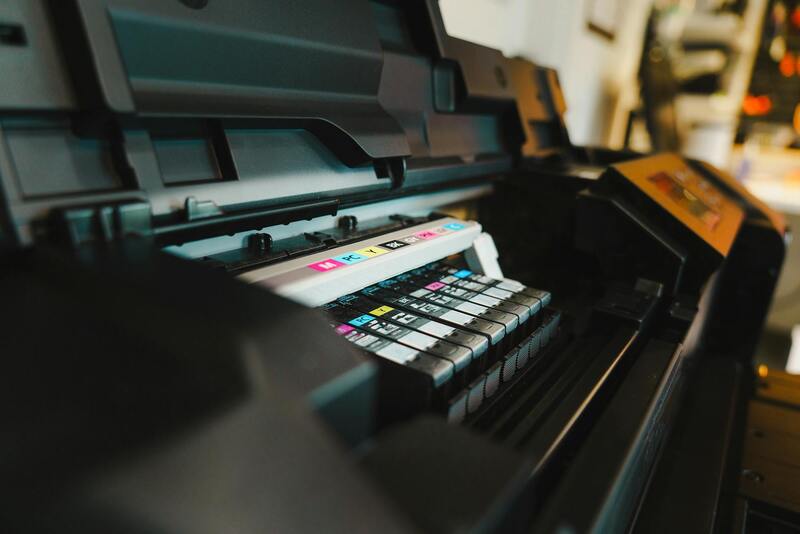
Moreover, certification from recognized industry bodies confirms that the company keeps pace with technological advancements and adheres to stringent production protocols. These protocols address critical aspects such as ink safety, paper sourcing, and waste management, which collectively contribute to the overall quality, durability, and environmental responsibility of the finished product.
Evaluating Equipment and Technology Used
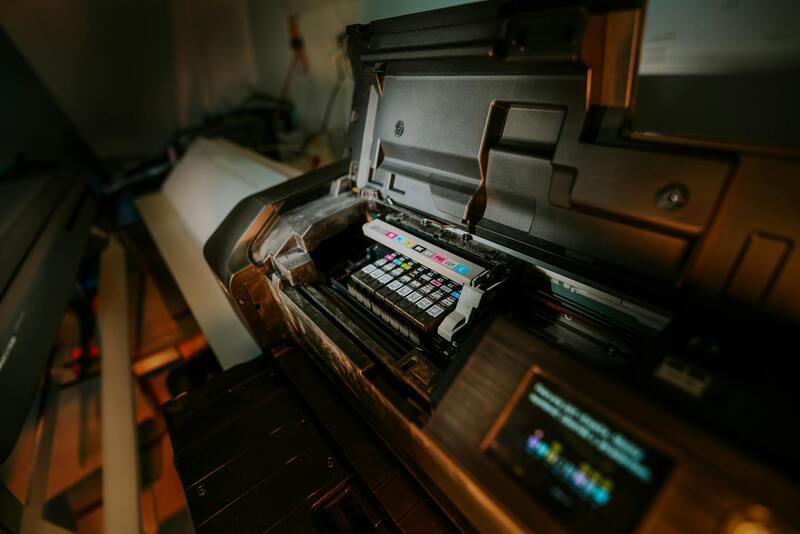
The sophistication and maintenance of printing equipment greatly influence the quality of your booklet. Leading booklet printing companies invest in state-of-the-art technology to ensure high fidelity in color reproduction, sharpness of images, and consistency across multiple copies. Modern offset and digital presses allow for precise control over color matching, detailed image printing, and quick turnaround times, precisely tailored to your project’s specifications.
Furthermore, advanced finishing machinery enhances the aesthetic appeal of your booklets through seamless binding, laminating, and UV coating techniques. A reputable printing firm will regularly update their equipment to incorporate innovative solutions that improve efficiency and reduce the risk of defects. This level of investment in technology ensures that your booklet will be produced to meet high standards of clarity, vibrancy, and durability.
Monitoring Customer Feedback and Satisfaction Metrics
Customer testimonials and satisfaction data provide valuable insights into a company's reliability and service quality. A professional booklet printing company maintains transparent communication channels, actively seeks customer feedback, and promptly addresses concerns or issues. Positive reviews often highlight punctual delivery, quality consistency, attentive customer service, and flexibility in accommodating project-specific requests.
Beyond anecdotal feedback, some companies employ structured satisfaction surveys and quality audits to continually improve their processes. These evaluations contribute to maintaining high service standards and fostering long-term relationships with clients. When reviewing potential partners, consider their reputation for handling complex jobs, adherence to deadlines, and how they respond to customer needs—these elements collectively affirm their commitment to delivering legitimate, top-tier booklet printing services.
Impact of Material Selection and Finishing Techniques on Booklet Quality
Choosing the right materials is crucial for producing durable and visually appealing booklets. Reputable booklet printing companies in Singapore typically offer a variety of paper stocks, including gloss, matte, satin, and recycled options, each with distinct tactile and visual effects. For high-end presentations, thick cardstock or laminated covers enhance the robustness and professionalism of the final product, making it suitable for corporate reports or promotional materials.
Finishing techniques further define the perceived quality of a booklet. Incorporating matte or gloss lamination not only elevates the aesthetic but also offers added protection against wear and tear. UV coating can give titles or images a vibrant, reflective appearance, ideal for capturing attention. Die-cutting allows for creative shapes, adding a unique touch that can differentiate your booklet from competitors. Soft touch finishes provide an elegant, tactile experience, ideal for high-value branding efforts.

Advanced binding options are also vital to ensuring your booklet's longevity and usability. Saddle stitching remains the most common method for smaller booklets, providing a clean, professional look. For larger or more premium projects, perfect binding delivers a seamless spine, mimicking paperback books. Spiral and wire binding offer easy page flipping, suitable for manuals and catalogs intended for frequent use. When selecting a printing partner, verify their investment in modern finishing machinery, such as binding lines, laminators, and UV coating systems, to guarantee consistent results.
Precision in Color Management and Print Consistency
Accurate color reproduction is key for maintaining brand integrity and visual impact. Leading booklet printing companies utilize high-resolution printers integrated with color management systems that calibrate inks and monitor color accuracy throughout the production process. This consistency is particularly significant for projects that involve intricate graphics or brand-specific color schemes.
Quality assurance procedures, including color proofing and sample checks, help mitigate discrepancies before the full run. Many proficient providers also use digital workflows that streamline file preparation, ensuring sharp images, vibrant hues, and crisp text. Delivering reliable color fidelity across batches fosters client confidence and results in a polished end product that aligns precisely with design expectations.

Production Capacity and Scalability for Large Orders
When planning for bulk booklet creation, capacity and scalability become essential criteria. Established printing companies maintain high-volume production lines capable of accommodating large runs without sacrificing quality or adherence to deadlines. The integration of automated processes, such as digital printing presses and inline finishing equipment, expedites production while maintaining precision.
Considering the company's ability to handle scaling up your project, including fast turnaround times and the capacity for complex designs, is fundamental. Transparent communication about production schedules, along with regular updates, ensures that your project progresses smoothly. Such operational efficiency is indicative of a service provider capable of managing large, time-sensitive orders while preserving high standards.
Understanding Booklet Printing Services
Booklet printing services encompass a comprehensive suite of options tailored to meet diverse marketing and informational needs. These services include everything from small-scale promotional materials to large, complex catalogs. Professional booklet printing companies ensure high-quality production with consistent color outputs, sharp images, and durable finishes. Such companies utilize advanced printing technology, including digital, offset, and hybrid methods, to deliver booklets in various sizes, styles, and binding formats. When engaging with a reputable provider, clients benefit from strategic consultation on paper selection, binding techniques, and finishing options—all designed to enhance visual appeal and functionality.

Types of Booklet Printing Methods
- Digital Printing: Ideal for short to medium runs, digital printing offers quick turnaround times with high fidelity in color reproduction. This method is cost-effective for small quantities and allows for easy customization, making it suitable for promotional booklets and event programs.
- Offset Printing: Best suited for large-scale productions, offset printing delivers consistent high-quality output and is economical for bulk orders. It enables vivid color matching and detailed image reproduction, which is critical for brand-focused materials.
- Hybrid Printing: Combining digital and offset techniques, hybrid printing offers flexibility for complex projects requiring both quick turnarounds and large quantities. It caters to clients who need customization along with cost efficiency in bulk production.

Factors to Consider When Choosing a Booklet Printing Company
Selecting the right booklet printing partner involves assessing several critical factors to ensure your standards are met accurately and timely:
- Experience and Industry Reputation: An established company with a proven track record demonstrates expertise in handling diverse projects. Look for providers with positive reviews and a portfolio that aligns with your design vision.
- Equipment and Technical Capabilities: Advanced machinery and updated technology facilitate high-quality output across different formats and finishes. Verify the availability of features like high-resolution color printing and various binding options.
- Turnaround Time: Reliable companies maintain efficient workflows to meet deadlines, especially for time-sensitive projects. Clarify production timelines and available express options at the outset.
- Customer Service and Support: Transparent communication, professional guidance, and post-printing assistance contribute significantly to project success. Select a provider willing to collaborate and adapt to unique specifications.
Design and Customization Options Offered by Printing Companies
Leading booklet printing companies provide extensive design and customization services to help clients realize their visual objectives. These include:
- Template Selection and Creative Design Support: Many firms offer a range of templates or work collaboratively with clients to create bespoke layouts that effectively communicate the intended message.
- Paper Stock and Finishes: Options include gloss, matte, uncoated, textured, or specialty papers, each adding a tactile dimension to the final product. Finishes such as UV coating, lamination, or spot varnishing enhance durability and visual impact.
- Binding and Folding Techniques: Choices include saddle stitching, perfect binding, spiral binding, or specialty folds like gatefolds—tailored to complement the booklet’s purpose and aesthetic.
- Embossing, Debossing, and Foil Stamping: These embellishments introduce luxurious textures and metallic accents, elevating the perceived value of the booklet.
Pricing and Quotation Processes
Transparent and detailed quotations are fundamental to establishing trust and clarity. Reputable booklet printing companies typically follow a structured process to provide accurate estimates:
- Project Specification Intake: Clients submit detailed project briefs, including quantity, size, pages, binding method, paper type, and any special finishing requirements.
- Cost Analysis: The company evaluates material costs, machine time, labor, and finishing processes to formulate a comprehensive quote. Volume discounts and package deals are often available for larger orders.
- Sample Provision and Approval: Before full production, sample proofs are provided for review, ensuring clients can verify color accuracy, design placement, and overall quality.
- Revisions and Finalization: Adjustments to the quotation or design are made based on client feedback, followed by final approval before printing begins.
This meticulous approach minimizes discrepancies, reduces waste, and ensures the final product aligns perfectly with client expectations.
Design and Customization Options Offered by Printing Companies
Booklet printing companies in Singapore provide an extensive range of design and customization features to meet diverse client needs. Customization begins with the choice of size, orientation, and paper quality, allowing businesses and individuals to craft a product that aligns perfectly with their brand identity or project requirements. Most companies offer options for matte, gloss, or silk finishes, which influence the tactile feel and visual appeal of the final product, ensuring that each booklet stands out.
Numerous binding and folding techniques are available to enhance the presentation and durability of booklets. Saddle stitching remains popular for smaller, thinner publications, providing a cost-effective and simple method. For larger or more premium projects, perfect binding offers a neat, professional look with durable spines. Spiral binding facilitates easy page turning, which is suitable for manuals or instructional booklets. Specialty folds, such as gatefolds or accordion styles, add visual interest and interactivity, making the booklet more engaging.

Beyond binding, embellishments like embossing, debossing, and foil stamping can further elevate the tactile and visual impact of your printed materials. Embossing and debossing create textures that add depth, making cover elements more appealing and enhancing perceived value. Foil stamping introduces metallic accents, offering luxurious finishes suitable for corporate presentations, awards, or high-end events.
Pricing and Quotation Processes
Understanding the cost structure of booklet printing is vital for effective budgeting. Reputable Singapore-based printing services employ a structured quotation process that emphasizes transparency and detail. Initially, clients provide comprehensive project specifications, including dimensions, page count, paper types, quantity, binding and finishing preferences, and any special effects or embellishments required.
The printing company then conducts a thorough cost analysis, considering material costs, machine usage, labor, and finishing processes. Volume discounts or package deals are frequently accessible for large orders, providing cost efficiencies. To ensure accuracy and client confidence, samples or prototypes are often produced before full-scale printing, enabling stakeholders to verify color consistency, design placement, and overall quality.
Following sample approval, revisions may be made, and final quotations are issued. This comprehensive approach minimizes discrepancies and waste, ensuring the final product aligns precisely with client expectations. It also fosters clear communication and trust, essential components of lasting business relationships in the printing industry.
Understanding Booklet Printing Services
In the realm of professional marketing and communications, booklet printing services play a vital role in delivering compelling visual narratives and detailed information to target audiences. These services encompass a wide range of options tailored to meet diverse business needs, from corporate brochures to event programs. Reputable companies such as s7printing.com employ industry best practices to ensure each booklet is produced with precision and attention to detail, reflecting the client’s branding and messaging effectively.
Booklet printing is not merely about assembling pages; it involves careful planning of layout, design, paper selection, and binding techniques to produce a cohesive and attractive final product. The choice of printing partners often hinges on their ability to handle complex projects—whether it’s large volume runs, custom finishes, or specialized formats—while maintaining consistent quality. Leveraging advanced printing technologies ensures vibrant color reproduction, sharp image clarity, and durable finishes that stand the test of time.
Types of Booklet Printing Methods
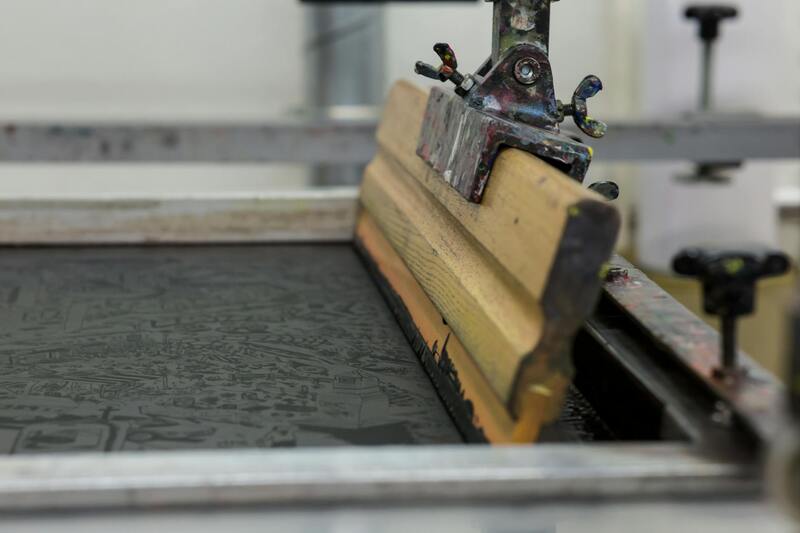
The selection of printing methods significantly influences the quality, cost, and turnaround time of booklet production. Digital printing is ideal for short runs and quick turnarounds, providing vibrant colors and detailed images without the need for extensive setup. Offset printing, on the other hand, is best suited for larger quantities, offering superior color consistency and cost efficiencies in bulk orders. Hybrid approaches may combine both techniques to balance quality and economics effectively.
Advanced finishing options such as embossing, foil stamping, and lamination are also available to enhance the tactile experience and visual appeal of these printed materials. Each method has its advantages, and professional booklet printing companies evaluate project specifications carefully to recommend the most suitable process.
Factors to Consider When Choosing a Booklet Printing Company
Identifying a reliable booklet printing provider entails assessing multiple aspects of their service delivery. Experience and industry reputation are primary indicators of their capability to handle complex projects. Transparency in quoting processes ensures there are no hidden costs, and detailed project consultations help clarify expectations from the outset.
- Review past work and client testimonials—consistent quality and positive feedback often reflect operational excellence.
- Evaluate their technical capabilities—state-of-the-art equipment and skilled staff are critical for high-fidelity printing.
- Consider their customer service support and responsiveness—effective communication minimizes misunderstandings and delays.
- Review turnaround times—reliable companies provide clear schedules and timely delivery options.
- Assess their ability to offer customization—flexibility in design and finishing options caters to specific branding needs.
Design and Customization Options Offered by Printing Companies
Leading booklet printers afford clients a broad spectrum of design and customization options. From choosing paper stocks—matte, gloss, textured—to selecting binding styles such as saddle stitching, perfect binding, or wire-o binding, each element contributes to the final presentation. Custom finishes like spot UV coating, embossing, or die-cutting enable unique, eye-catching effects that elevate branding.
Additionally, many printing firms offer design assistance, ensuring that graphic elements are optimized for readability and aesthetic appeal. Digital proofing options allow clients to review layouts before mass production, ensuring alignment with expectations. Incorporating sustainable materials and eco-friendly inks is also increasingly popular, aligning with corporate responsibility initiatives.
Pricing and Quotation Processes
Pricing structures for booklet printing generally depend on several factors: page count, paper quality, binding type, quantity, and any special finishing effects. Transparent quotation processes involve detailed breakdowns that clarify costs associated with each element of production. Clients often provide detailed project specifications, upon which the printer conducts a comprehensive cost analysis.
Many reputable providers offer sample runs or prototypes, giving clients an opportunity to evaluate the quality and accuracy before proceeding with full-scale printing. Volume discounts and package deals are also common, making large orders more economical. Clear communication during the quotation process fosters trust and encourages successful project execution.
Turnaround Time and Delivery Services
A reliable booklet printing partner in Singapore will specify estimated turnaround times based on project scope and complexity. Urgent printing options, such as same-day or next-day services, are available for time-sensitive requirements. In addition, comprehensive delivery services ensure that finished booklets arrive safely and promptly at the desired locations, whether locally or internationally.
Effective project management involves coordinating printing schedules with delivery logistics, reducing delays and ensuring clients meet their deadlines. Tracking systems and regular updates are often provided, enhancing transparency and client confidence throughout the production process.
Quality Assurance and Customer Support
Stringent quality control measures are integral to maintaining high standards in booklet production. This process includes verifying color accuracy, checking binding integrity, and inspecting finishing details to meet specified requirements. Industry-leading companies utilize calibration tools and perform multiple review stages to detect and rectify issues proactively.
Excellent customer support encompasses pre-press consultations, technical advice, and post-printing assistance, including handling revisions or reprints if necessary. Responsive communication channels ensure clients receive timely assistance, fostering enduring collaborations and consistent satisfaction with the final product.