Brochure Printing Services In Singapore: Quality, Customization, And Fast Turnaround
Overview of Brochure Printing Services
Brochure printing services play a vital role in the effective dissemination of information and marketing in Singapore’s competitive business landscape. These printed materials serve as tangible representations of a company's brand, products, and services, making them essential for attracting potential clients and maintaining professional communication. In an era dominated by digital content, professionally printed brochures still hold significant value for their ability to combine visual appeal with detailed content, offering a comprehensive overview of what a business offers.
High-quality brochure printing not only enhances brand credibility but also ensures that key messages are conveyed clearly and persuasively. Companies invest in brochure printing services to create eye-catching layouts, select suitable paper stocks, and incorporate finishes that elevate the overall aesthetics. Whether used at trade shows, corporate events, or in-store displays, well-produced brochures can influence purchasing decisions and foster trust among prospective customers.
In Singapore’s vibrant business environment, choosing the right brochure printing partner is crucial. Reputable services offer expertise in various printing techniques, customization options, and fast turnaround times to meet diverse business needs. By collaborating with experienced printers, organizations ensure that their marketing materials stand out with crisp graphics, vibrant colors, and durable finishes that withstand handling and environmental factors.
Beyond marketing, brochures also serve internal communication purposes such as providing training materials, informational pamphlets, and event programs. The versatility of brochure printing services allows companies from various sectors—retail, technology, education, and healthcare—to craft tailored printed solutions aligned with their branding strategies.
Property developers, educational institutions, and service providers frequently rely on brochure printing to showcase their offerings compellingly. A professionally printed brochure can effectively highlight unique selling points, product features, and company values through well-designed layouts and strategic content placement. Moreover, the ability to customize layouts and finishes ensures that each brochure resonates with its targeted audience.
Furthermore, modern brochure printing services include eco-friendly options—using recycled paper, soy-based inks, and sustainable finishes—aligning with global sustainability standards. These eco-conscious choices not only enhance brand reputation but also appeal to environmentally aware consumers.
Overall, brochure printing services in Singapore encompass a comprehensive suite of solutions designed to elevate a company’s marketing strategy through visually appealing, durable, and customizable printed materials. Engaging a professional printer ensures that every detail—from paper selection to finishing touches—is meticulously handled, resulting in brochures that effectively communicate and leave a lasting impression.
Overview of Brochure Printing Services
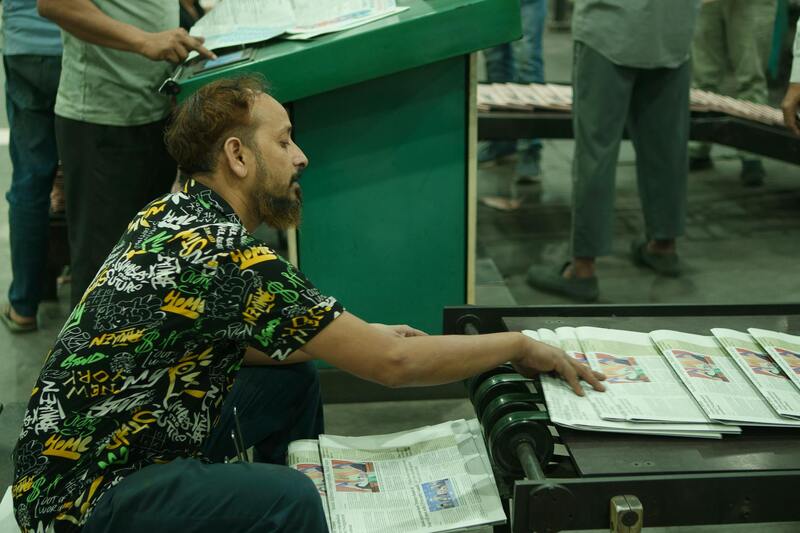
Brochure printing services are an essential component of marketing strategies for organizations aiming to effectively communicate their offerings to targeted audiences. These services encompass a broad spectrum of solutions designed to produce visually appealing, durable, and professional printed materials. A high-quality brochure not only enhances brand visibility but also conveys key information about products, services, or organizational values with clarity and sophistication.
In Singapore, top-tier brochure printing providers utilize advanced printing technologies to deliver crisp images, vibrant colors, and precise text reproduction. They offer various customization options, including paper selection, finishes, and fold styles, ensuring that each brochure aligns seamlessly with the client’s branding and marketing objectives. The integration of eco-friendly printing options, such as recycled paper and soy-based inks, reflects a commitment to sustainability while reinforcing a brand’s environmental responsibility.
These printing solutions cater to diverse needs across industries—from real estate developers showcasing properties, educational institutions promoting programs, to healthcare providers emphasizing services. By engaging a professional brochure printing service, organizations can ensure each piece leaves a lasting impression, helping to foster trust and engagement among potential clients or partners.

Overview of Brochure Printing Services
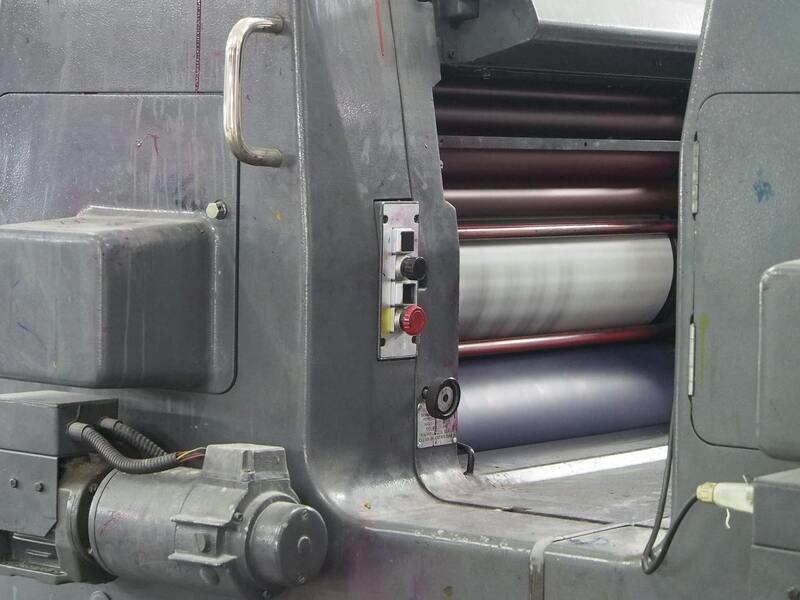
Professional brochure printing services encompass a comprehensive suite of capabilities designed to meet the diverse marketing needs of businesses and organizations. From small startups to large corporations, these services provide high-quality, customized print materials that effectively communicate brand messages and promote products or services. Utilizing advanced printing technology and premium materials, reputable providers ensure that each brochure output maintains sharp image quality, vibrant color reproduction, and durable finishes. The process typically begins with consultation—helping clients refine design concepts, select appropriate paper stocks, and choose finishing options that align with the intended use and branding identity. Modern brochure printing integrates eco-conscious practices, such as using recycled paper and environmentally friendly inks, allowing companies to pursue sustainable marketing strategies. Additionally, flexible production runs accommodate both short-term campaigns and large-scale distribution, ensuring clients can budget effectively while maintaining consistency in quality. Quick turnaround times further enable businesses to seize market opportunities without delay.

Services include a wide array of options for customization, tailored to meet specific branding and design objectives. This includes varying paper weights and textures, diverse finishing techniques such as matte, gloss, or spot UV coats, and a range of folding styles. The ability to specify dimensions, orientation, and intricate fold patterns enhances the visual appeal and functionality of each brochure. With the integration of advanced printing techniques, providers can produce vibrant color profiles, detailed graphics, and sharp text rendering that resonate with target audiences. Moreover, many printing companies offer eco-friendly options that incorporate sustainable materials and environmentally responsible inks, aligning brand values with consumer expectations for sustainability.

By choosing reliable brochure printing services, organizations gain access to professional guidance throughout the project lifecycle—from initial concept design, through proofing and adjustments, to the final delivery. Standardized quality control measures ensure each batch conforms to strict standards of color accuracy, print clarity, and finishing quality. Delivery options are flexible, ranging from local courier services to international shipping, allowing businesses to meet tight deadlines and distribute their materials broadly. Cost-effective pricing models, based on factors such as print volume, paper selection, and complexity of design, make these services accessible for a wide spectrum of marketing budgets. Ultimately, leveraging professional brochure printing ensures a polished, cohesive, and impactful promotional tool that advances brand recognition and engagement.
Comprehensive Overview of Brochure Printing Methods
Brochure printing services employ a range of production techniques designed to produce high-quality promotional materials that effectively communicate a brand's message. Utilizing advanced digital and offset printing technologies, providers ensure that each print run delivers vibrant colors, crisp text, and precise graphics. The selection of printing methods is influenced by factors such as desired print volume, turnaround time, and budget considerations. Digital printing offers quick, cost-effective solutions for short runs and prototypes, allowing for fast adjustments and personalization. Offset printing, on the other hand, is typically preferred for larger quantities, providing superior color consistency, sharp detail, and a polished finish. Both methods support the integration of various finishing options, such as coatings and lamination, to enhance durability and visual appeal. Printing companies often incorporate eco-conscious practices by using sustainable inks and recycled paper options, aligning production with environmentally responsible initiatives. These legitimate production techniques form the backbone of professional brochure printing, ensuring clients receive a reliable and high-quality product tailored to their branding needs.

Design Precision and Content Structuring
Effective brochure printing hinges on meticulously crafted design and content. Clear visual hierarchy, balanced layout, and compelling imagery are essential components that guide the reader’s eye through the material seamlessly. Graphic elements should complement the textual information, emphasizing key messages and calls to action. When designing a brochure, professionals prioritize legibility by choosing appropriate fonts and sizes, aligning text blocks harmoniously with visual elements. Content must be concise yet informative, capturing attention quickly and encouraging engagement. High-resolution images ensure that printed visuals are sharp and vibrant, reinforcing brand identity. Incorporating consistent branding elements, such as logos, color schemes, and taglines, further enhances recognition and professionalism. Each aspect of content structuring is tailored to maximize the brochure’s impact, encouraging readers to respond positively and take the desired action.
Choosing the Correct Printing Specifications
The specifications for brochure printing, including paper weight, finish, and binding, directly affect the final appearance and lifespan of the printed material. Selecting the proper paper stock involves balancing durability with visual appeal; thicker, coated papers provide a premium feel and enhanced color vibrancy, ideal for high-end branding. Finishing options such as matte, gloss, or satin coatings can be applied to achieve desired texture and glare reduction, affecting how light interacts with the brochure surface. For added durability, anti-scratch laminates and UV coatings are recommended, especially for brochures intended for outdoor distribution or frequent handling. The choice of binding — whether saddle-stitched, perfect-bound, or spiral — impacts operational convenience and aesthetic harmony. Professional printing services assist clients in making informed decisions about these specifications, ensuring the final product aligns with brand image, usage context, and budget constraints.

Optimizing Content for Your Brochure
Content development plays a crucial role in maximizing the effectiveness of printed brochures. Strategic headlines and subheadings capture attention immediately, while concise copy delivers key information without overwhelming the reader. Incorporating compelling calls to action guides potential customers toward desired responses, whether that involves visiting a location, calling a number, or engaging online. Visual elements such as iconography, infographics, and imagery should reinforce textual messages, providing visual cues that clarify complex information or highlight benefits. Consistency in tone and style across all content ensures a professional presentation and promotes brand cohesion. For businesses seeking impactful outreach, professional brochure printing companies advise on content layout, typography, and visual hierarchy to create a coherent and persuasive final product.
Precision in Color Matching and Print Accuracy
Achieving consistent color fidelity across multiple copies and batches is a cornerstone of professional brochure printing. To uphold brand integrity, printers utilize advanced calibration techniques and standardized color management systems that ensure logos, brand hues, and visual elements appear exactly as intended. Equipment enabled with high-resolution capabilities guarantees sharp, detailed images and vibrant color reproduction. Additionally, tests are often performed prior to full-scale production to verify color accuracy, avoiding discrepancies that could compromise the visual appeal or messaging clarity of the final product.

Print accuracy also extends to the precise alignment of images, text, and graphical elements, which is essential for maintaining a professional look. Sophisticated offset and digital printing technologies mitigate common issues such as color bleeding or misregistration. These methods ensure each brochure produced reflects meticulous craftsmanship, enhancing the overall perception of quality and attention to detail. For companies seeking uniformity and professionalism, choosing a service with robust quality assurance protocols is fundamental to achieving a consistent, impactful promotional piece.
Environmental Considerations in Brochure Production
Today’s brochure printing services increasingly incorporate environmentally conscious practices, aligning with sustainability goals and responsible production standards. This involves sourcing eco-friendly paper stocks, such as recycled or FSC-certified materials, that reduce environmental impact. Water-based and soy-based inks are often used to lower volatile organic compounds (VOCs), contributing to better indoor air quality and a smaller ecological footprint. Additionally, many printers adopt sustainable manufacturing processes that minimize waste and energy consumption, ensuring that each brochure not only serves your marketing needs but also aligns with green initiatives.
Advancements in eco-friendly coatings and finishes provide enhanced durability without compromising environmental values. For instance, biodegradable laminates and water-based varnishes can safeguard brochures against damage from handling or weather, extending their lifespan while maintaining eco-awareness. It is essential for clients to request detailed information about the sustainability practices of their chosen printing service to ensure eco-oriented standards are met without sacrificing quality or aesthetic appeal.
Quality Control and Final Inspection Procedures
Rigorous quality control protocols are integral to producing brochures that meet high standards of professionalism. Throughout the printing process, samples are examined to verify color consistency, registration accuracy, and overall finishing. Quality assurance teams assess the substrate, print density, and finishing details such as folds, cuts, and bindings to identify and rectify deviations early. Final inspections involve checking the completeness and uniformity of the batch, ensuring that every brochure aligns with the specified design and quality benchmarks.
Advanced digital tools, including automated color spectrophotometers and inspection systems, help deliver precise quality checks that are both efficient and reliable. These steps prevent issues such as misprints or imperfections from reaching the client, safeguarding the integrity of the printed material. For businesses investing in brochure printing, partnering with a provider with stringent quality control measures guarantees the production of flawless, professional-grade brochures that convincingly communicate their message.
Types and Styles of Brochures
Brochures are a versatile marketing tool that can be tailored to suit various purposes, audiences, and aesthetic preferences. Commonly produced in several styles, each type serves a specific function and lends a distinct visual appeal to your brand message.
- Tri-Fold Brochures: Recognized for their compact design, tri-fold brochures fold into three panels, offering a balanced layout for content and imagery. They are ideal for quick overviews, event promotions, or service catalogs.
- A4 and A5 Brochures: These are often used for more detailed information. A4 brochures can be expanded into booklets or catalogs, while A5 size is perfect for handing out concise, impactful messages.
- Gate Fold Brochures: Featuring panels that open like gates, these brochures create a dramatic reveal for high-impact visuals, making them suitable for product launches or premium branding.
- Z-Fold and Accordion Brochures: With multiple folds that expand like an accordion, these formats are excellent for storytelling or sequential product information, allowing readers to unfold progressively.
- Square Brochures: Offering a modern and unique appearance, square formats stand out in mailboxes and at displays, providing a fresh visual experience.
Design style choices, such as minimalist, vibrant, or corporate themes, can be aligned with your branding strategy to produce brochures that resonate with your target audience effectively.

Comprehensive Methods and Best Practices for Brochure Printing
Implementing effective brochure printing requires adherence to official, standardized procedures that guarantee quality, consistency, and professionalism. From pre-press preparations to the final distribution, each phase involves meticulous steps designed to produce compelling printed materials that align with your branding and marketing objectives.
Pre-Press Protocols
Before initiating printing, it is essential to prepare digital files that meet industry standards. This entails verifying color profiles to ensure accurate reproduction of brand colors, optimizing resolution settings (typically 300 DPI or higher) for sharp imagery, and utilizing appropriate file formats such as PDF/X to preserve layout integrity. Additionally, embedding fonts and including bleed margins—typically 3mm—prevent unintentional white borders after trimming. Conducting proofing with calibrated monitors and, if possible, physical proofs facilitates early detection of discrepancies or errors, minimizing costly reprints.
Choosing Certified Printing Equipment
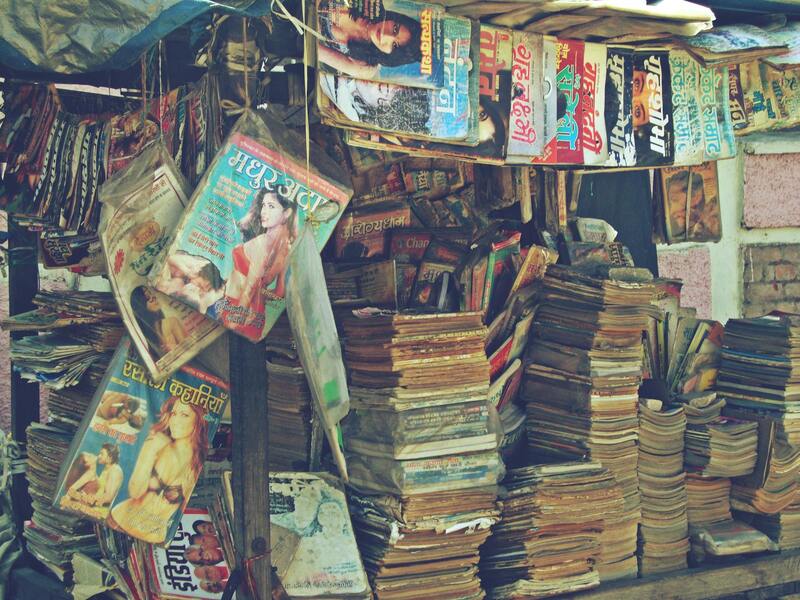
To uphold consistency and color fidelity, official brochure printing involves the use of certified digital and offset presses. These machines maintain strict calibration protocols, including regular color management checks and maintenance routines. Such adherence to industry standards ensures that printed brochures match approved proofs and brand specifications, fostering trust in the visual consistency of your marketing collateral.
Quality Control Measures
Official printing establishments implement rigorous quality assurance procedures. These include inspection of paper stock alignment, color saturation, and finish consistency throughout the print run. Periodic sampling of printed sheets helps detect deviations early, allowing for prompt adjustments. Advanced color measuring devices and standardized testing methods contribute to the reproducibility of results, reinforcing the integrity of your printed materials.
Secure and Documented Processes
Particularly for large volume orders or sensitive content, authorized printing services document each step—from digital file submission and approval to printing parameters and batch records. This documentation ensures traceability, accountability, and adherence to approved specifications, thereby maintaining the professional quality expected of official brochure production.
Delivery and Handling Protocols
Finalized brochures are transported through secure logistics channels that preserve their quality. Proper handling protocols during transportation prevent damage such as smudges, scratches, or bending. Official vendors also provide detailed delivery documentation, including condition reports and tracking information, to confirm that the brochures reach their destination in pristine condition.
Implementing Sustainable and Ethical Practices
Adherence to eco-friendly standards—such as using FSC-certified papers, soybean-based inks, and recycling waste—demonstrates responsible printing practices. Certified facilities ensure that environmental considerations are integrated into their operations, aligning with sustainable business models and promoting a positive brand image.
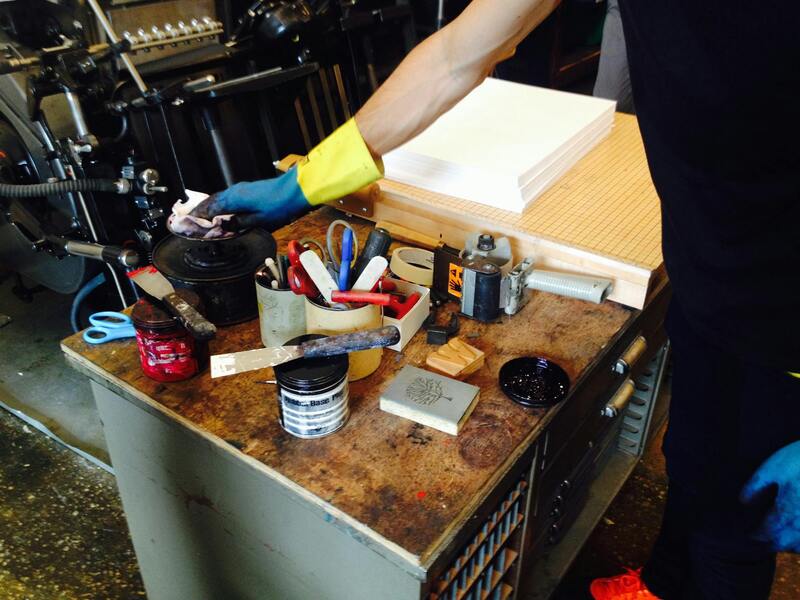
Summary of Official Methods
- Preparation of print-ready files adhering to digital standards
- Utilization of certified, calibrated printing equipment
- Implementation of comprehensive quality control protocols
- Documentation of all production stages for traceability
- Secure handling and transportation to preserve finished products
- Adherence to environmentally responsible practices
Through strict compliance with these established methods, businesses can ensure their brochure printing outputs reflect professionalism, accuracy, and a commitment to quality. Engaging with reputable, authorized print providers guarantees that each brochure not only meets aesthetic standards but also adheres to the best practices that uphold your brand's integrity and credibility in the marketplace.
Secure and Ethical Methods in Brochure Printing
Implementing official brochure printing services involves a comprehensive adherence to established procedures that prioritize quality, durability, and environmental responsibility. These methods serve to guarantee that each printed brochure meets precise standards, ensuring a professional appearance while maintaining consistency across large print runs. The process begins with meticulous preparation of print-ready files that conform to digital standards, including correct color profiles, resolution, and bleed settings, to prevent issues such as color mismatches or misalignments.
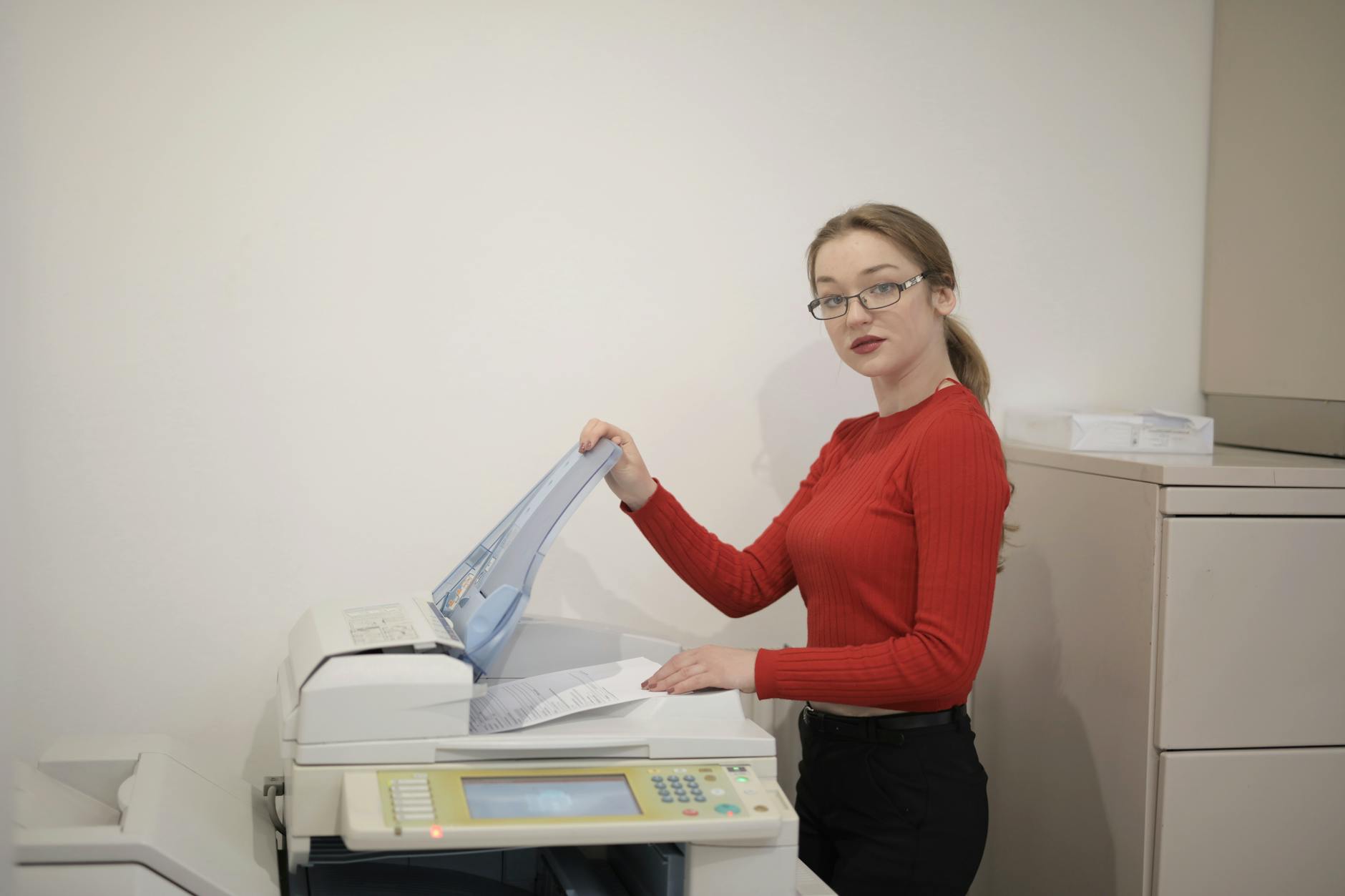
Utilizing certified, calibrated printing equipment is crucial in maintaining the integrity of the final product. These machines undergo regular maintenance and calibration to ensure color accuracy and sharp image reproduction, which are fundamental in producing visually appealing marketing materials. Certified facilities also adhere to strict quality control protocols at each stage of production, including monitoring ink density, paper feed precision, and finish consistency, to mitigate errors and ensure output uniformity.
Each stage of production is thoroughly documented, providing traceability that verifies compliance with industry standards. This documentation includes detailed records of equipment calibration, material batch numbers, and quality inspection reports, offering transparency and reliability in the process. Secure handling and transportation procedures are enforced to preserve the quality of finished brochures during delivery, protecting against potential damage such as bends or smudges.
Environmental sustainability is also a key component of responsible brochure printing. Certified printing vendors often utilize eco-friendly practices, such as using FSC-certified papers, soy-based or vegetable inks, and recycling waste materials. These measures help reduce the ecological footprint, aligning with broader sustainability goals and demonstrating a commitment to environmentally conscious operations.
Engaging with authorized printing providers ensures the implementation of these reputable methods. This partnership guarantees that each brochure accurately reflects the intended design, with high-quality finishes, vibrant color reproduction, and durable materials. Moreover, such providers frequently offer detailed documentation for each production batch, allowing clients to verify that their printing process complies with industry standards and quality expectations, fostering trust and confidence in their printed materials.