Brochure Printing Services In Singapore: Quality, Customization, And Fast Turnaround
Overview of Brochure Printing in Singapore
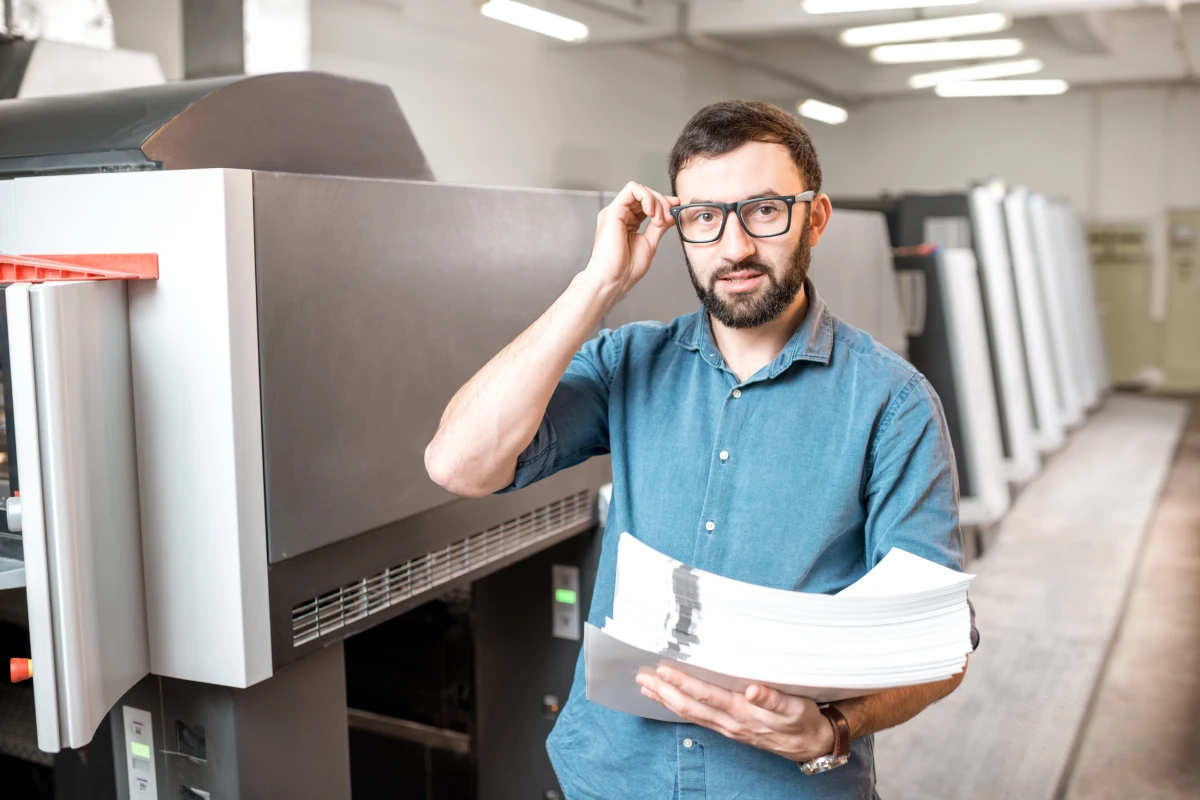
Brochure printing stands as a cornerstone in the realm of marketing and brand communication within Singapore's vibrant business landscape. Its effectiveness lies in its ability to visually convey a brand’s message, showcase products or services, and engage potential clients through meticulously designed layouts and compelling content. As businesses seek to establish a strong foothold in a competitive environment, professionally printed brochures serve as a tangible, high-quality promotional tool that leaves a lasting impression on audiences. In Singapore, the demand for high-quality brochure printing reflects a commitment to excellence in marketing materials. Companies recognize that a well-designed brochure not only informs but also inspires trust and credibility among target audiences. Whether used at trade shows, client meetings, or as part of direct mail campaigns, brochures function as portable representations of a brand’s identity. They are instrumental in fostering brand recognition and enhancing customer engagement, especially when combined with strategic distribution channels. Beyond simple informational leaflets, brochures can be customized to suit various marketing objectives. They work effectively for product launches, corporate presentations, event promotions, and internal communications. The tactile nature of printed brochures, coupled with vivid visuals and compelling copy, makes them a trusted choice for impactful marketing campaigns. In addition to their visual appeal, brochure printing in Singapore is supported by advanced printing technologies and diverse customization options. This ensures that each brochure reflects a company’s unique brand personality and stands out in a crowded marketplace. As businesses continue to prioritize professional presentation, brochure printing remains a vital component of comprehensive marketing strategies. The evolution of brochure design and printing in Singapore also emphasizes the importance of quality assurance and prompt delivery. With a broad range of materials and finishes available, companies can select options that best align with their branding goals and target audience preferences. The ability to produce high volumes efficiently without sacrificing quality enhances the appeal of brochure printing as a cost-effective marketing solution. Ultimately, brochure printing in Singapore is not merely about producing an attractive piece; it is about creating a strategic marketing asset that communicates messages effectively and builds lasting connections with audiences. This makes it an indispensable resource for businesses aiming to elevate their brand presence and achieve sustained growth in a competitive marketplace.
Understanding the Range of Materials for Brochure Printing in Singapore
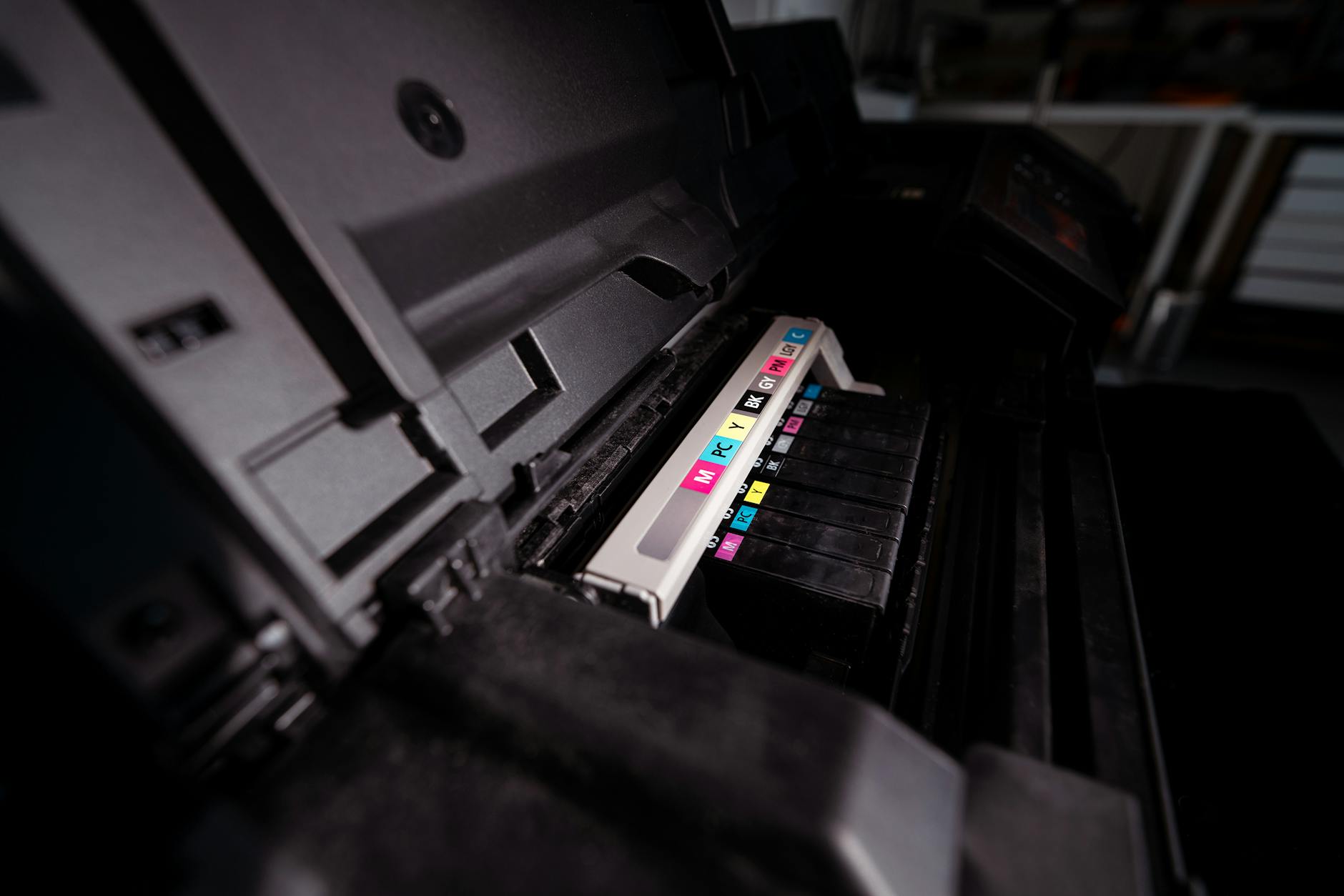
Choosing the right material is crucial in brochure printing, as it directly impacts the durability, visual appeal, and overall perception of the final product. Singaporean printers offer an extensive selection of paper stocks and finishes designed to meet diverse branding objectives and budget considerations.
Standard paper options include gloss, matte, and satin finishes, each providing distinct tactile qualities and visual effects. Gloss finishes enhance vibrant colors and sharp images, making them ideal for visually driven marketing campaigns. Matte finishes, on the other hand, offer a sophisticated and understated look, reducing glare and fingerprints, thus suitable for professional and corporate applications. Satin finishes strike a balance between the two, providing a smooth sheen with a soft touch.

Beyond basic paper types, specialty stocks such as textured, metallic, or recycled papers are available for more distinct branding objectives. Textured stocks, including linen or cotton finishes, lend a tactile depth that resonates with luxury brands. Metallic papers introduce a reflective element fostering a premium appearance, while recycled papers emphasize eco-conscious branding efforts. Each material choice should align with the intended message and audience of the brochure.
Exploring Finishes and Coatings
Finishes and coatings are additional layers of protection and visual enhancement. UV coatings provide a glossy, durable surface suitable for high-impact visuals, ensuring longevity and resistance against scratches. Soft-touch coatings create a velvety surface, offering a tactile experience that invites engagement. Matte coatings can also be applied to reduce glare, especially for designs with detailed text or subtle visuals.
- Embossing and Debossing: Add tactile dimension or visual emphasis to specific elements such as logos or headings.
- Varnishes: Provide spot or overall gloss and matte effects, enhancing specific areas of the brochure for aesthetic or functional purposes.
- Lamination: Adds a protective layer that prolongs the lifespan and resists moisture and handling damage.
It’s important to select finishing options that complement the brochure’s design and purpose. For instance, a glossy finish may be preferred for vibrant visuals, while matte or soft-touch coatings enhance elegance and readability. Customizing these options allows brands to craft brochures that not only communicate effectively but also feel premium and inviting to potential clients.
Environmental and Cost Considerations
In Singapore, sustainability is increasingly influencing material selections. Eco-friendly options such as recycled papers and vegetable-based inks are widely available, enabling companies to align their visual marketing with environmental values. These materials often come at a slightly higher cost but can significantly enhance brand perception among eco-conscious consumers.
Cost efficiency remains a key consideration. Bulk printing and selecting standard materials can reduce expenses, making brochure printing a feasible solution even for smaller businesses. Striking the right balance between quality and budget ensures that marketing resources are optimized for maximum impact.
Materials, Paper Stocks, and Finishes
Choosing the appropriate materials and finishes is fundamental to producing visually appealing and durable brochures. High-quality paper stocks such as gloss art paper, matte art paper, and uncoated options are commonly used for their specific tactile and visual properties. Gloss art paper, for example, enhances vibrant colors and sharp images, making it suitable for promotional brochures that rely on eye-catching visuals. Conversely, matte art paper offers a subdued, elegant appearance and reduces glare, ideal for brochures that prioritize readability and a sophisticated aesthetic.
Beyond the base paper, various finishing techniques can significantly elevate the presentation. Lamination provides a protective layer, shielding brochures from moisture, handling damage, and UV exposure. Spot UV coating adds a glossy, shiny accent to select areas, such as logos or headers, creating visual emphasis and a tactile experience. Hot-stamping employs metallic or pigmented foils to impart a luxurious feel, often used for branding elements or titles. Incorporating these finishes increases the aesthetic appeal and longevity of printed brochures, ensuring they withstand the rigors of distribution and handling.
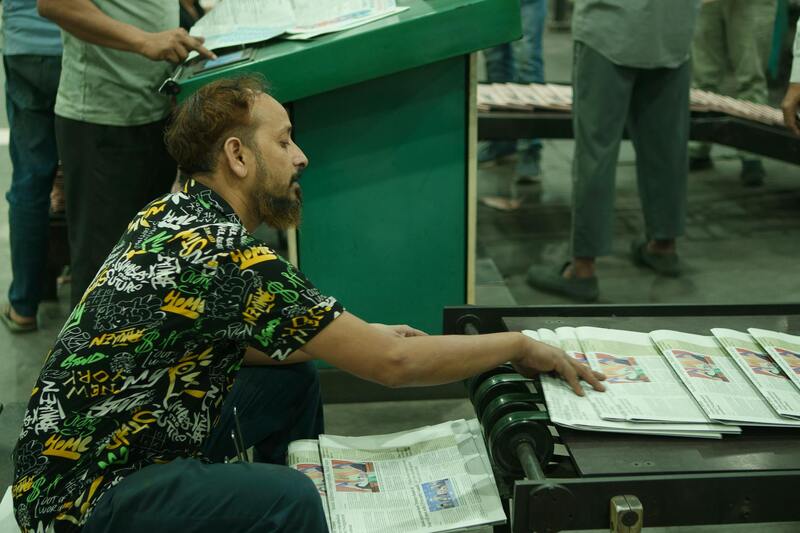
Material selection can also be aligned with branding and environmental considerations. Eco-friendly options such as recycled paper stocks and vegetable-based inks are increasingly available, allowing companies to communicate their commitment to sustainability without compromising on quality. These materials often lend brochures an additional layer of credibility, resonating well with environmentally conscious audiences. While they might carry a marginally higher cost, their contribution to a positive brand image and reduced environmental impact can justify the investment.
Design and Customization Options
Customized brochure designs are pivotal in capturing target audiences’ attention and reinforcing brand identity. Design elements encompass layout, color schemes, typography, imagery, and overall visual hierarchy. Effective design communicates messages succinctly while maintaining aesthetic appeal. Collaborating with experienced designers or utilizing advanced design software ensures precision and alignment with marketing goals.
Customization extends to fold styles, size, and structural formats. Options include bi-fold, tri-fold, z-fold, and accordion folds, each offering unique advantages based on content complexity and distribution method. For example, a tri-fold format efficiently organizes information into sections, suitable for product catalogs or service directories. Conversely, more elaborate folds like the gatefold or Z-fold provide creative opportunities to showcase visuals or unveil messages dynamically.
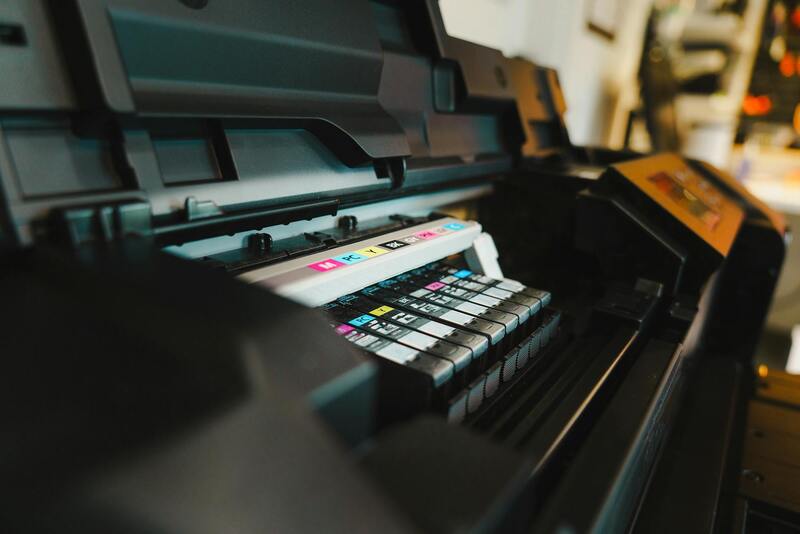
Advanced customization also encompasses incorporating features like die-cut windows, embossed elements, or tactile finishes to create memorable, engaging brochures. These techniques allow brands to craft unique pieces that stand out in competitive markets. Moreover, integrating QR codes or augmented reality (AR) elements offers interactive experiences, bridging print and digital channels seamlessly.
Ultimately, tailored brochure design and customization empower organizations to produce marketing collateral that is not only visually compelling but also precisely aligned with their strategic communication objectives. Whether opting for minimalistic elegance or bold statements, these choices contribute to a cohesive brand narrative and leave lasting impressions on potential clients or partners.
Materials, Paper Stocks, and Finishes
Choosing the appropriate materials and finishes is fundamental to achieving a professional appearance and ensuring durability for your brochures. High-quality paper stocks vary in weight, texture, and opacity, influencing the tactile experience and visual impact of the printed materials. Standard options include gloss, matte, and satin finishes, each offering distinctive aesthetic qualities that can complement different branding styles. For example, gloss finishes lend vibrancy and sharpness to images, making visuals stand out, whereas matte finishes provide a subdued, elegant look with reduced glare, suitable for text-heavy brochures.
Beyond basic coatings, specialty finishes such as velvet or soft-touch coatings can add a luxurious feel, providing a tactile dimension that enhances brand perception. Embossed or debossed elements can create visual interest and tactility, drawing attention to specific design features like logos or headlines. For more interactive elements, spot UV coating selectively applied to certain areas can create contrast and a subtle gloss effect against matte backgrounds. These finishes not only improve the visual appeal but also add a layer of protection, safeguarding against fingerprints, smudges, and wear.
Another consideration is eco-friendly and sustainable materials, which are increasingly in demand. Recycled paper stocks and vegetable-based inks provide environmentally conscious options without compromising print quality. These materials demonstrate a brand’s commitment to sustainability while maintaining a professional presentation.
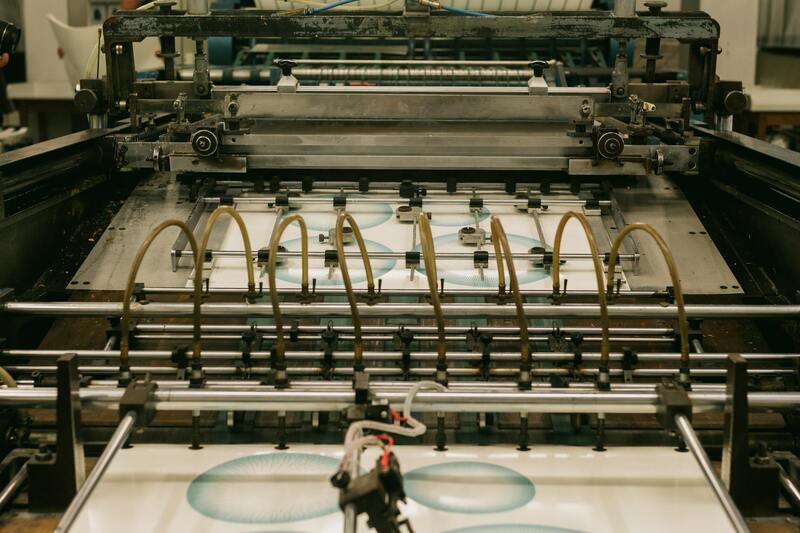
Custom finishes can be tailored to align with specific branding goals. For instance, a business targeting an upscale market might opt for thick, textured cardstocks with embossed or foil-stamped details, creating an impression of exclusivity and refinement. Conversely, brands seeking a modern, minimalist look might prefer lightweight, smooth stocks with subtle matte finishes, allowing clean lines and uncluttered designs to take precedence.
The choice of materials and finishes directly correlates with the brochure’s purpose and distribution method. Hand-delivered brochures may benefit from more tactile and luxurious finishes to make a memorable impact, whereas mass-distributed leaflets might prioritize cost-effectiveness without sacrificing quality. Collaborating with a seasoned printing service ensures that your selections are compatible with your overall marketing strategy, delivering a final product that resonates with your target audience and withstands handling over time. To ensure that each brochure meets the highest standards of vibrancy, clarity, and consistency, leading printing services employ a combination of digital and offset printing technologies. Offset printing remains the preferred choice for large volume orders, providing sharp image reproduction and precise color matching through well-calibrated presses. Digital printing, on the other hand, offers flexibility for short-run projects and quick turnarounds without sacrificing quality, making it suitable for customized or variable data printing.
Maintaining quality throughout the production process involves rigorous quality control protocols. These include color management systems that standardize color outputs across different machines and batches, as well as regular calibration of printing equipment. Pre-press checks ensure that designs are properly formatted, with high-resolution images and accurate bleed margins, reducing the likelihood of errors or misalignments.
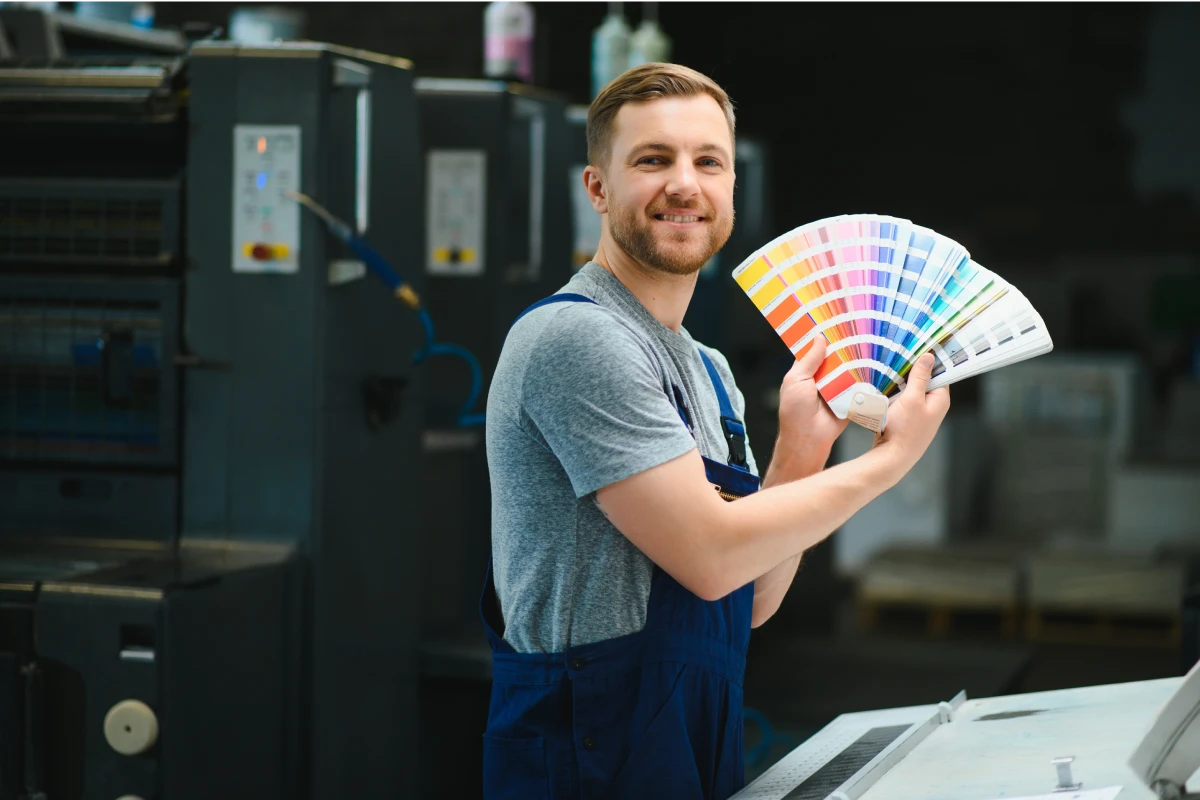
Color consistency is vital for branding purposes, and most reputable printers utilize spectrophotometers to match colors precisely to brand specifications. Furthermore, proofing options—such as digital proofs or press checks—allow clients to review the design and quality before the full production run. This collaborative review process helps prevent costly mistakes and ensures the final product aligns with expectations.
Additionally, some printers incorporate advanced finishing techniques post-printing, such as coating or lamination, to enhance durability and visual appeal. Matte, gloss, or soft-touch finishes can be selected based on the intended aesthetic and functionality, providing tactile qualities that elevate the overall presentation. Implementing these quality assurance measures guarantees that each brochure not only looks professional but also withstands handling and environmental factors during distribution.
Advanced Printing Technologies and Quality Control Measures
Materials, Paper Stocks, and Finishes
Choosing the right materials is essential to producing brochures that not only look appealing but also withstand handling and environmental factors. High-quality paper stocks like coated or uncoated papers are commonly used for brochure printing. Coated papers, such as gloss, matte, or satin finishes, enhance color vibrancy and provide a smooth surface that complements vibrant graphics and images. Uncoated papers, on the other hand, offer a more tactile, natural feel suitable for certain branding styles or eco-friendly initiatives.
Weight and thickness play a crucial role in conveying a sense of professionalism and durability. Typically, brochures are printed on paper stocks ranging from 80gsm to 300gsm. Thicker stocks, such as 150gsm or higher, are preferred for covers or high-end presentations, ensuring sturdiness and a premium appearance. Lighter weights are suitable for inserts or informational leaflets where flexibility and cost-effectiveness are priorities.

Finishing Techniques for Brochures
Finishing options can significantly elevate the visual appeal and tactile experience of brochures. Common finishing techniques include coating and lamination, which provide protective layers against smudges, scratches, and environmental wear. Matte finishes lend a sophisticated, non-reflective surface that reduces glare, ideal for text-heavy brochures. Gloss finishes, by contrast, emphasize vibrant colors and sharp images, creating a striking visual impact. Soft-touch coatings further add a luxurious feel, making your brochure memorable to recipients.
In addition to coating, techniques such as UV coating are available for specific elements like logos or images, providing localized gloss or matte effects that draw attention. Spot UV, for example, enhances certain design features, adding depth and dimension. Embossing and debossing offer tactile variations, elevating decorative elements or branding logos. These techniques, combined with high-quality paper choices, result in professional, durable brochures that leave a lasting impression.

Proper Selection Based on Purpose and Audience
Understanding the purpose of your brochure and the target audience is fundamental to selecting materials and finishes. For instance, a luxury brand might opt for thicker, textured paper stocks with soft-touch coatings to convey exclusivity and refinement. Conversely, for informational brochures distributed in high-volume settings, lightweight gloss or satin finishes on economical stocks could be more appropriate, balancing quality with budget considerations.
The tactile feel of the chosen materials influences the recipient’s perception of your brand. Durability is also a key factor; brochures expected to withstand frequent handling should feature sturdy paper stocks with protective finishes like lamination or UV coating. Weather-resistant coatings further ensure that outdoor distributions remain visually intact despite exposure to elements.
Consulting with a reputable printing service ensures that the selected materials and finishes align with your marketing goals, budget, and distribution plans, ultimately enhancing the overall effectiveness of your brochure campaign.
Overview of Brochure Printing in Singapore
Brochure printing remains a vital component of marketing strategies across Singapore, providing businesses with a versatile platform to communicate their message visually and textually. The vibrant urban landscape and competitive marketplace demand high-quality printed materials that not only inform but also captivate potential clients. In Singapore, specialized printing services offer an extensive array of options, emphasizing precision, durability, and aesthetic appeal. From small startups to multinational corporations, companies rely on professional brochure printing to strengthen brand identity and support marketing campaigns effectively. Experts in the field utilize advanced printing technologies and premium materials to produce brochures that stand out, whether for trade shows, retail distribution, or corporate presentations.

Types of Brochures and Folding Styles
Dynamic designs and diverse folding styles allow brochures to serve various purposes and presentations. Common types include bi-fold, tri-fold, z-fold, and gate fold brochures, each offering unique spatial arrangements for content and imagery. For example, tri-fold brochures are widely favored for their compact form and ease of handling, making them ideal for expos and direct mail campaigns. Gate fold brochures open to reveal a central panel, perfect for highlighting key messages or premium product features. The choice of folding style impacts the overall presentation and user experience, influencing how content is prioritized and perceived.
In addition to basic folds, specialized options like accordion or double parallel folds provide expanded space for detailed information or creative storytelling. Custom fold designs can effectively integrate visuals and copy, enabling brands to craft memorable interactions with their audience. In Singapore, experienced printing providers tailor folding styles to match the brochure’s purpose, ensuring a cohesive visual flow that aligns with marketing objectives.

Materials, Paper Stocks, and Finishes
The material selected for brochure printing significantly influences the final product's tactile quality, durability, and visual impact. Singapore's printing clients have access to an extensive selection of paper stocks, ranging from economical uncoated papers to luxurious textured and thick cardstock options. Heavier stocks, such as 300-400 gsm, are common for high-end brochures, providing sturdiness and a premium feel. Uncoated papers are suitable for brochures requiring a matte finish, which minimizes glare and enhances readability, ideal for detailed reports or artistic portfolios.
Finish options further elevate brochures by adding visual polish and protection. Glossy finishes accentuate vibrant colors and sharp images, making visuals pop, while satin or matte coatings offer subtle elegance and reduce fingerprints. For added durability, laminates and UV coatings safeguard against wear and environmental factors, extending the brochure’s lifespan. Weather-resistant finishes are particularly advantageous for outdoor distributions, ensuring the brochures maintain their visual appeal despite exposure to elements.
Design and Customization Options
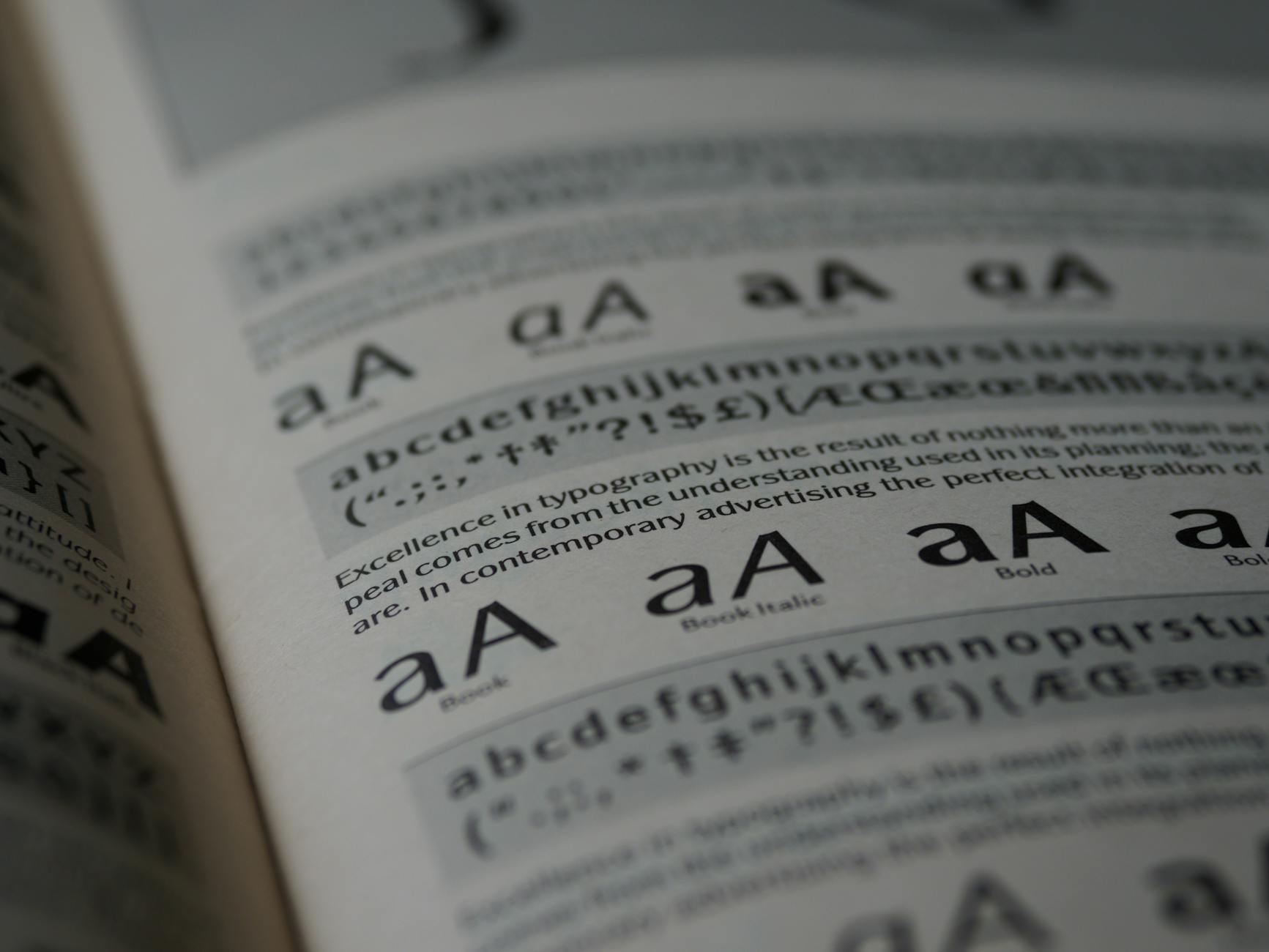
Design plays a crucial role in determining how effectively a brochure communicates its message. In Singapore, printing services offer comprehensive customization options, including bespoke layouts, high-quality graphics, and professional typography. Using advanced design software, brands can collaborate with graphic designers to create visually engaging brochures tailored precisely to brand standards and campaign goals.
Customization extends beyond visuals to include special finishing details such as spot UV varnishes, embossing, or foil stamping, adding tactile and visual depth. These embellishments are instrumental in highlighting logos or key information, fostering a memorable impression. Additionally, variable data printing enables personalized brochures tailored to specific customer segments, enhancing engagement through targeted content delivery.
Printing Technologies and Quality Assurance
Precision and quality are the hallmarks of professional brochure printing in Singapore. Most providers employ digital or offset printing technologies, selected based on order volume, turnaround time, and desired quality. Offset printing, renowned for its high fidelity and color consistency, is preferred for large-volume runs, ensuring each brochure maintains uniformity. Digital printing, on the other hand, offers quick turnaround times and cost-effectiveness for smaller quantities or personalized orders.
Stringent quality assurance processes are integral to delivering consistent results. Proofing options allow clients to review layout and color accuracy before full production. During printing, color calibration and material checks prevent discrepancies. Post-print inspections ensure finishes are flawless, and any imperfections are addressed promptly, ensuring that each batch meets the highest standards.
Turnaround Time and Delivery
Singapore’s printing companies are equipped to meet tight schedules without compromising quality. Standard turnaround periods for brochure printing typically range from 3 to 5 business days, depending on complexity, quantity, and finishing requirements. Express options are available for urgent projects, often reducing delivery times to 48 hours or less, catering to last-minute marketing needs.
Efficient logistics partnerships ensure prompt delivery across the island and to international markets. Many service providers utilize reliable courier networks, tracking systems, and scheduled pickups to guarantee on-time arrivals. Customers can also opt for local pickup at print shops, allowing for direct control over the process and immediate inspection of the finished brochures.
Official Methods for Brochure Printing in Singapore
Utilizing Certified Printing Technologies
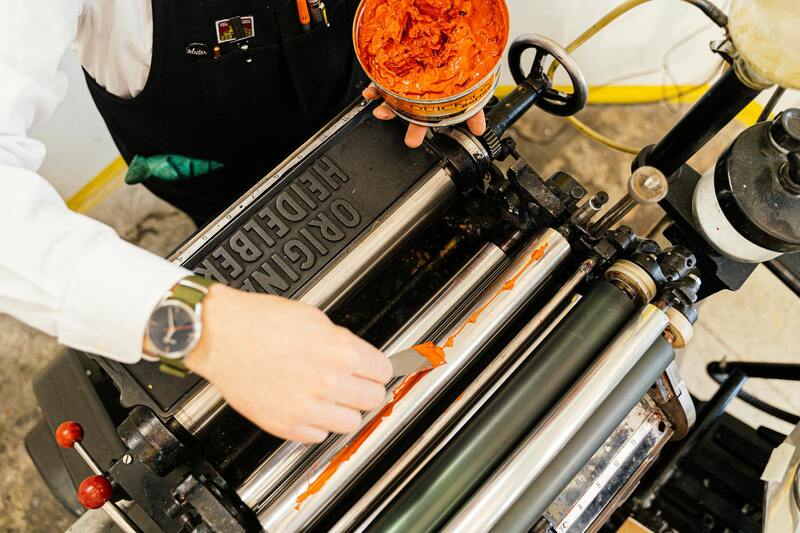
When selecting a brochure printing service, it is essential to confirm that the provider employs recognized and certified printing technologies. Industry-standard offset and digital printing systems are known for producing high-resolution images and sharp text, ensuring that each brochure maintains a professional appearance. Offset printing is preferred for large-volume runs due to its consistency and cost-effectiveness, while digital printing offers flexibility for shorter runs and personalized designs. Reputable printers also incorporate advanced color management and calibration systems to guarantee color accuracy and consistency across batches. These technologies help in achieving vibrant, true-to-design brochures that align perfectly with branding requirements.
Adhering to Quality Assurance Protocols
Legitimate printing establishments follow rigorous quality control procedures at every stage of the production process. This includes pre-press proofing, where clients are provided with digital or physical samples to review layout, color accuracy, and overall design. Once approved, the printing process proceeds with checks for print alignment, color consistency, and material integrity. During production, in-line inspections verify that each brochure meets the specified standards. Post-print audits involve detailed examinations of finished products to identify and rectify any cosmetic or structural imperfections. These comprehensive quality assurance measures help maintain the high standards expected of professionally printed brochures.
Certifications and Industry Standards
Legitimate printing companies often hold certifications such as ISO 9001, highlighting their commitment to quality management processes. These standards ensure consistent delivery of print products that meet predefined quality benchmarks. Additionally, adherence to environmentally friendly practices, such as ISO 14001 certification, indicates responsible management of resources and waste during production. Clients can request documentation of such certifications to validate the credibility and professionalism of the printing service. Choosing a provider with recognized certifications underscores a commitment to quality, reliability, and sustainable practices.
Secure Handling of Sensitive Data and Materials
For clients requiring personalized or confidential brochures, reputable printers implement secure data handling procedures. This includes encrypted data transfer, restricted access to digital files, and secure storage during the production cycle. Trustworthy printing firms also follow strict protocols for material handling to prevent damage or loss of sensitive items. By prioritizing security, these companies ensure that client information remains confidential and that final products are delivered intact and on schedule. This level of professionalism reinforces the importance of working with established and verified printing providers in Singapore.