Professional Brochure Printing Services In Singapore
Overview of Professional Brochure Printing
In the realm of corporate branding and marketing, professional brochure printing emerges as an indispensable asset for conveying brand messages effectively. Brochures serve as tangible representations of a company's identity, products, and services, providing a comprehensive overview that can influence customer perception and purchasing decisions. For businesses operating within Singapore, leveraging high-quality brochure printing services ensures their marketing collateral stands out in a competitive landscape. These printed materials not only enhance brand visibility but also establish credibility, demonstrating a commitment to quality and professionalism.

Brochure printing encompasses a variety of formats and styles tailored to meet diverse marketing objectives. Whether for product launches, corporate presentations, or event promotions, a well-designed brochure communicates vital information seamlessly. Businesses can choose from various styles such as bi-fold, tri-fold, Z-fold, or gate fold, each offering unique visual and functional benefits. The folding style impacts not only the aesthetic appeal but also how information is segmented and navigated by the reader. A professional printing partner offers expertise in selecting the most suitable fold for your campaign, ensuring your brochures are both visually appealing and user-friendly.
Types of Brochures and Folding Styles
Brochures come in multiple formats, each designed to suit specific content and distribution needs. Common types include:
- Bi-fold Brochures: Divided into two panels, ideal for straightforward messaging and promotional offers.
- Tri-fold Brochures: Three panels folded into a compact, easy-to-handle format, widely used for product catalogs and informational pamphlets.
- Z-fold Brochures: Similar to tri-folds but with a zigzag fold that allows for layered content and sequential storytelling.
- Gate Fold Brochures: Features two end panels that open to reveal a larger central panel, perfect for impactful visuals or main messages.
Selecting the appropriate folding style enhances message delivery and ensures the brochure aligns with the campaign’s objectives. Combining these formats with premium finishing options elevates the overall presentation.
Material Options and Finishes
The choice of material significantly influences the tactile experience and durability of printed brochures. Standard options include gloss and matte papers, each imparting a distinct look and feel. Gloss finishes enhance colors and visuals, making images more vibrant and eye-catching, which is ideal for product showcases. Matte finishes, on the other hand, offer a subdued elegance with minimal glare, suited for text-heavy or professional communications.
For added sophistication and protection, finishes like spot UV coating, lamination, or varnishing can be applied. These treatments not only improve the aesthetic appeal but also safeguard the brochure against wear and tear, ensuring the material maintains its quality over time. Incorporating textured or specialty papers, such as thick cardstock or recycled materials, can further differentiate your brochures, reinforcing brand values and sustainability commitments.
Understanding the Critical Aspects of Professional Brochure Printing
Choosing the right approach for professional brochure printing involves a comprehensive understanding of diverse factors that influence the final product's effectiveness and quality. From selecting suitable materials to ensuring color accuracy, each element plays a vital role in producing a brochure that aligns perfectly with your brand and communication goals. Meticulous attention to detail in the printing process guarantees not only aesthetic appeal but also durability and a tactile experience that leaves a lasting impression on your audience.
Material Selection and Finishing Techniques
The foundation of a professional brochure starts with selecting appropriate materials. The choice of paper stock directly influences the brochure’s visual impact and tactile experience. Common options include:
- Glossy Paper: Enhances color vibrancy and image clarity, ideal for product-rich brochures that demand visual appeal.
- Matte Paper: Offers a subdued, elegant finish with minimal glare, perfect for text-heavy or corporate communication materials.
- Textured or Specialty Papers: Include materials like thick cardstock or recycled paper, adding a unique touch that can reinforce brand values or support sustainability initiatives.
Finishing techniques add sophistication and durability to the printed brochures. Options such as spot UV coating, lamination, varnishing, or embossing not only elevate aesthetic appeal but also provide protection against everyday wear and tear. These treatments make the brochures more resilient, ensuring they maintain their appeal over time and withstand handling during distribution.
Color Management and Visual Consistency
Accurate color reproduction is essential for conveying your brand identity effectively. Professional brochure printing utilizes advanced color management systems to ensure precise color matching, especially when working with corporate logos or specific brand palettes. Color consistency across batches is achieved through calibrated printers and high-quality ink systems, preventing discrepancies that could diminish brand recognition.
Print Quality Standards and Equipment
Only through the use of state-of-the-art printing technology can consistent, high-resolution output be guaranteed. Digital presses with high dpi settings and offset printing machines equipped with advanced color controls are standard in delivering sharp images and crisp text. These technologies support intricate designs and vibrant visuals that meet professional standards, making your brochures visually compelling and professionally executed.
Ensuring Environmental Sustainability in Printing
Balancing quality with environmental responsibility is increasingly relevant in brochure production. Recycled papers, vegetable-based inks, and eco-friendly coatings are options that help reduce the environmental footprint of printing projects. Selecting environmentally conscious materials and processes not only aligns with sustainability goals but can also appeal to eco-aware consumers, enhancing your brand reputation.
Choosing the Right Method for Authenticity and Quality Assurance
When it comes to professional brochure printing, selecting the appropriate printing method is crucial for ensuring that the final product meets high standards of quality and consistency. The comparison of printing techniques often involves evaluating digital printing versus offset printing, each offering distinctive advantages suited to different project sizes and quality requirements.
Digital Printing
Digital printing is an efficient option for short runs and quick turnaround times. It employs advanced inkjet or laser technologies that directly transfer digital images onto paper, facilitating cost-effective production without compromising on sharpness or color fidelity. Digital presses tend to have higher flexibility for personalized customization, enabling businesses to tailor brochures for targeted audiences or specific campaigns. However, while digital printing can produce high-quality images, the resolution might be slightly less refined than offset printing, especially for larger batch quantities.
Offset Printing
Offset printing remains the gold standard for producing premium brochures with impeccable color consistency and sharp detail. This technique involves transferring ink from metal plates onto rubber blankets and then onto the printing surface, allowing for precise color matching and high-resolution imagery. Offset printing is particularly advantageous for large-volume jobs because it maintains uniform quality across extensive batches. Its ability to reproduce intricate designs, vibrant color gradients, and fine text makes it a preferred choice for companies aiming for a polished and professional image in their promotional materials.

Standing Standards and Quality Control Measures
Implementing strict quality assurance protocols is key to maintaining high standards throughout the professional brochure printing process. These protocols include the calibration of printing machines, rigorous color management workflows, and regular testing procedures. Calibrated printers utilize standardized color profiles that ensure specific color values are reproduced accurately across different print runs. This consistency is vital for preserving brand identity, especially when using unique brand colors, logos, or subtle gradients.
Besides equipment calibration, quality control involves inspecting proofs before full production. Digital proofs and color proofs are generated to review color accuracy, layout alignment, and overall print appearance. On-site inspection during printing further ensures that each batch adheres to predetermined specifications, reducing the risk of defects or discrepancies that could undermine the professional appearance of your brochures.
Eco-friendly Printing Practices and Material Authenticity
Adopting environmentally responsible methods during brochure production not only aligns with corporate sustainability goals but also enhances brand reputation. Utilizing recycled or FSC-certified papers, vegetable-based inks, and eco-friendly coatings demonstrates a commitment to reducing environmental impact. These practices do not compromise on producing vibrant, durable brochures; instead, they emphasize responsible sourcing and manufacturing processes that adhere to strict environmental standards.
Authentic materials reinforce the legitimacy of your printed materials, assuring clients and partners that your organization values quality and sustainability equally. Moreover, eco-conscious choices in paper and ink contribute to preserving natural resources while providing a tactile impression of quality, further reinforcing the professional image conveyed through your brochures.
Conclusion
Choosing the most suitable printing method involves balancing considerations of volume, quality, budget, and environmental responsibility. Offset printing remains the preferred method for achieving consistent, detailed, and vibrant brochures suitable for high-impact branding. Digital printing serves well for quick, customized projects with smaller quantities. Ensuring strict quality control, precise color management, and sustainable material choices guarantees that your brochures meet professional standards and effectively communicate your brand’s message with authenticity and visual appeal.
Combination Methods and Ensuring Consistency in Official Printed Materials
To uphold the integrity and professionalism of your printed brochures, implementing combination printing methods can be highly effective. This involves utilizing both offset and digital printing techniques to leverage the strengths of each process according to specific project requirements. Offset printing excels in producing large volumes of vibrant, consistent color-rich brochures, ensuring that your brand visuals remain accurate across extensive print runs. Conversely, digital printing allows for quick turnaround times and easy customization for short runs or personalized versions, making it perfect for targeted campaigns or regional distribution. Maintaining color consistency across different printing methods is crucial for preserving brand identity. This can be achieved through meticulous color management practices, including using standardized color profiles, calibrated equipment, and proofing protocols. Color matching ensures that every brochure, regardless of the printing process, aligns with your organization's visual standards, reinforcing a reliable and authoritative image to clients and stakeholders. Ensuring the quality of official printed materials also involves controlling printing conditions, such as paper moisture levels and press settings, to prevent variations. Incorporating quality checks at multiple stages—pre-press proofing, during the print run, and post-production inspection—minimizes errors and guarantees a uniform, polished look for all brochure copies. Additionally, selecting reputable printing facilities with experience in handling official corporate materials is vital. Such providers are equipped with advanced printing technology, strict quality assurance processes, and trained personnel who understand the nuances of professional printing. They can offer guidance on suitable paper stocks, finishes, and binding options that enhance the durability and tactile impression of your brochures. Finally, establishing clear communication channels with your printing partner allows for detailed briefings concerning your branding requirements, design specifications, and quality expectations. This collaboration ensures that the final product not only meets your standards but also aligns with the overall strategic positioning of your organization, fostering trust and credibility in all your official communications.
Understanding the Most Reliable Methods of Official Brochure Printing
When producing official brochures that accurately represent your organization’s image and convey critical information, leveraging established and reputable printing techniques is essential. Offset printing remains the industry standard for producing high-volume, consistent, and high-quality brochures with precise color reproduction and sharp detail. This method utilizes printing plates, typically made of metal, to transfer ink onto paper, allowing for efficient mass production while maintaining consistency across large quantities.
Digital printing has gained prominence due to its versatility and speed. It is particularly valuable for short runs or quick turnaround projects, offering exceptional color fidelity and detailed image reproduction. Digital presses operate by directly applying digital images onto paper, minimizing setup costs and enabling on-demand printing, which is ideal for organizations requiring smaller quantities with rapid delivery.

Beyond Printing: Ensuring Service Quality and Authenticity in Brochure Production
To uphold the highest standards in official brochure printing, a comprehensive approach involves meticulous quality assurance measures and adherence to industry best practices. Selecting a trusted printing provider that employs advanced equipment, such as state-of-the-art offset and digital presses, ensures vibrant, accurate reproductions of your branding elements. Maintaining strict quality controls, including color calibration and proofing procedures, minimizes discrepancies and guarantees consistency across all printed materials.
Reputable printers also prioritize the integrity of official documents by implementing rigorous inspection processes. These include pre-press reviews to confirm design accuracy, real-time monitoring during printing to detect anomalies, and post-production checks to verify color matching and finishing quality. Such layered quality measures assure that every brochure leaving the facility reflects professionalism and attention to detail.
Further, establishing clear communication channels with your printing partner fosters a smooth workflow. Detailed briefs covering design specifications, color standards, paper choices, and finishing requirements help align expectations. This collaborative approach supports the production of official brochures that serve as authoritative representations of your organization’s identity and message.
Official Methods for Authentic and Verified Printing
- Use of Certified Printing Facilities: Working with established printing companies with a proven track record in handling sensitive and official materials.
- Secure Handling and Material Integrity: Ensuring the use of high-grade, certified papers and inks that meet industry standards for durability and appearance.
- Document Verification and Quality Checks: Implementing multiple stages of review at each phase of the printing process, from digital proof approval to final inspection.
- Traceability and Record Keeping: Maintaining detailed records of production batches and materials used to verify consistency and authenticity.
- Standardized Color Management Protocols: Employing calibrated equipment and color matching systems to ensure brand consistency and prevent discrepancies between digital designs and printed outputs.
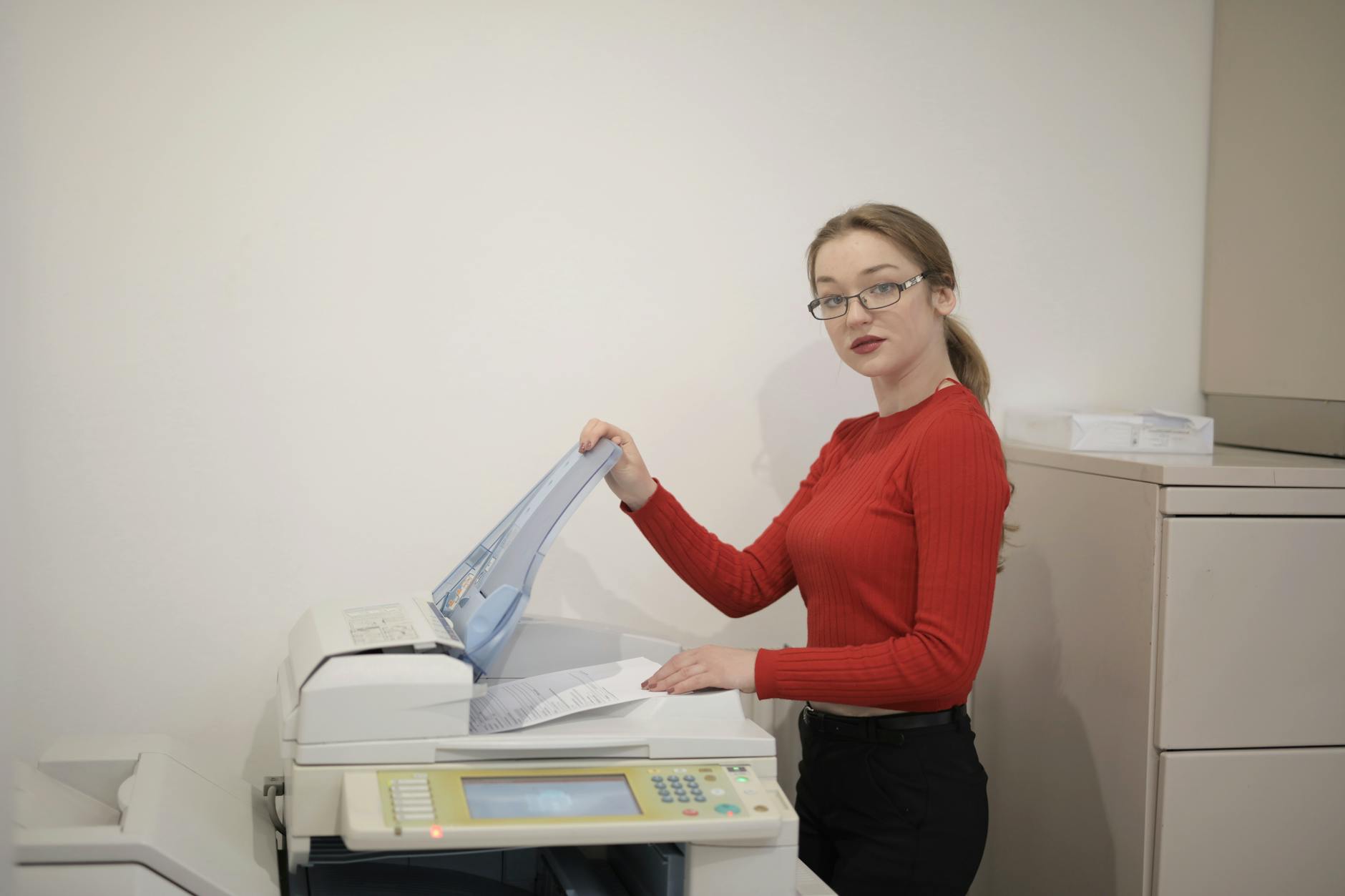
Adopting these documented methods guarantees that your brochure printing processes align with best practices, ensuring the final product's quality, accuracy, and authority. Such practices not only enhance your organizational image but also reinforce trust with stakeholders who rely on official printed materials for communication and representation.
Secure and Verified Methods for Professional Brochure Printing
Maintaining the integrity of official brochures requires adherence to proven, legitimate printing processes that ensure authenticity, durability, and clarity. Selecting the appropriate methods and partners is essential for organizations that rely on printed materials to communicate their mission accurately and professionally. This involves a multi-faceted approach that emphasizes certified facilities, meticulous quality checks, and rigorous control over materials and color accuracy.
Use of Certified Printing Facilities
Partnering with established printing companies recognized for their adherence to industry standards guarantees the use of compliant equipment and processes. Certified facilities follow strict guidelines in handling sensitive designs and materials, ensuring that every brochure produced aligns with the organization’s specifications and quality expectations. Such partnerships facilitate consistent results across large batches, preventing discrepancies and maintaining uniformity throughout the printing lifecycle.
Secure Handling and Material Integrity
Proper material management is fundamental for producing official brochures. This encompasses the utilization of high-grade, certified papers and inks that meet stringent durability and appearance criteria. Using verified materials protects the print from degradation over time and resists environmental factors such as moisture or fading, ensuring the brochure remains authoritative and representative of the organization’s message.

Document Verification and Rigorous Quality Checks
Implementing comprehensive inspection processes during every phase—from digital proofing to final product review—safeguards against errors and inconsistencies. Multiple reviews involve digital previews, color calibration checks, and physical sample inspections to verify that the printed output matches the approved design. These meticulous quality controls foster confidence that each brochure fulfills organizational standards for authenticity and professionalism.
Traceability and Record Keeping
Maintaining detailed documentation of production batches, material sources, and process checkpoints ensures traceability. Such records facilitate audits and enable prompt resolution of any issues that may arise, reinforcing the reliability of the printing process. Traceability also demonstrates accountability, which upholds the authoritative nature of official printed materials.
Standardized Color Management Protocols
Color consistency across printed materials is vital for brand recognition and message clarity. Employing calibrated equipment and advanced color matching systems ensures that digital designs translate accurately onto physical media. These standardized protocols eliminate discrepancies between on-screen visuals and the printed brochure, preserving visual integrity and organizational credibility.
In sum, utilizing certified facilities, high-quality materials, and methodical quality assurance processes are the bedrock of authentic and verified brochure printing. Implementing these official methods guarantees that your printed communication tools project a trustworthy and professional image, reinforcing your organization's standing among stakeholders and clients alike.
Understanding Official Methods for Professional Brochure Printing
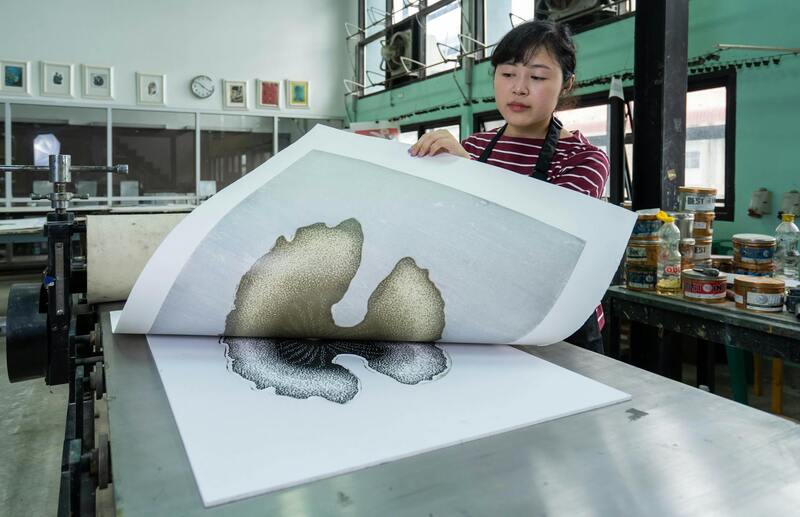
Ensuring that brochure printing is conducted through certified and verified processes is fundamental to achieving a polished, authoritative, and authentic end product. The deployment of material sourcing, printing protocols, and quality assurance techniques adheres to stringent standards that uphold the document's integrity and organizational credibility. Leveraging advanced printing technologies, such as offset and digital printing, along with meticulous color management and calibration, guarantees precise color reproduction and crisp image clarity. These measures help to prevent discrepancies between digital design concepts and the physical printed output, fostering consistent branding and professional presentation.
Authentic Material Selection and Quality Control
Using verified, high-quality substrates—such as coated papers, specialty finishes, and durable cardstocks—adds tactile appeal and longevity to your brochures. The selection process involves sourcing materials from reputable suppliers with transparent provenance, ensuring each batch meets specified standards. This is complemented by rigorous quality control checks at various stages of the printing cycle—including color calibration, print consistency assessments, and physical sample inspections—to verify that the final print aligns with your approved design specifications. This comprehensive approach maintains the credibility of the printed materials and reinforces your organization’s image.
Standardized Color Management Protocols
Implementing certified color management systems is critical to maintaining visual consistency across multiple print runs. Calibrated equipment and advanced color matching software ensure that digital files accurately translate onto print media, avoiding color shifts that could undermine brand recognition. This process involves detailed color profiling and standardization processes that address potential variations caused by different paper types or ink formulations. Consistency in color reproduction is key to project authority and to preserving your organization’s identity across all printed materials.
Traceability and Record-Keeping Practices
Building an audit trail through meticulous documentation supports accountability and facilitates resolution of any post-production concerns. By maintaining detailed logs of material origins, production batches, and processing stages, organizations can verify complete adherence to established standards. Record-keeping not only demonstrates transparency but also ensures that future print projects can replicate successful methods and materials, safeguarding organizational standards for official printing activities.
Leveraging Certified Facilities and Equipment
Partnering with printing vendors who operate under certified procedures and utilize accredited equipment further guarantees the authenticity of brochure outputs. These facilities often adopt industry-recognized standards such as ISO certifications, which attest to their commitment to quality and process integrity. Utilizing such certified providers minimizes the risk of errors, enhances quality control, and assures your stakeholders of the professionalism inherent in your printed communications.
Choosing a Professional Brochure Printing Partner
When selecting an organization to handle your brochure printing needs, several critical factors must be considered to ensure the final product aligns with your brand standards and communication goals. First, evaluate the provider's portfolio of past work, paying close attention to the quality of their printed materials and their ability to produce detailed, vibrant images and crisp text. A reliable partner will demonstrate a consistent track record of high-quality outputs, which can often be verified through client testimonials or samples of previous projects.
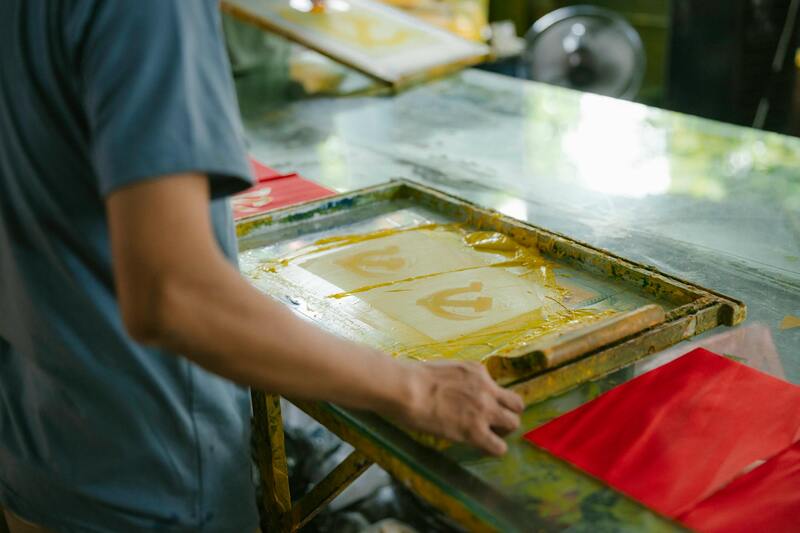
Next, assess the technological capabilities of the printing vendor. Modern equipment equipped with advanced printing technologies, such as offset or digital presses with high-resolution output, are key indicators of a partner capable of meeting diverse design requirements and color specifications. They should also offer a wide range of material options and finishes, allowing customization to best suit your brand image and target audience.
- Technological expertise: Ensure they utilize industry-standard machinery that adheres to current quality benchmarks.
- Range of services: Check if they provide additional services like bespoke finishes, embossing, foil stamping, or lamination which enhance the tactile appeal of your brochures.
- Customer support: A dedicated team that can advise on material selection, design adjustments, and production timelines is essential for a smooth process.
It’s also important to review the company's capacity for customization and flexibility to accommodate your project specifications. A good printing partner should provide detailed consultations to help optimize your brochure layout and materials, ensuring your message is effectively communicated. Furthermore, transparent pricing structures, clear turnaround times, and reliable delivery logistics, especially within Singapore, are critical in maintaining project schedules and budget constraints.
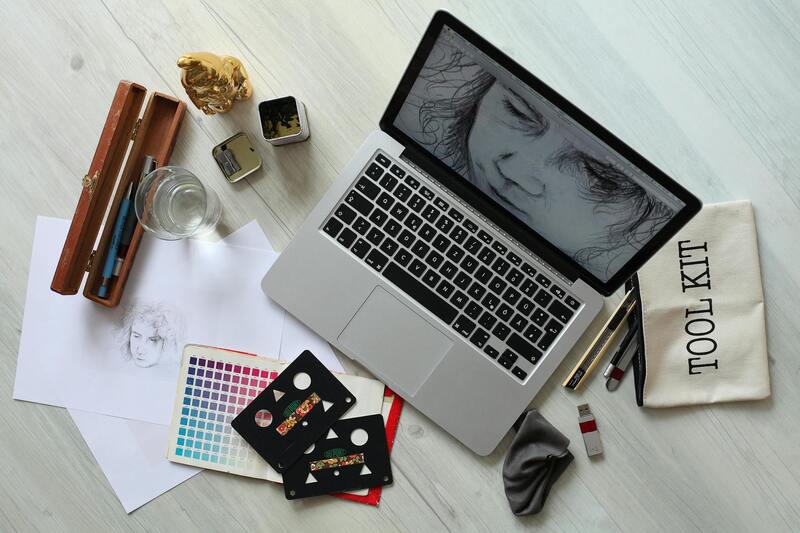
Ultimately, choosing a reputable printing provider involves verifying their adherence to established quality standards, their ability to produce consistent results, and their commitment to customer satisfaction. A trusted partner will uphold rigorous quality assurance processes, maintain comprehensive record-keeping for traceability, and utilize certified facilities and equipment to guarantee the excellence of your printed brochures. These combined efforts help to cement your organization’s professional image and ensure that your printed materials make a lasting impression on your target audience.