Guide To Bulk Brochure Printing: Strategies, Options, And Best Practices
Understanding Bulk Brochure Printing
Bulk brochure printing stands as a fundamental pillar in the marketing and branding strategies of many organizations. It involves the production of a large quantity of brochures, which serve as vital tools for conveying information about products, services, or corporate messages to a broad audience. Companies opt for bulk printing to ensure cost-effectiveness, uniformity, and readiness for large-scale distribution. Whether launching a new product, promoting an event, or enhancing brand visibility, bulk brochure printing offers a reliable solution for high-volume needs.
Choosing to print brochures in bulk can significantly maximize marketing impact. When printed in large quantities, it allows organizations to maintain consistent messaging across multiple channels and locations. Moreover, it reduces the per-unit cost, providing substantial savings in advertising budgets. This approach is especially beneficial for companies planning extensive distribution campaigns, trade shows, or seasonal promotions where large numbers of brochures are necessary.
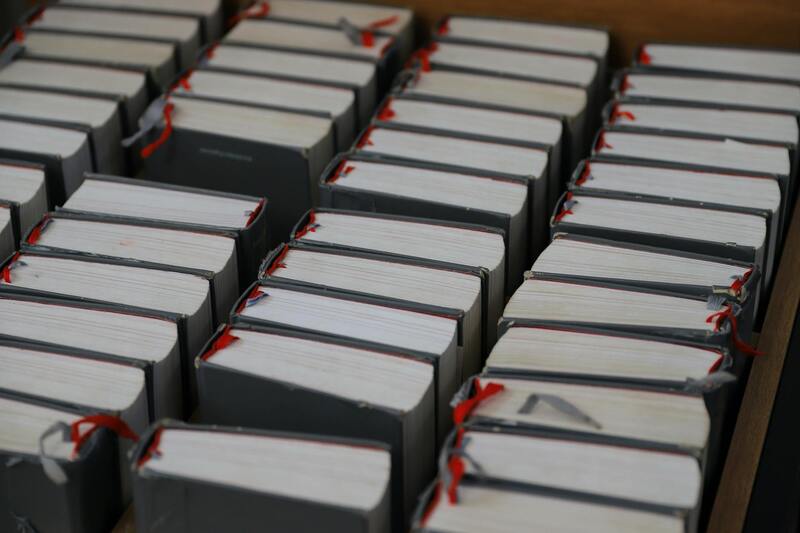
Another advantage of bulk brochure printing lies in its efficiency. Once the initial setup is complete, the printing process can be streamlined to produce thousands of copies within a relatively short timeframe. This speed ensures that marketing campaigns are launched on schedule, maximizing their relevance and impact. With advancements in printing technology, organizations can also achieve high-quality visuals and text that resonate with their target audiences.
In essence, bulk brochure printing serves as a strategic investment that supports long-term marketing objectives. It empowers businesses to deliver compelling, consistent, and visually appealing communications on a scale that traditional small-batch printing cannot match. For enterprises seeking to establish a strong market presence, understanding the nuances of bulk brochure printing is a crucial step toward effective brand promotion and outreach.
Understanding Bulk Brochure Printing
Bulk brochure printing is a strategic approach that combines large-scale production with high-quality output to meet diverse marketing demands. This method involves printing a significant number of brochures simultaneously, ensuring consistency in design, messaging, and branding across various distribution channels. It is especially advantageous for organizations aiming to maintain a cohesive visual identity while maximizing outreach efforts.
One of the primary benefits of bulk brochure printing is cost efficiency. When printing large quantities, the per-unit expense diminishes, allowing organizations to allocate resources more effectively within their marketing budgets. Additionally, high-volume printing reduces lead times, enabling campaigns to be launched or replenished without delays.
The versatility of bulk brochure printing extends to the customization options available. Modern printing technologies facilitate a wide array of finishes, paper types, and binding styles, ensuring that each batch aligns with specific campaign goals and branding standards. From glossy finishes that enhance visual appeal to durable materials suited for outdoor distribution, the choices are extensive.
Furthermore, bulk printing supports the deployment of comprehensive marketing campaigns. Large quantities of brochures can be distributed across multiple locations, at trade shows, or through direct mailing. This widespread distribution aids in amplifying brand visibility and engagement, helping organizations to establish a stronger market presence.
Efficiency and quality are paramount in bulk brochure printing. With state-of-the-art printing presses, high-resolution images, and precision color management, organizations can produce visually compelling brochures that resonate with their target audiences. Streamlined workflows and quality assurance protocols ensure consistency and adherence to standards throughout each run.
Another critical consideration is inventory management. Large print runs require careful planning to align production volume with anticipated demand, preventing excess stock or shortages. Proper forecasting and coordination with experienced printers can optimize inventory levels while ensuring timely delivery.
In sum, bulk brochure printing remains a cornerstone of effective marketing strategies, enabling brands to communicate their messages consistently and cost-effectively. When executed with precision and attention to detail, it supports long-term brand development by providing a reliable platform for promotional activities.
Understanding Bulk Brochure Printing
Bulk brochure printing is a strategic approach to producing large quantities of promotional materials that effectively support comprehensive marketing campaigns. This method involves utilizing high-volume printing processes that enable organizations to disseminate their brand message widely across various channels such as trade shows, direct mailings, and point-of-sale displays. By choosing bulk printing, businesses can achieve consistency in their messaging while also benefiting from economies of scale.
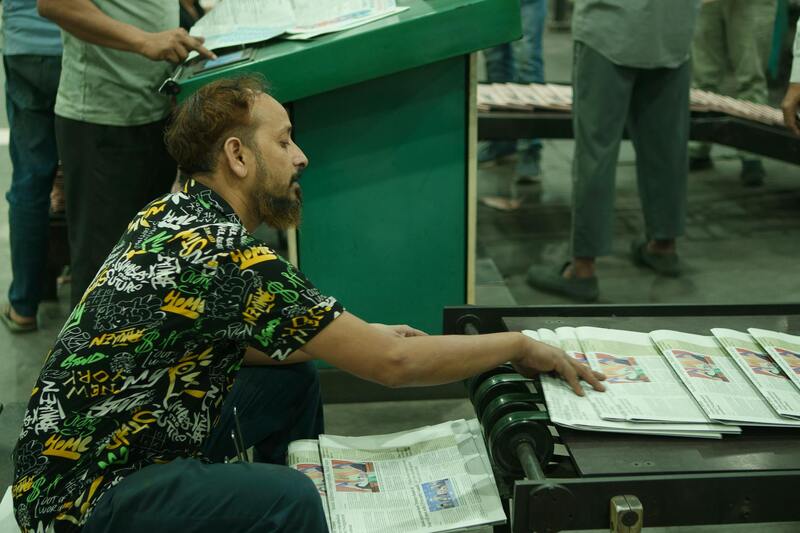
Advantages of Bulk Brochure Printing
- Cost Savings: Producing in large quantities significantly reduces the per-unit cost, making it an economical choice for extensive outreach.
- Brand Consistency: Ensuring uniformity across all marketing materials helps strengthen brand recognition and trust.
- Supply Preparedness: Maintaining sufficient inventory of brochures allows for timely distribution during marketing opportunities or events.
- Enhanced Market Reach: Distributing brochures in high volumes amplifies exposure, attracting a broader audience and increasing engagement.
Materials and Production Considerations
When opting for bulk brochure printing, selecting appropriate materials and finishes is crucial. Durable paper stocks such as gloss, matte, or uncoated options contribute to the brochure’s tactile appeal and longevity. Finishing techniques like lamination or UV coating can protect the print surface while improving visual impact. Additionally, choosing the right fold style—whether tri-fold, bi-fold, or special configurations—enables tailored presentation formats suited to specific marketing needs.

Impacts on Distribution and Marketing Strategies
Bulk brochure printing enhances the efficiency of distribution strategies by providing ready-to-go marketing collateral that can be deployed quickly and in large quantities. Whether used for direct mail campaigns, in-store promotions, or trade show displays, a well-organized print run ensures that marketing efforts are consistent and impactful. This approach also simplifies inventory management, enabling organizations to align production volumes with projected demand and avoid surplus or shortages.
Moreover, integrating bulk brochures into a multichannel marketing plan amplifies the brand’s presence across physical and digital platforms. Consistently branded brochures elevate overall campaign credibility and foster stronger connections with target audiences.
Understanding Bulk Brochure Printing
Bulk brochure printing involves producing large quantities of printed marketing materials designed to effectively communicate a brand's message, showcase products, or inform audiences about services. This process is highly advantageous for organizations aiming to maintain consistency across their promotional efforts and ensure availability of physical collateral during campaigns, events, or distribution through various channels.
To maximize the impact of bulk brochure printing, it is essential to understand the core elements that influence the final product's quality, cost, and effectiveness. These include the choice of materials, design standards, printing techniques, and finishing options. By selecting high-quality paper stocks, finishes, and folding styles, businesses can create professional and durable brochures that resonate well with their target audience, increase engagement, and leave a lasting impression.

Key Factors to Consider When Ordering Bulk Brochures
- Material Selection: Choose appropriate paper types—such as gloss, matte, or uncoated—based on the intended aesthetic and tactile experience. Thicker weights often provide a premium feel, while lighter stocks can reduce costs for large orders. Consider finishes like lamination or UV coating to enhance durability and visual appeal.
- Design Consistency: Maintaining consistent branding, color schemes, and messaging across all brochures is crucial for recognition and professionalism. Optimize designs for high-resolution printing to prevent pixelation and color inconsistencies.
- Folding Styles: Select folding options such as tri-fold, bi-fold, or custom configurations tailored to the content layout and presentation style. Proper folding facilitates easy handling and a polished look.
- Quantitative Planning: Accurate forecasts of distribution volume help in estimating costs, inventory management, and ensuring supply meets demand without surplus or shortages.
- Budget Management: Bulk printing often reduces per-unit costs, but it requires upfront investment. Balancing quality with budget constraints is vital to produce effective marketing collateral without overspending.
Popular Brochure Sizes and Folding Styles
Different sizes and folds serve various marketing objectives. Standard sizes such as 8.5" x 11" or 5.5" x 8.5" are widely used due to their versatility and ease of distribution. Folding techniques like tri-fold, bi-fold, z-fold, or gate fold enable creative presentation and can accommodate varying amounts of content or imagery.
For instance, a tri-fold brochure offers six panels ideal for segmenting information, while a bi-fold provides a clean, straightforward layout suitable for straightforward messaging. Custom folds can enhance visual interest but may involve additional production considerations.

Ensuring Reliable and Secure Payment Methods for Bulk Brochure Printing
When engaging in bulk brochure printing, establishing a trusted and secure payment process is essential to protect both your investment and your project details. Top printing service providers prioritize multiple legitimate payment options, enabling clients to choose the most convenient and secure method for their transactions. Common payment channels include credit and debit cards, which are widely accepted and backed by robust fraud protection systems. Additionally, electronic payment platforms such as bank transfers, wire transfers, and reputable payment gateways facilitate smooth financial exchanges, especially for large orders.
It is prudent to verify that the printing partner uses secure, encrypted transaction methods, often indicated by SSL certificates on their site or official transactional portals. This ensures that sensitive financial information remains confidential and shielded from unauthorized access. Especially for bulk printing projects, detailed invoices and clear payment guidelines should be provided to keep the transaction transparent and well-documented throughout the process.
Many companies also offer invoicing options for repeat clients or large-scale projects, allowing payments to be made after project completion or according to scheduled milestones. These legitimate methods help manage cash flow effectively, providing a predictable framework for budgeting marketing materials like brochures.

Providers specializing in large-volume brochure printing often have dedicated finance teams to assist clients with payment arrangements and questions. Transparent pricing, clear terms of payment, and official receipts are vital components of a professional service. When processing payments, always confirm that the platform is operated by the printing company or a trusted third-party processor with recognized security measures. This diligence ensures that your business's financial data remains protected and your order proceeds without unnecessary delays or complications.
Furthermore, establishing legitimate payment protocols with your printer helps in managing risk and fostering a smooth partnership. When working with reputable printing providers, you can be confident that your financial transactions are handled appropriately, allowing you to focus on designing and distributing high-quality brochures that effectively support your marketing goals.
Understanding Bulk Brochure Printing
Bulk brochure printing involves the production of large quantities of promotional printed materials, often tailored for marketing campaigns, corporate branding, or informational distributions. This process requires an understanding of the specific needs of an organization, including target audience, distribution channels, and desired print quality. Professional bulk printing ensures cost efficiency while maintaining high standards of visual appeal and durability. It involves meticulous planning, from selecting appropriate printing technology to choosing suitable materials, to achieve optimal results at scale.

One of the key advantages of bulk brochure printing is the ability to attain consistent quality across large batches, which helps reinforce brand identity. To ensure this consistency, it is crucial to work with experienced printing partners who employ advanced printing technologies and quality assurance measures. These providers can handle various print runs, from short to massive orders, while ensuring each piece aligns with the specified standards. Properly executed bulk printing also reduces per-unit costs, making it an economical choice for wide-reaching marketing efforts.
Key Factors to Consider When Ordering Bulk Brochures
- Design Specifications: Clear design files with correct dimensions, color profiles, and resolution.
- Printing Technology: Selection between offset and digital printing depending on volume, quality, and timeline.
- Material Selection: Choosing appropriate paper quality and finish for durability and aesthetic appeal.
- Color Consistency: Ensuring color accuracy through pre-press proofs and color management systems.
- Quantity and Lead Time: Accurate estimates of order size to meet distribution deadlines efficiently.
Popular Brochure Sizes and Folding Styles
Brochure sizes vary based on the intended use and preferred presentation style. Common formats include A4, A5, and DL sizes, with folding styles adapted to the message's complexity and aesthetic. Popular folding styles encompass:
- Half-Fold: Splits the brochure into two equal panels, ideal for simple layouts.
- Tri-Fold: Creates three sections, suitable for presenting multiple pieces of information or menus.
- Z-Fold: A zigzag pattern folding that allows for expanded content segments.
- Gate Fold: Wider panels opening like doors, offering a dramatic presentation.

Material and Finish Options for Bulk Brochure Printing
Materials influence the durability, tactile experience, and overall impression of your brochures. Options include:
- Paper Types: Coated gloss, matte, silk, or uncoated papers, each offering different finishes and visual effects.
- Weight: Ranging from lightweight (e.g., 80gsm) to heavyweight (e.g., 170gsm), balancing portability and premium feel.
- Special Finishes: Matte, gloss, or velvet lamination increases durability and enhances visual appeal. Spot UV coatings can add emphasis to specific design elements.
- Eco-Friendly Options: Recycled papers and vegetable-based inks support sustainable printing initiatives.

Understanding Bulk Brochure Printing
Bulk brochure printing involves producing large quantities of printed materials designed to promote products, services, or brand identity. This process leverages high-volume printing techniques to ensure consistent quality while minimizing per unit costs. It is an essential component of comprehensive marketing strategies, particularly for businesses aiming to reach a wide audience efficiently and professionally. When ordering bulk brochures, attention to detail in design, material selection, and production methods ensures the final product aligns with organizational objectives and enhances brand perception.
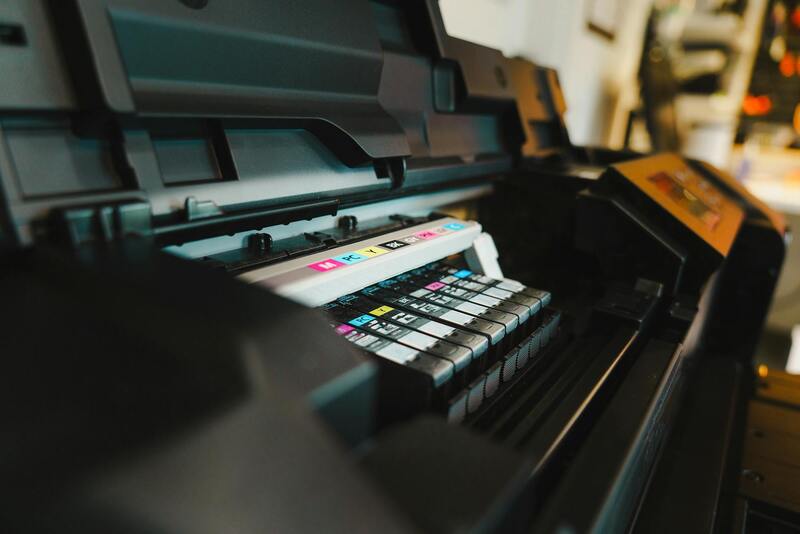
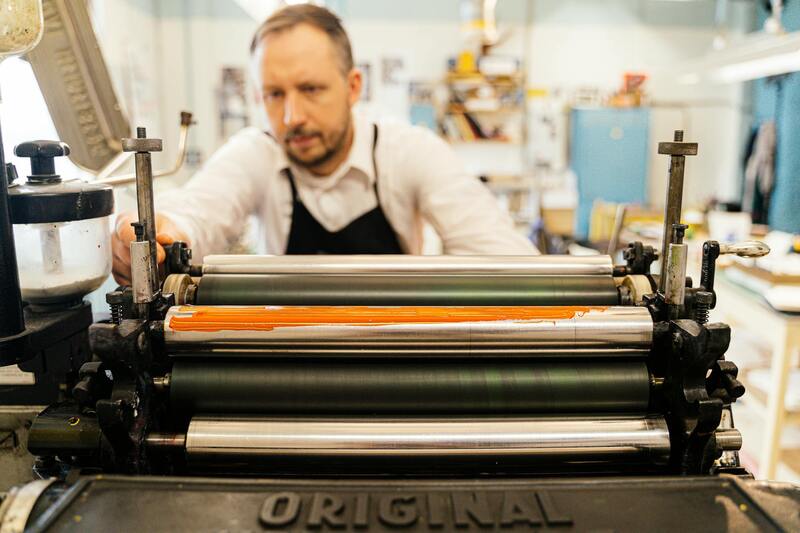
Choosing the appropriate printing technology is crucial in bulk brochure production. Offset printing remains the preferred choice for large runs due to its superior quality and cost-effectiveness at volume. However, digital printing has gained popularity for its quick turnaround and flexibility, especially for customized or smaller batch needs. Both methods offer distinct advantages, and selecting the right process depends on the specific requirements of the project, including timeline, budget, and design complexity.
Furthermore, attention to color consistency, resolution, and finishing details such as coating or lamination contributes significantly to the visual appeal and durability of brochures. Ensuring proper calibration of printing equipment and using high-quality inks and substrates are vital steps in maintaining professional standards across large production runs.
Key Factors to Consider When Ordering Bulk Brochures
When planning a bulk brochure order, several critical considerations influence the final output. First, clarify the intended purpose and target audience to determine the appropriate design, size, and material options. Clear communication with the printing provider about specifications such as quantity, timeline, and budget helps streamline the process and prevent costly errors.
- Order Quantity: Accurately estimating the volume ensures economies of scale without overwhelming storage or distribution channels.
- Material Selection: The choice of paper type and weight directly impacts the tactile impression and longevity. Coated stocks with gloss or matte finishes are popular for their vibrant image reproduction, while uncoated papers offer a softer, more natural feel.
- Printing Specifications: Details like color matching, resolution standards, and finishing options contribute to consistent quality across batches.
- Lead Time: Communicating delivery deadlines well in advance allows for sufficient production time, including proofing and quality checks.
- Environmental Considerations: Sustainable materials such as recycled paper and vegetable-based inks reinforce eco-friendly branding efforts.
Cost management is also a pivotal aspect. Negotiating bulk discounts, selecting appropriate paper weights, and optimizing design layout for maximum efficiency can significantly reduce overall expenditure.

Popular Brochure Sizes and Folding Styles
Selection of size and fold style enhances the presentation and functionality of brochures. Common formats include:
- A4 (210 x 297 mm): Widely used for detailed information and high-impact visuals.
- A5 (148 x 210 mm): Compact, ideal for handouts and quick reference guides.
- DL (110 x 220 mm): Suitable for mailing campaigns and insert promotions.
Folding styles further diversify the display options:
- Half-Fold: Simple bifold, suitable for straightforward messaging.
- Tri-Fold: Divides into three panels, perfect for sequential information or menus.
- Z-Fold: Zigzag pattern offering more content space with a dynamic reveal.
- Gate Fold: Opens like doors, offering a dramatic opening for premium presentations.
The choice of size and fold depends on content complexity, branding aesthetics, and distribution method.
Material and Finish Options for Bulk Brochure Printing
The tactile and visual quality of brochures hinges on material and finish choices. Options include:
- Paper Types: Gloss-coated paper offers vibrant color reproduction, while matte finishes provide a sophisticated, glare-free appearance. Silk and uncoated papers cater to different tactile preferences.
- Weight: Ranging from 80gsm for lightweight brochures to 170gsm or higher for a premium feel, balancing portability and durability.
- Finishes: Lamination (matte, gloss, or velvet) enhances durability and visual appeal. Spot UV coatings highlight specific design elements, adding a layer of sophistication.
- Eco-Friendly Options: Recycled papers and soy-based or vegetable inks promote sustainability without compromising quality, appealing to environmentally conscious audiences.
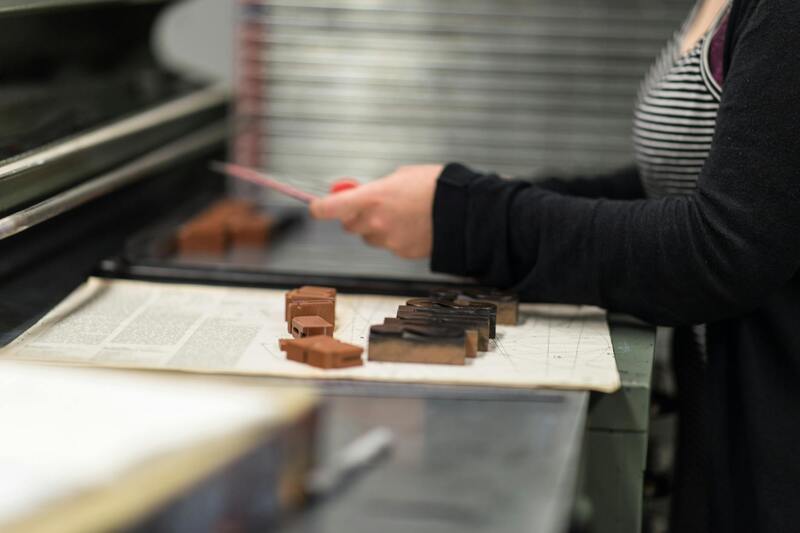
Choosing the right combination of these elements ensures your bulk brochures communicate professionalism and reinforce brand values effectively.
Understanding Bulk Brochure Printing
Bulk brochure printing involves producing large quantities of printed marketing materials designed to inform, promote, or advertise a brand, product, or service. This process caters to organizations aiming to distribute their message across diverse channels, including direct mail campaigns, retail settings, trade shows, or strategic locations. The key advantage of bulk printing lies in its ability to provide consistent quality at a lower unit cost, enabling businesses to maximize their outreach efforts without sacrificing visual or tactile appeal.

Implementing bulk brochure printing requires a clear understanding of production cycles, quality standards, and logistical planning. Selecting the right printer involves assessing their capacity to handle large orders, adherence to quality assurance protocols, and flexibility to accommodate custom specifications. With the right partner, organizations can ensure that their brochures reflect professionalism, reinforce brand identity, and resonate with target audiences.
Key Factors to Consider When Ordering Bulk Brochures
- Order Quantity: Precise forecasting of distribution volume allows for optimal inventory management and cost efficiency.
- Design Consistency: Ensuring design elements, logos, and messaging are cohesive across all materials enhances brand recognition.
- Production Lead Time: Planning for standard turnaround times helps avoid delays in campaign launches or events.
- Material Selection: Choosing suitable paper types and finishes affects durability, appearance, and tactile experience.
- Cost Structures: Understanding pricing models, including discounts for volume, supports budget management and maximizes ROI.
Popular Brochure Sizes and Folding Styles
Common brochure sizes include the standard 8.5" x 11" (letter size), 5.5" x 8.5" (half letter), and 11" x 17" (tabloid). Size choice depends on the amount of content, distribution method, and aesthetic preferences. Folding styles such as tri-fold, Z-fold, and gate fold serve different purposes, offering various ways to organize information attractively. A tri-fold, dividing into three panels, is ideal for segmented content like menus or event programs, while a Z-fold provides a dynamic reveal suitable for storytelling or sequential messages.

Material and Finish Options for Bulk Brochure Printing
The tactile appeal and durability of brochures greatly depend on the chosen materials and finishes. Options include:
- Paper Types: Gloss-coated paper enhances color vibrancy, making visuals pop, while matte finishes lend a sophisticated, glare-free look. Silk and uncoated papers offer distinct tactile experiences suited for different brand aesthetics.
- Paper Weight: Lightweights such as 80gsm are easy to carry and cost-effective, whereas heavier weights like 170gsm or higher create a premium feel and increased durability.
- Finishing Techniques: Lamination (matte, gloss, velvet) protects printed surfaces and enhances appearance. Spot UV coating can be used selectively to highlight specific design elements, adding a touch of elegance.
- Eco-Friendly Options: Recycled papers and vegetable-based inks support sustainability initiatives without sacrificing visual quality, appealing to environmentally conscious audiences.
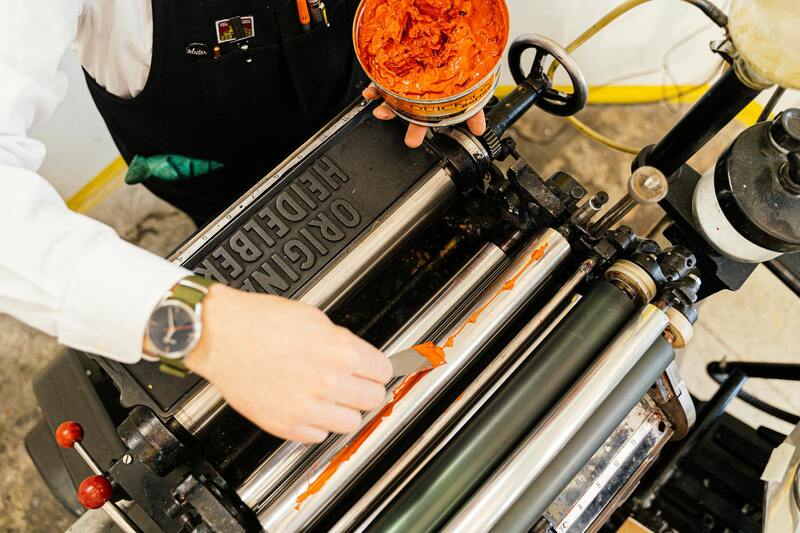
Cost-Effective Strategies for Bulk Brochure Printing
To optimize costs in bulk brochure production, organizations should consider:
- Ordering in larger quantities to benefit from volume discounts.
- Using standard sizes and folds to reduce customization costs.
- Opting for economical paper stocks when high-end finishes are unnecessary.
- Scheduling multiple campaigns or distribution efforts simultaneously to leverage economies of scale.
- Collaborating with printing providers that offer fixed pricing structures or packages tailored for bulk orders.
Printing Technologies and Quality Assurance
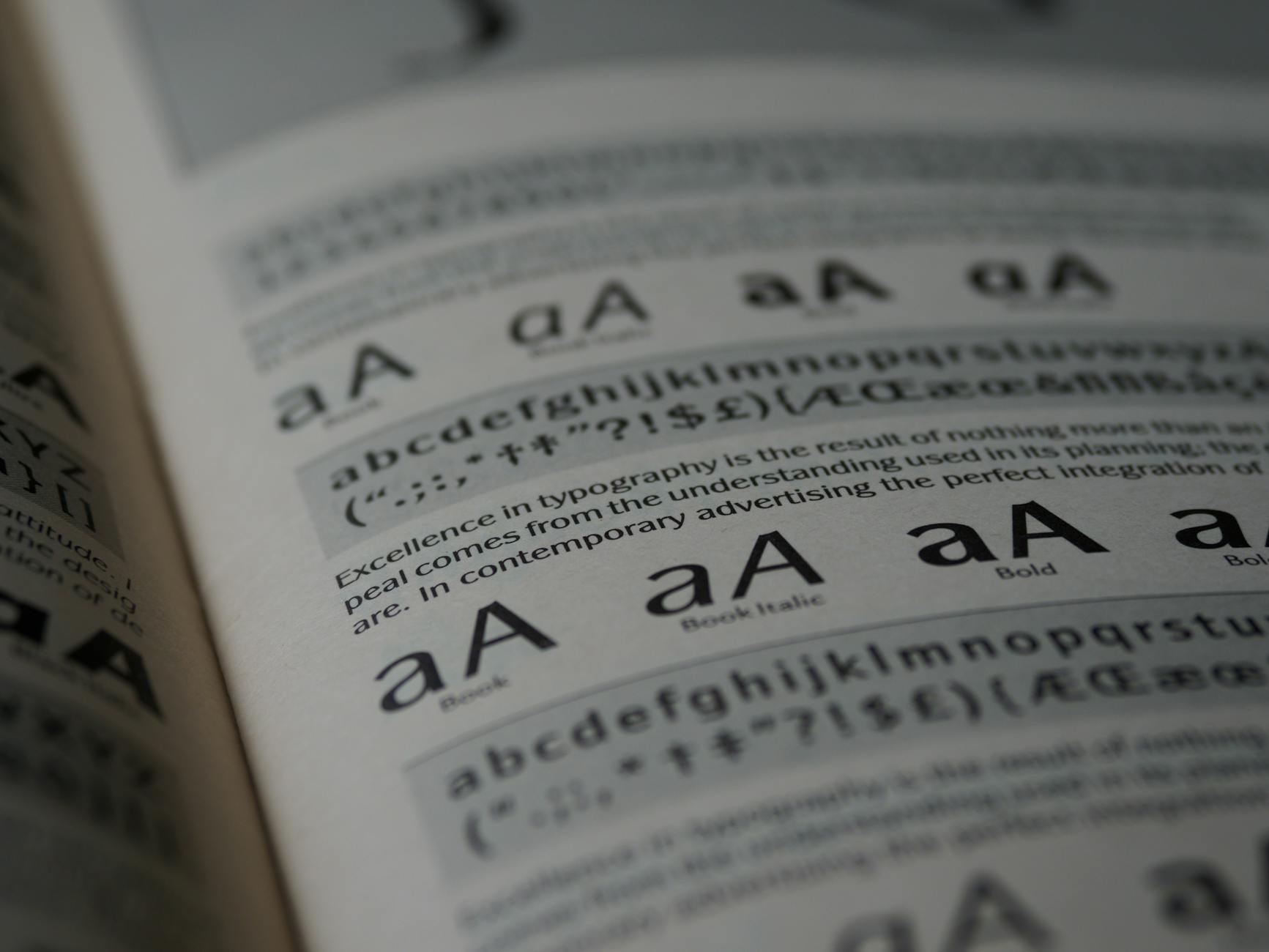
Advanced printing technologies such as offset and digital printing are pivotal in delivering high-quality brochures at scale. Offset printing is preferred for large orders due to its cost efficiency and consistent color reproduction, making it ideal for bulk brochure projects. Digital printing offers rapid turnaround and customization options, albeit at a slightly higher cost per unit. Ensuring quality involves rigorous pre-press checks, color calibration, and inspection during the printing process to prevent defects and maintain brand standards.
Choosing a Reliable Printing Partner
Selecting a trustworthy printing partner involves evaluating their industry experience, ability to handle large-volume orders, and adherence to quality control protocols. A dependable provider offers transparent communication, flexible scheduling, and a portfolio demonstrating expertise in diverse printing techniques and finishes. Reviews and client testimonials can provide insight into their reliability and customer satisfaction. Additionally, a comprehensive quoting process that includes all costs upfront helps prevent unexpected expenses, ensuring the project remains within budget.