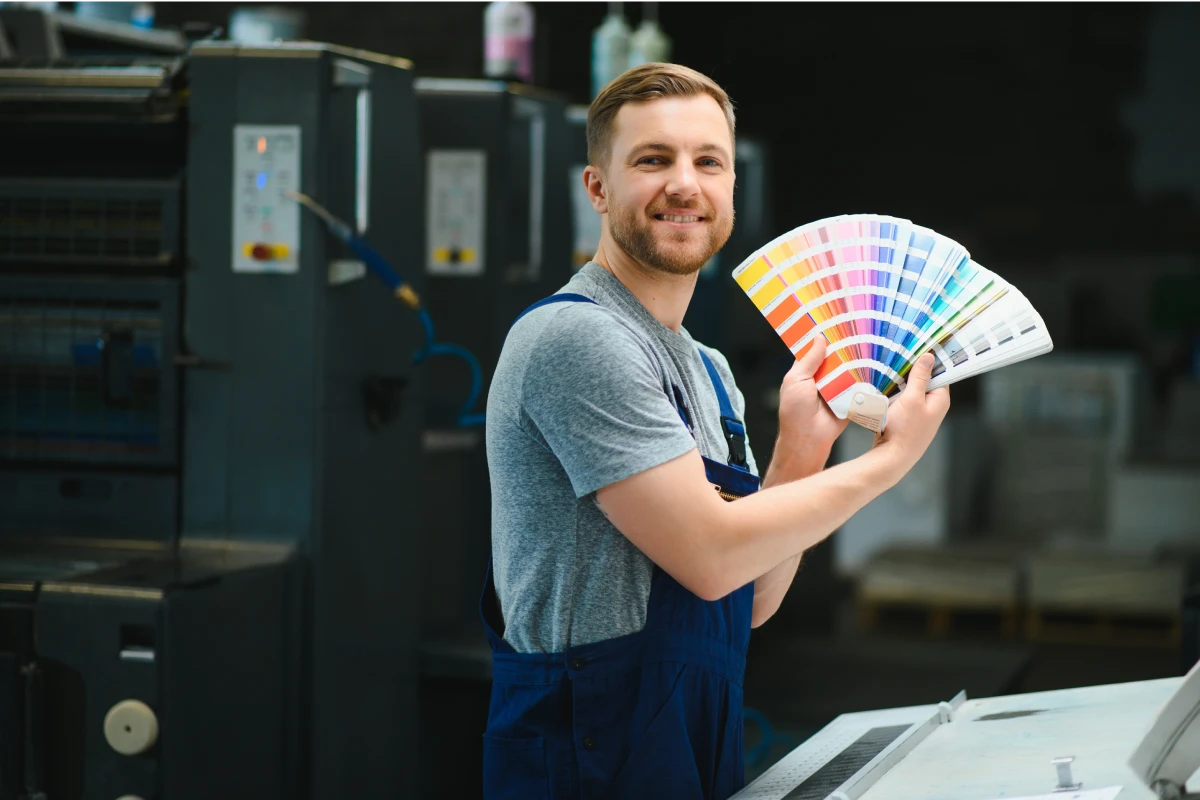
Visiting Card Printing Price In Singapore: Costs, Options, And Factors
Understanding Visiting Card Types and Material Options
Visiting cards serve as essential tools for professional branding and personal connection. The diversity in types and materials available for printing directly influences the overall cost, making it crucial to understand these options before placing an order. Various types of visiting cards cater to different preferences and industries, including standard, premium, textured, and metallic cards. Each category offers unique features that contribute to the price structure.
Standard visiting cards are the most common and typically come with basic designs on smooth paper, making them budget-friendly while maintaining professional appeal. Premium cards upgrade the experience with thicker, high-quality cardstock, providing a more substantial feel that commands a higher price point. Textured cards, featuring embossing or unique finishes, add tactile appeal but often come at a premium due to the additional processing involved.
Metallic visiting cards stand out with their shiny, reflective surfaces, often produced using specialized printing techniques that add a luxurious touch. These are usually selected for high-end brands seeking to impress clients and may entail higher costs due to material and process complexities. The choice of material, such as matte, gloss, linen paper, or plastic, further influences the price. For instance:
- Paper Types: Thick cardstock, linen, recycled, or textured paper options.
- Finish Options: Matte, gloss, or satin coatings to enhance appearance and durability.
- Specialty Materials: Metal, plastic, acrylic, or wood, each adding to the overall cost.
It's essential to evaluate the brand message and industry standards when selecting the type and material of visiting cards. A corporate firm may prefer sleek, minimalist standard cards to keep costs low, whereas luxury brands might opt for textured or metallic options to reflect their premium image. The material choice not only impacts the aesthetic but also influences production complexity and, consequently, the pricing.
Understanding these distinctions allows businesses and individuals to balance their branding objectives with budget considerations effectively. The ability to select appropriate types and materials ensures that the visiting cards serve as powerful tools for making memorable impressions without exceeding the allocated budget.
Understanding Visiting Card Types and Material Options
When selecting visiting cards, the variety of types and materials available plays a crucial role in determining the overall printing price. Each type and material not only affects the visual appeal but also influences the production process and cost structure. Common card types include standard, premium, and specialty cards, each serving different branding goals and budget levels.
Standard visiting cards are typically made from basic cardstock, which provides durability at an affordable price point. These are ideal for everyday business interactions and are often produced in bulk to minimize costs. Premium options, like linen-textured paper, matte or gloss finishes, and recycled materials, offer enhanced tactile and visual qualities, often commanding higher prices due to the additional finishing processes and specialized materials involved.
Specialty materials expand the possibilities for unique branding experiences. Metal cards, acrylic, plastic, or wood are increasingly popular choices for distinguished brands seeking to make an impression. These materials tend to incur a higher cost because of their manufacturing complexities and the need for specialized equipment. Metallic finishes, for example, use foil stamping or reflective inks that demand advanced printing techniques, adding to the cost per card.

In addition to material choices, finish options such as matte, gloss, satin, or textured coatings significantly impact the price. Matte coatings provide a subdued, elegant look, whereas gloss finishes enhance vibrancy and sharpness, often requiring additional layers that increase the production cost. Textured or embossed finishes introduce a tactile element that appeals to premium brand identities but result in more complex printing processes.
Balancing material quality and finishing effects against budget constraints is essential. For smaller enterprises or startups, opting for standard cardstock with basic finishes might offer a cost-effective solution. Conversely, established firms aiming for a luxurious presentation may allocate a higher budget to incorporate premium materials and finishing details.
Understanding the interplay of these options enables businesses to select visiting cards that effectively communicate their brand ethos while maintaining fiscal responsibility. Whether prioritizing cost-efficiency or aiming for a distinctive look, aligning material and type choices with branding objectives is key to achieving optimal value and impact.
Understanding Visiting Card Types and Material Options
Choosing the right visiting card involves more than selecting a design; it requires careful consideration of the card's material and finish. Standard cards are typically made from cardstock, which offers durability and a professional appearance at an affordable price point. Premium options include thicker, textured, or specialty materials such as linen, kraft, or even plastic. These materials convey a sense of exclusivity and quality, aligning with a luxury branding strategy.
Material selection also influences the overall feel and durability of the card. For instance, matte and uncoated papers provide a subdued, elegant look that emphasizes readability and subtlety. Glossy finishes enhance vibrancy, ideal for colorful designs and images, but may incur higher printing costs due to the additional processing steps. Textured finishes or embossed details add tactile elements that can make a lasting impression, though they require more intricate manufacturing processes.
Image Placeholder: 
Understanding Visiting Card Types and Material Options
Choosing the right visiting card involves understanding the variety of types and materials available to align with branding goals and budget considerations. Standard visiting cards are typically made from cardstock, which offers durability and ease of printing. For a more luxurious feel, premium materials like textured paper, linen finish, or thick matte stock can be used, providing tactile appeal that leaves a strong impression. Additionally, specialty options such as translucent or transparent PVC cards cater to modern, innovative branding requirements.
Material selection significantly impacts the overall cost and appearance of the visiting cards. Common options include matte finish, which reduces glare and fingerprints; gloss finish, which enhances color vibrancy and visual appeal; and textured stock, offering a unique tactile experience. For brands seeking to stand out, specialty materials like brushed metal or plastic can create a distinct look but tend to involve higher costs. Incorporating special finishes like foil stamping, spot UV coating, or metallic inks can further elevate the design, adding an extra layer of sophistication and novelty. These finishes typically involve additional setup and material costs but open opportunities for more eye-catching and memorable cards.

Standard Visiting Card Sizes and Dimensions
Standard dimensions for visiting cards are generally set at 85 mm x 55 mm, providing a balanced size that comfortably fits into wallets and cardholders. These dimensions are widely accepted across most regions, including Singapore, ensuring compatibility with card scanners and holders. Some variations exist, such as square cards measuring 55 mm x 55 mm or mini cards at 65 mm x 45 mm, often used for specific branding strategies or creative presentations.
Adhering to standard sizes helps streamline the printing process and reduces production costs, especially when ordering in bulk. Custom sizes, although available, might incur additional setup fees and longer turnaround times. For businesses aiming to maintain a professional and cohesive corporate image, sticking to the conventional 85 mm x 55 mm size guarantees suitability across various distribution channels and maintains consistency in branding materials.

Pricing Factors Affecting Visiting Card Printing Costs
Understanding the factors that influence visiting card printing prices is essential for accurate budgeting and selecting options that match your branding strategy. Several key elements come into play, including the choice of material, finishing techniques, print quantity, and design complexity. Bulk orders generally offer discounted rates, making larger quantities more cost-efficient per card. Premium materials and intricate finishes, such as foil stamping or embossed text, elevate both the look and the price, reflecting the added craftsmanship involved.
Design complexity also impacts cost; minimalist designs typically incur lower printing charges than elaborate, multi-color graphics with detailed artwork or textures. Additionally, turnaround time can influence prices; expedited orders often carry premium charges. For accurate cost forecasting, it’s vital to get detailed quotes that cover each element, including any setup fees for custom finishes or special materials. Such a comprehensive understanding helps ensure that the final product aligns with both branding aspirations and budgetary constraints, supporting effective marketing and professional presentation.
Impact of Material Choice on Visiting Card Prices
When contemplating visiting card printing, selecting the appropriate material is pivotal in determining the overall cost. Standard options typically include card stock varieties such as matte, gloss, or uncoated finishes. High-quality materials, like thick cardstock, textured papers, or specialty options such as recycled or eco-friendly substances, naturally command higher prices due to their durability and premium feel. Moreover, incorporating unique materials like transparent PVC or metalized surfaces can significantly elevate costs but also dramatically enhance the tactile and visual appeal of the cards. These premium choices, while more expensive, effectively communicate brand prestige and attention to detail.

Finishing Techniques and Their Cost Implications
Finishing techniques lend a distinctive touch to visiting cards, often justifying additional charges due to the craftsmanship involved. Common finishing options such as matte or glossy lamination provide protection and a refined look, with glossy finishes typically costing slightly more than matte. Spot UV coating adds a glossy texture to specific design elements like logos or images, creating contrast and visual interest — this process involves precise application, thereby increasing production costs. Embossing and debossing techniques introduce a tactile dimension that can elevate the perception of quality but require specialized equipment and expertise, resulting in higher prices. Foil stamping, especially in metallic or colored foils, adds an eye-catching element to branding efforts, with costs varying depending on the complexity and number of colors involved. Textured finishes, like linen or felt papers, further contribute to costs but provide a memorable sensory experience that can set a brand apart.
Pricing Based on Volume and Turnaround Time
Ordering in bulk generally reduces the unit cost of visiting cards due to economies of scale. Bulk orders benefit from discounted rates, making large quantities more economical for businesses or professionals needing extensive card distributions. Conversely, smaller orders tend to carry a higher per-unit price but may be suitable for individuals or short-term campaigns. Turnaround times also influence costs; expedited services enable quicker delivery but often incur premium charges. Exact pricing depends on the printing provider's policies, order size, and required delivery deadlines. Clients should verify whether additional fees apply for rush orders and ensure that the timeline aligns with their marketing or networking schedules.
Custom Features and Their Impact on Pricing
Including customization features enhances the aesthetic impact and effectiveness of visiting cards but involves additional costs. Double-sided printing is a standard upgrade that provides extra space for information or branding visuals, usually at a modest incremental cost. Advanced customization options like die-cut shapes, rounded edges, or foldable designs increase production complexity, leading to higher expenses. Incorporating elements such as holographic accents, magnetic backing, or embedded NFC chips further raises prices due to material and technical requirements. These premium features, while more expensive, enable personalized branding strategies that facilitate memorable impressions and improved engagement with recipients.
Understanding Visiting Card Types and Material Options
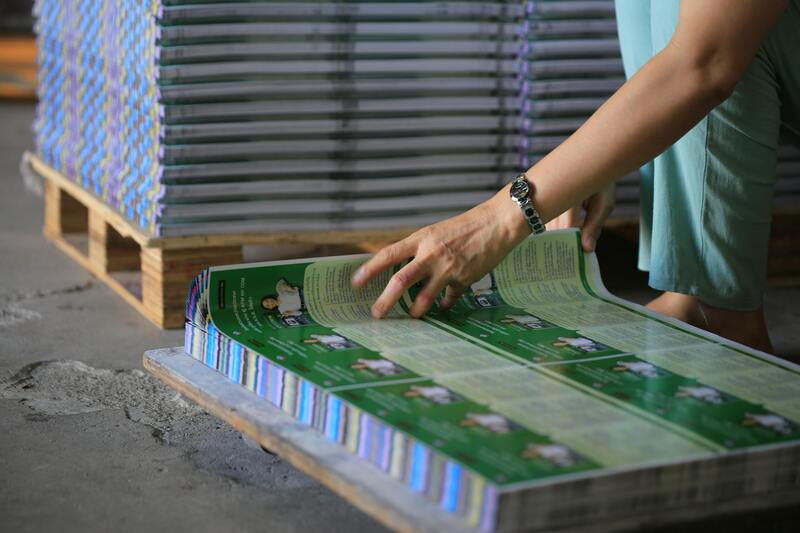
Choosing the right type and material for your visiting cards is essential in creating a professional and memorable first impression. Standard cards are typically made from paper or cardstock, offering a balance of durability and cost-effectiveness. Premium options include materials such as textured finishes, matte or glossy coatings, or specialty substrates like plastic or PVC, which enhance the tactile experience and visual appeal. For organizations seeking a distinctive look, options like embossed, foil-stamped, or spot UV coating provide added sophistication. The selection depends on the intended image, industry standards, and budget, with each choice impacting the overall printing cost and perceived value of the card.
Standard Visiting Card Sizes and Dimensions
The most common size for visiting cards adheres to international standards, typically measuring 90 mm by 55 mm. These dimensions are designed to fit comfortably in wallets and cardholders, making them convenient for quick storage and access. Custom sizes are also available to align with specific branding or design requirements, but they may influence printing costs due to the need for specialized die-cutting or formatting. Standard dimensions facilitate ease of printing and minimize waste, helping to keep the overall cost within a manageable range.
Pricing Factors Affecting Visiting Card Printing Costs
Various elements influence the final price of visiting card printing, including the choice of material, design complexity, color coverage, and finishing options. Full-color printing generally incurs higher costs compared to single-color or monochrome designs. Special finishes, such as lamination, embossing, or metallic foils, add to the expense but significantly enhance the card's appeal. The quantity ordered also plays a crucial role; bulk printing typically offers reduced per-unit costs due to economies of scale. Additionally, the turnaround time impacts pricing, with expedited orders attracting premium charges. Considering these factors helps in making cost-effective decisions aligned with branding goals and budget constraints.
Typical Price Range for Visiting Cards in Singapore
In Singapore, the cost for standard visiting cards generally ranges from SGD 20 to SGD 80 for quantities between 100 and 500 pieces. Basic single-sided cards on standard cardstock tend to be on the lower end of this spectrum, making them suitable for startups or personal networking. For more elaborate designs, double-sided printing, or specialty finishes, prices can escalate to SGD 100 or more for similar quantities. Pricing can vary depending on the printer's quality, materials used, and additional features requested. Businesses and individuals should compare providers to find options that balance affordability with quality, ensuring that the final product effectively represents their brand identity.

Exploring Cost-Effective Materials and Finishes for Visiting Cards
Choosing the right material for visiting cards is pivotal in balancing aesthetics with cost efficiency. Standard cardstock remains the most economical choice, providing durability while maintaining affordability. Typically, 300gsm matte or gloss finishes are popular for their professional look and feel. However, for those seeking a more luxurious presentation, options like textured or art paper can be considered, albeit at a higher price point.
Special finishes can greatly influence the overall expense but also significantly enhance the perceived value of the card. Lamination adds a protective layer that can be either matte or gloss, making cards more durable against wear and tear. Embossing and debossing create tactile effects that aid in brand recognition but come with additional costs. Metallic foils, spot UV coatings, and foil stamping provide eye-catching finishes, ideal for making special details stand out. These finishes often require additional setup and longer production times, impacting the final pricing.
It’s essential to evaluate the purpose of the visiting cards in conjunction with these options. For instance, startups and small businesses might opt for minimalistic designs with standard materials, balancing quality with budget. Larger corporations or brands seeking high impact could invest in premium finishes, leveraging their tactile and visual appeal to leave a lasting impression.

Adopting a modular approach — selecting core materials first, then customizing with features based on budget constraints — can optimize spending. Consulting with printing providers like s7printing.com can provide insights into current material costs, helping to refine choices that align with branding aims without exceeding financial limits. Always inquire about sample cards or material swatches before committing to large orders, to ensure the selected options meet expectations for both quality and cost.
Remember, the standardization of materials and finishes across multiple designs or campaigns can also reap economies of scale, further reducing per-unit costs. Strategic planning and clear communication with the printing service are crucial to achieve professional results within budget while still fulfilling branding ambitions.
Understanding Visiting Card Types and Material Options
When selecting the appropriate visiting card, it is crucial to consider the various types and materials available to match your branding needs and budget. Standard paper cards are the most common, offering affordability and versatility. These can be crafted from matte, gloss, or uncoated finishes, allowing for different tactile experiences and visual effects. For a more premium feel, options like textured cardstock or specialty papers such as linen or eggshell are available, which elevate the perceived value of your brand. Additionally, plastic or PVC cards provide durability and a modern aesthetic, often used by tech companies and retail brands aiming to stand out.
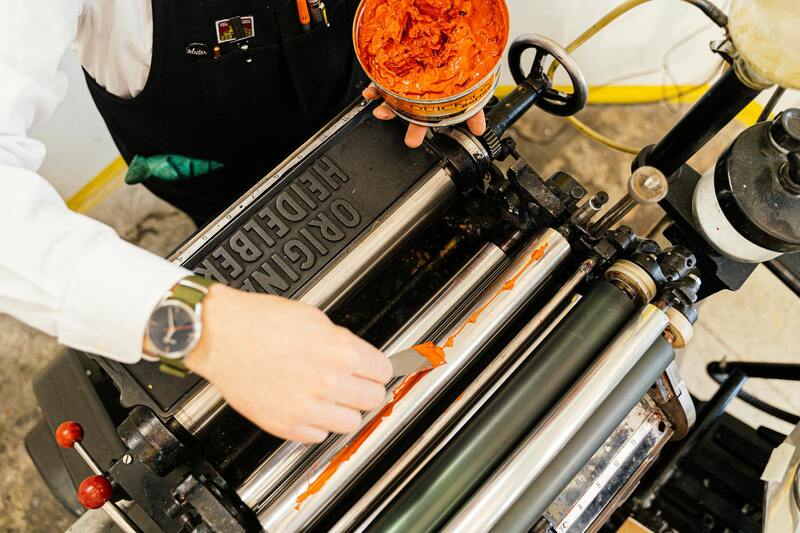
For customization, finishes like matte lamination, gloss coating, spot UV, foil stamping, and embossed lettering can be incorporated. These options not only enhance visual appeal but may influence the overall pricing. It’s critical to assess the purpose behind your visiting cards—whether for networking, branding, or gifting—as this informs the choice of material and finish to ensure optimal impact within your budget.
Standard Visiting Card Sizes and Dimensions
Most visiting cards adhere to industry-standard dimensions, which facilitate easy storage and compatibility with cardholders and wallets. The typical size in Singapore and many other regions is 85 mm x 55 mm, measuring approximately 3.3 inches by 2.1 inches. This size balances sufficient space for essential details with portability and convenience. Variations include square cards, which are often 65 mm x 65 mm, and mini cards at 60 mm x 30 mm, used for creative or minimalist branding strategies. It’s advisable to confirm that the final dimensions align with your branding goals and the printing service's specifications to avoid additional costs or adjustments.
Pricing Factors Affecting Visiting Card Printing Costs
The cost of printing visiting cards can fluctuate based on several key components. The choice of material significantly impacts the price: premium textured or specialty papers tend to be more expensive than standard matte or gloss finishes. The level of customization, such as intricate finishes, multiple colors, or special effects like foil stamping, adds to the cost. Order volume also influences pricing—larger quantities typically avail discounts due to economies of scale. Turnaround time is another factor; expedited services often incur higher charges due to prioritization in production. Additionally, the complexity of the design or the inclusion of unique features like rounded corners or die-cut shapes can further elevate costs.
Typical Price Range for Visiting Cards in Singapore
In Singapore, the standard price for basic visiting cards ranges from SGD 20 to SGD 50 for an order of 1,000 units. For higher-end options involving premium materials or finishes, the cost can ascend to SGD 100 or more. Bulk orders generally provide better value per card, reducing the unit price considerably. It’s important to compare quotes from reputable printing providers to ensure quality aligns with the price. Always consider the inclusion of design, setup fees, and delivery charges when evaluating costs to obtain a comprehensive understanding of the total expenditure involved.
Additional Costs for Customization and Special Finishes
Custom finishes elevate the aesthetic appeal but come with added costs. Spot UV coating, which highlights specific areas with a glossy finish, can increase per-unit prices by approximately 10-20%. Foil stamping, used for metallic effects, often doubles the cost of a standard card due to the additional setup involved. Embossing and debossing require specialized molds and labor, further escalating expenses. Textured or specialty papers, while attractive, tend to be pricier than standard cardstock. When planning for printing, it’s vital to balance the desire for customization with budget constraints, prioritizing features that deliver the most impact relative to cost.
Where to Find Affordable Visiting Card Printing Services
There are numerous reputable printing services offering competitive visiting card prices, with online platforms providing streamlined ordering processes. Providers like s7printing.com specialize in affordable, high-quality options tailored to various budgets. Local print shops within Singapore also cater to small and large orders, often providing personalized consultations to optimize choices for both design and material costs. It’s advantageous to request samples or material swatches before finalizing your order to ensure the chosen options meet your expectations for quality and price. Comparative shopping across multiple vendors is recommended to secure the best rates without compromising on standards.
Tips for Reducing Visiting Card Printing Costs
- Opt for standard sizes and materials that meet your branding needs without excessive customization.
- Order in bulk to benefit from volume discounts and reduce per-card costs.
- Limit the number of colors and complex finishes to keep production simpler and more affordable.
- Use straightforward, clean designs that require less setup time and fewer manufacturing steps.
- Leverage promotional deals or seasonal discounts offered by printing vendors.
- Maintain consistent branding assets across all designs to enable economies of scale in printing.