Name Card Printing Guide: Types, Materials, And Design Options In Singapore
Overview of Name Card Printing
In the realm of professional networking and brand representation, the role of a well-designed and meticulously printed name card cannot be overstated. These compact pieces of marketing material serve as tangible credentials that encapsulate an individual’s identity, designation, and contact details. As a fundamental tool in business interactions, name cards facilitate seamless communication and leave a lasting impression on prospective clients, partners, and colleagues.
In Singapore, the importance of high-quality name card printing has fostered a competitive industry that offers a variety of options tailored to diverse business needs. From startups seeking budget-friendly yet professional designs to established corporations demanding premium finishes, the local market accommodates a wide spectrum of preferences and budgets.

Industry players leverage advanced printing technologies and innovative design options to deliver name cards that not only communicate essential information but also embody the brand’s identity. The process involves selecting appropriate materials, design customization, and finishing techniques to produce a product that resonates with the wearer’s professional ethos and aesthetic preferences.
Understanding the landscape of name card printing in Singapore necessitates familiarity with the various types of cards available, the materials used, and the customization possibilities. As businesses aim to make memorable first impressions, the industry continually evolves, integrating new trends and technological advancements to meet client expectations. This comprehensive overview provides insight into the intricate process of name card production, emphasizing the significance of official methods that guarantee quality, durability, and visual appeal.
Verification of Authorized Printing Methods for Name Cards
Ensuring the use of authorized and reputable printing methods is vital to achieving high-quality name cards that meet professional standards. Businesses and individuals seeking official channels should prioritize partnering with established printing providers offering certified processes that adhere to industry benchmarks. These providers utilize advanced equipment and proven techniques, guaranteeing consistency, durability, and a refined aesthetic.
Official name card printing services typically operate with stringent quality control measures, including calibration of printers, accurate color matching, and verification of material specifications. The use of legitimate printing processes ensures that each batch of cards exhibits uniformity in texture, color fidelity, and finishing touches, which collectively reflect the professionalism of the client’s brand.
Key Characteristics of Reliable Printing Techniques
- Use of certified printing equipment aligned with industry standards for clarity and precision.
- Application of multi-layered color management systems to achieve vibrant and accurate reproductions of digital designs.
- Implementation of quality assurance steps during and after printing to detect and rectify flaws.
- Utilization of premium materials that are compliant with safety and environmental guidelines, ensuring durable and sustainable products.

The Importance of Certified Materials and Substrate Selection
Official outlets predominantly source materials that meet industry standards, including a variety of cardstock options, finishes, and protective coatings. Material certification guarantees that the substrates used are consistent in thickness, texture, and performance. Popular choices include premium matte, gloss, textured, and specialty papers, each selected to enhance the visual and tactile experience of the final product.
Legitimate printing services maintain partnerships with trusted suppliers who provide certified and high-quality raw materials. This relationship ensures the consistency and reliability of the print run, which in turn upholds the visual integrity and longevity of the name cards.
Adhering to Proven Techniques for Customization and Finishing
Allowed and tested printing techniques such as spot UV coating, embossing, foil stamping, and lamination are integral to creating distinguished visual effects and tactile impressions. Authorized providers employ these methods following industry-recognized procedures, ensuring each finishing technique is applied correctly and sustainably.
Using legitimate techniques not only enhances the aesthetic appeal but also prolongs the durability of the cards, resisting wear and tear over time. Clients can select from various textures, embossments, and finishes confidently, knowing these are produced through approved processes that have been validated for quality and safety.
Overview of Name Card Printing
Real and credible name card printing services in Singapore specialize in producing high-quality business cards that serve as powerful tools for professional networking and brand representation. These services adhere strictly to official processes that utilize certified materials and advanced printing technologies, ensuring each card is crafted with precision and durability. The process begins with meticulous design consultations, where clients collaborate with experts to develop a visually compelling layout that aligns with their brand identity. Once the design is finalized, the production phase involves selecting from a wide array of authorized substrate options, printing techniques, and finishing treatments, all conducted within established industry standards.
Choosing legitimate printing providers guarantees access to a comprehensive range of customization options, from special coating effects to tactile finishes, which elevate the perceived value of the business card. The entire workflow is overseen by trained professionals committed to delivering products that not only meet aesthetic expectations but also stand the test of time. Through the application of proven methods and certified materials, customers can be confident that their name cards will effectively communicate professionalism and credibility, serving as impactful representations of their brand wherever they are distributed.

Materials and Paper Options
The foundation of a durable and visually appealing name card lies in the selection of the right materials. Certified cardstock options are available to cater to various preferences and purposes, including premium art paper that offers a smooth surface ideal for detailed graphics and vibrant colors. Metallic and foil-stamped cards provide a luxurious touch, making them suitable for high-end brands and special occasions. Recycled materials are also widely embraced, supporting environmentally friendly initiatives without compromising quality. Textured finishes like linen, suede, or embossed patterns can add tactile depth, enhancing the overall sensory experience for recipients.
- Premium Art Paper: Smooth surface, ideal for detailed printing, vibrant colors.
- Metallic and Foil Cards: Luxurious appearance with reflective effects for a premium look.
- Recycled and Eco-Friendly Options: Sustainable materials that maintain durability and quality.
- Textured Finishes: Linen, suede, embossed textures to add tactile interest.
Each material used in official name card printing is sourced from trusted suppliers who provide armed with certifications, ensuring that the substrates used meet rigorous industry standards for consistency and performance. This guarantees that each print run maintains uniformity, resulting in a professional outcome that accurately represents a brand's identity and values.

Official Methods for Name Card Printing
When it comes to producing professional and high-quality name cards, using authorized printing methods ensures consistent results, adherence to industry standards, and the preservation of brand integrity. The selection of these methods depends on various factors, including design complexity, material choices, budget, and desired finishing effects. Relying on reputable print service providers equipped with advanced technology and certified processes guarantees the production of durable, visually appealing name cards that effectively communicate a brand’s identity.
Digital Printing
Digital printing remains one of the most prevalent official methods for name card production due to its efficiency, flexibility, and ability to deliver vivid, detailed images. Suitable for both small and large runs, digital printing minimizes setup time and allows for quick turnaround. It provides excellent color accuracy, especially when advanced inkjet or laser printers are used in conjunction with high-quality substrates. Digital methods are ideal for customized designs, allowing firms to modify layouts, incorporate variable data, or test different versions without significant additional costs.

Offset Printing
Offset printing is recognized for its ability to produce large quantities of consistent, high-resolution name cards with exceptional color fidelity. This method involves transferring ink from plates to a rubber blanket and then onto the substrate. Offset printing suits bulk orders where premium quality and uniformity are paramount. It also supports a broad range of finishes, including matte, gloss, and textured coatings, to elevate the tactile experience of the name cards. Though initial setup can be more time-consuming and costly, offset remains the preferred choice for corporates and organizations aiming for a polished, standardized appearance.
Screen Printing
Screen printing operates through a mesh screen that applies ink onto the name card surface through a stencil. It is particularly effective for printing on unconventional shapes or heavily textured materials. Screen printing provides a vibrant, durable finish that resists wear and environmental factors. This method is often used for special effects such as vibrant metallic inks or embossing, especially when the design involves bold graphic elements or limited color palettes. Official providers ensure that screen printing maintains sharp edges and consistent ink coverage across multiple units.
Embossing and Debossing
To add a tactile dimension to official name cards, embossing and debossing techniques are employed. These processes involve creating raised or recessed patterns on the card surface, often combined with foil stamping to enhance visual impact. Certified embossing practitioners use precise dies and pressure calibration to ensure uniform results. Properly executed, these processes lend a luxurious and professional aura to the name card, making it stand out during exchanges or networking events.
Foil Stamping and Hot-Stamping
Foil stamping, also known as hot-stamping, is a popular official method for adding metallic or pigmented foils onto name cards. This technique imparts a glossy, eye-catching finish that emphasizes logos, names, or decorative elements. Certified equipment and inks ensure that foil application adheres smoothly and does not peel or flake over time. Combining foil stamping with other processes like embossing can further elevate the card's premium appeal, particularly when targeting high-end clientele or luxury brands.
Die-Cutting
Die-cutting is an official process used to produce custom shapes and non-standard edges, offering a distinctive silhouette for name cards. This process uses a precision steel die that cuts the substrate into specific patterns, such as rounded corners, angles, or intricate contours. Certified die-cutting ensures clean cuts and precise registration, vital for maintaining the overall quality. Incorporating die-cut elements enhances the visual differentiation and tactile sophistication of the name cards, aligning with branding strategies that demand uniqueness.
Finishing and Protective Coatings
Once the primary printing and embellishment processes are complete, official finishing techniques add durability and aesthetic appeal. Features such as matte or gloss lamination provide resistance against scratches, moisture, and fingerprints. Spot UV coatings can be selectively applied to highlight certain design aspects, adding depth and texture. UV coating also offers a high-shine effect, making colors pop and details crisp. These protective layers are precisely applied using professional equipment to ensure even, high-quality coverage that prolongs the lifespan of the name cards.
Compliance and Quality Assurance
Legitimate print service providers adhere to strict quality control measures throughout every step, from substrate selection to final packaging. Certification from industry-standard organizations is often a mark of commitment to quality and consistency. This includes calibration of printing machines, regular inspection of ink and coating application, and final review of each batch against predefined standards. Clients can trust that official methods guarantee a polished, professional output that accurately reflects brand standards and expectations, with minimal room for defects or inconsistencies.
Overview of Name Card Printing
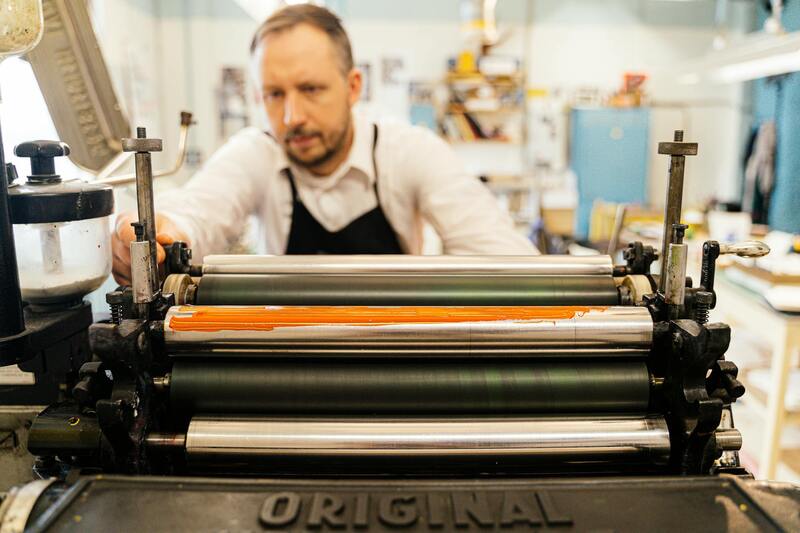
Name card printing is a strategic process that transforms simple contact information into a powerful branding tool. It involves the careful selection of materials, design, and printing techniques to produce a professional and memorable impression. Reliable methods employ advanced equipment and strict quality control measures to ensure each card reflects the integrity of the brand it represents. By adhering to established protocols, print service providers guarantee durability, precise color reproduction, and a consistent finish that aligns with industry standards.
Types of Name Cards
Choosing the right type of name card is essential for aligning with your branding goals and industry standards. Common variants include standard business cards, which offer a straightforward presentation of contact details; and premium options, featuring thicker stock and luxurious finishes. Embossed and foil-stamped cards add texture and visual interest, creating tactile appeal that captures attention. Laminated cards provide enhanced durability and resistance to daily wear, especially suitable for frequent use. For a modern touch, NFC-enabled cards integrate digital interactions, allowing recipients to access additional information via smartphones. Die-cut shapes further personalize the cards, reflecting unique branding elements or thematic designs.
Materials and Paper Options
The choice of material significantly influences the card's durability and aesthetic appeal. Standard paper stocks, such as 300gsm matte or gloss finishes, serve as reliable options for everyday business cards. For a more luxurious feel, thickened substrates like 600gsm or higher create a substantial, premium impression. Specialty papers, including textured, recycled, or metallic finishes, lend exclusivity and align with eco-conscious branding or high-end sectors. Coatings such as matte, gloss, or soft-touch enhance the tactile experience and protect the print. Saint-quality paper options enable a range of embossed and debossed effects, elevating the tactile dimension of the design. Proper selection ensures the finished product not only looks exceptional but also withstands the rigors of handling and transportation.

Design Features and Customization
Effective name card design involves more than just layout; it’s a reflection of brand identity. Official printing methods support an extensive array of customization options, including precise color matching, die-cut shapes, and intricate embossing. Incorporating a combination of matte and gloss finishes can create visual contrast that highlights key information. Spot UV coatings provide strategic gloss accents, adding depth and sophistication. Die-cutting allows for shapes that go beyond rectangular forms, such as circles, waves, or custom logos, adding a unique visual cue. Embossing and debossing generate tangible textures that make logos or design elements stand out physically, fostering memorable tactile experiences. For brands seeking modern appeal, incorporating QR codes or digital icons seamlessly integrates offline and online interactions. All these features combine to ensure that each card is tailored precisely to reflect brand values and stand out in any professional setting.
Overview of Name Card Printing
Name card printing is a vital aspect of professional branding, serving as an immediate visual reference for contacts and clients. High-quality printing methods ensure that each card accurately represents a brand’s identity through sharp details, vibrant colors, and durable materials. This process involves transforming digital designs into tangible cards that impress recipients with their clarity and craftsmanship. For businesses in Singapore or elsewhere, reliable printing providers employ meticulous techniques to uphold offical standards, ensuring each batch of cards meets the precise specifications required for professional environments.
Types of Name Cards
Offering a variety of types, name cards can cater to different branding needs and industry standards. Standard business cards typically feature essential contact details within a clean layout, suitable for most professional contexts. Premium options often incorporate textured papers, embossing, or foil accents for a more sophisticated appearance. Fancy cards may include die-cut shapes or intricate design elements, making them ideal for creative or luxury brands. Laminated cards provide added durability and resistance to wear, while spot UV coatings introduce strategic gloss areas that highlight specific design features. NFC-enabled business cards integrate digital features seamlessly, allowing users to share contact information via smartphones without physical contact. Customization is crucial here, enabling brands to select the precise features and finishes that align with their image and industry standards.
High-End and Special-Use Options
- Embossed and Debossed Cards: Create tactile textures that stand out physically and visually, emphasizing logos or key design elements.
- Foil Stamping: Adds metallic accents that convey luxury and exclusivity, often used in premium branding.
- Die-Cut Shapes: Customize the shape of cards beyond traditional rectangles, such as circles, waves, or logos, to reflect brand personality.
- Spot UV Coatings: Highlight specific areas with high-gloss finishes for visual contrast and enhanced depth.
- Digital Integration: NFC or QR code functionalities that bridge offline contact with online engagement effectively.

Materials and Paper Options
Choosing appropriate materials is fundamental to creating durable, professional name cards. Standard papers include matte, gloss, and silk finishes, each offering distinct tactile and visual effects. Premium papers such as thick cardstock, linen textures, or textured linen surfaces imbue a sense of quality and sophistication. Specialty materials like transparent PET or kraft paper can impart a modern or eco-friendly appeal. Additionally, coated papers with UV-resistant finishes help protect the print from environmental damage, ensuring the card maintains its pristine appearance over time. Selecting the right material not only enhances aesthetic appeal but also influences tactile experience and longevity, essential for brand representation.

Design Features and Customization
Designing an impactful name card involves strategic placement of elements to reflect brand identity effectively. Consistent use of color schemes, typography, and logo placement ensures cohesiveness with overall branding. Incorporating custom features like rounded edges or embossed logos adds uniqueness, while precise color matching enhances brand consistency across print materials. Adding visual accents such as tactile finishes, foil stamping, or spot gloss can elevate the card’s appearance, making it stand out in a stack of standard cards. Digital features such as QR codes facilitate seamless interaction with online content, blending traditional print with modern technology. Advanced die-cut techniques allow for creative shapes aligned with logo design, further reinforcing brand recognition.
Effective Design Strategies
- Minimalist layouts: Focus on essential information with clean, uncluttered designs that exemplify professionalism.
- Contrasting finishes: Combine matte and gloss surfaces to draw attention to specific details.
- Use of tactile effects: Embossing or debossing enhances physical engagement and memorability.
- Integration of digital elements: QR codes or digital icons promote interaction and accessibility.

Overview of Name Card Printing
In the realm of professional branding and networking, the presentation of a name card holds significant weight. Name card printing involves the process of creating small, portable cards that communicate essential contact information and brand identity. High-quality printing ensures that these cards make a lasting impression, emphasizing professionalism and attention to detail. It encompasses various techniques, materials, and customization options to craft a card that aligns seamlessly with brand aesthetics and business objectives. Selecting the right printing method and materials is crucial in conveying the desired image, whether it’s modern, minimalist, or elaborate. Efficient order processing and timely delivery are essential to meet the dynamic needs of businesses and entrepreneurs who rely on these tangible touchpoints for effective networking and marketing ventures.
Types of Name Cards
Business cards come in various types, each serving different purposes and aesthetic preferences. Standard business cards are the most common, typically featuring basic contact details and company branding. Fancy or decorative business cards include unique finishes or elaborate designs to stand out in a stack. Premium cards often utilize high-end materials like thicker cardstock or specialty papers, elevating their perceived value. Laminated cards add durability and a glossy finish, while spot UV cards feature selective glossy coatings that highlight specific elements. Embossed or debossed cards add tactile depth by raising or recessing design elements, creating a sophisticated feel. Die-cut cards allow for custom shapes that reflect branding themes, and NFC-enabled cards incorporate digital interactions for a modern approach to information sharing.
Materials and Paper Options
The choice of materials significantly impacts the aesthetic and longevity of name cards. Common options include standard paper stock, which balances cost and quality, and premium cardstock, which offers durability and a luxurious feel. Specialty papers such as textured linen, matte, gloss, or matte finish provide visual intrigue and tactile sensations that leave a lasting impression. Eco-friendly materials like recycled paper or plant-based options cater to sustainable branding efforts. Die-cut or transparent acrylic cards bring a contemporary edge, while foil-stamped or metallic papers introduce an element of elegance. The weight and thickness of the paper influence the perceived quality, with heavier stocks conveying professionalism and attentiveness to detail.
Design Features and Customization
Effective name card design marries functionality with aesthetics. Key elements such as logo placement, typography, color schemes, and layout must achieve cohesiveness that reflects brand identity. Strategic use of space ensures clarity and ease of information retrieval. Custom features like rounded edges, laser-cut patterns, embossed logos, or spot UV highlights add visual and tactile appeal. Digital enhancements, including QR codes linking to online profiles or portfolios, facilitate seamless digital interaction. Personalized die-cut shapes aligned with brand motifs, along with tactile finishes like embossing or debossing, elevate the perceived value of the card. Incorporating subtle accents such as foil stamping or tactile varnishes further distinguishes the card and reinforces branding consistency.
Printing Techniques and Finishing Processes
The selection of printing techniques and finishing touches determines the overall quality and impact of the name card. Offset printing is suitable for high-volume, vibrant color output, providing sharp details and consistency. Digital printing offers flexibility for short runs and quick turnaround times. For added visual effects, processes like foil stamping, embossing, or spot UV coating create a tactile and glossy effect, emphasizing specific elements. Matte or gloss varnishes can be applied to protect the surface and enhance visual appeal. Die-cutting enables creative shapes that align with the brand identity, while lamination provides durability and resistance against wear. Edging techniques, such as beveled or rounded edges, refine the finished product, ensuring a sleek presentation that adheres to high standards of professionalism.
Order Process and Turnaround Time
Initiating a name card order typically involves selecting preferred design templates or submitting custom artwork, followed by choosing materials, finishes, and quantities. Reputable printing providers offer detailed consultations to align specifications with branding objectives. Once the order details are finalized, the production process commences, which may take approximately 3-5 working days, depending on the complexity and volume. Rapid turnaround options are often available for urgent needs, with some services delivering within 24 hours or same-day production. Quality control measures ensure every batch meets standards before dispatch, and tracking systems allow clients to monitor progress. Clear communication regarding order status and delivery timelines ensures a smooth experience, enabling businesses to maintain seamless marketing and networking activities.
Legitimate Methods for Name Card Printing
Employing reputable and certified printing services ensures that your name cards are produced with precision, quality, and durability. These methods involve established processes and high-quality materials that adhere to industry standards, guaranteeing a professional presentation that effectively represents your brand. When selecting a printing provider, prioritize those with a track record of consistent quality, transparent pricing, and responsive customer support. Whether you opt for digital or offset printing, ensuring the use of genuine inks and paper substrates from trusted suppliers is crucial for achieving vibrant colors, crisp details, and long-lasting results.
Official Printing Techniques to Consider
- Digital Printing: Suitable for small to medium runs, digital printing offers quick turnaround times and the ability to produce high-resolution visuals. It uses toner or inkjet technology, facilitating customization and complex designs without the need for extensive setup. This method is ideal for businesses needing a fast, reliable solution with excellent quality.
- Offset Printing: Recognized for its superior color accuracy and consistency, offset printing is optimal for larger quantities. It involves transferring ink onto printing plates, which then imprint onto the paper. This technique ensures sharp images and vibrant hues, making it a preferred choice for premium-grade name cards.
- Spot UV and Embossing: These embellishments add depth and texture, elevating your name card’s visual appeal. Spot UV coating creates glossy highlights on specific elements, while embossing elevates certain features to produce a tactile surface. Relying on professional printers with proven expertise guarantees precise application of these effects.
- Foil Stamping and Die-Cutting: These advanced methods refine the appearance by adding metallic accents or unique shapes. Foil stamping imparts a shiny, eye-catching finish, while die-cutting allows for custom contours aligned with your brand identity. Certified providers ensure accurate die creation and high-quality execution.
- Lamination and Edging Techniques: Applying lamination enhances durability and resistance against wear, with options for matte or gloss finishes. Edge treatments, such as rounded or beveled edges, contribute to a polished, professional look. Certified finishers employ precise equipment to maintain consistency and quality across batches.
Ensuring Authenticity in Name Card Production
- Choose Certified Printing Vendors: Select providers with verified credentials and positive customer feedback. Reputable vendors typically demonstrate adherence to quality standards through industry certifications and transparent manufacturing practices.
- Request Sample Prints: Assess samples before placing large orders. Authentic printers provide samples that accurately represent the final product’s color fidelity, material quality, and finishing touches.
- Verify Material Suppliers: Confirm that the materials used—such as paper stock, inks, and coatings—are sourced from recognized brands known for quality and durability.
- Utilize Secure Payment Channels: Engage with vendors that offer secure transaction methods, official invoicing, and clear terms of service, reducing the risk of fraudulent transactions.
- Review Service Guarantees: Opt for providers that offer clear assurance policies, including quality checks, reprints, or refunds if standards are not met.