Guide To Custom Business Card Printing Services In Singapore
Understanding Custom Business Card Printing
Custom business card printing is a specialized service that allows professionals and businesses to create unique, personalized cards tailored to their branding and networking needs. Unlike standard business cards that offer limited design and material options, custom printing provides a broad spectrum of choices, empowering clients to craft a card that truly reflects their identity. This process involves selecting specific design elements, materials, finishes, and printing techniques to achieve a highly personalized product.
Custom business card printing begins with the conceptualization of the card's overall design, including layout, color schemes, typography, and imagery. Clients can incorporate logos, taglines, contact details, and other branding elements to ensure consistency across their marketing materials. Material selection plays a vital role in defining the card's tactile feel and visual appeal, enabling the creation of a memorable impression.
A key distinction from standard options is the degree of flexibility offered in design and material choices. While traditional business cards are often produced using generic templates and basic paper stocks, custom printing opens the door to premium materials such as textured papers, metallic finishes, or transparent options. These enhancements help a business stand out in a competitive environment, making a lasting impression on potential clients and partners.
Choosing custom business card printing also involves considering the specific needs of the industry or profession. For example, creative industries may opt for vibrant colors and unconventional materials, whereas corporate sectors might prefer sleek, minimalist designs on high-quality cardstock. This customization ensures that the card not only provides contact information but also communicates the brand's personality and values effectively.
In addition to design and materials, the customization process often includes selecting special features like embossed logos, foil stamping, or raised text to add visual depth and tactile interest. These elements elevate the overall presentation, making the business card an extension of professional identity.
Ultimately, custom business card printing is centered on delivering a product that aligns perfectly with a company's branding strategy. It combines creativity with technical expertise to produce a card that is both functional and visually compelling, leaving a memorable mark with every handoff.

Popular Materials and Finishes
To achieve a distinct and professional look, selecting the right materials and finishes is crucial in custom business card printing. Premium paper stocks such as thick cardstock, linen, or textured materials add tactile richness and durability, ensuring the card withstands handling over time. Metallic finishes, including gold or silver foil, impart a luxurious appearance that demands attention, perfect for high-end brands or executive-level contacts. Transparent or clear acrylic cards introduce a modern, sleek aesthetic that sets your brand apart physically and visually.
In addition to base materials, various finishes enhance visual impact and texture. Matte coatings reduce glare and provide an elegant, subdued look, ideal for understated professionalism. Conversely, gloss finishes boost color vibrancy and sharpness, making graphics and logos pop vividly. Soft-touch coatings add a velvety feel, delivering a luxurious sensory experience that leaves a lasting impression.

Design Customization Options
Customization extends beyond paper choices, encompassing a variety of design features to reflect your brand’s identity. Incorporating die-cut shapes allows for unique card outlines, moving away from traditional rectangular designs. Rounded corners or custom-cut edges can soften the overall look, adding a touch of uniqueness.
Embossing and debossing create tactile effects by raising or sinking parts of the design, such as logos or decorative elements. Foil stamping is another popular option, applying metallic foils to make certain features stand out with a shimmering effect. Raised text enhances readability and adds depth, creating a multi-dimensional feel that captures attention.
Color customization offers extensive possibilities, from vibrant hues that evoke energy to subtle tones for a minimalist aesthetic. Pairing complementary colors strategically enhances brand recognition and ensures your card resonates with your target audience.

Choosing the Right Printing Technique
Different printing techniques serve various design needs and desired effects. Offset printing remains a popular choice for high-volume orders, delivering precise, consistent, and high-quality results with vibrant color reproduction. Digital printing offers flexibility for small batches or versioned designs, providing quick turnaround times while maintaining high quality.
Letterpress printing brings a classic, tactile precision, creating impressions that convey craftsmanship and luxury. UV coating, often used as a finishing step, enhances glossiness and durability, providing water and smudge resistance. Combining techniques—such as digital printing with embossed accents—can optimize both aesthetic appeal and functional durability.
Order Process and Turnaround Time
The process begins with detailed design specifications, including materials, finishes, and custom features. Once the order is finalized, professional printers typically require a proofing stage to confirm visual accuracy before production commences. Turnaround times can vary from a few days to a couple of weeks, depending on complexity and quantity.
Express options are often available for urgent needs, ensuring that high-quality, custom business cards are delivered within tight schedules without compromising craftsmanship. Clear communication with your printing provider helps track progress and avoids delays, from pre-press preparations to final shipment.
Cost Factors and Budgeting
Pricing is influenced by multiple factors, including material choices, special finishes, quantities, and complexity of design. Custom features such as foil stamping, embossing, or die-cut shapes generally incur additional costs but can dramatically enhance visual and tactile appeal. Balancing quality and budget requires strategic selection of features that align with your branding goals.
Bulk orders typically benefit from reduced unit costs, making large-scale printing more cost-effective. Establishing a clear budget upfront allows for efficient planning and ensures that your investment results in a memorable and impactful final product.
Selecting a Reliable Printing Service in Singapore
Choosing a reputable printing partner is vital to achieving the desired quality and service standards. Look for providers with comprehensive portfolios showcasing previous custom projects, as well as positive client reviews. A reliable service will offer transparent pricing, clear communication, and professional guidance throughout the process.
Experience with a variety of materials, finishes, and bespoke design options indicates proficiency and versatility. Additionally, local providers familiar with Singapore’s market can facilitate faster turnaround times and easier coordination, ensuring your custom business cards meet deadlines while maintaining top-tier quality.
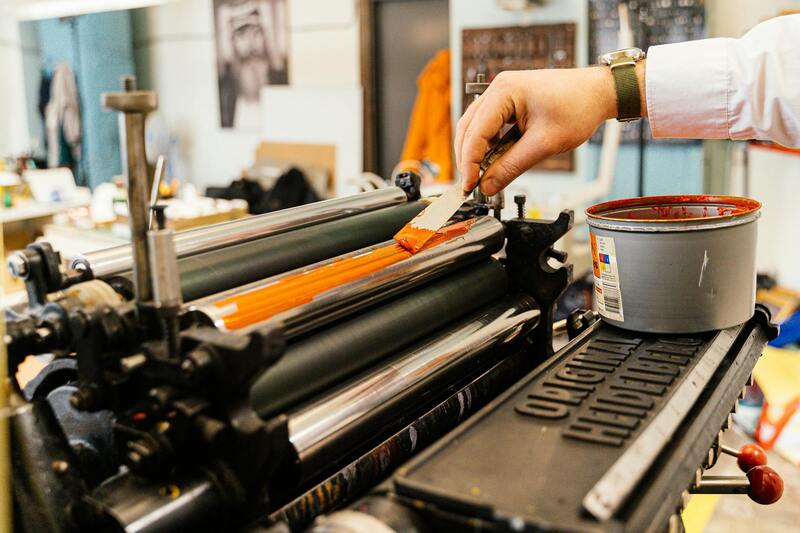
Understanding Custom Business Card Printing
Custom business card printing offers an opportunity to create a unique representation of your brand that leaves a lasting impression. It involves more than just choosing an aesthetic; it requires selecting the appropriate materials, finishes, and printing techniques that align with your business identity and operational needs. From textured papers to metallic foils, customizations can significantly enhance the tactile and visual appeal of your cards, making them stand out in a competitive marketplace. When engaging in custom business card printing, it's vital to collaborate with a provider experienced in various printing methods and material applications to ensure the final product accurately reflects your branding vision.

Material Selection for Custom Business Cards
The choice of material forms the foundation of your business card's durability and aesthetic. Options typically include standard cardstock, premium matte, gloss finishes, linen textures, or even eco-friendly recycled papers. Premium materials are often used for high-end brands that want to convey sophistication, while durable, thicker cardstocks provide longevity in daily handling. The textures and finishes chosen can impact how the card feels and how the printed design appears, emphasizing the importance of selecting a material that seamlessly integrates with your branding strategy.
Variety of Finishing Options
- Matte Finish: Offers a subdued, non-reflective surface that provides an elegant and modern look.
- Gloss Finish: Enhances vibrancy and sharpness, making colors pop for vibrant designs.
- Textured Finishes: Includes linen, soft-touch, or embossed options that add tactile interest and a premium feel.
- Special Effects: Foil stamping, spot UV coating, and textured embossing can add visual intrigue and convey luxury.
Choosing an appropriate finish involves considering the nature of your brand and how you want your business card to be perceived. Combining different finishes can create a multi-layered visual and tactile experience that differentiates your card from standard options.

Design Customization Features
Customization not only pertains to design layout but extends to innovative features that enhance brand recognition and utility. Die-cut shapes can transform a conventional rectangle into a distinctive design, while embossed or debossed elements provide depth and texture. Incorporating metallic foils or holographic accents can amplify visual impact for luxury brands or creative industries. The integration of custom elements should be thoughtfully planned to harmonize with your overall branding message, ensuring that each feature adds value rather than overwhelming the core design.
Optimizing Card Design for Impact
- Minimalist Layouts: Focused, clean designs often communicate professionalism and clarity.
- Color Palette: Use brand colors consistently, considering how different finishes affect color vibrancy.
- Typography: Clear, legible fonts reinforce your brand’s personality and ensure information accessibility.
- Imagery and Logos: High-resolution images ensure clarity, while logo positioning enhances brand recognition.
When customizing your business card, balance aesthetic appeal with functional design to convey your message effectively. Precise placement of key information and visual elements enhances the overall impact, making your card both memorable and practical.
Understanding Custom Business Card Printing
Custom business card printing involves tailoring every aspect of the card to reflect your brand’s unique identity and ensure it leaves a lasting impression. This process encompasses selecting specific materials, finishes, and design elements that align with your industry standards and personal style. The goal is to create a tangible representation of your professional image that enhances your networking efforts and promotes brand recognition.

Implementing custom printing techniques allows businesses to distinguish themselves within competitive markets. From choosing premium paper stocks to incorporating intricate design features such as embossing or foil accents, each choice contributes to the overall perception of quality and professionalism. When properly executed, custom business cards serve as effective marketing tools that communicate credibility, creativity, and attention to detail.
Benefits of Personalized Business Card Printing
- Enhanced Brand Presence: Unique designs reinforce brand identity and recall.
- Professional Image: High-quality finishes showcase commitment to excellence.
- Networking Efficiency: Visually appealing cards facilitate easier exchanges and memorable impressions.
- Versatility in Design: The ability to incorporate various materials, shapes, and textures allows for comprehensive customization.
Choosing the right approach to custom business card printing requires understanding the options available and how they can be tailored to meet your specific branding goals. High-standard printing services provide a range of choices—from traditional to innovative techniques—ensuring that your business cards effectively communicate your company's core values and personality.
Factors Influencing Custom Business Card Outcomes
- Material Selection: Durable, premium materials such as cardstock, linen, or plastic can influence the tactile experience.
- Design Clarity: Clear layout and typography ensure your contact information is easily readable.
- Finish Quality: Matte, gloss, or soft-touch finishes can markedly change the look and feel of the card.
- Printing Technique: Standard offset or digital printing, as well as specialty methods like foil stamping, each contribute to different visual effects.
Deliberately integrating these elements with strategic intent results in business cards that not only serve as contact points but also visual ambassadors for your brand.
Design Customization Options
Leveraging a variety of design customization options allows businesses to create distinctive and impactful business cards. From selection of layout to the incorporation of brand-specific elements, the process hinges on meticulous attention to detail and alignment with branding strategies. Key customization features include:
- Shape and Size: While traditional rectangular cards are standard, alternative shapes such as rounded edges, squares, or custom-cut contours can set your cards apart.
- Color Schemes: Employing brand colors or unique palettes enhances recognition and visual coherence with other marketing materials.
- Typography: Selection of fonts and text arrangements can convey professionalism, creativity, or innovation, depending on your brand personality.
- Logo Integration: Positioning and sizing of logos play a crucial role in visual impact and brand reinforcement.
- Textures and Embellishments: Incorporation of embossed logos, die-cut shapes, or textured finishes creates tactile interest and a memorable experience.

Advanced printing services also support the addition of finishes such as foil stamping or spot UV coating, which add sophistication and durability. When designing your business cards, it’s essential to balance creativity with clarity, ensuring that all visual elements align cohesively with your brand message. Implementing personalized design elements with a professional touch enables your business cards to serve as effective tools for establishing credibility and fostering lasting impressions among clients and partners.
Understanding Custom Business Card Printing
Custom business card printing offers businesses an opportunity to craft cards that truly reflect their brand identity. The process involves selecting specific design elements, materials, and finishing techniques that set your business apart from competitors. This tailored approach ensures that each card functions not only as a contact point but also as a physical extension of your company's values and professionalism. When engaging with a printing provider, it’s important to consider the scope of customization available, including layout options, color schemes, and surface treatments, all aimed at creating a memorable tangible asset for your brand.

Custom business card printing involves an intricate selection process that balances aesthetic appeal with functional durability. The goal is to produce a card that captures attention while conveying important information clearly. This involves choosing the right design elements, understanding the importance of material quality, and selecting finishing touches that enhance the visual and tactile experience. An effective custom card can become a strategic branding tool, available in various formats tailored to specific industries and professional standards.
Importance of Quality in Business Card Printing
Quality plays a crucial role in how your business is perceived. Well-made cards prove your commitment to professionalism and attention to detail. Premium materials and precise printing techniques ensure that the final product exudes sophistication and reliability. High-quality prints resist wear and tear, maintaining their appearance over time. This not only reflects positively on your brand but also ensures that your contact information remains visible and legible during handling and storage. When selecting a printing service, prioritize those that utilize advanced technology and quality assurance measures to deliver consistent, top-tier products.
Popular Materials and Finishes
- Standard Cardstock: A durable option with a smooth surface suitable for most designs.
- Textured Paper: Adds tactile interest and a luxurious feel, ideal for high-end brands.
- Plastic or PVC: Waterproof and highly durable, perfect for cards that need longevity.
- Finishes: Examples include matte, gloss, and soft-touch coatings that provide different tactile experiences and visual effects.
- Special Effects: Foil stamping, spot UV coating, embossing, and die-cut shapes enhance visual appeal and tactile engagement.
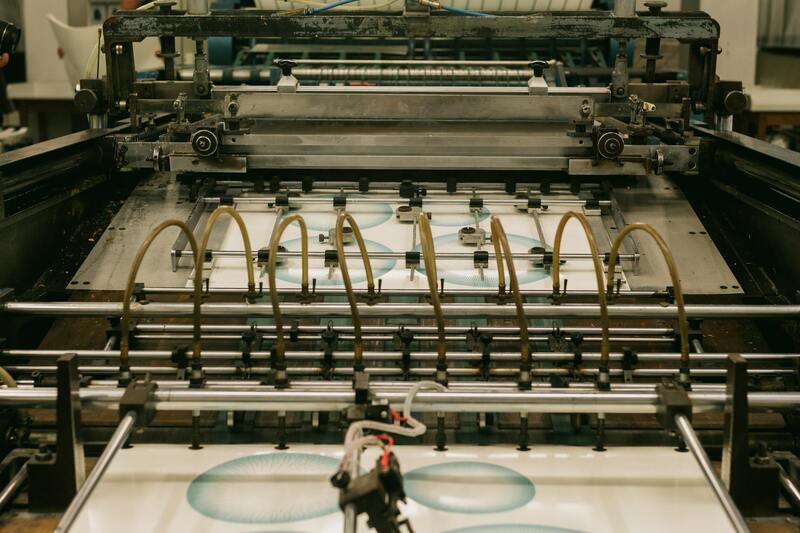
Design Customization Options
Personalized design options allow businesses to effectively communicate their identity and values. Customization includes choices related to layout, color palette, typography, and imagery. Incorporating logo placement and brand-specific motifs ensures visual consistency across all marketing assets. Advanced digital tools enable precise control over element positioning, color matching, and image quality, helping create a cohesive and professional appearance.
Additional customization features involve unique shapes—such as rounded edges, scalloped borders, or die-cut contours—that can make cards stand out. Texture, embossing, and other embellishments create memorable tactile experiences that reinforce brand messaging. These options provide a versatile platform to showcase creativity while maintaining clarity and readability.
Choosing the Right Printing Technique
Different printing techniques influence the final appearance, durability, and cost of your business cards. Offset printing is ideal for large quantities, providing high-quality results with vibrant colors. Digital printing offers flexibility for small runs and rapid turnaround times. Special techniques, like letterpress or foil stamping, are suitable for high-end, luxury cards that demand a sophisticated tactile effect.
Each method has distinct benefits: offset printing provides consistency and efficiency, while digital caters to customization and quick delivery. Incorporating specialty techniques, such as spot UV for gloss highlights or embossing for raised text, can elevate the perceived value of your cards. When selecting a technique, consider your budget, design complexity, and the impression you want to leave on recipients.
Understanding Custom Business Card Printing
Custom business card printing involves more than just selecting a design and material; it encompasses a range of technical and aesthetic decisions that influence the overall impact of your cards. Engaging with professional printing services ensures that your vision is accurately translated into a tangible product that resonates with your brand identity. Key elements include choosing appropriate materials, finishes, and printing techniques that align with your industry standards and personal preferences. High-quality custom business cards serve as a powerful tool to leave a lasting impression, reinforce branding, and facilitate meaningful connections with clients and partners. When selecting a printing partner, it’s essential to prioritize those with a proven track record of delivering consistent, professional results and a comprehensive understanding of the latest printing technologies and materials.

Importance of Quality in Business Card Printing
The quality of your business cards reflects directly on your brand's professionalism and attention to detail. High-quality printing enhances the tactile experience, making cards more memorable and fostering trust. Premium materials, sharp imagery, and precise color reproduction communicate a commitment to excellence that clients and contacts can perceive instantly. Conversely, poorly printed cards can diminish your brand image, suggesting a lack of professionalism or attention to detail. Investing in superior printing methods and materials, such as thick cardstock, durable finishes, and accurate color matching, ensures your cards withstand handling and stand out during exchanges. Ultimately, quality printing is an investment in your brand reputation, helping you make a confident and positive first impression.
Popular Materials and Finishes
- Cardstock: Thick, durable options such as 14pt or 16pt cardstock provide a sturdy feel, fostering a sense of quality.
- Matte Finish: Offers a smooth, non-reflective surface that enhances readability and minimizes fingerprints.
- Glossy Finish: Provides vibrant color reproduction and a shiny appearance, ideal for photographic or colorful designs.
- Soft Touch: Adds a velvety feel that conveys luxury and sophistication.
- Specialty Coatings: UV coating, laminate, or textured finishes can boost durability and aesthetic appeal.
Design Customization Options
Design customization plays a crucial role in making your business cards unique and aligned with your brand. Beyond standard layouts, options include custom shapes, die-cut designs, and creative edge finishes that break away from traditional flat rectangles. Embossing, debossing, and foil stamping introduce tactile and visual elements that command attention. Incorporating brand-specific motifs, patterns, and colors ensures visual consistency across all marketing assets. Advanced digital tools facilitate precise control over element placement, color harmonization, and image clarity, resulting in a cohesive, professional look. Remember, a well-crafted design balances artistic expression with clarity, ensuring contact information remains clear and readable while maximizing aesthetic impact.
Design Tips for Effective Business Cards
- Keep essential contact details prominent and easy to read.
- Use high-contrast colors to ensure visibility.
- Limit the number of fonts and use consistent branding elements.
- Incorporate your logo thoughtfully into the layout.
- Choose finishes that complement your design style, whether matte, gloss, or textured.
Choosing the Right Printing Technique
Your selected printing technique directly impacts the card’s appearance, durability, and overall cost. Offset printing is highly effective for large quantities, providing vibrant colors and sharp details with uniform consistency. Digital printing offers quick turnaround times and is ideal for small batches, custom designs, or when rapid delivery is prioritized. For high-end, luxurious cards, techniques such as letterpress or foil stamping add a tactile dimension through raised or metallic accents, creating an impression of exclusivity. Spot UV coating introduces glossy highlights to specific areas, enhancing visual appeal. Embossing and debossing create a textured effect, adding depth and sophistication. When choosing a technique, consider the desired aesthetic, budget constraints, and the message you wish to communicate through your business card design.
Advantages of Different Techniques
- Offset Printing: Excellent for large print runs with vibrant color accuracy and consistency.
- Digital Printing: flexible, faster, and suitable for short runs and customization.
- Letterpress: Offers a tactile, vintage luxury feel with deep, crisp impressions.
- Foil Stamping: Adds metallic accents for a premium appearance.
- Spot UV: Highlights specific design elements with a glossy finish.
- Embossing/Debossing: Creates a raised or recessed design, enhancing texture and visual interest.
Understanding Custom Business Card Printing
Custom business card printing entails more than just selecting a template and pressing print. It involves a detailed process of choosing the right materials, finishing options, and techniques to produce a card that genuinely captures your brand’s essence. By working with professional printing services, businesses can leverage advanced technology and expert craftsmanship to achieve a polished, eye-catching finish that leaves a lasting impression on clients and partners alike. Whether opting for minimalist elegance or bold, innovative designs, understanding the nuances of custom printing ensures that each card serves as an effective branding tool and a physical representation of your corporate identity.
Importance of Quality in Business Card Printing
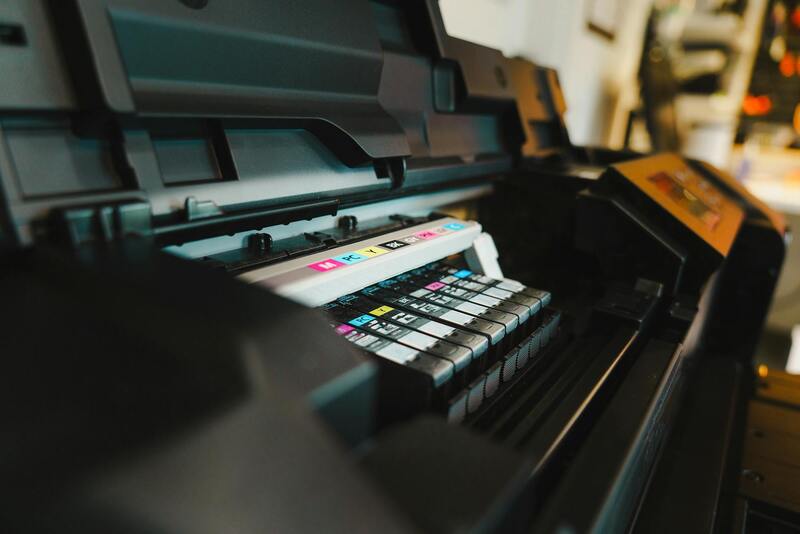
The quality of your business card reflects directly on your brand image. A well-printed card with crisp details and vibrant colors conveys professionalism and attention to detail. High-quality materials and precise printing techniques prevent issues such as smudging, fading, or uneven surfaces that can diminish the card’s effectiveness. Additionally, durable materials—such as thick cardstock or specialty finishes—ensure your business cards withstand handling over time, maintaining their appearance and value. Investing in quality printing helps your business make a memorable first impression, reinforcing trust and credibility with recipients.
Factors Contributing to Quality
- Use of premium materials and cardstock thickness
- Advanced printing technologies ensuring sharp, vibrant images
- Consistent color matching and reproduction
- Professional finishing options such as lamination, foil, or embossing
- Expert handling during production and packaging
Popular Materials and Finishes
Various materials and finishes are available to customize your business cards, each offering unique tactile and visual effects. Standard options include matte, gloss, and satin finishes, which impact the look and feel of the card—ranging from sophisticated and understated to vibrant and attention-grabbing.
Specialty materials, such as textured linen, soft-touch coatings, or transparent plastics, can add a distinctive element that aligns with your brand personality. Finishes like foil stamping or spot UV coating introduce metallic accents and glossy highlights, emphasizing specific design elements. For added durability and elegance, options like rounded corners, embossed logos, or layered cards can elevate the overall perception of your brand.
Design Customization Options
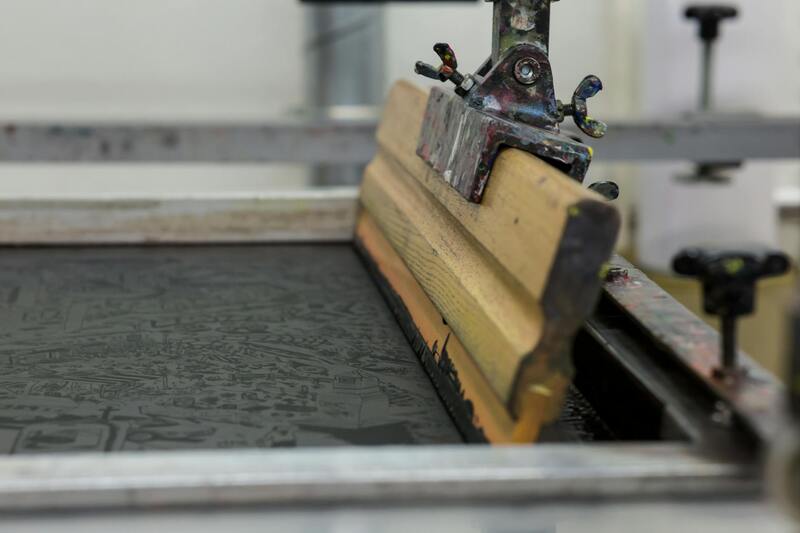
Design flexibility is a significant advantage of custom business card printing. Businesses can choose layout styles—from classic and minimalist to bold and innovative—to best communicate their message. Incorporating brand elements such as logos, color schemes, and typography ensures consistency across marketing materials. Advanced customization options include die-cut shapes, unique textures, and custom patterns that make your card stand out in a pile of standard cards.
Effective use of whitespace, balanced typography, and strategic placement of design elements can improve readability and aesthetic appeal. Many printing services offer digital proofing to refine your design before final production, ensuring the finished product aligns perfectly with your vision. Meeting specific branding requirements and personal preferences is achieved through these versatile customization options, resulting in a card that truly represents your business identity.
Choosing a Reliable Printing Technique
Selecting the appropriate printing process is crucial to achieving the desired visual and tactile impact. Offset printing is ideal for large volumes due to its consistency and cost-efficiency, producing vibrant, color-rich results. Digital printing offers quicker turnaround times and is suitable for small batches or highly customized designs, providing excellent flexibility. For premium finishes, techniques such as letterpress or foil stamping create tactile and metallic accents that elevate your card’s perception. Spot UV coating can add gloss to specific areas, creating visual emphasis, while embossing or debossing impart a textured, three-dimensional effect.
Matching Techniques to Design Goals
- Offset printing for large, uniform runs with high color fidelity
- Digital printing for short asks with fast delivery and customization
- Letterpress for a vintage, tactile feel with deep impressions
- Foil stamping for metallic, eye-catching accents
- Spot UV coating for selective gloss and visual highlights
- Embossing and debossing for textured, dimensional designs
Order Process and Turnaround Time
Once your design and material choices are finalized, placing an order typically involves submitting digital files that meet specific formatting requirements. Most printing services offer proofing options, allowing you to review predictions of the final product before mass production. Turnaround times vary depending on complexity, quantity, and selected finishes, but reputable suppliers often deliver within a few business days to a week. For urgent needs, expedited services are available, ensuring that you receive your custom business cards promptly without compromising quality. Clear communication and detailed specifications help streamline the process, reducing errors and ensuring your cards arrive aligned with your expectations.
Cost Factors and Budgeting
Pricing for custom business card printing depends on several variables, including the chosen materials, printing technique, quantity, and additional finishing options. Higher-quality papers, intricate designs, and specialty finishes naturally increase production costs. Bulk orders tend to reduce per-unit expenses, making them more economical for larger distributions. Budget planning should consider not only initial printing costs but also potential cost savings through optimized design and material choices. By understanding the trade-offs between quality, customization, and budget, businesses can make informed decisions that maximize value without sacrificing the desired level of professionalism and uniqueness in their business cards.