Guide To Print Your Own Business Cards For Singapore Businesses
Importance of Custom Business Cards
In today’s competitive marketplace, establishing a strong professional image is vital for business success. Custom business cards serve as a tangible reflection of your brand, showcasing your professionalism, creativity, and attention to detail. When you design and print your own business cards, you have full control over the message you convey and the impression you leave.
Creating personalized business cards allows for consistency in branding, reinforcing your company's visual identity. Using high-quality materials and thoughtfully designed layouts ensures that your cards stand out among competitors. This direct approach to branding can significantly increase recognition and recall, helping potential clients remember you longer.
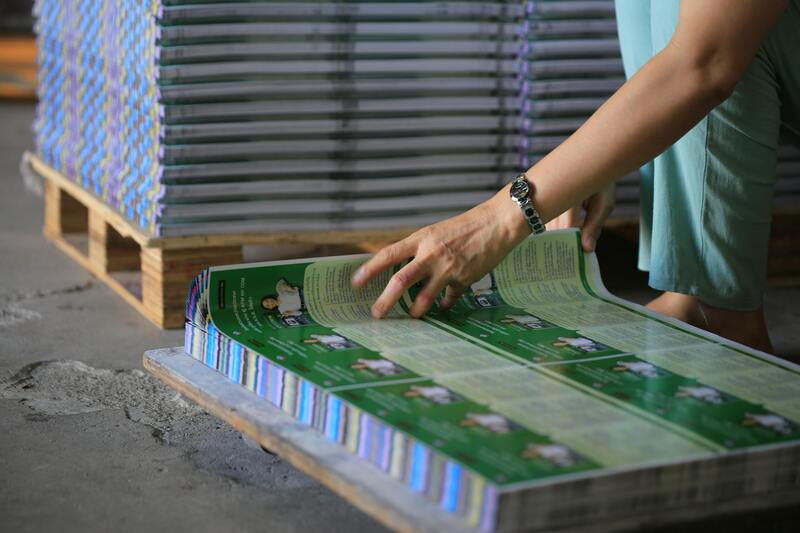
Furthermore, printing your own business cards can be a cost-effective solution, especially when managing small batches for specific events or campaigns. This DIY approach provides flexibility, allowing you to update or customize cards swiftly without relying entirely on external printing services. It also ensures that your branding stays consistent and personalized, which is crucial in establishing trust and credibility in your industry.
Having the ability to print on demand means you can adapt to changing business needs, whether for networking events, trade shows, or client meetings. High-quality, well-designed business cards are a testament to your professionalism and commitment to your brand. They serve as a key component of your overall marketing strategy, creating lasting impressions that can translate into business opportunities and stronger client relationships.
Ultimately, the decision to print your own business cards empowers you to exercise greater control over your branding assets. When executed correctly, it can significantly elevate your business’s image, contribute to brand consistency, and open new avenues for professional growth—all while reflecting your initiative and entrepreneurial spirit.
Choosing the Right Material and Finishes for Your DIY Business Cards
When printing your own business cards, selecting appropriate materials and finishes is crucial to achieving a professional and durable product. The material choice affects not only the card's look and feel but also its lifespan and impression on recipients. Common options include traditional cardstock, which offers rigidity and a premium feel, and specialty papers that incorporate textures or unique finishes.
For business cards that need to withstand frequent handling, consider thicker cardstock varieties such as 14PT or 16PT weights. These provide a sturdy, high-quality feel that reflects professionalism. Additionally, matte finishes help reduce glare and can add a sophisticated look, ideal for creative industries aiming for a modern aesthetic. Conversely, glossy finishes amplify colors and designs, making images and logos pop, which is suitable for brands emphasizing vibrant visuals.

Specialty finishes like UV coatings, foil stamping, or embossed textures can add a tactile dimension and make your cards stand out. These options are particularly effective when you want to emphasize certain design elements such as logos or icons. However, they also come with a higher cost, so balancing budget considerations with desired visual impact is essential.
Understanding Printing Techniques for DIY Business Cards
There are various printing methods available for in-house production, each with their own benefits and limitations. The most common are inkjet and laser printing, which are widely accessible and suitable for small batches or test prints. Inkjet printers excel at handling a variety of paper types and produce vibrant color reproductions, making them ideal for detailed designs.
Laser printers, on the other hand, are faster and more precise, offering crisp text and clean images. They are preferable for larger batches or when you need consistent quality. For higher-quality finishes, some businesses choose to use digital presses or invest in small-format offset printing, which can deliver professional results with batch economies.
The Role of Finishing Options in Elevating Your Business Cards
Finishing options transform standard printing into a visually engaging and tactile experience. Techniques such as rounded corners provide a polished look, while lamination adds a layer of protection against wear and tear. Edge coloring allows you to incorporate brand colors into the edges of your cards, enhancing visual appeal.
Spot UV coating can be selectively applied to certain design elements, creating a contrast between matte and shiny surfaces. Embossing and debossing create raised or recessed designs, introducing contrast in texture that can highlight logos or motifs.
Understanding the Proper Techniques for Producing Business Cards at Home
Creating professional-quality business cards within your own workspace requires a precise approach to printing techniques and materials. To achieve results comparable to those offered by commercial printers, it is vital to understand and utilize appropriate printing methods. Inkjet and laser printers are the most accessible options for small-scale or initial testing phases. Inkjet printers excel at producing vibrant color and handling diverse paper types, making them suitable for intricate designs and high-quality images. Laser printers, known for their speed and sharp output, are ideal when consistent quality across larger batches is needed.

Beyond basic printing, the selection of materials significantly impacts the final appearance and durability of your cards. Premium cardstock options, with thickness levels ranging from 14pt to 32pt, provide a sturdy and luxurious feel. Finishes such as gloss, matte, or soft touch coating can be applied to enhance visual appeal and tactile quality. Glossy finishes are ideal for vibrant visuals, while matte options offer a sophisticated, subdued look. Specialty coatings like soft touch or textured finishes add a tactile dimension that stands out, giving your business cards a premium edge.
Strategic Finishing Techniques to Elevate Business Card Quality
Finishing techniques are instrumental in transforming a standard print into a captivating promotional item. Rounded corners contribute to a refined look and help prevent damage from daily handling. Lamination not only enhances durability but also imparts a sleek, cohesive appearance—particularly beneficial in high-wear environments. Edge coloring allows customization with brand colors, creating subtle yet impactful accents along the edges of the card. Spot UV coating selectively applies a shiny, contrasting layer to specific design elements, drawing attention to logos or key information. Embossing and debossing introduce tactile texture, creating raised or recessed designs that add depth and sophistication, making your cards memorable for recipients.

Implementing these techniques in your in-house production process demands attention to detail and proper equipment. For instance, applying spot UV coating requires specialized applicators capable of precision, while embossing may necessitate custom dies or plates. Proper handling and consistent application of these finishes ensure a polished, professional outcome that can elevate your branding efforts significantly.
By understanding and controlling each stage—from design to finishing—you can produce compelling business cards that effectively communicate your brand identity. The right combination of printing methods, material choices, and finishing techniques will ensure your cards leave a lasting impression, showcasing your professionalism and attention to detail in every aspect of your branding materials.
Legal and Branding Tips for Printing Your Own Business Cards
Producing your own business cards requires adherence to certain best practices that ensure your cards are both professional and compliant with branding standards. While the process is accessible and cost-effective, maintaining consistency with your brand identity and respecting copyright considerations are vital components. Implementing official methods for creating and printing your cards safeguards your brand's integrity and fosters trust with your recipients.
Utilize Official Templates and Design Resources
Starting with professionally designed, official templates provides a solid foundation for your business cards. Many reputable printing services and design platforms offer templates that align with industry standards and are vetted for quality. These templates ensure that your designs meet technical requirements such as bleed areas, safe zones, and resolution standards, minimizing errors during printing.

Ensure Copyright Compliance in Design Elements
When creating a design for your business cards, it is essential to use only licensed images, fonts, and graphics. Utilizing copyrighted material without permission can lead to legal complications and damage your reputation. Rely on official resources such as stock image libraries with clear licensing terms or custom-created artwork to accurately represent your brand without infringing on intellectual property rights.
Partner with Certified Printing Providers
Selecting reputable and certified printing services, such as those specializing in business card production, guarantees that your final product adheres to industry standards. Certified providers employ quality control measures and use official printing equipment and materials, which results in high-quality output. When feasible, choose providers that offer official proofs or samples before the final print run, allowing for verification of design accuracy and color correctness.
Maintain Clear Branding Guidelines
Establishing comprehensive branding guidelines, including logo usage, color palettes, and font selections, ensures consistency across all printed materials. When these standards are documented and shared with your printing partners or team members, it reduces variations and maintains a professional image. Relying on official brand assets and adhering strictly to prescribed formats prevent deviations that could dilute your brand identity.
Implement Secure File Management Practices
Proper file management involves archiving final approved designs in secure formats, typically in vector (such as AI or EPS) or high-resolution PDF files. Using official and original design files prevents unauthorized alterations and guarantees that your printed cards match your intended design. Always maintain backups in case updates or reprints are necessary, and share only with trusted printing service providers who follow recognized security protocols.
Adopt Ethical Printing Techniques
Complying with environmentally responsible printing methods supports sustainable business practices. Choose official suppliers that use eco-friendly inks, recycled materials, and energy-efficient processes. These practices not only reflect well on your company but also align with established standards and regulations concerning sustainability.
Implementing these legitimate practices ensures that your self-produced business cards stand out for their quality, consistency, and compliance. Limiting yourself to official templates, licensed design components, certified printing vendors, and proper file management elevates your brand's professionalism and safeguards your reputation in all your marketing materials.
Additional Legitimate Methods for Printing Your Own Business Cards
Beyond the choice of materials and design considerations, selecting reliable and recognized printing channels is crucial for producing high-quality business cards that reflect your professionalism. Authentic printing methods involve working with certified local printing services, reputable online platforms, or established commercial printers that adhere to recognized standards of quality and security. When choosing a printing provider, prioritize those with good industry reviews, transparent licensing, and clear quality certifications, ensuring your business cards are produced using legitimate techniques that meet industry benchmarks.

Utilizing Certified Printing Services
Working with certified printing services not only ensures the utilization of eco-friendly and sustainable practices but also guarantees that the printing process aligns with verified standards. These providers use advanced digital or offset printing machines that adhere to strict quality control protocols. They often offer guarantees for color accuracy, durability of finishes, and overall print quality, which are essential for maintaining a professional appearance in your business communications. Certification from recognized industry bodies signifies their commitment to high standards, providing confidence that your cards will meet expectations and uphold your branding integrity.
Leveraging Reputable Online Platforms
Numerous reputable online printing platforms enable entrepreneurs to print custom business cards with ease, backed by official partnerships and licensing agreements. These platforms often offer intuitive design tools, proofs for approval, and fast turnaround times, making it convenient to create and order professional-quality cards without compromising on standards. Selecting a platform that complies with recognized industry protocols and provides transparent pricing and delivery guarantees ensures your business cards are produced through legitimate, high-quality processes. Additionally, these platforms frequently adhere to stringent data security measures, safeguarding your business information throughout the ordering process.
Working with Established Commercial Printers
For businesses seeking large-volume orders, engaging with established commercial printers offers the assurance of consistent quality through proven manufacturing methods. These printers use high-end equipment and follow strict quality management systems to ensure the finished product matches your specifications precisely. Many of these providers have certifications verifying their adherence to environmental and safety regulations, further substantiating their legitimacy. Collaborating with such providers typically involves detailed consultations to customize finishes, paper stocks, and eco-conscious options, ensuring your business cards are not only professional but also produced with responsible practices.
Quality Assurance and Verification
Implementing quality assurance protocols is essential when printing your own business cards through legitimate means. This includes reviewing proofs thoroughly, ensuring color matching, inspecting samples before bulk runs, and verifying that each print batch adheres to predetermined standards. Many official vendors also provide certifications, quality seals, or warranties that verify their products accurately reflect your design and material choices. These measures prevent discrepancies, reduce waste, and guarantee that every batch of business cards maintains a consistent, high-standard appearance, reinforcing your brand’s credibility with every distribution.
Legal and Branding Tips for Printing Your Own Business Cards
Ensuring that your DIY business cards meet all necessary standards requires attention to specific practices that uphold professionalism and brand integrity. Proper adherence to official guidelines encompasses selecting appropriate design elements, verifying the accuracy of contact information, and maintaining consistent branding across all printed materials.
When designing business cards, use high-resolution images and vector graphics to ensure clarity and sharpness. Confirm that fonts are legible and appropriately sized, as this enhances readability for recipients. Incorporate your company's branding elements—such as logos, color schemes, and taglines—faithfully to establish a cohesive visual identity that resonates with your target audience.
Verification processes are integral to quality assurance in printing. This involves reviewing digital proofs meticulously to spot discrepancies in color matching, layout, or text before proceeding to print. Printing a sample card can help evaluate the quality and appearance, allowing adjustments if necessary. Maintaining consistent print runs preserves the professional look of your cards, reinforcing your brand's credibility.

Using reputable materials and finishes not only elevates the look of your cards but also demonstrates your commitment to quality. Select cardstock that complements your brand’s aesthetic, whether matte for a sophisticated feel or glossy for vibrant colors. Additionally, consider finishes such as embossing, foil stamping, or spot UV coating to add texture and visual interest, making the cards memorable.
Legitimate printing methods include the use of certified suppliers and professional printing equipment. When sourcing materials or equipment, opt for suppliers with established reputations and transparent quality standards. Proper calibration of printers, consistent ink application, and adherence to manufacturing protocols are vital to producing durable, high-quality business cards.
Maintaining Brand Consistency and Ethical Representation
Align your business card design with your overall branding strategy. This consistency aids recognition and establishes trustworthiness in the minds of clients and partners. Ensure that all information is accurate, formally formatted, and updated regularly to reflect current contact details and services.
Properly licensed images and fonts are also crucial. Utilizing authorized fonts and commercially available images prevents potential legal complications and maintains ethical standards within branding practices.
By following these official steps, you can confidently print your own business cards with a high standard of professionalism, ensuring they serve as a reliable and effective tool for networking and brand promotion.
Legal and Branding Tips for Printing Your Own Business Cards
When creating and producing your own business cards, adherence to established guidelines ensures not only the professionalism of your materials but also maintains the integrity of your brand. Utilizing officially sanctioned methods involves selecting reputable suppliers, following industry standards, and upholding ethical practices in your design and printing processes.
Partnering with Certified Suppliers and Equipment
To produce business cards that meet professional standards, it is crucial to collaborate with certified printing suppliers who comply with industry regulations. These suppliers ensure that their equipment and processes are regularly calibrated and maintained, which guarantees consistent color accuracy, crisp resolution, and long-lasting print quality. Sourcing materials from reputable providers minimizes the risk of substandard outputs and ensures your cards reflect the value of your brand.
Utilizing Proper Printing Techniques and Materials
Adopting official printing methods includes choosing appropriate hardware and inks that are approved for commercial use. For instance, companies often use digital or offset printing technologies that adhere to safety and quality protocols. These methods facilitate vibrant colors and sharp images, critical for making a positive impression.

Material selection also plays a vital role. Official procedures recommend using high-grade cardstock with proven durability and aesthetic appeal. Finishes such as matte, gloss, or satin are applied according to industry standards to enhance texture and appearance. Specialty finishes like embossing, foil stamping, or spot UV coating not only elevate visual impact but are produced using certified techniques to ensure consistency and safety.
Design and File Preparation
Proper design files prepared for print follow specific technical standards, including correct resolution, color profiles (typically CMYK), and bleed settings. Using approved digital templates and adhering to the specifications provided by legitimate printing services helps prevent common issues like misalignment or color discrepancies. This process ensures the final product meets quality expectations and maintains brand consistency.
Legal Sourcing of Images and Fonts
Employing licensed images, fonts, and graphics aligns with official guidelines and promotes ethical branding practices. Many professional designers and printing services provide access to licensed resources that can be safely used without concerns over copyright infringement. This approach preserves the professionalism of your business cards while respecting intellectual property rights.
Documentation and Record Keeping
Maintaining detailed records of your print files, supplier certifications, and production protocols supports transparency and accountability. Documentation might include supplier invoices, quality assurance reports, and design approval records. Such records help demonstrate adherence to official standards and are valuable for consistent reprints or future upgrades.
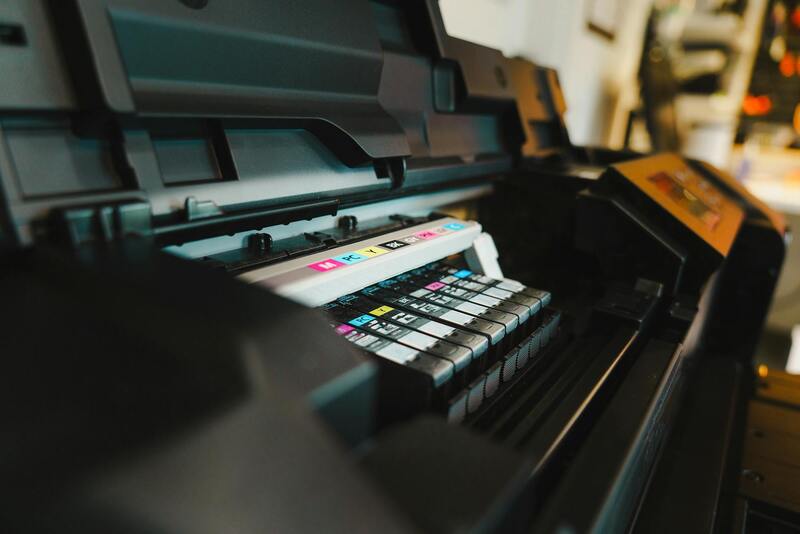
Following these official procedures guarantees that your business cards are produced to a high standard, reflecting professionalism and fostering trust with clients and partners. By partnering with accredited suppliers, utilizing approved materials and techniques, and adhering to design standards, you can confidently produce business cards that serve as a reliable extension of your brand and personal identity.
Putting It All Into Practice: Step-by-Step Guide to Printing Your Own Business Cards
Transforming your business card design into a tangible, professional product involves a systematic approach that ensures quality, consistency, and adherence to industry standards. Here’s a detailed guide to help you navigate the process seamlessly, from concept to delivery.
Preparing Your Design Files for Printing
The first critical step in printing your own business cards is to meticulously prepare your design files. Utilize high-resolution images (at least 300 dpi) to maintain clarity and sharpness. Ensure your design extends to the bleed area—typically about 3mm beyond the final cut line—to prevent unwanted borders or misalignments after trimming. Use vector-based programs like Adobe Illustrator or CorelDRAW for text and logo elements, as these are scalable without loss of quality. Save your files in PDF or TIFF formats, adhering to the specifications provided by your chosen printing method or service provider.
Confirming Color Accuracy and Proofing
Color fidelity is paramount in business branding. To prevent discrepancies, specify the use of CMYK color mode during file preparation, which aligns with printing standards. Before proceeding with mass printing, request a physical or digital proof—an accurate sample of the final product—to verify color match, element placement, and overall appearance. Adjust your files accordingly, guided by the proof, to ensure the final product matches your expectations.
Partnering with Reputable Printing Services or Using Quality Equipment

When opting to print in-house, investing in commercial-grade printing equipment such as professional-grade digital or offset printers can substantially elevate the final product's quality. For those working with external providers, choose established printing companies with a track record of consistent quality, positive reviews, and certifications that attest to their adherence to industry norms. Ensure they offer the range of materials, finishes, and die-cut options suited to your branding needs.
Quality Control and Final Inspection
Regardless of the printing method, conducting a thorough quality check is essential. Inspect each batch for color consistency, registration accuracy, and finishing details such as rounded corners or lamination. Confirm that the edges are clean and the print quality matches the approved proof. It’s also prudent to check the durability of the chosen material and finish—whether matte, gloss, or spot UV—to verify they meet your functional and aesthetic standards.
Proper Storage and Handling of Printed Business Cards
Once printed, store your business cards properly to maintain their condition. Keep them in a clean, dry environment, preferably in individual cardholders or business card albums that prevent bending or scratches. Handle them with care during distribution to avoid smudges, tears, or other damage that could compromise their professional appearance. Regularly review stock to prevent exposure to elements like moisture or direct sunlight, which can degrade the card material over time.
Legal and Ethical Considerations in Self-Printing
Ensure all elements used in your business card design—images, fonts, logos—are properly licensed or originated from original sources. Using licensed resources helps maintain your brand’s integrity and prevents potential disputes. Keep records of licenses and permissions as part of your documentation process, which aids in maintaining transparency and accountability with your printing outcomes.
Final Deployment and Feedback Gathering
Distribute your printed business cards strategically within your network, at events, or through direct client engagement. Solicit feedback from recipients regarding their impressions of the card’s quality and design. Use this feedback to inform future printing projects, whether it involves adjusting materials, finishes, or design elements, fostering continuous improvement in your branding efforts.