Custom Card Printing Services In Singapore: Options And Tips
Comprehensive Overview of Custom Card Printing Services
Types of Custom Cards Offered
Custom card printing services cater to a broad spectrum of needs by providing an extensive array of card types tailored for various occasions and professional requirements. These include versatile name cards designed for business branding, personal greeting cards suitable for celebrations, thank you cards that convey appreciation, and invitation cards crafted for events ranging from corporate gatherings to private festivities. Each category serves a distinct purpose, emphasizing quality, aesthetic appeal, and functionality.
Design and Personalization Options
Custom card printing facilitates a high degree of personalization, enabling clients to incorporate unique logos, images, and messages. Design flexibility is supported through the use of digital design tools, allowing for the customization of layouts, fonts, colors, and finishes. Whether aiming for a minimalist style or an intricate artistic statement, customers can tailor their cards to reflect their brand identity or personal style. Advanced features such as embossed details, foil stamping, and textured surfaces further enhance visual appeal and tactile experience.
Materials and Finishings
Choosing the right material is crucial to achieving the desired quality and durability of custom cards. Common options include high-quality cardstock, premium matte or gloss finishes, and specialty papers like linen or textured stock. Finishings add a layer of sophistication, with choices such as matte, gloss, or soft-touch coatings that influence the final look and feel. Some printers also offer eco-friendly materials, aligning with sustainable practices without compromising quality.
Printing Technologies and Quality
The quality of printed custom cards is primarily determined by the employed printing technology. Digital printing offers rapid turnaround and vivid color reproduction, ideal for small to medium quantities with intricate details. Offset printing, on the other hand, is suited for larger orders, ensuring sharp images and consistent color fidelity. Attention to detail during the printing process results in high-resolution images and precise color matching, establishing a professional appearance for your custom cards.
Order Quantities and Lead Times
Flexibility in order quantities accommodates diverse needs, from small batch productions for personal events to bulk printing for corporate branding campaigns. Turnaround times vary based on quantity, complexity, and printing method. Typically, small orders with standard designs can be completed within a few days, while larger or more complex projects may require additional time for proofing and production. Efficient scheduling ensures timely delivery to meet urgent or planned deadlines.
Pricing and Cost Factors
The cost of custom card printing depends on several factors including the size, material, finishings, and order volume. Premium materials and intricate embellishments tend to increase production costs. Bulk orders usually benefit from discounted rates, making them more economical per unit. Transparent pricing structures and detailed quotes enable customers to manage budgets effectively without compromising on quality.
Choosing a Printing Service Provider
Selecting the right custom card printing service involves evaluating their experience, portfolio, and client reviews. Reliable providers prioritize quality control, offer a wide range of customization options, and maintain timely delivery schedules. Customer support and guidance throughout the design process are valuable assets, ensuring the final product aligns with expectations. Proven expertise in material selection, printing technology, and finishing options signifies a dependable partner for your printing needs.
Applications and Business Uses
Custom printed cards serve a multitude of business and personal applications. Companies utilize them for branding by producing high-quality business cards that leave lasting impressions. Event organizers rely on personalized invitation and thank you cards to enhance guest experience. Retailers and service providers often use custom loyalty or membership cards to foster customer engagement. Whether for marketing, networking, or personal milestones, custom card printing enhances communication and brand presence across various contexts.
Design and Personalization Options
Customization plays a vital role in creating standout cards that capture attention and reflect individual or brand identity. The array of design features available through s7printing.com includes folding options that add versatility and sophistication to card layouts. Folded cards enable additional space for messaging or branding elements, perfect for invitations, menus, or multi-step information displays. Lamination enhances durability while offering options such as matte, gloss, or satin finishes, each imparting different tactile and visual qualities.
Embossing and debossing techniques are used to create raised or recessed elements, adding tactile dimension to logos or text. Foil stamping introduces metallic accents in gold, silver, or custom colors, elevating a card’s elegance and perceived value. Die-cutting enables bespoke shapes and intricate cut-out patterns, making each card uniquely tailored to the brand or occasion. Additionally, options like tailored sizing—beyond standard dimensions—help in designing cards that fit specific aesthetic or functional requirements.
Advanced design tools allow clients to experiment with overlays, signatures, or textured effects to craft a truly personalized product. Whether aiming for a minimalist appearance or a lavish presentation, these customization avenues ensure each card communicates the intended message with visual impact and refinement.
Material Selection and Finishing Touches for Custom Cards
Choosing the right materials is fundamental to achieving the desired aesthetic and functional qualities of custom cards. s7printing.com offers a diverse range of premium paper options, including silk, uncoated, kraft, recycled, and specially textured materials. Each type caters to different needs, from a smooth, professional feel to eco-friendly, rustic finishes. Silk papers are favored for their luxurious softness and subtle sheen, making them ideal for business cards intended to convey sophistication. Uncoated papers provide a natural, tactile experience that enhances readability, often preferred for invitations or product labels. Kraft papers lend a warm, earthy tone suitable for eco-conscious branding, while recycled papers underscore sustainability commitments, appealing to environmentally mindful clients.
Finishings significantly influence the durability and visual appeal of the cards. Gloss finishes impart a shiny, vibrant look that enhances colors and details, making them suitable for promotional materials and eye-catching branding. Matte finishes offer a subdued, sophisticated appearance that reduces glare and is perfect for a more understated, elegant presentation. Embossing adds tactile depth by raising specific elements such as logos or text, creating a memorable textured dimension. Rounded corners provide a softer, safer edge, contributing to a refined aesthetic and improved handling. Additional finishing options include spot UV coating for selective gloss effects and soft-touch coatings that lend a velvety feel, elevating the tactile experience of each card.
Technological Precision in Custom Card Production
State-of-the-art printing technologies employed by s7printing.com ensure that every card produced meets high standards of clarity and color accuracy. Digital printing offers swift turnaround times and is ideal for short to medium runs, providing sharp, vibrant images with precise detail. Offset printing, on the other hand, excels in large volume projects, delivering consistent quality and color fidelity across extensive quantities. Special techniques such as foil stamping and holographic printing are used to add metallic accents or shimmering effects, transforming ordinary cards into striking visual statements.
Clients can expect meticulous quality control measures to be in place, guaranteeing that each batch of cards maintains uniform excellence. Whether it’s precise color matching, crisp line work, or flawless application of special finishes, the technology-driven process delivers professional results. This meticulous approach ensures every card not only meets immediate aesthetic expectations but also sustains their visual integrity over prolonged use, maintaining the impression of quality whether for corporate branding, personal memorabilia, or promotional giveaways.
Material Choices and Finishings for Custom Cards
Choosing the right materials and finishings significantly impacts the durability, appearance, and tactile experience of custom cards. Reputable custom card printing services utilize a diverse selection of high-quality substrates, including standard cardstock, premium matte, glossy, and textured finishes. These options allow for tailored solutions that match the specific branding or personal style of the client.
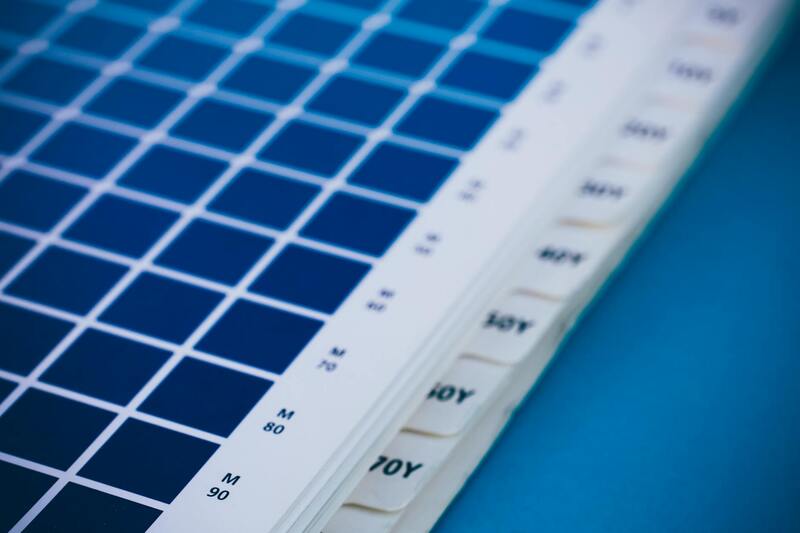
For an enhanced visual appeal, finishings such as spot UV coating can be applied selectively to certain areas of the card, creating striking contrast and highlighting key design elements. Soft-touch coatings provide a velvety surface that elevates the tactile quality of the card, making it memorable to the touch. Matte finishes are favored for their elegant subdued look and smudge resistance, while high-gloss finishes yield vibrant, eye-catching results that are ideal for showcasing detailed artwork or photography.
Advanced Finishing Techniques to Enhance Custom Cards
To add unique visual effects and heighten the perceived value of each card, industry-leading printing providers incorporate special finishing techniques. Foil stamping, for instance, imparts metallic accents in gold, silver, or other colors, creating a luxurious look suitable for upscale branding or special event invitations. Holographic printing brings shimmering, multi-dimensional effects that attract attention and leave a lasting impression.
Embossing and debossing are other techniques used to add depth and texture, making logos, patterns, or text stand out physically against the card surface. Laser cutting and die-cut shapes can transform standard rectangular cards into distinctive forms, further strengthening brand identity or personal expression.
Quality Control and Consistency in Custom Card Production
Ensuring each batch of custom cards meets stringent quality standards is integral to trusted printing services. State-of-the-art digital and offset presses, combined with rigorous quality checks, guarantee color consistency, crisp details, and proper application of finishing effects. This meticulous process ensures that each card visually aligns with client expectations and maintains its aesthetic integrity over time.
Clients benefit from advanced color management systems that facilitate precise matching to brand colors or design specifications. Additionally, environmental sustainability considerations, such as the use of eco-friendly inks and recyclable materials, are increasingly incorporated into production workflows, aligning with responsible business practices without compromising quality.
Types of Custom Cards Offered
In the realm of custom card printing services, a diverse array of card types is available to cater to various professional, promotional, and personal needs. Business professionals often opt for standard business cards, which can be customized with unique textures, finishes, and designs to reflect brand identity. Event organizers frequently choose event-specific cards such as invitations, RSVP cards, or VIP passes, each tailored to match the event’s theme and tone.
For marketing campaigns, companies may utilize promotional cards, including sample cards, loyalty cards, or gift cards, designed with eye-catching visuals and durable materials to withstand frequent handling. Personal clients might select for their personal projects, such as greeting cards, thank you cards, or custom-designed playing cards for entertainment purposes. Specialty cards like membership cards, ID badges, and access passes also fall within the scope of custom printing services.
Design and Personalization Options
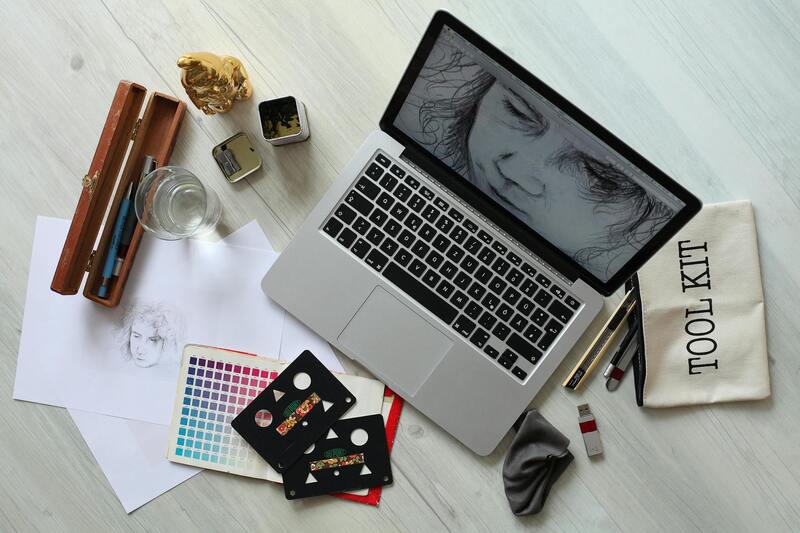
Modern custom card printing allows extensive personalization, empowering clients to bring their unique visions to life. Design options range from pre-made templates to fully bespoke layouts created with professional design tools. Whether opting for minimalistic elegance or vibrant, intricate artwork, clients can incorporate a multitude of design elements such as logos, images, patterns, and text.
Personalization extends beyond visual aesthetics. Advanced services include the addition of foils—gold, silver, or holographic—providing a touch of luxury. Embossing and debossing techniques can create tactile effects that make new designs or logos stand out physically. For digital interactivity, QR codes or augmented reality elements can be embedded, offering innovative ways to engage recipients.
Materials and Finishings
The choice of materials significantly influences the aesthetics, durability, and feel of custom cards. Standard options include high-quality cardstock, which offers a sturdy base that can be enhanced with various finishes. Matte finishes provide a smooth, non-reflective surface ideal for understated elegance, whereas gloss coatings enhance vibrancy and create a more dynamic appearance.
Specialty materials such as textured paper, transparent plastics, or metallics open further creative possibilities. Foil stamping adds a reflective surface, perfect for highlighting logos or important details. Matte or gloss laminations protect against wear and tear while also contributing to the overall visual impact. Textured finishes, such as linen or pebble effects, lend a luxurious tactile experience.

Printing Technologies and Quality
Leading custom card printing providers employ state-of-the-art printing technology to ensure vibrant, crisp, and consistent results. Digital printing is suitable for short runs and offers rapid turnaround times, with high-resolution presses capable of reproducing fine details and complex color gradients. For larger quantities, offset printing provides exceptional color accuracy and efficiency, making it a cost-effective solution for bulk orders.
Quality control is integral to maintaining a professional appearance. Advanced calibration methods and color management systems ensure every batch adheres to stringent standards, resulting in uniformity across multiple prints. High-quality inks are employed to deliver rich, long-lasting colors that resist fading over time.
A variety of finishing options—such as spot UV, matte or gloss varnishes, and lamination—enhance durability and aesthetic appeal. Additionally, printing techniques like embossed foils or holographic effects are produced with precision machinery that guarantees clean, sharp results.
Types of Custom Cards Offered
Custom card printing services encompass a wide array of card types tailored to meet diverse business and personal needs. From professional business cards designed to make a memorable first impression to boutique greeting cards that add a personalized touch for special occasions, service providers such as s7printing.com cater to numerous categories. Other notable options include invitations for weddings and events, loyalty and membership cards, and promotional giveaways. Each card type is crafted with the intention of maximizing visual impact and functional value, ensuring that every detail aligns with the brand or personal message.
Business Cards
Business cards remain a fundamental aspect of professional networking, often serving as the tangible representation of your brand. They come in standard sizes, but options for unique shapes, thicknesses, and finishes enable customization to reflect a company's personality. Many providers offer embedded features such as QR codes, embossed logos, or metallic foils that add sophistication and functionality.
Greeting and Invitation Cards
Special occasions call for personalized greeting and invitation cards. These can be customized with intricate designs, embossed patterns, or special finishes that elevate their appeal. Whether for weddings, birthdays, corporate events, or holidays, these cards can be tailored to match specific themes and preferences.
Loyalty and Membership Cards
Optimized for durability and security, loyalty and membership cards are crucial for customer retention. Custom options include magnetic stripes, barcode or QR code integration, and high-quality card materials to ensure longevity. These cards often feature visually striking designs to reinforce brand consistency and encourage customer engagement.
Promotional and Giveaway Cards
Effective promotional cards can enhance brand visibility by offering discounts, exclusive offers, or information about upcoming events. Custom printing services can produce cards with holographic effects, spot UV finishes, or textured surfaces, all aimed at attracting attention and making an impactful statement.
Design and Personalization Options
Design flexibility is a core element of custom card printing services. Clients can choose from a variety of templates, or opt for bespoke designs created by professional graphic artists. This level of personalization ensures that every card aligns perfectly with branding guidelines and personal aesthetic preferences. Advanced customization options include the use of custom fonts, color schemes, and imagery, allowing clients to craft unique visuals that resonate with their target audience.
Template Selection and Creative Collaboration
Service providers offer a broad selection of templates across various styles and industries, providing a convenient starting point for design. Additionally, collaborative design processes enable clients to work closely with designers, ensuring their vision is accurately translated into the final product. This may include multiple revisions, proofing stages, and consultations to refine details such as layout, imagery, and finishing touches.
Unique Features and Embellishments
To add distinctive touches, many custom printing services incorporate features like spot UV coatings, foil stamping, raised letterings, or holographic effects. These embellishments serve both aesthetic and practical purposes, enhancing the tactile experience and boosting brand recognition. Fully personalized cards can also include cut-out shapes or custom die cuts to further stand out from standard formats.
Materials and Finishings
The choice of materials significantly impacts the durability, appearance, and tactile experience of custom cards. Options range from traditional cardstock to premium materials designed for luxury effects. Quality materials not only reinforce the intended image but also ensure longevity and resistance to wear and tear.
Common Materials
- Standard Cardstock: Versatile, cost-effective, suitable for most applications.
- Premium Metallic or Matte Cardstock: Adds sophistication with subtle textures or shimmering finishes.
- Plastic or PVC: Ideal for durable, waterproof cards such as loyalty or membership cards.
- Luxury Options: Cotton or linen-finish papers offer a rich tactile feel for high-end branding.
Finishings
- Glossy Finish: Enhances color vibrancy and provides a shiny surface that attracts attention.
- Matte Finish: Offers a subdued, elegant look with reduced glare, suitable for minimalist designs.
- Soft Touch: Adds a velvety texture that elevates the sensory experience.
- Laminations and Coatings: Protect against scratches, UV damage, and general wear, maintaining the card’s pristine appearance over time.
- Textured Surfaces: Linen, pebble, or embossed effects lend a unique tactile quality to the cards.
Printing Technologies and Quality
Cutting-edge printing technology ensures that each custom card meets high standards of clarity, color fidelity, and precision. Digital printing methods are advantageous for short runs, offering quick turnaround times and the flexibility to incorporate variable data. Conversely, offset printing provides superior quality and consistency for large quantities, especially when complex color matching is required.

Color Fidelity and Resolution
State-of-the-art color management systems enable precise reproduction of brand colors and intricate designs. High-resolution printing ensures sharp details, even on small text or fine lines, crucial for professional-quality cards. Subtle gradients and complex images are rendered with clarity, maintaining visual integrity across batches.
Finishing Techniques for Durability and Aesthetic Appeal
- Spot UV Coating: Adds gloss to specific areas for visual emphasis.
- Embossing/Debossing: Creates raised or recessed effects for tactile contrast.
- Holographic and Foil Effects: Incorporate reflective or metallic elements for eye-catching designs.
- Lamination and Varnishes: Shield cards from environmental damage and enhance surface qualities.
Quality Control Measures
Ensuring consistency involves rigorous calibration of printing equipment and testing of color accuracy before mass production. Multiple inspection points identify and rectify errors, resulting in a flawless batch that aligns with client specifications. Long-lasting inks and protective coatings further preserve the visual appeal of the finished cards over time.
Types of Custom Cards Offered
Custom card printing services encompass a diverse range of card types tailored to meet various business and personal needs. Standard options include business cards, which are essential for professional branding and networking. These can be personalized with unique designs, finishes, and sizes to make a memorable impression. In addition to business cards, many providers offer specialty cards such as loyalty or membership cards, gift cards, and event or occasion cards like invitations, thank you notes, and holiday greetings. Each type can be customized not only in terms of design but also with specific features like magnetic strips or embedded chips for enhanced functionality.
For creative applications, custom playing cards, greeting cards, and promotional cards are available. These often feature intricate designs, personalized images, or promotional messages, helping brands stand out in crowded markets. The flexibility in card types ensures businesses and individuals can select the perfect format that aligns with their objectives, whether for branding, marketing, or personal expression.

Design and Personalization Options
Design flexibility is one of the primary advantages of professional custom card printing. Clients can choose from predefined templates or upload their own artwork, allowing for high levels of personalization. Advanced design tools often facilitate the addition of logos, images, and custom text, ensuring each card is unique to the brand or individual.
Personalization extends beyond visual elements to include options such as embossing, debossing, foil stamping, and spot UV coating. These techniques add tactile and visual depth to cards, making elements like logos or key information pop. Moreover, the choice of fonts, color schemes, and border styles allows for cohesive branding or personal aesthetic expression. Many providers also enable the inclusion of variable data printing, which is pivotal for sequential numbering or personalized messages, especially useful for direct mailing campaigns or event-specific cards.
Materials and Finishings
The quality of custom cards heavily depends on the materials used and the choice of finishings. Premium options include thicker cardstock options, often ranging from 14pt to 32pt, providing durability and a luxurious feel. Specialty materials such as plastic or transparent PVC offer waterproof and weather-resistant features, perfect for tags or contact cards exposed to the elements. For a matte or glossy appearance, there are various surface treatments tailored to match the desired aesthetic and functional purpose.
Finishings such as matte, gloss, or satin varnishes not only enhance appearance but also offer protection against scratches and fading. Embellishments like metallic foils or holographic finishes introduce eye-catching effects, elevating the overall design. Spot UV coatings applied selectively create contrast and visual interest, especially for logos or important information. These options allow for durable, visually appealing cards that communicate quality and attention to detail.
Printing Technologies and Quality
High-quality custom cards are produced using advanced printing technologies that cater to different volume requirements and design complexities. Digital printing is ideal for short runs and offers quick turnaround times, with excellent color accuracy and sharp image reproduction. It allows for quick adjustments and personalized data, making it suitable for small batches or on-demand printing.
For larger quantities requiring consistent color matching and intricate designs, offset printing remains the preferred method. It delivers superior color fidelity, high resolution, and cost efficiency at scale. Modern presses equipped with state-of-the-art color management systems ensure that each batch maintains uniformity, especially for complex color gradients or brand-specific hues.
Complementing the primary printing technologies, finishing techniques such as lamination, foil stamping, embossing, and spot UV coating enhance the tactile and visual appeal of each card. These processes are integrated into the production workflow to ensure that the final product meets high standards of quality, durability, and aesthetic detail.
Order Quantities and Lead Times
Order quantities vary widely depending on the needs of the customer, ranging from small batches of 100 cards for start-ups to tens of thousands for large-scale marketing campaigns. A key consideration when ordering is lead time, which can span from a few days for digital short runs to several weeks for offset printing with extensive finishing options.
Express services are typically available for urgent demands, with expedited turnaround times of 24-48 hours in some cases. However, larger orders with complex designs or premium materials may require longer production intervals. Planning ahead with clear specifications and early communication with the printing provider ensures timely delivery and minimizes surprises in the project schedule.
Pricing and Cost Factors
Pricing for custom card printing is influenced by multiple elements, including order volume, materials, finishes, and the complexity of the design. Lower quantities tend to have higher per-unit costs due to setup expenses, especially with offset printing, whereas digital printing offers more economical options for small runs. Premium finishes such as foil stamping and holographic effects naturally increase the total cost but contribute significantly to the card’s visual impact.
Additional costs may arise from custom shaping, specialty materials, or embellishments. Bulk orders generally benefit from volume discounts, making large-scale projects more cost-effective. Transparent communication about budget constraints and desired outcomes enables providers to recommend the most suitable options that balance quality and affordability.
Types of Custom Cards Offered
When selecting custom card printing services, versatility in card types is essential to meet diverse business and personal needs. These services typically include:
- Name Cards: Classic business cards designed to enhance professional branding with options for standard, embossed, or textured finishes.
- Event Invitations: Custom invitations for weddings, corporate events, or parties, available in various sizes and finishes to reflect the event’s theme.
- Membership and Loyalty Cards: Durable cards used for customer retention programs, often featuring magnetic strips or digital interfaces.
- Gift and Promotional Cards: Prepaid or promotional cards designed for marketing campaigns, including unique shapes and aesthetic embellishments.
- Playing and Greeting Cards: Tailored cards with artistic designs perfect for special occasions or leisure activities.
Design and Personalization Options
Customization begins with extensive design and personalization features that allow clients to create cards that accurately represent their brand or personal style. These options include:
- Upload of original artwork or logos for branding consistency.
- Choice of templates or full custom designs for unique aesthetics.
- Adjustable layouts, fonts, and color schemes to match specific themes or branding guidelines.
- Integration of high-resolution images and graphics for visual clarity and impact.
- Special effects such as embossing, foil stamping, and holographic finishes to enhance card appeal.
Materials and Finishings
The choice of materials and finishes significantly influences the look, feel, and durability of custom cards. Popular options include:
- Card Stocks: Standard, matte, glossy, or textured papers to match desired tactile qualities.
- Premium Materials: Plastics, PVC, or specialty papers for increased longevity and resistance to wear.
- Finishing Techniques: Matte or gloss lamination, soft-touch coatings, or velvet finishes for refined touch and appearance.
- Decorative Effects: Foil stamping, holographic overlays, Spot UV coating, and embossed details for added sophistication.

Printing Technologies and Quality
High-quality printing is fundamental for producing visually striking and precise cards. Common technologies include:
- Digital Printing: Ideal for small to medium runs with quick turnaround times, delivering vivid color reproduction and fine details.
- Offset Printing: Suitable for large quantities, offering consistent color accuracy and cost efficiency for bulk orders.
- Screen Printing: Used for specialty finishes or spot-color effects that require raised or textured elements.
The selection of proper printing technology ensures sharp images, vibrant colors, and long-lasting results, crucial for branding and professional presentation.

Order Quantities and Lead Times
Order volume directly affects production methods and delivery schedules for custom card printing. Typically:
- Small Runs: Digital printing offers fast turnarounds, often within 1-3 business days, ideal for prototypes or limited editions.
- Medium to Large Runs: Offset printing may require 1-2 weeks, depending on complexity and finishing requirements.
- Rush Orders: Express services are available, with turnaround times as short as 24-48 hours, although this may increase with order complexity or customization options.
Early consultation and clear communication about timelines help ensure that delivery aligns with project schedules, particularly for time-sensitive campaigns or events.

Pricing and Cost Factors
The cost of custom card printing varies based on multiple factors:
- Order volume—larger quantities typically benefit from lower per-unit costs due to economies of scale.
- Material choice—premium papers and specialty finishes increase the total price.
- Design complexity—finely detailed or multi-layered designs may require additional setup or manufacturing steps.
- Size and shape—custom shapes or oversized cards contribute to higher production expenses.
- Optional embellishments—foils, holography, or embossing naturally add to costs but elevate the card’s visual impact.
Understanding these factors enables tailored solutions that align with budget constraints without compromising on overall quality.