Large Format Printing In Singapore: A Complete Guide
Overview of Large Format Printing in Singapore
Large format printing plays an integral role in Singapore's vibrant visual communication landscape, enabling businesses and organizations to produce high-impact graphics, banners, and displays that capture attention and convey messages effectively. This printing method involves creating images on materials too large for standard printing sizes, often spanning several meters in width and length. In Singapore, a dynamic hub for commerce, tourism, and innovation, large format printing has become an essential component across numerous industries.
The significance of large format printing in Singapore extends beyond mere advertising. It is pivotal in sectors such as retail, where storefront graphics and promotional banners redefine consumer engagement; in events and exhibitions, where visually striking backdrops and signage enhance attendee experience; and in architecture and interior design, where wall murals and decorative visuals transform spaces. Moreover, sectors like transportation and logistics utilize large format prints for vehicle wraps and safety signage, demonstrating the versatility and expansive scope of this printing technique.
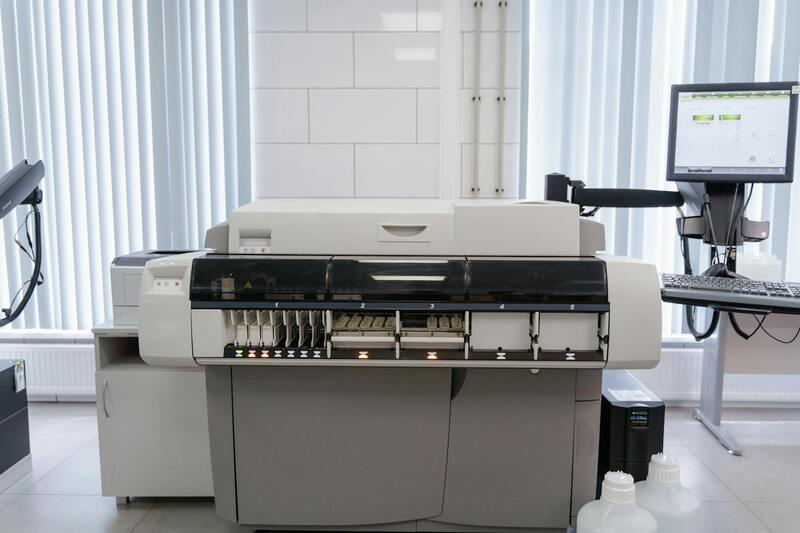
Technological advancements have significantly elevated the quality, speed, and environmental friendliness of large format printing. Modern printers deliver high-resolution images with rich colors and durability, suitable for both indoor and outdoor applications. As a result, companies offering large format printing services cater to diverse client needs, ensuring every project demands precision and impactful visual presentation.
Understanding the breadth of applications and the technological backbone of large format printing underscores its strategic importance in Singapore’s commercial and cultural sectors. This adaptability not only underpins effective communication but also supports branding efforts, making it a cornerstone of visual marketing strategies in the region.
Types of Large Format Printing Technologies
Understanding the diverse methods of large format printing is essential for selecting the right solution tailored to specific project needs. Each printing technology offers unique advantages, suited for different materials, environmental conditions, and desired visual effects. The primary techniques include inkjet, solvent, UV, and eco-solvent printing, each playing a vital role in the Singaporean market's dynamic landscape.
Inkjet Printing
Inkjet printing remains the most prevalent method in large format printing due to its versatility and high-quality output. Utilizing tiny nozzles that spray liquid ink directly onto a substrate, this technology is ideal for producing detailed images with vibrant colors. It is widely used for indoor displays such as banners, posters, and point-of-sale materials. Advanced multi-carriage inkjet printers can handle various media types, from glossy papers to fabric banners, ensuring customization and flexibility in production.
Solvent Printing
Solvent printing employs solvent-based inks that penetrate materials, making it particularly suitable for outdoor applications where weather resistance is essential. This method produces durable prints with excellent color vibrancy and resistance to UV fading, making it popular for vehicle wraps, billboards, and signage in Singapore’s bustling commercial environment. While solvent inks emit stronger odors, the advancements in low-VOC formulations have made this option more environmentally manageable.

UV Printing
UV printing utilizes ultraviolet light to instantly cure inks as they are printed onto substrates, allowing for quick turnaround times and adhesion to a wide variety of materials, including plastics, glass, and metals. It produces sharp images with high gloss finishes and is favored for custom decorative panels and premium signage. UV technology also enables double-sided and backlit printing, expanding creative possibilities for clients seeking innovative visual solutions.
Eco-solvent Printing
Eco-solvent printing provides a more environmentally friendly alternative to traditional solvent methods. It uses biodegradable inks that emit fewer volatile organic compounds, making it suitable for indoor environments and projects requiring higher eco-conscious standards. The durability and color richness of eco-solvent prints make them a popular choice for commercial displays and high-end branding materials in Singapore’s competitive marketplace.

The selection of appropriate technology hinges on project specifications such as material, environmental conditions, budget, and desired longevity. Working with experienced providers ensures optimal results, leveraging the latest printing innovations for impactful visual communication.
Overview of Large Format Printing in Singapore
Large format printing has become a vital component in Singapore’s vibrant visual communication landscape. Its ability to produce high-quality, attention-grabbing visuals on a grand scale makes it ideal for a broad range of applications from outdoor advertising to interior decor. Whether for promotional banners, trade show displays, or bespoke art installations, businesses and organizations rely on advanced large format printing to effectively communicate their message and enhance brand visibility. In Singapore’s competitive marketplace, precision, color accuracy, and durability are paramount, prompting many to partner with reputable printing service providers equipped with cutting-edge technology. This ensures that each project not only meets aesthetic expectations but also withstands Singapore’s tropical climate, including humidity and outdoor exposure, without compromising on quality. The diversity of available printing methods and materials allows for tailored solutions, perfectly aligned with specific business needs, project requirements, and environmental considerations.

With a focus on off-site and on-site applications, large format printing continues to evolve, integrating environmentally conscious practices alongside innovations in print technology. This progression supports sustainable business practices while meeting the high standards expected by clients. From signage and banners to vehicle wraps and wall murals, the scope of large format printing services in Singapore reflects the city-state’s commitment to cutting-edge visual displays that attract attention and communicate effectively across various contexts and environments.
Types of Large Format Printing Technologies
Understanding the various printing technologies available is crucial for achieving desired results. Each technology offers unique advantages depending on factors such as substrate compatibility, environmental exposure, and visual fidelity. Here are some of the most widely used methods:
- Solvent and Eco-solvent Printing: These methods utilize solvent-based inks that penetrate deeper into substrates, offering excellent durability and color richness. Eco-solvent options are environmentally friendlier and suitable for indoor applications, providing vibrant images that withstand outdoor conditions.
- UV Printing: Employs ultraviolet light to cure inks instantly on various surfaces like glass, plastics, or metals. Ideal for short-run customized items and decorative panels, UV printing produces vivid, high-gloss images with excellent adhesion and scratch resistance.
- Dye Sublimation: Specialized for textiles and fabrics, this process involves turning dye-based inks into gas and embedding them into the material. It is especially popular for custom fabric banners, soft signage, and apparel, offering bright, durable, and washable images.
- Latex Printing: An eco-friendly choice that uses water-based latex inks suitable for outdoor banners, signs, and vehicle wraps. Known for flexibility, quick drying, and compliance with environmental standards, latex printing benefits from high-quality output with superior color consistency.
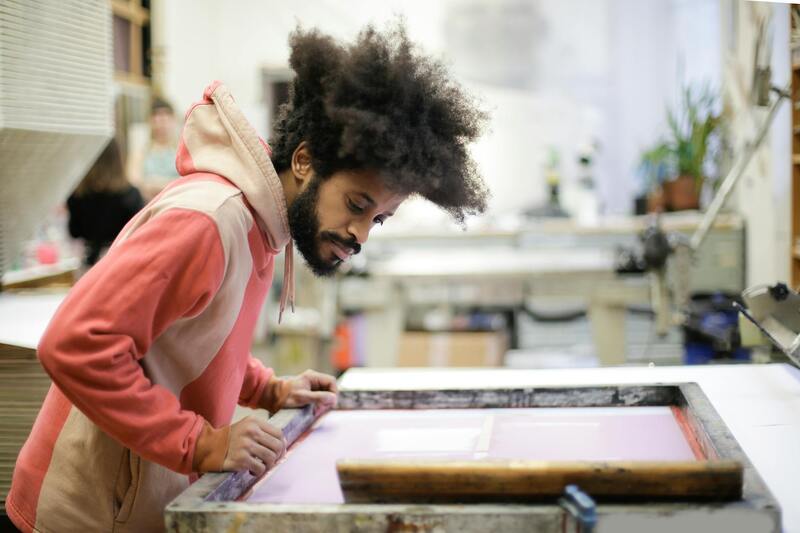
Sufficient knowledge of these technologies enables clients to work closely with experienced printers to select optimal solutions tailored to specific projects, ensuring sensory impact and longevity. The selection process should consider material compatibility, printing speed, environmental exposure, and cost-efficiency, fostering a partnership that guarantees superior results without compromise.
Key Materials Utilized in Large Format Printing in Singapore
Choosing the right materials is vital to achieve optimal results in large format printing projects. The selection depends on the intended application, environmental exposure, and desired aesthetic qualities.
Among the most common substrates used are:
- Vinyl Films: Widely used for outdoor banners, vehicle wraps, and signage due to their durability and weather resistance. Vinyl can be printed with various inks, providing vibrant colors and longevity.
- Canvas: Ideal for high-end interior decor, art reproductions, and premium signage. Canvas offers a textured finish that enhances visual appeal and adds a sophisticated touch to promotional displays.
- PVC Boards: Rigid and sturdy, PVC boards are suitable for both indoor and outdoor signage, including directional signs and point-of-sale displays. They enable crisp, detailed graphics with bracing for weight stability.
- Fabric and textiles: Materials like polyester and mesh textiles are perfect for soft banners, event backdrops, and custom apparel. Dye sublimation printing is usually employed for these fabrics to achieve vibrant and washable results.
- Glass and acrylic: When customized with UV printing, these materials create striking visual displays, especially for shopfront signage and interior decorative panels.
Each substrate has distinct characteristics influencing the choice based on factors such as UV resistance, texture, flexibility, and ease of installation. It is essential to assess the specific requirements of each project to select the most appropriate material type, ensuring the final output not only meets aesthetic standards but also withstands environmental and operational stresses.
The proficiency of local printing service providers in handling different materials and their compatibility with advanced printing technologies guarantees that clients receive products that perform reliably and look professional. From flexible fabrics to rigid panels, the correct material choice directly impacts the visual impact, durability, and overall success of large-format printing projects in Singapore.
Factors to Consider When Choosing a Large Format Printer
Selecting the right large format printing equipment is crucial for achieving high-quality results that meet project requirements and budget constraints. Several key factors influence this decision, including printer specifications, resolution capabilities, color management features, and operational costs.
Printer Specifications
When evaluating large format printers, it is vital to consider their maximum print width, as this determines the size of the media that can be accommodated. Capabilities such as dual printing options, roll-to-roll feeding, and media handling mechanisms also impact productivity and versatility. Additionally, assess the compatibility with various materials to ensure the printer can handle the desired substrates, whether they are vinyl, fabric, acrylic, or paper-based media.
Resolution and Print Quality
High resolution is essential for producing crisp, detailed images, especially for applications requiring fine lines or vibrant photographic displays. Look for printers offering at least 1200 dpi resolution or higher, which can provide sharpness and clarity suitable for indoor displays, retail signage, and fine art reproductions.
Color Management and Ink Options
Accurate color reproduction depends on advanced color management systems integrated within the printer. Support for wide color gamuts, multiple ink channels, and colour calibration ensures consistency across batches and different media types. Consider printers that offer eco-solvent, solvent, UV, or aqueous inks, depending on the environmental resistance and finish requirements of your projects.
Operational Efficiency and Cost
Efficiency features such as high printing speeds, automatic maintenance functions, and media loading systems help optimize workflow. Budget considerations should include not only the initial investment but also ongoing expenses like ink consumption, media costs, and maintenance. Choosing a printer with energy-efficient operation can also contribute to long-term cost savings and environmental sustainability.
Support and Service
Reliable after-sales support, availability of spare parts, and technician service are vital for minimizing downtime in business operations. Equipment from reputable brands equipped with comprehensive warranties can provide peace of mind and ensure consistent performance.

Assessing these factors thoroughly allows businesses and creatives in Singapore to select a large format printer that aligns with their specific needs, enabling them to deliver high-impact visual outputs consistently and efficiently. Proper equipment selection directly influences the quality, durability, and overall success of big-scale printing projects, cementing the reputation of local service providers as leaders in the field.
Factors to Consider When Choosing a Large Format Printer
When selecting a large format printer for your projects in Singapore, it is essential to evaluate multiple aspects that influence both the output quality and operational efficiency. This decision significantly impacts the visual appeal, durability, and overall success of your signage, banners, or promotional materials. Here are critical factors to examine:
Print Resolution and Quality
High-resolution printing ensures sharp details and vibrant colors, which are vital for impactful visual displays. Look for printers that support at least 600 dpi or higher, especially for detailed graphics or fine text. The ability to produce consistent, high-quality images even on large surfaces adds professionalism and enhances brand presentation.
Color Management and Calibration
Accurate color reproduction is paramount for maintaining brand consistency. Choose a printer that offers advanced color management tools, including colour calibration features that ensure consistent output across different media types and printing batches. Support for a wide color gamut, including colour spaces like sRGB and Adobe RGB, enhances the print's vibrancy and realism.
Media Compatibility and Range
Varying projects require different materials. Common media options include vinyl, fabric, wallpaper, canvas, and rigid substrates like foam board or acrylic. Ensure the printer accommodates these diverse media types, supports roll and flat media handling, and has adjustable feed mechanisms to prevent media misalignment or jams during high-volume production.

Ink Technology and Environmental Considerations
The type of ink used influences print durability, environmental impact, and finish quality. Eco-solvent and solvent inks are common for outdoor signage due to their weather resistance, while UV-curable inks offer scratch resistance and vivid colors on rigid and flexible substrates. Aqueous inks are preferred for indoor applications where air quality and health considerations are paramount. Evaluating the ink technology helps ensure the final product meets both aesthetic and functional requirements.
Operational Efficiency and Maintenance Features
Efficiency features such as automated media loading, automatic cleaning, and high-speed printing capabilities facilitate seamless production workflows. Regular maintenance routines prevent downtime and extend the life of the equipment. Consider printers with diagnostic systems that indicate maintenance needs or potential issues before they cause disruptions, ensuring consistent performance and reducing unforeseen costs.
Cost and Budgeting
Initial capital expenditure is only part of the overall investment. Ongoing costs like ink consumption, media options, maintenance, and energy use must also be factored into the budget. Opting for energy-efficient models and considering the long-term operational costs can significantly impact profitability. Balancing budget constraints with features that align with your project demands ensures sustainable and efficient large-format printing operations.
Support and Service
Reliable support from the manufacturer or local suppliers ensures minimal downtime and sustained productivity. Access to comprehensive warranties, availability of spare parts, and skilled technician service provide peace of mind. Choosing brands with established support networks in Singapore can streamline troubleshooting processes and facilitate quick resolution of technical issues.
Materials and Finishing Options for Long-Lasting Results
Singapore's diverse climate and professional requirements demand durable and versatile materials in large format printing. Selecting the appropriate printing media is crucial to ensuring the longevity and aesthetic appeal of the final product. Common substrates include vinyl, mesh, fabric, canvas, and fine art papers, each suited for specific applications and environments.
Vinyl remains the go-to medium for outdoor signage owing to its weather-resistant properties. Printed vinyl banners and billboards can withstand Singapore’s humid and rainy conditions, maintaining vivid colors over extended periods. Mesh materials are preferred for large-scale outdoor displays where wind permeability is necessary, providing structural stability while minimizing wind load. Fabric-based prints like satin or polyester are increasingly popular for indoor applications such as trade show displays or exhibition backdrops, offering high-quality finishes with rich color reproduction. Canvas materials are ideal for gallery-quality wall art, combining aesthetic appeal with durability, suitable for both indoor and semi-outdoor spaces.
Finish options also play a vital role in enhancing the visual impact and protecting the print. Gloss, matte, and satin finishes can be applied depending on the desired look and durability requirements. Laminations—matte, gloss, or textured—are often added to shield against scratches, UV rays, and moisture, significantly extending the lifespan of the print. For applications requiring a premium appearance, techniques like punch mounting on foam boards, framing, or even backlighting integrations can elevate the presentation.

Professional large format printing providers leverage advanced media handling equipment that accommodates a variety of materials, ensuring precise and high-quality outputs. They also offer comprehensive finishing services, including lamination, mounting, and cutting, which are essential for achieving the desired aesthetic and functional standards. When selecting materials and finishes, it is important to consider environmental exposure, visual impact, and budget constraints to select the most suitable options for each project.
Latest Advancements and Sustainability in Large Format Printing in Singapore
As the field of large format printing continues to evolve within Singapore’s dynamic market, technological innovations are at the forefront of enhancing productivity, quality, and environmental responsibility. Modern printing solutions integrate cutting-edge ink formulations, such as eco-solvent, UV-curable, and latex inks, which not only produce vibrant, long-lasting images but also emit fewer volatile organic compounds (VOCs). This shift towards environmentally conscious materials aligns with Singapore's broader sustainability initiatives, aimed at reducing carbon footprints and minimizing hazardous waste.
Furthermore, digital advancements have significantly improved production efficiency. High-speed, automated printing systems enable faster turnaround times while maintaining exceptional image resolution and color accuracy. Automated media handling devices, including roll-fed printers with intelligent tension control, ensure seamless media feeding and consistent print quality across large runs. These technological improvements have made large format printing more accessible and reliable, supporting diverse applications from commercial advertising to fine art reproduction.
In addition, the integration of digital workflow management tools allows for better job tracking, color management, and quality assurance throughout the production process. Cloud-based solutions enable collaboration and remote monitoring, making project management more efficient and reducing material waste. As Singapore moves towards a sustainable economy, printers are adopting practices such as using biodegradable materials, recyclable media, and energy-efficient equipment to meet environmental standards while still delivering high-quality outputs.
Emerging Market Trends
- Personalization and Customization: Growing demand for bespoke large-scale banners, wall murals, and retail displays tailored to specific brand identities and target audiences.
- Interactive and Digital Integration: Incorporating QR codes, augmented reality (AR), and digital screens with printed media to enhance customer engagement and provide dynamic content.
- Window Graphics and Eco-Friendly Installations: Increased use of window decals and eco-sensitive materials that adhere well to glass surfaces while emphasizing sustainability.
- High-Definition and Texture Integration: Advanced printing techniques that add texture and depth to imagery, creating more immersive visual experiences.
As these trends shape the future landscape, Singaporean printing companies are investing in research and development to stay ahead of market demands. This includes exploring innovative substrates, adopting greener inks, and enhancing digital capabilities to produce complex, large-scale visuals that meet both aesthetic and environmental standards.