Guide To Choosing And Creating Huge Photo Prints For Display
Understanding Huge Photo Prints
Huge photo prints are enlargements of photographs that significantly surpass standard print sizes, often reaching dimensions that command attention and emphasize visual storytelling. Typically, these prints range from widths of 1.2 meters to over 3 meters in length, allowing for dramatic displays that can dominate a space with their presence. Such large-format printing involves precisely scaling an image while preserving sharpness, color fidelity, and detail, essential for achieving a visually stunning outcome.
The allure of huge photo prints lies in their ability to create a powerful visual impact, transforming a simple image into a monumental piece of art or communication. This format is often chosen for murals, gallery exhibitions, corporate branding, or personal displays where the goal is to captivate an audience and evoke an emotional response. The process leverages advanced printing technologies and materials to ensure that enlargement does not compromise image quality.

From a technical perspective, creating huge photo prints necessitates high-resolution images. Software algorithms and printing equipment work together to interpolate pixel data, ensuring the image remains crisp and clear at enlarged sizes. The choice of materials also plays a crucial role in the longevity, appearance, and presentation of the final product. Vinyl, canvas, and high-quality poster papers are common substrates used for large photo prints, each providing different aesthetic qualities and durability.
Moreover, the advantages extend beyond mere size. Large photo prints are instrumental in establishing visual identity, whether in retail, hospitality, or personal settings. They serve as focal points that can enhance interior decor or serve as statement pieces in outdoor environments. Their ability to be seen from a distance makes them particularly effective for advertising billboards, event backdrops, and wall murals.
When considering huge photo prints, it is crucial to appreciate the balance between size, resolution, and material quality. Working with experienced professionals ensures that technical details such as color calibration, material selection, and finishing techniques align perfectly with your artistic or branding objectives. High-quality printing facilities employ state-of-the-art machinery capable of handling large formats, ensuring your vision translates into a durable and visually striking print.
In summary, huge photo prints represent a sophisticated blend of artistic expression and technical mastery. They provide an impactful method to showcase photographs in a monumental scale that elevates visual storytelling and branding efforts. Understanding the intricacies involved in creating these impressive prints helps in making informed decisions, leading to results that not only meet but exceed expectations when executed by reputable printing providers.
Secure and Proven Methods for Obtaining Huge Photo Prints
When seeking to create large photo prints that are both impactful and reliable, relying on established and professional methods is essential. These methods ensure that the quality, color accuracy, and durability of your prints meet high standards, resulting in a finished product that will make a statement and stand the test of time.
Utilizing Certified Printing Services with Advanced Equipment
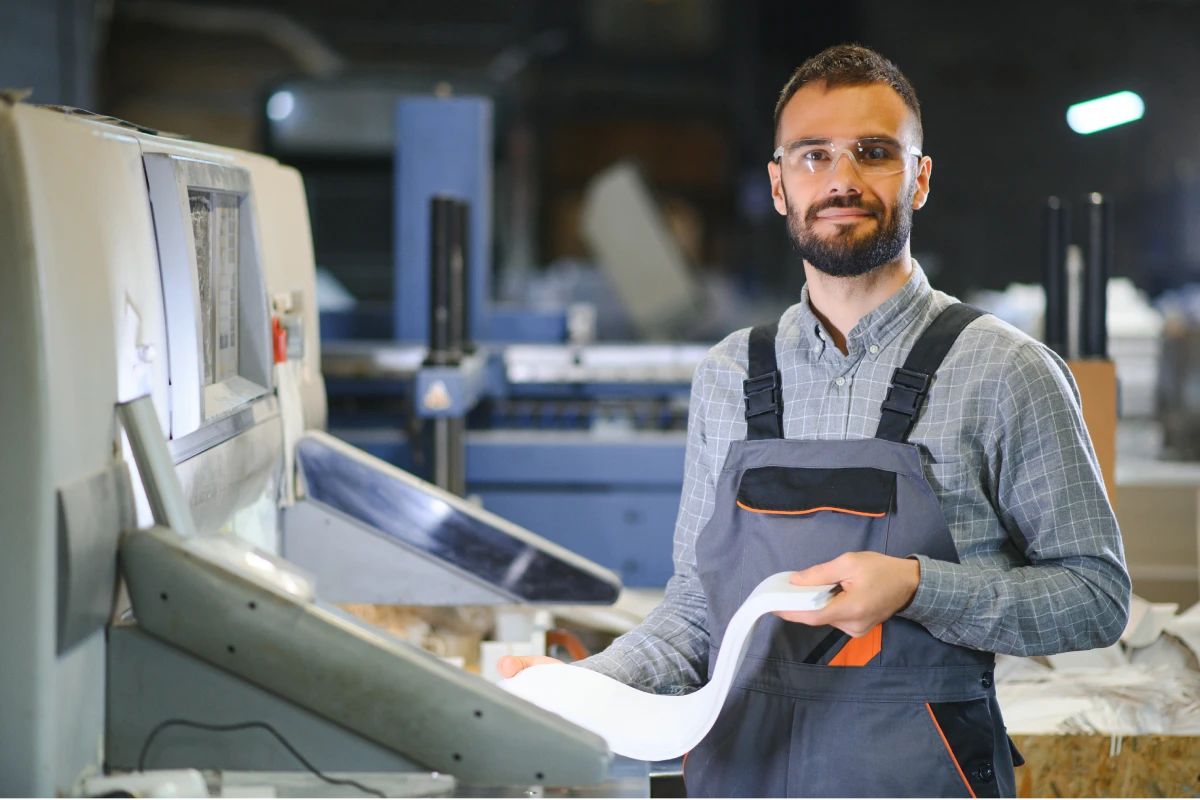
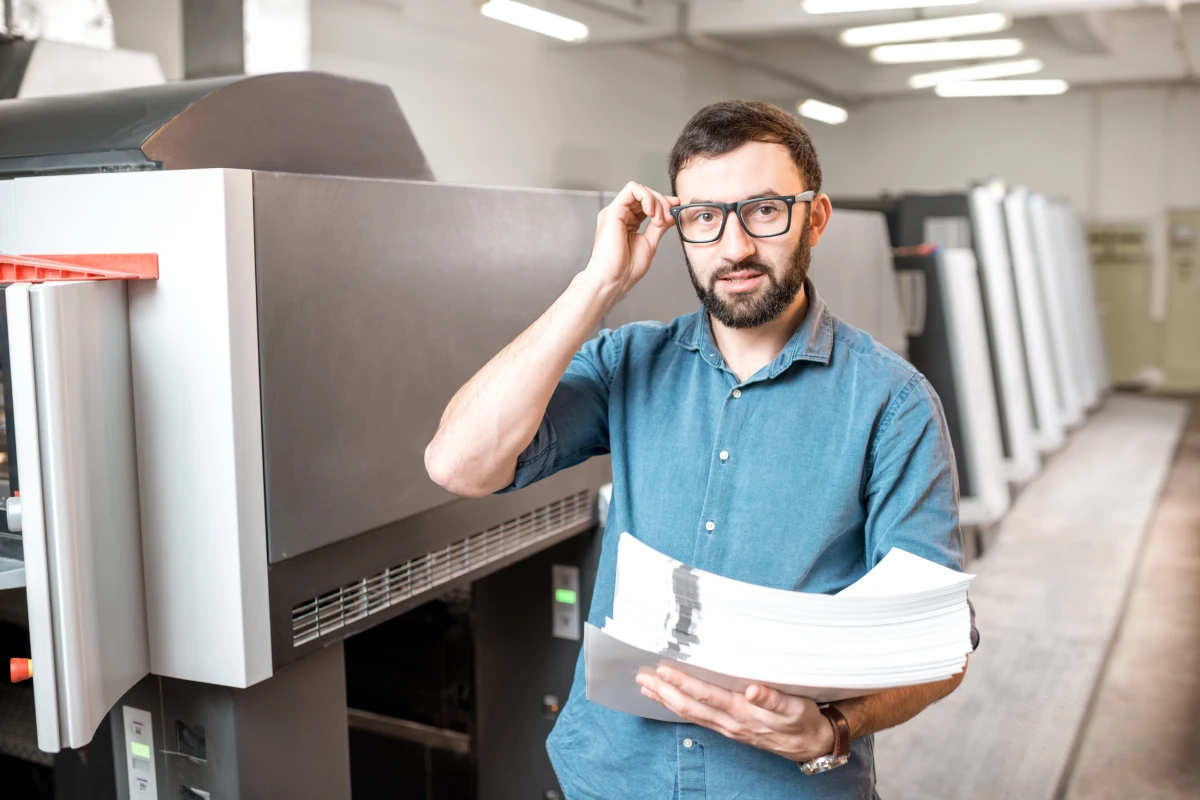
The cornerstone of producing high-caliber large photo prints is engaging with certified printing companies that employ state-of-the-art large-format printers. These printers are specifically designed to handle extensive sizes without compromising resolution or color fidelity. Certification by reputable industry organizations often indicates adherence to thorough quality control processes, which is vital for achieving consistent results across large projects.
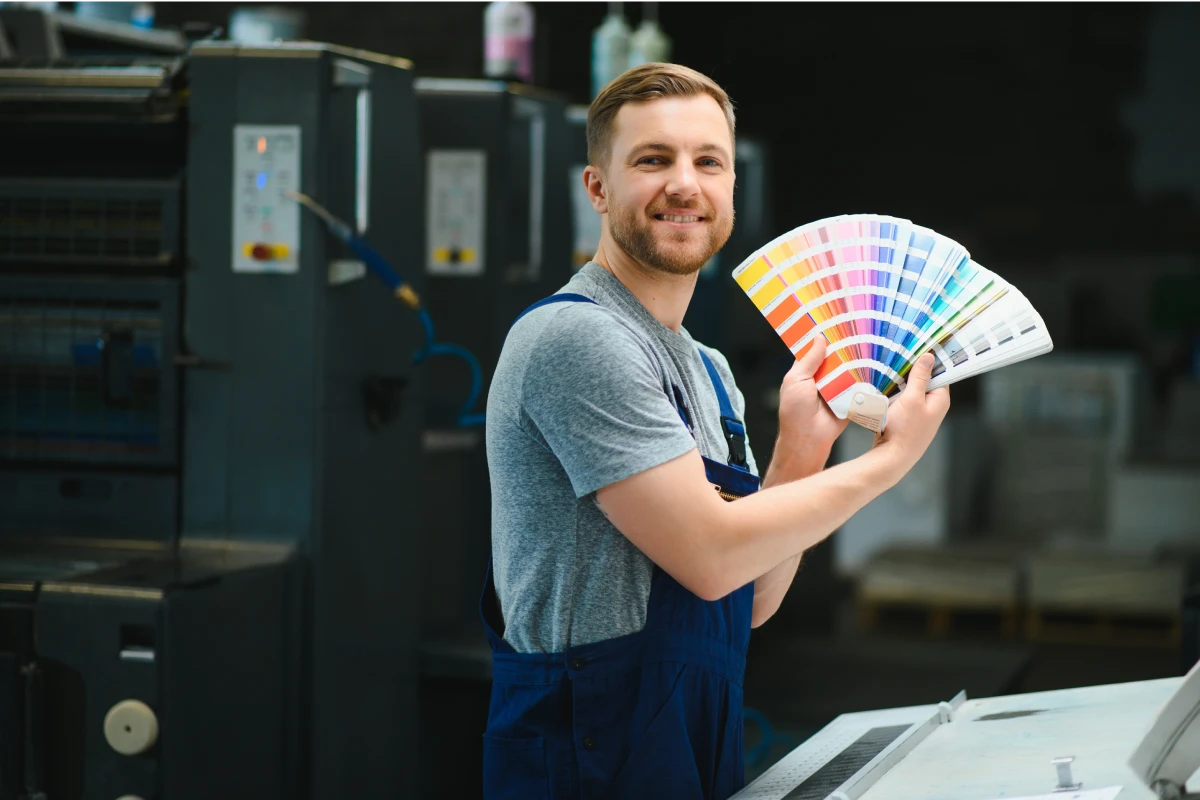
Operational factors such as calibrated color profiles and controlled environment conditions within the printing facilities are crucial. They prevent issues such as color drift or image distortion, ensuring that the print matches your digital file precisely. Modern printers capable of handling media up to several meters wide open possibilities for high-quality reproduction, with minimal pixelation and vibrant color accuracy.
Working with Professional Graphic Designers and Pre-Press Experts
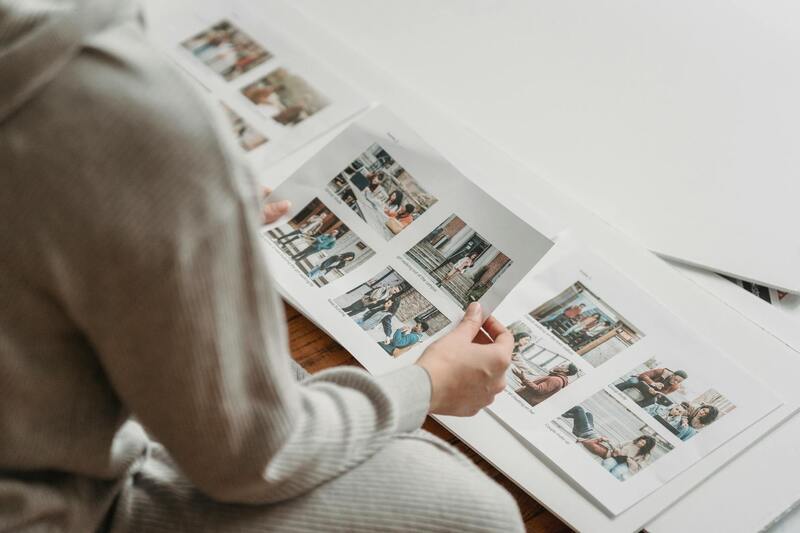
Another critical aspect involves collaborating with professionals who possess expertise in preparing files for large-format printing. These specialists optimize image resolution, adjust color settings, and set appropriate bleed margins to ensure the final product aligns with your expectations. Proper file preparation reduces the risk of printing errors like pixelation, blurriness, or color inconsistencies, which are common pitfalls when scaling images to enormous sizes.
Official Suppliers and Authorized Distributors
To guarantee the authenticity of materials and the integrity of printing processes, sourcing your large photo prints from authorized suppliers or officially recognized distributors is highly advisable. These sources procure genuine, high-grade substrates and inks—such as those compatible with the latest eco-solvent or UV-curing technologies—that exhibit superior durability and color retention.
This approach ensures that your large photo prints are produced with certified inks and premium substrates known for resistance against UV rays, scratches, and environmental factors. The investment in official channels provides peace of mind, knowing your visual assets are crafted with proven, transition-ready materials that meet industry standards.
Ensuring Proper Material Selection
Choosing the right substrate is vital for large photo prints, affecting both aesthetic appeal and longevity. Materials such as glossy or matte vinyl, canvas, or rigid panels each offer distinct visual effects and durability profiles. For outdoor applications, weather-resistant materials with UV-coating are preferred, as they provide added protection against fading and wear.
Professionals can guide you through the selection process, aligning your project's purpose—be it indoor decoration, outdoor advertising, or gallery displays—with the most suitable materials. This ensures the final piece maintains its visual impact over time with minimal maintenance.
Maintaining Quality Throughout the Production Process
Legitimate printing services maintain rigorous quality control measures during the entire process—from file submission and proofing to printing calibration and finishing. Techniques such as color proofing, which involves test prints on the actual substrate, allow for verification before committing to the full run. This step helps in making necessary adjustments to minimize surprises in the final product.
Conclusion
Achieving impeccable huge photo prints hinges on utilizing proven, legitimate methods rooted in high-quality equipment, certified materials, and professional expertise. Engaging with trusted printing providers ensures that every detail—from file preparation to material selection—is carefully managed. This meticulous approach guarantees vibrant, durable, and eye-catching large-scale prints that elevate your visual communication efforts and artistic projects.
Understanding Huge Photo Prints
Creating large-scale photo prints involves many meticulous steps that ensure the final image maintains its clarity and impact regardless of its size. The process starts with high-resolution files that are specifically prepared and optimized for enlargement. It is essential to use images with sufficient pixel density to prevent pixelation when scaled up, which often means sourcing or capturing images at the highest possible resolution. The quality of the original photo significantly influences the sharpness and detail retention in the finished product.
When preparing to produce huge photo prints, professional service providers typically assess the image resolution, aspect ratio, and color profiles. Proper color management, including adherence to color spaces and calibration, ensures that the print's hues match the digital file as closely as possible. Pre-press proofs or digital proofs are commonly used to simulate how the final print will look, allowing necessary adjustments before committing to the full print run.
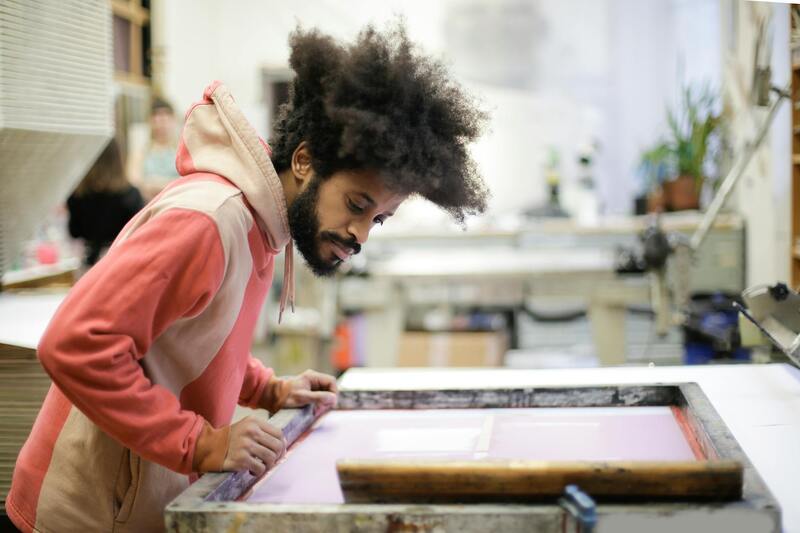
The choice of material plays a vital role in the durability and appearance of huge prints. Whether printed on vinyl, canvas, or rigid panels, each material's texture and surface qualities impact both the visual aesthetic and the longevity of the print. For outdoor environments, weatherproof and UV-protected materials are recommended to withstand sunlight and moisture without fading or deterioration over time.
Application and Placement of Huge Photo Prints
Inevitably, the application and placement of large photo prints are tailored to their intended environment, whether for indoor decor, outdoor advertising, or artistic exhibitions. The visual impact of a sizable print can dramatically alter a space, serving as a focal point or branding element. Hallways, building facades, gallery walls, and trade show displays are typical areas where these large images command attention.
Strategic placement involves considering the viewing distance and lighting conditions. For outdoor signage, elements like glare, weather exposure, and wind resistance are important factors addressed during the selection of materials and mounting techniques. Indoor installations may focus more on ambient lighting and integration with interior design themes. Proper framing, mounting, and protection—such as lamination or UV coatings—are essential steps to preserve the print’s quality and appearance over time.
Optimizing Quality and Resolution for Huge Photo Prints
Achieving stunning clarity in large photo prints necessitates meticulous attention to image resolution and quality. High-resolution images—typically ranging from 150 to 300 dots per inch (dpi)—are essential to preserve detail when scaling up. A low-resolution photo might appear pixelated or blurry once enlarged, undermining the visual impact intended for a huge print. It’s advisable to start with the highest quality original images, preferably captured with professional-grade cameras that produce high megapixel counts. This ensures that every element within the image, from fine textures to vibrant colors, maintains integrity after enlargement.
When preparing images for large-format printing, consider using editing software to enhance sharpness, adjust color balance, and remove any imperfections. Properly calibrated monitors enable accurate color representation, which is critical to match the final print’s appearance with expectations. Additionally, selecting images with suitable aspect ratios prevents awkward cropping or distortion during the printing process, streamlining production and ensuring the final product aligns with your vision.
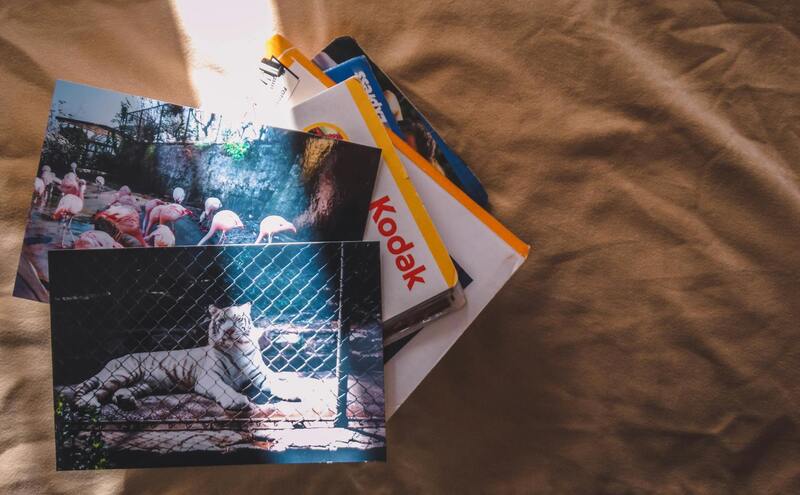
Image Formats and File Preparation
Preparing your files in the right formats guarantees a smooth printing process and optimal final results. Lossless formats such as TIFF or PSD preserve image quality without compression artifacts, making them ideal for large-scale displays. JPEGs, if used, should be saved at the highest quality setting to prevent compression degradation. It’s important to embed color profiles like sRGB or Adobe RGB into your files, facilitating accurate color reproduction across different devices and the printing process.
Finally, verify your files are correctly sized according to the desired print dimensions—typically, the file should match or slightly exceed the physical size to ensure crisp details. Keeping track of original, uncompressed versions is crucial in case adjustments are needed during the pre-press stage. By rigorously preparing your images, you set the stage for vibrant, detailed, and impressive huge photo prints that command attention in any space.
Understanding Huge Photo Prints
Creating large-format photo prints requires a thorough understanding of the technical and artistic considerations to ensure the final product meets expectations. The process begins with selecting high-resolution images that have sufficient pixel density to prevent blurriness or pixelation when scaled to substantial sizes. Typically, images intended for huge photo prints should have a resolution of at least 150-300 pixels per inch (PPI) at the desired print size. For example, a 10-foot wide print would ideally use an image with a minimum resolution of approximately 1800 pixels in width to maintain clarity.
Choosing the right file format is equally important. Lossless formats like TIFF and PSD preserve image quality, making them preferable for large-scale printing. JPEGs, although more common, should be saved at the highest quality setting to minimize compression artifacts. Embedding accurate color profiles, such as Adobe RGB or sRGB, ensures consistent color reproduction throughout the printing process, vital for maintaining the integrity of the original image.
Proper image editing and calibration streamline the transition from digital to physical. Adjustments to color balance, contrast, brightness, and sharpness should be performed with precision, utilizing calibrated monitors for accuracy. Additionally, maintaining aspect ratios that match the intended print dimensions prevents distortion or unwanted cropping, and any necessary cropping can be planned accordingly during the preparation phase.
Another critical aspect is file sizing. For optimal results, the image files should be resampled or prepared at sizes matching or slightly exceeding the final printed dimensions. This ensures the resolution remains adequate after scaling and prevents loss of detail. Keeping uncompressed original files safe allows for future adjustments if needed.
Finally, comprehensive file preparation involves checking color consistency, resolution, and format integrity prior to submission. This diligence guarantees that the printer receives a ready-to-use file, minimizing production delays and ensuring the vibrant, detailed appearance of the huge photo print. Correctly prepared files are crucial for achieving a striking visual impact in any large-scale display, delivering a crisp, compelling image that commands attention.
Application and Placement of Huge Photo Prints
Large photo prints are versatile in application, fitting seamlessly into both commercial and personal spaces. These prints are often used as focal points in interior decor, retail displays, event backdrops, or outdoor signage. Their placement should consider viewing distance, ambient lighting, and the surrounding environment to maximize visual impact. Proper installation, including secure framing or mounting, ensures that huge prints remain in pristine condition over time.
In terms of placement, outdoor outdoor installations require weatherproof materials and protective coatings to withstand environmental factors such as UV exposure, rain, and wind. Indoor placements benefit from controlled lighting conditions that enhance color vibrancy and sharpness. Careful consideration of viewing angles and placement height can elevate the visual effectiveness of enormous photographic prints.
Common Applications of Large Photo Prints
- Commercial Advertising: Eye-catching billboards, banners, and storefront displays attract passersby and promote brand visibility.
- Event Decor: Backdrops, stage scenery, and promotional displays leverage the visual power of large images to create memorable experiences.
- Art Exhibitions: Galleries often utilize oversized photographic pieces to emphasize artistic details and evoke emotional responses.
- Interior Design: Large-format prints can transform blank walls into personalized or branded murals, adding style and character to spaces.
- Outdoor Signage: Billboards, building wraps, and other outdoor advertising choices tap into the impact of huge images for maximum audience engagement.
Each application demands attention to durability, material selection, and installation techniques to ensure longevity and optimal presentation. When executed correctly, these large photo prints have the potential to become visual landmarks, making any space more engaging and visually appealing.
Understanding Huge Photo Prints
Huge photo prints have revolutionized visual displays, offering an extraordinary way to showcase images with clarity and impact that smaller formats cannot achieve. These prints typically range from several feet to even larger dimensions, often exceeding 5 feet in width, allowing for immersive viewing experiences. They are created using specialized printing technologies capable of rendering high-resolution images onto large surfaces, ensuring each detail is sharply rendered and vibrant. Material choice plays a significant role in achieving optimal results, with options including vinyl, canvas, acrylic, and metal substrates, each offering unique visual qualities and durability features.
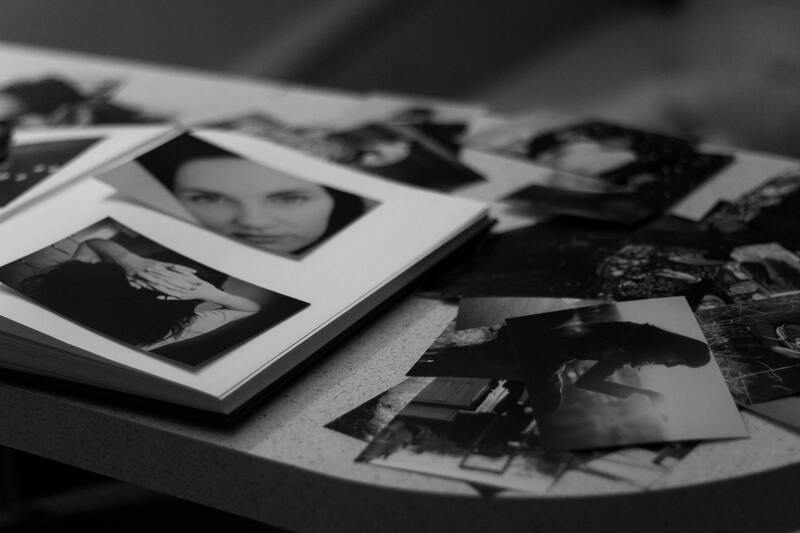
To produce these impressive prints, professionals utilize high-resolution digital scanners and editing software to optimize images before printing. Advanced color management ensures consistency and vibrancy throughout the process, preserving the artist’s or client’s original vision. The printing process often involves large-format inkjet printers equipped with multiple color cartridges, allowing for detailed color gradation and precise image reproduction on expansive surfaces. Proper calibration of output devices and the selection of quality materials are essential to guarantee that the final product maintains its integrity over time.
Application and Placement of Huge Photo Prints
The strategic placement of large photo prints enhances their visual impact and complements their surroundings. Indoor installations benefit from controlled lighting environments that accentuate colors and details, making them ideal for corporate offices, galleries, or private collections. Conversely, outdoor displays demand weather-resistant materials and protective coatings to withstand environmental elements such as UV rays, rain, and wind. These large-scale prints, when appropriately installed, can transform mundane spaces into engaging visual landmarks, capturing attention from great distances and creating a powerful aesthetic statement.
Proper mounting techniques are crucial for maintaining the integrity and appearance of these expansive images. For outdoor environments, options such as laminated vinyl banners or metal backings provide durability and weather resistance. Indoor applications might utilize floating frames or direct wall mounts to emphasize the size and detail of the print. Consideration of viewing angles, distance, and ambient lighting conditions can significantly enhance the viewer's experience, ensuring each detail is appreciated and the overall visual impact is maximized.
Common Applications of Large Photo Prints
- Commercial Advertising: Large billboards, building wraps, and storefront displays leverage the scale to attract attention and increase brand visibility in busy urban environments.
- Event Decor: Backdrops for conferences, stage scenery at festivals, and promotional displays utilize enormous images to create memorable atmospheres and reinforce branding messages.
- Art Exhibitions: Galleries often feature oversized photographic works to highlight intricate artistic details, evoke emotional responses, and emphasize conceptual themes.
- Interior Design: Custom murals or oversized prints on feature walls add distinctive visual elements to corporate spaces, hotels, or residential interiors.
- Outdoor Signage: Billboards, building wraps, and outdoor panels use large photographs to communicate messages effectively over long distances, ensuring maximum engagement.
Each application requires attention to material resilience, installation precision, and visual harmony to ensure the large photo print serves its purpose effectively and endures over time. When executed correctly, these prints don’t just convey imagery—they become landmark features that define and elevate the space around them.
Understanding Huge Photo Prints
Creating extraordinary visual impressions often involves works that transcend conventional sizes, giving rise to the demand for huge photo prints. These expansive displays serve as impactful visual statements, transforming spaces into immersive environments. When producing large-scale photo prints, several essential factors influence the final result, including resolution, material selection, and printing technology. Achieving high-quality large photographs requires meticulous preparation of digital files; images must possess sufficient resolution to maintain clarity, sharpness, and detailed nuance at significant sizes. Typically, a minimum of 150-300 dpi is recommended, but the optimal resolution depends on the viewing distance and intended display location.
Material selection plays a pivotal role in the durability and appearance of huge photo prints. Options such as high-grade vinyl, fabric mesh, rigid foam core, or aluminum composites offer various benefits, including weather resistance, ease of installation, and enhanced color vibrancy. Modern printing technologies, such as large-format inkjet printers utilizing UV, latex, or solvent inks, enable precise color reproduction and longevity. UV printing, for instance, provides resistance to fading and scratching, making it ideal for outdoor installations. Ensuring color accuracy through calibrated monitors and color management profiles is equally crucial in achieving visual consistency from digital file to final print.
Application and Placement of Huge Photo Prints
The strategic application of large photo prints enhances both aesthetics and communication. These oversized visuals can dominate interior and exterior landscapes, serving as focal points in various settings. When placing large photo prints, consider factors such as lighting, viewing distance, and surrounding decor to maximize their impact. Proper installation methods, including secure mounting and framing, ensure stability and safety, especially for outdoor or high-traffic environments.
Indoor applications often include feature walls, museum displays, or custom murals that create a dramatic influence within commercial and residential spaces. Outdoor applications, such as building wraps, billboards, or signage, demand resilient materials capable of withstanding environmental stressors. The placement should also consider sightlines and flow of foot traffic to optimize visibility and engagement.

Common Applications of Large Photo Prints
- Commercial Advertising: Utilizing large-format prints to create eye-catching billboards and storefront displays that command attention in busy urban settings.
- Event Decor: Employing oversized images as backdrops or stage scenery to craft memorable atmospheres during conferences, festivals, or promotional events.
- Art Exhibitions: Showcasing monumental photographic works that reveal intricate details and inspire emotional responses from audiences.
- Interior Design: Enhancing residential, hospitality, or corporate interiors with massive murals or feature walls that add visual intrigue and personality.
- Outdoor Signage: Communicating messages effectively over long distances through large outdoor panels, ensuring brand visibility and message clarity.
Each application's success depends on careful consideration of material resilience, installation precision, and harmony with surrounding elements to achieve visual coherence and lasting quality.
Proper Material Selection for Huge Photo Prints
Choosing the right material is a crucial step in producing high-quality large photo prints. The material impacts not only the visual appearance but also the durability and suitability for specific environments. Popular options include backlit films, canvas, vinyl banners, and specialized photographic papers, each calibrated to achieve desired texture, gloss level, and longevity. For indoor displays, matte finishes reduce glare and are ideal for viewing in well-lit areas. Glossy options enhance color vibrancy but require careful handling to prevent fingerprints and reflections. Outdoor applications demand weather-resistant materials such as UV-coated vinyl or laminated banners that resist fading, moisture, and environmental stressors.
Advanced Printing Technologies for Large-Scale Images
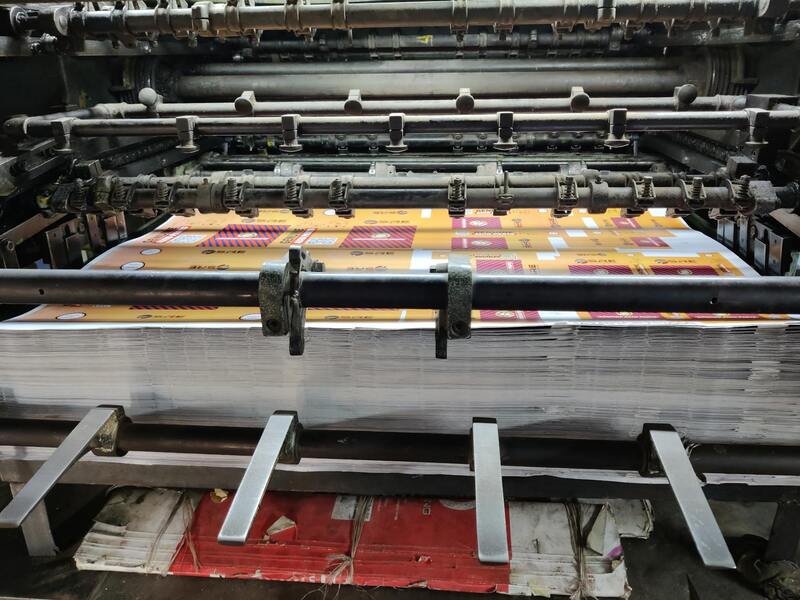
Modern large-format printing relies on cutting-edge printing technology to ensure precise detail reproduction and color accuracy. Inkjet printers equipped with multi-color pigment inks are standard for high-resolution photo prints, providing vibrant hues and deep blacks essential for huge photographic displays. Some advanced printers utilize eco-solvent or UV-curable inks that offer increased durability and environmental resistance, making them suitable for outdoor signage or high-traffic indoor areas. The resolution capabilities of these printers often reach up to 1200 dpi, ensuring that even the most intricate details and subtle color gradations are faithfully reproduced at scale. Implementing color management systems and calibration tools further guarantees consistency across multiple prints, aligning with the principles of expertise and reliability expected of professional printing services.
Expert Tips for Achieving the Best Results in Large Photo Printing
To maximize the impact and quality of your huge photo prints, consider the following expert guidelines:
- Resolution Optimization: Ensure your original image has a high resolution (at least 150 dpi at final print size) to prevent pixelation and loss of detail.
- Color Profiling: Use color profiles that match your selected print media to maintain color fidelity and prevent unwanted shifts.
- File Preparation: Save your files in uncompressed formats such as TIFF or PSD, with proper color space settings (sRGB or Adobe RGB, depending on the project).
- Control Over Viewing Distance: Design with the intended viewing distance in mind; larger prints viewed from afar can accommodate lower pixel density without compromising visual impact.
- Consistent Test Prints: Prior to the final print, conduct test sections to verify color accuracy, contrast, and sharpness, reducing the chance of costly reprints.
By adhering to these best practices, clients can ensure their large photo prints will command attention, produce vivid imagery, and stand the test of time in various display settings.
Materials and Printing Technologies
When it comes to creating impeccable huge photo prints, selecting the appropriate materials and leveraging advanced printing technologies are essential. High-quality print media, such as vinyl, canvas, or specialized photopaper, provide the foundation for vibrant and durable large-format images. The choice of material impacts not just the visual appeal but also the longevity and suitability for different environments, whether indoor or outdoor.
Modern large-format printing employs sophisticated technology including solvent, UV, latex, and eco-solvent printers. These printers utilize precise ink delivery systems capable of producing exceptional detail and color accuracy. For instance, UV printing offers the advantage of instant curing, which results in water-resistant, scratch-resistant, and UV-stable images ideal for outdoor displays. Latex and solvent printers excel in producing vivid, durable output suitable for high-traffic and exposure-prone locations.

Furthermore, the adoption of raster image processing (RIP) software allows for meticulous color management and precise control over ink density and distribution. These technological advancements guarantee that the finished product not only matches the digital design but also withstands environmental challenges over time. For large-scale projects, attention to detail in color calibration and consistency is paramount, requiring equipment calibrated regularly to uphold the highest standards.
Finding a Reliable Printing Service
To ensure the production of huge photo prints that meet your expectations, partnering with a reputable printing service is vital. Look for providers with a track record of quality output and diverse material options. Read customer reviews and request samples of previous large-format work to assess print sharpness, color fidelity, and material quality.
Reliability also extends to turnaround times and customer support. A dependable service can accommodate your deadlines and provide guidance throughout the design and production phases. Additionally, environmentally conscious providers often employ sustainable inks and eco-friendly materials, aligning with broader corporate responsibility goals.
Choosing a service that offers detailed consultations and previews ensures your final product aligns with your vision. Overall, investing in a professional and experienced large-format printing partner guarantees your huge photo prints will make the desired impact, whether for artistic display, branding, or promotional purposes. Carefully reviewing their portfolio, technology offerings, and customer service standards can help determine the best fit for your project needs.
Understanding Huge Photo Prints
Huge photo prints have revolutionized the way we present and display images, transforming ordinary photographs into striking visual statements. These large-format prints are characterized by their impressive dimensions, often extending several feet in width and height, making them suitable for both aesthetic and functional purposes. To achieve optimal results in creating large photo prints, meticulous attention to image quality, resolution, and material selection is essential. High-resolution images are necessary to maintain sharpness and detail when enlarged, typically requiring a minimum of 150-300 dpi at the final print size. Lower resolution images tend to become pixelated or blurry, detracting from the overall visual impact. Therefore, sourcing high-quality images and employing professional editing techniques to preserve color fidelity and sharpness are crucial. Modern large-format printing technologies utilize advanced inkjet printers capable of handling wide media, ensuring precise color reproduction and vibrant outputs. Various materials, including vinyl, canvas, and photo paper, are available for large photo prints, each offering unique textures and finishes that complement different display environments. Understanding the fundamental concepts of resolution, color calibration, and material compatibility forms the foundation of producing impactful huge photo prints that resonate with viewers and withstand environmental conditions.
Application and Placement of Huge Photo Prints
Large photo prints are versatile and can be incorporated into various settings to maximize their visual and functional impact. Common applications include interior decor for commercial spaces, such as corporate lobbies, retail outlets, and restaurants, where they serve as eye-catching focal points that convey branding messages or artistic expression. Additionally, large photo prints are a popular choice for event backdrops, trade show displays, and gallery exhibitions, offering an immersive experience for viewers. The placement of these prints demands careful consideration of environmental factors, such as lighting and viewing angles, to enhance visibility and engagement. Wall mounting with secure fixtures is standard, but the integration of framing or stretching on canvas can add an element of sophistication and durability. For outdoor applications, weather-resistant materials and protective coatings are necessary to preserve the integrity of the print over time. Proper positioning ensures that the scale and visual clarity of the photo are effectively appreciated, making the most of the background, ambient lighting, and surrounding interior or exterior design elements.
Common Applications of Large Photo Prints
- Commercial Advertising: Large banners and posters for branding, promotions, and product launches.
- Art Installations: Creating impactful gallery displays and public art projects.
- Interior Decoration: Enhancing spaces with murals, feature walls, and decorative panels.
- Event Backdrops: Providing dramatic backgrounds for weddings, conferences, and exhibitions.
- Educational Displays: Posters and visual aids in schools, museums, and visitor centers.
These applications benefit greatly from the eye-catching nature and dimensional impact of huge photo prints, which can turn a simple space into an immersive and memorable environment. The scale and clarity of large-format images allow viewers to engage with the content more intimately, leaving a lasting impression. Whether promoting a brand, showcasing artistic talent, or enhancing the ambiance of a space, the strategic use of large photo prints can elevate the overall aesthetic and communicative effectiveness of any project.
Expert Techniques for Producing Huge Photo Prints
Creating large-scale photo prints requires precision and advanced printing methods to ensure clarity and durability. High-resolution digital imaging is essential, with ideal files being at least 300 DPI at the final print size to maintain sharpness. Professionals utilize large-format printers equipped with specialized inks that offer vibrant colour reproduction and longevity. Technologies such as dye sublimation, UV printing, and solvent-based inks provide options tailored to different materials and environment exposures.
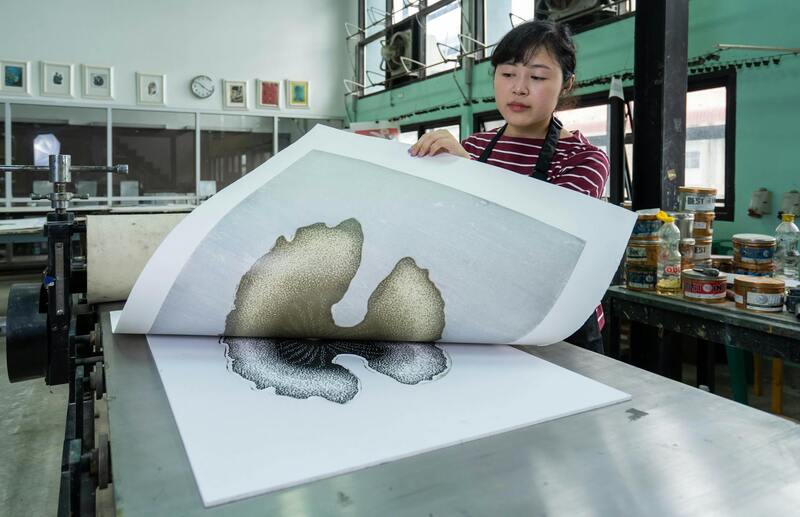
Prepress preparation involves meticulous color calibration and file formatting to match the desired output. Advanced software ensures correct aspect ratios, resolution, and colour profiles, preventing distortions and colour shifts. For outdoor or high-traffic installations, additional protective coatings are applied, including lamination or UV coatings, which serve as shields against environmental factors like moisture, sunlight, and physical abrasions.
Steps to Achieve Flawless Huge Photo Prints
- Optimal File Resolution: Use high-resolution images to prevent pixelation or blurriness.
- Accurate Color Management: Employ colour profiles and calibration tools for consistent results.
- Selective Material Selection: Choose appropriate media such as vinyl, canvas, or backlit materials aligned with the intended display environment.
- Implement Protective Coatings: Apply professional coatings for weather resistance and enhanced durability.
- Use Professional Equipment: Rely on large-format printers designed for extended print sizes, maintaining precision and colour fidelity throughout the process.
Additionally, professionals often create test prints at smaller scales to verify colour accuracy and material performance before executing the final large-scale production. By combining high-quality materials, advanced printing technology, and rigorous prepress preparations, one ensures the final product is visually stunning, consistent, and resilient over time.
Image Inspection and Quality Control
Post-printing, detailed inspection of the print quality is conducted. Critical aspects include verifying colour consistency across the entire print, checking for any blotches or imperfections, and assessing the adhesion and surface finish of coatings. If necessary, further finishing steps such as trimming, mounting, or framing are performed by specialists to ready the print for display.