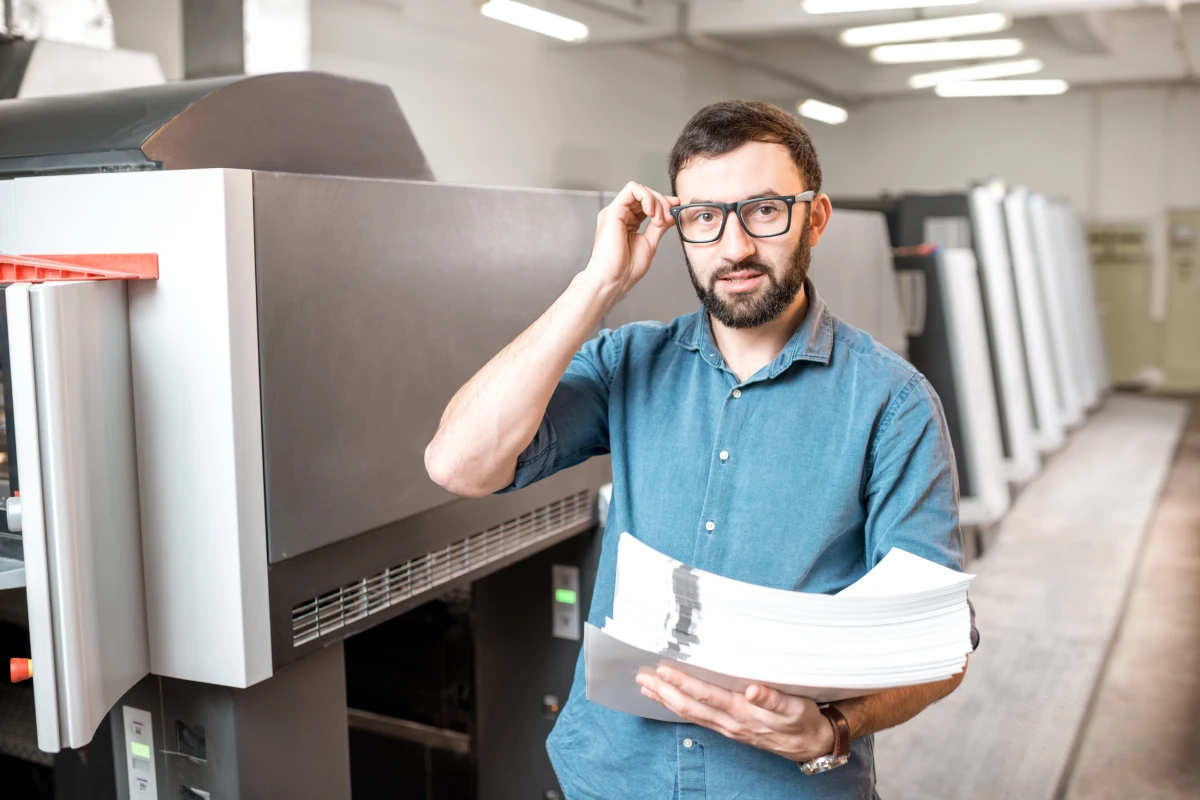
Fast Large Format Photography Printing Services In Singapore
Overview of Large Format Photography Printing in Singapore
Large format photography printing serves as an essential component in numerous industries within Singapore, ranging from advertising and retail to architecture and event management. These prints, characterized by their expansive dimensions, enable the display of high-impact visuals that captivate audiences and communicate messages effectively. The variety of options available includes banners, posters, murals, backdrops, and fine art prints, each tailored to meet specific needs.
In Singapore's vibrant commercial landscape, large format prints are frequently utilized for outdoor advertising, trade show displays, interior decor, and promotional events. Businesses leverage these high-quality prints to boost visibility, create immersive environments, and reinforce brand identity. Furthermore, architects and interior designers often employ large format prints in conceptual presentations and spatial planning. Art institutions and photographers also benefit from high-resolution, large-scale reproductions that preserve detail and color fidelity.
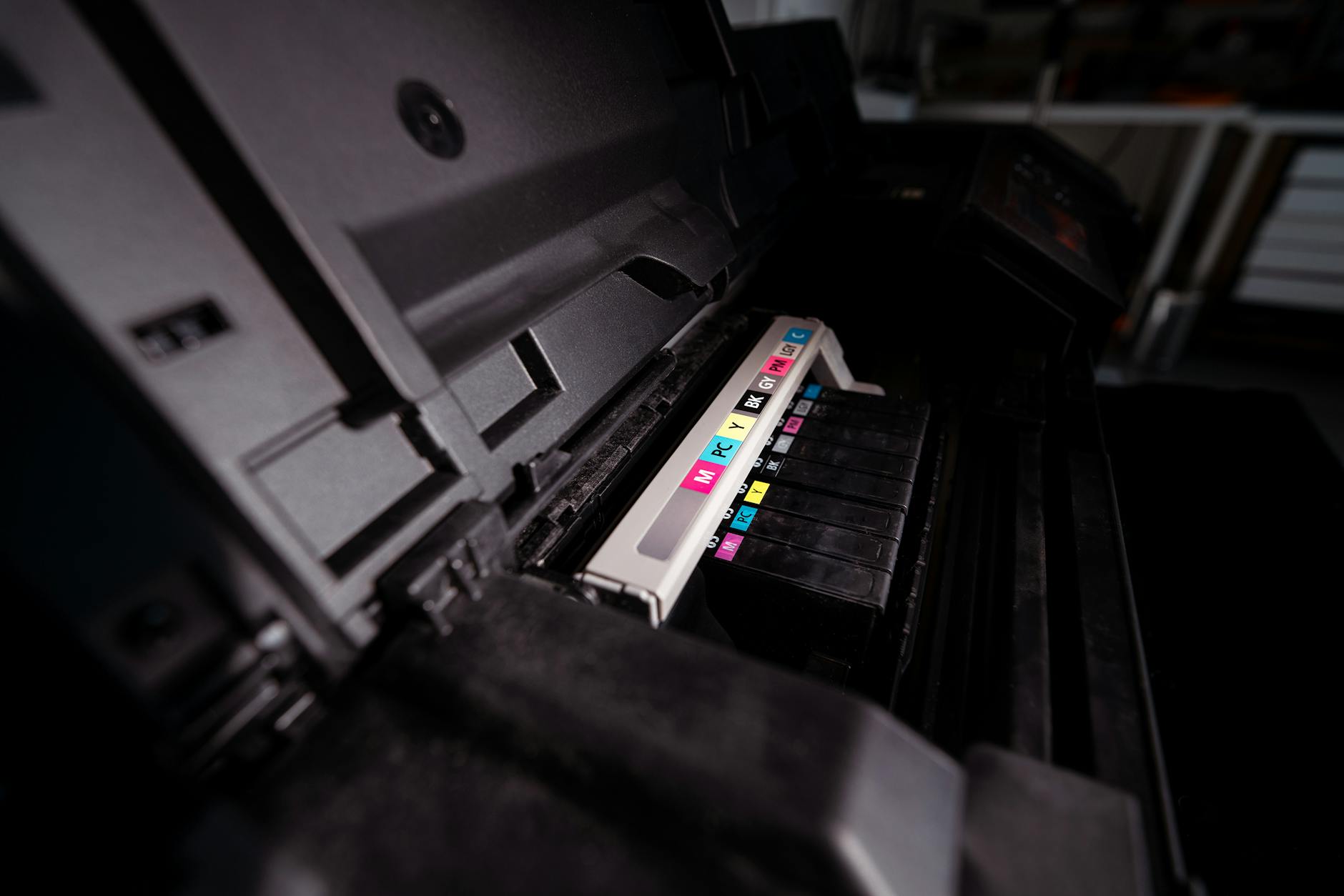
The growing demand for rapid turnaround times without compromising image quality has driven advancements in printing technology and service offerings. As a result, clients can now access versatile large format printing solutions that cater to tight schedules across various industry applications.
Types of Large Format Printing Technologies and Materials
When it comes to fast large format photography printing in Singapore, understanding the array of available printing technologies and materials is essential for selecting the right solution to meet project demands. The choice of technology impacts not only the print quality but also the speed and durability of the final product.
- Solvent and Eco-Solvent Printing: These printers utilize solvent-based inks that offer vibrant colors and excellent adhesion on outdoor and semi-outdoor substrates. They are ideal for banners, vehicle wraps, and outdoor posters, providing weather resistance and longevity. Modern eco-solvent options also emphasize environmental sustainability without sacrificing print quality.
- UV Printing: Ultraviolet (UV) printing uses UV light to instantly cure inks, enabling high-speed production on a wide range of rigid and flexible materials such as acrylic, wood, glass, and metal. This technology delivers sharp detail and vibrant color, making it suitable for trade show displays and art reproductions requiring immediate turnaround.
- Latex Printing: Latex-based printers are known for their fast production speeds and eco-friendly profile. They are versatile, capable of printing on textiles, vinyl, and paper, and produce prints with flexible, durable finishes suitable for both indoor and outdoor applications. Latex printers also support vibrant color reproduction and quick drying times.
- Solvent and Eco-Solvent vs. UV and Latex: For rapid large format printing, solvent and eco-solvent printers excel in producing outdoors-ready visuals swiftly, while UV and latex printers can handle rigid materials with high precision and speed. The selection often hinges on substrate compatibility and desired print properties.

Materials used in large format printing vary based on the application. Common options include vinyl, fabric, paper, acrylic, and canvas. Vinyl is popular for outdoor signage and vehicle wraps due to its durability and weather resistance. Fabric and canvas serve for art reproductions, banners, and interior decor, offering a premium aesthetic with quick turnaround times. Rigid substrates like foam board and aluminum are preferred for short-term displays, presentations, or exhibitions.
The choice of technology and material directly influences the production speed, print longevity, and visual impact of the final piece. Advanced digital printers in Singapore leverage high-speed printing modes that maximize efficiency without compromising on sharpness or color fidelity, ensuring clients receive their large-format prints promptly and in pristine quality.
Types of Large Format Printing Technologies and Materials
Singapore's market is equipped with a variety of advanced large format printing technologies, each suited to different applications and material compatibilities. Understanding these printing methods helps ensure optimal results for high-speed large format photography printing.
- UV Printing: Utilizing ultraviolet light to cure inks instantly, UV printing offers exceptional precision on rigid and flexible substrates such as acrylic, glass, and wood. This technology supports quick turnaround times, making it ideal for detailed signage, displays, and art reproductions that demand durability and vibrant color fidelity.
- Solvent and Eco-Solvent Printing: These methods employ solvent-based inks that are absorbed into the material to produce outdoor-ready prints. They excel in print longevity, weather resistance, and color vibrancy, suitable for large banners, vehicle wraps, and outdoor signage where exposure to the elements is a concern.
- Dye-Sublimation: Primarily used for fabric printing, dye-sublimation produces vibrant, fade-resistant images on textiles and soft materials. The process involves transferring dye-based inks through heat onto polyester surfaces, creating seamless, high-quality visuals ideal for interior decor and fashion-related photography displays.

Material selection significantly impacts the quality and durability of large format prints. Vinyl remains the top choice for outdoor signage due to its weather resistance and flexibility, making it suitable for banners, vehicle wraps, and exterior advertisements. Fabric and canvas offer a refined aesthetic for art reproductions and interior decor, providing a high-end visual appeal with quick production timelines. Rigid substrates like foam board, acrylic, and aluminum are preferred for short-term displays, trade show exhibits, and presentations, especially when fast turnaround is prioritized.
Advanced digital printing systems in Singapore are capable of handling these materials with high-speed modes that optimize efficiency. High-definition output with precise color reproduction lends a professional finish to large format photographic prints, whether for commercial, artistic, or promotional use. The compatibility between the chosen technology and material ensures maximum print quality without sacrificing speed, allowing for rapid delivery of large format photographs that meet exact specifications and client expectations.
Optimizing Color Accuracy and Resolution for Rapid Delivery
Achieving high-quality large format photographic prints within compressed timeframes demands meticulous attention to color management and resolution settings. Professional large format printers in Singapore employ advanced color calibration tools to ensure consistent and accurate color reproduction, which is essential for both artistic integrity and branding purposes. Utilizing color profiles tailored to specific materials and substrates enhances the fidelity of the printed images, making sure that the colors depicted in the digital file translate precisely onto the physical print.
Furthermore, high-resolution digital files—preferably 300 DPI or above—are vital for maintaining clarity and detail in large-scale prints. When files are prepared correctly, print providers can utilize high-speed printing modes without sacrificing resolution, resulting in sharp, vivid images that meet stringent quality standards.
To optimize workflow, professionals often prepare their files using color-managed software suites and ensure that images are correctly formatted, with minimal compression artifacts or unnecessary color adjustments, before submission. This preparation accelerates the printing process, reduces turnaround time, and guarantees the final product’s visual impact aligns with client expectations.
Streamlining Production Workflow for Speed and Excellence
Efficient workflow management plays an integral role in delivering fast large format photographic prints without compromising quality. This involves integrating digital file processing, automated printing queues, and quick material handling procedures.
Leading print shops in Singapore leverage sophisticated pre-press workflows that include automatic color checks, layered file optimization, and real-time print status updates. Automated systems allow for the immediate identification of potential issues, such as color inconsistencies or resolution deficiencies, enabling correction before the actual printing begins.
Material handling also benefits from streamlined processes, with ready inventory of versatile substrates like vinyl, fabric, foam board, and acrylic arranged for swift loading into large format printers. Batch processing and scheduled print runs further reduce downtime, ensuring that each project moves seamlessly from file submission to finished product.
This combination of technological integration, precise material management, and operational efficiency culminates in a rapid turnaround, satisfying clients who require large format photographic prints delivered within tight deadlines.

Factors Influencing Fast and Quality Large Format Printing
Achieving rapid turnaround times in large format photography printing in Singapore hinges on a confluence of advanced technology, meticulous preparation, and efficient workflow management. The choice of printing technology impacts both speed and output quality, with each method suited to specific project requirements and material types.
High-performance large format printers utilize either solvent, eco-solvent, UV, latex, or dye-sublimation technologies, each offering unique benefits for speed and durability. For instance, latex and UV printers are known for their rapid print speeds and ability to produce vivid, weather-resistant images suitable for both indoor and outdoor displays. Selecting the appropriate printing technology aligned with the project's specific needs ensures high-quality results delivered within tight deadlines.
Material selection plays a crucial role in the overall efficiency of the process. Ready stock of popular substrates such as vinyl, canvas, fabric, foam board, and acrylic allows operators to load and initiate printing swiftly. Automated feeding and material handling systems further reduce loading times, providing a seamless transition from digital file to finished print.
Next, precise file preparation reduces bottlenecks during the printing process. High-resolution files, properly color-managed and optimized through layered processing, ensure minimal post-print corrections. Pre-press workflows utilizing automatic color calibration, resolution checks, and layered file management accelerate the setup phase, making for a swift transition to printing.

Operational efficiency encompasses scheduled print runs, batch processing, and real-time print status updates, which keep the production cycle lean and responsive. This strategic approach minimizes downtime, enabling print shops to handle urgent orders without sacrificing print quality.
Furthermore, ongoing maintenance and calibration of printers ensure consistent output performance. Well-maintained equipment reduces errors, downtime, and reprints, fostering a smooth workflow that aligns with the demands of fast-paced project deadlines.

By integrating sophisticated software, automated material handling, and rigorous quality control measures, print providers in Singapore streamline their operations. This comprehensive approach guarantees that clients receive exceptional large format photographic prints promptly, perfectly balancing urgency with quality demands.
Factors Influencing Fast and Quality Large Format Printing
Achieving rapid turnaround times in large format photography printing without compromising on print quality involves a combination of advanced technology, optimized workflow processes, and meticulous material handling. Several critical factors play a role in ensuring that printing services meet the demanding needs of clients seeking quick yet reliable results in Singapore.
Advanced Printing Equipment and Technologies
Investing in cutting-edge large format printers equipped with high-speed printheads and efficient ink delivery systems significantly reduces production time. Modern printers with multi-layer printing capabilities and optimized drying technology can produce vibrant, high-resolution images swiftly. Additionally, the use of automation features such as programmable presets and batch processing allows print providers to handle multiple jobs concurrently, streamlining the entire workflow from file preparation to final output.
Material Selection and Handling
Material compatibility and handling play an instrumental role in fast large format printing. Using standardized, ready-to-use materials with proven compatibility to various inks minimizes setup and adjustment times. Moreover, consistent storage and pre-conditioning of substrates prevent delays caused by material expansion or contraction, ensuring stable printing conditions. Efficient material loading through automated systems or quick-change mechanisms further shortens turnaround times, especially during high-volume production runs.
Workflow Optimization and Process Management
Precise file management and pre-press workflows are paramount. Implementing automated pre-flight checks, color calibration, and resolution adjustments ensures that files are ready-to-print, limiting on-the-spot corrections. Real-time monitoring tools enable operators to track print progress, promptly address issues, and adjust parameters as needed, preventing delays. A well-coordinated scheduling system also helps manage multiple projects, allocate resources effectively, and prioritize urgent jobs.
Skilled Operators and Training
The expertise of staff directly influences both the speed and quality of large format printing. Skilled operators proficient in handling complex printing machinery and troubleshooting potential issues can minimize downtime. Continuous training on the latest equipment, materials, and quality standards ensures that the team maintains efficiency and adaptability, especially when handling diverse client requests requiring rapid delivery.
Maintenance and Calibration of Equipment
Regular servicing and calibration of printers are vital to sustain performance levels. Proper maintenance prevents equipment breakdowns, reduces errors, and maintains consistent color accuracy. This proactive approach ensures that the machinery operates at optimal speeds and output quality, supporting fast turnaround times for demanding projects.

Factors Influencing Fast and Quality Large Format Printing
Achieving rapid turnaround times in large format photography printing without compromising on quality requires attention to several critical factors. The choice of printing technology plays a significant role, with high-speed, wide-gamut printers capable of producing detailed images efficiently. These machines utilize advanced inkjet or digital printing technology that combines speed with precision, essential for demanding photographic outputs.
Material selection significantly impacts both printing speed and finish quality. Materials such as PVC banners, vinyl, fabric, or photo paper each have different handling characteristics and drying or curing times. Handling materials that are compatible with rapid ink absorption and quick-drying inks ensures minimal delays during production.
File quality and preparation are also vital. High-resolution, correctly calibrated files reduce the need for reprocessing, enabling smoother workflows. Proper color management, including color profile embedding and calibration, helps achieve consistent, vibrant results across different media types.
Environmental conditions within the print area, like optimal temperature and humidity, influence drying times and ink adhesion. Maintaining a controlled environment minimizes the risk of defects such as smudges or inconsistencies, which can slow down production due to reprints.
Furthermore, efficient workflow management, including automated pre-press processes and real-time production monitoring, accelerates the entire printing cycle. Automated workflows reduce manual handling errors and streamline project throughput, while monitoring tools allow operators to promptly respond to potential issues, ensuring that projects stay on schedule.

Finally, having a team trained in rapid troubleshooting and maintenance enhances overall efficiency. Skilled operators can quickly identify and resolve common issues, preventing significant delays, especially critical when deadlines are tight.
Overview of Large Format Photography Printing in Singapore
Large format photography printing has become an essential component within Singapore’s vibrant visual communications industry. It caters to diverse needs, from advertising billboards and gallery exhibits to architectural renders and event displays. The ability to reproduce high-resolution, vivid images on expansive media requires specialized equipment and expertise, making it a pivotal service for businesses and artists seeking impactful visual representation. Singapore’s strategic position as a hub for technological innovation ensures that local printing providers leverage the latest advancements, delivering performances that meet the rigorous standards of clarity, durability, and color fidelity.
Importance of Speed in Large Format Photography Printing
Given the fast-paced environment of commercial and promotional activities, rapid large format printing is often critical to seize market opportunities and meet tight deadlines. Speed enhances project efficiency, allowing for swift revisions, quick turnovers, and immediate deployment of visuals in strategic locations. A provider capable of delivering high-quality prints in record time minimizes workflow bottlenecks and ensures clients stay ahead in competitive sectors like advertising, event management, and retail display. Quick turnaround times also facilitate streamlined project management, enabling multiple iterations without compromising on quality or escalating costs.
Types of Large Format Printing Technologies and Materials

To achieve rapid output, several printing technology options are employed in Singapore’s market:
- UV Printing: Uses ultraviolet light to instantly cure inks on various substrates, enabling quick printing and immediate handling. Ideal for rigid surfaces like foam boards and acrylics.
- Eco-Solvent Printing: Employs solvent-based inks that dry rapidly and bond well with outdoor-friendly media, suitable for outdoor banners and billboards.
- Epson and Canon Wide-Format Inkjet Printers: Offer high-speed printing with multiple print heads that reduce production time while maintaining image quality.
Materials such as vinyl, canvas, fabric, and specialized papers are selected based on project needs. The choice of substrate influences drying times, durability, and application environments, reinforcing the importance of matching media with the appropriate printing technology to achieve faster turnaround without compromising longevity or vibrancy.
Factors Influencing Fast and Quality Large Format Printing
Several key factors are critical for balancing speed with impeccable quality in large format printing. These include:
- Printer Performance — High-capacity, multi-head printers with fast print speeds are essential for rapid production. Regular maintenance and calibration ensure consistent performance.
- Media Handling and Compatibility — Efficient media loading and compatibility with quick-drying inks reduce downtime. Media orientation and feeding mechanisms also impact workflow efficiency.
- File Preparation — High-resolution, properly color-managed files minimize reprints and adjustments, expediting the overall process.
- Environment Control — Maintaining optimal temperature and humidity levels ensures consistent ink adhesion and drying, preventing delays caused by defects or reprinting.
- Workflow Optimization — Integration of automated pre-press and post-press workflows accelerates project throughput while maintaining quality standards.
- Skilled Workforce — Experienced operators capable of troubleshooting common issues swiftly play a vital role in maintaining production speed.
Selecting a Service Provider for Fast Large Format Printing
Choosing the right printing partner involves evaluating their technological capabilities, turnaround times, and experience with diverse media. Providers with a broad range of advanced printers suitable for quick turnaround, combined with a commitment to quality checks at each stage, ensure reliable delivery. Transparency regarding production timelines, adherence to agreed schedules, and the capacity to handle bulk orders are crucial considerations. Customer reviews and testimonials can offer insights into their operational efficiency and ability to meet demanding deadlines. Additionally, a provider’s capacity for on-demand services and flexible scheduling enhances responsiveness to urgent requirements.
Cost Considerations for Fast Large Format Photography Printing
While rapid production can entail higher costs due to the use of specialized equipment and premium consumables, strategic planning can minimize expenses without sacrificing quality. Factors influencing pricing include media choice, ink type, print volume, and finishing processes. Bulk orders often attract discounts, and expedited jobs may include premium charges. It is essential for clients to balance urgent needs with budget constraints, prioritizing vendors that deliver consistent quality and punctuality. Transparent pricing structures and comprehensive quotations help manage expectations and ensure cost-effective project outcomes.
Best Practices for Preparing Files for Large Format Printing

To facilitate swift production, meticulous file preparation is essential. Designers should ensure that files are optimized for large scale output by adhering to the following practices:
- Resolution: Maintain at least 300 DPI for optimal quality at large sizes, preventing pixelation or blurriness.
- Color Management: Embed ICC profiles and calibrate colors to match the desired output, reducing reprints due to color mismatches.
- File Format: Save files in compatible formats such as TIFF or PDF, which preserve quality and contain all necessary vector or raster data.
- Layer Management: Flatten complex layers and organize elements clearly to streamline printing commands.
- Trim and Bleed: Incorporate sufficient bleed areas and crop marks to ensure precise final cuts and minimize wastage.
- Proofing: Conduct soft proofing to visualize color and layout accuracy, allowing adjustments before printing.
- File Size Optimization: Compress large files without losing quality to expedite upload and processing.
Proper file preparation minimizes errors, reduces print time, and guarantees that the final output aligns with client expectations, especially when rapid delivery is a priority.