Guide To Big Size Picture Printing: Techniques, Materials, And Best Practices
Understanding Big Size Picture Printing
Big size picture printing is a specialized process that involves creating large-scale images suitable for a variety of applications, ranging from commercial signage to personalized art displays. This form of printing transcends conventional photo and document printing by offering high-impact visuals that preserve image clarity and detail at expanded sizes. Common formats for large prints include posters, banners, wall murals, and fine art reproductions, typically measured in dimensions that necessitate specialized equipment beyond standard home or office printers.

Within industries such as advertising, interior design, and event planning, large format prints serve as essential visual communication tools. Their significance lies in their ability to attract attention, convey messages effectively from a distance, and enhance aesthetic appeal. For instance, billboards and promotional banners utilize big size picture printing to maximize visibility and impact. In galleries and art studios, expansive prints provide viewers with immersive visual experiences. Moreover, architectural and construction firms often use large prints for site plans and presentation boards.
The demand for big size picture printing continues to grow, driven by technological advancements and the increasing need for high-quality visual representations at grand scales. Understanding the foundational aspects of large format printing—such as appropriate format selection, material options, and quality control—is crucial for stakeholders aiming to produce stunning and durable large images.
Choosing the right method and material for big size picture printing impacts the final product's longevity, visual fidelity, and ease of installation. Proper understanding of the characteristics, limitations, and strengths of different printing techniques and substrates ensures that large prints meet specific project requirements and expectations.
In summary, big size picture printing is a dynamic and versatile process that supports diverse commercial and artistic applications. From selecting suitable formats and substrates to maintaining quality throughout production, mastering these elements is essential for creating impressive large-scale visuals that leave a lasting impression.
Understanding Big Size Picture Printing
Big size picture printing encompasses a range of specialized methods that enable the reproduction of images at grand scales while maintaining high fidelity and durability. This process involves selecting appropriate printing techniques, materials, and finishing touches to ensure that large-format images fulfill their visual and functional purposes effectively. From artistic displays in galleries to promotional banners and architectural site plans, the importance of precision, material quality, and technology integration cannot be overstated.
One of the fundamental aspects of big size picture printing is the choice of printing technology. The most prevalent method is large-format inkjet printing, which offers remarkable versatility and image quality. This technique employs high-capacity inkjet printers that deposit precise layers of ink onto various substrates, capturing even minute details and vibrant colors. Additionally, UV printing has gained prominence, especially for printing directly onto rigid surfaces like acrylic or metal, providing enhanced durability and weather resistance.

Material selection plays a pivotal role in the success of big size picture production. Various substrates such as vinyl, fabric, paper, and rigid panels are tailored to specific applications and environmental conditions. For exterior signage, materials like weatherproof vinyl or aluminum composites are ideal due to their resilience against elements. Conversely, canvas or fine art paper are preferred for gallery displays where aesthetic quality is prioritized. The appropriate combination of technology and substrate ensures that large images remain vivid, sharp, and durable over time.
Enhancing Visual Impact through Material Choices
- Vinyl: Flexible, weather-resistant, suitable for banners and outdoor signs.
- Canvas: Offers a textured, artistic feel for murals and art reproductions.
- Aluminum Composite Panels: Rigid, lightweight, ideal for outdoor installations requiring longevity.
- Acrylic and Plexiglass: Provide a sleek, modern look, often used for interior decor and face mounting.
High-resolution imaging is equally essential for large prints. Scaling up images demands that every pixel maintains clarity without pixelation or blurriness. Therefore, professional-grade image files with high DPI values should be used during the design and preparation phases. This ensures consistent detail reproduction across the entire surface, which is critical when viewing from close distances or in high-traffic environments.
Moreover, the finishing process enhances aesthetic appeal, adding a layer of protection and visual refinement. Laminating large prints can safeguard against scratches, UV damage, and environmental factors, prolonging the lifespan of the image. Mounting solutions such as framing, fabric tensioning, or adhesive mounting further impact the presentation and stability of large-scale images in diverse settings.
Ultimately, producing impactful big size pictures necessitates an integrated approach that combines technological excellence, material appropriateness, and meticulous finishing. This synergy ensures that the final product delivers maximum visual strength, longevity, and tailored functionality for each unique application.
Understanding Big Size Picture Printing
Big size picture printing involves translating high-resolution digital images onto large substrates to create impactful visual displays. The process requires meticulous attention to detail, ensuring that the image maintains clarity, color accuracy, and durability despite the expanded size. Professionals leverage specialized printing techniques and equipment capable of handling wide-format media to achieve seamless, vibrant, and high-quality large prints. The versatility of large scale printing makes it suitable for a diverse array of applications, including commercial advertisements, interior decor, architectural façades, and artistic installations.
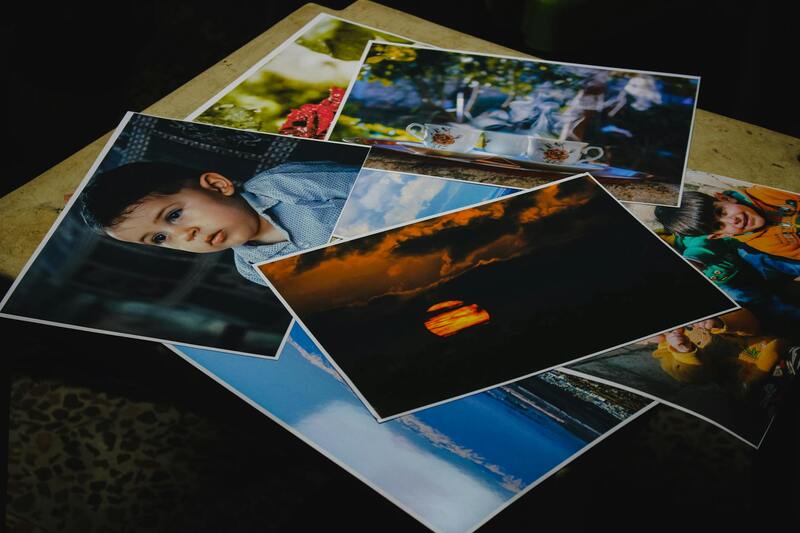
When preparing for big size picture printing, it is essential to start with a high-quality digital file. Files should be optimized with a resolution of at least 150-300 DPI at the final print dimensions to prevent pixelation. A larger, detailed image allows for superior output regardless of the scale, ensuring that every element remains crisp and visually appealing. Additionally, color profiles should be embedded or calibrated for accurate color reproduction, which is especially critical in maintaining the vibrancy of large-scale prints.
Factors Influencing the Success of Large Format Prints
- Image Resolution: Higher DPI values contribute to sharper images. Scaling an image without increasing resolution can result in blurry or pixelated prints, diminishing visual impact.
- Material Compatibility: Selecting the appropriate substrate, like vinyl, canvas, or acrylic, significantly affects durability and visual appeal.
- Printer Capabilities: Using wide-format printers equipped for large media and high-resolution output ensures professional quality.
- Finishing Techniques: Laminating or mounting finishes protect the print from environmental hazards and enhance visual clarity.
Implementing a well-rounded approach from high-quality image preparation to appropriate material selection and finishing ensures the final product meets the desired standards. The integration of these steps is vital for producing large prints that are not only visually striking but also long-lasting in various environments.

Understanding Big Size Picture Printing
Big size picture printing involves creating large-scale images that maintain high visual fidelity and clarity, suitable for both indoor and outdoor displays. This process is fundamental in various sectors, including advertising, interior decor, event signage, and gallery exhibitions. The primary challenge lies in preserving image quality during enlargement, which necessitates meticulous planning from image selection to printing execution.
The technological advancements in wide-format printing have expanded the possibilities for producing vibrant, detailed large images that meet diverse needs. Professional large format printing ensures that colors are accurately reproduced and that the material's physical properties complement the intended use of the print. This method allows businesses and individuals to turn high-resolution digital files into impactful visual displays that command attention and communicate messages effectively.
Properly executed big size picture printing requires an understanding of the entire process, from selecting suitable images to choosing the right materials and printers. The transformation from screen to large print must prioritize aspects such as resolution, color fidelity, substrate compatibility, and finishing techniques. Ensuring that each element is optimized contributes to a final product that is both durable and visually impressive.

Types of Large Format Printing Methods
- UV Printing: Utilizes ultraviolet light to cure ink instantly, allowing for vibrant colors on rigid substrates like acrylic, metal, or wood. Ideal for creating durable, weather-resistant large images.
- Solvent and Eco-Solvent Printing: Employs solvent-based inks that provide excellent adhesion and outdoor durability. Suitable for banners, billboards, and other long-term outdoor displays.
- Latex Printing: Features water-based latex inks that produce flexible, eco-friendly prints with vivid color reproduction. Versatile for both indoor and outdoor applications.
- Screen Printing: A traditional method involving stenciling ink through a mesh screen, primarily used for consistent, high-volume large runs like signage or apparel transfers.
- Gel Printing: Combines inkjet technology with gel-based inks, offering high-resolution prints with enhanced color vibrancy, especially on textured or unique surfaces.
Choosing the appropriate printing technique depends on factors such as substrate type, desired durability, and environmental conditions. Professional printers are equipped with multiple methods to accommodate diverse project specifications and ensure the highest quality output.
Materials and Substrates for Large-Scale Prints
Material selection is crucial for achieving longevity and a superior visual effect in large format printing. Common substrates include:
- Vinyl: Durable and weather-resistant, making it suitable for banners, vehicle wraps, and outdoor signs. Available in matte, gloss, or semi-gloss finishes.
- Canvas: Offers a textured look that enhances artistic and photographic prints, ideal for gallery displays and interior decor.
- Photo Paper: High-quality photographic paper provides excellent detail and color accuracy, suitable for close viewing or framed displays.
- Acrylic and Plexiglass: Provides a sleek, modern appearance with vibrant color rendition. Often used in face-mounted signs or art pieces.
- Aluminum and Dibond: Rigid, lightweight metals great for outdoor signage, wall mounting, and installations that require extended durability.
- Foam Board: Cost-effective, lightweight option suitable for temporary exhibits or indoor posters and displays.
Selecting the right substrate involves considering environmental exposure, display duration, and aesthetic preferences to ensure the print remains impactful over time.
Understanding Big Size Picture Printing
Big size picture printing involves creating visually impactful images on large-scale surfaces, transforming photographs and graphic designs into striking displays. This process requires not only high-resolution images but also an understanding of how different materials and printing techniques interact to produce vibrant, durable prints. The goal is to maintain image clarity and color fidelity despite the expanded dimensions, which often necessitates meticulous preparation and the use of specialized equipment.
The Importance of Image Resolution and Preparation
When producing large-format prints, the resolution of the original image plays a crucial role in ensuring that the final product remains crisp and detailed. To avoid pixelation, images should typically be prepared with a minimum of 150 to 300 dots per inch (dpi) at the final print size. For extremely large prints viewed from a distance, lower resolutions may suffice, but for detailed close-up displays, higher resolutions are essential. It is also vital to consider image aspect ratios and color profiles, making adjustments that preserve the visual integrity across varied scales.
Pre-press editing, including sharpening, color correction, and cropping, ensures the image remains impactful. Files must be prepared in appropriate formats such as TIFF or high-quality JPEG, with color profiles embedded for consistency. Proper file preparation reduces the risk of quality loss during printing, which is especially important for big size pictures where even minor flaws can become visually prominent.
Color Accuracy and Vibrancy Management
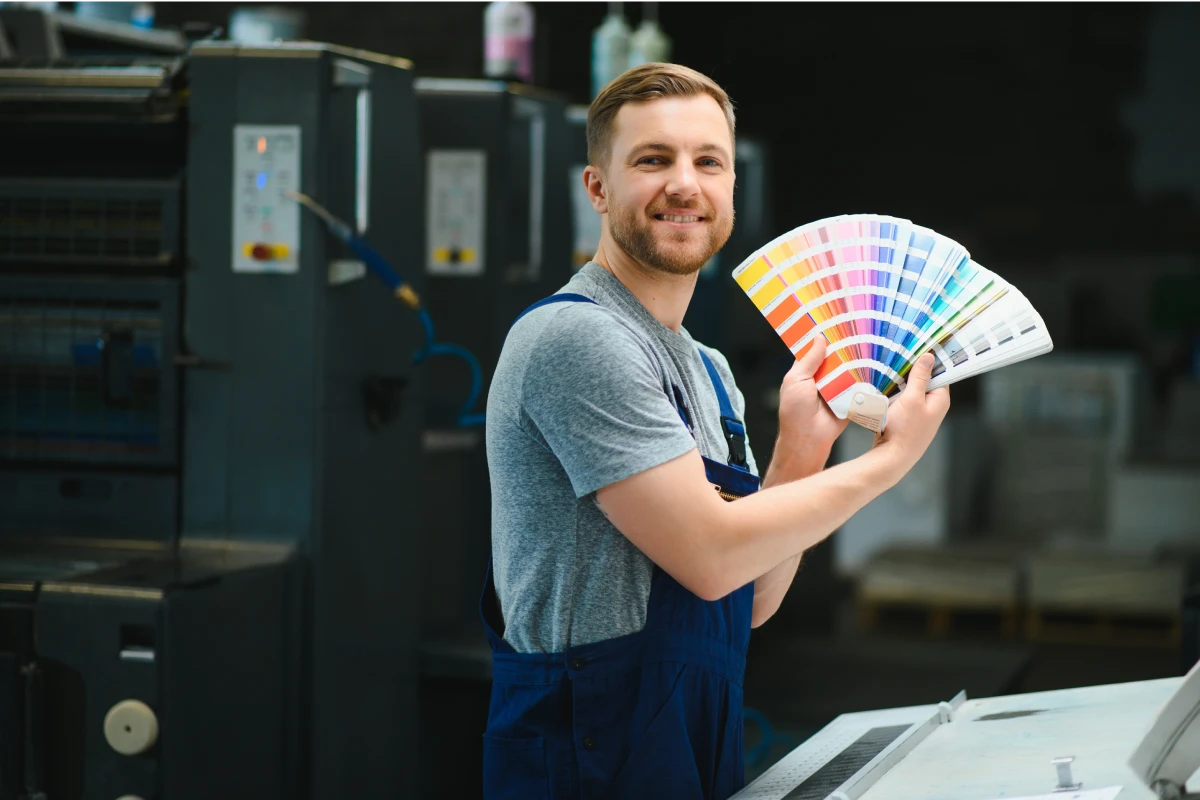
Accurate color reproduction is fundamental in large-format printing, especially when aiming to produce vibrant and captivating images. Understanding color profiles and calibrating monitors and printers regularly helps achieve consistent results. Many commercial printers utilize advanced color management systems that align digital colors with printed outputs, helping artists and clients realize their vision precisely. Choosing the right ink sets—such as UV-resistant, waterproof, or fade-proof options—also enhances the longevity and vibrancy of large prints, making sure they remain striking over time.
Environmental Considerations and Handling
Proper handling and storage of large-format printed images are critical to maintaining their quality. Large prints are susceptible to physical damage such as scratches, dents, and dust accumulation. Using protective coverings, mounting on sturdy substrates, or framing with UV-protective glass can preserve vibrancy and prevent deterioration. Additionally, printing in controlled environments minimizes exposure to moisture, direct sunlight, and fluctuating temperatures, which may adversely affect the print's surface and ink adhesion.
Utilizing Professional Printing Services
Engaging with specialized printing providers guarantees access to powerful large-format printers, premium materials, and expert technical support. Professional shops employ multi-layered inspection processes and high-end equipment to deliver consistent color matching, sharp details, and durable finishes. Such collaborations facilitate the printing of billboards, banners, murals, and fine art pieces that require meticulous craftsmanship. The expertise of seasoned technicians ensures that your vision is faithfully reproduced, whether for commercial advertising or artistic displays.
Visual Representation of Big Size Prints

Large size picture printing is an amalgamation of technical precision, material selection, and expert production. When executed correctly, it results in durable, visually stunning displays that command attention and invoke emotional responses. The careful planning of image resolution, color fidelity, and material compatibility ensures the end product not only meets aesthetic expectations but also withstands environmental factors, making big size printing a valuable asset for a wide range of applications.
Understanding Big Size Picture Printing
Big size picture printing encompasses a range of techniques that enable the reproduction of images on a grand scale, suitable for both interior and exterior displays. This process requires meticulous planning to ensure that the final product maintains high visual fidelity, color accuracy, and durability. It involves selecting appropriate printing methods and materials to accommodate the scale while preserving the integrity of the original artwork or image. In essence, large-format printing transforms digital images into impactful visual displays that can enhance branding, artistic expression, or environmental design.
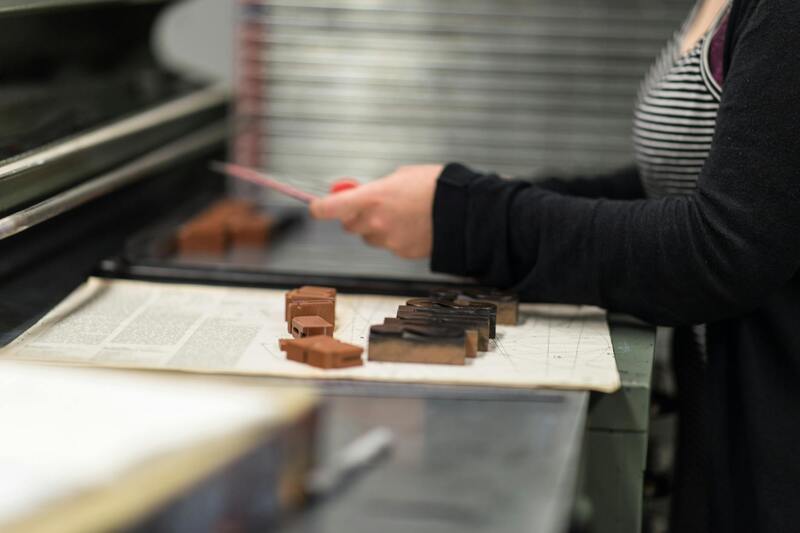
Successful big size picture printing begins with an understanding of the different available technologies and the specific requirements of each project. From marketing murals in commercial spaces to detailed fine art reproductions, choosing the right approach ensures vibrant color reproduction, sharp details, and resilience against environmental factors. Ensuring proper resolution and material selection is fundamental to achieving an optimal visual impact while maintaining the longevity of the print.
Types of Large Format Printing Methods
Various advanced printing techniques are employed in producing large-scale images, each suited to different applications and materials:
- UV Printing: Utilizing ultraviolet light to cure inks instantly, UV printing provides vivid colors and exceptional adhesion to diverse surfaces, including textured and rigid substrates. It is ideal for both indoor and outdoor applications requiring durability and high detail.
- Solvent and Eco-Solvent Printing: These methods use solvent-based inks that produce weather-resistant and UV-proof prints, making them suitable for outdoor banners, billboards, and murals. Eco-solvent options are environmentally friendlier, reducing VOC emissions without compromising print quality.
- Latex Printing: Known for its versatility, latex printing offers flexible, eco-friendly solutions capable of printing on a variety of materials, including fabrics and vinyls. It produces vibrant colors with excellent elasticity and durability.
- Dye Sublimation: Primarily used for fabric and soft substrates, dye sublimation involves transferring dye-based inks onto polyester materials, delivering rich colors and a soft finish. It is especially popular for custom textile banners and fabric displays.
Each of these techniques offers unique benefits depending on the intended application, environmental conditions, and desired visual effects. Reliable large-format printing providers utilize state-of-the-art machinery tailored to specific projects, ensuring consistent quality and precise reproduction of the original images.
Materials and Substrates for Large-Scale Prints
Choosing the appropriate base material or substrate is critical to the longevity, appearance, and function of big size prints. Different applications call for specific materials, which can range from rigid panels to flexible banners:
- Vinyl: The most common material for outdoor banners and wall murals, vinyl is durable, weather-resistant, and capable of vivid color reproduction.
- Canvas: Often used for fine art reproductions, canvas provides a textured, high-end aesthetic ideal for gallery displays and interior décor.
- Foam Board and Gatorboard: Lightweight and rigid, these substrates are suitable for indoor signage, exhibition displays, and temporary installations.
- Acrylic and Polycarbonate: Premium materials offering clarity and a sleek, modern look, often used for high-end art displays and illuminated signage.
- Textile Fabrics: Used extensively in dye sublimation printing for banners, backdrops, and soft signage, offering flexibility and vibrant color output.
In addition to surface durability, consideration should be given to environmental exposure, intended lifespan, and aesthetic preferences when selecting the substrate for large-scale prints. Compatibility with the chosen printing method ensures optimal adhesion, color accuracy, and surface finish.
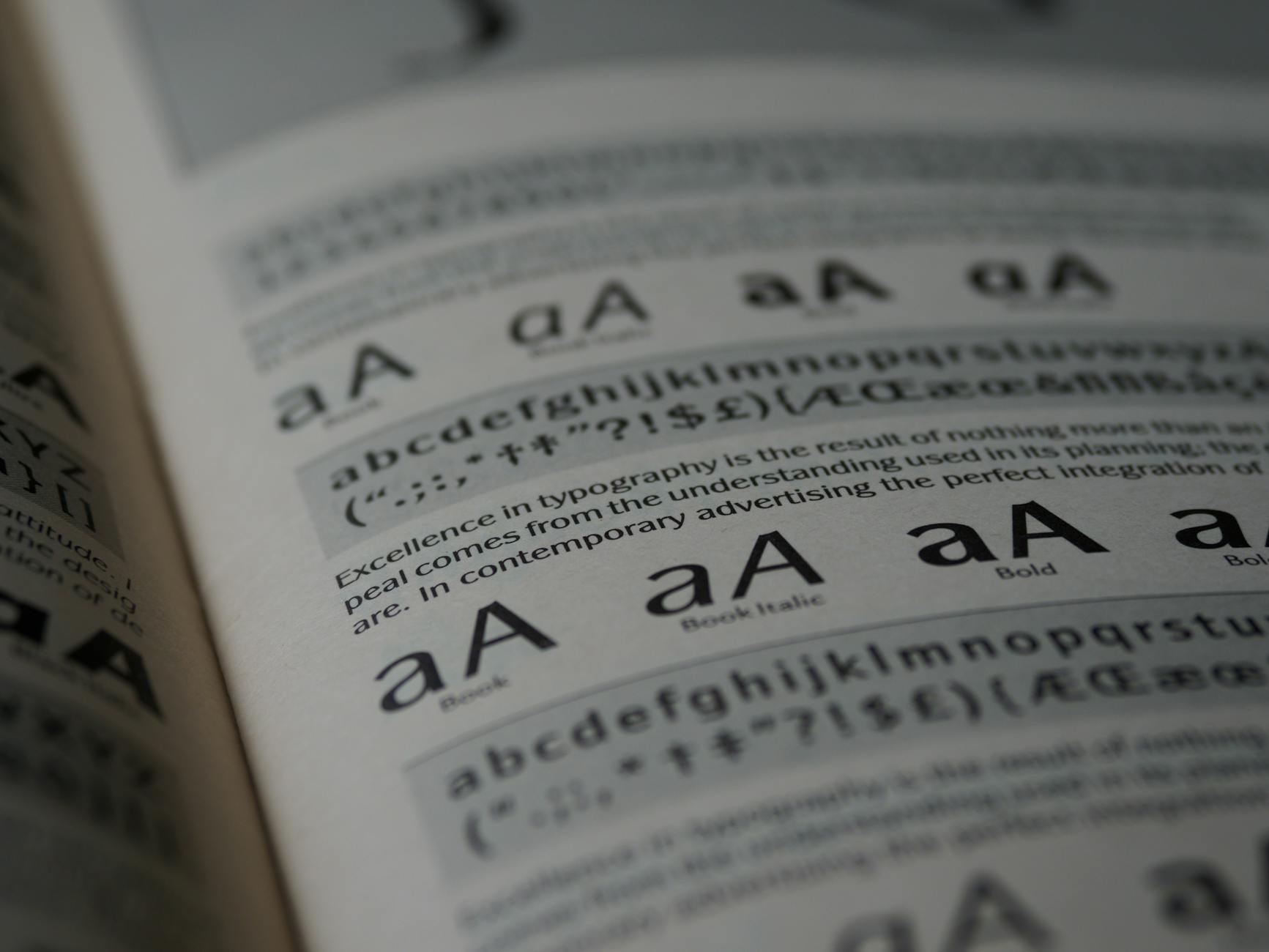
Proper material selection paired with precise printing technology guarantees outcomes that meet specific project needs while maintaining the image’s visual integrity over time. Consulting with experienced print professionals helps to identify the most suitable substrates for each unique application, ensuring your large format print achieves its full potential in impact and durability.
Understanding Big Size Picture Printing
Big size picture printing involves techniques and processes that translate digital images into large-scale physical artworks or signage. Whether for outdoor advertisements, gallery displays, or interior décor, the goal is to produce high-quality, impactful visuals that maintain clarity and color fidelity at impressive dimensions. These prints serve a variety of functions, from promotional banners to fine art reproductions, requiring careful planning in terms of design, material selection, and printing technology. Recognizing the importance of precise color management and sharp resolution ensures that the final product resonates with viewers and aligns with branding or aesthetic intentions.
Types of Large Format Printing Methods
There are several legitimate methods employed in large scale printing, each suited for specific applications and substrate compatibility. Common techniques include:
- UV Printing: Utilizes ultraviolet light to instantly cure ink onto substrate surfaces, offering durable, vibrant results suitable for outdoor and indoor use.
- Solvent and Eco-Solvent Printing: Employs solvent-based inks that penetrate materials like vinyl, providing excellent weather resistance and vivid color reproduction for banners and signage.
- Dye Sublimation: Transfers dye-based inks onto fabrics and coated surfaces, ideal for soft signage, textiles, and apparel with exceptional color vibrancy.
- UV-LED Flatbed Printing: Allows direct printing onto rigid objects such as acrylic, glass, or wood, enabling high-definition prints and versatile applications.
Choosing the right printing method hinges on factors like material compatibility, intended use, environmental exposure, and budget constraints. Professional print service providers adopt these tested techniques, ensuring compliance with quality standards and environmental considerations.

Materials and Substrates for Large-Scale Prints
The foundation of successful big size picture printing is selecting suitable materials or substrates. The choice influences durability, aesthetic appeal, and application context. Commonly used substrates include:
- Vinyl: A versatile, weather-resistant material ideal for outdoor banners, wall wraps, and vehicle graphics.
- Canvas: Provides a textured, high-end finish suitable for art reproductions and gallery displays.
- Acrylic and Polycarbonate: Offer clarity and a modern aesthetic, perfect for illuminated signage or high-end art installations.
- Foam Board and Gatorboard: Lightweight and rigid, suitable for interior displays and exhibition panels.
- Textile Fabrics: Used in dye sublimation printing for soft signage, such as backdrops and fabric banners.
The compatibility between substrate and printing technique ensures optimal adhesion, color fidelity, and surface finish. Environmental exposure, expected lifespan, and visual preferences are critical considerations influencing material selection. Consulting with specialists helps in identifying the most suitable surfaces to achieve a balance between aesthetic quality and longevity.

Design Considerations for Big Size Prints
Creating designs for large-scale printing demands attention to specific parameters that preserve image clarity and impact. Key considerations include:
- Resolution: Maintaining a high resolution, generally at least 150 dpi at final size, ensures crisp details and prevents pixelation.
- File Format and Compression: Use of lossless formats such as TIFF or high-quality JPEG prevents compression artifacts that could compromise image quality.
- Color Management: Accurate color profiles and calibration are necessary to match the digital design with the printed output, essential for branding or fine art reproductions.
- Aspect Ratio: Ensuring the image’s aspect ratio aligns with the intended dimensions avoids distortion and cropping issues.
- Visual Hierarchy and Composition: Large prints should emphasize focal points and clear messaging, with balanced composition to attract attention from afar.
Resolution and Image Quality for Large Printing
For big size prints, resolution plays a pivotal role in determining the sharpness and clarity of the final outcome. Unlike smaller prints, where 300 dpi is standard, large format printing often utilizes lower pixel densities because the viewing distance is greater. Typically, resolutions of 72-150 dpi are sufficient when the print size exceeds a few meters, as viewers perceive less detail from afar. Nonetheless, starting with high-resolution digital files minimizes the risk of quality loss during enlargement. Additionally, employing professional image editing tools ensures color accuracy and optimal sharpness before sending the file for printing.
Choosing the Right Printer and Size
Selecting an appropriate printer involves evaluating both the maximum printable size and the technology’s capabilities. High-end flatbed or roll-to-roll printers can accommodate expansive dimensions, ranging from several meters in width and length, making them suitable choices for large banners, murals, or gallery installations. Factors influencing this decision include:
- Printer Width and Length: Confirm maximum printable dimensions match or exceed your project requirements.
- Ink Compatibility: Consider the type of inks used, especially when durability and color accuracy are critical.
- Material Handling: Ensure the printer can process your chosen substrate without wrinkling or misalignment.
- Print Speed and Cost: Balance project timelines with budget constraints, particularly for high-volume runs.
Best Practices for Big Size Picture Printing
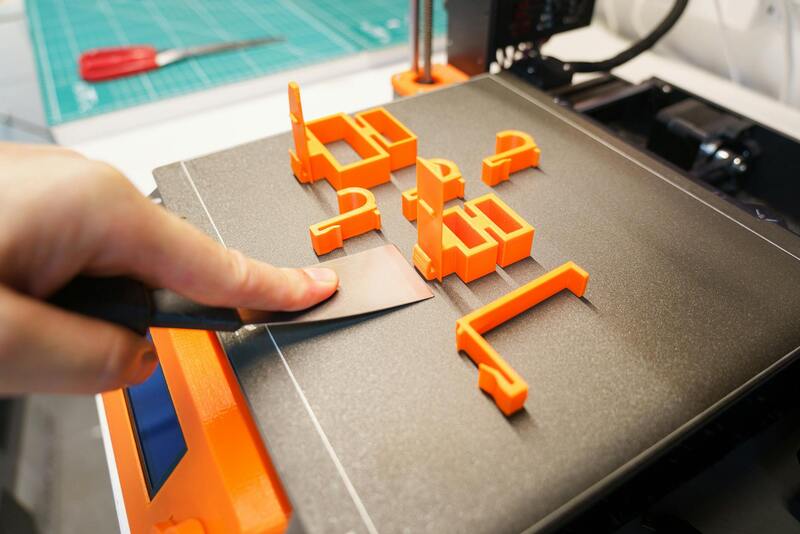
When it comes to large-scale picture printing, employing appropriate techniques and adhering to industry standards ensures the durability, visual impact, and overall quality of the final product. Utilizing official and reputable printing methods is crucial for achieving consistent results that meet professional expectations. Here are the essential practices to consider:
Proper Digital File Preparation
High-resolution digital images are fundamental for large format printing. It is recommended to prepare your files at a resolution of at least 150 dpi at the final output size. This prevents pixelation and maintains image sharpness when enlarged. Moreover, color profiles such as Adobe RGB or sRGB should be embedded to ensure color accuracy across different devices and printing platforms. Checking and correcting exposure, contrast, and color balance before printing is vital. Paying close attention to image composition, avoiding compression artifacts, and using file formats compatible with professional printing workflows (like TIFF or PSD) can significantly influence the outcome.
Utilizing Official Printing Methods and Equipment
The selection of official printing methods involves opting for reliable, industry-standard devices designed for large-scale outputs. Flatbed printers, roll-to-roll printers, and hybrid systems are commonly used for big size picture printing. These devices often employ solvent, latex, or UV-curable inks, each offering distinct advantages in terms of durability, color vibrancy, and suitability for various substrates. Regular calibration and maintenance of these machines ensure color consistency and prevent defects such as banding or misalignment. Partnering with authorized printing service providers who operate with certified equipment guarantees that the production adheres to quality and safety standards.
Choosing High-Quality Materials and Substrates
Matching the right substrate to the intended environment and display conditions is essential. Vinyl banners, canvas, photo papers, acrylics, and metal panels are popular choices for large prints. High-quality materials resistant to UV exposure, moisture, and tearing prolong the lifespan of the print, especially in outdoor or high-traffic areas. It is advisable to select substrates that are specifically engineered for large format printing and compatible with the chosen ink type. Proper surface preparation, such as cleaning and priming, can enhance ink adhesion and prevent issues like peeling or fading over time.
Quality Control and Inspection During Production
Implementing meticulous quality control measures throughout the printing process ensures the final product meets the desired specifications. This includes verifying color accuracy via calibrated monitors, inspecting print samples before full production, and checking for defects such as scratches, misalignments, or color inconsistencies. Regular on-site reviews and image comparisons help catch issues early, reducing waste and reprint costs. Employing professional finishing techniques, such as spotless trimming and proper mounting, further enhances the presentation of the finished large format print.

Adherence to these official methods and industry standards maximizes the visual impact, longevity, and professionalism of big size picture prints. Working with trusted printing partners who utilize certified equipment and materials ensures your large-scale visuals will stand the test of time while maintaining vibrant color and sharp detail, fulfilling the creative intent with precision and reliability.