Big Photography Prints: How To Choose, Create, And Display Large-Scale Photos
Understanding Big Photography Prints
Big photography prints have become a cornerstone of artistic expression and interior decoration, offering a compelling way to showcase imagery on a grand scale. These large-scale prints typically feature dimensions that surpass conventional photo sizes, often extending beyond 24 inches in width or height. Their appeal lies in the ability to bring visual stories to life with striking clarity and immersive detail, making them an ideal choice for both professional photographers and avid amateurs seeking to make a statement.
Fundamentally, big photography prints are characterized by their impressive size, but they also encompass a range of qualities that enhance their visual impact. These include high-resolution imagery, vibrant color reproduction, and meticulous attention to detail, which collectively ensure that each print retains its artistic integrity when enlarged. The materials used in manufacturing large-format prints are essential in maintaining image sharpness and longevity, often involving specialized inks and substrates designed to withstand environmental factors and resist fading over time.
The surge in popularity of big photography prints stems from their versatility and capacity to transform ordinary walls into extraordinary showcases of art or personal memories. Whether in galleries, corporate offices, or private homes, these prints serve as focal points, creating immersive environments that evoke emotion and inspire conversation. The ability to reproduce images at a monumental scale without sacrificing quality is a testament to advances in printing technology and material science, ensuring that each piece is a true reflection of the original artwork or photograph.
Moreover, big photography prints provide a unique platform for storytelling, amplifying the visual narrative through size and detail. This makes them particularly effective for images with intricate patterns, sweeping landscapes, or bold compositions. When executed with precision, large-format prints can artificially extend the aesthetic reach of a photograph, allowing viewers to explore every nuance and color gradation in remarkable detail. This compelling combination of size and quality broadens creative possibilities and enhances the viewer's experience, making big photography prints a preferred choice for impactful visual presentation.
In sum, understanding the essence of big photography prints involves appreciating their distinctive size, high-quality materials, and the technological prowess required to produce them. Their ability to command attention and evoke emotional responses underscores their significance in art and decor, making them a valuable addition to any space designed to leave a lasting impression.
Understanding Big Photography Prints
Big photography prints serve as striking visual statements, transforming simple photographs into immersive displays that center attention and evoke emotions. These prints are characterized by their substantial dimensions, designed to dominate room spaces and captivate viewers with their visual impact. The ability to reproduce images at such scale while maintaining clarity and vibrant colors is made possible through advanced printing technologies, high-quality materials, and meticulous craftsmanship. When creating large-format prints, the focus extends beyond mere size, encompassing the preservation of fine details, accurate color representation, and durability.

These prints excel in various settings, including art galleries, corporate environments, and private residences, where they act as focal points that draw viewers into the scene or narrative. The prominence of big photography prints allows for the storytelling of complex scenes — vibrant landscapes, detailed architectural shots, or dynamic portraits — in a way that smaller formats cannot fully capture. Their imposing presence fosters emotional connections, inspiring conversations and reflection.
Advancements in digital printing and material science enable the production of large photography prints with minimal loss in quality, even at monumental sizes. This technological evolution ensures that each pixel, gradient, and texture remains sharp and true to the original image. Consequently, creators and consumers can rely on precise color fidelity, high resolution, and longevity, making big photography prints a versatile and enduring choice for showcasing photography or artwork.
Popular Types and Materials for Large Photography Prints
The variety of materials used for large-format photography prints caters to different aesthetic preferences, functional needs, and environmental conditions. Common options include:
- Canvas: Offers a textured finish that mimics traditional art canvas, adding a timeless, artistic appeal. Durable and suitable for framing without glass.
- Metal (Aluminum): Known for its modern look, high light reflectivity, and exceptional durability. Suitable for contemporary decor and outdoor installations.
- Photographic Paper: Features high gloss or matte finishes with excellent color accuracy, ideal for gallery-grade displays.
- Fine Art Paper: Premium textured papers designed specifically for archival quality, with excellent longevity and color retention.
Each material offers unique aesthetic and practical advantages, making the choice largely dependent on the intended display environment and stylistic preferences.
In choosing the appropriate material for big photography prints, it is essential to consider factors such as surface texture, framing options, and any exposure to light or environmental elements. High-end printing services consistently employ archival inks and UV-resistant coatings to enhance the preservation and vibrancy of the finished pieces. This commitment to quality ensures that impactful images maintain their integrity over time, whether displayed indoors or outdoors.
Furthermore, understanding the properties of each material aids in making informed decisions that align with both aesthetic goals and practical considerations. For example, metal prints may be preferable for contemporary or outdoor displays due to their resistance to weathering, while canvas or fine art papers might be chosen for museum-quality exhibitions that emphasize texture and depth.
Choosing the Right Size and Orientation
Effective large-scale photography begins with selecting an appropriate size and orientation that complements the subject and fits seamlessly within the intended display space. Considerations should include the viewing distance, room dimensions, and overall aesthetic harmony. Larger sizes naturally draw attention and provide an immersive experience, but they require substantial wall space and suitable framing or mounting solutions.
Orientation plays a critical role in emphasizing specific features of an image. Landscape formats are well-suited for sweeping landscapes or cityscapes, offering a broad perspective that captures extensive scenes. Portrait orientation, on the other hand, accentuates vertical elements like architecture or figures, creating a commanding presence that directs the viewer's gaze upward or downward.
Professional printing services often provide guidance on optimal sizing and proportioning based on the intended environment and artwork importance. They can assist in visualizing how different dimensions would look within a designated space, ensuring that the final product enhances rather than overwhelms the environment.
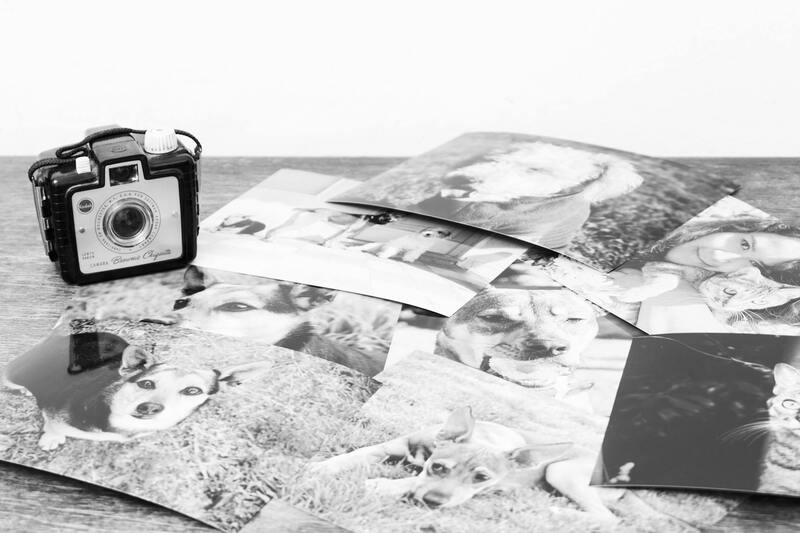
Ultimately, the goal is to create a harmonious balance between the print's scale and the surrounding decor, fostering an engaging visual experience that resonates with viewers and complements the space’s design aesthetic.
Understanding Big Photography Prints
Big photography prints serve as captivating focal points within both residential and commercial spaces, transforming ordinary walls into galleries of visual storytelling. Creating impactful large-scale images involves meticulous attention to detail, from image selection and resolution to the printing process and final presentation. These prints are often employed to showcase iconic scenery, powerful portraits, or artistic compositions that benefit from expansive dimensions, allowing viewers to appreciate intricate details and vibrant colors from a comfortable distance.
When considering big photography prints, it is essential to understand the importance of high-resolution images. A low-resolution file can result in pixelation or loss of sharpness when enlarged, undermining the visual appeal of the print. Ensuring the original photo has sufficient pixels—typically at least 300 DPI at the desired print size—is vital for maintaining clarity and detail. Proper image editing, including color correction and contrast optimization, further enhances the final output, ensuring that the print accurately reflects the photographer’s vision.
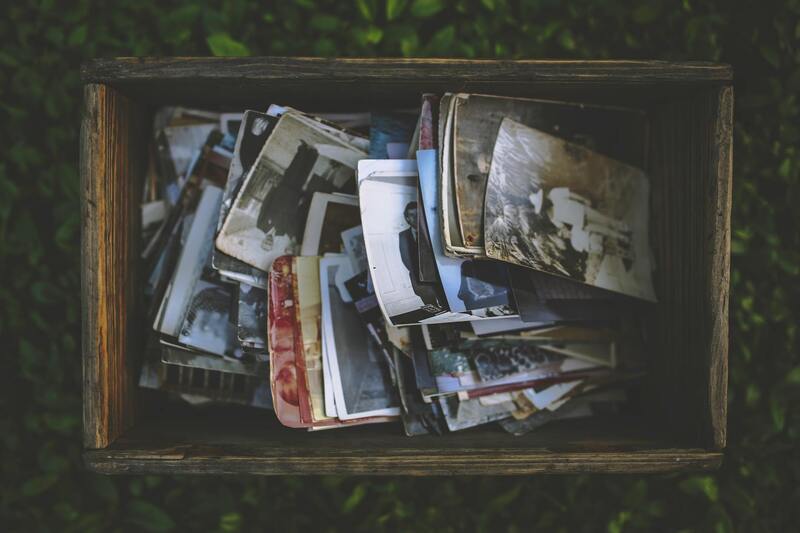
Furthermore, selecting the appropriate printing technology and materials can significantly influence the longevity, appearance, and texture of the finished piece. Advanced inkjet printers with archival inks and premium substrates, such as fine art paper or canvas, ensure color richness and resistance to fading over time. Large photography prints often employ UV-resistant coatings to preserve visual integrity against environmental factors, making them suitable for long-term display.
Design Tips for Large-Scale Photography
- Focus on Composition: When enlarging images, strong composition and balanced focal points are even more crucial. Symmetry, leading lines, and strategic cropping help guide viewers’ eyes across the expansive canvas.
- Maintain Visual Impact: Bold colors, high contrast, and dynamic elements are more noticeable in large prints, so choose images that can withstand the scale without losing their impact.
- Consider the Viewing Distance: Larger prints should be placed where they can be appreciated from an optimal distance—closer for detail, farther for immersive effect. This consideration guides both image selection and framing choices.
- Frame or Mount Strategically: Complement the size with a framing style that enhances the artwork’s presence. Minimalist frames or seamless mounts often work best for contemporary aesthetics, while ornate frames suit traditional settings.
To maximize the visual experience, proper lighting should also be integrated into the display. Directed lighting or gallery-style illumination can highlight details, textures, and colors, making the print a true centerpiece of the environment.

Choosing the right method to produce big photography prints hinges on a combination of technical quality and material excellence. Modern digital printing techniques, including high-end inkjet systems, are capable of reproducing subtle tonal variations and fine details that define high-quality photographic art. The choice of paper or canvas not only influences the aesthetic but also affects how the colors are rendered and preserved over time. For instance, matte finishes reduce glare, ideal for detailed black-and-white photography, while glossy surfaces enhance vibrancy for colorful landscapes or cityscapes.
Conclusion
In mastering large-format photography printing, attention to detail at each stage—from file preparation to material selection and display—ensures a piece that resonates fully with viewers. The ability to faithfully translate digital images into stunning tangible art elevates the gallery-worthy potential of big photography prints, turning personal favorites or iconic images into enduring visual statements.
Popular Types and Materials for Large Photography Prints
When selecting materials for big photography prints, it is essential to consider how each type enhances the visual appeal and preserves the integrity of the original image. The most common mediums for large-scale displays include high-quality fine art paper, canvas, and acrylic surfaces, each offering distinct aesthetic qualities and durability.
- Archival Fine Art Paper: Designed for longevity, archival-quality papers such as Hahnemühle or Moab ensure sharp detail retention and color fidelity. They typically feature matte or satin finishes that reduce glare and provide a refined, professional look—ideal for black-and-white or subtle tonal images.
- Canvas: Canvas prints lend a textured, gallery-like feel, adding depth and a tactile dimension to photographs. Modern printing techniques allow for vibrant, long-lasting colors on stretched canvas, which can be framed or displayed with minimal framing for a sleek appearance.
- Acrylic: Acrylic surfaces produce vibrant, high-gloss finishes that maximize color vibrancy and contrast. The reflective quality creates a luminous effect, making images pop—perfect for cityscapes, landscapes, or contemporary art pieces.
Additional options such as metal prints exist, offering a sleek, modern aesthetic suitable for bold, graphic imagery. Each material choice should align with the intended display environment and the artistic intent of the print.
Considerations for Material Selection
Beyond aesthetic preferences, factors like gloss level, texture, and environmental resilience influence the choice of material. For instance, matte surfaces mitigate reflections in brightly lit spaces, whereas glossy options heighten color saturation for dynamic visuals. The weight and mounting options of each material also vary, affecting installation methods and framing choices.
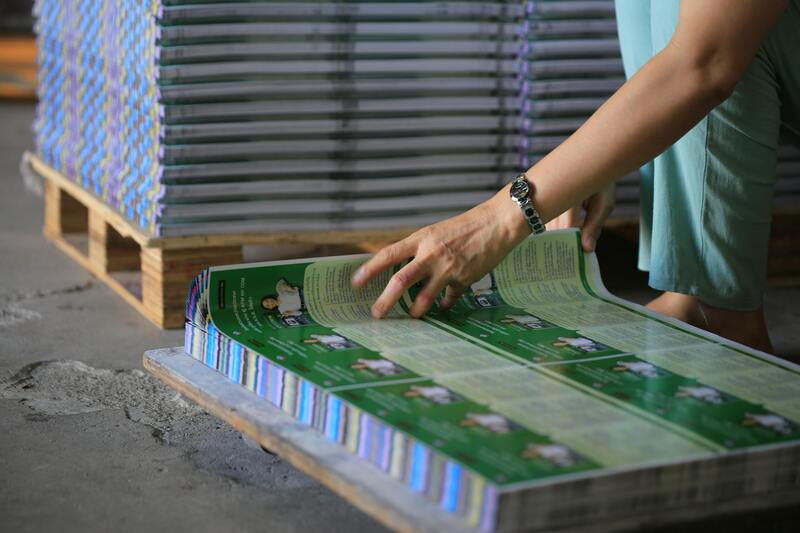
High-end digital printing technologies, such as advanced inkjet systems, can faithfully reproduce subtle tonal variations and intricate details across all selected materials. The result is a stunning, vibrant print capable of transforming any space into a visual showcase. Proper material selection, combined with expert printing techniques, ensures that each large photography print maintains its visual fidelity and physical integrity over time, making it a worthy investment for both personal and professional displays.
Understanding Big Photography Prints
Big photography prints serve as striking visual statements that transform ordinary spaces into immersive galleries. These large-scale artworks emphasize detail, color depth, and emotional impact, making them ideal for both personal collections and professional displays. When considering big photography prints, it's essential to recognize the importance of high-resolution images and meticulous preparation to ensure that the final product maintains its clarity and vibrancy at a substantial scale.
The process begins with selecting high-quality source images, which should possess adequate pixel density to prevent pixelation or blurring upon enlargement. Professionals often recommend images with a resolution of at least 150-300 DPI at the intended print size to achieve optimal sharpness. Furthermore, attention to composition, lighting, and focus plays a crucial role, as these elements influence how well the image translates to a large format.
Understanding the nuances of image editing is also vital. Adjustments in contrast, color balance, and sharpening can enhance the visual impact, ensuring that details stand out in larger formats. For images originally captured at lower resolutions, techniques such as upscaling using software with advanced algorithms can be employed to mitigate quality loss, but starting with the highest possible original file remains the best practice.
Considering environmental factors, incorporating moisture-resistant finishes or UV coatings can extend the lifespan of big photography prints, especially when displayed in areas with fluctuating temperatures or direct sunlight. The choice of mounting method and protective framing options can further affect the overall appearance and durability, emphasizing the importance of a tailored approach that aligns with space requirements and viewing distance.
In conclusion, creating compelling large photography prints hinges on meticulous preparation, detailed attention to image quality, and the thoughtful selection of presentation methods that complement the artwork's intent and environment. These considerations ensure that the grandeur of big photography prints is fully realized and appreciated over time. Creating large-scale photography exhibitions or statement pieces involves more than just enlarging an image; it requires a strategic understanding of how to best represent the art in a sizable format. Big photography prints serve as powerful visual anchors within interior spaces, office environments, and galleries, emphasizing details and colors that might be overlooked in smaller formats. The process begins with digital file quality—images intended for large prints should ideally be captured at high resolutions, with a minimum of 150-300 DPI at the final print dimensions to ensure crispness and clarity. This preemptive step helps mitigate pixelation or blur that can sometimes plague oversized prints, which, if unmanaged, diminish visual impact.
In visual storytelling, the scale of a photograph plays a crucial role; it can transform a simple shot into an immersive experience. When considering the reproduction of images in large formats, attention must be paid to the original composition. Elements such as lighting, focus, and contrast are magnified, making it essential that the initial image is meticulously crafted. Adjustments via image editing software—like enhancing contrast, fine-tuning colors, or sharpening details—are vital for translating the photograph effectively when enlarged. Utilizing advanced upscaling algorithms can aid in maintaining detail quality from slightly lower-resolution images, but starting with the highest quality original files remains the best practice.
Furthermore, environmental factors influence longevity and presentation quality. Protective finishes, such as UV coatings or moisture-resistant laminates, help preserve the vibrancy and integrity of the print over time. The mounting method and framing choices also impact the overall aesthetic—be it float mounting, traditional frame, or modern shadow box—each complementing different display environments and viewing distances.
Finally, understanding how large prints interact with their surroundings is key. They should be positioned considering light sources, wall colors, and the viewing angle to maximize visual impact. Properly executed, big photography prints become immersive artwork that commands attention and invites viewers to engage more deeply with the image, transforming public and private spaces alike into visual narratives that resonate profoundly and last for years to come.
Big photography prints serve as striking visual statements that transform any space into a gallery-like environment. These large-scale images, often used in public art installations, commercial displays, or personal collections, demand meticulous attention to detail from the initial photograph through to the final print. Producing large photographs involves considering various factors such as resolution, composition, and color accuracy to ensure the visual impact remains powerful when scaled up. High-resolution images are essential for maintaining sharpness and detail at larger sizes, avoiding blurriness or pixelation that can diminish the overall aesthetic. Proper image preparation, including cropping, color correction, and sharpening, sets the foundation for a professional-grade large print. Additionally, understanding environmental factors such as lighting and display context aids in selecting optimal materials and finishes that enhance the photograph’s intended mood and clarity. Selecting the right material for a big photography print is crucial for achieving the desired visual effect and durability. Canvas is a popular choice, offering a textured surface that provides a painterly feel and excellent depth. Metal prints, especially aluminum, deliver a sleek, modern look with vibrant color reproduction and high resistance to environmental factors. Fine art papers, such as baryta or watercolor stocks, lend a traditional touch with excellent detail reproduction and archival qualities. Acrylic prints combine clarity with a glossy finish, enhancing colors and contrast, making them ideal for contemporary spaces. Each material also varies in weight, durability, and cost, making it necessary to consider the intended display environment and personal aesthetic preferences. The choice of size and orientation greatly influences the visual impact and harmony within a space. Larger sizes allow for immersive experiences, drawing viewers into the image with impressive detail. When selecting dimensions, consider the viewing distance; larger prints work best when they are meant to be seen from afar. Orientation—portrait or landscape—must complement the composition of the photograph, emphasizing the subject’s strength or matching the layout of the display area. A balanced selection ensures the artwork neither overwhelms nor diminishes the environment, creating a cohesive visual dialogue with surroundings. Advancements in printing technology, primarily inkjet and giclée processes, have elevated the quality of big photography prints. These methods utilize archival inks and specialized media to produce rich, vibrant colors with impressive longevity. High-quality printing ensures fine details, subtle gradients, and natural color tones are faithfully reproduced. When choosing a printer, professionalism and calibration are vital—professional printers maintain consistent color fidelity and resolution. Additionally, factors such as UV protection and matte or gloss finishes influence both the longevity and visual dynamics of the print, protecting it from environmental damage while enhancing its aesthetic appeal. Designing for large-scale prints involves understanding the interplay between composition and scale. Minimalistic elements work well, allowing viewers to focus on intricate details without feeling overwhelmed. When framing the image, consider the rule of thirds to create a balanced focal point. Pay attention to what is included at the edges, as cropping should enhance the flow and narrative of the photograph. Incorporating negative space thoughtfully can amplify the grandeur of the print, giving it room to “breathe” and adding visual intrigue. Additionally, choosing the right mounting and framing options complements the artwork, accentuating its scale and style seamlessly within the chosen environment. Big photography prints serve as impactful visual statements that can transform any space, be it a residential area, corporate office, gallery, or public venue. These large-scale reproductions allow viewers to engage deeply with intricate details, textures, and vibrant colors, creating an immersive experience. To achieve a remarkable display, understanding the nuances of large-format printing is essential, including the selection of suitable media, resolution, and color fidelity. High-quality big photography prints should not only capture the essence and emotion of the original image but also withstand environmental exposure, ensuring longevity and sustained visual appeal over time. Moreover, the process of creating big photography prints involves meticulous steps—from digital image optimization to precise printing techniques—that preserve the artwork’s integrity at large scales. The calibration of printers, selection of high-resolution images, and use of durable inks and substrates are crucial. When executed correctly, big photography prints become timeless pieces that enhance interior aesthetics, evoke emotional responses, and serve as conversation starters. This form of art elevates photographic works from mere images to prominent decor elements capable of defining entire environments. Legitimacy in printing large photographs derives from adherence to established, recognized techniques and industry standards. The primary method involves professional-grade inkjet printing, often referred to as giclée printing, which ensures exceptional detail, color accuracy, and lifespan. These printers use archival inks that resist fading caused by UV exposure, environmental pollutants, and handling. The choice of media—including fine art papers, canvas, or acrylic substrates—further influences the final appearance and durability of the print. To produce big photography prints responsibly, several certified practices are followed: These steps emphasize the importance of partnering with reputable printing services that follow industry benchmarks and maintain quality standards. Such practices ensure your big photography prints will not only capture your vision but also stand the test of time, providing lasting beauty and inspiration. Understanding Big Photography Prints
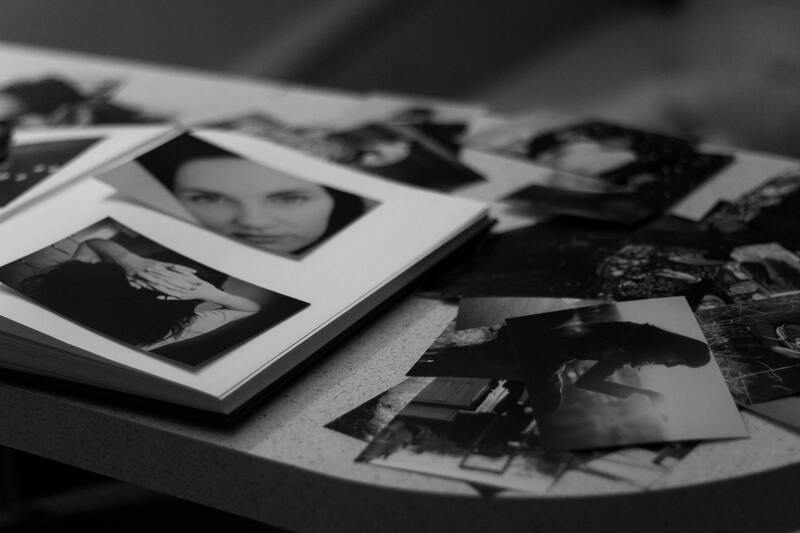
Understanding Big Photography Prints
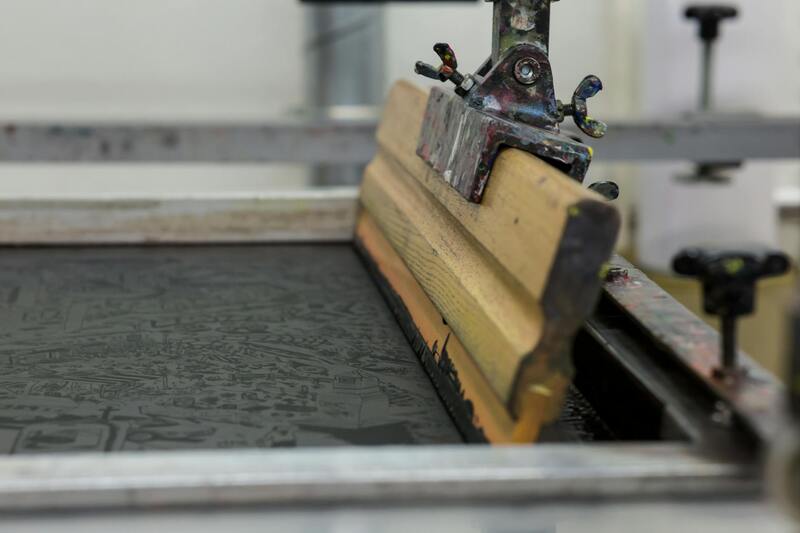
Popular Types and Materials for Large Photography Prints
Selecting the Right Size and Orientation
Printing Technologies and Quality Considerations
Design Tips for Large-Scale Photography
Understanding Big Photography Prints

Official Methods for Creating Large-Scale Photography Prints