Wide Format Poster Printing Guide: Techniques, Materials, And Tips
Understanding Wide Format Poster Printing
Wide format poster printing is a specialized printing service designed to produce large-scale visual displays for various promotional and informational purposes. Unlike standard printing methods that accommodate smaller paper sizes, wide format printing utilizes larger printers capable of handling expansive materials, making it ideal for creating impactful visual communication. This printing technique is increasingly prevalent in industries such as retail, event promotions, trade shows, corporate branding, and outdoor advertising, where high-visibility displays can influence audience perception effectively.
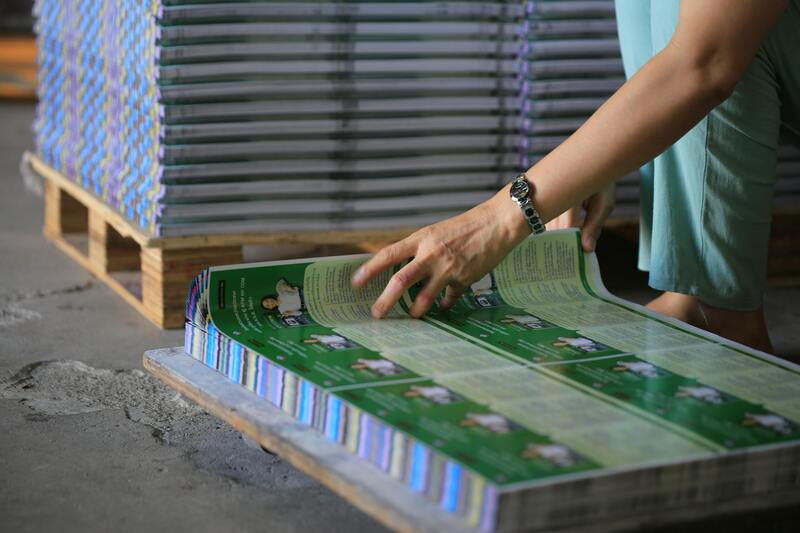
One of the primary advantages of wide format poster printing is its ability to deliver high-resolution images and crisp text on massive surfaces. This capability ensures that visual messages are clear and attention-grabbing, even from a distance. Additionally, large posters can be customized to fit specific spaces, allowing businesses and organizations to communicate their branding messages with precision. The versatility of wide format printing also extends to various substrates, providing a broad range of options to match aesthetic goals and environmental conditions.
In terms of applications, wide format posters are invaluable for creating storefront displays, event banners, signage for exhibitions, promotional wall coverings, and directional signs in large venues. Their scalability makes them effective tools for conveying complex designs or multiple messages within a single visual piece. The inherent impact of these posters is often what differentiates them from smaller, less conspicuous marketing materials, making them a preferred choice for campaigns that require maximum visibility and engagement.
Furthermore, advances in printing technology have improved efficiency and quality, enabling high-quality poster production at competitive prices. Materials such as vinyl, fabric, and paper options allow for durability and suitable environmental resilience—whether the application is indoors or outdoors. These characteristics make wide format poster printing not only a powerful marketing tool but also a strategic investment in brand visibility and communication effectiveness.
In summary, understanding the scope and benefits of wide format poster printing underscores its significance as a dynamic and impactful medium. It combines advanced printing techniques with customized designs and materials to produce visually striking displays capable of capturing attention and conveying messages succinctly and effectively across diverse settings.
Materials Used in Wide Format Poster Printing
Choosing the right material is fundamental in obtaining durable and visually appealing wide format posters. The selection depends on the intended environment, longevity requirements, and budget considerations. Common substrates include vinyl, fabric, paper, and foam board, each offering distinct advantages.
- Vinyl: Highly versatile and weather-resistant, vinyl is ideal for outdoor applications. Its durability withstands sun, rain, and wind, making it suitable for banners, storefronts, and event signage.
- Fabric: Known for its vibrant color reproduction and elegant finish, fabric posters are often used indoors for gallery displays or decorative purposes. They reduce glare and are easy to transport.
- Paper: A cost-effective solution for indoor use, paper-based posters are suitable for short-term promotions, exhibits, and informational displays. They come in various finishes, such as glossy, matte, or satin.
- Foam Board: Lightweight and rigid, foam board enables sharp image display with easy mounting. It’s widely used for point-of-sale displays and indoor advertising.
Printing Techniques and Technologies
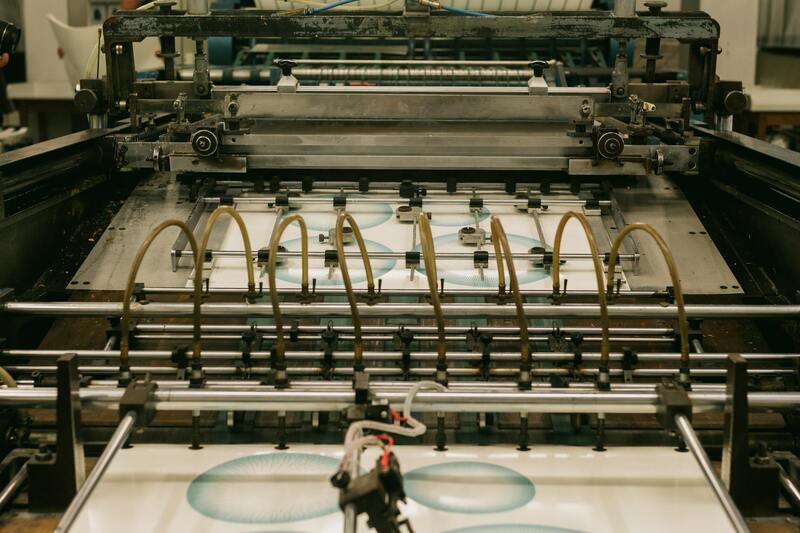
Advancements in printing technology have significantly enhanced the quality and efficiency of wide format poster production. Inkjet printing remains the predominant method, renowned for its precision and ability to handle large media sizes.
- Eco-solvent Printing: This technique uses eco-friendly inks that provide excellent color vibrancy and weather resistance. It’s especially suitable for outdoor banners and signage that require longevity.
- Aqueous (Water-Based) Printing: Commonly used for indoor posters, aqueous inks deliver sharp images with a vast color gamut. They are preferred for gallery-quality displays due to their quality and quick drying times.
- UV Printing: Employing ultraviolet light to instantly cure inks on various substrates, UV printing produces highly durable and vibrant images. This method is suitable for rigid materials like acrylic or metal.
Design and File Preparation for Wide Format Posters
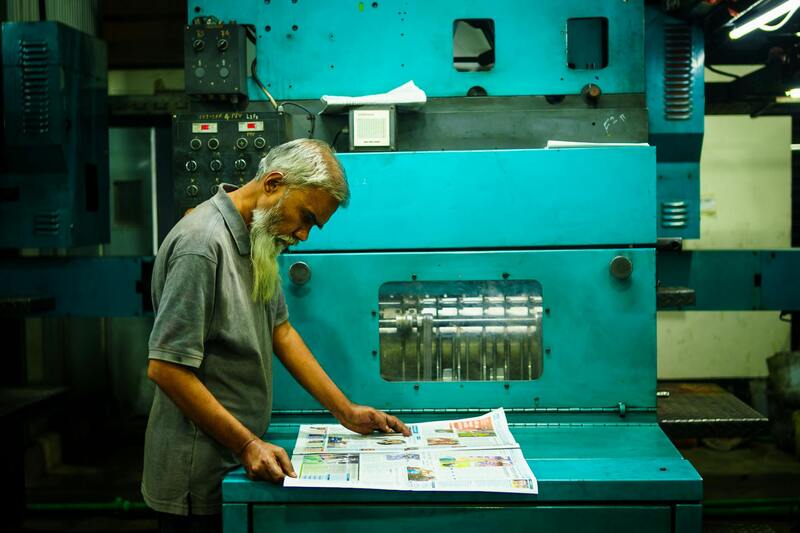
Creating a compelling wide format poster begins with meticulous design and proper file preparation. Ensuring that your artwork adheres to the right specifications can significantly impact the quality of the final product. It is essential to work with high-resolution images, ideally at 300 dpi or higher, to maintain clarity and sharpness when enlarged. Vector graphics are highly recommended for logos and illustrations to avoid pixelation and ensure crisp lines at large sizes. Additionally, using the correct color mode—CMYK—is vital for accurate color reproduction in print.
Designers should consider the viewing distance and lighting conditions of the intended display space. For instance, outdoor posters exposed to sunlight require high contrast and reflective or weather-resistant materials, whereas indoor posters may benefit from detailed, vibrant designs on glossy or matte finishes. Preparing the file with bleed margins (usually 0.125 inches) ensures that images and colors extend to the edge without unintended white borders after trimming.

Choosing the correct file formats is equally important. Preferred formats include PDF, TIFF, or EPS, which preserve image quality and support high-resolution data. Avoid compressed formats like JPEG for final files, as they can introduce artifacts and reduce sharpness. Organized layers, embedded fonts, and consistent color profiles facilitate smoother printing workflows, reducing the risk of errors and delays.
Finishing Options and Mounting Methods
Once printed, wide format posters can be tailored with a variety of finishing and mounting options to enhance durability and presentation. Laminations, such as gloss or matte, provide surface protection against scratches, moisture, and UV exposure. Such finishes extend the lifespan of posters, especially in outdoor settings or high-traffic indoor environments. For added rigidity and ease of handling, posters can be mounted on substrates like foam board or PVC boards, which offer lightweight support and impact resistance.
Mounting techniques vary based on the installation environment and poster size. Common methods include:
- Adhesive mounting for straightforward application on smooth surfaces
- Frame mounting with aluminum or wooden edges for a polished look
- Magnetic mounting for temporary displays, allowing easy removal and repositioning
- Wire or rigid backings for larger, freestanding displays
Choosing the right combination of finishing and mounting enhances not only the aesthetic appeal but also the functional durability of your signage. Proper preparation and thoughtful presentation are integral to maximizing the effectiveness of wide format posters in communicating your message or branding in any display environment.
Ensuring the Use of Appropriate Printing Technologies and High-Quality Files
To achieve the best results in wide format poster printing, selecting the right printing technology is fundamental. The most common method employed is digital large-format printing, which leverages advanced inkjet or solvent printers capable of producing vivid, durable images suitable for both indoor and outdoor environments. These printers utilize high-precision nozzles and sophisticated ink delivery systems to ensure color accuracy and sharpness across expansive surfaces.
Accurate color management is a key component in maintaining consistency between your digital design and the final print. Professional-grade color profiles help standardize hues, ensuring that colors appear as intended regardless of the printing substrate or lighting conditions. Proper calibration of printers, combined with the use of high-quality inks, guarantees that the visual impact of your poster remains intact over time.

Furthermore, resolution plays a crucial role in the clarity and detail of a wide format poster. Industry standards recommend a resolution of at least 150-300 dots per inch (dpi) for large-format printing, depending on viewing distance. For posters displayed at close range or requiring fine details, a higher resolution will provide sharper images and precise text. It is essential to prepare your digital files at this high resolution, maintaining original image quality without compression artifacts that can degrade the final output.
High-resolution files should also adhere to correct color modes, typically CMYK for print. This color space ensures that the colors in your digital file accurately reflect the output produced by the printing process. Additionally, vector files are preferred for scalable elements like logos or text, as they maintain crispness regardless of size.
Preparing Files for Wide Format Poster Printing
- Use the correct dimensions and resolution as specified by your printer or printing provider.
- Embed or include high-quality images with sufficient dpi to prevent pixelation.
- Maintain consistent color profiles and ensure files are converted to CMYK mode for accurate color reproduction.
- Optimize file formats, with PDF, TIFF, or EPS being preferred options for print-ready files.
- Avoid excessive compression or resampling that could lead to loss of detail or color fidelity.
Consistent communication with your printing provider and thorough review of proof samples help prevent issues related to color mismatches or resolution concerns. High-quality digital files, paired with appropriate printing technology, ensure that your wide format posters are visually compelling and true to your original design intentions.
Ensuring Proper File Preparation for Wide Format Poster Printing
Achieving exceptional results in wide format poster printing hinges on meticulous preparation of digital files. High-quality, print-ready files safeguard sharpness, accurate color reproduction, and overall visual impact. To begin, adhere strictly to the specified dimensions, aligning with the final poster size, including any bleed areas. Incorporate a bleed of at least 0.125 inches (3 mm) to accommodate trimming and prevent unwanted white borders.
Resolution is paramount; files should be created at a minimum of 150 dots per inch (dpi) at the final print size. For larger posters, a resolution of 300 dpi is ideal, especially when viewers will be close to the display. Embedding high-resolution images and vector graphics ensures crispness and scalability, especially for logos and textual elements. Additionally, maintaining consistent color profiles is crucial; convert files to CMYK color mode to mirror the printing process and ensure color fidelity.
File formats play a significant role in print quality. Preferred formats include PDF, TIFF, and EPS, as these preserve image integrity and allow for professional printing workflows. Avoid employing excessive compression or resampling, as these can diminish detail and color accuracy. Color management should include soft-proofing to simulate how colors will appear when printed, facilitating adjustments prior to final submission.
Effective communication with your printing service provider can preempt issues. Providing clear instructions on the intended usage, viewing distance, and environment helps tailor the printing process to your needs. Request proof samples if possible, and review them carefully for color accuracy and image clarity. This proactive approach ensures that the final product aligns with your expectations and maintains the integrity of your original design.
Optimizing Artwork Files for Large-Format Printing
Beyond resolution and format, optimizing artwork files involves strategic considerations that influence print outcomes. Simplify complex graphics and minimize the number of colors where feasible, as this can reduce printing costs and potential color inconsistencies. Use vector-based formats for logos and textual elements to preserve crisp edges regardless of size. When working within software like Adobe Illustrator or Photoshop, ensure layers are flattened appropriately, and all fonts are converted to outlines or embedded to prevent font substitutions.
Color adjustments should be made thoughtfully; utilize color swatches or palettes aligned with your branding guidelines. When preparing for a wide format print, avoid over-saturating colors, which can lead to undesirable results such as bleeding or mottling. Instead, opt for balanced color schemes that will translate well into CMYK printing, and test color samples if possible.
In addition, consider the printing environment—whether the poster is for outdoor or indoor use—and select material and finishing options accordingly. Proper file preparation combined with close collaboration with your printer ensures that your wide format poster will not only deliver visual impact but also withstand environmental stresses, maintaining its quality over time.
Understanding Wide Format Poster Printing
Wide format poster printing is a specialized process tailored to produce large-scale visual displays that command attention and communicate messages effectively. This technique involves the use of advanced printing equipment capable of handling oversized media, enabling the creation of striking signage for indoor and outdoor environments. The primary goal is to produce vibrant, durable graphics that maintain clarity and color precision, regardless of size.
By leveraging high-quality inks and precise printing mechanisms, wide format poster printing ensures that every detail, from fine text to complex imagery, is sharply rendered. The process accommodates diverse design requirements, including promotional banners, event signage, storefront advertisements, and informational displays. The ability to customize dimensions, materials, and finishes makes wide format poster printing a versatile choice for businesses and organizations aiming to maximize their visual impact.
In terms of technology, this process often involves large-format inkjet printers equipped with multiple color channels, supporting high resolution outputs typically ranging from 600 to 1440 dpi. These printers are designed to operate efficiently across various substrates, facilitating print runs of different sizes without compromising quality. The result is a professional-grade product that can withstand environmental conditions, making it suitable for both temporary and long-term displays.
This printing method also emphasizes color accuracy and consistency, achieved through calibrated color profiles and advanced proofing techniques. Such precision ensures that the final poster aligns closely with the original design intent, providing clients with confidence in the reproduction process. The combination of technical sophistication and creative flexibility positions wide format poster printing as an essential tool for impactful brand communication and visual storytelling.
Understanding Wide Format Poster Printing
Wide format poster printing is a specialized process designed to produce large-scale visuals with exceptional clarity and color accuracy. This method caters to a variety of applications, including promotional displays, event signage, and storefront advertisements. The main advantage of wide format printing lies in its ability to deliver high-resolution images on expansive surfaces, ensuring your message captures attention from a distance. Professional printers utilize advanced digital inkjet technology capable of handling massive substrates while maintaining fine detail and vibrant hues. The process involves meticulous calibration of printers and color profiles, which guarantees consistent quality across different print runs. Additionally, weather-resistance and durability are key considerations, particularly for outdoor signage, with materials selected to withstand environmental elements without fading or peeling over time.

Types of Wide Format Posters and Sizes
Wide format posters encompass a broad spectrum of styles and dimensions, catered to diverse marketing needs. Common types include indoor posters, outdoor banners, backlit displays, and custom-shaped signage. Standard sizes range from small posters such as A3 (11.7 x 16.5 inches) to large-scale formats like A0 (33.1 x 46.8 inches) and beyond. Popular custom dimensions include 40" x 60", 60" x 40", and 72" x 48", suitable for wall displays and large visual impact. The choice of size depends on installation location, visibility range, and the message intensity, ensuring maximum engagement from viewers. Moreover, bespoke sizes are often available, allowing organizations to tailor the output to their specific design and spatial requirements without compromising on quality or resolution.
Materials Used in Wide Format Poster Printing
The selection of materials is vital to achieving optimum durability and visual appeal in wide format poster printing. Typical substrates include vinyl, media paper, fabric, and rigid options such as foam board and PVC panels. Vinyl, especially when laminated, provides excellent weather resistance and longevity, making it suitable for outdoor signage. Media paper, often coated for enhanced color vibrancy, is preferred for indoor promotions. Fabric materials offer a soft, sophisticated appearance and are ideal for backlit or tension-mounted displays. Rigid substrates like foam board and Correx are frequently used for short-term displays, point-of-sale signage, or exhibit graphics, due to their lightweight yet sturdy nature. Choosing the right material depends on the intended environment, placement duration, and desired aesthetic effect, ensuring your poster remains vibrant and impactful over time.

Printing Techniques and Technologies
Modern wide format poster printing relies on sophisticated digital inkjet systems that can produce high-resolution images with precise color matching. These printers utilize multiple ink channels, including CMYK, and often incorporate light and light-light inks to broaden the color spectrum and create richer visuals. Substrate compatibility is enhanced through advanced print head technology, which supports various media types and thicknesses. Techniques such as solvent, UV-cure, and eco-solvent printing are prevalent, each offering specific advantages regarding print durability, environmental impact, and color vibrancy. UV-curable printers, for example, provide immediate, scratch-resistant finishes suitable for rigid surfaces, while solvent-based systems excel at outdoor resilience. The consistent application of these technologies results in posters that feature sharp text, detailed graphics, and dynamic color reproduction capable of elevating marketing efforts effectively.

Design and File Preparation for Wide Format Posters
Creating effective wide format posters begins with meticulous design and preparation of digital files. Optimal resolution is crucial; typically, a minimum of 150 dpi at the final printed dimensions ensures crisp visuals and sharp text. Color management involves embedding accurate color profiles, usually in CMYK, to match what appears on screen with printed output. Vector graphics are preferable for logos and text to preserve clarity at large sizes, while high-resolution raster images enhance photographic elements. When preparing files, bleed areas and safe zones should be incorporated to prevent unwanted cropping or edge obtrusions. File formats like PDF, TIFF, or EPS are recommended for compatibility and high fidelity. Proper file setup minimizes the chances of errors during printing, ensuring the final poster faithfully represents the original design with vibrant colors, fine details, and professional finishing touches.
Finishing Options and Mounting Methods
Post-printing finishing significantly influences the durability and presentation of wide format posters. Lamination, whether gloss, matte, or satin, provides an extra layer of protection against scratches, UV rays, and environmental factors, extending the poster’s lifespan. Mounting options include framing, adhesive backing, or mechanical systems like clips or rails, allowing for versatile displays in various settings. For outdoor applications, weatherproof mounting solutions are recommended to withstand wind, rain, and sunlight. Adhesive mounting techniques such as VHB tape or poster hinges are popular for rapid installation without damage to the surface. Rigid backing materials, like foam core or aluminum composite panels, offer sturdy support for freestanding or wall-mounted displays. Selecting appropriate finishing and mounting methods ensures your wide format posters maintain their visual impact over time while fitting seamlessly into your chosen environment.
Understanding Wide Format Poster Printing
Wide format poster printing encompasses a specialized segment of digital printing that caters to large-scale visual displays. This process involves printing on sizable substrates to produce eye-catching banners, promotional posters, event displays, or decorative elements, ensuring high-impact visuals for both indoor and outdoor environments. The ability to produce large-scale images with crisp detail and vibrant colors makes wide format poster printing a vital tool for marketing, branding, and visual communication in various sectors.
Types of Wide Format Posters and Sizes
Different applications demand specific poster types and dimensions, tailored to the intended use and display environment. Common types include:
- Indoor Posters: Typically smaller and mounted on rigid or flexible substrates for retail, exhibitions, or interior decor.
- Outdoor Banners: Printed on weather-resistant materials like vinyl, designed to withstand environmental factors.
- Backlit Posters: Created on translucent materials for illuminated displays, ideal for storefronts or events.
Standard sizes range from medium formats like 24" x 36" to large-scale dimensions such as 60" x 120" or custom sizes tailored to specific design needs. Selecting appropriate dimensions ensures optimal visual impact while considering installation space and viewing distance.
Materials Used in Wide Format Poster Printing
The selection of printing materials significantly influences the final appearance, durability, and application versatility of posters. Popular options include:
- Vinyl: Known for durability and weather resistance, suitable for outdoor banners and large-format signage.
- Banner Cloth: Lightweight and flexible, ideal for indoor or temporary outdoor displays.
- Mesh Fabric: Allows wind passage, making it suitable for large outdoor banners exposed to high winds.
- Paper and Poster Boards: Preferred for indoor displays, exhibitions, and point-of-sale signage.
- Translucent Films: Used in backlit applications to achieve vibrant illuminated results.
Printing Techniques and Technologies
Modern wide format printing leverages advanced digital printing technologies such as:
- Solvent and Eco-Solvent Printing: Delivering vibrant colors and excellent outdoor resistance, suitable for large banners and billboards.
- UV Printing: Providing high-quality, scratch-resistant images on a variety of substrates, with the advantage of instant curing for fast turnaround.
- Latex Printing: Offering environmentally friendly options with flexible, durable, and vibrant outputs, ideal for a wide range of indoor and outdoor uses.
- UV-LED Printing: Modern innovation for detailed prints with precise color management and efficiency.
Design and File Preparation for Wide Format Posters
High-quality output begins with meticulous file preparation. Design files should be created with dimensions corresponding to the final print size, incorporating safety margins to prevent any important visuals from being cropped during trimming. File formats like PDF, TIFF, or EPS are recommended for their high fidelity and compatibility. Resolution should typically be 150-300 DPI at final size; higher resolutions enhance detail, especially for close viewing applications. Color management involves using standardized color profiles such as Adobe RGB or sRGB to ensure consistent color reproduction across different devices and media. Including bleed areas and crop marks in the design facilitates accurate trimming and mounting. Proper file setup minimizes errors and ensures that the printed output reflects the intended design with vibrant colors, sharp details, and professional finishing.
Finishing Options and Mounting Methods
Post-printing finishing significantly impacts the longevity and presentation of wide format posters. Laminations in gloss, matte, or satin finishes provide UV protection, water resistance, and enhanced durability. Mounting methods include:
- Framing: Classic option for indoor displays, offering protection and an elegant presentation.
- Adhesive Backing: Simplifies installation with peel-and-stick convenience, often used for temporary signage.
- Mechanical Supports: Rigid backing materials such as foam core, aluminum composites, or wood panels provide sturdy support for freestanding or wall-mounted displays.
- Weatherproof Mounting: For outdoor posters, weather-resistant fixtures like waterproof frames or corrosion-resistant hardware are essential to withstand environmental conditions.
Cost Factors and Budgeting for Wide Format Poster Printing
Understanding the cost elements involved helps in effective budgeting for wide format print projects. Major factors include:
- Material Choice: More durable and weather-resistant substrates typically cost more but extend the lifespan of the print.
- Size and Complexity: Larger and more intricate designs typically incur higher costs due to increased material use and longer production times.
- Printing Technology: Advanced methods like UV or latex printing may have higher initial costs but offer superior quality and longevity.
- Finishing and Mounting: Additional finishing touches such as lamination, framing, or custom mounting solutions add to the overall expense.
Efficient planning involves balancing visual impact, material durability, and budget constraints to achieve an effective promotional display that aligns with strategic objectives.