Guide To Big Format Printing In Singapore: Techniques And Applications
Definition and Overview of Big Format Printing
Big format printing, often referred to as large-scale printing, involves producing images, graphics, or text on materials that exceed the standard dimensions of conventional printing. This method caters to creating visually impactful displays, signs, banners, and promotional materials that demand high visibility and clarity from a distance. The importance of big format printing has grown significantly within the advertising, retail, and event industries, where immediate and effective communication is essential.
In its essence, big format printing enables businesses and organizations to produce high-quality visual content that commands attention and enhances brand visibility. It encompasses a wide array of applications, including outdoor billboards, point-of-sale displays, vehicle wraps, exhibition banners, and wall murals. The ability to produce large, detailed visuals without compromising on quality has made it an indispensable technology across numerous sectors.
Advancements in printing technology have expanded possibilities for the scale, material options, and finishing choices available to users. As a result, big format printing serves not only as a practical solution for signage and advertising but also as a creative platform for innovative visual storytelling.

Understanding the essentials of big format printing provides a foundation for exploring the various aspects that influence the quality, application, and sustainability of large prints. From material selection to technological considerations, each element plays a crucial role in achieving desired results that meet the specifications of diverse projects.
Types of Materials Used in Large-Scale Printing
The choice of material in big format printing significantly impacts the final output's durability, appearance, and suitability for specific environments. Common materials include vinyl, fabric, paper, and specialty substrates designed for outdoor or indoor use. Each material has unique characteristics that make it appropriate for particular applications.
- Vinyl: Widely used for banners, vehicle wraps, and outdoor signage due to its flexibility, weather resistance, and ease of installation.
- Fabric: Ideal for indoor displays, backdrops, and trade show booths thanks to its vibrant color retention and lightweight properties.
- Paper and Posters: Suitable for short-term indoor displays or event promotions where quick installation and cost-effectiveness are priorities.
- Specialty Substrates: Includes materials like canvas, acrylic, or foam board, used for high-end art reproductions, photo mounts, or decorative displays.

The selection process often considers environmental conditions, permanence requirements, and the desired aesthetic outcome, ensuring that the material aligns with the project’s specific goals and longevity expectations. High-quality materials also contribute significantly to color accuracy and overall visual impact of the final print.
Definition and Overview of Big Format Printing
Big format printing, also known as large-scale printing, involves creating visuals on expansive surfaces to maximize visibility and impact. This form of printing caters to a broad spectrum of applications ranging from advertising and promotional displays to interior and exterior branding. The process combines advanced printing technologies with specialized materials to produce vibrant, durable, and attention-grabbing visuals that can be scaled to fit various dimensions.

The foundational element of big format printing lies in the meticulous selection of materials and precision printing techniques. It demands a comprehensive understanding of the physical characteristics of different substrates and how they interact with various inks and finishing options. This ensures the final output not only meets aesthetic expectations but also withstands environmental factors and handling requirements.
Importance of Material Selection in Big Format Printing
Choosing the right material is crucial for achieving optimal results in large-scale projects. The material acts as the canvas for the visual content and directly influences the durability, appearance, and functionality of the print. Environment plays a significant role in this decision-making process, especially when considering outdoor versus indoor applications. Compatibility with printing technologies, ease of installation, and budget constraints are also key factors that guide material choices.
Common Materials Utilized in Large-Scale Printing
- Vinyl: Renowned for robustness and weather resistance, vinyl is ideally suited for outdoor banners, vehicle graphics, and signage. It offers flexibility for curved surfaces and can withstand harsh weather conditions, making it a go-to choice for long-term displays.
- Fabric: Valued for its vibrant color retention and lightweight nature, fabric is popular for indoor backdrops, trade show booths, and event banners. It produces a sleek, premium look and is relatively easy to handle and install.
- Paper and Posters: Cost-effective and quick to produce, these materials are often used for short-term promotions, indoor exhibitions, and pop-up displays. They are suitable for quick turnaround projects and seasonal campaigns.
- Specialty Substrates: Materials like canvas, acrylic, foam boards, and other decorative surfaces are employed in high-end art reproductions, photo displays, and architectural applications. These substrates add a tactile dimension and elevate the visual appeal of the printed piece.
The choice among these options hinges on specifics such as environment, expected lifespan, and aesthetic goals. High-quality materials also enhance color accuracy, sharpness, and overall visual impact, contributing to a powerful and lasting impression.
Additional Factors Influencing Material Use
Beyond basic compatibility, considerations include the material's environmental resilience—resistance to moisture, UV exposure, and mechanical wear—as well as ease of handling during installation. Sustainable innovations have led to eco-friendly substrates that reduce environmental impact while maintaining high-quality output, broadening options for conscientious projects.
Incorporating advanced printing inks and finishing techniques, such as lamination or UV coating, further improves durability and visual vibrancy. These enhancements protect against fading, scratches, and environmental damages, extending the lifespan of large format prints across different settings.

Common Printing Techniques and Technologies in Big Format Printing
Large format printing employs a variety of advanced methodologies, each suited for specific applications and substrates. The dominant methods include UV printing, solvent printing, latex printing, and eco-solvent printing, all distinguished by their unique advantages.
- UV Printing
- Using ultraviolet light to instantly cure inks as they are applied to the material, UV printing provides vibrant colors and a durable, scratch-resistant finish. It is highly versatile, capable of printing on rigid and flexible substrates such as acrylic, glass, and metal, making it ideal for signage, decorative displays, and personalized products.
- Solvent Printing
- This technique employs solvent-based inks that penetrate the surface of materials like vinyl and banners. Known for producing ink that resists water, UV radiation, and scratches, solvent printing is commonly used for outdoor signage, vehicle wraps, and resilient advertising materials.
- Latex Printing
- Latex printing utilizes water-based inks with latex polymers, resulting in environmentally friendly outputs. It offers excellent elasticity, which prevents cracking on flexible surfaces, and provides vibrant, customizable finishes. Latex printers are favored for indoor banners, wall coverings, and textiles.
- Eco-solvent Printing
- Combining the durability of solvent printing with reduced environmental impact, eco-solvent printing produces images suitable for both indoor and outdoor applications. It’s praised for high-resolution output, color accuracy, and sustainability, making it a balanced choice for versatile large-format projects.
Matching Techniques to Projects
The selection of a particular printing method hinges on the intended application, substrate compatibility, and desired durability. For high-traffic outdoor signage, solvent or eco-solvent inks are typically preferred due to their resistance to weathering. Conversely, UV printing lends itself well to rigid displays requiring sharp detail and a glossy finish. Latex printing serves well in environments demanding flexibility, such as fabric banners or textured surfaces.

Understanding these nuanced technologies helps in optimizing the final visual impact and longevity of large-scale prints. It also informs decisions regarding post-processing options such as lamination, UV coating, or mounting, which further enhance durability and aesthetic appeal.
Understanding the Methods for Replicating Big Format Printing
When seeking exact reproductions or practical workflows for large-scale printing projects, professional methods focus on established, verified procedures that ensure consistency, fidelity, and durability of final outputs. These methods encompass a range of practices that adhere to industry standards, using advanced technology and precise processes to deliver high-quality results.
Standardized File Preparation and Management
Accurate image reproduction begins long before printing begins, with meticulous file preparation. High-resolution files—typically at least 300 dpi at full scale—are essential to avoid pixelation and loss of detail. File formats such as TIFF or PDF ensure that data remains intact and compatible with high-end printers. Proper color management, including consistent color profiles like CMYK or specific ICC profiles, guarantees that colors are rendered accurately across different devices and substrates.
Color Calibration and Proofing
Color calibration is critical to maintaining visual consistency, especially with large-format prints where color fidelity is more visible to the human eye. Professional printers utilize black levels, color charts, and proofing techniques—such as soft proofing on calibrated monitors or physical proofing sheets—to verify that colors match client expectations before the final run. This process minimizes waste and ensures predictable outcomes.
Use of Industry-Grade Printing Equipment
Reliable large-format printing relies heavily on state-of-the-art printers equipped with high-precision heads, automated maintenance routines, and proper media handling systems. These printers are calibrated regularly to sustain consistent output quality, helping prevent issues such as banding, color drift, or misalignment.

Adherence to Material Compatibility and Handling Protocols
Selecting compatible inks for specific substrates—such as vinyl, fabric, or rigid panels—is essential. Proper handling techniques, including correct media loading, tension control, and environmental conditions (temperature and humidity), contribute significantly to achieving optimal results. These measures reduce defects like air bubbles, wrinkles, or ink bleeding.
Post-Processing and Finishing Techniques
Post-print finishing enhances durability, appearance, and functionality. Common techniques include lamination for UV protection and weather resistance, mounting to substrates for structural support, and cutting or trimming to precise dimensions. Employing these standards ensures that the final product maintains its visual appeal and structural integrity over time.
Quality Assurance and Inspection
Final inspection stages scrutinize color accuracy, print alignment, and overall aesthetic quality. This thorough check helps catch any defects or inconsistencies, allowing corrections before the product reaches the client. Documenting this process also supports traceability and quality management systems.
Quality Control and Durability Factors in Big Format Printing
Achieving the desired longevity and performance of large-scale prints depends heavily on stringent quality control measures and an understanding of durability factors. Quality assurance begins with meticulous calibration of printing equipment, ensuring color consistency and proper resolution throughout each print run. Regular maintenance routines are vital to prevent issues such as ink smudging, misregistration, or inconsistent color application. This systematic approach guarantees that each piece meets high standards before proceeding to the finishing stage.
In addition to routine calibration, color management plays a crucial role. Employing color profiling and standardized color matching protocols allows for predictable results across different media and print batches. This consistency is especially important in branding and advertising, where color accuracy directly impacts brand recognition.
Durability aspects are primarily influenced by the choice of materials, inks, and post-processing methods. Selecting high-quality substrates such as weather-resistant vinyl, rigid panels, or textiles enhances the print’s resilience against environmental factors. Suitable inks — like solvent, UV-curable, or latex — are formulated to adhere well to specific media, providing resistance to UV rays, moisture, and abrasion.

Post-processing techniques significantly influence the lifespan of large-format prints. Lamination, for example, offers an extra layer of protection against UV damage, scratches, and weather elements. Proper mounting ensures stability and prevents warping or sagging over time, especially for outdoor banners or signs exposed to wind or varying weather conditions. Trimming to precise specifications not only enhances aesthetic appeal but also reduces the risk of fraying or edge damage caused by handling or environmental exposure.
Regular inspections are integral to maintaining quality and durability. Visual assessments for signs of ink degradation, peeling, or fading enable timely intervention. When defects are identified early, corrective measures such as re-laminating or touch-up printing can restore the product’s integrity before it reaches the end user.
This comprehensive approach to quality control and durability management ensures that big format printed materials withstand environmental challenges and continue to serve their purpose effectively, whether used for permanent signage or temporary event displays. Selecting well-trained professionals and advanced printing equipment further enhances the fidelity and longevity of the final product, reinforcing trust and satisfaction among clients.
Quality Control and Durability Factors
To ensure that large format prints maintain their visual appeal and functional longevity, comprehensive quality control measures are essential throughout the production process. Precise color management, achieved through calibrated equipment and standardized color profiles, guarantees consistency and accurate color reproduction, which is crucial for brand integrity and visual impact.
Material selection plays a significant role in durability. Printers often utilize high-quality inks, such as solvent, eco-solvent, or UV-curable inks, known for their resistance to environmental elements. These inks not only provide vivid, long-lasting colors but also resist fading caused by prolonged exposure to sunlight and harsh weather conditions.
Proper application of protective coatings, such as lamination or varnishing, adds an extra layer of defense against scratches, moisture, and UV damage. These treatments extend the usable life of the print, especially when deployed in outdoor environments. Regular inspection and maintenance are also critical; early detection of issues like peeling, cracking, or fading allows prompt intervention to preserve the integrity of the large format print.
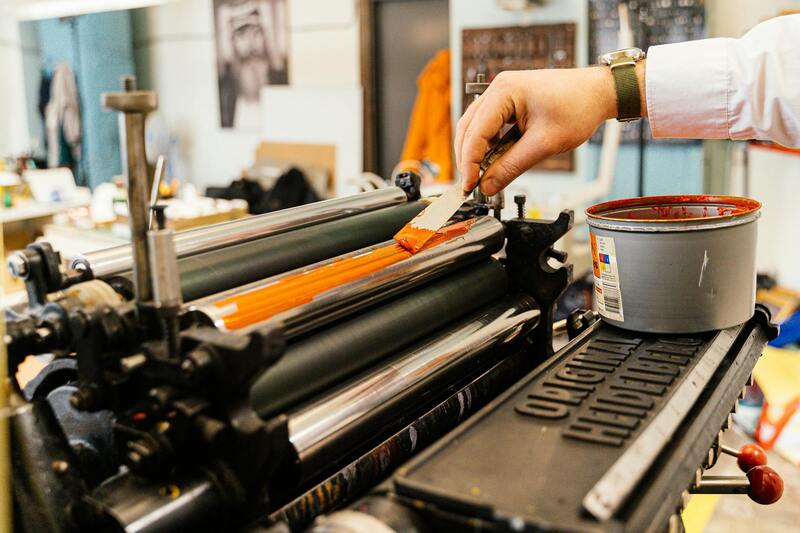
Mounting techniques impact the longevity of large format prints as well. Proper support systems, such as sturdy frames or weather-resistant mounts, prevent warping and physical damage. Ensuring that the print is installed in a way that minimizes stress on the media will result in a cleaner, more durable display over time.
Environmental Impact and Sustainable Practices
The industry recognizes the importance of sustainable printing practices. Use of eco-friendly inks with low volatile organic compounds (VOCs), recycling of waste materials, and energy-efficient printing equipment contribute significantly to reducing environmental footprints. Selecting suppliers committed to sustainability often translates into using responsibly sourced substrates and environmentally conscious chemicals, aligning with a brand's eco-credentials.

Additionally, adopting digital workflows minimizes waste by reducing trial-and-error printing and unnecessary material use. Proper disposal or recycling of unused media and chemical waste further enhances environmental responsibility. These practices not only benefit the planet but also promote a brand image rooted in sustainability, which can be a decisive factor for clients seeking eco-friendly solutions.
Choosing a Printing Service Provider
Selecting an experienced and reputable provider is fundamental to achieving the desired results in big format printing. A provider with a robust portfolio demonstrating diverse applications ensures familiarity with various media and techniques. Access to advanced printing technologies, such as large-format flatbed or roll-to-roll printers, guarantees high resolution and color fidelity.
- Technical Expertise: Skilled operators and project managers who understand the intricacies of large-scale printing processes.
- Material Availability: Broad selection of substrates tailored for different applications and environments.
- Quality Assurance: Implementation of strict quality control protocols, including color calibration and material inspection.
- Sustainable Practices: Commitment to environmentally conscious materials and procedures.
Understanding the turnaround times, pricing, and post-processing options, such as lamination and mounting, also influences choice. A professional provider will provide comprehensive consultations, guiding clients through material selections and design optimizations to ensure the best possible outcome for their large format printing needs.
Quality Control and Durability Factors in Big Format Printing
For large-scale printing projects, maintaining consistent quality across the entire print run is essential for achieving professional results. This involves rigorous calibration of printers to ensure accurate color reproduction, sharp image clarity, and precise registration. Quality assurance processes often include pre-print proofing, where digital proofs are evaluated for color accuracy and layout accuracy before full production begins. Such steps help identify potential issues early, reducing waste and ensuring the final output meets client expectations.
Material selection also plays a pivotal role in the durability of big format prints. The right media—be it vinyl, canvas, fabric, or specialty papers—must be chosen based on the environment and purpose of the installation. Weather-resistant materials, especially for outdoor signage, are subjected to rigorous testing to withstand UV exposure, moisture, and temperature fluctuations. A well-executed bonding process, such as lamination, further enhances the longevity of the print, shielding it from scratches, fading, and environmental wear.
Adherence to proper curing and drying protocols is equally important. High-quality inks require adequate curing to bond effectively with the substrate, reducing the risk of smudging, cracking, or peeling over time. Advanced drying systems, such as infrared or UV curing units, can significantly improve durability, especially when finishing large batches efficiently.
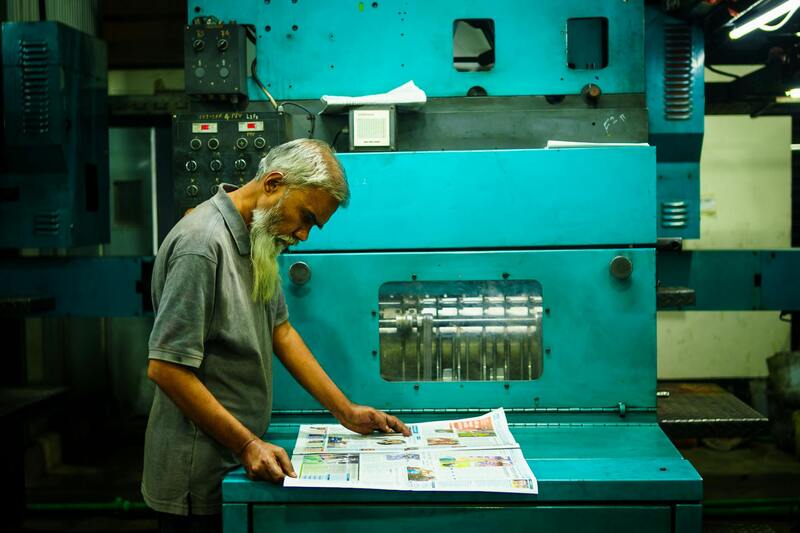
Moreover, post-processing treatments like edge sealing, UV coatings, and anti-graffiti layers extend the lifespan of large format prints. These protective coatings not only enhance resistance to environmental elements but also contribute to maintaining visual appeal over time.
Implementing proper maintenance and cleaning routines is another aspect of quality management. Regular cleaning prevents dirt and contaminants from degrading the print surface, especially in high-traffic or outdoor locations. When combined with quality materials and meticulous production processes, these practices ensure that big format prints sustain their visual impact and structural integrity for years to come.
By prioritizing quality control and selecting suitable materials, businesses can achieve vibrant, durable large-scale prints that meet their branding and display needs without compromise. This commitment to excellence in production not only elevates brand image but also optimizes investment by reducing the frequency and costs associated with replacements or repairs.
Final Steps: Ensuring Legal Compliance and Best Practices in Big Format Printing
While exploring official methods for big format printing, it is essential to understand the procedures that align with industry standards and regulations to produce high-quality, compliant prints. These practices encompass adhering to industry-specific guidelines, utilizing authorized materials and inks, and following proper licensing protocols. Ensuring that printing operations are recognized and authorized by relevant authorities guarantees the use of approved substrates and inks, which is vital for safety, durability, and visual impact. One of the key aspects in maintaining the integrity of big format prints involves rigorous verification of sources and suppliers. Working with reputable vendors that provide certified and environmentally compliant materials helps to prevent issues related to material quality, safety, and long-term performance. Legitimacy in procurement practices assures that the products meet the necessary standards for outdoor exposure, color fidelity, and structural resilience. Furthermore, adopting standardized printing procedures ensures consistency and quality assurance across large batches. Implementing officially sanctioned calibration and color management processes guarantees that digital designs are accurately reproduced on large substrates. Such procedures also include detailed documentation and quality checks at each stage of production, from pre-press to finishing. For outdoor applications, adherence to proper permits and signage regulations is critical. Securing the necessary approvals from municipal or industry bodies not only aligns with legal requirements but also helps to avoid potential additional costs or delays. This involves compliance with size restrictions, placement guidelines, and content regulations, safeguarding the project from future legal or operational issues. Leveraging authorized certifications and trademarks demonstrates a commitment to quality and compliance, giving clients confidence in the final product. Certificates from recognized industry bodies or environmental agencies can also enhance credibility and market positioning. In terms of environmental and safety considerations, exclusive use of licensed chemicals and sustainable materials is recommended. This mitigates risks associated with hazardous substances and promotes environmentally responsible practices. Ultimately, the adoption of legitimate, approved methods in big format printing fosters a trustworthy partnership backbone. It ensures that the final product not only meets aesthetic expectations but also adheres to all operational and legal standards, paving the way for successful deployment in various marketing, branding, or informational contexts.