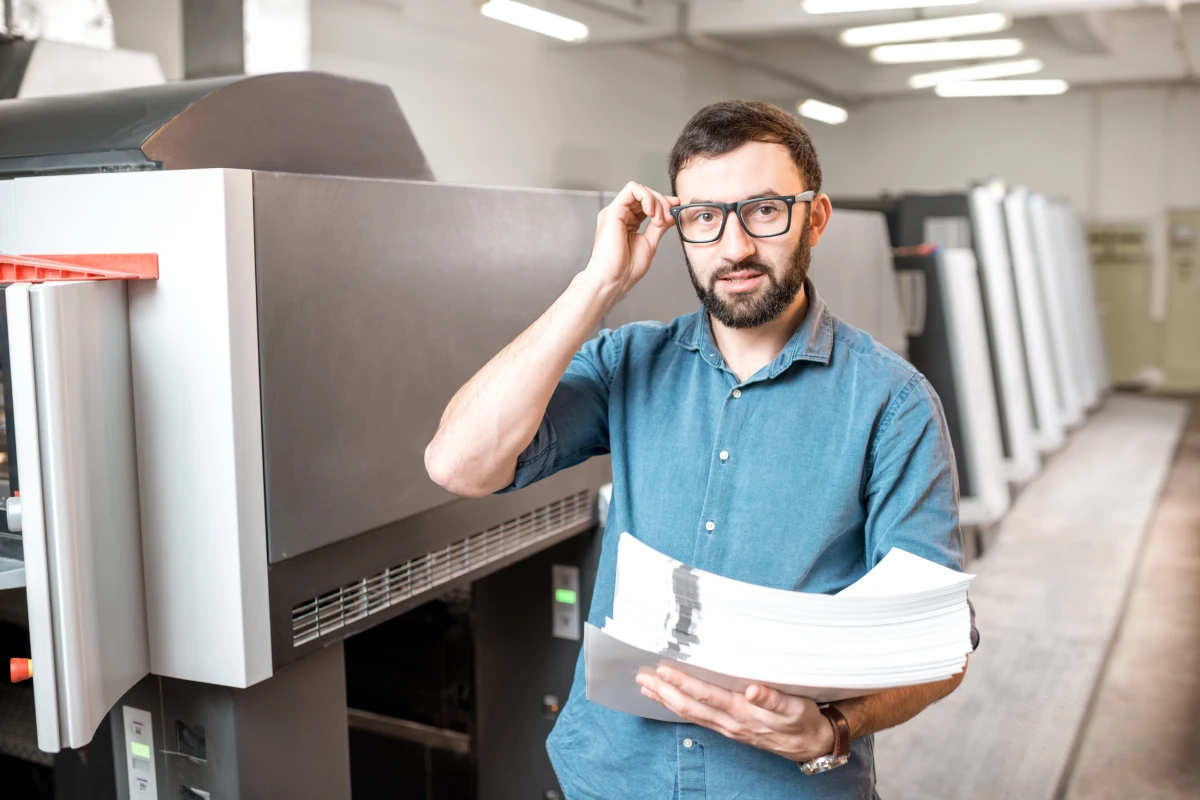
Large Scale Picture Printing: Guide To High-Quality Large Format Prints
Understanding Large Scale Picture Printing
Large scale picture printing is a specialized process that allows for the reproduction of high-resolution images on a significantly larger scale than standard photo or poster printing. This form of printing is integral to various industries, including interior design, advertising, fine art, and corporate branding, where impactful visual displays are necessary. Unlike conventional printing methods that typically produce images up to a few feet in dimension, large scale picture printing enables the creation of banners, murals, backdrops, and art pieces that can extend to wall-spanning dimensions, often reaching up to several meters in width and height.
The primary distinction of large scale picture printing from standard printing lies in the technical requirements and materials involved. Standard prints are usually produced on paper or canvas at sizes manageable for regular office or home environments. In contrast, large format printing utilizes specialized printers capable of handling wider media, often with width capacities exceeding 98 inches (around 2.5 meters). These printers employ advanced technology to ensure color accuracy, sharp detail, and durability at such scales, making them suitable for both indoor and outdoor applications.

Among the most notable applications of large scale picture printing are murals for commercial and residential spaces, event backdrops, gallery displays, retail signage, and promotional billboards. For example, in interior decor, large prints can transform empty walls into engaging visual narratives, while in advertising, they serve as captivating displays that attract consumer attention from a distance. Additionally, artists and photographers utilize large format printing to produce gallery-quality pieces that preserve the fine details and vibrant colors of their work on a monumental scale. As such, large scale picture printing merges artistry with technical precision, requiring an understanding of both image quality and the physical aspects of the chosen materials.
In sum, large scale picture printing stands at the intersection of innovative technology and creative expression, offering opportunities for impactful visual storytelling and branding that are not possible with smaller prints. Choosing the right method, material, and technology is crucial to ensure that the final product meets the desired quality and durability standards, making this form of printing a valuable asset across multiple creative and commercial fields.
Understanding Large Scale Picture Printing
Large scale picture printing encompasses a variety of techniques designed to produce images that are notably bigger than standard photo outputs, often exceeding dimensions of several meters in width and height. These methods demand specialized equipment capable of maintaining high-resolution output while ensuring accurate color reproduction and material durability. The core advantage of large format printing is its ability to transform digital images into impactful visual displays suitable for diverse applications, including advertising, interior decor, and fine art exhibitions.
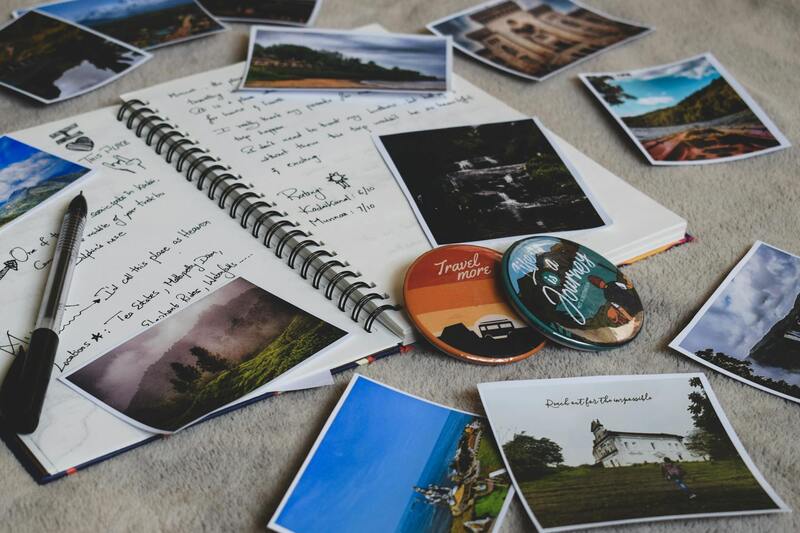
Executing large scale picture printing involves precision technology such as high-end inkjet printers and advanced plotters compatible with an array of materials. These printers utilize sophisticated ink delivery systems to produce sharp details and color fidelity at monumental sizes. The process often includes a series of steps, such as image preparation, printer calibration, material selection, and finishing techniques, each contributing to the final quality. This combination of technical prowess and creative vision enables the creation of murals, banners, and backdrops that retain clarity and vibrancy from up close and at a distance.
Advancements in Large Format Printing Technology
The evolution of printing hardware and inks has significantly enhanced the capabilities of large scale picture printing. Modern printers employ UV-curable inks and solvent-based inks that adhere well to a variety of surfaces, providing resistance to UV light and weathering—crucial for outdoor applications. Printing heads are now faster and capable of handling wider media rolls, simplifying the production of expansive images. Additionally, new software solutions facilitate seamless tiling and image alignment, ensuring that large composite images are delivered with precision and uniformity.
Material Compatibility and Selection
Choosing the appropriate substrate is vital for optimizing both the aesthetic appeal and longevity of large prints. Common materials include:
- Vinyl Films: Flexible, weather-resistant, ideal for outdoor banners and vehicle wraps.
- Canvas: Offers a textured finish suitable for artistic reproductions and interior decor.
- Acrylic and Metal Sheets: Provide a sleek, modern presentation with high durability, perfect for gallery displays and signage.
- Specialty Papers: Such as watercolor or fine art papers retain finer details and textures for gallery-quality pieces.

Considerations for Image Preparation and Scaling
Ensuring high-quality output begins well before printing. It involves meticulous image preparation, including:
- Resolution Optimization: Files should be prepared with a resolution of at least 72 DPI at final print size, although 150 DPI or higher is preferred for detailed images.
- Color Management: Accurate color profiling and calibration across devices guarantee the colors in the digital image translate correctly to the physical print.
- Image Tiling: For extremely large images, dividing the design into manageable sections with bleeding allowances ensures precise assembly post-printing.
Proper preparation minimizes issues such as pixelation, color inconsistency, and misalignment, resulting in a cohesive and captivating large format image.
Conclusion
Mastery of various printing techniques, materials, and image processing methods allows professionals to create large scale images that not only captivate audiences but also withstand environmental factors. Selecting the right combination of technology and substrate tailored to specific project requirements ensures that each large format print achieves the desired visual impact and lasting durability.
Understanding Large Scale Picture Printing
Large scale picture printing involves transforming digital images into sizable, high-quality physical displays that capture intricate details and vibrant colors. This process has evolved significantly, driven by advancements in printing technologies and an array of specialized materials tailored for large-format outputs. The goal is to produce visually impactful pieces that maintain clarity and color fidelity, regardless of dimensions, whether for personal decor, commercial signage, or artistic exhibitions.
Key to achieving outstanding results is a comprehensive understanding of the various parameters involved in large scale picture printing — from image preparation to selecting appropriate substrates. Proper calibration of color profiles, resolution checks, and image segmentation are essential steps before a print operation. Ensuring the digital file is optimized for size and detail at large formats prevents issues like pixelation, colour misalignment, or loss of detail in the final print. These meticulous preparations contribute to high durability and visual appeal, especially when the final display is intended for outdoor environments or high-traffic areas.

Factors Influencing Large Format Printing Success
- Image Resolution: Maintaining a minimum of 72 DPI at the final print size ensures clarity. For detailed artwork or photographic reproductions, resolutions of 150 DPI or higher are recommended.
- Colour Management: Precise colour profiling and calibration across devices guarantee consistency from the digital preview to the physical print, rendering true-to-life hues and gradients.
- Material Compatibility: Selecting the right substrate influences the durability, appearance, and appropriateness for specific environments. Options range from vinyl banners to fine art papers, each offering unique texture and longevity.
- Printing Method: The choice of printing technology impacts speed, resolution, and surface finish. Common methods include inkjet, dye sublimation, and UV printing, each with specific advantages for different applications.
Skilled execution in each of these areas ensures that the final product is both stunning and resilient, capable of withstanding environmental stresses or prolonged display periods without degradation of image quality.
Material Selection for Large Scale Prints
The substrate forms the physical canvas for your image, directly affecting the visual effect and durability of the print. For outdoor signage or high-traffic displays, weather-resistant materials such as vinyl, mesh, or laminated banners are preferred. Conversely, fine art reproductions or gallery displays benefit from specialized papers like watercolor, canvas, or textured fine art media, which preserve fine details and textures.
Innovative materials like aluminum panels or acrylic sheets integrate sleek aesthetics with structural stability, offering modern alternatives for corporate or contemporary art presentations. Each material type carries distinct handling and finishing requirements but contributes uniquely to the overall visual and environmental performance of the final piece.

Preparing Digital Files for Large Scale Printing
High-quality large-scale printing begins long before the press runs. Effective image preparation involves adequate resolution management, color calibration, and layout adjustments. For images destined for large formats, a file should ideally be created or resized to match the final dimensions at a resolution of at least 72 DPI, with 150 DPI or more preferred for detailed images to prevent pixelation and ensure sharpness.
Color consistency begins with proper calibration of monitors and printers, allowing digital files to reflect true hues and subtle gradients in the final print. When dealing with panoramas or exceptionally large images, tiling — or dividing the image into sections with overlap zones — allows for manageable printing, precise assembly, and minimal print errors.
Advanced imaging software offers tools for sharpening, color correction, and tiling, enabling the creation of seamless, large-scale compositions that command attention and convey depth. Properly prepared files lead to higher success rates in printing and reduce material wastage, ultimately resulting in a polished, professional-grade display.
Understanding Large Scale Picture Printing
Large scale picture printing involves producing exceedingly expansive images that serve a variety of uses—from corporate displays and retail environments to fine art exhibitions and personal creative projects. This specialized process requires a meticulous approach to ensure that the printed output maintains clarity, color fidelity, and durability at grander sizes. Achieving high-quality large format prints demands an intimate understanding of the materials, printing methods, and the technical considerations that underpin successful execution.
One of the key aspects of large scale picture printing revolves around the choice of substrates. These materials vary widely in texture, weight, finish, and environmental performance, each contributing differently to the final appearance of the print. For instance, rigid substrates such as aluminum or Dibond® provide a sleek, modern look, ideal for contemporary art or signage. Conversely, flexible materials like vinyl or canvas are often preferred for wall coverings, murals, or art reproductions that require installation flexibility and a textured aesthetic. High-performance fabrics can also be utilized for large banners or decorative wall coverings, providing a blend of translucency and durability.
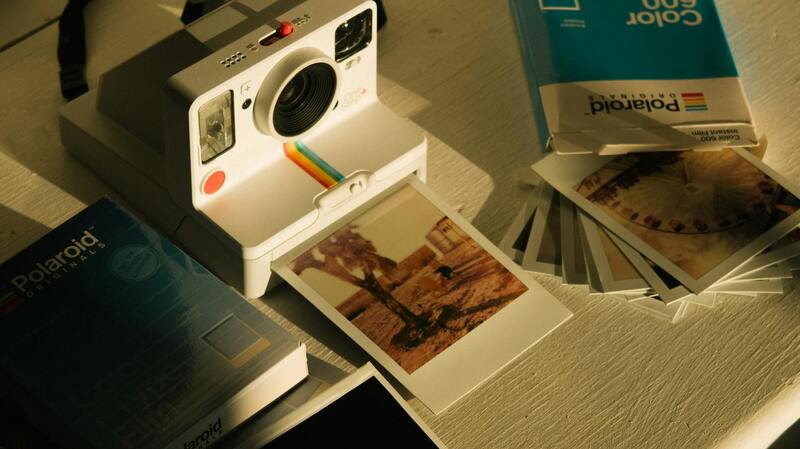
Preparatory steps are essential to ensure the final print accurately captures the intended visual impact. This includes precise digital file calibration, resolution management, and color profiling. Files should be prepared at the exact dimensions of the final print, with a resolution of at least 150 DPI to 300 DPI for optimal sharpness and detail retention. Proper color management involves calibrating monitors and printers to guarantee that hues and gradations in digital images translate faithfully onto large substrates.
When working with especially large images, tiling techniques—dividing a large image into manageable sections with overlapping margins—are commonly employed. This approach simplifies handling, allows for seamless assembly, and minimizes issues related to distortion or misalignment. Advanced software tools facilitate these processes, providing options for sharpening, color corrections, and border overlaps that ensure the finished piece looks cohesive and professional.
Maintaining Quality Throughout the Printing Process
Maintaining the integrity of large scale prints involves rigorous quality control from file preparation to post-production handling. This includes selecting high-grade inks that resist fading and environmental wear, especially for outdoor or high-traffic installations. Additionally, printers used in large format production employ advanced inkjet technology capable of producing detailed, vibrant images with consistent color distribution across vast areas.
Finishing options also enhance the durability and aesthetic appeal of large scale prints. Matte or gloss lamination can add a layer of protection against scratches and environmental factors, while mounting options—such as face mounting onto acrylic or foam core backing—ensure structural stability and a sleek presentation. Proper handling during and after printing is crucial to prevent damage like creasing, scratching, or uneven edges, which are more visible at larger sizes.
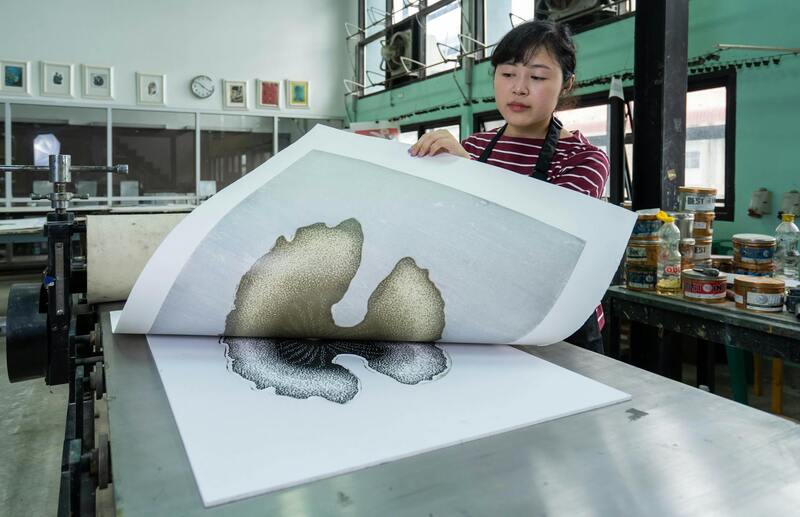
Ultimately, producing oversized images that command attention and stand the test of time hinges on the correct combination of high-quality materials, precise technical execution, and expert finishing. This comprehensive process ensures that large scale picture printing not only delivers visual impact but also maintains its appeal and integrity over years of display and use.
Ensuring Accurate Color Reproduction and Longevity in Large Scale Printing
Achieving vibrant, true-to-life colors in large scale picture printing requires the use of sophisticated color management systems. These systems calibrate printers, inks, and substrates to maintain consistent color fidelity throughout the printing process. Utilizing industry-standard color profiles ensures that the hues, shades, and tonal nuances of the original artwork are faithfully reproduced at large sizes, providing a professional and striking visual impact.
High-quality inks play a pivotal role in achieving both vivid colors and extended durability. Solvent-based, UV-curable, and latex inks are commonly employed in large format printing, each offering specific advantages tailored to different materials and environmental conditions. For instance, UV-curable inks are known for their rapid curing times and excellent adhesion to various surfaces, making them ideal for outdoor installations that demand resilience against weathering and UV degradation.
Proper post-processing practices are integral to preserving the longevity of large prints. Applying protective coatings, such as advanced laminates or varnishes, shields the print surface from scratches, moisture, and UV rays, significantly extending its lifespan. Mounting techniques further enhance the durability and presentation of the final product. Face mounting onto rigid surfaces like acrylic or aluminum not only provides structural stability but also creates a sleek, modern aesthetic that elevates the visual appeal.

Maintaining consistent quality is essential, especially when producing multiple large prints for commercial or artistic displays. Standardized workflows, rigorous quality control measures, and redundancy in color calibration ensure each print meets predetermined specifications. Additionally, professional handling during the finishing stages mitigates minor damages such as scratches or edge creases, which can be more pronounced on larger surfaces.
Environmental considerations also influence the choice of materials and techniques. For outdoor signage or display pieces exposed to the elements, selecting weather-resistant substrates and inks capable of resisting fading and environmental stresses is critical. Conversely, indoor applications might allow for a broader selection of materials that focus on aesthetic qualities like gloss, texture, or matte finishes.
Advanced finishing options, including encapsulation and framing, provide additional layers of protection and customization. Encapsulation involves sealing the print between two sheets of acrylic or other materials, creating a glass-like durable surface that is easy to clean and maintain. Framing, whether traditional or modern in style, offers both physical support and an aesthetic border that complements the artwork or message.
Ultimately, the pursuit of high-quality large scale picture printing demands a comprehensive approach that combines precise technical execution with premium materials and careful post-production finishing. This ensures the final product not only captivates viewers but also withstands the test of time, maintaining its vibrant colors, sharp details, and structural integrity across various environments and display conditions.
Understanding Large Scale Picture Printing
Large scale picture printing is an intricate process that combines high-end technology with premium materials to produce visually striking and durable displays. It encompasses various methods designed to handle expansive images while maintaining optimal clarity, color accuracy, and longevity. This form of printing is essential across diverse industries, including advertising, interior decoration, and fine art, where impactful visuals are paramount. Proper execution involves selecting appropriate printing techniques, substrates, and finishing options to ensure that the final product meets specific aesthetic and functional requirements. The process begins with meticulous image preparation, including resolution optimization and color profiling, to guarantee that enlargements retain sharpness and vibrancy even at substantial dimensions. Skilled operators utilize sophisticated printing machines capable of handling large-format media, applying precise ink deposition to avoid distortions or color inconsistencies. Moreover, managing the environmental conditions within the printing facility, such as humidity and temperature, contributes to consistent quality during production. When executed correctly, large scale picture printing results in impressive displays that captivate viewers, whether they are used in commercial campaigns, gallery exhibitions, or corporate environments.

Types of Large Format Printing Materials
The choice of material is fundamental in large scale picture printing, directly influencing both the appearance and durability of the final piece. Common substrates include vinyl, fabric, paper, and rigid materials such as aluminum or acrylic. Each material offers specific advantages depending on the intended application and environmental exposure.
- Vinyl: Versatile and weather-resistant, ideal for outdoor signage and banners, providing flexibility for curved surfaces.
- Canvas: Adds a textured, artistic quality, suitable for gallery displays and interior decor, offering a classic aesthetic.
- Metal Options (Dibond®, aluminum): Offer a sleek, metallic finish with excellent durability, often used for modern, high-end presentations.
- Acrylic and Plexiglass: Provide a glossy, transparent surface that enhances color depth and adds a contemporary flair, often face-mounted onto other substrates for a stunning visual impact.
- Waterproof and Weather-Resistant Papers: Designed for outdoor environments, these materials withstand environmental stresses while maintaining image quality.
Ultimately, selecting the right material depends on the specific needs of the project, including exposure to elements, desired aesthetic, and installation requirements. Combining appropriate substrates with high-quality inks ensures vibrant, long-lasting images that meet professional standards.

Printing Technologies and Techniques
Advancements in printing technology have significantly expanded the possibilities for large scale picture production. The predominant methods include inkjet printing, UV printing, and dye-sublimation, each suited for specific media and application goals.
- Large Format Inkjet Printing: The most common approach, utilizing piezoelectric or thermal printheads to deposit pigment-based inks onto various substrates. Hoch-resolutions ensure sharp detail and precise color reproduction, vital for large-scale images.
- UV Printing: Employs ultraviolet light to instantly cure inks, allowing printing on non-porous surfaces like metal and acrylic. It offers vibrant colors, durability, and the ability to print on rigid materials directly, reducing the need for transfer processes.
- Dye-Sublimation: Ideal for fabric and specially coated substrates, transferring dye-based inks into the material’s fibers or coating using heat. This yields vivid colors and excellent washability, common in fabric banners and soft signage.
Each technique is selected based on factors such as substrate compatibility, environmental considerations, and desired visual effects. Mastery of these technologies ensures high fidelity, color accuracy, and consistency in large format prints, meeting exacting standards required for professional displays.
Ensuring Printing Accuracy and Quality
When pursuing large scale picture printing, adhering to official and proven methods guarantees high-quality outcomes that stand the test of time. The primary approach involves utilizing professional-grade digital files that meet specific resolution and color requirements. High-resolution images, typically 300 DPI or higher at the final print size, are essential to maintain clarity and detail without pixelation or blurriness.
Another legitimate method encompasses the use of reliable, industry-approved color management systems. Color calibration tools ensure that the hues in the digital design translate accurately onto the printed material, preserving the artist’s original intent. Color profiles such as ICC profiles are applied during the printing process, aligning the digital colors with the printer’s color gamut for consistent results.
Employing official printing software supplied by reputable manufacturers is critical as well. These software packages facilitate precise control over print settings, including halftoning, ink density, and substrate specificity. Such precision helps avoid common issues like color bleed, uneven ink distribution, or image distortion.
Utilizing Certified Equipment and Materials
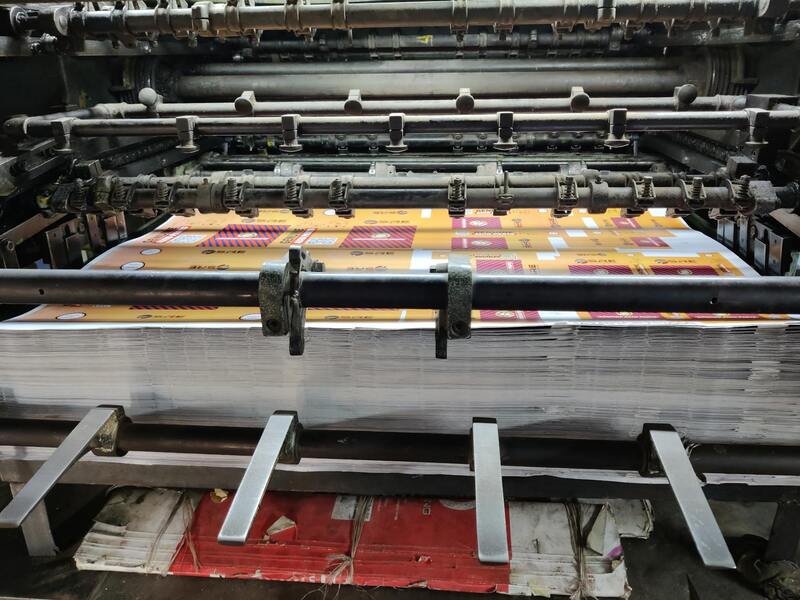
Legitimate large format printing relies heavily on certified hardware, such as high-end inkjet printers that are regularly maintained and calibrated. These printers use specialized inks—such as pigment-based or UV-curable inks—that are designed for longevity and resistance to environmental factors like UV exposure and humidity.
Furthermore, selecting certified substrates enhances the durability and visual appeal of the final print. Materials such as archival quality canvas, UV-resistant metal panels, or high-quality vinyl ensure that large images retain their vibrancy over decades. Properly certified materials adhere to safety and environmental standards, avoiding issues like VOC emissions or substrate degradation.
Step-by-Step Process of Legally Licensed Large Format Printing
- Initial Digital File Preparation: Ensuring that the image file conforms to the recommended resolution and color profile for large prints.
- Color Management Setup: Calibrating monitors and printers, applying ICC profiles for color accuracy.
- Selecting Suitable Materials: Choosing official substrates certified for large scale printing, matching the intended application.
- Printer Calibration and Maintenance: Performing routine calibration to guarantee precise ink deposition and color fidelity.
- Execution Through Authorized Channels: Engaging licensed printing services equipped with legitimate technology and high-grade materials.
- Final Inspection and Quality Control: Conducting thorough checks for color consistency, image sharpness, and physical integrity before delivery.
This process emphasizes the importance of using officially sanctioned methods to produce large scale pictures that meet professional standards and client expectations. It also helps avoid substandard results that can occur when cutting corners or employing dubious techniques.
Legal Ways to Achieve High-Quality Large Scale Picture Printing
When seeking to produce impressive large scale pictures, it is essential to utilize authorized methods that guarantee both the integrity of the image and adherence to industry standards. High-quality large format printing requires a combination of appropriate technology, legitimate materials, and the expertise of certified printing providers. These components collectively ensure the durability, vibrancy, and clarity of the final product, meeting professional expectations while maintaining compliance with established guidelines.
Utilizing Certified Printing Technologies
To achieve optimal results in large scale picture printing, rely on printing equipment operated by licensed professionals. Industry-leading printers employ advanced inkjet or dye-sublimation techniques that deposit inks with precision, producing sharp images with vibrant colors and smooth gradations. These machines are calibrated with official ICC profiles, ensuring color accuracy and consistency across print runs. Certification of the hardware and software involved in the printing process provides an added layer of assurance that usage aligns with industry standards and best practices.

Certified Materials in Large Format Printing
The foundation of any high-quality large scale picture is the use of officially certified substrates. Legitimate printing services utilize materials such as archival-grade canvases, UV-resistant metals like Dibond®, or high-grade vinyls that meet strict safety, environmental, and durability standards. These substrates are designed specifically for large format printing, offering resistance to fading, moisture, and environmental pollutants. The selection of certified materials not only preserves the visual impact of the image over time but also mitigates potential issues related to substrate degradation or VOC emissions. Professional printing providers source materials that meet industry certifications, ensuring compliance with safety protocols and environmental regulations.
Authorized Digital File Preparation and Color Management
Producing a large-scale image that meets professional quality standards starts with the meticulous preparation of digital files. Only licensed print operators employ approved software to optimize resolution, correct color profiles, and format files according to the technical parameters required for large format printing. Proper color management practices, including the use of ICC profiles and monitor calibration, are integral to achieving accurate color reproduction. These measures help prevent discrepancies between the digital design and the printed outcome, ensuring that the final image aligns with the original vision while adhering to technical standards.
Engaging Licensed Printing Services
Partnering with reputable, officially licensed printing service providers is fundamental to obtaining compliant and high-quality large scale pictures. Licensed providers possess the necessary permits and operate within the guidelines set forth by industry authorities. They utilize machinery and materials provided through authorized channels, guaranteeing that every aspect of the workflow aligns with legal standards for image production. Such services offer consultation on ideal substrates, finishes, and sizes, providing tailored solutions that meet specific project requirements while ensuring adherence to all applicable regulations.
Quality Control and Final Verification
Legitimate large scale picture printing includes comprehensive quality assurance steps before delivery. Certified providers conduct final inspections to verify color fidelity, image sharpness, and physical integrity of the print. This process involves examining the print under appropriate lighting conditions for any inconsistencies or defects. Only after passing these rigorous checks is the print approved for shipment or installation. This commitment to quality control sustains high standards for large format images and reinforces compliance with industry best practices.
Conclusion
Producing stunning, large scale images through official channels involves a well-defined process that leverages certified technology, approved materials, and professional expertise. This approach not only delivers exceptional visual impact but also guarantees that every piece adheres to established standards for safety, durability, and environmental performance. By partnering with licensed providers and utilizing authorized methods, clients can be assured of receiving large format prints that exemplify quality, longevity, and compliance with industry norms.