Large Print Photography: Techniques, Printing Options, And Display Tips
Understanding Large Print Photography
Large print photography embodies the art of creating expansive, visually impactful images that command attention and elevate the viewer’s experience. This practice is vital in various fields, from fine art exhibitions to commercial displays, where the size and scale of an image enhance its emotional and aesthetic resonance. The primary allure of large print photography lies in its ability to reveal fine details that are often imperceptible in smaller formats, making it an ideal choice for capturing and showcasing monumental landscapes, intricate architectural details, or dramatic portraits. The significance of size in this context revolves around its capacity to create immersive visual environments, transforming a simple photograph into a commanding piece of art or promotional material.
In artistic pursuits, large prints serve as powerful tools for storytelling and emotional expression. They allow the viewer to engage with the photograph on a tactile level, often evoking stronger reactions compared to smaller copies. Conversely, in commercial applications such as advertising or branding, large-scale visuals are used to dominate space, convey messages instantly, and leave a lasting impression. The strategic use of large prints can influence perceptions, enhance brand visibility, and create memorable environments in retail, corporate, or public spaces. Whether for personal gain or public display, the practice recognizes the critical role that size plays in transforming ordinary images into extraordinary visual statements.

Understanding the fundamentals of large print photography involves more than just enlarging an image. It requires a careful consideration of resolution, image quality, and material choices to ensure that the enlarged photograph maintains clarity and fidelity. As images are scaled up, any imperfections such as pixelation or blurriness become more apparent, making diligent image selection essential. Additionally, the importance of viewing distance must be considered; larger prints are typically appreciated from afar, where details can be viewed collectively rather than individually, contributing to a cohesive visual impact. Mastery of these elements guarantees that large prints retain their intended brilliance and sharpness, delivering a compelling visual narrative that resonates with viewers and clients alike.
Choosing the Right Images for Large Print Photography
When embarking on a large-scale photographic project, selecting the appropriate images is a critical step to ensure the final printed piece achieves its desired visual impact. High-resolution images with ample detail provide a foundation for sharp, vibrant large prints. Images that lack sufficient resolution tend to pixelate or lose clarity when enlarged, undermining the overall quality. Therefore, photographers and clients must prioritize images captured with high-quality equipment, utilizing settings that maximize detail and minimize compression artifacts.
Resolution and Image Quality
Resolution remains the cornerstone of suitable large print images. As a rule of thumb, high-resolution files—typically above 150 pixels per inch (PPI)—serve as the ideal starting point. When enlarged, these images maintain their integrity, avoiding pixelation or blurriness. To determine if an image will hold up at a larger scale, practitioners often examine the pixel dimensions relative to the intended print size. A detailed, well-focused image captured with professional-grade equipment can be scaled up while preserving its visual fidelity.
Composition and Subject Matter
Beyond technical quality, compositional elements influence an image’s suitability for large format display. Dynamic compositions with clear focal points, balanced elements, and strong visual flow generally translate better when magnified. Subjects that contain intricate details, textures, or striking contrasts tend to captivate viewers when displayed at large sizes, creating an immersive experience within the physical space. Conversely, images with busy backgrounds or cluttered compositions may benefit from cropping or editing to highlight essential elements before printing.
Color Fidelity and Exposure
Optimal color accuracy and proper exposure are paramount for large prints. Images with accurate color profiles and well-managed exposure levels ensure that hues are rendered vividly and naturally. Prior to printing, color management workflows often involve soft proofing and calibration of monitors to match the printer’s capabilities, thus aligning digital previews with printed results. This process minimizes discrepancies and guarantees that final prints reflect the true colors and tone gradation intended by the photographer.
Consideration of Viewing Distance
Understanding the intended viewing distance influences image choice. Large prints are typically appreciated from a distance, where viewers perceive the overall composition and emotional impact rather than fine details. Consequently, images with strong visual elements that read well at a distance are preferable. For interior wall displays, this means selecting images that maintain clarity and interest even when seen from several feet away. This consideration helps in avoiding overly intricate details that may diminish the overall impact at larger scales.
Image Preparation for Large Scaling
Preparing images for large-format printing involves meticulous editing and optimization. This includes noise reduction, sharpening, and appropriate color adjustments to enhance clarity and vibrancy. Image files should be saved in lossless formats such as TIFF or high-quality JPEGs to preserve quality. In some cases, raster editing programs enable enlarging images through algorithms designed to interpolate data without significant loss of quality. When working with images from cameras or smartphones, upscaling techniques can be employed to improve resolution to meet the demands of large print production.
Final Evaluation and Testing
Before committing to a full-scale print, it is advisable to create a test section or a scaled-down proof to evaluate how the image appears when enlarged. This step allows adjustments to be made for color, contrast, and sharpness, ensuring the final output aligns with expectations. Additionally, consulting with printing professionals can provide insights into the suitability of images, particularly in terms of their resolution and potential for enlargement.
In summary, choosing the right images for large print photography hinges on technical quality, compositional strength, and thoughtful preparation. Proper selection and testing ensure that the final printed piece commands attention and delivers the intended message with clarity and visual power.
Understanding Large Print Photography
Large print photography involves more than simply enlarging a digital image; it requires an intricate understanding of image quality, resolution, and material compatibility to achieve a visually striking result. When enlarging photographs, the primary challenge is maintaining clarity and detail without introducing unwanted artifacts such as pixelation or blurriness. This process is rooted in the principle of pixel density, often measured in pixels per inch (PPI). A high PPI ensures that the image retains sharpness even when printed at significantly larger dimensions, typically requiring images to have a minimum resolution threshold—often around 300 PPI at the intended print size. For instance, an image intended for a 4-foot-wide wall display should ideally have a resolution exceeding 3600 pixels in width to preserve crispness and detail.
Another key aspect of large-scale photographic printing is the choice of image subject. Landscape scenes, architectural structures, and abstract compositions tend to translate well into larger formats because their compositions often contain bold lines, expansive spaces, and compelling depth cues. These elements help fill the increased visual field without losing impact. Conversely, images with fine details or subtle gradations may require meticulous enhancement and testing to ensure these nuances are preserved at larger sizes.
Technical Foundations of Large Format Printing
To produce high-impact large prints, several technical considerations come into play, including resolution, color management, and file optimization. High-resolution editing and careful color calibration ensure the printed output matches the photographer’s vision. Color profiles, such as Adobe RGB or sRGB, should be correctly embedded within the image file to guarantee accurate color reproduction during printing. Furthermore, professional printing services often utilize advanced color management systems—like ICC profiles—to ensure tonal consistency across devices and media.
- Resolution and File Size: As mentioned, images must have sufficient resolution—often at least 300 PPI at the desired print size—to avoid pixelation.
- Color Correction and Calibration: Precise color adjustments and calibration of monitors and printers guarantee fidelity between digital images and final prints.
- File Format and Preparation: Saving files in lossless formats such as TIFF or high-quality JPEGs preserves detail during print production. These formats support high bit depths necessary for detailed prints.
- Upscaling Techniques: When original images lack sufficient resolution, professional upscaling algorithms can interpolate data intelligently, minimizing detail loss while enlarging images.
Additionally, pre-press evaluations—such as creating scaled test proofs—allow for assessment of how images will appear at full size. This process suggests necessary adjustments and confirms the image’s capability to withstand enlargement without quality decline. Engaging with experienced printing specialists can provide valuable insights into potential issues and solutions, especially for complex or large-format projects.
Material Compatibility and Print Technologies
The choice of printing material significantly influences the overall appearance and durability of large photographs. Common substrates include photographic papers, canvas, acrylic, and metal surfaces. Each material offers a different aesthetic and performance characteristic. For example, metallic prints provide vibrant colors and reflective effects, ideal for modern decor, whereas canvas offers a textured, artistic feel suitable for classic or traditional settings.

Understanding the capabilities of different printing technologies—such as inkjet, dye-sublimation, or UV printing—enables optimized material selection based on budget, desired look, and environment of display. Inkjet printers remain industry standards for fine art and photographic reproductions, providing excellent color accuracy and longevity. When selecting a printer, consider factors like resolution capacity, color gamut, and drying time, all crucial for achieving consistent, high-quality large prints.
Technical Considerations for Large Print Photography
Creating stunning large prints necessitates meticulous attention to technical details that ensure the final image maintains its integrity and visual impact at an expanded size. Critical factors include image resolution, file format, color accuracy, and the overall sharpness of the photograph. High-resolution images are fundamental; ideally, a minimum of 300 dots per inch (DPI) at the intended print size guarantees detailed clarity and crispness. If resolution falls below this benchmark, the resulting print may appear pixelated or blurry, detracting from its overall quality.
File formats also play a vital role. Lossless formats such as TIFF or PSD preserve image data without compression artifacts, making them suitable for large-format printing. JPEGs, while computationally efficient, can suffer from compression loss; thus, they should be saved at the highest quality settings if used in large print production. Additionally, maintaining consistent color profiles, such as Adobe RGB or ProPhoto RGB, ensures that hues are accurately represented across devices and substrates. Proper embedding of color profiles into image files facilitates effective color management during printing, reducing discrepancies between screen and print.
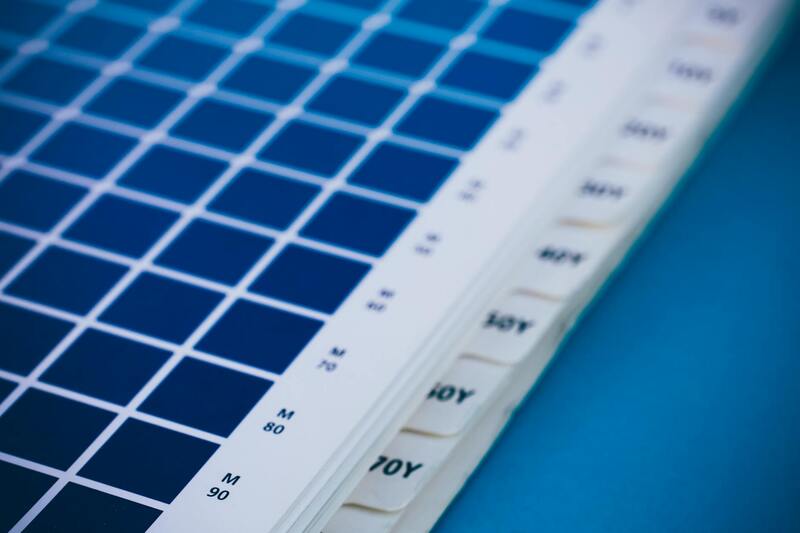
Image sharpness is another vital aspect, especially when enlarging photographs. Employing image editing techniques such as sharpening, noise reduction, and resolution enhancement can significantly improve visual clarity. It’s advisable to examine the image at 100% zoom to verify detail preservation before finalizing for print. Employing advanced upscaling algorithms and software that enhance the perceived resolution of images can also submit superior quality results. Ensuring the original image has proper exposure and contrast adjustments before printing helps prevent loss of detail during enlargement.
Careful color management throughout the workflow extends to calibration of monitors and proofing devices, allowing for consistent color reproduction. Color calibration tools and spectrophotometers can be used to adjust display settings, ensuring that on-screen colors align with printed output. Using standardized color charts and test prints allows for fine-tuning color profiles, which is especially important for large-format works intended for gallery or commercial display where color fidelity is paramount.

Furthermore, understanding the dynamics of light exposure and substrate interaction informs printing decisions. For example, matte surfaces absorb light and reduce glare, making details more visible in brightly lit environments, while glossy or metallic substrates enhance vibrancy and contrast but can suffer from reflections. Choosing the appropriate material based on the intended display environment and aesthetic goals is crucial in large print production.
To optimize the art of large-format photography, collaborate with skilled print technicians who can provide tailored advice on resolution, file preparation, and suitable materials. Their expertise ensures that technical considerations translate into an impactful final product, whether for fine art exhibitions, commercial installations, or personal collections. Regularly updating your workflow with emerging printing technologies and maintaining strict quality controls guarantees consistent, high-quality results for every large-scale project.
Technical Considerations in Large Print Photography
Creating large-scale photographic prints requires meticulous attention to technical details that ensure clarity, sharpness, and color accuracy. One of the fundamental aspects is image resolution. To achieve crisp, detailed visuals when enlarging photographs, the original digital file must have a high pixel density. Typically, a resolution of at least 300 dots per inch (DPI) at the final print size is recommended for gallery-quality displays. For very large prints viewed from a distance, a slightly lower DPI may suffice, but maintaining optimal resolution minimizes pixelation and maintains image integrity.
File preparation is equally critical. Photographers should work with uncompressed or minimally compressed file formats such as TIFF or high-quality JPEGs to preserve image details. It’s advisable to perform a thorough review of the image at 100% zoom to identify and correct any issues like noise, artifacts, or focus problems before submitting the files for printing. Additionally, applying appropriate sharpening techniques tailored for large-format output helps enhance perceived sharpness without overdoing it, which can introduce undesirable halos or artifacts.
Color correction and management play vital roles in large photo printing. Ensuring the digital file’s color profile aligns with the printer's color space is essential. Utilizing calibrated monitors, along with color management workflows, guarantees that the colors displayed on your screen correspond closely to the final printed output. Test prints on similar substrates can reveal issues with color fidelity and allow for calibration adjustments before the final run, preventing costly errors and ensuring the print matches the intended artistic vision.

Resolution settings, file format choice, and color profiles are tightly interconnected and must be optimized according to the specific requirements of the printing process. A collaborative approach with experienced print professionals can translate digital files into visually stunning large-format pieces. Regular workflow updates incorporating new technology and quality control measures further enhance the consistency and excellence of each print.
- Ensure original images have sufficient resolution for the intended size.
- Use high-quality, minimally compressed file formats for submission.
- Conduct test prints to verify color accuracy and fine-tune printer settings.
- Maintain a calibrated monitor and color management workflow throughout the process.
- Consult with professional printers to select appropriate materials and finishing options.
Technical Considerations in Large Print Photography
Creating impactful large-scale photographs necessitates meticulous attention to technical details that influence the final outcome. One of the fundamental aspects is ensuring that the digital image possesses a high resolution compatible with the print size. Low-resolution files tend to exhibit pixelation and loss of detail when enlarged, compromising visual clarity. To achieve crisp, professional results, images should typically be captured or sourced at a resolution of at least 300 dots per inch (dpi) at the desired print dimensions, although this may vary based on print technology and substrate. Offsetting resolution concerns, file formats play a crucial role. Lossless formats such as TIFF or high-quality JPEGs with minimal compression help retain detail and color fidelity during transfer to printing workflows. Additionally, color profiles embedded within these files must match the printer's color management system to maintain color accuracy. Color fidelity is paramount in large prints, which is why calibration of monitors is an essential step. An accurately calibrated screen ensures the digital preview aligns with the printed result. Implementing a color management workflow that includes calibration of input devices (cameras, scanners), monitors, and output devices (printers) reduces discrepancies and elevates overall print quality. Test prints on similar materials can reveal color shifts, tonality issues, or unintended artifacts, allowing for pre-emptive adjustments. This process involves printing small sections or scaled versions to verify that the colors, contrast, and details match expectations before committing to the full-scale production. Furthermore, choosing the right substrate influences the print's longevity and visual impact. Materials like fine art papers, canvas, metal, or acrylic have unique characteristics that should align with the artwork’s aesthetic and the environment in which it will be displayed. An expert collaboration between digital artists and professional printers can streamline these considerations. They can recommend optimal resolution settings, color profiling, and material choices tailored to the specific project. Regularly updating workflows with technological advancements ensures consistent excellence across large-format prints. In addition to digital preparation, practical measures like maintaining a calibrated workspace, using high-quality printing devices, and conducting a series of test runs are integral. These steps help prevent costly errors, ensure the digital image translates seamlessly into the physical print, and ultimately produce a compelling visual experience for viewers.
Advanced Techniques to Enhance Large Print Quality
Implementing specialized techniques can significantly improve the visual impact and longevity of large photographs. One approach involves the use of high dynamic range (HDR) imaging, which compiles multiple exposures to capture a wider spectrum of light and shadow. This ensures that intricate details are preserved in both the brightest and darkest areas of the print, resulting in a more vivid and lifelike presentation.
An additional method is to utilize precise sharpening techniques tailored for large-format images. Applying algorithms such as unsharp mask or high pass filtering during the digital editing process can accentuate fine details without compromising image smoothness. Proper sharpening ensures the final print maintains crisp edges and textured surfaces, which are especially prominent in expansive formats.
Furthermore, managing noise levels is crucial. Techniques like noise reduction during post-processing prevent graininess or unwanted artifacts from becoming more apparent at large scales. Maintaining a balance between noise suppression and detail retention is vital for achieving a clean, professional appearance.
Color grading also plays a strategic role. Subtle adjustments in contrast, saturation, and tone mapping can complement the scale of the photograph, enhancing its emotional resonance and visual coherence. Thoughtful color grading ensures the large print commands attention without appearing overly saturated or underwhelming.
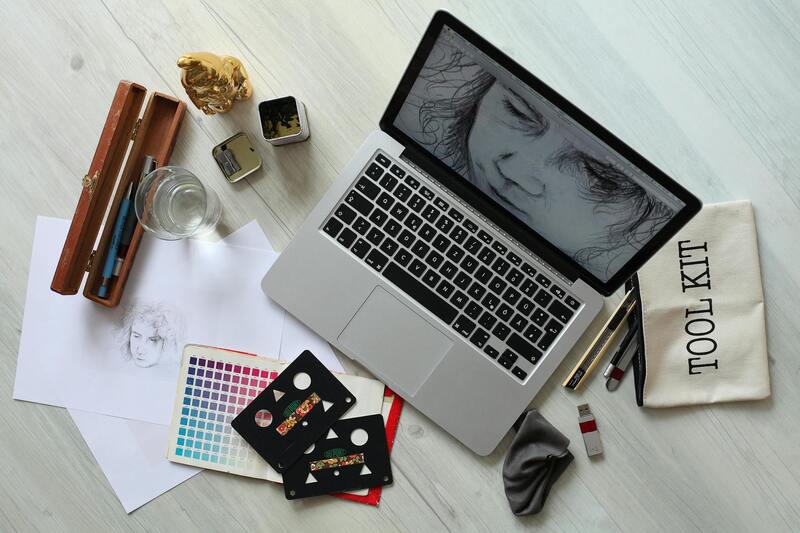
Incorporating these advanced techniques requires meticulous attention during both the digital editing and printing phases. Collaborating with experienced digital artists and professional printers who understand the nuances of large-scale image reproduction can significantly elevate the final product. Such partnerships ensure that each step— from image capture and editing to material selection and printing technology— aligns to produce truly impactful large prints that resonate with viewers.
Materials Suitable for Large Print Photography
When producing large-scale photographs, selecting the optimal materials is essential to achieve vividness, durability, and professional quality. Premium printing papers such as fine art papers offer a canvas-like texture that enhances the depth and richness of images. These papers often have archival qualities, ensuring the print retains its color integrity over time, which is particularly significant for large formats displayed in prominent or long-term settings.
For photographic images that demand impact and modern aesthetics, materials like acrylic or metal substrates provide vibrant color reproduction and durability. Acrylic prints offer a sleek, contemporary appearance with high transparency, boosting color vibrancy and contrast. Metal prints, especially those made from aluminum substrates, present a contemporary, high-gloss finish that is resistant to environmental factors and scratching, making them suitable for high-traffic or outdoor environments.

Technologies Enabling Superior Large Print Production
Advancements in printing technology have revolutionized large-format photography, allowing for high-resolution outputs with exceptional color accuracy. Inkjet printers equipped with wide color gamuts, high-capacity inks, and precise nozzle control can reproduce subtle gradations and intricate details at large scales. These printers often utilize water-based or UV-curable inks, which provide excellent adhesion, fade resistance, and environmental safety.
Additionally, calibration tools and color management workflows are integral to maintaining consistency across multiple prints and materials. Color profiling ensures the digital image matches the printed outcome, which is critical for large prints where any discrepancy becomes immediately noticeable.
Implementing Proper Finishing Techniques
Finishing processes for large photographic prints include laminating, mounting, and framing, each contributing to enhanced durability and presentation. Lamination can safeguard prints against scratches and environmental damage, especially for outdoor or heavily handled displays. Mounting techniques—such as using foam boards or acrylic panels—provide structural support and a clean aesthetic, offering an elegant, frameless appearance.
Framing options are varied, ranging from traditional wood frames to minimalist metal borders, each aligning with the artistic intent and the environment where the print is displayed. Proper mounting and framing not only improve visual impact but also extend the lifespan of the photograph by preventing physical and environmental wear.
Choosing the Right Materials and Technologies
The decision-making process involves evaluating the intended display environment, the desired aesthetic, and budget constraints. For instance, commercial galleries often prefer acrylic or metal prints for striking visual impact and longevity. Museums or fine art settings may favor high-quality fine art papers with museum-grade coatings for preservation.
Collaboration with professional printers equipped with the latest printing technologies ensures optimal results. Experienced print service providers assess the specific technical requirements of each project, from image resolution and color fidelity to material compatibility and finishing techniques. This comprehensive approach guarantees that the large print not only meets artistic expectations but also withstands the rigors of display over time.
Material Compatibility and Color Fidelity in Large Print Photography
Achieving the best visual impact for large-format photographs begins with selecting the appropriate material that aligns with the intended display environment and aesthetic goals. The choice of substrate significantly influences color accuracy, durability, and overall presentation. For indoor installations, high-gloss or satin photographic papers are often favored for their ability to enhance color vibrancy and sharpness, providing a striking visual experience. These papers are compatible with professional inkjet printing technologies that prioritize color fidelity and fine detail reproduction.
When considering outdoor or high-traffic areas, more robust materials such as metal or acrylic panels are advisable. These substrates offer improved resistance to environmental elements, such as UV rays, moisture, and physical abrasion. With UV-resistant coatings, these materials can preserve vibrant hues and sharpness over extended periods, ensuring the integrity of the artwork is maintained despite exposure to sunlight or fluctuating weather conditions.
Enhancing Image Quality Through Proper Color Management
For large-scale photography, meticulous color management throughout the printing process is essential. This involves calibrating monitors, utilizing color profiles, and working closely with professional print providers that employ advanced color correction software. Accurate color profiles ensure that the colors displayed on digital screens precisely match the printed output, reducing discrepancies that could diminish the artwork’s impact.
Employing high-resolution images with optimal pixel density—often 300 dpi or higher at the final print size—is fundamental. The combination of high-quality source images and precise color calibration results in large prints that truly capture the vibrancy, tonal nuance, and fine details envisioned by the artist or photographer.
Mounting and Framing Strategies for Large Photographic Prints
The method of mounting and framing large photographs not only accentuates their visual appeal but also provides vital physical support. Techniques such as acrylic face mounting give a sleek, frameless appearance, emphasizing the image with a glass-like clarity. Conversely, traditional framing with high-quality materials adds a classic touch, safeguarding the print while complementing various décor styles.
- Acrylic Mounting: Polished and modern, acrylic mounting enhances color vibrancy and provides durability against environmental factors.
- Framing: Choice of frames—wood, metal, or minimal profiles—should align with the overall design theme and the environment where the artwork will be displayed.
- Surface Mounting: Direct mounting on rigid substrates like foam boards or Dibond increases structural stability, particularly vital for large, heavy prints.
Installation considerations include the weight of the mounted print, the type of wall anchoring system employed, and lighting conditions. Properly secured and well-lit large photographs can significantly enhance their aesthetic impact and viewer engagement.
Technical Considerations in Large Print Photography
Achieving exceptional quality in large print photography requires meticulous attention to various technical aspects. A primary factor is the resolution of the digital image. For large-scale prints, it is recommended to work with images that have a minimum of 300 dpi at the final print size, ensuring that the image retains sharpness and clarity when enlarged. This involves starting with high-resolution files captured through professional DSLR cameras or high-quality scanners that produce images with substantial pixel density.
Color calibration plays a vital role in maintaining consistency between the digital image and the printed output. Utilizing calibrated monitors during image editing ensures accurate color representation. Additionally, color profiles such as Adobe RGB or sRGB should be correctly embedded and adhered to throughout the workflow. Proper soft proofing allows for previews of how colors will appear on different print media, helping to avoid discrepancies and ensuring vibrancy in the final product.
Materials and Printing Technologies for Large Prints
The choice of printing technology significantly influences the quality and durability of large photographic prints. Inkjet printers equipped with specialized wide-format printing heads are the industry standard for producing high-resolution images with vibrant color fidelity. These printers utilize pigment-based inks that offer excellent longevity and resistance to fading, making them suitable for both display and archival purposes.
Printing media also impact the final appearance of large photographs. Options include gloss, matte, and satin papers, each imparting a distinct aesthetic. Fine art papers, like watercolor or Hahnemühle varieties, can lend a textured or artistic feel, elevating the visual impact. For durability and outdoor applications, materials such as vinyl or fabric banners combined with UV-resistant inks are preferred.

Design Aspects of Large Prints
The visual design and composition of large photographs often require strategic adjustments to deliver maximum impact. Due to their size, images should be composed with consideration for viewing distance; elements should be bold and clear to avoid visual clutter. Using principles of visual hierarchy helps guide viewers' gaze across the print, highlighting the subject effectively.
In terms of layout, unbalanced compositions or intricate details must be scaled appropriately to prevent loss of clarity. If necessary, cropping or adjusting framing can enhance focal points and reinforce narrative strength. Incorporating negative space thoughtfully can also provide visual breathing room, enhancing the overall aesthetic appeal when viewed at large scales.
Technical Considerations in Large Print Photography
Creating high-quality large print photographs demands careful attention to several technical aspects. Resolution is a primary factor; images intended for enlargement must have sufficient pixel density to ensure clarity and detail retention. As a general guideline, a minimum of 150 pixels per inch (PPI) at the final print size is recommended for viewing distances typical of large displays. For more intricate or close-up viewing, a higher PPI, such as 300, may be preferable to prevent pixelation or loss of detail.

Color depth and accuracy are equally important. Ensuring that the digital file possesses a broad color gamut can prevent dull or inaccurate hues when printed scaled up. Color profiles embedded within the image must be compatible with the printer and media to maintain consistent color reproduction. A comprehensive color management process—including calibration of monitors and printers—is essential for achieving predictable and true-to-life results.
Another technical aspect involves the dynamic range of the image. Photos with well-balanced contrast and a wide tonal range can adapt effectively to large formats, preserving subtle gradations and avoiding flat or washed-out appearances. Techniques such as high dynamic range (HDR) imaging can be employed during the shooting process or in post-production to enhance these qualities.
Challenges and Solutions in Large Format Printing
- File Preparation: Files must be prepared with appropriate resolution, color profiles, and cropping to suit the final size. Save images in lossless formats like TIFF or high-quality JPEGs that do not compromise detail.
- File Compression and Size: Large images can become quite hefty file sizes. Optimizing files for print involves balancing resolution and compression without sacrificing critical visual information. Employing high-quality compression techniques preserves image fidelity.
- Artefacts and Noise: Digital noise or compression artefacts are more apparent in large prints. Noise reduction and sharpening in post-processing ensure crispness and clarity while maintaining natural texture.
Understanding the intricacies of technical preparation ensures that the final large-scale photograph remains true to the artist’s vision and stands as a visually compelling piece. Alignment of resolution, color fidelity, contrast, and proper file management paves the way for impressive large photo displays that captivate viewers and withstand the test of time.
Understanding Large Print Photography
Large print photography involves creating photographic images that are scaled up significantly from their original resolution, often to be displayed as impactful visual art pieces. This process demands meticulous attention to detail during both the shooting and post-processing phases, ensuring that image quality remains high when enlarged. While the concept may seem straightforward, the technical logistics behind producing large-scale photographic prints are complex, requiring knowledge of resolution, color fidelity, and material compatibility. Achieving clarity and vibrancy in large prints depends on capturing images with sufficient detail and proper exposure, coupled with careful file management before printing.
Understanding the intricacies of large print photography enables photographers to preserve fine details that might otherwise be lost or diminished when scaled up. This involves selecting the appropriate sensor resolution, lens quality, and shooting techniques that maximize detail and minimize artifacts. The post-production process—such as sharpening, noise reduction, and color correction—must also be tailored specifically for large formats to ensure that the final output retains its intended impact and visual clarity.
Choosing the Right Images for Large Prints
The selection process for images destined for large-scale prints must prioritize compositions that maintain visual interest across expansive formats. Images with strong focal points, balanced contrast, and well-defined edges tend to translate more effectively into large prints. Additionally, high-resolution images with ample pixel data help prevent pixelation and loss of detail, which can be particularly distracting at larger sizes. Photographers should evaluate their images carefully, considering the potential for the image’s intricate details to be appreciated when viewed at close proximity.
Visual elements such as bold lines, vivid colors, and distinct textures can enhance the overall impact of large prints. Conversely, images with overly complex backgrounds or fine details that are not well-resolved at high resolution may require strategic cropping or editing to maximize their visual effectiveness when enlarged.
Technical Considerations for Large Print Production
Producing large photographic prints involves several crucial technical factors that determine the final quality. Resolution is perhaps the most significant, with recommended minimum pixel counts depending on the intended print size. For example, a high-quality large print typically requires 150-300 pixels per inch (PPI) at the final dimensions. This ratio ensures that the image remains crisp without visible pixelation or blurring.
Color management also plays a vital role. Utilizing calibrated monitors and color profiles ensures consistency between on-screen image editing and physical output. Correct color profiles, such as Adobe RGB or sRGB, help in maintaining accurate color reproduction. Employing soft-proofing techniques during editing allows for previewing how colors will appear once printed, enabling adjustments that optimize vibrancy and tonal accuracy.
Materials and Printing Technologies
The choice of printing materials and technology significantly affects the durability, appearance, and texture of large photographs. Digital printing technologies—like inkjet and dye-sublimation—are commonly used for their precision and ability to produce vibrant, detailed images. High-quality inks and media, such as fine art papers, canvas, or metallic substrates, can enhance the visual impact and longevity of the print.
Each material offers unique advantages: matte papers reduce glare and enhance color depth, glossy options provide vivid detail, while canvas adds a textured, artistic feel. Selecting appropriate materials involves considering the environment in which the print will be displayed, as well as the desired aesthetic.

Modern printing technologies enable the production of large-scale images with remarkable fidelity. Inkjet printers with multiple color cartridges can render complex color gradients and subtle tonal variations, making them ideal for fine art reproductions. Advances in dye-sublimation printing also allow for vibrant, durable prints on specialized substrates suitable for commercial and artistic display.
Design Aspects of Large Prints
The overall composition and framing of large photographs must be crafted to command attention and guide viewers through the image. Considerations such as scale, focal points, and balance are magnified in large formats. When designing for an enlarged display, elements that work well in smaller formats may need adjustment to maintain visual clarity and impact at larger sizes.
Ensuring that the key subjects are prominent and that visual pathways lead the eye naturally across the print enhances viewer engagement. Moreover, paying attention to the spatial arrangement and avoiding clutter allows the photograph's core message or aesthetic to shine through in large-scale presentations.
Selecting the Optimal Print Size and Format
Choosing the right size and shape for a large print involves considering both the space where it will be displayed and the viewing distance. Larger formats are suitable for architectural settings or expansive walls, creating a commanding presence. Formats such as panoramic or triptych arrangements also enable artists to convey extensive scenes with a cohesive visual flow.
In practical terms, the dimensions should harmonize with the environment, ensuring that the print neither overwhelms nor appears diminutive. While larger prints demand higher resolution and meticulous preparation, they can significantly elevate the aesthetic of any space when executed thoughtfully.
Color Management and Accuracy
Accurate color reproduction is essential for maintaining the integrity of photographic images in large prints. This involves calibrating all devices involved—from cameras and monitors to printers—to consistent color profiles. Utilizing color calibration tools ensures that colors displayed on screens match those produced in physical prints, preventing discrepancies that can detract from the artwork's impact.
Regularly soft-proofing images and making adjustments based on print samples helps fine-tune the color fidelity. Employing high-quality inks and media further enhances color accuracy and stability over time, ensuring that prints retain their vibrant hues for years to come.
Framing and Mounting Large Photographs
The presentation of large photographs requires careful framing and mounting to protect the print and optimize visual impact. Frames should be chosen to complement the photograph’s style and the surrounding environment, with considerations for scale and material. Particularly for large prints, custom framing options may be necessary to provide adequate support and prevent warping or damage over time.
Mounting techniques such as professional stretching, face mounting on rigid substrates, or float mounting can create clean, contemporary presentations. Proper environmental controls—like UV-protected glass or acrylic and sealed framing—help preserve the print against environmental factors such as light exposure, humidity, and physical contact.
Technical Considerations in Large Print Photography
Creating large-scale photographic prints involves meticulous attention to various technical aspects that ensure the final product maintains its clarity, detail, and color fidelity. The process begins with capturing high-resolution images; professional photographers often utilize cameras with large sensors and high megapixel counts to produce images that can withstand significant enlargement without losing sharpness. A well-executed shot involves optimal focus, adequate lighting, and minimal noise, all of which contribute to the overall quality of the print.
Post-processing is equally critical. This stage includes noise reduction, sharpening, and color correction to prepare the digital file for printing. Maintaining a consistent color profile throughout editing ensures that the image's tones and hues are preserved during the transition from digital to physical format. Monitors used for editing should be professionally calibrated to display accurate colors, matching the profiles used by the printer.
Color management extends further into printing, where selecting the right color space, such as AdobeRGB or sRGB, and ensuring compatibility between devices is vital. Employing soft proofing techniques allows the artist or printer to simulate how colors will appear once printed, enabling preemptive adjustments to avoid discrepancies.
Resolution plays a pivotal role in large format printing. For prints exceeding several feet in width, a resolution of at least 150 dpi (dots per inch) is typically desired, though this may vary depending on viewing distance. Files must be prepared at appropriately scaled dimensions, ensuring that enlargements do not compromise image quality. Moreover, selecting the correct file format—preferably TIFF or high-quality JPEG—helps preserve detail and color information during the printing process.
Ink and media choice also influence the durability and appearance of large prints. Archival-quality inks with wide color gamuts enhance vibrancy and resist fading over time. Coupled with high-quality substrates such as glossy, matte, or textured papers, canvas, or metal, these materials offer a multitude of aesthetic options tailored to different artistic intents and display environments.
Finally, collaborating with experienced printing professionals who understand the nuances of large-format production ensures that technical considerations are addressed comprehensively. They can advise on optimal file preparation, material selection, and finishing techniques to realize a visually stunning and enduring large print.
Technical Considerations in Large Print Photography
Producing large-scale photographic prints demands meticulous attention to numerous technical factors that ensure the final piece maintains clarity, color integrity, and durability. A foundational element is image resolution. For prints exceeding a few feet in width, a minimum resolution of 150 dpi (dots per inch) is often recommended, though this can vary based on intended viewing distance and the medium used. Higher resolutions contribute to sharper images and finer details, which become especially noticeable in large formats where viewers often stand close to the artwork.
File preparation is equally crucial. Photographers and designers should work with files that are correctly scaled, uncompressed, and optimized for printing. Using high-quality, lossless formats such as TIFF ensures that image data remains intact through the printing process, preserving both detail and color accuracy. When exporting files, it's vital to embed color profiles—such as AdobeRGB or ProPhoto RGB—that accommodate a wide color gamut, ensuring vibrant, true-to-life reproduction.
Color management extends beyond file preparation. It involves calibrating monitors, printers, and proofing devices to maintain consistency throughout the workflow. Soft proofing techniques simulate how colors will appear once printed, allowing adjustments in hue, saturation, or brightness before final production. These practices minimize discrepancies between digital images and printed outputs, essential for high-quality large-scale photographs.
Inking technology and media selection also play significant roles. Archival-quality inks with expansive color gamuts and fade resistance help produce vibrant, lasting images. Compatible substrates—such as glossy, matte, textured paper, canvas, metal, or acrylic—offer different aesthetic qualities and longevity, dictated by the display environment and artistic intent.
Understanding these technical considerations enables photographers and print professionals to optimize each phase, from image capturing to final output, ensuring that large prints translate the original artistic vision into impactful visual statements.
Technical Considerations in Large Print Photography
Creating large-scale photographs that captivate and retain clarity requires meticulous attention to technical details throughout the entire production process. High-resolution image files are fundamental; they must have sufficient pixel dimensions to prevent pixelation when enlarged. Typically, a minimum resolution of 300 dpi at the final print size is recommended, but for very large prints viewed from a distance, a lower dpi may suffice without compromising visual integrity.
Color fidelity is equally essential. Utilizing embedded color profiles such as AdobeRGB or ProPhoto RGB in the image file ensures accurate color rendition during the printing process. Consistent calibration of monitors, printers, and proofing devices underpins reliable color management, minimizing discrepancies between the digital image and the final print.

Soft proofing techniques enable previewing how images will appear once printed, allowing necessary adjustments before production. This step helps in fine-tuning hues, saturation, and contrast, ensuring the print aligns with the artistic intent. The selection of media—such as glossy, matte, textured paper, canvas, or metallic surfaces—also influences the visual quality and longevity of the final product. Matching the media to the display environment and artistic goals ensures optimal results.
Materials and Technologies Supporting Large Print Production
Advanced printing technologies, including wide-format inkjet printers, remain the standard for large photo production. These printers utilize high-quality inks that offer broad color gamuts and fade resistance, preserving image vibrancy over time. Archival inks, combined with durable substrates, help maintain color accuracy and physical integrity of the print across decades.
Choosing the appropriate printing media plays a pivotal role. Options such as canvas evoke a textured, artistic feel, while metal or acrylic substrates add a modern, sleek aesthetic. Each material offers distinct benefits, with some designed for outdoor display and others suited for gallery-quality interior installations. The compatibility between ink, print media, and printer system is crucial for consistent, high-fidelity reproduction.
Design Aspects and Practicalities for Large Image Display
Design considerations extend beyond the digital file itself. Framing and mounting techniques can enhance the visual impact and ensure structural safety. Large prints often benefit from floating frames, aluminum mounting systems, or custom-made frames that complement their size and style. Proper installation—using level mounting systems and secure fixtures—ensures stability and safety, particularly for very large or heavy pieces.
Understanding optimal viewing distances influences the choice of print size and detail. While a detail-rich image may need to be viewed up close for full appreciation, creating larger prints with appropriate pixel density minimizes the risk of pixelation while allowing viewers to experience the artwork from a comfortable distance. Strategic placement and lighting can further enhance visual effects, drawing attention to specific elements while ensuring the image remains undistorted and vibrant.
Ensuring Conservation and Proper Display of Large Prints
Finally, long-term display and preservation of large photographs involve environmental control and protective framing. UV-protective glass or acrylic shields safeguard against fading caused by light exposure, while controlled humidity and temperature reduce media deterioration. Regular cleaning and careful handling help maintain the print’s visual quality. For artworks intended for extensive display, employing conservation-grade materials and professional framing techniques provides the best assurance of preservation over time.