Guide To Printing Large Size Photos In Singapore
Understanding Large-Format Photo Printing
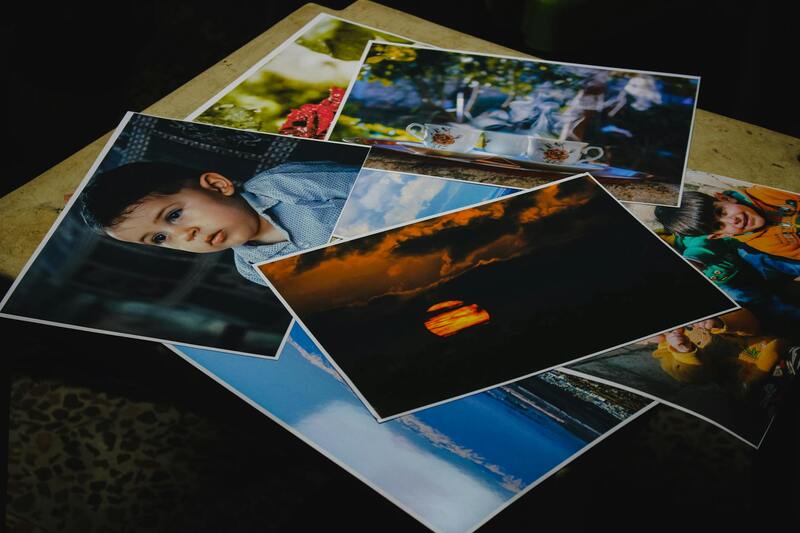
Large-format photo printing is a specialized service that allows individuals and businesses to produce oversized images with exceptional clarity and detail. This process involves the reproduction of photographs beyond standard print sizes, enabling the creation of impactful visual displays for various applications. Whether for personal use, such as decorating a home or office space, or for commercial purposes like exhibitions, advertising, or branding, printing large photos transforms ordinary images into striking visual statements.
At its core, large-format printing encompasses the use of advanced printing technologies capable of producing high-resolution images on sizable media. This requires precise color management, quality materials, and sophisticated printing mechanisms to ensure that the integrity of the photograph is maintained even when scaled to larger dimensions. The benefits of opting for such printing services include enhanced visibility, impressive aesthetic appeal, and the ability to convey detailed imagery that would be lost in smaller formats.
Commercial entities leverage large-format photo printing for numerous purposes, including creating eye-catching banners, posters, murals, and trade show displays. For individuals, it offers the opportunity to turn cherished memories into gallery-worthy pieces or impactful wall art. The ability to print in large sizes also means that images can be displayed in environments requiring impressive visual impact, making them ideal for marketing, promotional events, or personal collections.
Through the use of various printing techniques, such as inkjet and eco-solvent printers, professionals can produce large photos with vivid colors and sharp contrasts. These methods support the reproduction of intricate details and subtle gradations, essential for high-quality photographic outputs. Additionally, the versatility of material options—ranging from canvas and vinyl to photo paper and fabric—further enhances the potential applications of large-format photo printing.

In summary, large-format photo printing is a powerful tool for visual storytelling, brand promotion, and interior decoration. It combines cutting-edge technology with creative freedom, enabling users to produce expansive images that retain detail and vibrancy. As this field evolves, more innovative materials and printing techniques continue to expand the possibilities, making large-scale photo printing an increasingly popular choice for those seeking to make a bold visual impression.
Material Options for Large-Size Photos
When considering the best material for your large-size photo, it is essential to evaluate the intended display environment and desired aesthetic. Commonly used substrates include high-quality adhesive vinyl, canvas, photo paper, acrylic, and fabric. Each option offers distinct advantages: vinyl provides durability and weather resistance suitable for outdoor displays; canvas lends a textured, artistic appearance ideal for gallery-like presentations; photo paper ensures sharp detail and vibrant colors, perfect for indoor wall art; acrylic adds a modern, sleek look with a glossy finish that enhances color depth; fabric options are versatile for banners or soft signage applications.
Choosing the right material impacts not only the visual quality but also the longevity of the print. For example, UV-coated vinyl and laminated options are suited for outdoor or high-traffic areas, offering resistance to fading, moisture, and scratches. Conversely, thinner materials like gloss or matte photo paper are more suitable for indoor showcases, where detailed images and color fidelity are prioritized.
Moreover, the weight and flexibility of the material can influence the installation process. Lightweight fabrics and vinyls allow for easier mounting, especially on large walls or curved surfaces. Thicker materials like foam board or aluminum composite panels might be preferred for stand-alone displays or artwork framing. When selecting materials, consider environmental factors, expected wear and tear, and your budget constraints to ensure your large photo print retains its impact over time.
Technical Considerations for Material Selection
- Weather Resistance: Essential for outdoor applications, requiring water- and UV-resistant materials.
- Color Fidelity: Materials with high color gamut support vibrant, true-to-life reproductions.
- Durability: Longer-lasting materials are key for high-traffic or communal areas.
- Ease of Installation: Lightweight and flexible substrates simplify mounting and framing.
Engaging with professional printers allows you to explore a wider range of materials, ensuring the final output aligns with your specific needs. They can provide samples and advise on the most suitable option based on the nature of your project, whether it's a personal gallery piece, a marketing display, or a large mural.
Technical Aspects of Printing Large-Size Photos
When aiming to print large photos with clarity and vibrancy, understanding the technical parameters involved in the printing process is essential. The resolution of your original image plays a pivotal role; high-resolution images (generally 300 dpi or higher at the final print size) ensure that details remain crisp and colors stay true-to-life even at substantial sizes. It's advisable to utilize images with a high pixel count, which translates into larger dimensions without loss of quality, making them suitable for expansive prints.
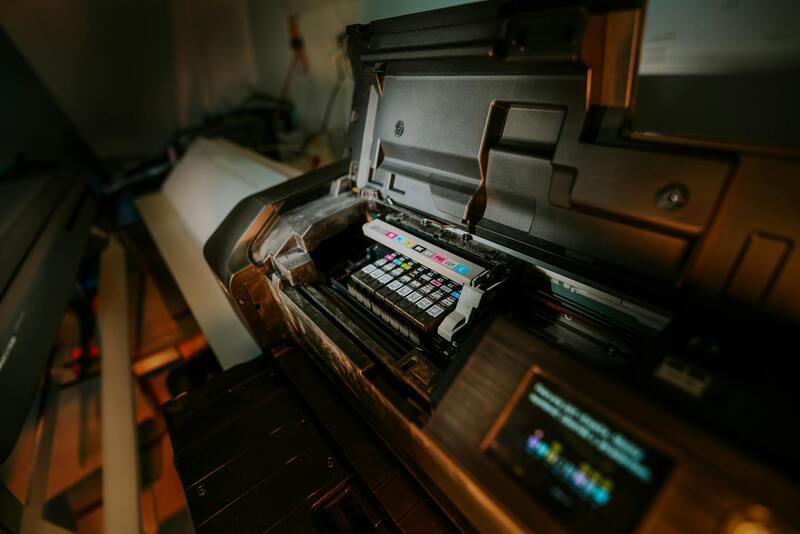
Modern large-format printers employ wide-gamut color systems and high-quality inks, such as UV or solvent-based inks, which support vibrant hues and ensure longevity. These printers can also handle diverse materials like vinyl, fabric, or rigid substrates, each requiring specific calibration to optimize color fidelity and adhesion. Understanding these factors allows for capturing the nuances of your photograph, whether subtle gradations, deep blacks, or bright highlights, on a scale that preserves the integrity of your original shot.
Importance of Proper Image Preparation
Preparing your photo files appropriately can significantly affect the final outcome. It’s crucial to work with high-resolution files saved in color profiles compatible with professional printing, such as Adobe RGB or sRGB. Adjusting images for brightness, contrast, and saturation prior to printing ensures that colors remain accurate once reproduced. Cropping images to match the exact dimensions of the intended print can prevent unwanted scaling, which may introduce pixelation or distortion.
- Use image editing software to optimize resolution and color adjustments.
- Maintain the aspect ratio to prevent stretching or compression.
- Apply sharpening filters judiciously to enhance details without creating artifacts.
- Save files in lossless formats like TIFF or high-quality JPEGs, depending on the printer's specifications.
Choosing the Right Printing Method
Different printing techniques are suited for various large-photo applications. Dye-sublimation printing excels with fabrics and produces seamless, vibrant images ideal for fabric banners or photographic canvases. UV printing is suitable for rigid materials such as plexiglass or metal, offering durability and resistance to weather conditions. Latex or solvent printing methods provide versatile solutions, capable of handling outdoor signage or large murals with excellent color accuracy and weather resistance. Each method involves specific ink types and machinery, offering tailored results for your large-sized photo project.
Color Management and Proofing
Effective color management ensures that the colors you see on your digital screen match the printed output. Collaborating with printing professionals who utilize color calibration tools and proofing techniques can help anticipate how colors will appear on large-format prints. Soft proofing on calibrated monitors and hard proofs on sample materials allow for adjustments before committing to the final print run. This step is critical to prevent surprises, especially for projects where precise color reproduction is paramount.
Handling and Storage of Large Photos
Once printed, large photographs require careful handling to prevent damage. Using protective coverings, such as UV-resistant gloss or matte laminates, safeguards the print from scratches, UV rays, and environmental pollutants. Proper storage involves rolling or catenary hanging for mounted pieces, ensuring that the print remains flat and free from creases or warping. Installing prints in suitable environments—avoiding excessive humidity, direct sunlight, or temperature fluctuations—extends their lifespan and preserves their visual impact.
Legal Methods to Print Large Size Photos
Securing the rights to reproduce large-scale photos through official channels is a crucial step for anyone wishing to display or sell large prints legally. The most reliable route involves obtaining explicit permission from the copyright holder or licensing agency associated with the image. This can be done by licensing the photo directly from the photographer, agency, or rights holder, ensuring a formal agreement that specifies the scope of use, distribution, and reproduction size.
Another legitimate approach is to utilize images that are in the public domain. Public domain images are those that have no copyright restrictions due to expiration, abandonment, or deliberate release. Utilizing such images allows for unrestricted reproduction at any size, including large-format projects, without concerns regarding infringement. Careful verification of the image’s source and status is necessary to confirm that it is indeed free from copyright constraints.
Official Partnerships and Certified Printing Services
Partnering with certified printing companies can streamline the process of legally producing large photos. These companies often have established relationships with image licensors and possess robust licensing agreements in place, allowing for the legal reproduction of copyrighted works at large scales. When working with such providers, ensure that your agreements clearly specify the rights to reproduce the image at the desired size and on the chosen material.
Furthermore, professional printing services may assist in securing the necessary legal permissions. They often handle licensing negotiations on behalf of clients, providing peace of mind and adherence to legal standards. Always request documentation confirming the authorized use of the image before proceeding with large-format printing projects.
Respecting Image Rights Through Creative Alternatives
In cases where original photos are protected by rights, creating derivative works can be a lawful alternative, provided it is done with permission. For example, collaborating with the original creator to design modified or commissioned versions enables reproduction at large sizes while respecting intellectual property rights. Such partnerships often bring creative flexibility and ensure all legal considerations are addressed from the outset.
Another sanctioned method involves purchasing licenses for stock images designed specifically for large-format production. Numerous reputable stock photo agencies provide licenses for high-resolution images suitable for big prints. These licenses clearly define the permitted uses, ensuring that reproducing the image at large sizes remains within legal boundaries.
Documentation and Record-Keeping for Legal Reproduction
Maintaining proper documentation is essential when printing large photos legally. Keep copies of licensing agreements, invoices, correspondence, and permissions related to the images. This record-keeping can serve as proof of authorized reproduction, should any questions about rights arise in the future. When working with third-party providers, ensure they are aware of and adhere to these licensing stipulations.

By following official methods—securing licensing rights, using public domain images, partnering with certified printers, and documenting permissions—you ensure that your large-sized photo prints are produced ethically and legally. This approach not only preserves artistic integrity but also mitigates potential legal disputes, allowing you to focus on delivering stunning visuals at any scale.
Understanding Large-Format Photo Printing
Large-format photo printing is an art and science that combines high-quality imagery with advanced printing technology to produce stunning visuals at significant scales. Whether for commercial displays, personal art projects, or event banners, producing large size photos necessitates attention to detail, choice of materials, and appropriate techniques to ensure clarity, color fidelity, and durability. The process begins with selecting the right image resolution; high-resolution files (at least 300 dpi) are essential to maintain sharpness when enlarged. Optimizing images through color correction and contrast adjustments ensures that the final print accurately reflects the original vision.
One crucial factor in large-scale printing is understanding the limitations and capabilities of the chosen printing technology. Different methods, such as inkjet or solvent printing, influence the vibrancy, finish, and lifespan of the final image. Preparing the digital file with proper color profiles and ensuring sufficient file size prevents pixelation and quality loss. Additionally, pre-visualizing the print through sample proofs or scaled mock-ups can help identify potential issues before the full production run.
Choosing the Right Printing Material
The material on which to print significantly impacts the overall appearance and longevity of large photos. Options range from traditional glossy and matte paper to more durable alternatives like canvas, vinyl, or fabric-backed materials. Glossy finishes enhance color vibrancy, making images pop for indoor displays, while matte surfaces reduce glare for installations in brightly lit environments. Canvas offers a textured, artistic look ideal for gallery exhibits, and vinyl banners are suitable for outdoor use due to their weather resistance.
For outdoor or high-traffic applications, consider weatherproof materials that resist fading, water damage, and UV exposure. This selection ensures that your display remains visually appealing over time without degradation. Additionally, specialty finishes such as laminate or anti-reflective coatings can add an extra layer of protection, especially for images exposed to environmental elements or frequent handling.
Ensuring Proper Image Preparation
Proper preparation of your digital files is vital for achieving high-quality large prints. Start with sourcing images in the highest possible resolution and color depth. When resizing images, use dedicated editing software to maintain aspect ratio and prevent distortion. Adjust the resolution to meet the print size requirements; for instance, if printing a 2-meter wide banner, ensure the file maintains a consistent 150-300 dpi at the enlarged scale. Flatten layers, embed color profiles, and convert files to appropriate formats such as TIFF or PDF as advised by the printing provider.
It is also recommended to preview the image at full size, checking for issues like banding, pixelation, or color inconsistencies. If working with photographs taken with mobile devices or basic cameras, consider professional editing services that can enhance image details, correct color imbalances, and prepare the file for large-format reproduction.
Incorporating Design and Layout Considerations
Designing content for large format printing involves more than enlarging an image; it requires strategic placement of visual elements to maximize impact. Create composition with sufficient margins and consider bleed areas to prevent unintentional cropping. Use bold and clear visual cues to guide viewer focus, especially if the piece will be viewed from a distance. For complex images with fine details, ensure that scale and resolution support their clarity. Collaborate with designers if needed, to tailor the layout to specific display environments or installation conditions.
Consulting with Professional Printing Services
Engaging with experienced printing professionals can streamline the process and enhance results. Reputable service providers possess the necessary expertise to advise on material selection, color management, and finishing options applicable to your project. They can also assist with preparing files correctly, conducting test prints, and recommending suitable sizes based on your intended display context. Moreover, professional printers often have access to larger formats and advanced machinery, making it possible to realize ambitious design concepts without compromise.
When collaborating with these experts, it's beneficial to discuss your vision, timeline, and budget upfront. Clear communication about desired outcomes ensures that the final large photo print aligns with your expectations in terms of quality, scale, and durability.
Tips for Preparing Your Photos for Large-Format Printing
Achieving optimal results in large-size photo printing begins long before the printing process itself. Proper preparation of your digital images is crucial to ensure clarity, color accuracy, and overall visual impact. Here are essential steps to prepare your photos effectively:
- Use High-Resolution Files: Prioritize images with high resolution and pixel dimensions. For large prints, a minimum of 150 dpi at the final output size is recommended to prevent pixelation. For instance, a photo intended to be 1.5 meters wide should ideally have a resolution of at least 3000 pixels in width.
- Optimize Image Quality: Avoid low-quality or compressed files that can introduce artifacts. Use lossless formats such as TIFF or RAW where possible, as they retain more detail and color information.
- Color Management: Work within a calibrated color space, such as Adobe RGB or ProPhoto RGB, to ensure accurate color reproduction. When preparing images, consider adjusting brightness, contrast, and saturation to compensate for the viewing distance and material texture.
- Sharpening Adjustments: Apply targeted sharpening to enhance details, especially around edges, but avoid over-sharpening that can cause halos or noise, which are more noticeable in large prints.
- Consider File Formats and Compression: Save as TIFF or a high-quality JPEG with minimal compression. Avoid formats that introduce compression artifacts or reduce detail.
- Check Dimensions and Aspect Ratio: Verify your image's dimensions match the intended print size. Cropping or resizing should maintain the aspect ratio to prevent distortions and unwanted cropping during printing.

Additional Tips for Image Optimization
- Use editing software with precise control over resolution and color profiles, such as Adobe Photoshop or Lightroom.
- Perform test prints on smaller samples to evaluate color accuracy and detail before committing to the full-size print.
- Maintain original files in their unedited form for future modifications or reprints.
- Consult with your printing professional to confirm the optimal resolution, color profile, and file format based on material and print size.
By meticulously preparing your images, you safeguard the quality and vibrancy of large-format prints. Whether creating a striking mural or an impactful poster, attention to detail in the digital preparation phase ensures your final product meets your expectations and effectively communicates your message or artistic vision.
Understanding Large-Format Photo Printing
Large-format photo printing is a specialized process that enables the production of high-quality images at significantly enlarged sizes, suitable for murals, banners, exhibitions, or decorative wall art. The process involves precise digital preparation, selecting suitable materials, and utilizing advanced printing technologies to ensure sharp detail, vivid colors, and durability. The key challenge in large-format printing lies in maintaining image integrity during enlargement; thus, a meticulous approach in image resolution, professional hardware, and skilled technique is essential for achieving professional results.
Popular Large Photo Sizes and Standards
Understanding common sizes helps in planning and preparing your images for large-format printing. Several standard dimensions are widely used across different sectors, each suited for specific applications:
- 24 x 36 inches: Ideal for movie posters, promotional displays, and artistic prints. It balances visibility and manageable file sizes.
- 36 x 72 inches: Suitable for impactful banners, event backdrops, and gallery pieces, providing a commanding visual presence.
- 48 x 96 inches: Often used in large murals, trade show displays, or prominent advertising installations, offering maximum visibility.
- Custom dimensions: Larger or uniquely shaped sizes can be produced depending on project requirements, with attention to aspect ratios to prevent distortion.
These sizes adhere to specific standards to ensure compatibility with display environments, framing, and installation methods. Professional printers often recommend maintaining aspect ratios to avoid unintended cropping or stretching.
Material Options for Large-Size Photos
The choice of material significantly influences the durability, appearance, and application of your large photos. Several options are available:
- Vinyl banners: Flexible, weather-resistant, ideal for outdoor advertising and long-term displays.
- Canvas: Offers a textured, artistic look, perfect for gallery-quality art reproductions and interior decor.
- Backlit acrylic or translucent sheets: Used for illuminated signs, enhancing colors and making images stand out in dim environments.
- Foam board: Lightweight, rigid, suitable for short-term displays or indoor exhibitions.
- Metal or aluminum panels: Provide a sleek, modern appearance with added durability for outdoor or high-traffic areas.
Material selection depends on environmental exposure, aesthetic preference, and budget considerations. Each option offers unique benefits to ensure the final output aligns with intended purpose and longevity.
Printing Techniques and Technologies
High-quality large photo printing relies on advanced methods and machinery, each tailored to achieve clarity, color accuracy, and durability:
- UV printing: Uses ultraviolet light to cure inks instantly on rigid materials like acrylic, metal, or wood, producing vibrant and durable images.
- Eco-solvent printing: Suitable for outdoor banners and signage, offering resistance to weather and fading with environmentally friendly inks.
- Latex printing: Combines flexibility with color vibrancy and eco-friendliness, ideal for versatile applications including wall coverings and vehicle wraps.
- Penetrative dye sublimation: Converts dyes into gas under heat, bonding with specially coated surfaces like fabric or aluminum, resulting in rich, vibrant images.
Choosing the right technique depends on project specifications, material compatibility, and environmental considerations. Utilizing reputable printers equipped with the latest technology can significantly impact the final quality.
Choosing a Printing Service in Singapore
In Singapore, selecting a reliable large-format printing service involves evaluating several critical factors:
- Equipment quality: Ensure the provider uses modern, high-resolution printers capable of handling large formats with precision.
- Material variety: A broad selection of materials allows for tailored solutions based on specific needs.
- Turnaround time: Efficient production timelines ensure your project stays on schedule.
- Expertise and consultation: Access to professional guidance on design adjustments, material choices, and technical considerations.
- Customer reviews and portfolio: Reviewing past work helps gauge the quality and reliability of the service provider.
Partnering with a local, experienced printing provider ensures seamless communication, on-site support, and convenience for delivery or installation.
Cost Factors and Pricing Overview
The price of large-format printing depends largely on several key factors:
- Size of the print: Larger dimensions naturally incur higher costs due to increased material and ink consumption.
- Material choice: Premium materials like metal or canvas typically cost more than vinyl or foam board.
- Print resolution: Higher dpi settings for detailed images require specialized equipment and more ink, raising the price.
- Design complexity: Intricate graphics, multiple colors, or custom finishes can increase production time and cost.
- Quantity and turnaround: Larger orders or expedited timelines may benefit from discounts or additional fees.
While prices vary, a detailed quote from a trusted printing service often incorporates these elements, providing transparency and clarity for your budgeting process.
Legal and Official Methods for Printing Large-Size Photos
When it comes to producing large-format photos, ensuring the process adheres to official and legitimate channels is vital for quality assurance and legal clarity. Authorized large-format printing services operate under strict quality control standards, utilizing certified equipment and original materials. These services often have agreements with manufacturers for using licensed inks, papers, and substrates that guarantee both safety and durability. Employing certified methods and materials not only guarantees the longevity of the print but also complies with regional regulations concerning environmental and safety standards.
Official large-format printing involves detailed calibration of digital files to meet the specific requirements of the output device. Professionals use industry-standard color management systems and adhere to technical specifications that prevent issues like color discrepancies or resolution loss. These practices involve meticulous proofing processes that verify the final output before production, ensuring the printed large photos meet the intended design and quality standards.
- Use Certified Printing Equipment: Authorized print shops use equipment calibrated according to industry standards, which is essential for consistent color accuracy and sharpness in large images.
- Implement Licensed Inks and Materials: Only medically approved and environmentally compliant inks are used in legitimate large-format printing, preventing health hazards and environmental impact.
- Follow Digital File Preparation Guidelines: Ensuring your digital images are correctly formatted, with high resolution (at least 300 dpi), suitable color profiles, and proper scaling, are prerequisites for quality output.
- Maintain Transparency with Accurate Pricing and Delivery: Legally operating services provide clear, itemized quotes and adhere to agreed turnaround times, avoiding hidden fees or false promises.
- Obtain Proper Licensing and Documentation: Certified services often provide documentation that certifies the print’s compliance with regional standards, giving peace of mind about the legitimacy of your large photo prints.
Choosing legitimate printing channels involves verifying their certifications, reading customer testimonials, and reviewing their portfolio of large-format work. Professional services typically maintain strong industry relationships and participate in trade associations that uphold high standards of quality and ethics. This ensures you receive a product that meets all technical specifications while complying with regional regulations.
Furthermore, investing through recognized providers promotes environmental responsibility, as they often adhere to eco-friendly practices such as using recyclable materials and low-VOC inks. This adherence not only benefits the environment but also reflects on the trustworthiness and sustainability commitments of the printing service.
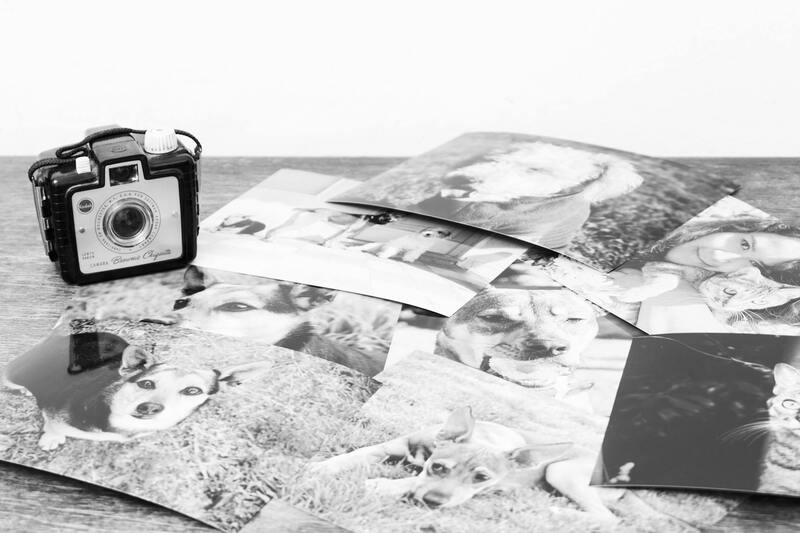
For individuals and organizations aiming to present legally compliant and high-quality large photos, partnering with reputable, authorized printing services is essential. These providers leverage advanced techniques, properly licensed materials, and a commitment to industry standards, ensuring your large-format photos are produced with maximum quality and integrity. Always inquire about certifications, process transparency, and material authenticity to make informed decisions that align with your project’s requirements and standards.