Large Format Printing In Singapore: Techniques, Materials, And Applications
Overview of Large Format Printing
Large format printing is an advanced printing technique designed to produce high-quality images and graphics on expansive surfaces. This printing method caters to a variety of applications, from eye-catching marketing displays to functional signage. It enables the creation of posters, banners, wall murals, trade show displays, and exterior signage that demand attention from afar and require vibrant, detailed visuals. Large format printing plays a fundamental role in branding strategies, promotional events, and visual communication, making it an indispensable tool for businesses seeking impactful advertising solutions.
The core purpose of large format printing is to translate digital designs into tangible, wide-ranging visual assets that stand out in public spaces. Unlike traditional printing methods suited for smaller media, large format printing accommodates the need for high-resolution imagery on substrates that can extend several meters in width and height. This ability allows brands to craft memorable visual statements, whether for indoor exhibitions or outdoor advertising campaigns.
Common uses of large format printing are diverse and include:
- Billboards and Outdoor Advertising: Designed for maximum visibility from distances, these large-scale graphics serve as prominent marketing tools in urban environments.
- Event and Trade Show Displays: Customized backdrops, stands, and banners that attract event attendees and convey brand messages effectively.
- Interior and Exterior Signage: Directional signs, wayfinding systems, and storefront displays that enhance customer experience and promote brand recognition.
- Posters and Artwork: Promotional posters, decorative murals, and art installations that appeal visually and communicate ideas clearly.
- Vehicle Wraps and Graphics: Transforming vehicles into mobile advertising platforms.

As the demand for vibrant, durable, and large-scale visuals grows, innovations in large format printing technology continue to expand its capabilities, making it a vital component of contemporary visual communication strategies across various sectors.
Overview of Large Format Printing
Large format printing stands at the forefront of visual communications, transforming digital designs into striking physical displays that captivate audiences across diverse settings. Unlike standard printing techniques that are optimized for smaller media, large format printing specializes in producing high-resolution images on expansive substrates, often stretching several meters in width and height. This capability facilitates the creation of bold, impactful visuals suitable for both indoor and outdoor environments, enabling brands and organizations to deliver messages with heightened visibility and clarity.
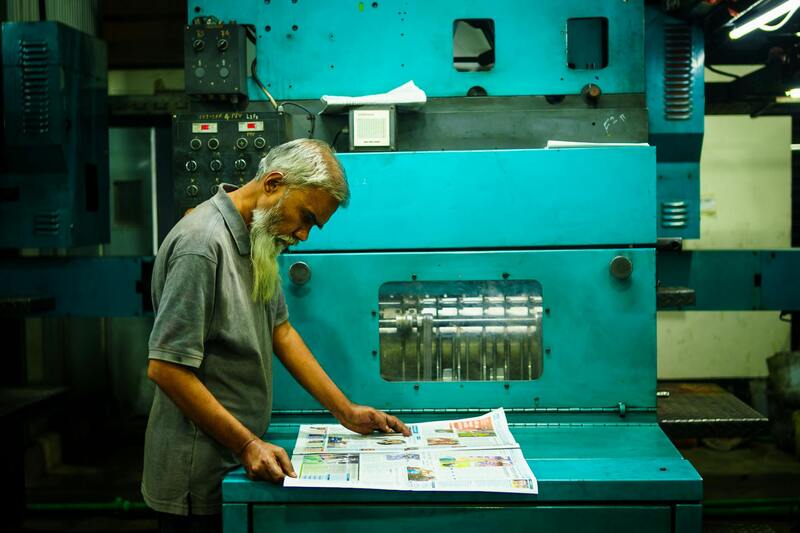
In the realm of marketing and promotional campaigns, large format printing serves a pivotal role. It supports a wide array of applications including billboards, banners, vehicle wraps, storefront signage, and trade show backdrops. These large-scale assets not only attract attention from afar but also reinforce brand identity and messaging in dense urban landscapes and diverse public spaces.
Operators within this sector leverage advanced printing technologies to ensure vibrant color reproduction, durable outputs, and fast turnaround times. The integration of innovative substrates like vinyl, fabric, and rigid boards further enhances the versatility of large format printing, keeping it aligned with the evolving needs of visual communication strategies.
As the demand for dynamic visual content increases, the role of large format printing continues to expand. It forms the backbone of impactful advertising campaigns, interior design projects, and artistic installations. The ability to produce vibrant, large-scale images with precise color fidelity and weather-resistant properties allows for sustained campaigns and high-traffic visibility, thus fostering brand recognition and engagement.
Business and creative sectors increasingly rely on this technology's capacity to adapt to various media formats and environmental conditions. Consequently, large format printing has become an essential component of contemporary visual communication, elevating the potential to craft memorable and effective visual experiences across multiple industries.
Overview of Large Format Printing
Large format printing is a specialized printing technique designed to produce high-quality, oversized images and graphics that are used across various industries and applications. This method is critical for creating impactful visual displays that necessitate dimensions beyond standard printing capacities. It encompasses a broad range of products, including billboards, banners, vehicle wraps, window displays, and trade show backdrops. These large-scale elements serve to increase visibility, reinforce branding, and communicate messages effectively in public spaces and private venues.

In environments with high foot traffic or extensive outdoor exposure, the resilience and vibrancy of large format prints are paramount. These outputs are engineered to withstand weather conditions such as rain, wind, and sunlight without fading or deteriorating, ensuring prolonged use and consistent brand presentation. From urban billboards to retail storefronts, the technology empowers businesses and creatives to communicate their messages dynamically and effectively, transforming any space into a visual statement.
Types of Large Format Printing Technologies
Several advanced printing technologies underpin the capabilities of large format printing. Each method offers distinct advantages tailored to specific applications, substrates, and environmental conditions:
- Solvent and Eco-Solvent Printing: Known for their durability and vibrant color reproduction, these printers are widely used for outdoor signage. They utilize solvent-based inks that penetrate the substrate, resulting in weather-resistant outputs suitable for expansive outdoor displays.
- UV Printing: Employing ultraviolet light to cure inks instantly, UV printing allows on-demand production on rigid or flexible materials. This technology offers high-resolution outputs with excellent color fidelity and durability, ideal for signage that requires a long lifespan.
- Latex Printing: A more environmentally friendly option, latex printing uses water-based inks that are flexible and breathable. It is suitable for banners and textiles, providing exceptional color quality and repositioning capabilities.
- Piezoelectric Inkjet Printing: This precise technology produces detailed images with a broad color spectrum. It is often used for fine art reproductions, pop-up displays, and detailed illustrations on various substrates.
Material and Substrate Options
The selection of materials for large format printing is as diverse as the applications themselves. The choice hinges on factors like environmental exposure, durability requirements, and atural aesthetic preferences. Common substrates include:
- Vinyl: The most versatile and durable material, suitable for banners, vehicle wraps, and outdoor signage. Available in gloss, matte, and satin finishes, vinyl ensures vibrant color retention and weather resistance.
- Canvas: Perfect for fine art reproductions and interior displays, providing a textured finish that enhances visual depth and sophistication.
- Poster Paper: Ideal for indoor advertising, exhibitions, and promotional printouts. It offers bright color reproduction and smooth surfaces for detailed visuals.
- Fabric: Used for soft signage, backdrops, and trade show displays, capable of being printed on with eco-solvent or latex inks to ensure color vibrancy and flexibility.
- Rigid Boards and Panels: Materials like foam board, corrugated plastic, or aluminum allow for durable, lightweight signage and directional indicators that maintain their shape and integrity outdoors or indoors.

Each substrate selection influences the quality, longevity, and visual impact of the final output, making it essential for users to consider environmental and presentation factors during procurement.
Accurate Color Management and File Specifications
For ensuring the vibrant, true-to-design visuals characteristic of professional large format printing, meticulous attention to color management and file preparation is essential. Color consistency is achieved through calibrated workflows that employ standardized color profiles, such as Adobe RGB or sRGB, depending on the final output needs. Using high-resolution images—preferably 300 dpi at the final print size—prevents pixelation and maintains image clarity and detail, especially important for large-scale displays.
File formatting should adhere to specifications that support seamless printing processes. Commonly accepted formats include PDF, TIFF, and EPS, each capable of preserving high-resolution graphics and embedded color profiles. Files should be prepared with bleed margins, typically 3-5mm beyond the final trim size, to accommodate trimming variations without cropping vital image elements. Layered files or those with transparent backgrounds streamline the integration of complex designs and backgrounds.
Designers are advised to use vector graphics for logos and text to preserve sharpness at any scale, and to embed or outline fonts to avoid font substitutions. Incorporating soft-proofing techniques allows clients and designers to preview color accuracy before printing, reducing waste and ensuring satisfaction with the final product. Overall, adherence to these detailed file preparation standards maximizes the effectiveness of the printing process, resulting in crisp, color-rich visuals suitable for large-scale display and signage.
Methods of Producing Authentic Large Format Prints
Creating high-quality large format prints requires adherence to proven, reputable methods that ensure precision, durability, and visual appeal. Recognized printing techniques utilize advanced machinery and controlled processes to deliver consistent results across various applications. These approaches emphasize using well-maintained equipment, quality materials, and verified procedures to uphold the integrity of each project.
High-Resolution Digital Printing
Digital printing stands as a primary choice for producing large format images with exceptional detail and color accuracy. Modern digital printers employ inkjet technology capable of handling expansive media sizes while maintaining sharp imagery. This method supports a wide range of substrates, including vinyl, fabric, and paper, making it versatile for diverse signage and display needs. Ensuring the use of UV or solvent-based inks enhances resistance to fading, moisture, and environmental wear, crucial for outdoor applications.
Screen Printing and Silk Screening
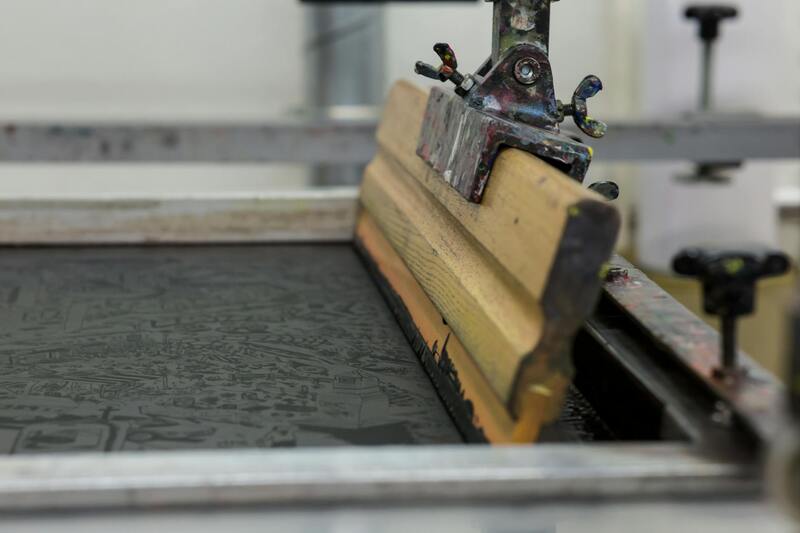
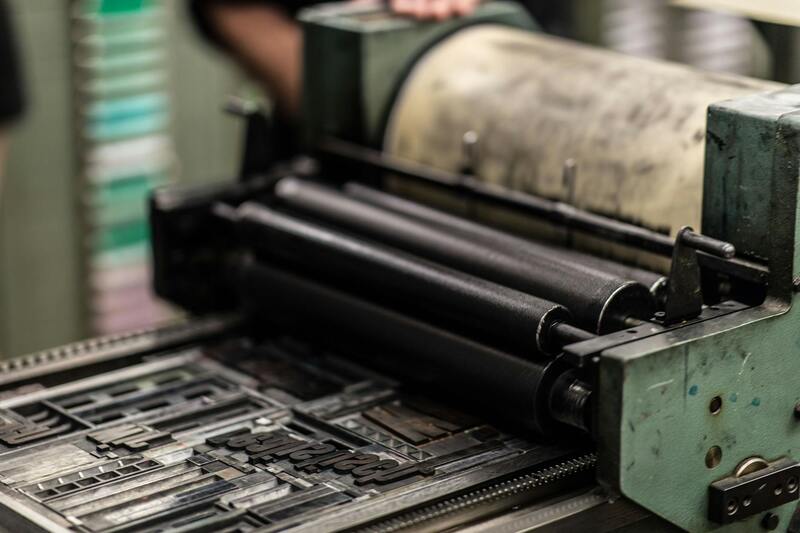
For certain materials and bulk productions, screen printing remains a reliable technique. This method involves creating a stencil (or screen) through which ink is pressed onto the substrate. It offers vibrant color reproduction and thick ink layers, suited for signage, banners, and promotional items. Proper mesh selection and ink formulation are essential to ensure sharpness and longevity of the print, particularly on textured surfaces or rigid substrates.
UV Printing Technology
UV printing uses ultraviolet light to instantly cure inks upon contact with the substrate. This approach enables printing on irregular, hard, or non-porous surfaces such as glass, acrylic, or metal without the need for additional surface treatment. UV printers deliver vivid colors, high durability, and minimal overspray, making them ideal for bespoke designs, long-lasting displays, and custom installations.
Giclée and Fine Art Printing
For applications requiring color accuracy and detail fidelity, giclée printing employs specialized inkjet systems with archival-quality inks. This method is favored for reproducing artwork, photographs, or limited editions, offering a spectrum of colors and tonal depth. When executed with precision and proper substrate selection, giclée reproductions stand out for their vibrant, fade-resistant qualities.
Adherence to Official Techniques and Standards
Utilizing certified printing processes ensures that large format outputs meet industry standards for quality and consistency. These official methods often involve:
- Calibration of printers and color management systems to maintain color fidelity.
- Use of standardized color profiles to ensure consistency across different media and print runs.
- Proper maintenance and validation of printing equipment to prevent performance issues.
- Rigorous proofing protocols, including soft-proofing and physical proofs, before final production.
Moreover, selecting legitimate suppliers and vendors who follow these verified practices significantly impacts the final result, ensuring that each large format print aligns with specific project requirements and professional craftsmanship. This commitment to quality control translates into vibrant, precise, and resilient displays suitable for indoor or outdoor environments.
Summing Up
Executing large format printing through authorized, dependable techniques forms the backbone of high-quality visual communication. By harnessing advanced digital and traditional methods, adhering to established standards, and working with reputable providers, clients can achieve strikingly accurate and durable large-scale visuals that resonate with their audience and stand the test of time.
Overview of Large Format Printing
Large format printing encompasses the production of visuals on expansive substrates, allowing brands and organizations to communicate messages effectively across extensive surfaces. This method stands out due to its ability to produce high-resolution images that maintain clarity and vibrancy at significant sizes. Whether for advertising billboards, event backdrops, or storefront displays, the focus remains on delivering impactful visuals that draw attention and convey messages with precision.
Fundamentally, large format printing involves specialized equipment capable of printing on materials wider than traditional printers. This technology supports a broad range of applications, catering to environments from indoor exhibitions to extensive outdoor signage. As visual communication becomes increasingly vital, the demand for such large-scale prints continues to grow, emphasizing the importance of choosing the right techniques and materials to ensure quality and durability.

Types of Large Format Printing Technologies
- Solvent and Eco-Solvent Printing: Known for durability and high vibrancy, solvent printers utilize solvent-based inks suited for outdoor displays. Eco-solvent options offer environmentally friendlier alternatives with similar performance.
- UV Printing: Utilizing ultraviolet light to cure inks instantly on various substrates, UV printing provides high-resolution images with exceptional adhesion for diverse materials, including plastics and metals.
- Giclée and Dye Sublimation: Ideal for photographic reproductions and textiles, these methods focus on delivering color-rich, fade-resistant visuals with fine detail.
- Latex Printing: Employs water-based inks that are environmentally safe, offering flexibility in application and a broad range of media compatibility, suitable for both indoor and outdoor uses.
Materials and Substrates Used
Selection of the appropriate substrate is critical in large format printing, influencing the durability, appearance, and application suitability. Common materials include:
- Vinyl: The most prevalent outdoor substrate, resistant to weather elements, ideal for banners and vehicle wraps.
- Specialty Films: Including textured and transparent films, used for creative displays and windows.
- Canvas and Fabric: Suitable for art reproductions and indoor displays, providing a textured, premium look.
- Foam Board and Coroplast: Rigid substrates suited for short-term signage and exhibitions.
- Metal and Acrylic Panels: For sleek, modern signage with a premium appearance, often used in corporate environments.

Key Applications and Uses
Large format printing serves a diverse array of purposes across multiple industries, including:
- Outdoor Advertising: Billboards, transit advertisements, and building wraps that command visibility from a distance.
- Retail Displays and Signage: Point-of-purchase displays, window graphics, and promotional banners that enhance shopping environments.
- Event and Exhibition Graphics: Backdrops, stage banners, and life-sized standees that create immersive experiences.
- Architectural and Interior Signage: Wayfinding signs, murals, and decorative wall coverings that define spaces.
- Art Reproductions: Giclée prints on canvas or specialty papers for galleries and collectors.
For each application, considerations such as environmental exposure, expected lifespan, and visual impact guide material and printing technology choices, ensuring that the final output meets both functional and aesthetic standards.
Overview of Large Format Printing
Large format printing is an essential component of modern visual communication, enabling the production of wide and highly visible displays that are used across various industries. This printing method involves producing images on materials that are significantly larger than standard printing formats, often exceeding 24 inches in width. It is characterized by its ability to create impactful visuals for advertising, branding, and informational purposes in both indoor and outdoor environments.
Due to advances in printing technology, large format prints maintain high resolution and color accuracy, ensuring that the final product is both visually striking and durable. These qualities make large format printing ideal for applications that demand attention, longevity, and the capacity to withstand environmental factors.
Types of Large Format Printing Technologies
- Solvent Printing: Utilizes solvent-based inks that provide water and UV resistance, making it perfect for outdoor signage and banners. It offers vibrant colors and excellent adhesion on various substrates.
- Eco-Solvent Printing: An environmentally friendlier alternative that produces less odor and emissions while maintaining durability and color richness, suitable for indoor and outdoor applications.
- Latex Printing: Uses water-based latex inks that are flexible, eco-friendly, and quick-drying. It provides excellent color vibrancy and lifespan on diverse materials, ideal for both indoor and outdoor use.
- UV Printing: Employs UV light to instantly cure inks on the surface of substrates, allowing for direct printing on three-dimensional objects and rigid materials like metal, glass, and acrylic with sharp detail and vivid colors.
- Inkjet Printing: The most common method for large format work, utilizing wide-format inkjet printers that deposit tiny ink droplets onto various substrates, achieving high-resolution images suitable for murals, banners, and art reproductions.
Materials and Substrates Used
Selection of appropriate materials is vital in large format printing to match the specific needs of each project. The versatility of available substrates broadens creative possibilities and impacts the visual impact and lifespan of the final product.
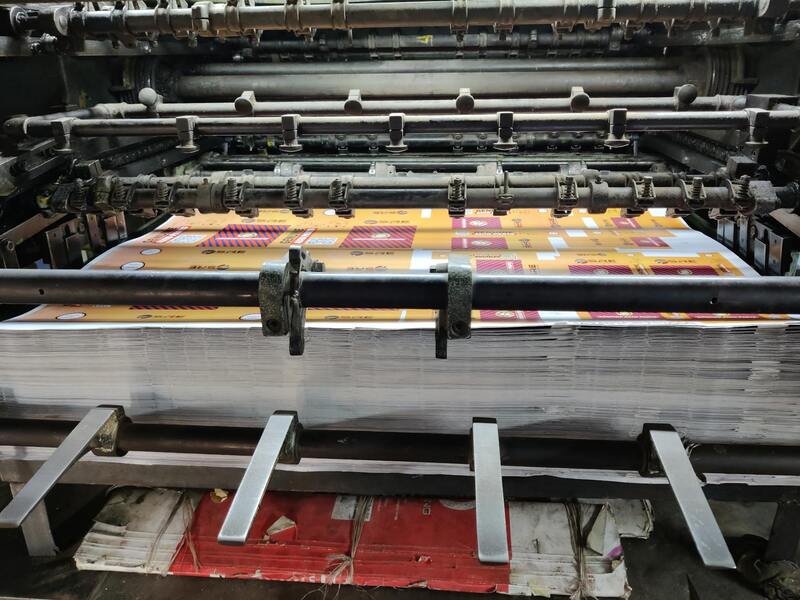
- Vinyl: The most common for banners, vehicle wraps, and wall decals, offering flexibility and weather resistance.
- Canvas and Fabric: Ideal for high-end art reproductions, interior murals, and premium displays, providing texture and a high-quality appearance.
- Foam Board and Coroplast: Lightweight rigid options suitable for short-term signage, POS displays, and exhibitions.
- Metal and Acrylic: Used for sleek, modern signage with a high-gloss finish, often found in corporate environments or retail displays.
- Polyester and Specialty Films: Employed for specialty advertising and window displays, offering unique textures and transparency effects.
Key Applications and Uses
Large format printing serves a wide array of functions, bridging marketing, branding, and informational needs across multiple sectors:
- Outdoor Advertising: Billboards, transit ads, and building wraps leverage the size and visibility to deliver impactful messages from a distance.
- Retail Displays and Signage: Point-of-purchase banners, window graphics, and promotional posters help attract customers and enhance brand presence.
- Event and Exhibition Graphics: Stage backdrops, life-sized cutouts, and themed banners create engaging environments and immersive experiences.
- Architectural and Interior Signage: Wayfinding signs, murals, and decorative wall coverings contribute to space branding and navigation.
- Art Reproductions: High-quality giclée prints on canvas or specialty papers satisfy collectors and galleries seeking precise reproductions with fine detail.
Proper selection of substrates and printing technologies ensures that each application meets specific needs regarding weather durability, visual impact, and longevity, while maintaining the desired aesthetic qualities.
Ensuring Authenticity in Large Format Printing
Achieving genuine large format prints that meet industry standards necessitates a focus on verified methods and reputable providers. Industry professionals rely on recognized printing technologies and certified materials to produce high-quality, durable output. These include advanced digital printing techniques, such as UV-curable and latex printing, which offer vibrant color reproduction, high resolution, and environmental benefits. Using certified substrates like FSC-accredited papers, vinyls, and rigid boards ensures that prints are consistent, safe, and compliant with quality benchmarks.

Best Practices for Authentic Large Format Printing
- Partner with Certified Suppliers: Selecting printing vendors who utilize certified technology and genuine materials guarantees the authenticity of your prints. These suppliers adhere to industry best practices and consistently deliver reliable results.
- Verify Material Certifications: Ensure that substrates like vinyl, fabric, and rigid boards are approved for large format applications, offering durability and color fidelity suitable for the intended environment.
- Request Sample Proofs: Before committing to large runs, obtaining sample proofs allows you to assess print quality, color accuracy, and material compatibility, confirming that the output aligns with your expectations.
- Review Work Portfolios: Examine previous projects from potential service providers to verify their proficiency and consistency in producing genuine large format prints.
- Maintain Clear Specifications: Providing detailed files and specifications ensures that printers understand your quality requirements, leading to authentic reproduction of your designs.
Recognizing Genuine Large Format Printing Products
Authentic large format prints exhibit certain indicators of quality and credibility:
- Vivid and Consistent Colors: Professional-grade printing minimizes color fading and ensures uniformity across large surfaces.
- Sharp Resolution and Detail: Fine details are preserved without pixelation, even on expansive displays.
- Durable Finishes: Proper lamination or coating enhances weather resistance and longevity, especially for outdoor applications.
- Material Compatibility: The materials used should be suited to the specific application, such as weatherproof vinyl for outdoor signage or textured fabrics for interior art installations.
Maintaining the Integrity of Your Large Format Prints
Proper handling, installation, and maintenance are paramount to keeping large format prints authentic over time. This includes avoiding exposure to harsh environmental conditions beyond the print’s specified endurance, such as prolonged direct sunlight or extreme moisture. Regular cleaning with appropriate, non-abrasive solutions preserves the appearance and vibrancy. When installing, ensure that supports and adhesives do not damage the substrate, preserving the integrity and visual impact of the print.