Large Photo Prints: Tips, Sizes, And Printing Options For High-Quality Results
Understanding Large Photo Prints
Large photo prints are a popular choice for capturing and displaying vivid, high-impact imagery across various personal and commercial contexts. These prints typically surpass standard photo sizes, offering bold visual statements that can transform any space. The essence of large photo printing lies in scaling images to sizes that maintain clarity, color fidelity, and detail without compromising quality.
In personal applications, large photo prints serve as captivating wall art, commemorative gifts, or decorative elements within homes, offices, and event venues. They enable individuals to preserve cherished memories in a way that makes a visual impact. Commercially, large prints are utilized for advertising, trade shows, retail displays, and branding efforts where they attract attention and convey messages with clarity and vibrancy.
The popularity of large photo prints stems from their ability to evoke emotional responses and create immersive experiences. Whether it’s a panoramic landscape, a family portrait, or an artistic image, enlarging the photograph amplifies its visual power. Moreover, advances in printing technology and materials have made it possible to produce large-scale images with exceptional detail, color accuracy, and longevity.
When considering large photo printing, it’s crucial to understand that the process involves more than just scaling up an image. Factors such as resolution, material surface, and mounting options play essential roles in achieving a professional-looking result. High-resolution digital images are necessary to ensure details are retained when enlarged, and choosing the appropriate material surface can influence both the aesthetic appeal and durability of the finished print.
In addition, understanding the specific applications of large photo prints helps in selecting appropriate sizes and formats that align with your intended display space and purpose. For instance, a panoramic landscape might be best suited for a wide feature wall, while a portrait or artwork could be ideal for a more central placement. Consequently, working with reputable print providers that specialize in large format printing ensures your images are handled with precision, resulting in artworks that meet professional standards.
Understanding Large Photo Prints
Creating large photo prints requires a keen understanding of various technical and material aspects that influence the final product's appearance and durability. The resolution of the digital image is paramount; high-resolution files ensure that enlargements maintain sharpness and detail without pixelation or blurriness. Typically, a resolution of at least 300 DPI (dots per inch) at the intended print size is recommended to produce professional-quality results. When working with digital images, it’s essential to verify that the original file has sufficient pixel dimensions to support the desired scale.

Material selection also significantly impacts the visual appeal and longevity of large photo prints. Popular options include glossy, lustre, and matte surfaces, each offering distinct finishes that can enhance colors, reduce glare, or minimize fingerprints. For outdoor or high-traffic displays, UV-coated or weather-resistant materials provide added durability. Textured surfaces can lend a fine art quality to the prints, adding depth and character. Consideration of the display environment helps in choosing the right substrate to ensure the print withstands environmental factors while maintaining visual integrity.
Techniques for Achieving High-Quality Outputs
Advanced printing technologies, such as UV-curable, solvent, or latex printing, are commonly employed to produce large photo prints. These methods enable vibrant color reproduction, precise detail, and increased lifespan. Inkjet printers, particularly those utilizing archival inks, are a popular choice for high-resolution large-format printing. They allow for accurate color rendition and smooth gradations, essential for capturing the subtle nuances of photographic images. Additionally, photographic papers designed specifically for large prints help in achieving a rich, professional look.
Color management protocols and calibration of printing devices are vital to ensure consistency and accuracy across batches. Proper color profiles and neutral gray calibration help in reproducing images as envisioned, avoiding mismatched hues or saturation issues. Ensure that the digital files are proofed and calibrated before printing to minimize the need for costly reprints or adjustments.
Design and Composition Tips for Large Photo Prints
- Focus on the main subject: For large displays, ensure the primary subject is positioned to draw the viewer’s eye immediately, often through central placement or rule-of-thirds alignment.
- Maintain simplicity: Overly complex compositions may become overwhelming at large scales. Emphasize clarity and impact.
- Use high-contrast elements: Strong contrasts can add visual interest and make the image pop on expansive surfaces.
- Mind the framing: Leave sufficient negative space around the main image to prevent clutter and guide viewer attention.
- Consider viewing distance: Larger images intended for distant viewing may tolerate lower detail levels, but finer details enhance near-view experiences.

It’s also advisable to work closely with printing professionals who understand large-scale production. They can provide valuable guidance on resolution requirements, material compatibility, and color accuracy, ensuring your vision is faithfully rendered. Selecting reputable services that utilize advanced printing technology and high-quality materials guarantees the durability and aesthetic appeal of your large photo prints, whether for interior decor, exhibitions, or commercial displays.
Material and Surface Choices for Large Photo Prints
When selecting materials for large photo prints, the surface finish plays a crucial role in achieving the desired aesthetic and durability. Different surfaces cater to various display environments and artistic preferences, making it essential to choose appropriately based on the intended use and viewing conditions.
- Glossy Surfaces: Known for their vibrant colors and sharp details, glossy finishes enhance contrast and depth, making images appear more vivid. However, they are more susceptible to reflections and fingerprints, which can detract from the viewing experience, especially in well-lit environments.
- Matte Surfaces: Offering a non-reflective finish, matte materials reduce glare and fingerprints, making them ideal for gallery displays or areas with strong ambient lighting. They tend to soften colors slightly but provide a professional, understated aesthetic that emphasizes subtleties in textures and shades.
- Metallic Finishes: Metallic surfaces add a luminous quality to photographs, amplifying elements like light and shine. They are especially effective for images with high contrast and metallic hues, making them suitable for modern decor or commercial signage that demands visual impact.
- Canvas Prints: Known for their textured surface, canvas provides a classic, artistic feel. This material is popular for home interiors and exhibitions, offering a warm, tactile quality that enhances the image's depth and character. Canvas prints are typically stretched over a wooden frame, adding to their display appeal.
- Fine Art Papers: Featuring heavyweight, acid-free textures, fine art papers are tailored for gallery-quality displays. They support archival inks and provide a rich tonal range, making them ideal for serious photographers and artists seeking longevity and a premium look.
Selecting the Appropriate Surface for Your Project
Understanding the distinct qualities of each surface is essential for successful large photo printing. For instance, a glossy finish might be perfect for a vivid, lively photograph meant to serve as a focal point in a commercial space, while a matte surface would be better suited for an elegant, understated artwork intended for a gallery setting.
Economic considerations, environmental lighting, and the viewer’s proximity also influence surface choice. Glossy materials tend to highlight every detail, which can be advantageous for images requiring sharp clarity; however, they may not be suitable in bright spaces prone to reflections. Conversely, matte finishes mitigate reflective issues and are excellent for spaces with diverse lighting but might slightly diminish vibrancy.
Durability and maintenance also differ among surfaces. Metal and acrylic prints often incorporate UV-resistant coatings, minimizing fading over time, whereas paper-based options like fine art prints require proper handling and framing to prevent damage. Selecting a surface compatible with the environment and preservation needs ensures your large photo print remains striking and in excellent condition for years to come.
Choosing the Right Material and Surface for Your Large Photo Prints
When creating large photo prints, selecting an appropriate material and surface is critical to achieving the desired visual impact and ensuring durability. The choice hinges on several factors, including the environment where the print will be displayed, the intended mood, and the level of maintenance you're prepared for over time.
Common material options encompass:
- Glossy Finishes: These surfaces deliver vibrant colors and sharp details, making them ideal for images that demand an eye-catching appearance. The reflective quality enhances depth and saturation, giving photos a lively and dynamic look. However, glossy surfaces are more susceptible to reflections and glare, which can hinder visibility in brightly lit spaces.
- Matte Finishes: Matte surfaces project a subdued, sophisticated aesthetic. They significantly reduce reflections, making them suitable for gallery settings or locations with varied lighting. While they tend to slightly diminish vibrancy compared to gloss finishes, matte surfaces provide a softer, more understated presentation, favoring images with subtle tones or textures.
- Metal and Acrylic Prints: These materials elevate large photo displays with a contemporary edge. Metal prints feature a sleek, ultra-modern look, resistant to scratches and fading thanks to protective coatings. Acrylic prints, on the other hand, offer high clarity and color depth, with a luminous quality that accentuates fine details. Both options benefit from enhanced durability and are often considered for high-traffic areas or outdoor displays.

Environmental factors such as lighting conditions, viewing distance, and space dimensions influence surface selection. Glossy surfaces are excellent for close-up views where detail is paramount, provided glare doesn't pose an issue. Conversely, matte finishes are better suited for larger venues with diverse lighting, where reflections could obscure images. Durability and maintenance requirements also matter: metal and acrylic prints typically require minimal upkeep and resist UV fading, making them outstanding choices for both indoor and outdoor applications. Proper handling during installation and handling—such as mounting with appropriate hardware and framing—further preserves the quality of your large photo prints over time.
How Material Choice Affects the Display and Preservation
Material selection not only influences visual presentation but also impacts long-term preservation. For instance, paper-based options like canvas or fine art papers necessitate careful handling and protective framing to prevent damage from environmental exposure or physical contact. UV-resistant coatings on metal and acrylic prints help mitigate fading due to sunlight, ensuring the vibrancy of your large photo prints endures for years. Additionally, choosing the right surface influences how easy it is to clean and maintain the print, as glossy surfaces may show fingerprints or dust more readily than matte options.
Ultimately, aligning your choice of material with your display environment and preservation goals enhances both the visual appeal and longevity of your large photo prints. When coordinated thoughtfully, these selections ensure your photos remain striking and retain their quality across different spaces and over time.
Understanding Large Photo Prints
Large photo prints serve as impactful visual statements, capable of transforming spaces through vivid imagery and impressive scale. They are ideal for both personal and commercial settings, providing a way to showcase artwork, family memories, or promotional graphics with maximum visibility. The process of creating large photo prints involves careful consideration of various aspects such as size, material, technology, and display methods to ensure that the final product meets expectations for quality, durability, and aesthetic appeal.
Popular Sizes and Dimensions
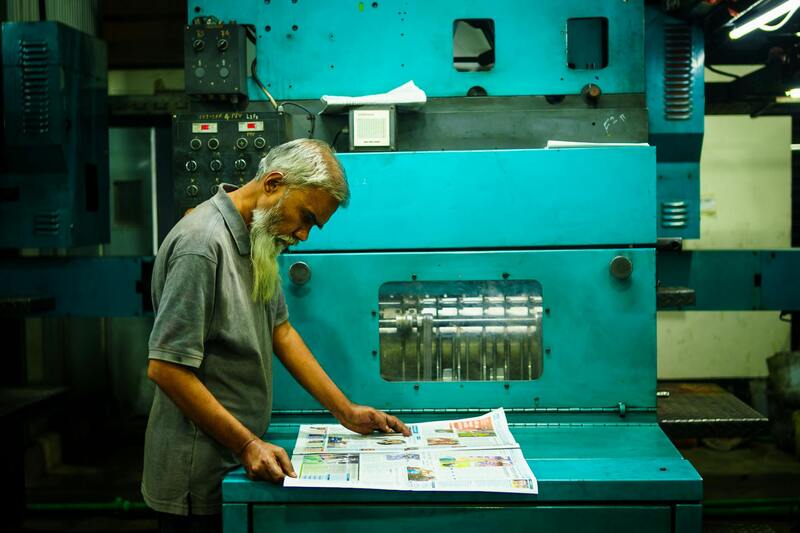
When selecting the size for large photo prints, common dimensions range from modest posters of 24x36 inches to monumental pieces exceeding 60 inches in width. Some of the most sought-after sizes include 24x36 inches, 36x48 inches, and 48x72 inches, offering a balance between visual impact and manageable handling. For more expansive displays, dimensions such as 60x120 inches can be customized, catering to specific interior or outdoor spaces. It is essential to choose a size that complements the viewing environment, ensuring that the details of the image are preserved without overwhelming the space.
Material and Surface Choices
The material on which the image is printed significantly influences both the appearance and longevity of large photo prints. Options such as glossy, matte, acrylic, metal, and canvas each provide unique textures and visual effects. Glossy surfaces enhance color vibrancy and sharpness, making images stand out with a striking sheen. Matte finishes, on the other hand, offer reduced glare and reflections, providing a more subdued, professional look suitable for ambient lighting conditions. Acrylic and metal prints are renowned for their durability and modern aesthetic, with surfaces that resist scratches and fading, making them suitable for outdoor installation or high-traffic areas. Canvas prints lend a fine art appeal, offering a textured surface that adds depth and character to photographic or artistic images.
Environmental resilience is a critical consideration, especially for outdoor displays. Metal and acrylic prints often include UV-resistant coatings that help prevent fading caused by sunlight. Conversely, paper-based options like canvas or Fine Art papers may require protective framing and cautious handling to shield against environmental damage. Maintenance and cleaning also vary based on material; glossy and acrylic surfaces are typically wipeable, whereas matte finishes and canvas may need gentle dusting or specialized cleaning solutions to maintain their appearance over time.
Printing Technologies and Quality
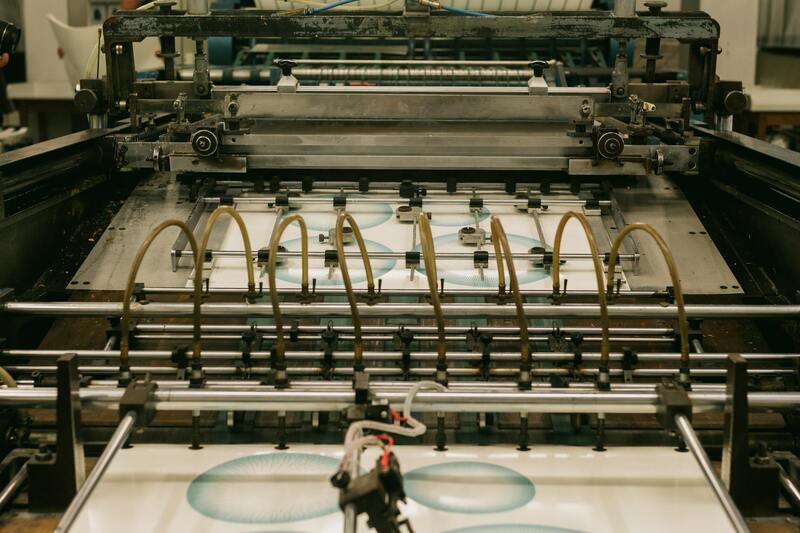
Achieving high-quality large photo prints hinges on utilizing advanced printing technologies. Inkjet printing remains the gold standard for capturing fine details, vibrant colors, and smooth gradations, especially when coupled with archival inks designed to resist fading over decades. Wide-format inkjet printers can produce prints up to 60 inches wide and longer, ensuring flexibility in size customization. Similarly, laser printing techniques are sometimes employed for specific applications requiring consistent color and rapid production.
To ensure optimal clarity and color accuracy, experts recommend supplying high-resolution digital files — generally, a resolution of at least 150 to 300 DPI at the final print size. Lower-resolution images tend to result in pixelation or loss of detail when enlarged substantially. Color calibration of monitors and print proofs during the production process helps maintain faithful reproductions of the original image. The choice of inks, paper, and printer calibration collectively ensures that the finished large photo print exhibits sharp detail, accurate colors, and resistance to environmental damage over time.
Material and Surface Choices for Large Photo Prints
When selecting materials for large photo prints, the surface and texture play a significant role in achieving the desired aesthetic and durability. Each material has unique characteristics that influence how the image appears and how well it holds up over time.
- Paper Types: Glossy, lustre, matte, and fine art papers are common options. Glossy finishes enhance vibrancy and sharpness but can reflect light, making them ideal for indoor display. Lustre surfaces strike a balance between gloss and matte, reducing glare while maintaining vivid colors. Matte papers offer a sophisticated look with reduced fingerprints and reflections, suitable for professional or gallery-style displays. Fine art papers, often textured and acid-free, are perfect for archival-quality prints intended for long-term display.
- Acrylic and Plexiglas: These materials add depth and a contemporary look, with the ability to magnify colors due to their transparent surfaces. They are often used in modern art installations or high-end decor.
- Metal Prints: Aluminum or other metal surfaces provide durability and a sleek, modern appearance. Metal prints are resistant to moisture and scratching, making them suitable for high-traffic environments or outdoor use.
- Canvas: Canvas surfaces offer a textured, painterly finish that can evoke fine art quality. They are typically stretched over a frame and are excellent for large, impactful photographs that benefit from a classic presentation style.

Choosing the Right Printing Technologies
Ensuring high quality in large photo printing involves deploying advanced printing techniques. Inkjet technology is predominantly favored due to its ability to produce fine detail, expansive color range, and smooth gradations. Modern wide-format inkjet printers, capable of printing up to 60 inches in width and beyond, are equipped with archival inks designed to resist fading, ensuring the longevity of the prints. These printers use multiple cartridges with different color and black inks to achieve accurate color blending and seamless tonal transitions.
For applications demanding rapid turnaround and consistent color matching, laser printing methods are occasionally utilized. However, for high-resolution art reproductions or photographs, inkjet remains the preferred choice due to its superior detail and color fidelity.
To maximize the visual quality of large photo prints, high-resolution digital files are essential. Files should ideally be prepared at resolutions between 150 to 300 DPI at the final print size. Lower-resolution images often result in pixelation or diminished detail when scaled up significantly. Proper monitor calibration and proofing processes further ensure that the printed output accurately reflects the intended colors and nuances of the original image. Consideration of the ink, paper type, and printer calibration collectively contributes to a finished product exhibiting sharpness, vibrant colors, and environmental resistance.
Understanding Large Photo Prints
Creating large photo prints involves a careful balance of digital file quality, material selection, and printing technology. These prints are designed to serve as statement pieces, transforming personal photographs or artwork into captivating displays. Achieving exceptional results begins with ensuring that the digital images used are of sufficiently high resolution; ideally, files should be prepared at a minimum of 150 DPI at the intended print size to retain sharpness and detail.
Beyond resolution, the intricacies of color fidelity and tonal accuracy are paramount. The best large photo prints leverage advanced color management techniques, involving calibrated monitors and color profiles, to produce prints that closely match the original image. Such precision guarantees that every hue and shade is faithfully represented, especially in gallery-quality applications or commercial displays.
Material choice also plays a crucial role in the durability and visual impact of large photo prints. The surface finish selected—be it matte, gloss, or lustre—enhances certain aesthetic qualities while also offering different levels of resistance to glare, fingerprints, and environmental factors. Moreover, the type of paper or substrate, such as archival photographic paper or canvas, influences the longevity and tactile feel of the final product, making material selection an essential step tailored to the intended display environment and purpose.
The combination of high-quality digital images, appropriate materials, and meticulous calibration yields large photo prints that remain vibrant and sharp over time. This process is further supported by the use of sophisticated printing technologies, such as wide-format inkjet printers equipped with archival inks, which are capable of reproducing intricate details and expansive color ranges with exceptional fidelity.
In the realm of production, the precision of output is also influenced by the printer's capabilities. Modern large-format printers can produce widths of 60 inches and beyond, enabling the creation of various sizes without compromising image integrity. To obtain the best results, it is critical to work with printers and providers that employ state-of-the-art equipment with expertise in handling fine art and photographic reproductions. This ensures that performance parameters like color accuracy, sharpness, and environmental resistance meet professional standards.
Understanding these core principles, from digital file requirements to material and printing technology, provides a comprehensive foundation for producing large photo prints that are both visually stunning and built to last. Whether for personal decoration, gallery exhibitions, or commercial displays, attention to each element in the production process is key to achieving outstanding results that meet professional expectations.
Understanding Large Photo Prints
Large photo prints serve as striking visual statements that can transform any space, whether for personal home decor, artistic display, or commercial promotion. Achieving high-quality results requires a thorough understanding of the essential components involved in the production process. From digital file preparation to material selection, each step plays a significant role in the final output. Digital files intended for large-format printing must possess high resolution, typically 300 DPI or higher, to ensure the enlarged image maintains clarity and detail. Properly tuned color profiles and calibrated screens aid in minimizing color discrepancies, resulting in prints that accurately represent the original image. The printing process itself relies on sophisticated technology, such as wide-format printers capable of accommodating various surfaces and sizes, and ink systems that resist environmental factors over time. By adhering to these principles, one can guarantee that the large photo prints produced are vibrant, sharp, and durable.

Popular Sizes and Dimensions
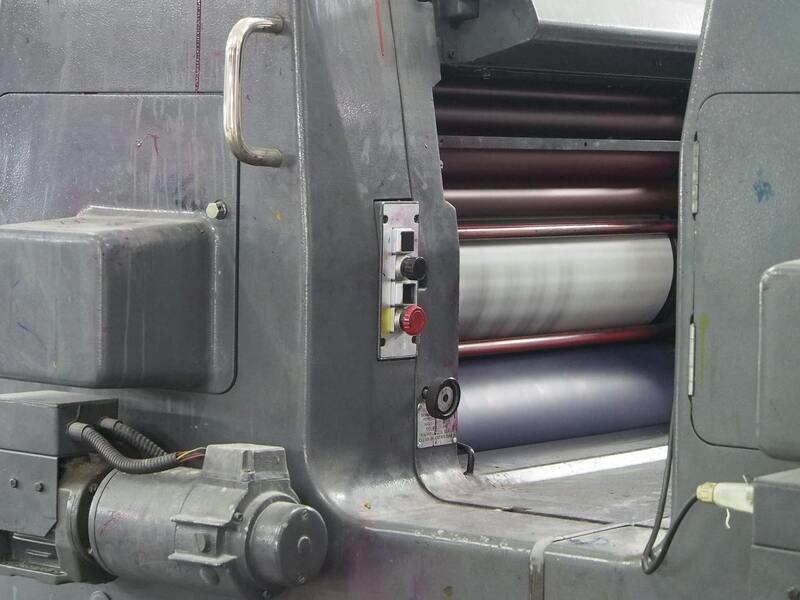
When selecting dimensions for large photo prints, it is important to consider both the intended display environment and the viewing distance. Common sizes range from 16x20 inches for smaller wall accents to expansive formats like 60x120 inches, ideal for gallery displays or impactful commercial signage. Some popular dimensions include 24x36 inches, 36x48 inches, and 48x72 inches, which strike a balance between visual impact and practicality. For custom projects, sizes can be tailored precisely to fit specific spaces, allowing for maximum flexibility. It is crucial to work with a printing provider that offers precise measurement options and suggestions based on the wall space or intended use. Proper sizing will not only enhance aesthetic appeal but also facilitate easier framing and mounting options, ultimately optimizing the visual experience.
Material and Surface Choices
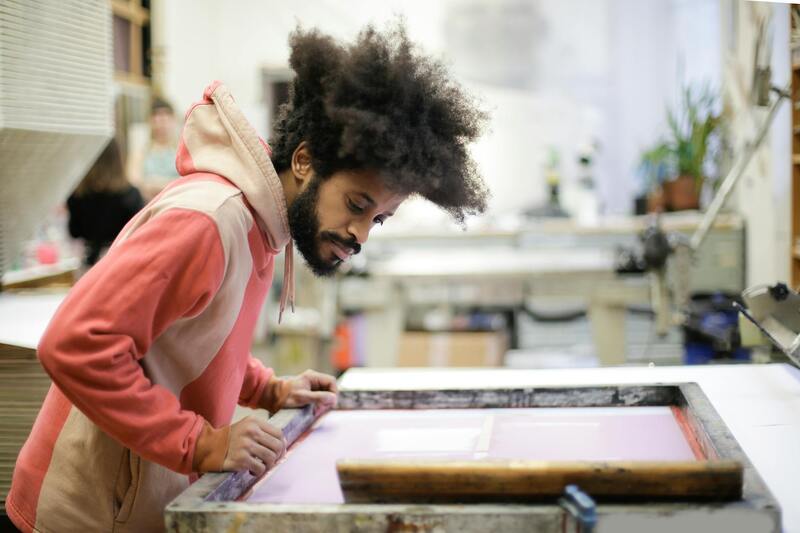
The selection of material and surface finish significantly affects the appearance, durability, and application of large photo prints. Common materials include photo papers, canvas, vinyl, and specialty substrates like acrylic or metal panels. Photographic paper options such as lustre and gloss produce vibrant colors and sharp details, suitable for indoor displays. Canvas offers a textured, gallery-quality aesthetic that is often preferred for fine art reproduction and personal decor. Vinyl surfaces are durable and weather-resistant, making them ideal for outdoor signage or high-traffic environments. Specialty materials like acrylic and metal lend a modern, sleek look, with exceptional resistance to elements and UV fading. Surface finishes—such as matte, gloss, or satin—also influence the final aesthetic, with matte reducing glare, gloss enhancing vibrancy, and satin providing a balanced appearance. Tailoring material choices to the specific application ensures both aesthetic appeal and longevity of the print.
Printing Technologies and Quality
High-quality large photo prints are predominantly produced using advanced printing technologies such as wide-format inkjet printers. These devices utilize multiple ink channels, often including light cyan, light magenta, and archival black, to produce a broad color spectrum and nuanced tonal gradations. Archival inks with high resistance to fading ensure that prints retain their vibrancy over time, regardless of exposure to light and environmental conditions. The choice of printing technology influences resolution, color accuracy, and sharpness, with modern units capable of printing at resolutions exceeding 1200 DPI. Calibration and maintenance of printers are critical to achieving consistent results, as even minor deviations can affect color fidelity. The use of high-grade archival papers or substrates enhances durability, ensuring that large photo prints remain pristine through years of display. When selecting a service provider, confirming their use of state-of-the-art equipment and quality assurance processes guarantees professional-grade results that meet demanding standards.

Design Tips for Large Photo Prints
Designing for large-format printing involves considerations that go beyond conventional digital images. High-resolution files are imperative; images should be captured or created with sufficient pixels to prevent pixelation when enlarged. Composition-wise, simplicity and clarity work best, especially for expansive displays; overly complex designs may become confusing at larger scales. Using bold elements, clean lines, and high contrast can improve visual impact. Color adjustments and proofing are essential steps to ensure that the printed output reflects the intended hues. It is beneficial to work with a professional print shop that offers proofing services or digital previews, allowing for adjustments before final production. Margins and bleed areas should be incorporated into the design to facilitate clean edges and prevent cropping issues. Overall, a well-considered layout, color harmony, and attention to detail transform an ordinary image into a striking large-scale piece.
Pricing and Turnaround Time
The cost of producing large photo prints varies based on size, material, surface finish, and quantity. Generally, larger dimensions and premium materials command higher prices, but the investment ensures superior durability and aesthetic quality. Volume discounts may apply for bulk orders, making it feasible for large commercial projects or multiple-piece exhibitions. Turnaround times depend on the complexity of the project, chosen materials, and the printer's workload. Standard production for typical sizes might range from 24 to 72 hours, while custom specifications or specialty materials could extend this window. Transparent communication with the printing provider can help set realistic expectations, and many services offer expedited options to meet tight deadlines. Proper planning and early consultation are key to balancing quality, timeline, and budget effectively.
Choosing a Printing Service
Selecting the right printing provider is crucial for achieving the desired quality and service experience. Look for companies with a proven track record in handling large-format and high-resolution photographic prints. Evaluating their portfolio and client testimonials provides insights into their capabilities and consistency. Advanced equipment, such as wide-format printers with archival inks and calibrated color management systems, indicates readiness to deliver professional-grade results. Moreover, attention to customer support, file preparation guidance, and flexible options for materials and sizes are beneficial features. Pricing transparency and clear communication about turnaround times and delivery methods further streamline the process. Partnering with a reputable service ensures that each phase—from digital file submission to final delivery—is managed with precision, resulting in prints that truly meet your expectations.