Large Format Photo Printing: Techniques, Materials, And Applications
Understanding Large Format Photo Printing: Types, Materials, and Applications
Large format photo printing stands as a cornerstone in various visual communication and artistic endeavors. This specialized form of printing enables the production of oversized images that maintain excellent clarity, vivid colors, and intricate details, making them suitable for exhibitions, advertising, interior decoration, and personal projects. To achieve optimal results, understanding the different types of large format prints, the materials used, and their respective applications is essential for anyone seeking professional-grade output.
Types of Large Format Prints and Materials
Large format printing comes in several formats, each tailored to specific uses and aesthetics. Common types include:
- Posters: Widely used for advertising or promotions, designed for quick visual impact.
- Banners: Durable and eye-catching, often used in outdoor events and trade shows.
- Mural Prints: Covering entire walls, ideal for interior decoration and branding.
- Art Prints: Reproductions of artwork or photography with high fidelity and color accuracy.
Material selection plays a crucial role in the durability, appearance, and practicality of large format prints. Common materials include:
- Canvas: Offers a textured, artistic feel suitable for fine art reproductions.
- Vinyl: Known for its weather-resistant properties, perfect for outdoor banners and signage.
- Acrylic: Provides a sleek, modern look with vibrant color reproduction and light transmission.
- Metal: Often used for contemporary signage and art pieces, offering durability and a metallic sheen.
Choosing the Appropriate Material for Your Project
Selecting the right material depends on the intended use, environmental conditions, and aesthetic preferences. For example, canvas is favored for gallery-quality art reproductions due to its textured appeal. Vinyl is preferred for outdoor banners because of its robustness and weather resistance. Acrylic surfaces serve well in applications requiring high visual impact, while metal prints are chosen for their modern look and longevity.
Advances in Large Format Photo Printing Technologies
Modern large format printing involves advanced inkjet technologies capable of producing precise color gradations and sharp details on various substrates. These printers employ multiple color inks to replicate the original photograph with exceptional accuracy, ensuring that the final product matches artistic or branding expectations. Professional printers also incorporate various finishing options, such as lamination and mounting, to enhance durability and presentation quality.
Types of Large Format Prints and Materials
Large format photo printing encompasses a variety of materials and substrates, each tailored to specific display environments and aesthetic requirements. Selecting the appropriate substrate is fundamental to achieving the desired visual impact and ensuring sustained durability in different settings.
Common Materials Used in Large Format Photo Printing
- Canvas: Favored for fine art reproductions and gallery displays, canvas offers a textured surface that mimics traditional painting and provides a sophisticated, high-quality appearance. It is typically stretched over a frame and can be finished with UV coating for added protection against fading.
- Vinyl: A versatile, weather-resistant material ideal for outdoor signage, banners, and promotional displays. Vinyl's durability makes it suitable for installation in environments exposed to sunlight, rain, or wind, maintaining vibrant colors over extended periods.
- Acrylic: Known for its clarity and high-gloss finish, acrylic provides exceptional visual impact. It is often used for modern art displays, corporate portraits, or high-end signage, especially when backlighting or sleek presentation is desired.
- Metal: Metal prints, typically made from aluminum or coated steel, deliver a contemporary look with a metallic sheen and high durability. These are ideal for corporate branding, artwork, and images requiring a long-lasting material that withstands environmental stress.
Choosing the Appropriate Material
Deciding on the right material involves assessing several critical factors:
- Intended Placement: Indoor displays could benefit from canvas or acrylic for aesthetic appeal, whereas outdoor signage demands weather-resistant options like vinyl or metal.
- Environmental Conditions: Consider exposure to sunlight, humidity, or impact to select a substrate that endures those conditions without deterioration.
- Visual Objectives: The textured look of canvas can bring an artistic warmth, while acrylic's glossy finish emphasizes vibrant colors and sharp details. Metal surfaces lend a modern, minimalistic aesthetic that complements contemporary spaces.
Advanced Printing Techniques and Finishes
Modern large format printing relies on sophisticated inkjet technologies capable of integrating multiple colors and producing nuanced gradients. This precision allows photos to retain their richness and sharpness at large scales. Finishing options such as lamination, mounting, and framing further enhance the visual impact and protection of the prints.

These advanced printing methods, combined with high-quality materials, ensure that each large format photo vividly reproduces the original image with clarity and durability. It is essential to work with a professional printing provider equipped with state-of-the-art equipment and a skilled team to achieve optimal results and long-lasting displays.
Materials and Surfaces Used in Large Format Photo Printing
Choosing the appropriate material for large format photo printing plays a crucial role in achieving desired visual effects, durability, and the suitability of the display environment. The array of substrates available allows for customization based on aesthetic preferences and functional requirements, catering to both indoor and outdoor applications.

Among the most common materials used are:
- Canvas: Offers a textured, artistic look that mimics traditional painting surfaces. Ideal for gallery-style displays, canvas prints can be stretched or framed for a premium presentation. They are great for indoor environments where a warm, classic ambiance is desired.
- Vinyl: Highly versatile and cost-effective, vinyl is suitable for both indoor and outdoor applications. It is weather-resistant, making it a popular choice for banners, murals, and promotional signage that require longevity under varied environmental conditions.
- Acrylic: Known for its high-gloss finish and clarity, acrylic brings vibrant color reproduction and sharp image detail. Its sleek, modern appearance makes it an excellent choice for displays where visual impact and sophistication are priorities, such as interior decor or exhibit panels.
- Metal: Metal substrates like aluminum or aluminum composite panels deliver a contemporary aesthetic with durability that withstands outdoor elements. Metal prints are resistant to fading, moisture, and impacts, making them suitable for high-traffic public spaces or outdoor installations.
Each material offers specific advantages, and the selection process should consider factors such as environmental exposure, desired visual texture, and budget constraints. Modern printing techniques enable high-resolution, consistent color reproduction across these diverse surfaces, ensuring each large format photo maintains its integrity regardless of the medium chosen.
Beyond material choice, surface finishing options such as matte, gloss, or satin coatings can further customize the final appearance, enhance durability, and protect against environmental factors or handling damage. Proper surface finishing not only prolongs the lifespan of the print but also accentuates certain visual qualities, whether that be a rich sheen or a subdued, glare-free surface.

Engaging with a professional printing provider ensures access to high-end equipment capable of handling a variety of substrates with precision. Skilled technicians optimize ink application and print settings to deliver vibrant, detailed images that faithfully reproduce the original photograph at large scale. This precision is vital for achieving a seamless, high-quality display, whether it is for art exhibitions, corporate branding, or large-scale advertising campaigns.
In addition to selecting the right material and finish, consideration should be given to the mounting and framing options that complement the substrate. The overall presentation and stability of the large format print depend on supporting structures that can accommodate the material's weight and dimensional characteristics without compromising the visual impact.
Materials and Surfaces Used in Large Format Printing
Choosing the appropriate material for large format photo printing is crucial to achieving high-quality and durable results. The selection depends on the intended display environment, desired aesthetic, and longevity requirements. Among the most common substrates used are photographic papers, canvas, vinyl, and specialized display materials, each offering unique qualities that can enhance different types of images.
Photographic papers are favored for fine art and photographic reproductions, providing a smooth surface that delivers exceptional detail, color accuracy, and contrast. These papers typically come with matte, gloss, or satin finishes, allowing customization based on the visual effect and environmental considerations. Canvas is a popular choice for gallery displays and artistic representations, offering a textured surface that lends a tactile quality to the print. Its durability and classic aesthetic make it suitable for both indoor and outdoor displays when properly coated and mounted.

Vinyl remains a versatile option, especially for banners, posters, and signage that require weather resistance and durability. Its flexibility allows for installation on various surfaces, including curved structures. Additionally, specialty materials such as acrylic and metal panels are often chosen for high-end displays or premium photographic reproductions, offering sleek, modern aesthetics with vibrant color output and excellent longevity.
Surface Finishing and Coatings
Surface finishes are an integral part of large format photo printing, influencing both the appearance and preservation of the print. Matte finishes help reduce glare and fingerprint visibility, making them ideal for viewing in well-lit environments or public spaces. Gloss finishes, on the other hand, accentuate color vibrancy and sharpness, enhancing the visual impact of photographic images but may be more prone to reflections. Satin finishes provide a balanced sheen, combining some benefits of both matte and gloss surfaces.
Protective coatings, such as UV lamination or spray, further extend the lifespan of large prints by shielding against environmental factors like UV rays, moisture, and physical handling. These coatings also facilitate cleaning and maintenance, ensuring that artwork or signage retains its clarity over time.
Considerations for Material Selection
- Environmental conditions: Outdoor displays require weatherproof and UV-resistant substrates.
- Image detail and color fidelity: Fine art prints benefit from high-quality photographic papers and canvas with lightfast inks.
- Application type: Banners and signage prioritize flexibility and durability, favoring vinyl or mesh materials.
- Display surface and mounting: The weight and rigidity of materials influence framing and installation choices.
Working with a reputable large format printing service ensures access to a broad range of authentic materials suited for various specifications. Skilled technicians can advise on substrate compatibility, finishing options, and effective mounting techniques, resulting in a professional and impactful presentation of large format photos.
Types of Large Format Prints and Materials
Large format photo printing encompasses a diverse array of print types and materials, each tailored for specific display needs, durability requirements, and aesthetic preferences. Understanding the different types and their corresponding materials is essential for achieving optimal results in your visual presentation.
Common Types of Large Format Prints
- Posters: Widely used for promotional displays, events, and exhibitions, posters are often printed on lightweight paper or fine art substrates, allowing for vibrant color reproduction and high-resolution imagery.
- Barriers and Banners: Designed for outdoor and trade show settings, these are typically produced using flexible vinyl or mesh materials that resist tearing and withstand environmental conditions.
- Photographic Prints on Canvas: Canvas surfaces are popular for fine art photography, offering a textured appearance that mimics traditional art paintings, enhancing the visual depth of the image.
- Metal and Acrylic Prints: For a modern, sleek look, images printed on metal or acrylic surfaces deliver high gloss, vivid colors, and durability, suitable for both indoor displays and outdoor environments.
- Wall Murals and Vinyl Wall Coverings: Large-scale murals printed on self-adhesive vinyl or fabric materials are ideal for transforming interior spaces with compelling visual stories.
Materials Used in Large Format Printing
Selection of the appropriate material significantly influences the longevity, appearance, and installation of large format photographs. Below are key materials frequently used:
- Photographic Paper: Offers high-resolution reproduction with exceptional color fidelity, mainly used for fine art and photographic exhibitions.
- Canvas: Provides a textured surface that enhances artistic presentation and is suitable for framing or gallery displays.
- Vinyl and Mesh: Durable, weather-resistant materials ideal for outdoor signage, banners, and backdrops.
- Acrylic: Provides a glossy, vibrant finish with excellent depth and clarity, perfect for modern decor and corporate branding.
- Metal (Aluminum, Dibond): Known for strength and durability, metallic surfaces are often chosen for their sleek, contemporary aesthetic and resistance to environmental elements.
- Fabric: Used primarily for murals and large fabric banners, offering flexibility and ease of transportation.
Each material comes with specific considerations regarding environment, longevity, and visual effect, which should be carefully matched to the intended application. Working with a reputable large format printing provider ensures access to authentic, high-quality materials and expert guidance on the most suitable options for your project.
Types of Large Format Prints and Materials
In the realm of large format photo printing, the selection of print types and materials plays a critical role in achieving the desired visual impact and durability. The variety of substrates available allows for customization tailored to specific applications, environments, and aesthetic preferences. Each material brings its unique qualities, offering a spectrum of options for both indoor and outdoor displays.

Common Materials and Their Characteristics
- Photographic Paper: Designed for high-resolution reproduction with rich color fidelity, this material is ideal for gallery displays, fine art exhibitions, and photographic portfolios. It provides an elegant finish with a smooth surface that highlights detailed imagery.
- Canvas: Known for its textured surface reminiscent of traditional art canvases, this material lends a timeless aesthetic suitable for artistic presentations and framing. Its durability makes it suitable for both indoor and certain outdoor environments when properly coated.
- Vinyl: A versatile, weather-resistant material that is highly adaptable for large banners, signs, and outdoor advertising. Its flexibility allows for installation on varied surfaces, making it a practical choice for dynamic signage needs.
- Acrylic: With its glossy finish and exceptional clarity, acrylic provides vibrant, vivid presentation quality. It adds depth to photographic images, making it a popular choice for modern decor, corporate branding, and high-end displays.
- Metal (Aluminum, Dibond): Metallic surfaces are favored for their sleek, contemporary look and robustness. They resist environmental factors such as moisture and UV rays, making them suitable for outdoor applications or installations requiring increased durability.
- Fabric: Used mainly for murals and large fabric banners, this material offers flexibility, lightweight handling, and ease of transport. Its matte finish reduces glare and is suitable for indoor environments.
Factors Influencing Material Choice
When selecting materials, considerations include the intended environment (indoor or outdoor), longevity requirements, aesthetic goals, and installation method. For example, a high-resolution fine art photographic print demands a material like giclee paper or canvas to showcase intricate details, while outdoor banners benefit from weather-resistant vinyl or metal surfaces.
Ensuring Quality and Authenticity
Working with reputable printing providers guarantees access to authentic, high-grade materials. These specialists can guide clients through options that optimize visual effects, durability, and cost-effectiveness, ensuring each large format print aligns perfectly with project specifications.

Choosing the appropriate material involves balancing visual impact, environmental considerations, and long-term maintenance. An expert in large format printing can assess specific project needs and recommend the most suitable options, ensuring impressive and lasting results for every display.
Types of Large Format Prints and Materials
Large format photo printing encompasses a diverse range of printing types and materials, each suited to specific applications and visual effects. Selecting the appropriate type and surface is vital in achieving desired aesthetic qualities while ensuring durability and compatibility with installation environments.
Common Types of Large Format Prints
- Giclée Prints: Known for high-resolution quality, giclée prints use archival-grade inks and papers to produce fine art reproductions with exceptional detail and color fidelity.
- UV-Printed Photos: These utilize ultraviolet light to cure inks instantly on rigid substrates, making them ideal for vibrant, weather-resistant outdoor applications.
- Vinyl Banners: Flexible, lightweight, and weatherproof, vinyl banners are a popular choice for promotional displays and event backdrops.
- Metal Prints: Offering a sleek, modern look, metal prints deliver vibrant colors with enhanced durability, suitable for both indoor and outdoor environments.
- Acrylic Prints: Known for their high gloss finish and depth of color, acrylic prints provide a contemporary aesthetic, often used in galleries and high-end displays.
- Fabric Prints: Typically used for murals, banners, and soft signage, fabric prints provide flexibility, reduced glare, and ease of transport, especially suitable for indoor installations.
Materials and Surfaces Used in Large Format Printing
Choosing the right material significantly impacts the visual outcome and lifespan of the print. Each surface offers unique textures, finishes, and environmental resistances:
- Photo Paper: High-quality, smooth surface ensures fine detail and color accuracy, suitable for art reproduction and framing.
- Vinyl: Waterproof and resilient, vinyl is a versatile substrate for outdoor banners, vehicle wraps, and signage.
- Canvas: With a textured surface mimicking traditional art canvas, it enhances the artistic appeal for gallery-quality displays.
- Aluminum and Metal Panels: Durable with a modern aesthetic, ideal for high-traffic or outdoor environments requiring weather resistance.
- Acrylic: Provides a reflective, glossy finish that accentuates vibrant images, often used for decorative and commercial purposes.
- Fabric: Lightweight and flexible, fabrics are preferred for soft signage, murals, and large installations requiring a smooth, matte finish to reduce glare.

When selecting materials, attention must be paid to environmental exposure, installation method, and longevity requirements. Weather-resistant options like vinyl and aluminum are preferred for outdoor applications, while fine art prints or gallery displays benefit from high-quality papers or canvas surfaces. Professional printers often collaborate with clients to identify the material that best aligns with their project goals, balancing aesthetic impact with expected lifespan.
Utilizing authentic, high-grade materials ensures that the final output maintains its visual integrity over time and withstands environmental factors effectively. Professional printing experts can also provide samples to evaluate surface textures and finishes, helping clients make informed decisions that result in impressive, durable large format prints.
Materials and Surfaces Used in Large Format Printing
Choosing the appropriate material for large format photo printing is critical to achieving the desired visual impact, durability, and functionality. The selection depends on the intended environment, installation method, and longevity expectations. A variety of substrates are available, each offering unique qualities suitable for specific applications.
Common Materials Utilized in Large Format Printing
- Vinyl Materials: Flexible and weather-resistant, vinyl banners and decals are ideal for outdoor advertising, event displays, and temporary signage. They are highly durable, waterproof, and capable of withstanding environmental elements.
- Canvas and Fine Art Paper: For gallery-quality, fine art reproductions, high-grade canvas or textured art papers are preferred. These materials provide a painterly feel and are excellent for indoor displays where color accuracy and surface quality are paramount.
- Aluminum and Metal Panels: Offering a sleek, modern aesthetic, metal substrates are favored for contemporary signage, murals, and industrial displays. Their robustness ensures longevity, particularly in high-traffic or outdoor settings.
- Acrylic Surfaces: Known for their glossy, reflective surface, acrylic prints amplify vibrancy and contrast. They are often used for decorative installations, retail displays, or personalized art pieces that require striking visual impact.
- Fabric and Textile Materials: Lightweight fabrics such as tensioned banners or soft signage are suitable for large interior or exterior displays. They can be printed with matte or semi-gloss finishes to minimize glare and enhance viewing comfort.
Factors Influencing Material Selection
Environmental exposure is a key consideration—materials need to withstand moisture, UV rays, and temperature fluctuations depending on their placement outdoors or indoors. Installation methods also influence choice; for example, adhesive-backed vinyl simplifies mounting, while rigid panels may require specialized fixtures.

It's essential to collaborate with experienced printing service providers to evaluate these factors and select the right surface for each project. Selecting high-quality, appropriate materials ensures that the final image maintains its visual integrity and withstands environmental stresses over time, creating a professional and lasting impression for any space.
Understanding Materials and Surfaces for Large Format Photo Printing
Choosing the appropriate material is a fundamental step in large format photo printing. The selection depends on the intended application and environment where the print will be displayed. Materials such as high-quality vinyl, laminated papers, canvas, metal, acrylic, and fabric each offer unique visual and physical characteristics that can enhance the final presentation of photographic images.
Vinyl is a versatile option favored for its durability, flexibility, and ease of mounting. It is commonly used for banners, outdoor signage, and promotional displays that require resilience against weathering. Canvas prints provide a textured surface that mimics traditional art, making them ideal for gallery displays and fine art reproductions. Metal and acrylic surfaces, known for their sleek appearance and high visual impact, are often chosen for modern interiors and gallery settings, offering crisp detail and vibrant color reproduction.
Environmental and Installation Considerations
When selecting materials, it’s essential to consider environmental factors such as UV exposure, moisture, temperature fluctuations, and potential physical contact. Outdoor signage and murals require weather-resistant and UV-stable materials like laminated vinyl or specially coated metals to prevent fading and deterioration. Indoor applications might prioritize aesthetic elements such as matte or semi-gloss finishes, which reduce glare and enhance color depth.
Additionally, understanding the surface characteristics impacts the choice of installation methods. Rigid materials like acrylic or aluminum panels often necessitate specialized mounting hardware, while flexible materials like vinyl can be adhered with adhesives or simple framing systems. Proper preparation and environmental evaluation ensure longevity and maintain the visual integrity of large scale photographs over time.
Ensuring the Best Results in Material Selection
Engaging with experienced printing providers ensures that the right surface and material are chosen based on specific project requirements. Dialogue about environmental exposure, expected wear and tear, and aesthetic goals helps tailor the material choice to optimize visual impact and durability. High-quality substrates, combined with expert craftsmanship, result in professional-grade outputs that stand the test of time and communicate your creative vision effectively.
Ultimately, the meticulous selection of printing surfaces and materials elevates the presentation of large format photographs, creating compelling visual experiences that resonate with viewers and uphold the integrity of the displayed imagery.
Types of Large Format Prints and Materials
Large format photo printing encompasses a diverse array of print types, each suited for specific applications and aesthetic preferences. Selecting the appropriate material is essential for achieving optimal visual impact and durability. Commonly used substrates include vinyl, fabric, rigid boards, metal, and acrylic, each offering unique benefits. Vinyl is favored for its flexibility and weather resistance, making it ideal for outdoor signage and banners. Fabric media, such as canvas or polyester, provides a textured, high-quality appearance suited for fine art reproductions or interior decor.
Rigid substrates like aluminum composite, acrylic, or foam core panels are preferred for high-end displays, mounting photos behind acrylic for a sleek, glossy finish, or using metal for durability and a contemporary aesthetic. These materials are especially effective for gallery displays, trade show exhibits, or wall murals. When choosing materials, factors such as environmental exposure, installation method, and interior or exterior application must be considered.

High-quality printing substrates not only enhance the aesthetic appeal but also contribute significantly to the longevity of the print. For instance, UV-resistant and weather-proof materials are designed to withstand outdoor environments, protecting images from fading, water damage, and UV degradation over time. Indoor applications may prioritize finishes like matte or semi-gloss to control glare and enhance detail visibility. Furthermore, surface texture varies among materials—smooth surfaces facilitate sharp detail and vibrant colors, while textured surfaces lend a fine art or vintage appearance. Engaging with experienced print providers helps determine the most suitable material based on specific project goals, ensuring the print maintains its integrity during handling and exposure. Choosing the correct large format material balances aesthetic vision with practical considerations, providing a durable, visually stunning display that captures the intended imagery with clarity and impact.
Types of Large Format Prints and Materials
Large format photo printing involves various print types tailored to specific applications, which utilize distinct materials to optimize visual impact and durability. Understanding the different categories of prints and their corresponding substrates ensures selection aligns with project goals, environmental conditions, and aesthetic preferences.

Common Types of Large Format Prints
- Posters: versatile and cost-effective, suitable for indoor advertising, events, or exhibitions, typically printed on paper or fabric substrates.
- Banner Prints: designed for outdoor or trade show displays, utilizing weather-resistant materials like vinyl or mesh fabrics to withstand environmental elements.
- Wall Murals: large-scale images applied directly to walls, often printed on wallpaper or adhesive-backed vinyl for seamless installation.
- Backlit Displays: made with transparent or semi-transparent materials like acrylic or clear vinyl to create eye-catching illuminated visuals.
- Metal and Acrylic Prints: premium options that deliver a sleek, modern appearance with high durability, ideal for galleries and upscale environments.
Choosing the Appropriate Material
Selection hinges on factors such as environmental exposure, permanence, and aesthetic preference. Indoor applications often favor matte or semi-gloss finishes to reduce glare and ensure fine detail visibility. Conversely, outdoor displays require weatherproof, UV-resistant materials to combat fading, water damage, and UV degradation over time. Vinyl remains the most common choice for outdoor banners due to its robustness and flexibility, while fabric options are favored for their vibrant color reproduction and lightweight nature.
Material Types and Their Attributes
- Vinyl: water-resistant, durable, adaptable for both indoor and outdoor use, available in gloss, matte, or semi-gloss finishes.
- Fabric: offers vibrant color reproduction, wrinkle resistance, and a fine art feel, suitable for interior displays.
- Metal: provides high-end, scratch-resistant surfaces with a contemporary aesthetic, typically used for gallery-quality prints.
- Acrylic: smooth and glossy, ideal for high-impact displays and upscale décor.
- Backlit Materials: translucent options that enable light transmission, enhancing visual appeal when illuminated.
Design and Material Compatibility
When designing for large format photo printing, resolution and image dimensions must meet specific standards to avoid pixelation and ensure clarity. High-resolution files with at least 150-300 DPI at final print size are recommended for most large-scale applications. The choice of substrate influences design considerations, including color vibrancy and surface texture, which can dramatically affect the visual outcome.
Conclusion
Accurately matching the intended application with the appropriate material ensures the durability and aesthetic integrity of large format photo prints. Collaborating with experienced printing providers helps navigate material options, optimizing the final product’s visual impact and longevity for both interior and exterior environments.
Materials and Surfaces Used in Large Format Printing
Selecting the appropriate material is vital for achieving optimal results in large format photo printing. Different substrates serve specific purposes, offering unique textures, finishes, and durability levels that influence the overall aesthetic and lifespan of the final image. Among the most common options are vinyl, fabric, metal, acrylic, and backlit materials.
Vinyl
Vinyl remains a popular choice due to its water resistance and adaptability for both indoor and outdoor applications. Its durability makes it suitable for signage, banners, and event displays. Available in gloss, matte, or semi-gloss finishes, vinyl can enhance the vibrancy of high-resolution images, ensuring clarity and color accuracy over time.
Fabric
Fabric substrates provide a soft, fine art appearance with excellent color reproduction. They are highly resistant to wrinkles and are favored for indoor displays, art galleries, and exhibitions where aesthetic appeal is paramount. The texture of fabric lends a sophisticated look, complementing high-quality photographic reproductions.
Metal
For a modern and upscale presentation, metal surfaces such as aluminum are preferred. They offer scratch-resistant, high-gloss finishes that emphasize sharp image details and vibrant colors. Metal prints are often used for gallery displays and corporate accolades due to their sleek appearance and longevity.
Acrylic
With a smooth, glossy surface, acrylic enhances image vibrancy and depth. Its high-impact visual appeal makes it ideal for gallery-quality prints and upscale interior décor. Acrylic prints are also lightweight and can be mounted with various framing options to create a modern presentation.
Backlit Materials
Translucent substrates for backlit printing allow light to pass through, creating illuminated displays that attract attention in commercial or event settings. These materials are often utilized for signage, displays, and retail environments where visibility is critical.
Design Considerations and Color Vibrancy
The choice of material directly impacts color vibrancy, surface texture, and environmental durability. High-quality files optimized for large format printing should be provided to ensure sharpness and accurate color reproduction. Proper calibration of design software and adherence to resolution standards—typically between 150-300 DPI at the final output size—are essential for achieving crisp, detailed images without pixelation.
Texture and Finish Impact
Finish types such as gloss, matte, or semi-gloss influence the visual appeal and glare management of the print. Glossy finishes enhance color richness and depth, while matte options reduce reflections, making them suitable for viewing in well-lit environments. The surface texture can also subtly affect color accuracy and detail visibility, so selecting the right finish aligns with strategic display goals.
Environmental Resistance and Maintenance
Materials like vinyl and metal offer superior resistance to weather and UV exposure, extending the lifespan of outdoor displays. Indoor settings can benefit from fabric or acrylic options, which are easier to clean and maintain but may require protective coatings or lamination to preserve vibrancy over time.
Understanding these material properties ensures the durability and visual integrity of large format photo prints, facilitating a tailored solution suited to specific display environments and aesthetic preferences. Collaborating with experienced printing professionals helps optimize material choices for each unique project, ensuring high-quality results that meet both artistic and functional demands.
Types of Large Format Prints and Materials
Large format photo printing encompasses a variety of print types tailored to specific display environments and aesthetic preferences. These include photographic prints, fine art reproductions, and commercial signage, each utilizing different materials for optimal results. Commonly used media are vinyl, fabric, paper, acrylic, metal, and foam board, each offering unique benefits in terms of durability, appearance, and application.
Vinyl is highly versatile and weather-resistant, making it suitable for both indoor and outdoor displays. It can be printed with high-resolution images and finished with matte or gloss lamination to enhance visual impact or reduce glare. Fabric substrates are popular for indoor displays, notably for gallery settings or wall coverings, providing a textured, sophisticated look with excellent color absorption.
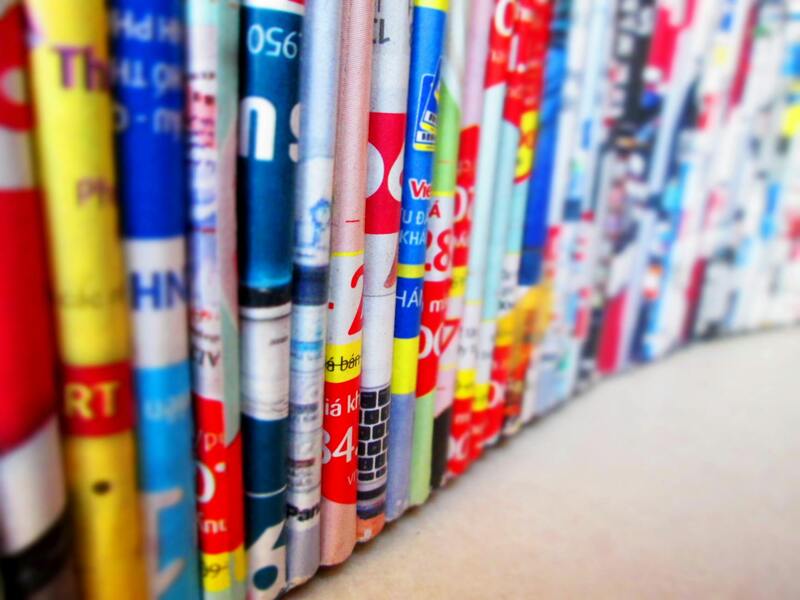
Acrylic and metal substrates are favored when a sleek, modern aesthetic is desired. Acrylic prints offer a luminous, vibrant appearance with excellent clarity and vibrant color reproduction, often used for high-end galleries or interior decor. Metal prints, typically aluminum, provide exceptional durability and a distinctive metallic sheen that enhances certain images, particularly those with bold colors and contrasts.
Foam board, with its lightweight yet sturdy profile, is often employed for temporary displays or exhibits, providing a clean and professional finish. Choosing the appropriate material hinges on the intended environment, expected lifespan, and aesthetic goals of the project.
Design Considerations and Resolution Requirements
Achieving exceptional quality in large format photo printing depends significantly on meticulous design preparation. High-resolution images are a cornerstone; for large prints, a resolution of 150 to 300 DPI at the final size is essential to retain clarity and detail. This means designing digital files at large sizes with ample pixel density to prevent pixelation when scaled up.
Furthermore, understanding how the material surface affects image appearance is critical. For instance, matte surfaces diffuse light and reduce glare, ideal for viewing in bright environments, while gloss finishes enhance color vibrancy but may produce reflections. Texture and finish influence final visual effects and should be selected to complement the image and display context.
Printing Technologies and Equipment
Multiple advanced printing technologies facilitate large format photo production, each with specific strengths. Inkjet printing remains the most prevalent, especially for high-quality photographic reproductions, employing aqueous or pigment-based inks that offer excellent color fidelity and longevity. Wide-format printers capable of handling materials up to several meters wide enable seamless, large-scale prints without visible joins.
UV flatbed printing is another technology that allows direct printing onto rigid surfaces such as acrylic or metal sheets, producing crisp images with durable coatings suitable for outdoor use. Latex printing combines vibrant color output with flexibility in material options, providing eco-friendly options with excellent adhesion and weather resistance.
Selecting a Printing Service
When choosing a service for large format photo printing, it is crucial to evaluate their equipment quality, experience with various materials, and portfolio of past projects. A reputable provider will offer consultation on material selection, design optimization, and finishing touches, including lamination and framing. Reviewing their process for color calibration and proofing ensures that the final product will meet visual expectations.
Design Considerations for Large Format Photos
For large prints, detailed planning of the design layout and color profile is vital. Ensuring proper color matching, understanding the viewing distance, and avoiding overly complex images at large scales help achieve sharp, visually appealing results. Files should be prepared in the correct color space, typically Adobe RGB or Adobe RGB, with sufficient resolution and consistent lighting on the monitor to simulate the final output's look.
Care, Maintenance, and Installation of Large Prints
Proper care extends the lifespan of large format prints. Regular dusting with soft, dry cloth, avoiding harsh cleaning agents, and minimizing exposure to direct sunlight prevent fading and damage. For mounted or framed pieces, secure installation with appropriate hardware ensures stability in various environments. Indoor displays benefit from UV coatings or lamination to preserve vibrancy, while outdoor installations require weather-resistant materials and protective finishes.
Types of Large Format Prints and Materials
When considering large format photo printing, understanding the various types of prints and the materials used is essential for achieving the desired visual impact and durability. Different printing techniques and materials are suited for specific applications, whether indoor art displays or outdoor signage. The selection of the right type influences not only the aesthetic quality but also the longevity and maintenance requirements of the final product.
Common Types of Large Format Prints
- Photo Prints: High-resolution reproductions of digital images, ideal for galleries, exhibitions, and large-scale murals.
- Poster Prints: Cost-effective and versatile, suitable for promotional events, advertisements, and events.
- Fine Art Prints: Archival-quality prints on specialized papers, emphasizing color accuracy and longevity for artwork reproduction.
- Canvas Prints: Prints stretched over frames, creating a textured, artistic appearance suitable for interior decor.
- Acrylic and Metal Prints: Modern, sleek finishes with vibrant colors, often used in high-end commercial or gallery settings.
- Banner and Canvas Vinyls: Durable and weather-resistant options for outdoor advertising and signage.
Materials and Surfaces Used in Large Format Printing
The choice of material significantly impacts the look, feel, and durability of large format photos. Common materials include:
- Gallery-Wrap Canvas: Fabric wrapped around wooden stretcher bars, providing a traditional and artistic presentation.
- Photo Paper: Specialist coated paper designed for high-quality photographic reproductions, available in various finishes like gloss, matte, or satin.
- Acrylic Sheets: Transparent or back-painted acrylic surfaces that amplify color vibrancy and add depth to images.
- Aluminum Panels: Lightweight yet sturdy, these surfaces resist weathering and are suitable for both indoor and outdoor use.
- Vinyl Films: Used for banners, wraps, or decals, offering flexibility and weather resistance.
Each material has specific handling and finishing processes, including lamination, framing, or mounting options, to enhance the appearance and lifespan of the print. The selection process should consider the intended environment, viewing distance, and aesthetic preferences to ensure optimal results.
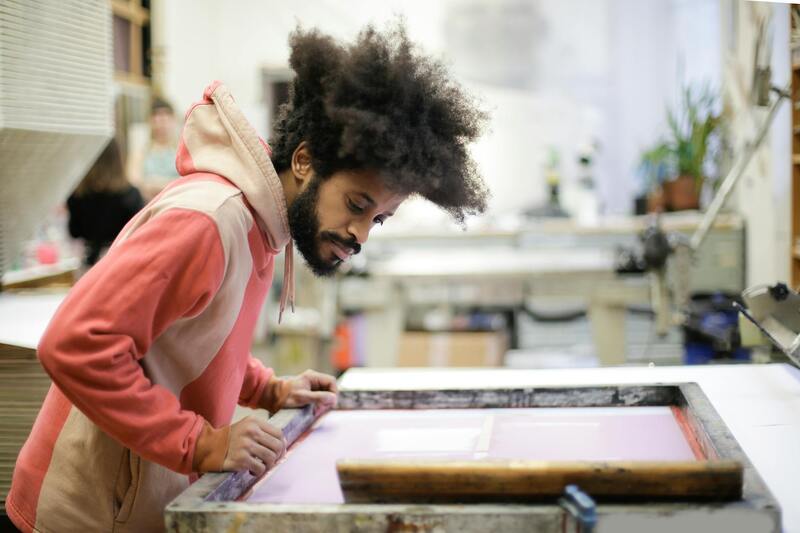
Understanding the Legitimacy and Certification of Large Format Photo Printing
Securing credible and officially recognized certification for large format photo printing is essential to ensure quality, consistency, and adherence to industry standards. These certifications serve as verification that the printing process, materials, and final products meet established benchmarks, providing confidence in the finished work. Reputable printing service providers, such as those operating through platforms like s7printing.com, often maintain certifications for their processes and materials, demonstrating their commitment to quality and compliance.
Official Certifications in Large Format Printing
Leading organizations and industry bodies provide certifications that validate the capabilities and standards of printing services. These include:
- ISO Certifications: International Organization for Standardization certifications, such as ISO 9001 for quality management, affirm that a printing provider adheres to rigorous quality control practices. Additionally, ISO 14001 indicates environmental management standards, emphasizing eco-friendly practices and sustainable material handling.
- Material Certifications: Reputable materials like archival-grade photo papers, acrylics, and metallic surfaces are often certified for their longevity and safety. For instance, certificates from manufacturers indicate that these materials are resistant to fading, UV damage, and chemical deterioration, ensuring durability over time.
- Environmental and Safety Certifications: Certifications such as GREENGUARD or OEKO-TEX confirm that inks, paints, and materials used are safe, environmentally friendly, and suitable for sensitive spaces, including public installations and galleries.
Verifying Credentials of a Printing Service
When selecting a large format printing provider, it's prudent to review their certifications and accreditations. Transparent providers often showcase their certifications on their websites, including s7printing.com, offering assurance about their adherence to industry standards. Additionally, clients can request documentation or certificates directly from the service provider, ensuring they work with companies that possess legitimate and recognized credentials.
Role of Industry Standards and Protocols
In addition to certifications, the industry relies on standardized protocols for color management, file preparation, and finishing processes. These standards ensure consistent color reproduction, precise image resolution, and proper handling of large-format media. Professional printers apply color profiles and calibration tools aligned with industry specifications to achieve accurate, vibrant, and true-to-original prints.