Guide To Oversize Photo Prints: Techniques, Materials, And Design Tips
Understanding Oversize Photo Prints
Oversize photo prints are a distinctive category of large-format prints that typically extend well beyond standard photo sizes. These expansive prints are designed to create a visual impact, offering a grandeur that transforms ordinary images into striking wall art or display pieces. Official industry standards for oversize photo prints often start at dimensions exceeding 24 inches in width or height, though many projects demand even larger formats such as 48 inches, 60 inches, or more. The broad scope of oversize prints makes them especially suitable for applications requiring significant visual presence, such as art installations, commercial advertising, or decorative ambiances in residential and corporate environments.
The popularity of oversize photo prints stems from their ability to captivate and engage viewers more effectively than smaller formats. Artistic creators leverage them to showcase intricate details, immersive landscapes, or large-scale portraits that evoke emotion and depth. Commercial entities use oversized prints for impactful advertising displays or branding murals that grab attention from afar. The decorative use of large-format images also allows homeowners and interior designers to create personalized statement walls, transforming living spaces into art galleries.
When selecting oversized prints, it is essential to consider the intended viewing environment, the surrounding decor, and the overall aesthetic desired. Properly executed oversized photos offer a balanced combination of technical quality and artistic design, making them primary choices for high-visibility environments where impact and clarity are crucial. Advances in printing technologies and material choices have significantly broadened the possibilities for detailed, vibrant, and durable oversized photo prints, ensuring that they meet professional standards and aesthetic expectations.
Material Options for Oversize Photo Prints
Selecting the appropriate material for oversized photographs is a fundamental step in achieving the desired visual impact and ensuring durability. Different substrates offer unique advantages in terms of texture, finish, environmental resistance, and hanging suitability. Common options include vinyl, canvas, aluminum, acrylic, and specialized textured papers, each catering to specific aesthetic and functional requirements.
Vinyl is a versatile choice, often used for outdoor displays or environments where resistance to moisture and weather elements is essential. Its flexibility allows for large-format application without significant risk of tearing, making it ideal for expansive banners and murals. Canvas, on the other hand, provides a textured, artistic touch reminiscent of traditional paintings. It can be stretched over a frame for a gallery-quality display, enhancing the visual richness of large images.
Aluminum offers a sleek, modern appearance with high durability. Dibond, a composite material that combines aluminum with a polyethylene core, is especially popular for large, lightweight, rigid prints. Its non-reflective surface minimizes glare, making it suitable for brightly lit spaces. Acrylic prints provide a glossy, vibrant finish that enhances color pop and depth, making images appear more dynamic. This material is excellent for displays where visual impact is a priority, such as upscale galleries or commercial exhibitions.
Specialty textured papers, like watercolor or fine art paper, are also options for oversized prints when a softer, expressive finish is desired. These materials are often chosen for artistic or photographic reproductions where subtle tonal variations and a tactile surface are appreciated. The choice of material must align with the intended display environment, the desired aesthetic, and the required longevity of the print.
Factors Influencing Material Selection
- Environmental Conditions: Outdoor or high-humidity environments call for waterproof and weather-resistant materials such as vinyl or aluminum.
- Aesthetic Goals: The visual texture and finish—glossy, matte, textured—significantly influence the viewer's perception of the image.
- Display Location: Indoor settings may favor materials that complement interior decor, while outdoor spaces require robust, weatherproof options.
- Longevity and Maintenance: Durability against UV exposure, scratching, and general wear determines the appropriate choice of material for long-term installation.
By understanding these material options and their respective benefits, clients can ensure that their oversized photo prints meet both aesthetic expectations and practical needs, resulting in a striking and enduring display that captures attention and lasts over time.
Understanding Oversize Photo Prints
Oversize photo prints serve as impactful visual statements, transforming ordinary images into striking large-scale displays. They are particularly popular for home decor, commercial advertising, gallery exhibitions, and event displays where attention-grabbing visuals are essential. Such prints require meticulous planning, from selecting the appropriate materials and printing techniques to ensuring that the image resolution and quality are up to the task of maintaining clarity at significant sizes. Achieving high-quality oversize photo prints hinges on a thorough understanding of these critical elements, enabling seamless execution and enduring visual integrity.
The Significance of Resolution and Format in Large-Scale Printing
When printing images on an oversize scale, resolution plays a pivotal role in preserving image sharpness and detail. Generally, a minimum of 150 pixels per inch (ppi) at the final print size is recommended for high-quality large-format prints. For instance, a 50-inch wide print should ideally be created from an image with a resolution of at least 7,500 pixels in width to ensure crispness. Images with lower resolutions risk becoming pixelated or blurry when enlarged, which undermines the visual impact of the final piece.
In addition to resolution, choosing the proper file format influences print quality. Lossless formats like TIFF or PNG are preferable because they retain maximum detail and color fidelity. JPEGs can be suitable if saved at the highest quality setting, but repeated compression can degrade image clarity. It is essential to work with original, high-resolution files to avoid quality loss during the printing process, especially for oversize photo prints where every detail counts.
Preparing Files for Oversize Printing
- Image Optimization: Adjust exposure, contrast, and color balance to ensure the image appears vibrant and true to life once enlarged.
- Cropping and Composition: Frame the image thoughtfully, considering cropping that enhances focal points and aligns with the desired display orientation.
- Color Management: Use calibration tools to match colors accurately between digital files and the printed output, ensuring consistent reproduction.
- File Format and Size: Save images in high-quality, lossless formats with sufficient pixel dimensions—preferably at or above 300 ppi at the intended print size to future-proof their print quality.
- Proofing: Conduct test prints of smaller sections or reduced-size mockups to evaluate detail and color accuracy before committing to the full-scale print.
Understanding Image Format Compatibility with Printing Media
The choice of image format also depends on the printing media and desired finish. TIFF files are widely compatible with professional large-format printers and support extensive color depth, making them ideal for oversize photo prints that demand high fidelity. PNG files, although less common, are suitable for images with transparency needs or limited color palettes. JPEGs, when saved at maximum quality, can often suffice for less detailed images but are prone to compression artifacts that become noticeable upon enlargement.
In summary, meticulous attention to resolution, format, and image preparation lays the foundation for achieving impressive oversize photo prints. Collaborating with professional printers who understand these technical nuances further guarantees that each large-scale display retains its intended visual impact and maintains durability over time.
Precision in Image Preparation for Oversize Photo Prints
Successful oversize photo prints hinge on meticulous image preparation, beginning with selecting the appropriate resolution and format. For large-format printing, images should ideally be captured or saved at a minimum of 300 pixels per inch (ppi) at the final print size. This ensures the image maintains its sharpness and detail, even when enlarged to several feet in dimension. For example, a print measuring 60 inches wide should have an image resolution of at least 18,000 pixels across that width (60 inches x 300 ppi). Failing to meet these specifications can result in a blurry or pixelated appearance, detracting from the overall visual impact.

Choosing the right file format is equally critical. Lossless formats like TIFF are highly recommended because they preserve color fidelity and detail, making them ideal for printing large photos. PNG formats are also suitable for images with transparency or limited color palettes. JPEGs, while widely used, should be saved at the highest quality setting to minimize compression artifacts. Proper preparation includes converting images to the appropriate color profiles, such as Adobe RGB or sRGB, to match the printer’s capabilities and ensure color accuracy.
Before proceeding with the full-scale print, conducting test runs or mockups can provide valuable insight. These smaller-scale proofs or segments allow for evaluation of color vibrancy, contrast, and detail reproduction. Adjustments can then be made, either in photo editing software or through communication with the printing professional, to optimize the final output. Additionally, reviewing the image for any imperfections or distractions is crucial when dealing with large surfaces, as flaws become more noticeable at bigger sizes.
Choosing Suitable Image Formats and Files for Oversize Prints
The compatibility of image formats with printing media directly influences the quality of the final product. High-quality TIFF files are often preferred due to their support for extensive color depth and lossless compression. These files ensure that color nuances and fine details are accurately preserved, which is particularly vital for large-scale displays that demand high fidelity. PNG files are advantageous when transparency is involved or when dealing with images that feature limited color palettes, although they are less common in professional large-format printing.
JPEGs, with maximum quality settings, can be used for photographs with less intricate detail or color gradients. However, they may introduce compression artifacts that become increasingly evident with larger prints. To avoid these issues, it is recommended to always start with the highest resolution source files and convert them into appropriate formats early, rather than relying on lossy compressed images.
Optimizing Image Quality Through Color Management
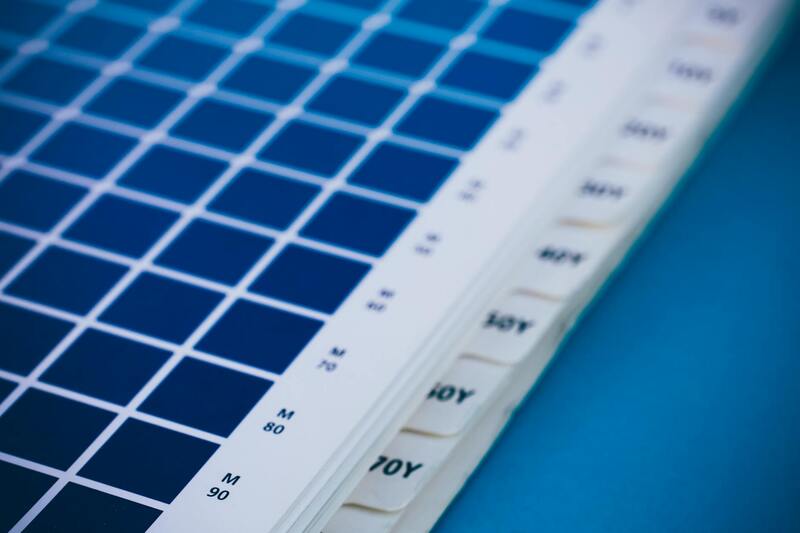
Color management safeguards consistent and accurate color reproduction from digital source to printed output. Calibrating monitors and using ICC profiles ensures that the colors seen on screen closely match the final print. When working with oversize photo prints, it is advisable to print a small color mockup or proof first, verifying that hues, saturation, and contrast meet expectations. Adjustments may be necessary to account for differences between digital display and physical media, especially given the large surface area involved in oversize prints.
Another important consideration is the use of test prints or sectioned mockups. Large-format printers can reproduce the image section by section, allowing for precise checkups of color consistency and detail. This careful approach prevents costly mistakes while ensuring the finished print achieves the artist’s or client’s vision with clarity and vibrancy.
Technical Considerations for Final Image Output
Beyond resolution and format, technical parameters such as file bit depth, color profiles, and bit depth influence the outcome. For high-quality oversize photo prints, a minimum of 8-bit per channel color depth is recommended, with some professional setups supporting 16-bit for even greater color gradation. Embedding accurate ICC profiles into images during editing guarantees that the printer interprets colors precisely, preventing unwanted shifts or dullness.
In summary, achieving visually striking oversize photo prints requires deliberate image preparation. From capturing or sourcing high-resolution files, selecting the most suitable formats, managing color fidelity, and conducting test proofs—each step contributes to a seamless transition from digital image to large-scale display. Working in close collaboration with experienced printing professionals further ensures that all technical aspects align, resulting in a final product that commands attention and maintains its quality over time.
Enhancing the Durability and Longevity of Oversize Photo Prints
When investing in oversize photo prints, especially those intended for display over extended periods, selecting appropriate materials and implementation strategies is vital to preserve visual quality and structural integrity. High-quality materials such as UV-resistant inks, fade-proof substrates, and protective coatings extend the lifespan of large-format images, preventing damage from environmental factors like UV exposure, humidity, and temperature fluctuations. Utilizing inks with superior lightfastness ensures that vibrant colors remain vivid, reducing the risk of fading over time. Additionally, selecting substrates with durability properties—such as rigid aluminum panels or archival-quality canvases—further safeguards the image against warping, cracking, or deterioration.
Proper handling during the printing and finishing stages is equally crucial. Applying a clear, protective laminate or gloss varnish provides a barrier against scratches, fingerprints, and dirt, making the print more resistant to daily wear and tear. Such coatings can also enhance color vibrancy and contrast, resulting in a more striking visual presentation. When possible, professional-grade finishing techniques like edge sealing or reinforced mounting improve the structural robustness of the final product, particularly in large formats susceptible to structural stresses.
Strategies for Proper Maintenance and Cleaning
Maintaining oversize photo prints requires attentive cleaning and handling practices to prevent inadvertent damage. Regular removal of dust and dirt with a soft, microfiber cloth helps preserve surface clarity without scratching or dulling the print. For prints with glossy or laminated finishes, gentle cleaning with a mild, pH-neutral cleaner diluted with water is advisable; always test a small area first to ensure compatibility. Avoid using abrasive cleaning tools or harsh chemical solvents, which can damage the print's surface and diminish visual quality.
If the print is displayed in a space where exposure to pollutants or humidity is unavoidable, consider using protective glass or acrylic covers. These barriers not only shield the image but also facilitate easier cleaning and maintenance. Additionally, controlling lighting conditions to minimize direct sunlight exposure helps sustain the colors and prevents premature fading. Periodic inspection of the mounting and framing components is recommended to address any signs of deterioration early, ensuring the oversized print remains a centerpiece of aesthetic appeal for years.
Understanding Oversize Photo Prints
Oversize photo prints have become an essential element in both contemporary interior design and visual art displays. Their ability to transform large wall spaces into immersive visual environments makes them ideal for commercial settings, galleries, and personal collections. To achieve optimal results, it’s important to understand the unique considerations involved in producing and displaying photographs on a grand scale. These considerations include selecting appropriate image resolutions, materials, and printing techniques, all tailored to uphold the integrity of high-quality visuals when scaled up.
Key Aspects of Oversize Photo Prints
Oversize photo prints demand meticulous planning, including attention to detail in image preparation, material selection, and printing technology. The larger the print, the greater the potential for visual inconsistencies or quality degradation if these factors aren’t carefully managed. High pixel density images ensure clarity and sharpness at large scales, while choice of substrates influences both durability and artistic effect. Understanding these core elements helps guarantee that oversized prints deliver stunning visual impact without compromising quality.
Considerations for High-Quality Output
- Image Resolution: When enlarging photos, a minimum resolution of 150-300 DPI (dots per inch) is recommended, depending on the viewing distance. For very large prints to be viewed from afar, slightly lower DPI settings may suffice, but higher resolutions are essential for closer viewing.
- Image Format: Lossless formats such as TIFF or high-quality JPEGs preserve image detail during printing. Ensuring the image is in an appropriate color profile, preferably Adobe RGB or sRGB, also contributes to color fidelity.
- Color Accuracy: Calibration of monitors and color management during the editing process helps maintain true-to-life colors, which is crucial for large-scale displays where discrepancies become more noticeable.
Material Selection and Surface Finishes
The substrate and surface finish significantly influence both the aesthetic and longevity of oversize photo prints. Durable materials designed to withstand environmental elements prevent premature deterioration, while surface finishes like matte, gloss, or semi-gloss each offer unique visual effects and fingerprint resistance. Options such as canvas, acrylic, metal, or advanced polymers provide varied textures, weight, and rigidity, allowing customization based on the intended display environment and artistic goals.
Popular Material Options
- Photographic Paper: Suitable for classic photography displays, available in matte, gloss, or lustre finishes.
- Canvas: Offers a textured finish that lends a fine art feel, often mounted on stretchers for a gallery presentation.
- Acrylic or Plexiglass: Produces a sleek, modern look with vibrant colors and excellent depth through face mounting techniques.
- Metal Prints: Known for their durability and vibrant color reproduction, ideal for industrial or contemporary aesthetics.
Understanding Oversize Photo Prints
Oversize photo prints serve as captivating focal points in both residential and commercial spaces. These prints involve enlarging images to impressive dimensions, often exceeding 24 inches in width or height, to create a dramatic visual impact. Achieving high-quality oversize prints requires meticulous planning, from selecting suitable images to employing the right printing techniques. The primary challenge lies in maintaining image clarity, detail, and color fidelity despite the increased scale. Proper preparation ensures that the final product meets aesthetic and durability expectations, making it essential to understand the nuances of image resolution, material choices, and printing methods.
Choosing the Right Image Resolution and Format
One critical factor in producing oversize photo prints is the selection of an appropriate image resolution. Generally, for large-scale prints, a minimum of 100-150 DPI (dots per inch) at the final print size ensures sharpness without pixelation. To determine the optimal resolution, divide the desired print dimensions by the number of inches and verify that the digital image has sufficient pixel density. For instance, a 48-inch-wide print demands at least 4800 pixels in width for a 100 DPI resolution.
In addition to resolution, the image format plays a pivotal role. Lossless formats like TIFF and PNG preserve image quality during editing and printing processes. JPEGs, although widely used, should be saved at the highest quality setting to prevent compression artifacts. Ensuring the image is in a color profile such as Adobe RGB or sRGB helps maintain color consistency across devices and during printing. Image editing should include color correction and sharpening tailored for large-format output to optimize visual impact.
Preparing Your Files
- Use high-resolution images to prevent pixelation.
- Maintain the original aspect ratio to avoid distortion.
- Convert images to a suitable color profile for printing.
- Perform color correction and sharpening tailored for large formats.
Material Options for Oversize Prints
The surface and substrate material significantly influence the visual appeal and lifespan of oversize prints. Choices include traditional photographic papers, canvases, acrylics, metals, and specialty polymers. Each material offers distinct textures, finishes, and durability levels tailored to specific display environments and artistic styles.
Popular Material Options:
- Photographic Paper: Classic choice for sharp, detailed images; finishes include matte, gloss, and lustre.
- Canvas: Provides a textured, fine-art feel; typically mounted on stretchers for a gallery-quality appearance.
- Acrylic and Plexiglass: Delivers vibrant, modern visuals with excellent depth and color brightness; often face-mounted for a sleek look.
- Metal Prints: Durable with vibrant color reproduction, ideal for contemporary or industrial settings.
The selection should align with the intended display environment, whether it’s a high-humidity area, outdoor setting, or indoor gallery space. Surface finishes like matte or gloss not only influence the aesthetic but also impact fingerprint resistance and glare management.
Printing Techniques and Technologies
Advancements in printing technology have expanded options for large-format photo reproduction. High-resolution inkjet printers with wide-format capabilities are the industry standard, capable of printing on various substrates with exceptional detail and color accuracy. These printers utilize pigment-based inks that provide longevity and resistance to fading, making them suitable for both indoor and outdoor displays.
Specialized techniques such as face mounting—a process where a print is adhered to a rigid substrate like acrylic or aluminum—enhance the visual depth and durability. Sublimation printing is commonly used for metal and polymer surfaces, facilitating vibrant, durable images that are resistant to scratches and environmental factors. Additionally, UV printing allows for direct application onto a variety of rigid materials, expanding creative possibilities.
Considerations for Quality and Consistency
- Use high-end wide-format printers with advanced color management systems.
- Employ durable, fade-resistant inks suitable for the material and environment.
- Regular calibration of printing equipment maintains color consistency across large runs.
- Consult with professional printers to ensure material compatibility and finishing options.

Ensuring Longevity and Proper Care of Oversize Photo Prints
Large-scale photo prints, especially oversize photo prints, are valuable visual investments that enhance interior aesthetics and personal or professional spaces. To maintain their vibrancy and structural integrity over time, implementing effective care practices is essential. Proper maintenance not only prolongs the life of these impressive displays but also preserves their photographic quality for future appreciation.
Environmental Considerations for Oversize Prints
The environment where oversize photo prints are displayed plays a crucial role in their longevity. Exposure to direct sunlight can accelerate fading due to ultraviolet rays, which diminish color saturation and detail. Humidity and temperature fluctuations may cause warping, especially in prints mounted on flexible substrates. To mitigate these risks, it is recommended to control indoor climate conditions in the display area, maintaining stable temperature and humidity levels. Installing UV-filtering glazing or protective coatings can offer additional defense against UV damage while allowing the artwork to be appreciated in brightly lit spaces.
Cleaning and Handling Procedures
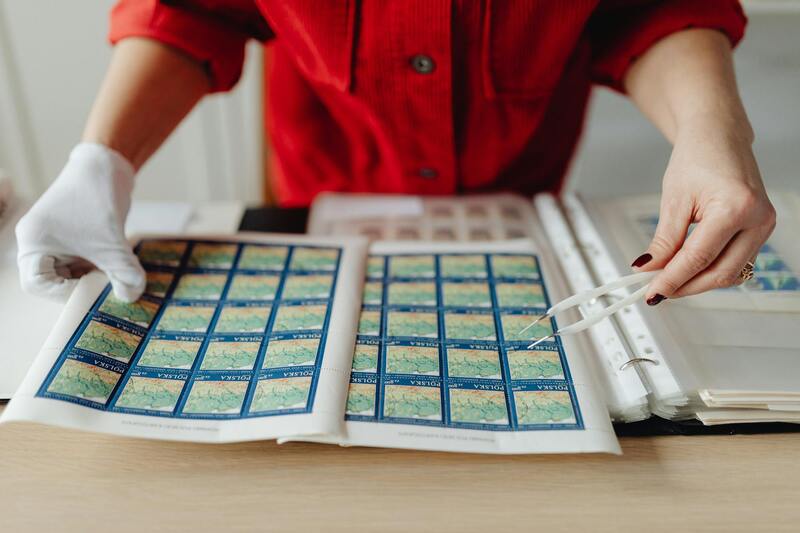
Regular cleaning is vital, but it should be performed with care to avoid damaging the surface. Dust and debris can be gently removed using a soft, dry microfiber cloth. For stubborn dirt or fingerprints, a slightly damp cloth with distilled water or a specialized cleaning solution for glossy or matte surfaces can be used. Avoid abrasive materials, ammonia-based cleaners, or excessive moisture, which can cause surface scratches or delamination. When handling oversize prints, always wear gloves to prevent transfer of oils and dirt that could degrade the image over time.
Protective Display and Framing Techniques
The framing approach significantly impacts both aesthetic presentation and preservation. Using archival-quality frames with UV-protective glass or acrylic minimizes exposure to damaging light and environmental pollutants. For outdoor or high-traffic locations, consider face mounting the print onto rigid substrates like acrylic or aluminum, which offers structural stability and resistance to weathering. Additionally, employing sealed edges or encapsulation techniques can shield the print from dust, moisture, and pollutants, maintaining image integrity over extended periods.
Long-Term Storage and Transport
In circumstances where oversize photo prints need to be stored or transported, proper methods are crucial to avoid creasing, scratching, or other physical damage. Large prints should be kept flat, rolled with a protective backing, or stored in custom supportive crates, depending on material and size. During transport, ensuring the print is protected with padding, and avoiding stacking heavy objects on top of it, preserves his visual quality and structural condition.
Regular Inspection and Maintenance
Periodic checks allow for early detection of potential issues such as fading, discoloration, or physical damage. Addressing minor problems promptly prevents further deterioration and ensures the visual impact remains intact. If signs of aging or damage are observed, consulting a professional conservator or restorer specializing in large-format artwork can facilitate proper restoration or conservation treatments.
By adhering to these maintenance practices, owners can enjoy the expansive beauty of oversize photo prints for years to come, ensuring their investment remains as stunning as the day it was printed.