Color Printing Services In Singapore: Quality, Techniques, And Applications
Understanding Color Printing
Color printing plays a vital role in a diverse array of printing projects, ranging from marketing materials to personalized gifts. It involves reproducing images, graphics, and text with the full spectrum of colors to create vibrant, engaging visual content. Unlike monochrome printing, which limits output to black and white, color printing offers a spectrum of hues that can convey complex information, evoke emotions, and enhance brand recognition. This capacity to produce detailed, eye-catching visuals makes color printing an essential tool for businesses, artists, and individuals seeking to make a memorable impression.
Color printing is especially important in contexts where visual impact is paramount. For marketing campaigns, colorful flyers, posters, and banners attract more attention and communicate messages clearly. In the realm of packaging, colorful designs help products stand out on crowded shelves. Photographers rely on high-quality color printing to preserve and showcase their work accurately, capturing the nuances of each image with precision. Additionally, educational institutions and publishers utilize color printing to create engaging learning materials, illustrations, and textbooks.
The fundamental distinction between color and monochrome printing rests on the method of color reproduction. Monochrome printers typically use a single ink or toner, limited to black or shades of gray, producing images with minimal variation. In contrast, color printers employ multiple ink or toner cartridges—usually cyan, magenta, yellow, and black (CMYK)—to generate millions of distinct colors. This multi-ink process enables the production of rich, nuanced visuals that faithfully represent original artwork or photographs.
For optimal results, understanding the different capabilities and limitations of each printing type is crucial. Color printing requires careful management of color profiles, ink consistency, and paper quality to ensure accurate reproduction. It also demands more sophisticated equipment and higher-quality materials than monochrome setups. By selecting appropriate printing technology and materials, clients can achieve vibrant, durable, and professional-grade prints that enhance their visual communications.

Understanding Color Printing
Color printing is a sophisticated process that involves layering multiple inks to create vibrant and accurate reproductions of digital images, photographs, and artwork. Unlike monochrome printing, which relies solely on black ink or toner to produce images, color printing employs a combination of four primary ink colors — cyan, magenta, yellow, and black (CMYK) — to craft a broad spectrum of hues. This precise arrangement allows for capturing subtle color nuances and gradients, ensuring that printed materials closely resemble their digital counterparts.

Successful color printing depends on several key factors, including the management of color profiles, ink consistency, and the choice of paper substrates. Color profiles serve as digital instructions that guide the printer to reproduce colors as intended, maintaining consistency across different materials and printing runs. Equally important are the ink formulations, which must remain stable to produce accurate colors over time. High-quality paper types further enhance the vibrancy and detail of printed images, providing a smooth surface that optimizes ink adherence and color depth.
Importance of Color Management
Implementing precise color management techniques ensures that the hues you see on the screen translate accurately onto the printed page. This includes calibration of monitors and printers, utilizing standardized color profiles, and choosing ink and paper combinations suited to the specific project requirements. Proper color management minimizes discrepancies and guarantees that branding, illustrations, or photographs maintain their intended visual impact.
Enhancement of Visual Communications
High-quality color printing significantly elevates the appearance and effectiveness of marketing materials, packaging, and visual displays. Good color reproduction captures attention, evokes emotions, and improves message clarity, making it an essential component of professional-grade print communications. By investing in advanced printing equipment and premium materials, businesses can produce durable, vibrant materials that resonate with audiences and reinforce their brand identity.
Technical Aspects of Color Printing
- Printing Technologies: Digital and offset printing techniques are predominantly used, each suitable for different project volumes and quality requirements.
- Color Precision: Use of ICC profiles and color calibration tools ensures the fidelity of color reproduction.
- Ink Systems: Consistent ink formulations and maintenance of printing equipment are vital for minimizing color inconsistencies.
- Paper Selection: The choice of matte, gloss, or specialty papers impacts the vibrancy and durability of color prints.
In-depth understanding of these facets equips clients and print professionals with the knowledge to select appropriate services, guaranteeing high-quality results that meet specific project demands. Whether producing intricate illustrations or promotional flyers, employing official, reliable color printing techniques ensures consistent excellence and a visually compelling outcome.
Understanding Color Printing
Color printing is an essential process that enables the production of vibrant, accurate, and eye-catching visual materials. It plays a crucial role in creating compelling marketing campaigns, professional documents, and packaging solutions that demand high-quality color reproduction. Mastering the technical and material aspects of color printing ensures that the final output closely matches the intended design, capturing the hues, shades, and details with precision.

Common Color Printing Techniques
Several established methods are employed to achieve consistent and vibrant color prints. The most prevalent techniques include digital printing and offset printing, each optimized for different project requirements regarding volume, detail, and turnaround times. Digital printing offers flexibility for small runs with fast turnaround, making it ideal for personalized or short-term projects. Offset printing excels in mass production, delivering superior color accuracy and sharpness over large quantities. For both methods, maintaining calibrated equipment and using specialized inks ensures color fidelity and uniformity throughout the process.

Ensuring Color Accuracy Through Officia Methods
Securing perfect color reproduction relies heavily on employing legitimate, standardized procedures. Utilizing ICC profiles and color management systems allows for consistency across devices and media. ICC profiles serve as comprehensive color references, ensuring that digital files translate accurately into printed materials. Regular calibration of printers and monitors guarantees that color output remains consistent over time, matching digital designs with print results reliably. These practices, coupled with the use of high-quality inks and papers, help in achieving true-to-origin colors that meet professional standards.
Material and Paper Choices for Color Printing
The selection of printing media influences the vibrancy and durability of the final product. Glossy papers enhance color sharpness and contrast, ideal for photographs and promotional materials that need to stand out. Matte papers reduce glare and offer a sophisticated finish suitable for text-heavy documents. Specialty papers, such as textured or metallic options, provide unique visual effects that elevate branding and creative projects. It is equally important to match the paper’s properties with the ink system and printing technique to optimize color reproduction and longevity.
Practical Use of Formal Methods in Color Printing
Applying commercially recognized standards and procedures in color printing guarantees consistent high-quality results. Professionals use official color management tools that include calibrated devices, ICC profiles, and controlled color workflows. These practices are essential for maintaining the integrity of brand colors and detailed images. Strict adherence to these official methods ensures that every piece, whether a poster, brochure, or packaging label, accurately reflects the intended design, reinforcing a professional appearance and reinforcing brand identity.
Understanding Color Printing
Color printing is an essential process within the realm of digital and traditional print media, offering vibrant and precise reproductions of digital designs onto various substrates. Achieving high-quality color output relies on a combination of advanced printing technologies, meticulous color management, and carefully selected materials. Professionals dedicated to producing compelling visual content prioritize official and proven methods that ensure color fidelity, durability, and consistency across different print runs.
Common Color Printing Techniques
There are several established methods used to render full-color images effectively, each suited to specific project needs and material types:
- Offset Printing: Utilized for large-volume jobs, offset printing transfers ink from a plate to a rubber blanket and then onto the substrate. This technique offers excellent color consistency and sharpness, making it a preferred choice for high-quality marketing materials and packaging.
- Digital Printing: This method directly applies digital images onto a variety of media using advanced inkjet or laser technology. Digital color printing provides quick turnaround times and allows for flexible, on-demand production, ideal for small to medium runs with precise color reproduction.
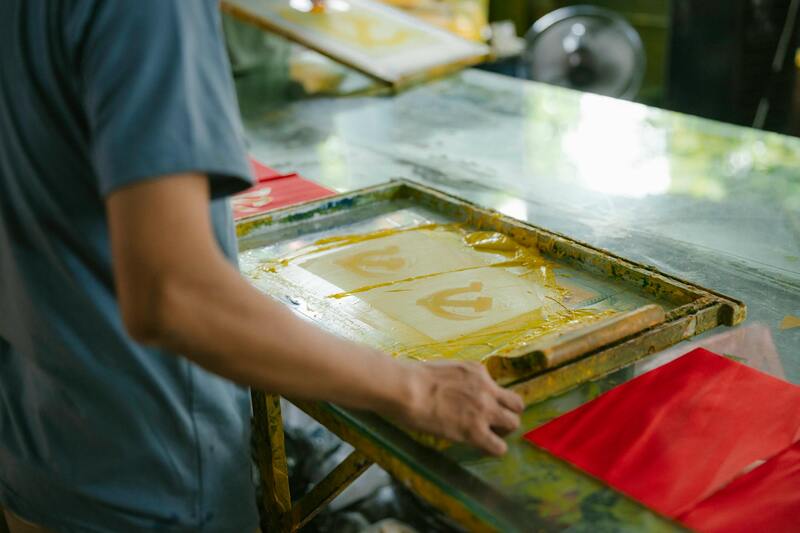
- Screen Printing: Often used for printing on textiles, plastics, and other sturdy surfaces, screen printing employs stencils and mesh screens to apply ink. It enables vibrant colors and durability, especially for promotional products like t-shirts and signage.
- Sublimation Printing: Sublimation leverages heat transfer to embed dye-based inks into substrates like polyester fabrics or specially coated surfaces. Its ability to produce vivid, durable colors makes it popular for customized apparel and promotional items.

Color Modes and Color Accuracy
Color accuracy in printing depends heavily on the proper use of color modes and comprehensive color management practices. The two primary color modes employed in professional color printing are:
- RGB (Red, Green, Blue): This mode is primarily used for digital displays and images viewed on screens. RGB offers a broader color gamut and is suitable for designing graphics destined for digital use, but it must be converted accurately for print purposes to prevent color shifts.
- CMYK (Cyan, Magenta, Yellow, Key/Black): This mode is the standard for professional color printing. It offers precise color reproduction by mixing subtractive inks on the substrate, ensuring the scanner or monitor colors translate effectively into print.
Maintaining color consistency involves using calibrated monitors, ICC color profiles, and controlled workflows that adhere to recognized standards. These measures facilitate accurate color matching between digital designs and their printed counterparts, minimizing discrepancies and ensuring that each print reflects the original design intent with fidelity.
Incorporating official color management protocols into the printing process is vital. This includes calibrated equipment, standardized test sheets, and communication of color specifications with print providers. Such practices enable consistent reproduction of brand colors, detailed photographic images, and complex color gradients, ensuring outcomes meet the high standards expected in professional printing environments.
Advanced Color Printing Techniques for Precise Results
Achieving optimal color accuracy and vibrancy in professional printing relies heavily on employing advanced techniques that go beyond basic printing methods. Industry-standard practices include color calibration, ICC profiling, and the utilization of proofing systems to ensure output matches designed expectations.
Color Calibration and Profiling
Customization begins with device calibration. Both monitors and printing equipment should be calibrated regularly using specialized tools to ensure consistent performance. Calibration ensures that colors displayed digitally align accurately with the printed outcome. ICC profiles, or International Color Consortium profiles, serve as a language between digital files and the physical printing process. Embedding these profiles into your digital files guarantees that colors are interpreted correctly during printing, reducing variances and enhancing fidelity.

Color Proofing and Soft Proofing
Before proceeding to full-scale production, manufacturers undertake proofing processes. Hard proofs involve printing sample sheets that replicate the final output, allowing clients to review and approve color accuracy and overall appearance. For digital approval, soft proofing utilizes calibrated monitors and ICC profiles, simulating the printed result on-screen. Both methods are crucial in minimizing errors and ensuring that the final print meets exact color specifications.
Material and Ink Selection
The choice of materials and inks significantly affects color outcomes. Printers often match specific inks to substrate types—glossy, matte, or textured papers—to enhance color vibrancy. Specialty inks, such as metallic or spot colors, are sometimes used to achieve specific visual effects or brand-specific colors with high precision. Proper substrate selection paired with suitable inks allows for a broader color gamut and more accurate reproduction of detailed images and color gradients.
Workflow Optimization for Color Consistency
Streamlined workflows are vital in maintaining color consistency across large volumes. Implementing digital asset management that adheres to standardized color settings and utilizing automated workflows ensures each print batch maintains uniformity. Consistent storage of ICC profiles, precise press conditions, and routine quality checks contribute to predictable results, especially when reproducing complex images or branding colors.

Utilizing Professional Color Management Software
Advanced color management software plays a crucial role in predicting and adjusting output for specific printing conditions. These tools help pre-visualize color changes, match colors accurately, and troubleshoot discrepancies before mass production. Integration with digital workflows ensures that every project component—from digital asset creation to final print—adheres to a cohesive color management strategy.
Conclusion
Implementing high-level technical methods such as device calibration, ICC profiling, and sophisticated proofing systems ensures superior control over color accuracy and reproducibility. Combining material selection, workflow discipline, and advanced software, professional printers can deliver vibrant, precise, and consistent color outputs tailored to meet the rigorous demands of branding, marketing, and high-quality visual communications.
Understanding Color Printing
Color printing is a sophisticated process that transforms digital images into vibrant physical representations. This practice hinges on precise color reproduction, ensuring that the printed output closely matches the original digital design. Achieving accurate color printing involves a comprehensive understanding of various technical aspects, including color modes, color management, material selection, and print technology. When executed correctly, color printing empowers businesses and individuals to create eye-catching marketing materials, detailed photographs, and artistic displays that leave a lasting impression. The key foci include maintaining color fidelity, reproducing branding colors accurately, and ensuring consistency across multiple print runs, which all demand meticulous attention to technical details and quality standards.
Common Color Printing Techniques
Several established techniques dominate the industry, each suited to different applications and material types. The primary methods include:
- Offset Printing: Ideal for large-volume runs, offset printing uses plates to transfer ink onto rubber blankets before imprinting on paper. This process offers superior color fidelity, sharp detail, and cost-effectiveness for high-volume jobs.
- Digital Color Printing: Perfect for short runs and personalized outputs, digital printing directly transfers digital files onto media. It offers quick turnaround times and flexibility, with advanced color management capabilities that ensure consistent vibrancy and accurate color matching.
- Large Format Printing: Used primarily for banners, posters, and signage, this technique employs wide-format printers that accommodate large media, delivering vivid, high-resolution color images suitable for outdoor or indoor displays.
- Screen Printing: Often utilized for textiles and promotional items, this method involves creating stencils and pushing ink through screens onto substrates, allowing for bold colors and durable prints.

Color Modes and Color Accuracy
Understanding color modes is crucial to attaining precise color reproduction. The two main color modes include:
- RGB (Red, Green, Blue): A primary color mode based on light, used predominantly in digital displays and design software. While suitable for screen viewing, RGB is less ideal for direct printing due to its different color gamut.
- CMYK (Cyan, Magenta, Yellow, Key/Black): The standard color model for printing, CMYK, involves subtractive color mixing. Proper conversion from RGB to CMYK during the design process is essential to predict how colors will appear on printed media, minimizing color deviations.
Color management relies heavily on the use of ICC profiles and calibration to ensure that the printed output matches the digital design's intent. Implementing standardized color workflows enhances consistency, especially when reproducing complex images or branding colors with specific Pantone tones or spot colors.
Materials and Paper Types for Color Printing
The choice of material significantly impacts the final color output. Quality substrates enhance vibrancy, detail, and durability, making material selection a vital step. Common paper and material types include:
- Glossy and Luster Paper: These surfaces offer a shiny finish that accentuates color intensity, making them suitable for photographs, posters, and marketing sheets.
- Matte Paper: Provides a non-reflective surface, ideal for text-heavy documents or displays where glare reduction is preferred.
- Fine Art Paper: Cotton or textured papers used in high-end art reproductions to deliver a rich tonal range and archival quality.
- Vinyl and Plastic Media: Durable, weather-resistant options perfect for outdoor signage and banners, ensuring color longevity in various environments.
- Specialty Media: Materials like clear Transparencies or textured cardstocks can add unique visual or tactile effects, emphasizing specific design elements or branding themes.

Precise selection and proper handling of these materials during printing are vital for achieving consistent, vibrant results that meet project specifications.
Understanding Color Printing
Color printing is an intricate process that transforms digital images into vivid, tangible outputs, requiring precise coordination of multiple technical elements. To achieve outstanding visual results, it’s essential to comprehend how various factors, from the choice of printing techniques to material selection, influence the final product. Recognizing the significance of color fidelity, durability, and visual appeal guides both professionals and clients in making informed decisions that meet specific project requirements.
Common Color Printing Techniques
Numerous methods are employed to produce high-quality color prints, each tailored to different applications and desired outcomes:
- Four-Color Process (CMYK): The most widely used technique, employing cyan, magenta, yellow, and black inks to reproduce a broad spectrum of colors. This method is ideal for commercial printing, enabling vibrant and consistent images across various media.
- Spot Color Printing: Utilizes pre-mixed inks like Pantone to accurately match specific brand colors. Spot colors are often chosen for logos, packaging, and branding materials where color consistency is paramount.
- Digital Printing: A direct-to-paper process suitable for short runs and personalized prints. Digital color printing offers quick turnaround times and the ability to produce complex, multicolored designs with minimal setup costs.
- Flexography and Lithography: Used predominantly for packaging and labels, these methods deliver high-quality color reproduction on various substrates and are suitable for large-scale production runs.

Color Modes and Color Accuracy
Maintaining color consistency between digital files and printed outputs hinges on understanding and managing color modes. The primary digital color modes include RGB and CMYK, each serving specific purposes:
- RGB (Red, Green, Blue): The color mode used for digital displays and screens. It offers a broader color gamut but can lead to discrepancies during printing if not converted properly.
- CMYK (Cyan, Magenta, Yellow, Black): The standard for print media, designed to replicate digital images onto physical substrates accurately. Proper conversion from RGB to CMYK is essential to prevent color shifts and achieve the intended visual effect.
Utilizing ICC profiles and calibration tools helps synchronize the color output across devices and media, ensuring the printed result matches the digital design. Employing standardized workflows for color management reduces variations and enhances the fidelity of intricate images or branding colors, such as Pantone spot colors.

Materials and Paper Types for Color Printing
The selection of printing materials significantly impacts the vibrancy, durability, and overall appearance of the final product. Different substrates are chosen based on the purpose, audience, and environment where the printed material will be displayed:
- Glossy and Luster Paper: These surfaces enhance vivid hues and detailed images, making them ideal for photo prints, marketing brochures, and high-impact advertisements.
- Matte Paper: Characterized by a non-reflective finish, matte papers are suitable for documents requiring readability and glare reduction, such as proposals and manuals.
- Fine Art Paper: Often made from cotton or textured stock, this material is used for art reproductions, limited edition prints, and archival quality pieces, delivering both tonal richness and longevity.
- Vinyl and Plastic Films: Used extensively for outdoor signage, banners, and vehicle wraps, these durable substrates withstand weather elements while maintaining color vibrancy.
- Specialty Media: Materials like clear transparencies, textured cardstocks, or synthetic surfaces enable designers to incorporate tactile or visual effects that customize branding and design aesthetics.
Matching the appropriate material to the print project's unique demands is vital for optimizing color vibrancy and ensuring the durability of the print over time. Proper handling and processing of these media types further contribute to consistent results.
Understanding Color Printing
Color printing involves reproducing images and designs using a combination of ink colors to create a spectrum of hues and shades. It’s a sophisticated process that demands precision, quality control, and the right selection of materials to render accurate, vivid colors suitable for various applications. Optimizing color printing ensures that the final output aligns closely with the intended design, branding standards, or artistic vision, which is critical for professional presentations, marketing campaigns, and artistic reproductions.
Common Color Printing Techniques
Multiple techniques facilitate color printing, each with its distinct advantages based on project scope, budget, and desired quality:
- Four-Color Process (CMYK): This is the most widely used method, where cyan, magenta, yellow, and black inks are layered to create full-color images. It’s ideal for photographs, detailed graphics, and high-volume commercial printing.
- Spot Color Printing: Utilizes pre-mixed inks for specific colors that require high accuracy and consistency, commonly used in branding where exact color matching is essential.
- Digital Color Printing: Employs digital files directly onto substrates, providing quick turnaround times and flexibility for short runs and personalized prints.
- Offset Color Printing: Suitable for large quantities, where images are transferred from plates to a rubber blanket and then onto the printing surface, ensuring high fidelity and consistent color reproduction.

Color Modes and Color Accuracy
Color modes such as RGB, CMYK, and Pantone play crucial roles in achieving desired hues. RGB, primarily used for digital displays, offers a broad color range but isn't suitable for print. CMYK is the standard for most color printing, providing a balanced palette for reproducing images onto physical media. Pantone matching system (PMS) allows for precise color consistency across different print runs, making it particularly valuable for branding and corporate identity projects.
Maintaining color accuracy requires proper calibration of printers, consistent ink quality, and the use of color profiles. Advanced color management workflows help ensure the colors seen on screens match the printed output, essential for professional applications where brand integrity and visual impact are paramount.
Materials and Paper Types for Color Printing
The choice of printing substrates has a direct impact on color vibrancy, durability, and overall impression. Selecting the appropriate material depends on the nature of the final product and its intended environment:
- Glossy and Luster Paper: Enhances the appearance of vibrant colors and detailed images, perfect for photographs, brochures, and promotional materials.
- Matte Paper: Offers a non-reflective finish that reduces glare, suitable for reports, manuals, and art prints where clarity is prioritized over gloss.
- Fine Art Paper: Textured or cotton-based papers provide a tactile feel and tonal richness, ideal for gallery-quality reproductions and limited editions.
- Vinyl and Synthetic Materials: Designed for outdoor use, these materials resist weather elements while maintaining color integrity, commonly used in vehicle wraps and signage.
- Specialty Media: Translucent films or textured surfaces allow for creative effects, supporting unique branding features and design aesthetics.
Applications of Color Printing
Color printing finds extensive use across industries and sectors:
- Marketing and Advertising: Brochures, banners, posters, and flyers utilize vibrant colors to attract attention and convey branding messages effectively.
- Business Stationery: Business cards, letterheads, and envelopes maintain brand consistency through precise color matching.
- Art and Photography: High-resolution reproductions and limited edition prints rely on advanced color fidelity to preserve artistic details.
- Signage and Displays: Durable color prints in signage ensure visibility and impact in outdoor and indoor environments.
- Educational Materials: Colorful charts, maps, and infographics enhance comprehension and engagement.
Choosing a Color Printing Service
Selecting the right printing provider involves evaluating several criteria:
- Print Quality: Assess the provider’s ability to reproduce colors accurately and consistently, often demonstrated through sample work or client testimonials.
- Equipment and Technology: Confirm that they employ advanced printers capable of high-resolution output and color management tools.
- Material Range: Ensure they offer a variety of substrates tailored to your specific needs.
- Turnaround Time: Professional services should meet deadlines without compromising quality, especially for time-sensitive projects.
- Customer Support and Consultation: Guidance on material selection, color matching, and finishing options enhances the final result.
Tips for Optimizing Color Prints
To achieve the best possible outcomes from your color printing projects, consider these practices:
- Use High-Resolution Files: Design images at a minimum of 300 DPI to prevent pixelation and ensure sharpness in print.
- Correct Color Profiles: Embed proper color profiles in your files to maintain color consistency across devices and print runs.
- Proofing: Request proofs to verify color accuracy before proceeding with a full run, allowing adjustments to be made beforehand.
- Appropriate Material Selection: Match the substrate with your project goals to enhance vibrancy and durability.
- Consistent Calibration: Ensure printers are regularly calibrated to maintain color fidelity over time.
Applying these best practices helps produce compelling, precise, and visually impactful color prints suitable for any professional or creative requirement.