Colour Printing In Singapore: Techniques, Services, And Applications
Overview of Colour Printing
Colour printing is a sophisticated process that enables the reproduction of images and text in a full spectrum of hues, enhancing visual appeal and communication clarity. In Singapore, an active hub for diverse industries such as retail, advertising, corporate branding, and educational services, colour printing has become an essential component for delivering compelling and vibrant materials. From traditional methods like offset printing to modern digital techniques, colour printing has evolved significantly, offering businesses a variety of options to suit their specific needs.
Historically, colour printing relied heavily on offset presses, which used plates to transfer ink onto substrates in multiple passes. This method was favored for high-volume productions due to its cost-effectiveness and consistent quality. However, it required considerable setup time and was less flexible for short-run projects. As technology advanced, digital printing emerged as a game-changer, providing rapid turnaround times and the ability to produce small quantities without sacrificing quality.
The variety of colour printing processes now available includes inkjet, laser, and electrophotographic printing, each with its advantages. Inkjet printers, renowned for their ability to produce high-resolution images with vibrant colours, are often used for short runs, customized prints, and prototype development. Laser printers, on the other hand, provide sharper text and fast processing speeds, making them suitable for business documents and marketing materials. Offsets continue to be employed for large-scale commercial printing where cost-per-unit and consistent colour output are crucial.
Significance of Colour Printing in Singapore
Colour printing plays a pivotal role in Singapore’s fast-paced commercial landscape. It supports branding efforts by allowing companies to produce eye-catching logos, brochures, banners, and other marketing collaterals that stand out in competitive environments. Educational institutions utilize colour printing for informative posters and instructional materials, while retailers benefit from vivid product packaging and promotional labels. The ability to reproduce consistent and accurate colours directly influences consumer perception and brand recognition.
Furthermore, Singapore’s emphasis on digital integration and innovation has propelled the demand for high-quality, fast, and flexible printing services that keep pace with the dynamic market. This has led to widespread adoption of digital colour printing solutions, which are versatile enough to handle varied materials such as paper, vinyl, fabric, and more, adapting to both commercial and creative applications.
Evolution from Traditional to Digital Methods
The transition from traditional offset techniques to digital methods has significantly enhanced the scope and accessibility of colour printing. Digital printing allows for on-demand production, reducing wastage and enabling real-time customization. This capability is especially beneficial in today’s market where personalized marketing and small batch runs are in high demand.
Equipped with sophisticated colour management systems, modern digital printers ensure that the output matches the original digital design accurately. They also support a broader range of substrates, expanding the creative possibilities for designers and businesses alike. These advancements have not only improved efficiency but also opened new avenues for innovative visual communication, making colour printing an indispensable tool in Singapore’s diverse economic sectors.
Overview of Colour Printing
Colour printing serves as a vital component in various industries, ranging from advertising and marketing to packaging and artistic production. Its primary objective is to reproduce vivid, precise colours that accurately reflect the original digital design, thereby enhancing visual appeal and brand recognition. Advanced colour printing techniques have evolved significantly over the years, enabling businesses to achieve high-quality output efficiently and cost-effectively.

In today’s competitive marketplace, the ability to deliver consistent and vibrant colours on a variety of materials directly influences consumer perception and purchasing decisions. As such, companies increasingly rely on sophisticated printing solutions that balance quality, speed, and flexibility. The integration of digital technology into colour printing processes has revolutionized the industry, facilitating rapid turnaround times and the production of small batches without compromising on colour fidelity.
Modern digital colour printing employs advanced colour management systems that ensure colour accuracy across different print runs and substrates. This precision is achieved through intricate calibration protocols, colour profile management, and the use of high-quality inks. Consequently, businesses can maintain brand consistency across multiple print campaigns, even when printing on diverse materials such as paper, vinyl, fabric, and plastics.
Advancements in Digital Colour Printing Technologies
The shift from traditional offset to digital printing methods has broadened creative possibilities and operational efficiencies. Unlike offset printing, digital solutions do not require extensive setup, making them ideal for on-demand and short-run projects. This flexibility is particularly advantageous for personalized marketing pieces, limited edition packaging, and event materials where rapid production cycles are essential.
Equipped with sophisticated colour management software, digital printers can reproduce complex colour gradients and match specific brand colours with high precision. Furthermore, the ability to preview and adjust designs in real time minimizes waste and reduces lead times. Combined with a growing variety of compatible substrates, digital colour printing provides a versatile platform for innovative visual communication in diverse sectors.
Types of Colour Printing Technologies
Understanding the differences between various colour printing methods is crucial for selecting the most appropriate technology to meet specific project requirements:
- Digital Printing: Suitable for short runs and customization, digital printers use toner or liquid ink to produce high-quality images quickly. Key advantages include fast turnaround times and minimal setup costs.
- Inkjet Printing: Ideal for large-format applications, inkjet printing allows for vibrant colour reproduction on a broad range of materials, including textiles, banners, and fine art prints. It offers high resolution and excellent colour gradation.
- Laser Printing: Commonly used for high-volume document printing, laser printers provide sharp, crisp images suitable for business materials such as brochures, business cards, and flyers. They excel in speed and cost-efficiency for bulk printing.
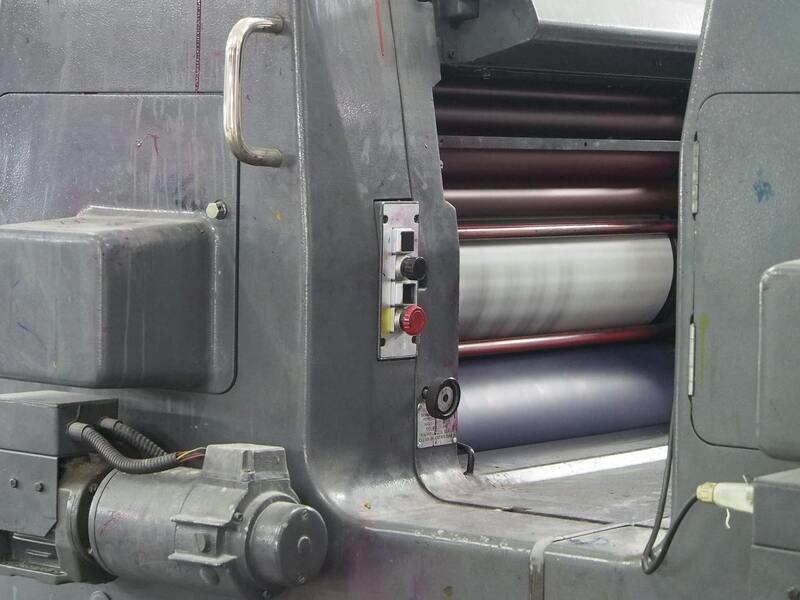
- Offset Printing: The traditional method for high-volume commercial printing, offset printing provides superior quality and colour consistency over large quantities. It is often employed for mass production of packaging, magazines, and promotional materials.
Conclusion
Choosing the right colour printing technology hinges on project scope, material, desired quality, and budget considerations. Digital solutions continually push the boundaries of what can be achieved in colour reproduction, enabling businesses to produce eye-catching visuals with high precision and efficiency. By leveraging the most suitable printing method, companies can optimize their visual communication strategies and better engage their target audiences.
Overview of Colour Printing
Colour printing remains a cornerstone of modern visual communication, allowing businesses and individuals to translate digital designs and concepts into tangible, vibrant displays. This process entails reproducing full-spectrum colours onto various substrates, creating engaging visuals that command attention and convey messages effectively. The ability to produce consistent, high-quality colour outputs is essential across multiple industries, including marketing, retail, education, and art. The advancement of colour printing technologies has led to more precise, cost-efficient, and versatile options, enabling print providers to meet diverse client needs while maintaining high standards of visual fidelity.

Critical Factors in Achieving Superior Colour Print Results
- Colour Calibration and Management: Ensuring that colours appear consistent across different devices and substrates requires meticulous calibration of printers and color management systems. This minimizes discrepancies and guarantees that the final print matches the intended design precisely.
- Selection of Suitable Materials: Different printing substrates can significantly influence colour vibrancy and durability. Choosing the right paper, vinyl, fabric, or other materials based on the project requirements enhances both aesthetic appeal and longevity.
- Use of High-Quality Inks and Toners: The quality of inks or toners directly impacts the richness and stability of colours. Premium supplies optimize colour vibrancy, reduce bleed, and ensure consistent output throughout large print runs.
- Technological Compatibility: The choice of printing technology—whether digital, inkjet, or offset—determines the scope of colour reproduction capabilities. Each method offers unique advantages tailored to specific project demands, balancing quality with cost and volume considerations.
Understanding the Role of Colour Spaces in Printing
Accurate colour reproduction begins with the proper management of colour spaces. Most professional colour printing employs standardized colour spaces such as Adobe RGB or sRGB, which facilitate consistent translation of digital designs to physical prints. Advanced colour management software ensures that colours are adjusted and optimized within these spaces, increasing fidelity between on-screen images and final outputs. When selecting a printing service, it is important to verify the provider’s ability to handle these colour spaces effectively, thus ensuring that vibrancy and hue accuracy are maintained throughout the process.
Achieving Consistency Across Large Runs
For projects requiring multiple copies, maintaining colour consistency is paramount. Reliable printers utilize precise calibration protocols and colour matching techniques that guarantee uniform results across all prints. Implementing standards like ICC profiles and periodic quality control checks further suppress colour variation, especially in high-volume production. This consistency is crucial for branding materials, packaging, and any application where visual uniformity upholds professional integrity.
Overview of Colour Printing
Colour printing has transformed visual communication, enabling businesses and individuals to produce vibrant, eye-catching materials that effectively convey their message. It involves the replication of full range colours onto printed media, capturing subtle hues and sharp contrasts with precision. The capability to reproduce complex images with rich colour depth distinguishes colour printing from monochrome options, making it an essential choice for branding, marketing, and professional presentations. The evolution of colour printing technology continues to enhance clarity, colour accuracy, and production efficiency, catering to a wide variety of applications—from small-scale custom prints to large-format displays.

Types of Colour Printing Technologies
Understanding the primary methods of colour printing is crucial for selecting the right approach for your project. Each technology offers distinct advantages depending on factors such as volume, detail, colour accuracy, and budget.
- Digital Colour Printing: Ideal for short runs and on-demand printing, digital colour methods such as inkjet and laser printers allow for quick turnaround times and versatile media handling. They excel at producing detailed, high-resolution images with precise colour matching, making them suitable for marketing materials, posters, and business collateral.
- Offset Colour Printing: Widely used for large-volume projects, offset printing involves transferring ink from a plate to a rubber blanket before printing onto paper. This process yields exceptional colour consistency, high-quality imagery, and cost-effectiveness at scale. It is particularly effective for printing high-volume brochures, magazines, and packaging materials.
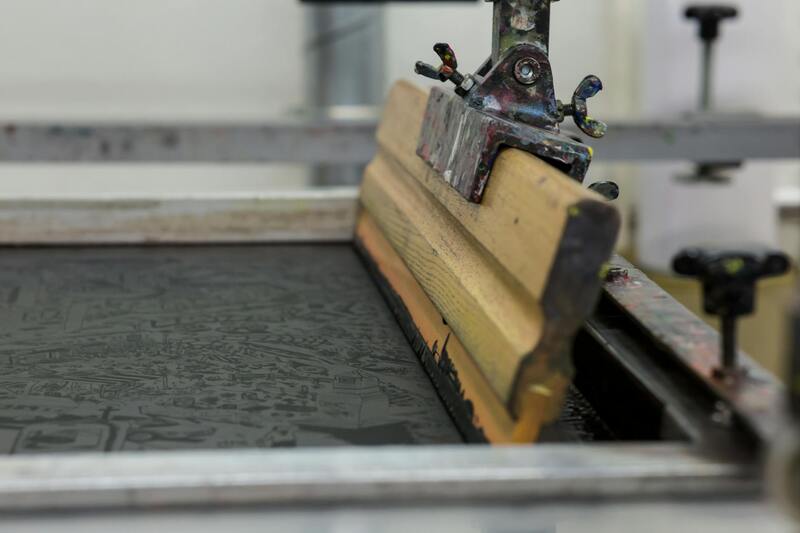
- Flexography and Gravure Printing: Predominantly used in packaging and labels, these methods cater to high-volume production needs with fast speeds and vibrant colour outputs. Flexography employs flexible printing plates and is suitable for large runs of cartons and wrappers, whereas gravure provides superior colour richness and detail for luxury packaging.
Materials and Paper Selection for Colour Printing
The quality of final outputs in colour printing hinges significantly on the choice of materials and papers. Selecting the appropriate substrate enhances colour vibrancy, durability, and overall visual impact.
- Paper Types: Options vary from coated, matte, gloss, to satin finishes. Coated papers are preferred for high-resolution images as they provide a smooth surface that enhances colour sharpness and vibrancy. Matte papers, on the other hand, offer a non-reflective surface that reduces glare, ideal for readability and sophisticated aesthetics. Gloss papers amplify colour depth and shine, perfect for promotional posters and photo prints.
- Specialty Materials: For marketing and branding, metallic, textured, or translucent papers are available to add a distinctive touch. These materials create unique tactile and visual effects, elevating the prominence of printed materials.
- Durability Considerations: Laminated or waterproof papers increase resilience against environmental factors, making them suitable for outdoor signage or frequently handled items. Choosing the right material also impacts cost and environmental sustainability, with options like recycled papers and eco-friendly coatings gaining popularity.

In selecting materials, it is essential to consider both aesthetic goals and functional requirements. Consulting with professional printing providers ensures that the chosen substrates align with the desired visual outcome, production scale, and budget constraints. Proper material selection maximises ink adhesion, colour vibrancy, and longevity of the printed pieces, contributing to the overall success of the project.
Overview of Colour Printing
Colour printing stands as a cornerstone in the production of visually compelling materials across various industries. It encompasses a range of printing methods designed to reproduce full-color images, logos, and graphics with high fidelity. This printing technique transforms ideas into tangible assets, enhancing brand visibility, conveying messages effectively, and creating engaging visual content. The capability to reproduce a spectrum of hues allows businesses to craft vibrant marketing collateral, detailed photographs, and intricate artwork, making colour printing indispensable in fields like advertising, packaging, and publishing.
Fundamentals of Colour Printing
At its core, colour printing involves the transfer of ink onto substrates such as paper or specialty materials. The goal is to achieve precise colour reproduction that matches the original design, maintaining consistency and accuracy across different print runs. The process requires meticulous control over ink formulation, colour management systems, and printing parameters to ensure vibrancy and clarity are preserved throughout production. Professional colour printing leverages advanced technology to handle complex colour profiles, balancing ink layers, and minimizing deviations that could distort the visual intent.
Key Benefits of Colour Printing
- Enhanced Visual Impact: Vibrant colours attract attention and improve message retention.
- Brand Consistency: Accurate colour reproduction maintains brand integrity across all marketing channels.
- High-Resolution Outputs: Sophisticated printing techniques allow for sharp detail, making images appear crisp and professional.
- Versatility: Suitable for various materials, from paper and cardboard to metallic and translucent substrates.
- Customization: Enables tailored visual presentations that align precisely with individual branding or design requirements.
Types of Colour Printing Technologies

The predominant methods include digital, inkjet, and laser printing, each suited to different scales and quality demands. Digital colour printing offers rapid turnaround and cost-effective small runs, making it ideal for personalized and on-demand projects. Inkjet printers provide high-quality images with smooth gradations, beneficial for photographic prints and detailed art reproduction. Laser printing excels in high-volume production, delivering consistent, sharp images with fast processing speeds. Understanding these technologies enables selection of the most efficient method for each project, ensuring cost-effectiveness and optimal output quality.
Materials and Paper Selection for Colour Printing
The choice of paper and materials plays a pivotal role in determining the final appearance of colour prints. Factors such as surface texture, weight, and finish influence ink adhesion, colour vibrancy, and durability. Coated papers—gloss, satin, and matte—are designed to enhance image sharpness and colour clarity, while uncoated options offer a more subdued, tactile feel suitable for certain applications. Specialty materials like metallic, translucent, or textured papers add unique visual and tactile effects, elevating the overall impact of printed pieces.
In selecting appropriate materials, collaboration with professional printing service providers is vital. They can advise on substrates that complement the desired aesthetic, functional needs, and budget constraints. Proper material selection not only enhances colour accuracy and longevity but also ensures the final product meets the expectations set by the design specifications.
Applications of Colour Printing
Colour printing finds extensive use across multiple sectors, including:
- Marketing Collateral: Business cards, brochures, flyers, and posters that catch the eye and communicate brand messages effectively.
- Packaging: Vibrant product packaging that draws consumers’ attention and highlights brand identity.
- Photographic Reproductions: High-resolution photo prints for galleries, albums, or promotional displays.
- Signage and Display Materials: Indoor and outdoor signs, banners, and point-of-sale displays designed for maximum visibility and impact.
- Personalized Goods: Customized gifts, stationery, and event materials that require high-quality colour reproduction.
By leveraging advanced colour printing methods and materials, companies can produce visually striking materials that resonate with their target audiences and strengthen their brand presence.
Overview of Colour Printing
Colour printing is an essential component of visual communication, enabling the reproduction of images, graphics, and text in a spectrum of hues that bring designs to life. This process is widely utilized across advertising, marketing, packaging, and personalized items to create eye-catching and compelling visual materials. With advancements in printing technology, colour printing has become more precise, cost-effective, and versatile, accommodating various materials and applications. Key factors influencing the quality of colour printing include the printing process, colour management, and material selection. Mastery of these components ensures vibrant, accurate, and durable results that meet the diverse needs of businesses and individuals.
Types of Colour Printing Technologies
Various printing techniques cater to different project requirements, with each technology offering specific advantages regarding quality, speed, and cost. The most prevalent methods include digital printing, offset printing, and flexography. Digital printing is ideal for short runs and customized projects, providing quick turnaround times and high-resolution output. Offset printing, favored for large-volume jobs, ensures consistency and crisp colours, making it suitable for brochures, magazines, and packaging. Flexography is commonly used in packaging and labels, as it can print on flexible substrates and textured surfaces efficiently. Understanding the strengths and limitations of each method helps in selecting the appropriate technology for your specific print project.
Materials and Paper Selection for Colour Printing
The choice of material significantly impacts the vibrancy, durability, and overall quality of colour prints. Standard options include various paper stocks such as matte, gloss, and satin finishes, each providing distinct textures and effects. Specialty materials like metallic, translucent, or textured papers can add a premium touch and unique tactile experiences. When selecting paper, consider the intended use, environmental factors, and budget constraints. Collaborating with professional printing service providers allows for expert guidance in choosing substrates that complement the design intent while ensuring colour accuracy and longevity of the printed piece.
Applications of Colour Printing
Colour printing plays a pivotal role across multiple sectors, significantly enhancing visual communication and branding efforts. Marketing materials such as eye-catching brochures, flyers, and posters help businesses communicate their messages effectively. Packaging designs benefit from vibrant, high-resolution prints that attract consumer attention and reinforce brand identity. Photographic reproductions, including gallery displays and albums, rely heavily on colour fidelity and detail. Signage and display materials, both indoor and outdoor, require durable, vivid prints to maximize visibility and impact. Additionally, personalized goods like stationery, greeting cards, and promotional gifts leverage colour printing to create customized, memorable items that resonate with recipients.
Colour Management and Color Spaces
Achieving consistent and accurate colour reproduction necessitates effective colour management practices. This involves calibrating devices such as monitors, printers, and scanners to ensure colour fidelity throughout the production process. Utilizing standardized color spaces, like sRGB and Adobe RGB, helps in maintaining colour consistency across different devices and media. Advanced colour management systems facilitate precise translation of digital designs into printed output, minimizing colour shifts and ensuring that the final product aligns with the intended design. Proper management of colour profiles and calibration routines is essential for meeting professional standards and delivering visually striking printed materials.
Comprehensive Guide to Colour Printing Methods
Introduction to Official Colour Printing Techniques
Official colour printing methods encompass a range of technologically advanced techniques that deliver high-quality, precise, and vibrant printed materials. These methods are utilized by professional printers to achieve consistent colour fidelity, durability, and sharp detail, essential for commercial, artistic, and branding purposes. Relying on industry-standard processes ensures the production of materials that meet high standards for visual appeal and technical accuracy.
Commonly Used Colour Printing Technologies
- Offset Printing: This traditional and widely used method employs metal plates, where each colour is transferred onto a rubber blanket and then onto paper. Offset printing is ideal for large-volume orders, providing superb image quality, sharpness, and colour consistency. It is especially suited for high-quality brochures, packaging, labels, and magazines.
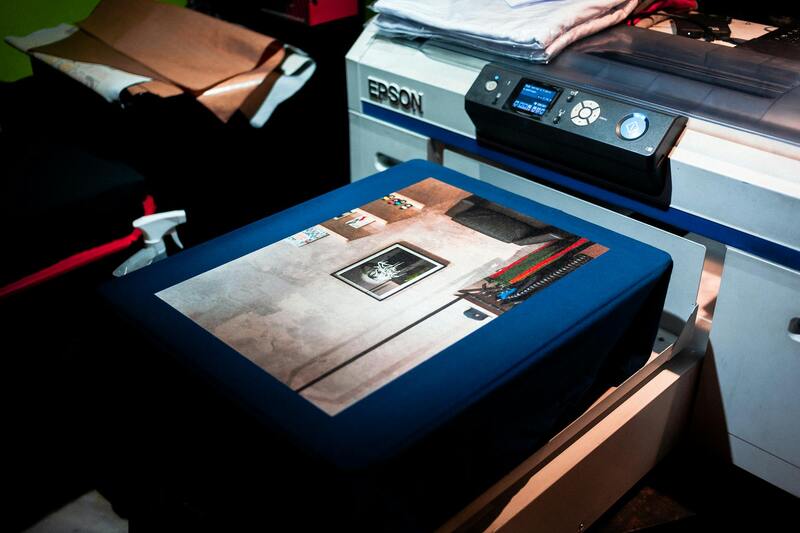
- Digital Printing: Perfect for short to medium runs, digital printing directly applies digital images to various substrates. It offers quick setup times, cost-efficiency, and the ability to produce personalized and variable data prints. Techniques such as inkjet and LED UV digital printing fall under this category, favored in producing promotional materials, business cards, and bespoke prints.
- Inkjet Printing: Using microscopic ink droplets to create images on paper or other surfaces, inkjet printing is often employed for high-resolution photographic reproductions, fine art prints, and prototypes. Its ability to produce vibrant colours with high detail makes it suitable for signs, posters, and fine art applications.
- Laser Printing: Using electrostatic charges to transfer toner onto substrates, laser printing excels in producing sharp, fast, and cost-effective prints for everyday business documents and marketing materials. Its colour laser variants provide vibrant and consistent colours, perfect for professional business communications.
Materials and Paper Selection Strategies
Choosing the right substrates is critical in colour printing to ensure optimum vibrance, durability, and compatibility with the printing technology. Options range from standard coated and uncoated papers to specialty stocks that add textural or gloss effects. Coated papers, such as gloss or satin finishes, enhance colour richness and sharpness, making them suitable for brochures and high-end marketing materials. Uncoated papers are preferred for stationery and certain printing applications where a matte finish and ease of writing are desired.
Application Areas of Colour Printing
- Marketing Collaterals: Including flyers, posters, brochures, and banners that demand vivid imagery and brand consistency.
- Packaging: Colour printing enhances product appeal through eye-catching labels, boxes, and wrappers, often employing special finishes for added impact.
- Art and Photography: Fine art prints and photographic reproductions rely on colour fidelity and detail to accurately reflect the original artwork.
- Corporate Stationery: Business cards, letterheads, and envelopes featuring consistent colour schemes reinforce brand identity across communication channels.
- Personalized Gifts and Items: Customized stationery, greeting cards, and promotional merchandise utilize colour printing to create memorable, tailored products.
Colour Management and Accuracy
Ensuring consistent colour reproduction involves meticulous colour management practices, including calibration of printers, monitors, and scanners. Employing standardized color spaces like sRGB and Adobe RGB allows for precise control of colour output across devices and media. The use of colour profiles and management software helps in translating digital designs into printed output accurately, reducing discrepancies and ensuring that colours appear as intended. Proper calibration reduces variances caused by inks, paper properties, and environmental factors, ultimately delivering compliant, high-quality printed materials.

Strategies for Selecting the Right Colour Printing Service
Choosing a reputable colour printing service involves evaluating their technology capabilities, experience, and quality assurance processes. Clients should consider services that employ advanced printing equipment, offer a comprehensive selection of materials, and can provide samples of previous work. Transparency in pricing, turnaround times, and the ability to handle project-specific requirements are additional factors. Reliable providers also offer expert advice on colour management, material selection, and finishing options to ensure that the final product aligns with branding and project objectives.
Ensuring Authenticity and Longevity in Colour Printing
When it comes to professional colour printing, maintaining authenticity and ensuring the longevity of printed materials are paramount. These goals are achieved through proper ink selection, paper quality, and advanced printing techniques that address environmental factors such as light exposure, moisture, and handling. Using archival-quality papers combined with fade-resistant inks guarantees that colours remain vibrant over time, preserving the integrity of the design without degradation. Implementing high-quality coatings and finishes, like UV coatings or matte laminates, offers additional protection against scratches, fingerprints, and environmental wear.
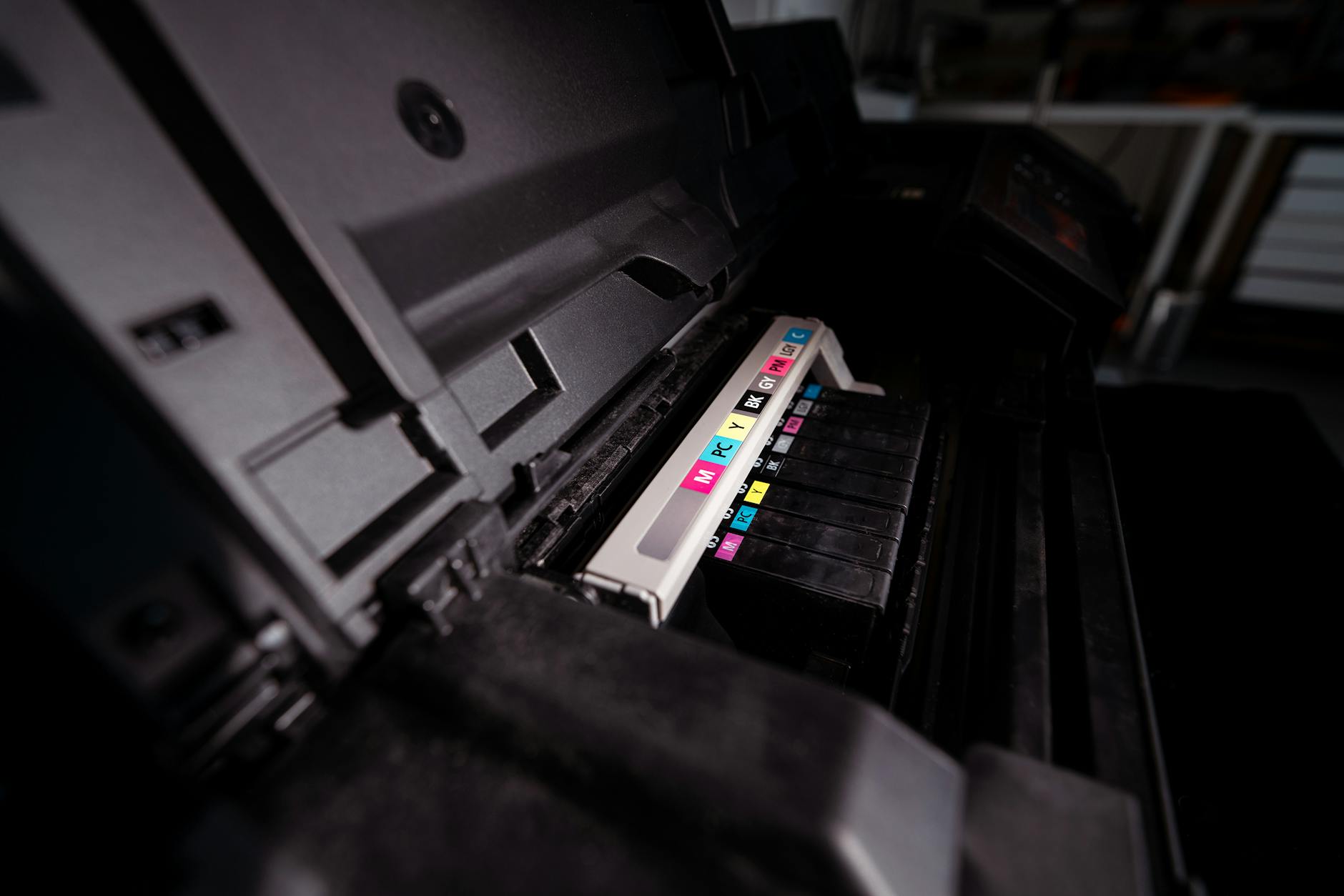
Another critical aspect involves the use of precise colour matching techniques. Colour matching ensures that the specific hues in a digital design are faithfully reproduced in the printed output, which is essential for branding, marketing, and artwork reproduction. This process often involves calibrating printers and monitors regularly, utilizing colour profiles such as ICC profiles, to decrease discrepancies and produce consistent results across different print runs and media.
Advanced digital printing technology offers the ability to produce high-definition images with smooth gradients and accurate colour gradation, which is particularly important for photographic reproductions and detailed artwork. When selecting a colour printing service, clients should inquire about the use of such technology, ensuring that they receive high-resolution prints with precise colour fidelity.
Quality Control and Final Inspection
Implementing rigorous quality control procedures is essential to guarantee that each batch of printed materials meets the desired standards. This includes checking for colour consistency, sharpness, registration, and absence of defects. Many professional printers employ sample testing and colour proofing techniques, such as digital proofs or hard proofs, allowing clients to approve colours before the full run begins.
Furthermore, finishing options such as die-cutting, embossing, and debossing add distinctive finishing touches that enhance the visual appeal and tactile experience of colour printed products. These processes also contribute to the durability and professional quality of the final product.
Environmental Responsibility in Colour Printing
Modern colour printing increasingly emphasizes eco-friendly practices, including the use of biodegradable, vegetable-based inks, and sustainable paper sources. These environmentally conscious materials not only reduce ecological impact but also often improve the durability and colour vibrancy of the final prints. Additionally, responsible printing companies adopt energy-efficient equipment and recycling policies, ensuring sustainable operations.
Incorporating these strategies results in a balance between high-quality, authentic colour reproduction and sustainability. Clients who prioritize environmentally responsible options benefit from printed materials that are both visually impressive and aligned with contemporary ecological values.