Business Booklet Printing Services In Singapore
Understanding Business Booklet Printing
Business booklet printing is a specialized form of printed marketing that involves creating multi-page documents designed to showcase a company's offerings, values, and brand identity. Unlike typical one-page flyers or brochures, booklets are intended to convey detailed information in an organized and visually appealing manner. The purpose of a business booklet extends beyond mere promotion; it acts as a comprehensive tool to inform, educate, and engage potential clients, partners, or stakeholders about aspects such as product ranges, service details, corporate mission, or industry insights.
The structure and content of these booklets are carefully crafted to facilitate clarity and impact. They serve as a tangible representation of your business's professionalism and credibility, providing an immersive experience that can influence purchasing decisions or foster trust. For instance, detailed product catalogs or annual reports are common examples of business booklets that deliver complex data in a reader-friendly format.

Deliberate design and strategic content placement distinguish business booklets from other printed materials like flyers or postcards. While flyers may be used for quick announcements or promotional deals, booklets excel in delivering comprehensive information over several pages, encouraging longer engagement with the reader. They are often used in scenarios such as investor meetings, trade shows, corporate gifting, or high-level marketing campaigns where detailed storytelling and brand positioning are paramount.
Ultimately, selecting business booklet printing as part of your marketing arsenal reflects a commitment to quality, thoroughness, and professionalism. It allows businesses to present themselves with sophistication, backed by durable printing methods and thoughtful design—elements that reinforce your brand's value and trustworthiness in a competitive marketplace.
Understanding Business Booklet Printing
Business booklet printing involves the production of professionally crafted printed materials that communicate essential information about a company’s offerings, mission, or industry insights. This process transforms your internal content into a tangible asset that can effectively convey your brand’s narrative to clients, partners, and stakeholders. Utilizing specialized printing techniques ensures that each booklet maintains high standards of quality, durability, and visual appeal, aligning with your company's professional image.

Creating these booklets requires not just compelling content but also a strategic approach to printing, which encompasses selecting suitable paper stock, designing engaging layouts, and choosing appropriate finishing touches. Advanced printing methods, such as offset and digital printing, enable crisp images and consistent color reproduction. Incorporating thoughtful design elements and high-quality materials ensures that your booklet stands out, leaving a lasting impression on recipients.
Official Methods for Business Booklet Printing
Ensuring the authenticity and consistency of your printed materials involves relying on established, official printing methods that are recognized within the industry:
- Offset Printing: This traditional method is ideal for large-volume runs, offering superior color fidelity and sharp image quality. It involves transferring ink from a plate to a rubber blanket and then onto the printing surface, making it a cost-effective choice for bulk production with consistent results.
- Digital Printing: Suitable for smaller quantities or customized runs, digital printing provides quick turnaround times and the flexibility to incorporate variable data. It allows for on-demand printing without the need for costly plates.
- Silkscreen and Flexographic Printing: While less common for booklet production, these methods are worth considering for special finishes or unique printing effects, adding texture or metallic accents to enhance visual appeal.
Quality Assurance and Compliance
Legitimate printing providers adhere to strict quality control processes, including color proofing, calibration, and material certification, to ensure that the final product meets the required standards. Reputable companies maintain transparency regarding their printing techniques and material sourcing, providing clients with confidence in the quality and authenticity of their business booklets.
Technological Advancements in Printing
Integrating innovative printing technologies, such as UV coating or embossing, can add a layer of sophistication and durability to your booklets. These methods improve resistance to wear and tear, ensuring your printed materials sustain their professional appearance over time. Moreover, environmentally friendly printing options, such as soy-based inks and recycled paper, demonstrate a commitment to sustainability and responsible business practices.
Customizing Your Business Booklets
Customization is a cornerstone of legitimate booklet printing. It involves tailoring the print process according to your specific requirements—be it size, binding style, finish, or paper quality. Traditional binding methods such as saddle stitching, perfect binding, or spiral binding can be chosen based on the booklet’s purpose and desired presentation. These options not only enhance the aesthetic appeal but also the functional use of the printed piece.
Ensuring Privacy and Data Security
When incorporating sensitive or proprietary information, working exclusively with authorized printing vendors ensures confidentiality is maintained throughout the printing process. Many legitimate providers implement secure workflows and confidentiality agreements, safeguarding your data from unauthorized access or misuse, which is especially critical when printing detailed reports or proprietary business data.
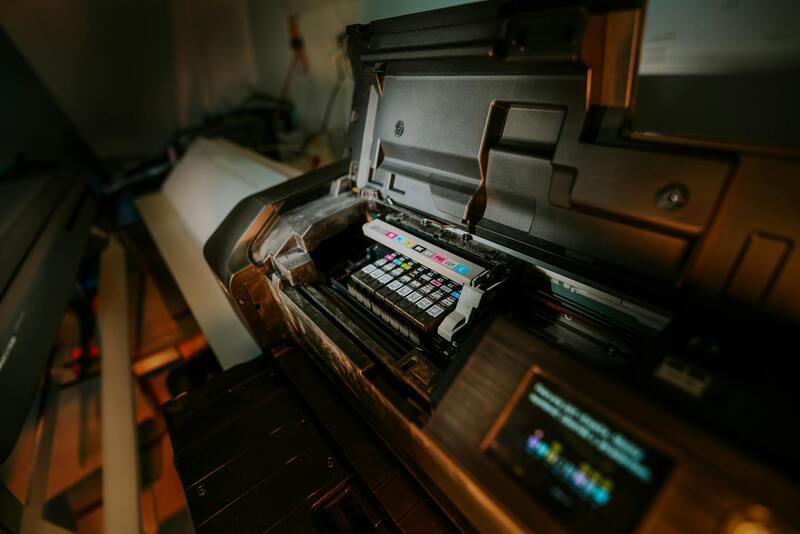
In essence, legitimate business booklet printing relies on a combination of verified methods, quality control protocols, and advanced technology to produce materials that accurately reflect your brand’s professionalism. Partnering with experienced printing providers ensures that your business materials are crafted with precision, compliance, and a focus on the highest standards of industry practice.
Understanding Business Booklet Printing
Accurate and professional business booklet printing is fundamental for conveying your company's message effectively. To ensure the integrity and quality of your printed materials, it is essential to adhere to established printing practices that emphasize consistency, security, and adherence to industry standards. High-quality printing involves the careful selection of materials, precise color management, and meticulous process control, often utilizing certified printing facilities equipped with advanced technology.
Legitimate business booklet printing methods depend upon verified workflows and quality assurance protocols. These include detailed pre-press processes such as color calibration and proofing, which guarantee that the final product will meet your expectations for color accuracy and overall appearance. During production, strict specifications for paper handling, ink application, and finishing are followed to ensure durability, aesthetic appeal, and alignment consistency.
In addition, working with authorized providers emphasizes the importance of confidentiality, especially when dealing with sensitive content. Reputable printing services implement secure workflows, including encrypted digital file transfers and confidentiality agreements, to protect proprietary information throughout the process. This approach safeguards your intellectual property and business data, providing peace of mind in all stages of printing.

The choice of printing techniques—such as digital, offset, or hybrid printing—also influences the final results. Each method offers advantages suited to different production volumes and deadlines, with offset printing providing cost efficiency for large runs, while digital printing facilitates rapid turnaround times for smaller quantities. Ensuring that your selected technique aligns with your project scope is key to obtaining a finished product that accurately represents your brand.
Ultimately, the legitimacy and professionalism of your business booklet printing are reflected in adherence to best practices, use of quality-certified materials, and the employment of proven printing technologies. These elements collectively guarantee that your printed materials are consistent, visually appealing, and functionally durable, reinforcing your company's credibility in the marketplace.
Understanding Business Booklet Printing
Business booklet printing is a comprehensive process that involves creating professionally designed printed materials to effectively communicate a company's message, showcase products, or provide detailed information about services. When selecting methods for business booklet printing, it is essential to consider the authenticity and adherence to established industry standards. Employing recognized and reputable printing techniques guarantees that the final product maintains consistent quality, durability, and visual appeal, which collectively reinforce an organization’s credibility.
Consistent application of industry-best practices throughout the printing process—such as verifying the quality of printing equipment, calibrating color profiles, and using certified materials—ensures each booklet accurately reflects your brand’s professionalism. Security measures, including encrypted digital file transfers and contractual confidentiality agreements with printing providers, further validate the integrity of the process, — particularly important when handling sensitive or proprietary information. This reliance on standard procedures not only protects your intellectual property but also affirms that the final printed products meet rigorous quality expectations.

When evaluating printing options, consider the use of high-grade inks, environmentally responsible substrates, and advanced printing technologies. Offset printing, digital printing, and hybrid systems each have their roles depending on order volume and desired turnaround times. Offset printing, known for its consistency and cost efficiency during large runs, produces crisp images with color accuracy that aligns with branding standards. Digital printing offers rapid production times suited for smaller batches, while hybrid approaches enable flexibility for complex projects requiring personalized touches or special finishes.
Ensuring Compliance with Industry Standards for Business Booklet Printing
Legitimate printing services consistently adhere to qualitative benchmarks established within the industry. These include the use of uniform color management protocols, application of sustainable and certified materials, and employment of proven printing processes. Such measures ensure each booklet not only greets viewers with professional aesthetics but also withstands daily handling and long-term use without deterioration. Maintaining compliance with these standards demonstrates a commitment to excellence that reassures clients, partners, and internal stakeholders of your organization’s dedication to quality.
Best Practices for Printing Security and Confidentiality
- Implement encrypted digital workflows for file transfer and communication.
- Sign confidentiality agreements with trusted printing vendors.
- Limit access to sensitive project files within the production team.
- Use secure storage and disposal methods for printed materials post-production.
Adopting these practices aligns your business booklet printing with recognized standards of security, which is especially critical for sensitive corporate data or proprietary content.
Understanding Business Booklet Printing
Business booklet printing serves as a strategic tool for organizations aiming to communicate their value propositions, showcase products and services, or provide detailed information in a visually compelling format. Unlike flyers or single-page brochures, booklets offer a multi-page platform that allows for comprehensive storytelling, structured product details, and consistent branding. Employing high-quality printing methods ensures that each page effectively captures attention and maintains the professionalism expected of corporate communication materials.
When planning for business booklet printing, it is crucial to consider the intended audience, distribution channels, and the message’s complexity. Clear objectives guide the selection of appropriate formats, paper stock, and design elements. A well-executed booklet reflects the company's attention to detail, enhances brand image, and facilitates consumer engagement, making it an invaluable asset in marketing and corporate identity efforts.
Types and Formats of Business Booklets
Business booklets come in various formats tailored to different objectives and content volumes. Common types include tri-fold brochures, saddle-stitched booklets, perfect-bound catalogs, and wire-bound reports. The choice of format influences the overall aesthetic and functional aspects such as ease of handling and printing costs.
- Tri-fold Booklets: Compact and versatile, ideal for quick overviews and promotional materials.
- Saddle-stitched Booklets: Frequently used for product catalogs and event programs, offering multiple pages sewn along the spine.
- Perfect-bound Booklets: Used for detailed reports, manuals, and brochures requiring a professional, hardcover finish.
- Wire-bound Booklets: Facilitate easy page turning, suitable for menus, training guides, or reference manuals.
Regarding sizes, standard dimensions like A4 (210x297mm) or A5 (148x210mm) are popular, but custom sizes can be produced to match specific branding needs. The format selection impacts print layout, available content, and distribution efficiency, making it essential to align choices with strategic goals.
Choosing Paper and Finish Options
The choice of paper stock and finishing touches plays a pivotal role in the perceived quality and durability of business booklets. For a professional appearance, coated papers like silk or gloss finishes are preferred, offering smooth surfaces that enhance color vibrancy and image sharpness. For a more eco-friendly approach, recycled papers with matte finishes provide a stylish yet sustainable alternative.
Consider the following options for paper and finishing:
- Paper Weight: Ranging from 80gsm for lightweight pages to 170gsm or higher for covers and internal pages requiring extra rigidity.
- Finish Types: Gloss, silk, matte, or soft-touch coatings, each imparting a distinct tactile and visual quality.
- Special Effects: Spot UV coatings, foil stamping, or embossed details can add a luxurious touch and highlight key elements.
Durability and aesthetic appeal are primary considerations when selecting finished materials. A premium finish not only elevates the overall look but also protects the booklet from wear and tear over time, ensuring that brand messaging remains intact and impactful through prolonged handling.
Understanding Business Booklet Printing
Business booklet printing is a strategic communication tool that allows organizations to showcase products, services, and key information in a structured and professional format. The process involves translating the company's message into visually appealing content that captures the attention of target audiences while reinforcing brand identity. Effective booklet printing not only enhances corporate credibility but also ensures that vital information is easily accessible and engaging, facilitating better customer understanding and increased engagement.
In a competitive market, the quality and presentation of printed materials serve as a reflection of your business's professionalism. Choosing the right printing methods, materials, and finishing options is crucial to delivering a durable, high-quality product that aligns with your branding goals. From concept to distribution, understanding the nuances of business booklet printing helps organizations optimize their marketing efforts and achieve a compelling visual presence.
A well-executed printed booklet can serve various purposes, including product catalogs, corporate profiles, training manuals, or event programs. Each serves a different function but shares the common goal of communicating effectively with the intended audience. By investing in the appropriate printing techniques and materials, businesses can produce booklets that stand out, convey their message clearly, and leave a lasting impression.
Durability, visual appeal, and alignment with brand aesthetics are central to successful booklet printing. Selecting print options that support these objectives ensures the final product not only meets immediate marketing needs but also retains its quality through handling and distribution. Leveraging professional printing services guarantees adherence to commercial standards, resulting in a polished, impactful booklet that effectively supports your strategic communication efforts.

Methods of Ensuring Business Booklet Printing Security
Maintaining the integrity and authenticity of business booklets is essential for reinforcing trust and credibility. Several strategies can be employed to uphold the security of printed materials, making unauthorized duplication or alteration difficult. These measures can include the integration of security elements directly into the design and production process, aimed at verifying the booklet’s authenticity and safeguarding its content.
Incorporating features such as holographic overlays, watermarks, or special inks can act as visual identifiers that are difficult to replicate, serving as proof of authenticity for clients and partners. Embossing or foil stamping not only enhances aesthetic appeal but also adds a layer of security by making the booklet more difficult to forge or duplicate without specialized equipment.
Another effective method involves the use of serialized numbering or barcodes. When printed on individual booklets, these identifiers can be used for tracking and verification purposes, enabling businesses to authenticate each copy easily and prevent distribution of counterfeit versions. Secure binding techniques, such as concealed wire or specialized spine adhesives, can also contribute to preventing unauthorized access or tampering with the contents.
Furthermore, choosing high-quality, tamper-evident paper stock enhances security by providing physical cues if the booklet has been altered or tampered with. For sensitive or confidential information, secured access — such as QR codes linked to encrypted databases — can be embedded to control and monitor distribution and viewing rights.
Implementing Best Practices for Secure Business Booklet Printing
To maximize security, it’s vital to partner with a professional printing service that understands the nuances of business document protection. Experienced printers can guide you through selecting appropriate security features tailored to your specific needs, ensuring that the final product aligns with your organizational policies and branding standards.
Moreover, establishing a comprehensive distribution protocol can further safeguard printed booklets. Tracking distribution channels, limiting access to authorized personnel, and employing secure packaging methods are practical steps to mitigate risks associated with widespread dissemination or theft.
As part of a holistic approach, regular audits of printed materials and secure storage of unused or leftover units can prevent misuse or unauthorized reproduction. When combined, technological enhancements, quality materials, and meticulous handling procedures create a rigorous framework that protects your business communication assets effectively.
Choosing the Right Partner for Secure Printing
Selecting a printing provider with proven experience in security printing ensures your business booklet meets both aesthetic and protective requirements. A reputable service will offer a range of options including advanced inks, specialized finishes, and secure binding techniques to fit your security standards. Their expertise ensures that every booklet is produced with precision and adherence to security protocols, thereby safeguarding your branding and sensitive information throughout the entire process.
Understanding Business Booklet Printing
Business booklet printing involves preparing multi-page printed materials that effectively communicate your company's message, values, and offerings. To achieve a professional appearance and ensure the message resonates with your target audience, it is essential to understand the key aspects of legitimate printing methods. High-quality booklet printing combines meticulous design, appropriate material choice, and advanced printing technologies to produce durable, visually appealing marketing tools.

Types and Formats of Business Booklets
Business booklets come in various formats, each suited to different communication needs:
- Tri-Fold Booklets: Compact, easy to distribute, ideal for quick overviews and promotional content.
- Bi-Fold Booklets: Larger than tri-folds, providing more space for detailed information, often used for product catalogs.
- Multi-Page Booklets: Typically saddle-stitched or Perfect bound, perfect for comprehensive reports, guides, and detailed presentations.
- Square and Custom Sizes: Unique formats that stand out and can be tailored to fit specific branding requirements.
The choice of format influences the overall design and distribution strategy, making it vital to select a style aligned with your communication objectives.
Choosing Paper and Finish Options
The legitimacy of business booklet printing extends to the selection of materials and finishing touches that enhance durability and aesthetics:
- Paper Quality: Options range from standard 80 lb. gloss or matte finishes to premium heavyweight papers, which provide a luxurious feel and better print quality.
- Coatings and Finishes: Matte, gloss, or silk coatings add a professional appearance and protect against smudges and fingerprints. Specialized finishes like soft-touch or aqueous coatings offer unique tactile experiences.
- Embossing and Foil Stamping: For branding accents, these techniques add texture and visual interest, reinforcing brand identity.
Legitimate printing providers adhere to strict standards in material sourcing and finishing processes, ensuring your booklets maintain consistency, durability, and visual appeal throughout their lifecycle.
Design Considerations for Effective Booklets
Design plays a crucial role in the effectiveness of printed booklets. Professional, compliant design involves:
- Clear Hierarchy: Use headings, subheadings, and bullet points to organize content for easy navigation.
- Consistent Branding: Incorporate your logo, color scheme, and typography to reinforce brand recognition.
- High-Resolution Images: Utilize sharp, relevant visuals that complement the textual content and are optimized for print.
- Whitespace Utilization: Balance text and images with adequate margins to avoid clutter and enhance readability.
- Call-to-Action (CTA): Incorporate compelling CTA elements that guide your audience towards desired actions.
Engaging, compliant design workflows ensure your booklet embodies professionalism, adheres to branding standards, and communicates your message effectively.
Printing Techniques and Technologies
Legitimate business booklet printing leverages a variety of proven printing techniques to ensure quality and consistency:
- Offset Printing: Ideal for large volume runs, providing sharp image reproduction and color fidelity.
- Digital Printing: Suitable for smaller quantities, offering quick turnaround times and customization options without sacrificing quality.
- Large Format Printing: Used for any oversized elements within the booklet or accompanying visual displays.
- Proofing Methods: Digital proofs and color calibration ensure that the final product meets expectations before mass production.
Reputable printing services utilize advanced machinery, such as vector-based color management systems and high-resolution presses, to guarantee that each booklet is produced with precision and retains color consistency across multiple copies.
Binding and Finishing Options
The binding method selected influences the durability and aesthetic of your booklet:
- Saddle Stitching: Stapling along the spine; suitable for thin booklets up to about 40 pages.
- Perfect Binding: Gluing the pages along the spine; provides a polished look for thicker booklets or catalogs.
- Wire-O and Spiral Binding: Bound with metal or plastic coils; allows easy page turning and lay-flat capabilities.
- Edge and Special Finishes: Including rounded corners, embossed covers, or foil accents to elevate the tactile experience and visual appeal.
Proper finishing by legitimate providers guarantees that presentation elements are securely attached, and any additional decorative features are applied with precision, aligning with your brand standards.