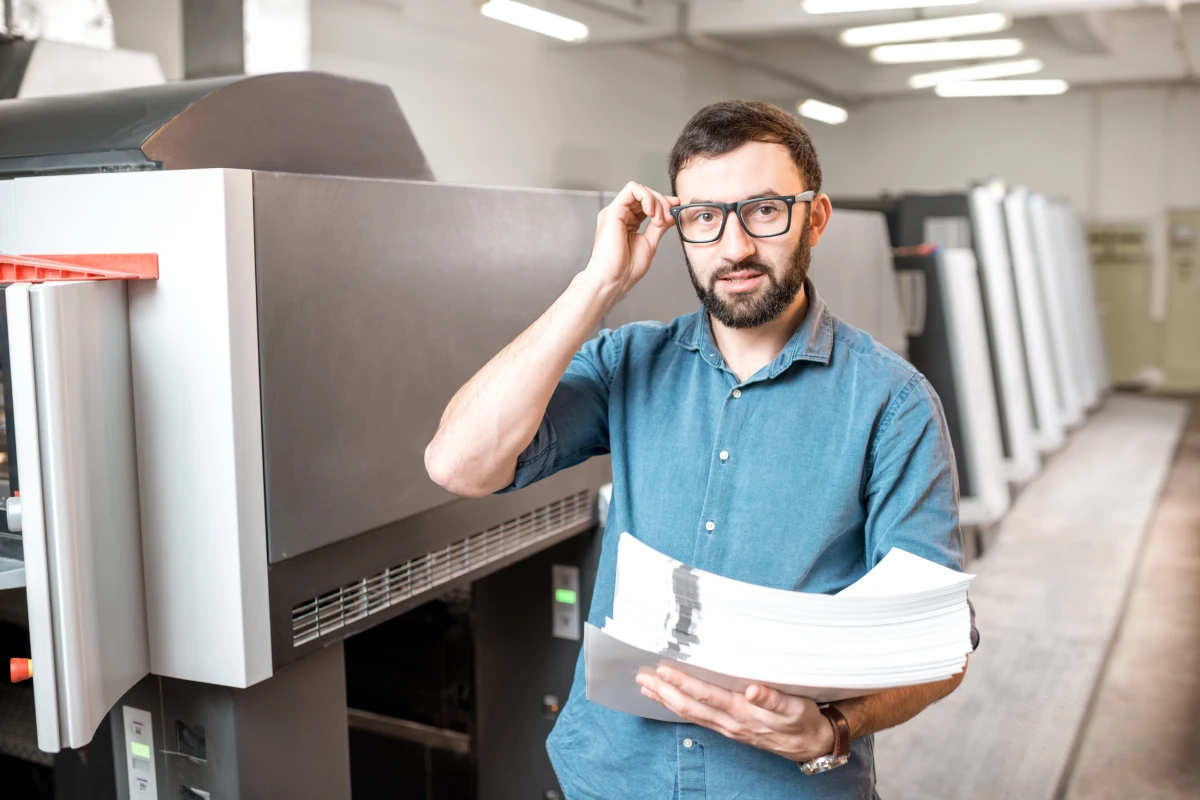
Fast Booklet Printing Services In Singapore For Quick Turnaround
Understanding Fast Booklet Printing
Fast booklet printing refers to the process of producing high-quality booklets within a shortened timeframe without compromising on detail, binding integrity, or overall presentation. This service is essential for organizations that require timely delivery of promotional materials, event programs, training manuals, or internal communication tools. When the need for rapid turnaround arises, choosing an efficient printing process can make a significant difference in meeting project deadlines while maintaining professional standards.

The importance of fast booklet printing extends across various sectors, including marketing campaigns with tight schedules, event organization requiring quick dissemination of materials, and internal corporate communications that need rapid updates. In these contexts, the ability to produce quality booklets swiftly ensures that organizations stay agile and responsive, leveraging printed materials to communicate effectively with their audiences.
Modern advancements in printing technology have enabled service providers to streamline their processes, reduce lead times, and uphold consistent quality standards even for large or complex projects. These techniques include digital printing methods, which are highly adaptable and cost-effective for short runs or variable data, and efficient offset printing setups suited for larger quantities with faster production cycles. Both methods play vital roles in meeting the demand for fast booklet printing.
To maximize the benefits of rapid printing, businesses must carefully consider several factors including the choice of materials, design complexity, and the capacity of their printing partners. Ensuring that all elements align with the desired turnaround time is critical. This involves not only selecting the right printing technology but also implementing proper preparation and streamlined workflows.
Booklet printing can involve various formats and specifications, from standard saddle-stitched brochures to more intricate lay-flat designs. Understanding the scope of your project and the characteristics of different printing methods helps in choosing the most suitable approach that balances speed, quality, and budget constraints. Whether producing an informational booklet for a conference, a promotional catalog for a product launch, or a training manual, fast booklet printing services tailored to these needs can deliver exceptional results promptly.
Connecting with a reputable printing service provider that specializes in rapid turnaround projects is key to ensuring timely delivery. Such providers often maintain state-of-the-art facilities, utilize high-speed digital presses, and possess experienced production teams capable of managing urgent requests efficiently. They also offer expertise in preparing print-ready files aligned with their production capabilities and deadlines, further facilitating a smooth and quick printing process.
In addition to technical efficiencies, effective project management and clear communication between clients and printers play a pivotal role. Establishing precise specifications, confirming materials, and setting realistic timelines are fundamental steps in executing fast booklet printing projects successfully. By doing so, businesses can ensure that their printed materials arrive on schedule and meet expectations for both appearance and durability.
In summary, fast booklet printing is a strategic service that combines technological innovation, skilled craftsmanship, and proactive coordination. It empowers organizations to meet demanding schedules while maintaining high-quality standards, ultimately enabling successful marketing, event execution, and internal communication efforts.
Understanding Fast Booklet Printing
Fast booklet printing involves producing high-quality booklets within tight deadlines without compromising on detail or durability. This process is crucial for organizations seeking to distribute promotional material, training manuals, or event programs swiftly, ensuring their message reaches audiences promptly. Achieving this rapid turnaround requires a combination of advanced printing technology, efficient workflows, and meticulous file preparation, all coordinated seamlessly between clients and printers.
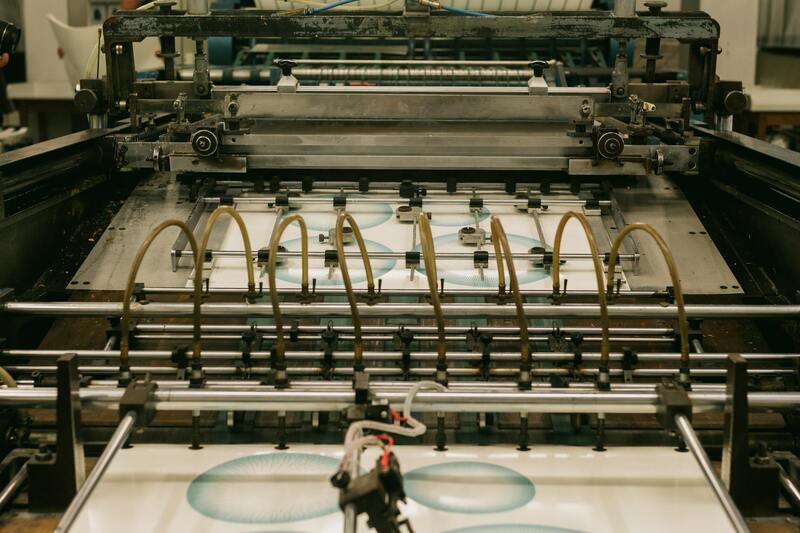
State-of-the-art digital printing presses, particularly those utilizing inkjet or LED-UV technology, facilitate exceptional speed and vibrant color consistency. These machines can produce large quantities of booklets in significantly reduced timeframes compared to traditional offset methods. Additionally, optimized binding and finishing lines accelerate the completion process, reducing lead times while maintaining professional standards.
Clear communication plays a vital role in fast booklet printing projects. Clients must supply print-ready files that adhere to specified format and resolution requirements. When presentations are optimized for digital printing—using appropriate color modes, bleed settings, and file formats—the production process becomes smoother and more predictable, minimizing potential errors that could cause delays.
Effective project management, including well-defined timelines and regular updates, ensures all stakeholders remain aligned. Pre-planning, such as confirming material selections, quantity, and binding options, helps prevent bottlenecks. Quick turnaround also depends on having readily available stock of necessary materials, such as premium paper types and binding components, to avoid supply chain delays.
Strategies for Successful Fast Booklet Production
- Consistent file formatting using templates or standardized design guidelines.
- Pre-approved materials and binding formats to streamline the production flow.
- Utilization of high-speed digital presses with automated workflows.
- Close communication channels between clients and the print team for real-time updates.
- Efficient storage and inventory management for substrates and binding supplies.
Incorporating these strategies ensures that rapid production schedules are met without sacrificing the quality or durability of the finished booklet.
Ultimately, precision planning combined with cutting-edge technology enables fast booklet printing services to deliver excellent results within tight timeframes, making them an invaluable asset for marketing campaigns, corporate communication, and event coordination.
Materials and Sizes for Rapid Printing
In the realm of fast booklet printing, selecting the appropriate materials and sizes is crucial to ensuring both efficiency and quality. Standard paper stocks such as 80 lb. gloss or matte finishes are frequently used in quick turnaround projects because they offer durability and compatibility with high-speed digital presses. These weights provide a balance between handling and rigidity, making them suitable for a variety of booklet types, from promotional pamphlets to professional catalogs.
Cover materials also play a significant role in the overall presentation. Coated stocks, such as gloss or satin finishes, enhance visual appeal with vibrant colors and sharp images, while uncoated options offer a more textured, premium feel. For projects demanding quick processing, opting for readily available, pre-stocked covers can significantly reduce delays.

Size selections often follow industry standards to facilitate faster printing and binding. Common sizes like 5.5 x 8.5 inches (letter size), 8.5 x 11 inches (tabloid size), or smaller 4 x 6 inch pamphlets are preferred for their widespread availability and compatibility with digital printing equipment. These standard dimensions enable quick setup and finishing, minimizing the time needed for custom formatting or trimming.
Moreover, choosing sizes that align with standard binding and folding methods, such as saddle stitching or perfect binding, helps accelerate the overall production. When specific dimensions are required, consulting with your printing provider about existing templates can prevent unnecessary delays caused by custom die setups.
Design and File Preparation Tips for Speed
Effective file preparation is foundational to achieving swift turnaround times. Utilizing standardized templates provided by your printing service ensures consistent formatting and reduces setup time. Files should be created following the specified bleed, margin, and scale parameters to prevent delays caused by adjustments during printing.
- Use high-resolution images (300 dpi or higher) to prevent quality issues that could require reprints.
- Embed or outline fonts to avoid font substitution errors that slow down the process.
- Maintain color profiles in CMYK to ensure accurate color reproduction without adjustments.
- Group and organize files systematically for easier review and approval.

Additionally, limiting complex design elements, such as intricate gradients or excessive transparencies, can enhance print speed and reduce processing time. Simplified, clean designs facilitate faster printing cycles, especially when using high-speed digital presses tailored for rapid production.
Ensuring Readiness for Fast Turnaround
Having all materials pre-approved and ready before the production phase is paramount. Confirm that your chosen paper stocks, covers, and binding options are in inventory to prevent delays caused by supply shortages. Collaborate with your printing provider to understand their inventory status and turnaround capabilities.
Establish clear communication channels for immediate feedback and approval at each stage of the process. This proactive approach helps swiftly identify and resolve any issues that could impede the scheduled delivery.
By meticulously planning material selection, adhering to standard sizes, and preparing design files correctly, organizations can leverage fast booklet printing services effectively. These practices not only assure high-quality outputs but also uphold tight deadlines essential for impactful marketing, timely corporate communications, and successful event promotions.
Understanding Fast Booklet Printing
Fast booklet printing is a specialized service designed to produce high-quality booklets within tight timeframes, catering to the urgent needs of marketing campaigns, corporate communications, event promotions, and emergency situations. To achieve rapid turnaround without compromising quality, organizations must focus on efficient workflows, optimized file preparation, and the use of suitable printing technologies. Digital printing emerges as a primary method in fast booklet production due to its ability to handle short runs quickly, with minimal setup times. Unlike traditional offset printing, digital presses do not require lengthy plate creation processes, significantly reducing lead times and enabling quick adjustments or revisions.
Ensuring that design files are correctly prepared for high-speed printing is essential to avoid delays. Files should be set up using standard templates, adhering to specific dimensions, resolution, and color profiles, primarily in CMYK. Simplifying designs by reducing complex images, stacking transparent layers, and avoiding excessive gradients can accelerate the printing process. Moreover, organizing files systematically—using consistent file naming conventions, layered structures, and pre-approved templates—streamlines the review and approval stages, facilitating swift transitions from design to print.
Methods for Rapid Booklet Production
Implementing official and reputable methods for fast booklet printing involves leveraging advanced digital printing systems. High-quality digital presses like toner-based or inkjet devices are capable of producing consistent, vibrant booklets with quick turnaround times. Some key advantages include:
- Ability to print small to medium runs efficiently
- Short setup times with minimal wastage
- Rapid production of proofs and test prints for quick approval
- Compatibility with variable data printing for personalized booklets
These methods stand in contrast to traditional offset methods, which, while cost-effective for large quantities, often involve extensive setup processes unsuitable for urgent projects. Collaborating with experienced digital printing providers ensures that your projects benefit from these rapid production capabilities, with services often including pre-registration, inline finishing options, and quick delivery options.
Utilizing Standard Materials and Sizes for Speed
Choosing standardized materials and sizes can significantly facilitate speedy production. Common booklet formats such as A5, A4, or letter size are widely available and compatible with high-speed digital presses. Material selection, including lightweight and readily available papers, reduces delays caused by supply chain issues. When preparing files, adhering to standard margins and bleed specifications minimizes rework and troubleshooting during the printing process.
Implementing a pre-designed template for your booklet dimensions aligns with quick production workflows. Furthermore, selecting binding options like saddle-stitching, which require minimal setup, accelerates assembly without sacrificing durability or aesthetic quality.
Preparing Files for Fast Production
Effective file preparation is critical for rapid booklet printing. To streamline the process, your design files should comply with the following guidelines:
- Use high-resolution images (at least 300 dpi) to ensure clarity upon printing.
- Embed fonts or outline text to prevent font issues during printing.
- Maintain color profiles in CMYK to match the printing process.
- Set up pages in the correct sequence and incorporate trim marks and bleed areas.
- Limit the complexity of design elements and minimize transparent layers that require extra processing time.
Collaborating with your printing provider during the file preparation stage allows for previews and verification, catching potential issues before the printing begins. This proactive approach ensures that your fast booklet printing project stays on schedule and meets quality standards.
Leveraging High-Speed Digital Presses
Modern digital presses capable of high-volume, fast turnaround production are the backbone of efficient booklet printing services. These machines can handle various booklet sizes and finishes, including saddle-stitched and perfect-bound options, with minimal downtime. Incorporating inline finishing options such as trimming, folding, and binding can further reduce production cycle times, delivering finished booklets swiftly.
Furthermore, in-house printing capabilities allow providers to maintain control over the entire process, from digital file input to final delivery. This in-house expertise is vital for meeting strict deadlines and handling last-minute changes or revisions seamlessly.
Understanding Fast Booklet Printing
Fast booklet printing has become an essential component for businesses and organizations seeking rapid distribution of marketing materials, training manuals, event programs, and more. Achieving high-quality output within tight deadlines requires a clear understanding of the printing process and the utilization of advanced technology. When speed and quality are prioritized, selecting methodologies that leverage digital printing technology ensures seamless and efficient production. Digital presses facilitate quick turnaround times, provide flexibility for customization, and often incorporate inline finishing options, which collectively enable the rapid creation of professional booklets without sacrificing quality.

Modern digital printing solutions employ advanced page setup techniques, enabling content to be printed directly from digital files such as PDFs or InDesign documents. This approach minimizes preparation time and reduces the need for time-consuming processes like plate creation, common in traditional offset printing. The ability to print on demand with high precision allows for quick revisions and last-minute adjustments, making digital digital presses the preferred choice for fast booklet printing projects. Additionally, inline finishing options like binding and trimming streamline the process by reducing handling between stages, ensuring the project remains on schedule.
Materials and Sizes for Rapid Printing
Choosing appropriate materials and sizes plays a crucial role in expediting the printing process. Standard paper options such as 80 lb or 100 lb gloss or matte stock are widely compatible with high-speed digital presses, offering a balance of durability and print quality. Common booklet sizes—such as A5, half-letter, or 8.5 x 11 inches—are designed for standard digital finishing equipment, facilitating faster production cycles. Material availability and pre-cut formats contribute significantly to minimizing delays; thus, working with suppliers that stock readily accessible papers and finishing supplies is advantageous.
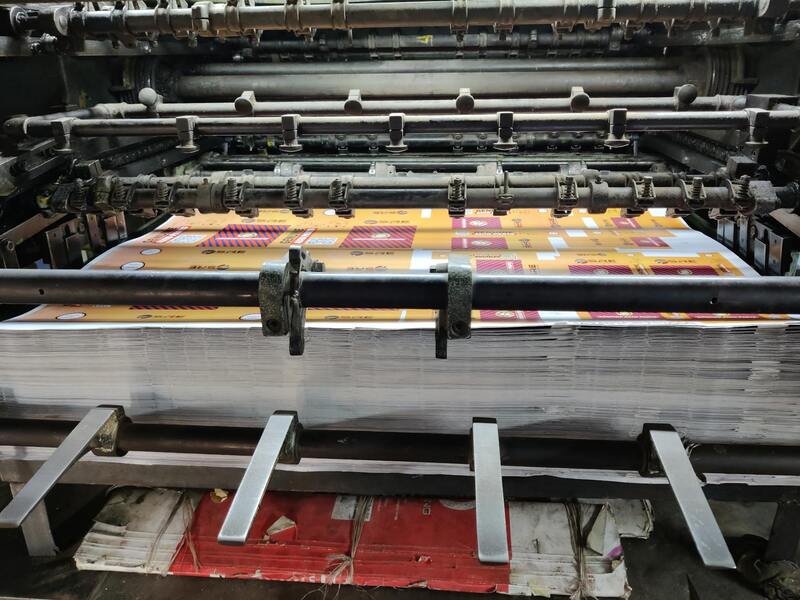
For projects requiring custom sizes, ensure the digital printer supports the specific dimensions and that the paper stock is compatible with inline or external binding and folding equipment. When choosing materials, consider the weight and finish, aiming for options that are easily processed by high-speed digital presses without necessitating special handling or slowing down production. Standardized sizes and materials not only accelerate the printing phase but also simplify post-printing processes such as folding and binding, enabling an efficient turnaround.
Key Factors for Achieving Fast Turnaround
Speed in booklet printing hinges on several critical aspects beyond just equipment and materials. Proper file preparation is fundamental; files should be optimized with high-resolution images, embedded or outlined fonts, consistent color profiles, and correct page sequencing. Implementing a thorough prepress workflow, including proofing and file checks, prevents errors that could delay production.
- Prepress Optimization: Ensuring files are correctly setup, with appropriate bleed, trim marks, and color management, minimizes the need for reprints or adjustments.
- Choice of Printing Technology: Digital presses with inline finishing capabilities expedite production, especially for small to medium print runs.
- Supplier Partnerships: Collaborating with experienced printing providers who have established workflows and equipment suited for rapid turnarounds is crucial.
- Clear Communication: Providing detailed specifications and confirming production timelines upfront help prevent misunderstandings and expedite the process.
- Efficient Workflow Management: Streamlining order processing, file submission, and approvals contributes to meeting tight deadlines.
Integrating these factors into your project planning ensures the fastest possible execution while maintaining a high standard of quality. The collaboration between your team and the printing service provider, especially regarding file specifications and expectations, significantly influences the overall speed and success of the project.
Understanding Fast Booklet Printing
Fast booklet printing demands a comprehensive understanding of the entire production process, from file preparation to finishing touches. Achieving expedited turnaround times hinges on meticulous planning and execution of each step, ensuring that projects move smoothly through prepress and press phases. When prioritizing speed, it is essential to consider equipment capabilities, appropriate material choices, and efficient workflow management. Digital printing technologies, equipped with inline finishing options, have revolutionized the way booklets are produced rapidly, enabling small and medium runs to be completed within tight deadlines without sacrificing quality.
Adapting your printing approach to speed involves more than just selecting the right technology; it requires a strategic assessment of your project’s specific requirements. This includes evaluating the complexity of design, the number of pages, and the preferred binding style, all of which influence production time. Clear communication with your printing provider ensures that specifications are understood and feasible within your deadline. An optimized production schedule integrating file submission, approval, and printing reduces unnecessary delays, making fast booklet printing a practical solution for time-sensitive needs.

Types of Booklet Printing Suitable for Speed
- Digital Booklet Printing: Ideal for small to medium runs, offering quick setup and fast turnaround times. Digital presses can produce high-quality booklets with minimal setup, making them suitable for short deadlines.
- Short-Run Offset Printing: Suitable for slightly larger quantities where consistent color and quality are critical. While offset typically takes longer than digital, advances in hybrid workflows have reduced turnaround times for short runs.
- On-Demand Printing: This method allows for flexible scheduling, enabling the printing of booklets as needed, which helps in managing inventory and reducing lead times.
Choosing the appropriate printing technology depends on your project’s volume, quality expectations, and urgency. Digital printing, in particular, excels in scenarios where speed is a priority without compromising visual standards.

Materials and Sizes for Rapid Printing
selection of the right materials and sizes plays a crucial role in fast booklet printing. Lightweight papers such as 80 lb or 100 lb gloss or matte stocks facilitate quicker printing and finishing processes because they are easier to run through digital presses and bind without risk of jams or delays.
- Paper Choices: Opt for standard sizes like 8.5 x 11 inches or A4 to streamline printing and folding. Custom sizes can introduce unnecessary complexities and slowdowns, so sticking to common dimensions can expedite production.
- Cover Material: Thicker stocks, such as 12 pt or 14 pt cardstock, provide durability for covers while still being compatible with fast finishing options like scoring and folding.
- Binding Options: Saddle-stitch binding is the fastest and most straightforward method, suitable for booklets of 48 pages or fewer. Perfect binding or spiral binding, while more time-consuming, can also be incorporated into rapid workflows if required.
Key Factors for Achieving Fast Turnaround
- Prepress Efficiency: Proper file setup with high-resolution images, embedded fonts, and accurate color profiles reduces the need for adjustments during printing. Using templates provided by your printer can streamline this process.
- Resource Allocation: Ensuring that digital presses and finishing equipment are dedicated or prioritized for your project minimizes wait times caused by equipment scheduling conflicts.
- Batch Processing: Grouping multiple projects or versions into a single print run can optimize machine use and reduce setup times, benefiting quick turnarounds.
- Clear Communication: Accurate and detailed instructions regarding size, binding, and finishing options prevent errors that could otherwise cause delays.
- Quality Control: Implementing rapid inspection procedures helps identify and rectify issues early, avoiding reprints or rework that extend delivery timelines.
Selecting the Right Printing Service Providers
Partnering with experienced printing providers who are equipped with state-of-the-art digital presses, robust workflow management systems, and dedicated customer support is essential for fast booklet printing. Providers with flexible scheduling options and the ability to handle rush requests efficiently can significantly impact your project’s delivery timeline. Additionally, those offering transparent quotations, reliable logistics, and communication channels foster a smoother production process.
Evaluating a provider’s previous work, turnaround promises, and customer reviews ensures that your fast-paced needs are understood and met. Establishing a clear timeline upfront allows for precise planning and reduces the risk of unexpected delays. A provider with extensive experience in quick-turnaround requests will likely have optimized procedures, from file handling to final delivery, ensuring that your project arrives on time without compromising quality.
Understanding Fast Booklet Printing
Fast booklet printing encompasses a range of strategies and processes that enable the production of professionally finished booklets within tight timeframes. It requires precision planning, optimized workflow, and the utilization of advanced digital printing technologies to ensure high-quality results are delivered promptly. When time sensitivity is a critical factor, choosing the most efficient methods becomes essential to meet deadlines without compromising print quality or binding integrity.
Streamlined Production Processes
Achieving rapid turnaround in booklet printing involves streamlining each stage of production. Digital presses facilitate quicker setup and faster output compared to traditional offset methods, especially suited for short-run projects. These machines support the quick transfer of digital files, enabling immediate printing once the files are approved. Batch processing similar projects also reduces setup times, ensuring multiple copies are produced efficiently. Moreover, integrating automated finishing options such as folding, binding, and trimming accelerates the overall process while maintaining consistent quality.
Efficient Workflow Management
An organized workflow includes precise file preparation, clear communication with the printing provider, and real-time progress monitoring. Proper file formatting in high-resolution PDFs, along with appropriate bleed and margin settings, minimizes errors and rework. Digital prepress systems can automatically check for issues, expediting the pre-print process. Maintaining open communication channels with the printer ensures any adjustments or clarifications can be addressed swiftly, reducing potential delays. Rapid quality control procedures, including real-time inspection, help identify and resolve issues early, avoiding reprints or rework that could extend the delivery timeline.

High-Speed Post-Processing Equipment
The availability of high-speed binding and finishing equipment supports the quick assembly of booklets. Automated binding options such as saddle-stitching, perfect binding, or spiral binding can be executed rapidly while ensuring precise alignment and secure hold. Additionally, rapid folding and cutting machinery enable the completion of the booklet format in minimal time. These post-processing tools are often integrated into modern digital printing workflows to facilitate a seamless, fast turnarounds from printing to finished product.
Importance of Material Choice
The selection of materials directly impacts the speed of production. Standard paper stocks that are readily usable with digital presses and finishing equipment tend to support faster processing. Lightweight, smooth, and compatible substrates reduce the likelihood of jams or processing delays. Sizes such as A4, letter, or custom dimensions that align with binding options streamline the workflow. Using pre-cut and uniformly sized materials also reduces setup times, ensuring a smooth and swift production process.
Design Optimization for Rapid Printing
Design elements should be optimized for quick printing by avoiding complex graphics or heavy ink coverage that may prolong drying or processing times. Simplified layouts and low-resolution images can facilitate faster printing without compromising visual impact. Additionally, having ready-to-use templates or standardized design elements enhances efficiency during the file preparation stage. Clear specifications regarding color profiles, bleed margins, and layout help ensure the designer and printer are aligned for speedy output.
Effective Material and Size Selection for Speed
- Utilize standard paper sizes such as A4 or letter, which are compatible with most printing and finishing equipment
- Opt for lightweight, smooth paper stocks to facilitate faster processing and drying
- Avoid custom sizes that may require additional setup time
- Choose durable materials that resist jams and misfeeds during high-speed printing
Conclusion
Implementing rapid booklet printing demands meticulous planning across all stages, from file preparation to post-press finishing. Leveraging digital printing technology, optimized workflows, high-speed finishing equipment, and standard materials ensures the efficient delivery of high-quality booklets within tight deadlines. Whether for promotional campaigns, event handouts, or informational packets, selecting the right methods and materials is fundamental to achieving the fastest turnaround times possible without sacrificing quality.
Advanced Techniques and Considerations for Fast Booklet Printing
When aiming for rapid booklet production, understanding advanced methods and strategic considerations becomes crucial. Modern digital printing technologies, such as high-speed inkjet and laser printers, enable theons of commercial printing firms to produce high-quality booklets within tight timeframes. These printers utilize digital workflows that reduce setup times, eliminate the need for costly print plates, and allow for quick adjustments, making them ideally suited for short-run, fast turnaround projects.

Utilizing Digital Printing Technologies
- High-Speed Laser and Inkjet Printers: These machines offer rapid production capabilities with precise color matching, suitable for small to medium runs.
- Variable Data Printing: Enables customization on the fly, adding value for targeted marketing while maintaining quick output times.
- Batch Processing and Automation: Modern digital presses incorporate automated paper feeding, color calibration, and finishing options, minimizing manual intervention and accelerating the entire process.
Workflow Optimization
Efficient workflow management is fundamental to achieving fast booklet printing. This includes pre-press automation, where file checks and print proofs are streamlined through sophisticated software, reducing delays. Standardizing design templates ensures that every job adheres to consistent specifications, avoiding time-consuming revisions. Quick file conversions into compatible formats and clear communication channels between designers and printers further prevent bottlenecks.
Material and Choice of Finishing Operations
- Standardized Paper Stocks and Sizes: Utilizing commonly used sizes like A4 or letter-sized sheets minimizes setup times and simplifies finishing processes such as folding and binding.
- Durable, Lightweight Materials: Selecting materials that resist jamming and facilitate faster drying allows for continuous high-speed processing.
- Efficient Binding Techniques: Saddle stitching or perfect binding with quick-drying adhesives can be executed swiftly, especially with automated binding machinery.
Post-Printing Finishing and Delivery
Speed is further enhanced through streamlined finishing and delivery services. Automated trimming, folding, and binding stations reduce manual labor and accelerate the completion process. Many service providers offer express shipping options, ensuring that completed booklets reach clients promptly, whether via courier or local pickup.
Technological Innovations and Future Trends
Emerging technologies, such as digital embossing or augmented reality integration, offer new avenues for rapid, engaging booklet production. Cloud-based ordering and tracking systems enhance transparency and coordination, ensuring all stakeholders remain aligned with tight schedules.