Customized Card Printing: A Guide To Personalization And Industry Options
Overview of Customized Card Printing
Customized card printing is a specialized service that involves creating uniquely designed cards tailored to meet specific needs across various sectors. This process encompasses the production of a wide range of card types, including personal identification cards, corporate business cards, promotional giveaways, loyalty cards, and event invitations. The significance of customized card printing lies in its ability to effectively communicate brand identity, convey personal sentiments, and enhance marketing strategies. By providing a tangible and visually appealing card, businesses and individuals can leave a lasting impression and facilitate meaningful connections.
The importance of tailored cards extends into multiple industries. Companies leverage customized cards such as premium business cards to establish a professional image in client meetings, conferences, and networking events. Retailers and companies utilize loyalty and membership cards to foster customer retention, offering incentives and rewards that encourage repeated engagement. Event organizers use personalized invitation and thank you cards to add a thoughtful touch to special occasions, ensuring recipients feel valued. Additionally, customized greeting and festive cards serve as meaningful tokens during seasonal celebrations, strengthening relationships and brand presence.
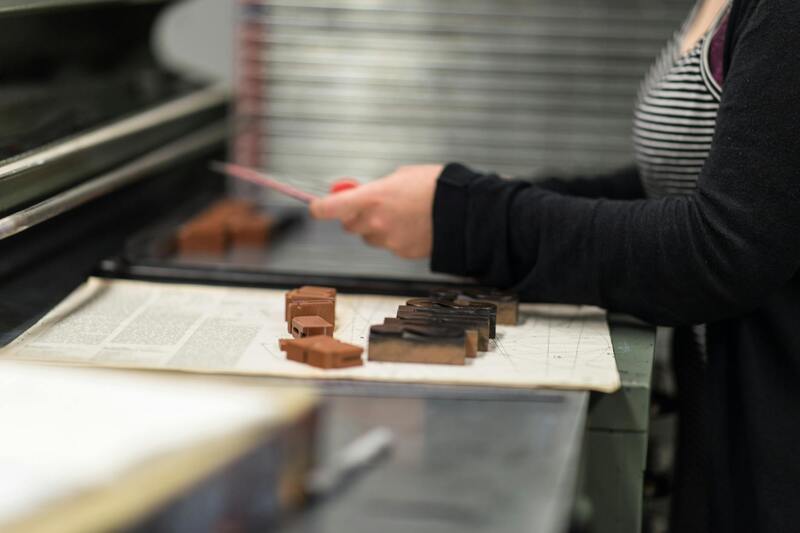
Choosing the right customized card printing services involves considering factors such as the quality of materials, the range of available finishes, and the technological methods used during production. Reputable service providers, such as s7printing.com, emphasize a comprehensive approach that includes consultation, design customization, and high-quality printing, ensuring results meet professional standards. These services cater to individual preferences by offering extensive customization options while maintaining strict adherence to industry standards for durability and visual appeal.
From selecting the most suitable design elements to choosing the right materials, each step in the customized card printing process is designed to align with the client’s specific objectives. Whether it's for personal use, corporate branding, or promotional campaigns, the ability to customize every aspect of the card ensures a unique and memorable end product. This precision and attention to detail in customized card printing make it a vital component of strategic branding and personal expression across diverse applications.
Understanding the Range of Custom Card Options
Customised card printing encompasses a vast array of card types, each tailored to meet specific purposes and branding strategies. The most common options include:
- Business Cards: Designed to leave a lasting impression, business cards can be personalized with various finishes, textures, and unique shapes to reflect a company’s identity and professionalism.
- Greeting Cards: Perfect for personal occasions or corporate events, greeting cards can be customized with personalized messages, images, and premium finishes for a memorable touch.
- Gift and Loyalty Cards: Used extensively in retail and hospitality sectors, these cards can be designed with interactive features and durable materials to enhance customer engagement.
- Event-specific Cards: Invitations and RSVP cards for weddings, conferences, or promotional events are customizable to match event themes and branding requirements.
Each category serves a distinct function but shares common features such as variable data printing, diverse material options, and a variety of finishes to elevate visual appeal and tactile sensation. Customisation ensures that each card not only communicates effectively but also adds a premium touch, reinforcing brand values or personal sentiments.

Choosing Ideal Materials for Customized Cards
The selection of materials plays a vital role in the durability, functionality, and appearance of printed cards. Reputable providers offer a comprehensive range of materials, including:
- Standard Paper Stocks: Suitable for everyday use, these are versatile and cost-effective options available in different weights and finishes.
- Premium Stocks: Featuring thicker textures and enhanced finishes such as matte, gloss, or satin, these materials lend a sophisticated premium feel.
- Specialty Materials: Options like PVC, transparent PET, or metallic foils provide unique visual effects and enhanced durability, ideal for high-end branding or novelty cards.
In addition to these, finishing options such as embossing, spot UV coating, foil stamping, and lamination can significantly increase the visual and tactile impact of the cards, ensuring they stand out among competitors.

Overview of Customized Card Printing
Customized card printing is a versatile solution that caters to a spectrum of personal, corporate, and promotional needs. This process involves creating unique cards that reflect specific branding elements, personal sentiments, or event themes by utilizing various design options, materials, and finishes. Ensuring the integrity of each card's design and durability rests on employing high-quality printing techniques and official material sources, which maintain the standards expected by discerning clients.

For businesses aiming to differentiate themselves in competitive markets, customized cards serve as tangible extensions of brand identity. Whether it's business cards, loyalty cards, or corporate event invitations, the tailored approach enhances visual communication and tactile engagement. Personal users can also benefit by creating bespoke greeting cards or special occasion cards that leave a lasting impression. The process typically involves careful selection of design elements, printing methods, and authentic source materials to ensure each card meets precise expectations and functional standards.
Ensuring Quality Through Authorized Methods
Official and legitimate approaches to customized card printing rely heavily on certified printing technologies and proven supply chains. Reputable providers use certified equipment that guarantees consistent color accuracy and sharp detail reproduction. These methods include digital, offset, or screen printing, each chosen based on the card's material, design complexity, and required production volume.
Using officially sourced materials such as certified cardstock, premium PVC, or metallic substrates not only enhances visual appeal but also contributes to the longevity of the finished product. The authenticity of these materials ensures the printed cards withstand daily handling, environmental exposure, and time, maintaining their appearance and tactile quality over an extended period.
Strategic Material Selection for Custom Cards
The choice of material directly impacts the card’s durability, functionality, and aesthetic appeal. Commonly utilized materials include:
- Standard Paper Stocks: Cost-effective, suitable for everyday use, available in various weights and finishes, ideal for mass production.
- Premium Stocks: Thicker textures and refined finishes such as matte, gloss, or satin provide a high-end feel, perfect for corporate branding and executive cards.
- Specialty Materials: PVC, transparent PET, and metallic foils deliver unique visual effects and enhanced durability. These are optimal for high-end branding projects or novelty cards.

Finish options like embossing, spot UV coating, foil stamping, and lamination further elevate the card’s overall presentation. These finishing techniques add tactile dimension and visual intrigue, ensuring the cards stand out among competitors and reinforce the intended message or company image.
Design and Customization Workflow
The development of customized cards generally follows a structured process, starting with client consultations to understand branding requirements or personal preferences. Designers utilize vector and raster graphics to craft unique layouts compatible with official printing standards. Once the design is finalized, the printing provider ensures adherence to quality parameters through proofing and color validation steps, utilizing legitimate printing technologies to achieve the desired results.
At each stage, adherence to authentic processes—such as ISO-certified printing operations—ensures the final product is consistent in excellence, faithfully representing the intended design details and color fidelity.
Overview of Customized Card Printing
Customized card printing encompasses a range of methods and techniques that allow businesses and individuals to create cards tailored specifically to their branding, personal preferences, or functional needs. This process involves selecting official printing channels that guarantee high-quality output, durability, and precise color reproduction, ensuring each card maintains its intended aesthetic and functional properties. Utilizing legitimate printing processes provides the foundation for producing customized cards that are not only visually appealing but also reliable in terms of durability and safety standards. Through a collaboration with certified printing providers, clients can choose from various card types, materials, finishes, and innovative features. Whether it's for corporate branding, event invitations, membership identification, or promotional giveaways, professional card printing ensures each product meets established industry standards and withstands everyday use while visually resonating with the brand or personal message.
Types of Customized Cards
Official channels facilitate the production of diverse customized card types, each tailored to specific purposes and audience needs:
- Business Cards: Standard, premium, embossed, foil-stamped, and laminated options designed to leave a lasting impression in professional interactions.
- ID and Membership Cards: Durable cards with security features suitable for companies, clubs, or associations to manage access and membership validation effectively.
- Gift and Loyalty Cards: Customizable for retail or hospitality sectors, these cards often include magnetic strips or RFID technology to enhance customer engagement.
- Event and Promotional Cards: Invitation cards, event passes, or promotional items crafted to reflect the theme, branding, or message of a specific campaign.
- NFC and Contactless Cards: Contemporary options that enable seamless interactions through contactless technology, suitable for payments or secure access.
Materials and Finishes
Choosing official materials and finishes is essential to elevating the overall look and lifespan of customized cards. The primary materials include:
- PVC: Classic choice for durability and flexibility, available in various thicknesses for different use cases.
- Transparent PET: Offers a sleek, modern appearance with resilience against cracking or fading.
- Metallic Foils and Specialty Materials: Incorporate metallic finishes or textured surfaces for unique visual effects and enhanced tactile experience.
Finishing techniques further enhance the card's appeal:
- Embossing: Creates a three-dimensional feel, ideal for logos or key messages.
- Spot UV Coating: Highlights specific areas with a glossy finish, drawing emphasis and adding visual intrigue.
- Foil Stamping: Adds metallic accents that increase sophistication and brand visibility.
- Lamination: Provides a protective layer against scratches, water, and general wear and tear, extending the card's lifespan.

Selecting official and verified materials along with appropriate finishes ensures the final product aligns with industry standards, delivering visually striking, durable, and functional custom cards. This method guarantees that each card not only communicates the desired message effectively but also maintains its integrity over time, presenting a professional and polished image for any brand or personal purpose.
Overview of Customized Card Printing
Customized card printing serves as a vital tool for individuals and businesses seeking to leave a lasting impression through personalized designs. This process involves producing cards that reflect distinct branding, personal identities, or thematic elements, tailored precisely to meet varied needs. Whether for corporate networking, special events, or personal gifts, high-quality customized cards elevate communication, ensuring messages resonate effectively. The growing popularity of bespoke cards discloses a robust demand for services that combine artistic aesthetics with functional durability, achieved through advanced printing techniques and premium materials. Precision in the customization process guarantees that each card not only visually appeals but also maintains structural integrity over time, aligning with high standards of quality and professionalism.
Types of Customized Cards
Customized cards encompass a broad spectrum of applications, each tailored to specific functions and aesthetic preferences. The common types include:
- Business Cards: The quintessential networking tool, designed with brand logos, contact details, and corporate identity elements.
- Membership and Loyalty Cards: Used by retail and hospitality sectors, these cards facilitate member identification and reward programs.
- Gift and Promotional Cards: Includes gift vouchers, discount cards, and event passes, crafted to enhance marketing campaigns.
- Event and Invitation Cards: For weddings, conferences, or parties, personalized invitations connect with recipients through sophisticated designs.
- Security and Access Cards: Used in office buildings and restricted areas, these cards incorporate security features for authorized access.
Merging specific functionalities with appealing visual elements, these diverse card types serve multiple industry sectors and personal uses, demonstrating the versatility of customized card printing.
Materials and Finishes
Choosing the right materials and finishes significantly influences the durability and visual impact of customized cards. The array of premium materials offers various tactile experiences and aesthetic qualities:
- PVC: The most common choice, known for its robustness, flexibility, and resistance to environmental elements, making it ideal for daily use.
- Transparent PET: Provides a modern, sleek look while offering high resilience against cracking and fading, suitable for premium branding.
- Metallic Foils and Specialty Surfaces: Incorporate metallic finishes or textured effects to create a distinctive, tactile allure that captures attention.
Finishing techniques further enhance the visual appeal and longevity of cards:
- Embossing: Adds a 3D tactile dimension to logos or key messages, emphasizing brand identity.
- Spot UV Coating: Creates glossy highlights on selected areas, drawing focus and adding sophistication.
- Foil Stamping: Applies metallic accents to elevate brand perception and add a premium touch.
- Lamination: Protects the card surface against scratches, water, and general wear, extending its effective lifespan.

Design and Customization Process
The pathway to a perfectly customized card involves a systematic approach rooted in precision and creativity:
- Concept Development: Engaging clients to convey the desired message, style, and functions helps formulate initial design ideas.
- Design Drafting: Experienced designers translate concepts into digital mockups, incorporating branding elements and aesthetic preferences.
- Material Selection: Clients choose suitable materials and finishes based on the design requirements and intended usage.
- Proofing and Approval: Digital proofs are provided for client review, ensuring alignment with expectations before proceeding.
- Production: The finalized design is transferred to high-precision printing machines, adhering to strict quality controls.
- Finishing and Quality Checks: Post-printing processes add requested finishes, with meticulous inspections to guarantee excellence.
This comprehensive process supports the creation of personalized cards that fulfill aesthetic standards and functional specifications, reinforcing brand identity and personal expression.
Ensuring Authenticity in Customised Card Printing
When investing in customised card printing, it is essential to rely on proven methods and official channels to guarantee the quality and authenticity of your cards. Genuine customised cards are produced using advanced printing technologies and premium materials that meet industry standards for durability, aesthetic appeal, and functional performance.
Reputable service providers employ cutting-edge digital and offset printing equipment, which ensures high-resolution images, sharp text, and vibrant colors that accurately reflect your design intentions. These machines are calibrated regularly to maintain consistency across batches, reducing errors and ensuring each card adheres to specific quality benchmarks. For clients, this translates to a product that looks professional and aligns precisely with their branding or personal specifications.
Materials used for customised cards often include high-grade cardstock, PVC, or specialty finishes that provide added durability and tactile appeal. These materials are sourced from trusted suppliers and adhere to strict quality controls, preventing issues like warping, fading, or surface imperfections. Authentic process providers also utilize legitimate finishing techniques such as embossing, foil stamping, lamination, and spot UV coating, which are applied through certified procedures ensuring longevity and visual sophistication.
Furthermore, the verification of the printing process involves multiple quality assurance steps. Post-print inspections involve checking for color accuracy, print registration, and material integrity. Reputable printers maintain documentation of each production step, enabling traceability and accountability, which assures clients of the legitimacy and reliability of the final product.
When selecting a service for customised card printing, always consider those that employ certified printing methods, utilize reputable raw material sources, and adhere to international quality standards. Confirming the use of advanced technologies such as dye sublimation, UV direct printing, or offset presses, along with genuine finishes, ensures the authenticity and excellence of your customised cards. These methods are recognized for producing resilient, vibrant, and professional-grade cards that effectively serve their intended purpose—whether for business branding, personalized gifts, or functional applications like access control or payment processing.
Individuals and organizations should also verify the transparency of the printing provider’s processes and seek clients' reviews or case studies that demonstrate their adherence to quality standards. Authentic printing services often provide detailed documentation and samples, showcasing their capacity to produce official, legitimate customised cards that meet both aesthetic and functional expectations without compromise.
Understanding the Methodology of Official Customized Card Printing
When investing in customized card printing, it is essential to choose printing methods that guarantee durable, vibrant, and professional outcomes. Reliable providers leverage advanced printing technologies that adhere to stringent quality standards, ensuring each card meets the specified aesthetic and functional requirements. These methods include dye sublimation, UV direct printing, offset lithography, and laser engraving, each selected based on the card’s material, design complexities, and intended use.
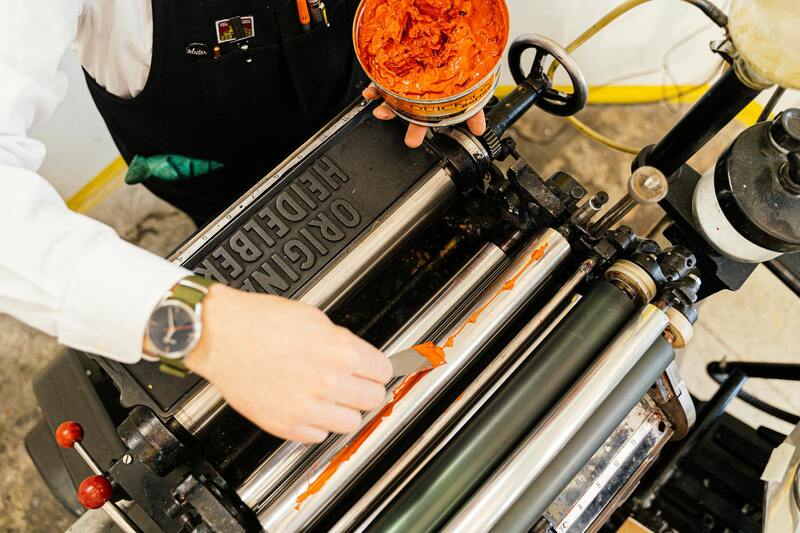
Dyed sublimation printing is renowned for creating vivid, full-color images on plastic and coated surfaces. It infuses dye into the material, resulting in a resilient, scratch-resistant finish that maintains its vibrancy over time. UV direct printing, on the other hand, involves ultraviolet light curing inks directly onto the substrate, allowing for detailed finishes with excellent adhesion and durability—ideal for business and membership cards requiring high-resolution graphics.
Offset lithography is often used for larger runs, providing cost-effective high-quality prints with precise color consistency. Laser engraving provides a tactile and sophisticated aesthetic, particularly suitable for security or luxury cards, where embossed details and intricate patterns are needed. Reputable printing services strictly follow industry standards and use certified machinery, ensuring each batch of cards adheres to quality benchmarks, reducing the risk of defects such as color misregistration, inconsistent finishes, or material weaknesses.
Adherence to Industry Standards for Printing and Material Quality
- Material Selection: Choices like PVC, PET, or composite cardstock are evaluated to determine suitability based on card function and environmental exposure.
- Color Management: Utilization of color profiles like CMYK ensures color accuracy and consistency across batches, vital for brand representation.
- Finish and Coatings: Matte, gloss, or matte/gloss hybrid finishes are applied based on user preference and intended use, with protective coatings like UV varnish offering added resilience.
- Traceability and Documentation: Certified printers maintain comprehensive logs and certificates confirming adherence to quality protocols, allowing clients to verify the legitimacy of their customised cards.
The Importance of Verified Printing Sourcing
Opting for printing providers who utilize certified materials and proven technologies ensures the legitimacy and durability of your customised cards. Authentic services will often showcase their adherence to global standards by providing detailed documentation and samples that reflect their technical capabilities. This transparency helps clients make informed decisions, ensuring the final product is both visually impressive and reliable for practical applications, such as access control, identification, or branding.

In addition to technological validation, the use of sustainable and high-grade raw materials from reputable sources further enhances the legitimacy of customised cards. Such practices prolong product lifecycle, resist wear and tear, and maintain visual appeal throughout usage. Reputable printing firms also ensure transparency in their processes—divulging details about materials, inks, and finishing techniques—giving clients confidence in receiving legitimate, high-quality outcomes.
Ultimately, the choice of an official and certified printing process is fundamental to producing customised cards that not only look exceptional but also stand the test of time, ensuring your investment is safeguarded through quality craftsmanship and transparency.
Additional Services and Trends in Custom Card Printing
Beyond standard customization options, many printing providers now offer a suite of value-added services that enhance both the functionality and aesthetic appeal of customised cards. Design assistance plays a vital role in ensuring that clients achieve a professional and visually compelling result. Experts guide clients through intricate design elements, including layout, color schemes, and branding consistency, to produce cards that effectively communicate their message. These services often include digital mock-ups and sample proofs, allowing clients to refine their designs before final production.
Packaging solutions are another critical aspect of the custom card printing process, especially for bulk orders or premium products. Proper packaging not only safeguards the cards during transit but also elevates the perceived value upon receipt. Custom-designed packaging options can include embossed boxes, sleeves, or eco-friendly wrapping, aligning with branding strategies or sustainability goals.
Integration of RFID technology into customised cards is an emerging trend, particularly useful for access control, event management, and contactless transactions. Embedding RFID chips within cards ensures seamless interaction with compatible systems, providing security and convenience. Such integration requires specialized printing solutions that can embed chips during the manufacturing process without compromising card durability or design clarity.
Looking ahead, the industry is increasingly focusing on eco-friendly materials and sustainable production methods. Biodegradable plastics, recycled paper stocks, and environmentally safe inks are becoming popular choices for conscientious clients. These materials not only reduce environmental impact but also reflect corporate social responsibility initiatives, resonating with eco-aware audiences.
Digital customization options are also gaining traction, enabling clients to produce dynamic, personalized cards that can be updated electronically. This approach allows for frequent updates, such as loyalty program information or event details, without the need for reprinting large quantities of static cards. Technologies like QR codes, NFC tags, and variable data printing facilitate such innovations, offering flexibility and ongoing engagement with recipients.
Many professional printing services now incorporate these advanced features into their offerings, ensuring that each customised card not only meets aesthetic standards but also integrates the latest technological advancements. This comprehensive approach guarantees that clients receive products that are practical, innovative, and aligned with current industry trends, all while maintaining strict adherence to industry standards and best practices.