Guide To Custom Business Cards: Design, Materials, And Printing Options
Importance and Purpose of Custom Business Cards
Custom business cards are a vital component of professional networking and brand image development. They serve as a tangible representation of a person's or company's identity, encapsulating key contact information and visual branding elements in a concise format. When designed thoughtfully, custom business cards do more than just convey contact details; they leave a lasting impression, demonstrating professionalism and attention to detail.
In a competitive marketplace, a well-crafted custom business card can stand out amidst a sea of standard designs, reinforcing brand recognition and fostering trust with potential clients or partners. The tactile quality and unique design elements of custom cards can evoke a sense of credibility and reliability, helping recipients remember your business long after the initial point of contact.
Beyond visual appeal, custom business cards facilitate communication, providing essential contact details such as name, phone number, email address, and company website. They act as a convenient reference point, making it easier for recipients to reach out or follow up on discussions. Furthermore, the strategic use of design elements like color schemes, logos, and fonts can reinforce brand identity and communicate the company's values and personality.
Effective business cards are crafted with purpose, tailored to the target audience and context of use. For instance, luxury brands might opt for embossed or foil-stamped cards, while innovative tech companies could choose modern, minimalist designs with unique finishes. This customization ensures the card not only provides information but also visually encapsulates the essence of the brand, making each interaction more memorable and meaningful.
Investing in custom business cards is a strategic decision that can influence perceptions and open doors for future engagement. When designed with clarity, consistency, and professionalism, they act as powerful ambassadors for your brand, leaving a lasting visual impression that supports broader marketing and networking efforts.
Ultimately, the purpose of custom business cards extends beyond mere contact sharing; they are a reflection of professionalism, a facilitator of connections, and a cornerstone of effective brand positioning in today’s dynamic business environment.
Enhancing Brand Recognition Through Material Selection and Finishes
Choosing the right materials and finishes is fundamental to creating unique and impactful custom business cards. High-quality stocks such as thick card paper, textured finishes, or eco-friendly substrates provide a tactile experience that aligns with a brand’s identity. For instance, matte finishes give a sophisticated, understated look, while gloss or satin coatings add vibrancy and durability, ensuring the card withstands handling over time.
Specialized finishes like spot UV coating, foil stamping, or embossing can further elevate the perceived value of the card. Spot UV accentuates specific design elements, creating a visual contrast and depth. Foil stamping introduces metallic accents that capture attention and communicate luxury or innovation. Embossed textures provide a tactile element that invites engagement, making the card memorable upon touch. When selecting these options, consider your brand’s personality, target audience, and the context in which your cards will be used to ensure the chosen materials and finishes complement your overall branding strategy.
Shape and Size Variations to Stand Out
Moving beyond the standard rectangle, custom business cards can be shaped into unique forms that reflect your company's identity or industry sector. Rounded corners, die-cut shapes, or creative cutouts add a distinctive touch that sets your cards apart from competitors. For example, a technology company might opt for a circuit-board-inspired shape, while a design agency might choose artistic, irregular edges to highlight creativity.
Size variations also offer strategic advantages. Oversized cards can draw attention, serve as mini posters or promotional tools, while smaller cards may be more convenient to carry and store. Additionally, you can explore square or angular formats that align with your branding or thematic elements, enhancing visual impact and memorability during networking or client meetings.

Printing Techniques for Precision and Effectiveness
Selecting the appropriate printing techniques is vital to achieve the desired aesthetic and durability for your custom business cards. Traditional offset printing offers high quality and cost-effective options for bulk orders with consistent color reproduction. Digital printing, on the other hand, provides flexibility for short runs and quick turnaround times, allowing for frequent updates or personalized variations.
Specialized methods such as letterpress printing offer an artisanal touch, imparting a tactile impression with embedded ink or impressions that subtly elevate perceived value. Similarly, screen printing can be used for bold, opaque designs or limited color applications, providing options for vibrant visuals. Understanding the capabilities and limitations of each technique ensures that your business cards not only look professional but also effectively communicate your brand’s message.
Personalization and Custom Features for Maximum Impact
Personalization elevates your business card from a simple contact tool to a strategic branding asset. Incorporating elements such as your employee’s photo, personalized logos, or custom icons enhances recognition and trust. Interactive features like QR codes can be integrated to link directly to a portfolio, appointment scheduler, or social media profiles, providing immediate engagement opportunities.
Additional customization options include handwriting or embossed initials, unique textures, or specialty inks that complement your brand palette. These tailored features demonstrate attention to detail and brand authenticity, making your cards not just informative but also reflective of your company's personality and values. When planned thoughtfully, personalized business cards foster a deeper connection and leave a lasting impression on recipients.
Materials and Finishes for Custom Business Cards
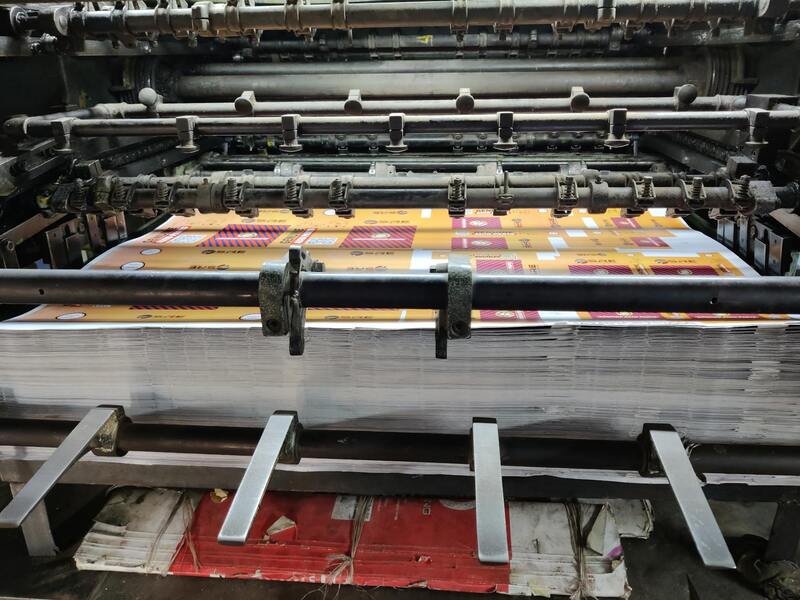
Selecting the right materials and finishes for your custom business cards significantly influences their tactile appeal and durability. High-quality cardstock options such as matte, gloss, and satin each offer distinct visual effects, contributing to the overall impression recipients form of your brand. Matte finishes provide a soft, non-reflective surface ideal for clean, professional looks, while gloss finishes enhance color vibrancy and make images pop with a sleek, shiny surface. Satin finishes offer a balanced, smooth texture with moderate reflection, suitable for a sophisticated appearance.
Beyond surface textures, specialty finishes such as foil stamping and embossing add a layer of tactile luxury. Foil stamping can be applied in metallic or matte finishes, creating eye-catching accents that catch light and draw attention. Embossing and debossing techniques generate raised or recessed textures, imparting a tangible dimension that highlights important elements like logos or names. When combined with various materials, these finishes can create compelling contrasts and emphasis.
Durability considerations also play a crucial role in material choice. Thicker cardstock tends to withstand daily wear better, maintaining its quality over time. Additionally, specialty coatings can offer resistance against smudges, moisture, and fading, ensuring your business cards continue to look professional over the long term. Each finish and material type should align with your brand's personality and the operational environment of your business, whether it’s a high-end luxury service or a tech startup aiming for innovation and modernity.
Exploring Shape and Size Variations in Custom Business Cards
One of the most effective ways to make a memorable impression with your business card is through its shape and size. While standard rectangular cards measuring 3.5 x 2 inches remain the conventional choice, exploring alternative dimensions and die-cut styles can set your brand apart. Custom shapes, such as square, rounded corners, or uniquely carved edges, introduce an element of creativity that aligns with innovative or design-driven businesses.
Square business cards have gained popularity for their balanced symmetry and modern appeal, providing ample space for bold visuals and concise information. Rounded corners soften the overall look, adding a touch of sophistication and safety by preventing sharp edges that can cause damage when stored or handled frequently. Die-cut styles further enhance uniqueness, with options ranging from intricate geometric patterns to organic forms that mimic the shape of a product or logo. These variations not only reflect your brand's personality but also improve the tactile experience, encouraging recipients to retain your card longer.

When selecting a shape or size, consider the operational environment and the message you wish to convey. For instance, a boutique design agency might opt for a die-cut card shaped like a speech bubble or a camera, emphasizing creativity and visual storytelling. In contrast, a corporate consultancy might prefer a sleek, rounded rectangle for a clean and professional look. Additionally, small-sized cards—often called mini cards—offer portability and novelty, making them appealing at conferences or networking events. Conversely, oversized or foldable cards provide more space for detailed information, visuals, or interactive elements.
Advantages of Customized Size and Shape Options
- Enhanced Differentiation: Non-standard shapes and sizes make your card stand out in a crowded network or display.
- Brand Alignment: Custom forms can reflect your industry, style, and brand personality more accurately than traditional rectangular cards.
- Increased Memorability: Unique designs foster a stronger visual and tactile impression, increasing the likelihood of recall.
- Functional Flexibility: Specialty shapes can incorporate functional elements, such as a card that doubles as a stand, bookmark, or packaging component.
Considerations When Opting for Custom Shapes
- Cost Implications: Die-cut and unusual size cards generally incur higher fabrication costs due to custom cutting and material considerations.
- Storage and Handling: Unconventional shapes may require specially designed envelopes or storage solutions, which should be factored into your branding strategy.
- Print Compatibility: Ensure your design and chosen shape are compatible with your printing service’s equipment and capabilities.
- Durability: Custom shapes should balance aesthetic appeal with robustness to withstand daily handling without damage.
Adopting shape and size variations in your custom business cards exemplifies your commitment to distinctiveness. By collaborating with a professional printing service, you can explore these options thoroughly and choose a design that resonates with your brand ethos and target audience.
Importance and Purpose of Custom Business Cards
Custom business cards serve as a vital tool in establishing and reinforcing professional identities. Beyond the basic exchange of contact information, they function as tangible representations of a brand's personality and values. A well-crafted card can leave a lasting impression, fostering trust and credibility in potential clients or partners. By tailoring the design and materials to align with specific business goals, companies can effectively communicate their unique selling propositions.
Effective custom business cards also enhance networking opportunities, providing a memorable physical item that stands out amid a sea of standard designs. The strategic use of branding elements such as logos, color schemes, and typography ensures consistency across all touchpoints, which is essential in building a recognizable brand identity. Additionally, customized cards can incorporate functional features tailored to the company's industry—such as QR codes, appointment scheduling spaces, or specialty shapes—that serve as efficient communication or marketing tools.
Moreover, custom business cards are an excellent method to showcase professionalism and attention to detail. The choice of materials, printing techniques, and design intricacies collectively demonstrate a company's dedication to quality, impacting how clients and partners perceive the level of service and reliability they can expect. This intentional approach to branding can provide a competitive edge, particularly in industries where first impressions are critical.

Design Elements of Custom Business Cards
Design plays a fundamental role in creating impactful custom business cards. Key elements include layout, color palette, typography, and imagery, each contributing to the overall aesthetic and message. A balanced layout ensures that essential information such as the name, position, contact details, and company logo are easily readable and organized systematically.
Color choices should reflect brand personality—bold hues for energetic brands, muted tones for luxury and sophistication, or vibrant shades for creative enterprises. Typography must be clear, professional, and consistent with brand identity, ensuring legibility across various formats and printing methods. Incorporating imagery or icons relevant to the industry further personalizes the card and reinforces brand recognition.
Special design considerations, such as embossing, foil accents, or spot UV coating, can add texture and visual interest, transforming a simple card into a tactile experience. The use of negative space effectively directs attention to key information, preventing clutter and enhancing clarity. When designing custom business cards, it is critical to collaborate with professional printers who can translate creative concepts into production-ready formats, ensuring that design elements are optimized for quality results.
Advanced Customization Techniques for Business Cards
Incorporating advanced customization options allows businesses to craft truly unique and memorable cards that reflect their brand identity. Techniques such as embedding QR codes provide a seamless way for recipients to access digital content, portfolios, or contact information instantly. This integration enhances networking efficiency and ensures your business card functions beyond a simple contact medium.
Textures play a significant role in elevating the tactile experience. Using textured surfaces like linen, linen-like finishes, or even embossed patterns adds a layer of sophistication and distinctiveness. Such surface treatments not only make the card stand out visually but also invite touch, reinforcing brand perception and recall.
Materials selection opens a spectrum of possibilities for personalization. Transparent or translucent materials, for example, introduce a modern aesthetic, illustrating innovation and transparency. Recycled or eco-friendly substrates demonstrate sustainability commitments, resonating with environmentally conscious clients and partners.

After-print embellishments further elevate the quality of custom business cards. Techniques like foil stamping or spot UV coating introduce elements of luxury and visual interest through metallic accents or glossy highlights. These embellishments can be strategically applied to logos, icons, or borders to draw attention and communicate professionalism.
Implementing layered or interactive elements, such as die-cut edges or peel-off sections, can make cards more engaging and memorable. Such features require careful planning to ensure they complement the overall design and do not compromise durability.
Choosing the right customization methods depends on industry standards, target audience preferences, and the message your brand aims to communicate. When executed properly, these tailored enhancements transform a standard business card into a compelling branding tool that leaves a lasting impression.
Importance and Purpose of Custom Business Cards
Custom business cards serve as a tangible extension of a brand’s identity, playing a crucial role in establishing professional credibility and fostering connections. They act as a personal touchpoint that leaves a lasting impression on clients, partners, and prospects. By refining the design, material, and finish of these cards, businesses can effectively communicate their unique value proposition. They also facilitate easy sharing of contact information, making networking more seamless and memorable. Unlike digital exchanges, a well-crafted custom business card provides a physical reminder of your brand, reinforcing recognition and recall over time.

Design Elements of Custom Business Cards
Effective design is fundamental in creating a compelling custom business card. Key elements include layout, typography, color schemes, and imagery. A balanced layout ensures important details like name, title, and contact information are easily readable. Selecting fonts that align with the brand personality, whether modern, classic, or playful, enhances visual coherence. Color choices should reflect the brand palette, fostering consistency across branding materials. Incorporating original imagery or logos can further strengthen brand recognition. Additionally, strategic use of whitespace prevents clutter, allowing essential information to stand out clearly.
Surface Treatments and Embellishments
Surface treatments such as matte, gloss, or soft-touch finishes add tactile richness and visual depth. Embellishments like foil stamping, embossing, or spot UV coating provide luxurious accents that catch the eye and invite touch. These details can be strategically placed on logos, borders, or text to emphasize key brand elements. Embellishments not only elevate the aesthetic appeal but also communicate professionalism and attention to detail, setting a business apart in competitive markets.
Materials and Finishes for Custom Business Cards
The choice of material significantly impacts both the look and feel of a business card. Options range from standard cardstock to premium choices like textured linen or soft-touch matte finishes. Eco-friendly substrates such as recycled paper or plant-based materials appeal to environmentally conscious audiences. Finishes like UV coating, lamination, or varnishing provide durability and a polished appearance. Metallic or translucent materials showcase modernity and innovation, while textured surfaces, such as linen or embossed patterns, add tactile interest that encourages interaction. Selecting high-quality materials and finishes aligns with the intended brand message and industry standards, ensuring the card’s longevity and impact.
Shape and Size Variations
Moving beyond traditional rectangular dimensions, custom shapes and sizes allow for creative expressions that align with brand identity. Die-cut shapes, rounded corners, or square formats can break the mold and make business cards more memorable. Smaller or uniquely shaped cards can stand out in a stack, but must still accommodate essential information effectively. Oversized cards, tri-folds, or cards with rounded edges can enhance tactile engagement and visual intrigue. It's essential to balance creative shape choices with practical considerations such as storage, durability, and professional presentation, ensuring the card remains functional and attractive.
Printing Techniques and Methods
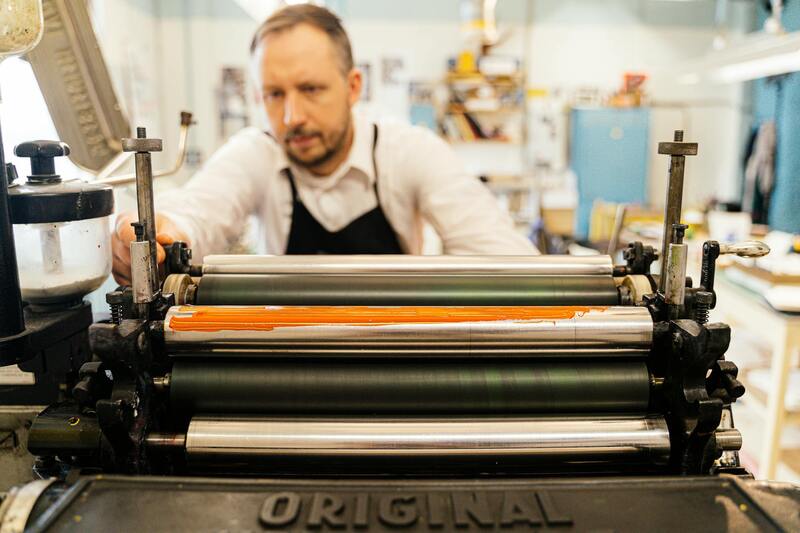
Various printing techniques are employed to produce high-impact custom business cards. Offset printing offers high quality and consistency, ideal for large quantities with complex designs. Digital printing provides cost-effective options for smaller runs or rapid turnaround. Special techniques like thermography create raised effects that add texture, while letterpress printing offers a classic, tactile appeal. Screen printing and foil stamping introduce metallic effects that enhance visual interest. Each method has advantages depending on desired finish, budget, and turnaround times. Choosing the right printing process ensures the final product meets expectations for quality, durability, and visual impact.
Customization Options and Personalization
Custom business cards enable extensive personalization to reflect individual style and brand essence. This includes integrating personal photographs, unique icons, or custom illustrations. Incorporating QR codes can facilitate direct access to digital portfolios or contact details, merging traditional and digital branding tactics. Textured patterns, layered elements, or embedded objects add complexity and tactile differentiation. Personalization extends to choosing specific color schemes, finishes, and materials that resonate with the target audience. When tailored thoughtfully, these options create a distinctive card that not only conveys information but also embodies the personality and values of the business or individual, making it an effective branding tool.
Advanced Customization and Branding Strategies for Business Cards
Beyond standard personalization options, integrating innovative branding techniques can significantly elevate the perceived value and memorability of custom business cards. Incorporating elements such as embossing, debossing, and foil stamping provides tactile and visual distinction, reinforcing brand identity through physical texture and metallic accents. These techniques not only enhance aesthetic appeal but also evoke a sense of sophistication and exclusivity, making your card stand out in competitive environments.

Furthermore, integrating digital components like QR codes enables interactive engagement, allowing recipients to access portfolios, booking systems, or promotional content seamlessly. This fusion of traditional print and digital interactivity ensures your branding remains dynamic and accessible, aligning with contemporary marketing trends.
Choosing the appropriate color schemes and complements—such as matte, gloss, or soft-touch finishes—can influence the emotional response of your audience. For instance, matte finishes evoke elegance and understated professionalism, while gloss coatings lend vibrancy and attention-grabbing appeal. Layered design elements and custom die cuts also offer opportunities for unique shapes and visual flow, reinforcing brand personality and making your card truly one-of-a-kind.
Application of High-Quality Materials for Durability and Aesthetic Impact
Selecting the right materials is crucial to ensure your business cards withstand everyday handling while projecting a professional image. Premium options like thick cardstock, laminated surfaces, or specialty papers—such as textured linen or eco-friendly recycled materials—can elevate the tactile experience and reinforce your commitment to quality.
- Cardstock weight: Heavier weights (e.g., 300gsm or higher) signify durability and substance.
- Laminations: Matte, gloss, or soft-touch coatings protect against wear and enhance visual richness.
- Specialty papers: Textured, kraft, or metal-infused papers introduce distinctive textures and associations with sustainability or innovation.
Additional finishes such as spot UV coating can highlight specific elements like logos or contact details, creating contrast between matte backgrounds and shiny accents. Embedded objects or layered effects extend the tactile dimension, making the card an engaging object that recipients are inclined to keep.
Customization Techniques for Unique Shapes and Dimensions
Innovative shape options diverge from the traditional rectangle, allowing your business card to reflect individuality and creativity. Die-cut designs can produce rounded edges, circular forms, or custom silhouettes that align with your branding motifs. These variations not only differentiate your cards visually but also convey a message of originality and modernity.
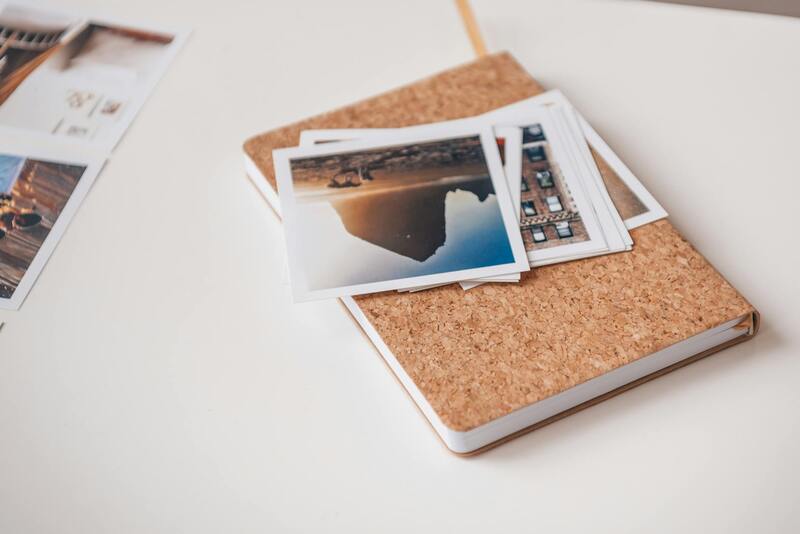
Size variations, including square cards or mini cards, can serve practical purposes or emphasize particular branding aspects. For instance, a smaller card might be used for discreet, luxury branding, while a larger format provides space for more elaborate information or visual storytelling. Combining shape and size customization with special finishes results in a compelling and memorable branding tool.
Implementing Effective Printing Methods for Quality and Precision
The choice of printing technique influences both the final appearance and production efficiency. Offset printing is ideal for producing high-quality images and precise color matching, particularly in large quantities. Digital printing offers rapid turnaround and cost-effective solutions for smaller runs, maintaining sharp detail and vibrant colors.
Specialized methods like letterpress printing deliver a tactile impression through deep relief, giving a timeless, tactile quality often associated with high-end branding. Combining different techniques—such as foil stamping with embossing—can push creative boundaries and result in exceptional visual and tactile effects that leave a lasting impression.
Tailoring Custom Business Cards to Personal and Brand Identity
Personalization extends beyond aesthetic choices to the integration of elements that resonate with the individual or organization's core message. This could involve the incorporation of personalized icons, signatures, or custom illustrations that reflect specific brand values or personal traits. The strategic use of color psychology and material choice reinforces these messages, ensuring that every detail aligns with the desired brand perception.
For instance, a startup emphasizing innovation might opt for vibrant colors and bold geometric patterns, while a law firm might prefer subdued tones and classic layouts. Embedding digital elements such as videos or links via QR codes complements traditional design and supports modern networking methods, providing a comprehensive branding approach.
Final Considerations for Creating Impactful Custom Business Cards
Achieving an effective balance between aesthetic appeal, tactile experience, and informative content is essential. Clear messaging, minimal clutter, and consistent brand elements ensure your card communicates your value proposition effectively. Additionally, maintaining a professional layout with ample white space enhances readability and focus on key information.
Proceeding with a reputable printing service that offers a broad spectrum of customization options guarantees quality results tailored to your specific branding needs. With meticulous attention to detail in design, material selection, and finishing techniques, your custom business cards can serve as an influential extension of your brand identity and a powerful networking asset.