Understanding The Factors Influencing Colour Printing Price In Singapore
Overview of Colour Printing Pricing in Singapore
Colour printing costs are a vital consideration for individuals and businesses seeking high-quality printed materials. Understanding the fundamentals of pricing helps consumers make informed decisions and budget effectively for their printing needs. In Singapore, the pricing for colour printing varies based on several factors, including the printing method, volume, material quality, and specific service provider policies.
Typically, consumers will encounter different pricing models that determine the overall cost. For example, some printers charge per page or per unit, while others provide bulk rates for larger volumes. The prices can range widely — from a few cents per page for basic prints to higher rates for premium materials or detailed colour accuracy. The key is to identify what factors influence these costs and how to evaluate the best options within your budget.

In Singapore, many printing providers also offer packages tailored to specific needs, whether for commercial promotional materials, academic projects, or personal use. These packages often come with tiered pricing structures designed to provide cost efficiencies for larger orders. Recognizing what to expect in terms of pricing standards and models helps ensure transparency and avoid unexpected expenses.
Above all, it is essential to approach colour printing pricing with a clear understanding of what factors impact costs. From material choices to volume requirements, each element plays a role in determining the final price. By examining these factors, consumers can better plan their projects and select the most suitable printing solutions to meet both quality standards and budget constraints.
Pricing Models for Colour Printing Services
Understanding the different pricing models available in Singapore is crucial for selecting the most cost-effective option for your needs. Most colour printing providers operate primarily under two main models: per-page or per-unit pricing and bulk or volume-based pricing.
Per-page or per-unit pricing is common for small to medium-sized projects, such as flyers, brochures, or personal prints. This model charges a fixed rate for each printed page or unit, with costs varying based on the complexity of the design, colour fidelity, and material used. The advantage here is the clarity of costs upfront, making it easier for consumers to budget accurately.
For larger quantities, many providers prefer bulk pricing, which offers discounted rates based on volume. This approach benefits organizations or individuals needing extensive print runs, such as marketing campaigns or academic materials. Bulk pricing typically requires an upfront estimate of the total number of prints, and the discounts increase as the volume grows.
Other models may involve tiered pricing structures, where the cost per page drops after exceeding certain thresholds, incentivizing larger orders. Some printers also offer package deals, which bundle a set number of prints at a fixed rate, often inclusive of design and finishing services. Evaluating these different models ensures that you're choosing a strategy aligned with your project scale and budget.
Average Cost Range for Colour Printing in Singapore
The cost of colour printing in Singapore varies based on the selected service provider, project scope, and material quality. On average, basic colour prints on standard paper can start from as low as 20 to 50 cents per page for small orders. For mid-range quality, expect the prices to range between 50 to 80 cents per page, especially when printing on specialty paper or requiring high-resolution colour accuracy.
Premium quality prints, such as those involving detailed colour gradations or specific finishes like gloss or matte coatings, can cost upwards of $1 per page. Bulk orders tend to offer more economical rates, sometimes bringing the cost down to below 20 cents per page for high-volume projects.
For larger projects such as business brochures or marketing materials, printing companies in Singapore often provide customized quotes, which consider both quantity and quality requirements. It is advisable to request multiple quotes to compare prices accurately, ensuring you obtain the best value for your investment.
Key Factors Affecting Colour Printing Cost
Several elements influence the overall price of colour printing, with some factors having a more substantial impact than others. These include:
- Print Volume: Larger quantities generally attract lower per-unit costs due to economies of scale.
- Material Quality: Premium papers, specialty coatings, or textured materials increase costs.
- Design Complexity: Intricate graphics, high-resolution images, or extensive colour gradients demand more ink and time, raising the price.
- Printing Method: Digital printing often costs less for short runs, whereas offset printing is more economical for large volumes.
- Finish and Binding: Special finishes like lamination, embossing, or binding options add to the overall expense.
Understanding Cost Variations in Colour Printing in Singapore
When engaging in colour printing services, it is crucial to recognize how various pricing structures influence the overall cost. Most printing providers adopt different models to cater to diverse client needs, which can impact the final expense significantly. Common methods include per-page rates for smaller or short-run projects, project-based quotes for customized large-scale jobs, and discounts offered for bulk orders. Each approach has its advantages and considerations, but understanding their distinctions aids in budgeting effectively.

Per-Page Pricing Model
This straightforward pricing approach charges a fixed rate for each printed page, often used for small projects or quick jobs. The per-page price can range from as low as cents for high-volume digital prints to several dollars for premium colour or specialty finishes. The advantage of this model is transparency and simplicity, allowing clients to estimate costs based on the expected number of pages.
Project-Based Quotes
Large or complex print projects typically require customized quotes. These take into account not only the number of pages but also the specifications such as paper quality, colour accuracy, special finishes, and binding. Project-based pricing enables a more precise calculation of costs, although it often necessitates detailed specifications and negotiations with the printing supplier.
Bulk or Volume Discounts
Order volume significantly affects pricing in colour printing. High-volume orders, such as thousands of flyers or brochures, usually benefit from tiered discounts, reducing the per-unit price. Such pricing encourages businesses and organizations to plan for larger print runs to achieve cost savings, especially for recurring marketing campaigns or large event materials.
The Impact of Material and Technology on Cost
Beyond pricing models, material choices and printing technology are major determinants of the final cost. Premium papers, textured surfaces, or specialized coatings increase material expenses. Likewise, the technology used—digital vs. offset printing—has cost implications, with digital being cost-effective for smaller runs due to minimal setup, while offset excels in large-volume productions owing to faster and more economical printing per piece at scale.

Material Selection and Finish Options
Choosing high-quality materials and finishes can dramatically affect the overall price. For example, glossy or matte coatings, foil stamping, or embossed textures are premium features that elevate visual appeal but also add to production costs. Clients should carefully align material choices with their budget and desired outcome to avoid unexpected expenses.
Printer Type and Technology Advances
Modern digital printers with advanced colour management capabilities tend to have higher initial setup costs but provide faster turnaround times and flexible customization options. Conversely, traditional offset printing involves higher setup costs but becomes more economical for large-volume projects, offering vibrant colour accuracy and consistency over numerous copies.
Strategies for Cost Optimization
- Planning print volumes strategically to leverage economies of scale.
- Selecting suitable materials that balance quality with affordability.
- Using standard sizes and formats to minimize cutting and finishing expenses.
- Requesting detailed quotes from multiple providers to compare prices accurately.
- Considering digital solutions for small or urgent jobs to reduce per-unit costs.
Careful consideration of these factors ensures effective budgeting without compromising the quality of the final output. Employing transparent communication with service providers is essential for obtaining accurate quotes and avoiding unforeseen charges during the printing process.
Average Cost Range for Colour Printing in Singapore
Understanding the typical price range for various colour printing projects helps clients establish realistic budgets and expectations. For small-scale or personal printing jobs, such as business cards, flyers, or brochures, prices generally hover between SGD 0.15 to SGD 0.50 per print, depending on factors like paper quality, colour complexity, and finishing options. Larger quantities usually benefit from bulk discounts, bringing the per-unit cost down significantly.
For medium-sized jobs such as booklets or posters, pricing can range from SGD 1.00 to SGD 5.00 per page, influenced heavily by the dimensions, colour richness, and binding or lamination requirements. Large-scale commercial projects, like banners, promotional signage, or catalogs, often involve negotiated rates that factor in volume, material specifics, and delivery deadlines, typically resulting in lower costs per item compared to smaller runs.
It’s important to remember that these figures serve as general benchmarks. Precise pricing varies among service providers, dictated by location, equipment type, and technology employed. Clients should solicit quotes tailored to their specific specifications, ensuring they account for all potential expenses before proceeding.

Key Factors Affecting Colour Printing Cost
Several pivotal elements influence the overall price of colour printing services in Singapore. These include:
- Material Choices: High-quality papers, specialty finishes, and textured surfaces naturally elevate costs but contribute significantly to visual impact and durability.
- Printing Technique: Digital printing offers cost advantages for short runs and quick turnaround, while offset printing excels in volume projects with consistent colour accuracy.
- Project Size and Volume: Larger quantities typically benefit from lower unit costs due to economies of scale, but setup fees may influence small runs disproportionately.
- Design Complexity: Intricate colour gradients, effects, or custom finishes may require additional setup or handling, leading to higher fees.
- Finish and Bindery Options: Laminating, embossing, foil stamping, or special coatings add to production costs but enhance the product's aesthetic and longevity.
Additional Charges and Hidden Costs
While initial quotes provide a good overview, clients should be aware of potential extra charges that may arise during the process. Common additional costs include:
- File Preparation and Artwork Adjustments: Minor tweaks or complex design conversions may incur additional fees.
- Delivery and Shipping: Especially for large or bulky orders, transportation costs can be significant.
- Proofing and Sample Prints: Requesting proofs or test prints often involves extra charges, particularly for complex projects.
- Environmental or Special Finish Requests: Eco-friendly inks or unique textured finishes can raise the final price.
Transparent discussions with providers about these potential costs help prevent surprises and facilitate accurate budgeting.
Differences Between Digital and Offset Colour Printing Prices
The choice between digital and offset printing has a notable impact on cost structure. Digital printing typically involves lower setup costs, making it ideal for small to medium runs or jobs requiring quick turnarounds. Its per-unit costs tend to be higher for large quantities, as the process is less efficient at scale.
Offset printing, on the other hand, requires more extensive setup, including plate creation and colour calibration, which raises initial costs. However, once setup is complete, offset provides a lower cost per piece for large volumes, along with superior colour consistency and vibrancy. Consequently, projects with high quantity demands often see significant savings with offset printing, whereas digital solutions remain more economical for brief runs or urgent jobs.
Impact of Print Quantity on Pricing
Print quantity is a primary determinant of overall cost. Small orders generally carry higher per-piece costs due to fixed expenses, setup fees, and limited economies of scale. Conversely, as the volume increases, the per-unit price decreases, making large-scale production more cost-effective.
For businesses planning extensive marketing campaigns, ordering in bulk can lead to substantial savings. It’s advisable to evaluate actual volume needs against projected costs to optimize expenditure. Volume discounts, promotions, and package deals are often available from local providers, which further improve pricing when ordering sizable quantities.
Tips to Get the Best Price for Colour Printing
Achieving the best value involves strategic planning and open communication with printers. Consider these approaches:
- Request detailed quotes from multiple providers to compare options and uncover potential savings.
- Opt for standard sizes and formats to reduce finishing and cutting costs.
- Balance quality requirements with material choices, selecting affordable yet durable options.
- Plan print runs during off-peak periods to leverage seasonal discounts or promotions.
- Limit the use of costly finishes or effects unless vital for branding or design impact.
- Approve digital proofs to catch errors early and avoid costly reprints.
- Utilize digital printing for small quantities or urgent deadlines to minimize costs.
Comparing Local Printing Providers
Singapore hosts numerous local printing specialists, each with distinct pricing structures and service offerings. When evaluating providers, consider not just the initial quote but also the quality, turnaround times, customer service, and additional services such as design support or delivery options. Establishing ongoing relationships with reliable vendors often results in better pricing, priority handling, and tailored packages for frequent print needs.
Material Choices and Their Effect on Price
Selecting materials significantly impacts the overall cost. Basic paper options like 80-100gsm matte or gloss-coated papers are budget-friendly and widely used for typical marketing materials. Premium papers, textured surfaces, or specialty materials such as recycled or eco-friendly options tend to carry higher price tags. Despite the premium, these choices can elevate brand perception and product durability, justifying the extra expense when aligned with branding and campaign goals.
Impact of Technology and Printer Type on Cost
Advancements in printing technology have introduced more cost-efficient solutions for diverse needs. High-definition digital presses equipped with sophisticated colour management ensure precise reproduction with minimal waste, reducing environmental impact and material costs. For large projects, presses utilizing UV or latex inks can offer vibrant, durable results at differing price points, influencing budget planning. The choice of technology depends on the intended application, quality expectations, and volume.
Considerations for Large-Scale and Commercial Printing
Large-scale commercial projects entail careful planning and negotiation. Volume discounts, long-term contracts, and bundled services are common strategies to secure competitive pricing. Due to the complexity of such jobs, comprehensive project management, including pre-press checks and quality assurance, ensures cost-effectiveness without compromising quality. Partnering with companies experienced in high-volume printing can lead to optimized workflows and smarter resource allocation, ultimately reducing overall expenditure.
Getting Quotes and Comparing Prices
Obtaining accurate quotes involves clearly communicating project specifications, preferred materials, size, finish options, and quantities. Multiple quotes enable clients to identify the best value, considering not just the bottom line but also turnaround time, customer service, and reliability. Always review the included services, potential hidden fees, and revision policies to make informed decisions. Detailed comparisons help avoid unexpected costs and facilitate better budget management.
Tips to Optimize Colour Printing Budget
Effective budget management stems from strategic planning and leaning on professional guidance. Regularly review your printing needs to prevent overordering, explore digital alternatives for small or urgent tasks, and leverage bulk purchasing opportunities. Prioritizing essential finishes and materials ensures quality without unnecessary expenditure. Maintaining transparent dialogue with printing providers establishes trust and paves the way for tailored solutions that align with financial constraints and project goals.
Additional Charges and Hidden Costs
When estimating the costs of colour printing, clients should be aware of potential additional charges that may not be immediately apparent in the initial quote. These can include costs related to custom finishes, special paper types, bespoke sizing, and unique binding or packaging requirements. For example, specialty coatings such as gloss or matte finishes can significantly influence the overall price. Furthermore, setup fees, especially for custom colour matching or intricate design adjustments, might be applicable. Hidden costs sometimes arise from revisions, proofing iterations, or expedited turnaround requests. To avoid surprises, it is essential to clarify with service providers what is included in the quoted price and inquire about potential extra charges upfront. Transparent communication ensures a clear understanding of the entire pricing structure, enabling better budget management and decision-making.

Differences Between Digital and Offset Colour Printing Prices
The choice between digital and offset printing significantly impacts the cost structure for colour printing projects. Digital printing is typically more cost-effective for small runs or quick turnaround needs due to its minimal setup requirements. Its per-unit cost remains fairly consistent regardless of quantity, making it ideal for short runs or on-demand printing. On the other hand, offset printing involves higher initial setup costs, including plate creation and colour calibration, but benefits from lower per-unit costs with larger print volumes. This makes offset more economical for high-volume projects, offering superior colour fidelity and consistency at scale. Understanding these distinctions allows clients to select the most appropriate method based on the project's size, urgency, and quality requirements, ultimately optimizing the colour printing price.

Impact of Print Quantity on Pricing
The quantity of prints ordered is among the most influential factors determining the final cost of colour printing. Generally, larger orders benefit from economies of scale, reducing the cost per piece considerably. This is especially true for offset printing, where setup costs are amortized over higher print volumes. As the quantity increases, the unit price decreases, making bulk printing more cost-effective for large projects such as brochures, catalogs, or promotional materials. Conversely, small runs or one-off prints tend to carry higher per-unit prices, primarily due to setup and processing fees. Strategic planning around expected print volumes can help clients achieve significant savings and better align printing costs with their budgets.
Tips to Get the Best Price for Colour Printing
- Order in bulk whenever possible to take advantage of lower per-unit costs.
- Choose standard sizes and materials to minimize additional finishing expenses.
- Request multiple quotes from different providers to compare pricing and services.
- Opt for digital printing for small quantities to reduce setup fees.
- Maintain open communication with the printer to explore options for cost-effective solutions without compromising quality.
Comparing Local Printing Providers
When evaluating printing service providers, consider not only the price but also factors such as turnaround time, customer support, reputation, and the range of available services. Locally based printers often offer the advantage of direct communication, quicker adjustments, and face-to-face consultations, which can result in smoother project execution. Comparing quotes from multiple local providers helps identify those who deliver the best balance between cost efficiency and quality standards. Always review their portfolios and client testimonials to gauge consistency and reliability.
Material Choices and Their Effect on Price
The type of materials selected significantly influences the overall cost of colour printing. Premium papers, textured finishes, or environmentally sustainable substrates tend to be more expensive but can enhance the perceived value of printed materials. Conversely, standard gloss or matte papers offer a cost-effective alternative, maintaining good quality without excessive expenditure. Choosing the right material should align with the intended purpose and target audience of the print piece. Clients should balance aesthetic considerations with budget constraints, ensuring materials support the project’s goals while keeping costs manageable.
Impact of Technology and Printer Type on Cost
Advancements in printing technology, including high-definition digital printers and state-of-the-art offset presses, contribute to improvements in colour accuracy, consistency, and speed. However, these technological improvements can come with varied pricing structures. Digital printers, with their rapid setup and suitability for small runs, generally offer flexible pricing. Offset presses, optimized for high-volume production, provide lower costs per piece at large quantities but require higher initial investments. The choice of printer type impacts not only the quality and precision achievable but also the overall colour printing price. Selecting the appropriate technology depends on project scale, quality expectations, and budget considerations.

Considerations for Large-Scale and Commercial Printing
Large-scale and commercial colour printing projects inherently involve complex cost considerations, including extensive setup, material logistics, and potential customisation. These projects often require detailed planning and high-volume throughput, which can benefit from offset printing technology offering economies of scale. Additionally, establishing long-term partnerships with experienced printers can result in consistent quality and negotiated price discounts. It is crucial to assess the total cost implications, including storage, distribution, and potential wastage, to optimize investments. Effective project management and clear communication with printing providers contribute to achieving a balance between quality and pricing for these substantial initiatives.
Overview of Colour Printing Pricing in Singapore
Colour printing in Singapore encompasses a diverse range of services, each tailored to meet specific project requirements and budget constraints. Whether for marketing collateral, packaging, or promotional materials, understanding the pricing landscape is essential for making informed decisions. Pricing varies significantly depending on factors such as print volume, material quality, technology used, and turnaround time. As a competitive hub for printing services, Singapore offers numerous options from digital to offset presses, each presenting distinct cost structures aligned with quality and scale. Recognizing these variations enables clients to select printing solutions that best suit their needs while managing costs effectively.
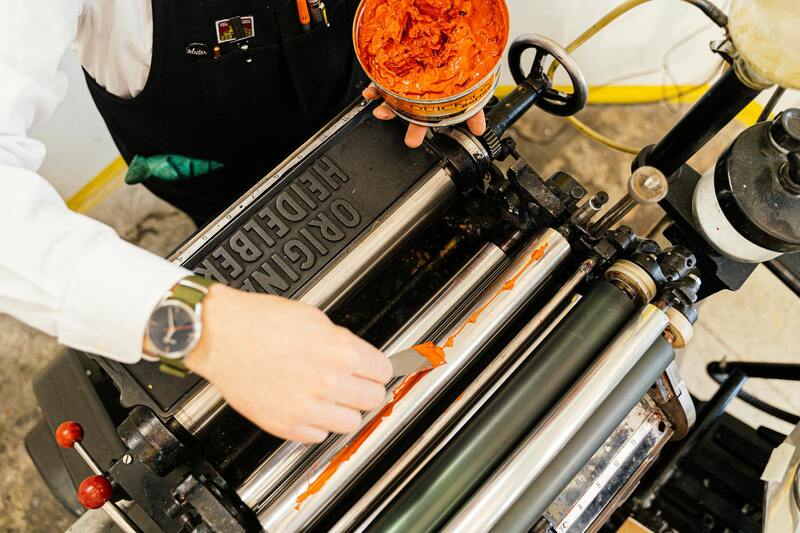
Factors Influencing Colour Printing Prices
Several key factors influence the final cost of colour printing services in Singapore:
- Print Volume: Larger quantities typically benefit from lower per-unit costs due to economies of scale, especially with offset printing. Small runs, however, tend to have higher per-item prices, often making digital printing more cost-effective for limited quantities.
- Material Quality and Type: The choice of paper stock, coating, and finishing options such as lamination or embossing directly impacts overall expenses. Premium materials with special textures or finishes command higher prices.
- Printing Technology: Digital printing offers flexibility and faster turnaround, often at a slightly higher unit cost for larger runs, while offset presses provide economies of scale but require higher setup investments.
- Design Complexity and Color Accuracy: Intricate designs, high-resolution images, and precise color calibration can add to production costs due to additional setup or adjustments needed.
- Turnaround Time: Expedited projects, especially rush orders, tend to carry premiums, reflecting the priority given to completing the work within tight schedules.
- Additional Services: Features such as die-cutting, binding, or custom finishes also influence the overall pricing structure.
Pricing Models for Colour Printing Services
Colour printing providers in Singapore generally adopt two primary pricing models:
- Per-Page or Per-Unit Pricing: Common in digital printing, this model charges a fixed fee for each printed piece, suitable for small to medium runs and quick turnarounds. The cost per unit decreases as the volume increases, making it scalable based on project size.
- Project or Job-Based Pricing: For large-scale projects, many providers offer customized quotes based on the total volume, material specifications, and finishing requirements. This allows for better transparency and potential discounts for high-volume orders.
Average Cost Range for Colour Printing in Singapore
In Singapore, the typical price range for colour printing varies significantly based on the factors discussed. For small runs of basic flyers or brochures, costs can start from as low as SGD 0.10 to SGD 0.50 per piece. Mid-range projects with premium materials or special finishes may range between SGD 0.50 and SGD 2.00 per piece. Large-volume commercial printing projects, especially offset-based, can bring the unit cost down to SGD 0.05 or less, depending on the scale and complexity. These estimates provide a broad overview but should be supplemented with specific quotes tailored to individual project needs.
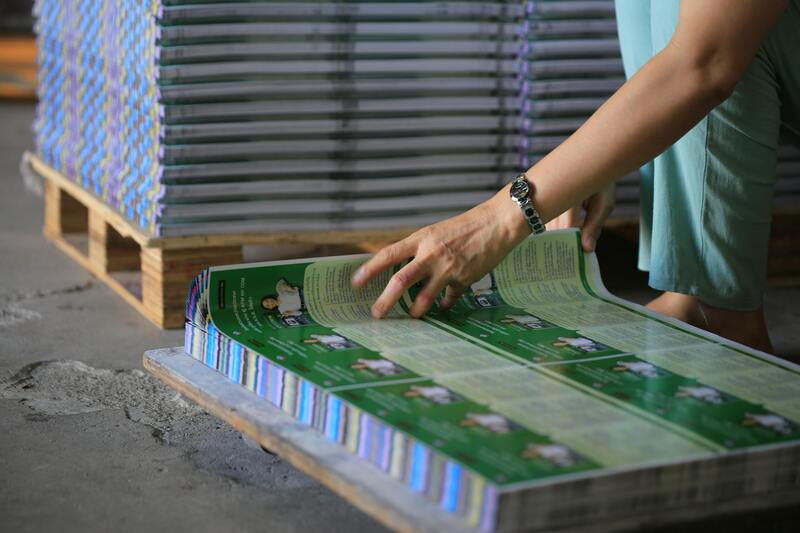
Key Factors Affecting Colour Printing Cost
Through detailed analysis, certain elements consistently impact the overall expenditure:
- Print Quantity: Larger batch sizes reduce the per-unit cost, especially in offset printing, which is more cost-efficient for high-volume runs.
- Material Choices: Opting for specialty papers or custom coatings elevates the price due to higher material costs and additional processing time.
- Printer Technology: Digital printers provide quick setup, ideal for short runs, but might incur higher unit prices. Offset presses offer savings for bulk orders but require initial investments and longer setup periods.
- Design and Color Fidelity: Complex graphics and critical color matches, such as brand colours, may necessitate extra calibration, influencing costs through additional work or material adjustments.
- Delivery and Turnaround Requirements: Urgent demands often lead to premium charges, ensuring rapid completion within tight deadlines.
Additional Charges and Hidden Costs
When estimating the colour printing price for a specific project, it is essential to consider various additional charges that may not be immediately apparent. These supplementary costs can significantly impact the overall budget and should be factored into your planning process.
One common hidden cost involves design adjustments. Complex or highly detailed graphics often require extra time and expertise from graphic designers or prepress specialists to ensure color accuracy and print quality. Additional calibration, color matching, or proofing sessions are typically billed separately and can add to the initial quote.
Another factor is specialty materials and finishes. Choices such as embossed textures, metallic inks, spot UV coatings, or unusual paper stocks tend to come with premium pricing. These materials often require specialized machinery or extra processing steps, which in turn elevate the printing costs.
Furthermore, finishing services such as binding, lamination, die-cutting, or folding can introduce extra fees. For instance, intricate die-cut designs or precise folding techniques necessitate precise labor and may involve custom tooling, all contributing to the final price.
Delivery and logistics are also significant considerations. Urgent turnaround requirements can trigger surcharges, especially if rapid shipping or expedited production is necessary. Some printing providers include the delivery fee in the overall quotation, while others charge it separately, so clear communication is vital.
Another aspect affecting the final cost is proofing processes. High-stakes projects may require multiple physical or digital proofs for approval, each incurring a fee. These proofs ensure the project meets agreed standards before the final print run, preventing costly reprints due to errors or mismatched colors.

In summary, being aware of potential hidden expenses—ranging from design modifications and material upgrades to finishing services and expedited delivery—can help you make more informed decisions. Always request a detailed quote from your chosen printing service provider to understand precisely what costs are included and what might incur additional fees. This proactive approach ensures that your colour printing project remains within budget while meeting all your quality expectations.
Official Methods to Determine Colour Printing Price in Singapore
When seeking accurate pricing for colour printing services, it is essential to utilize proven, official approaches to obtain reliable quotes. This ensures transparency and efficiency, especially for businesses requiring large volumes or specific customization. The primary method involves directly consulting professional printing service providers, such as s7printing.com, which offer detailed quotations based on your project specifications. These providers typically evaluate the scope of work, the type and quantity of materials, and the desired finish to produce an exact cost estimate.
Requesting Detailed Price Quotations
The most straightforward approach to obtain official and accurate pricing is to request a comprehensive quote from the printing provider. This quote should include all relevant costs, such as paper quality, ink type, colour accuracy, finishing options, and any optional services like binding or lamination. Providing detailed specifications—such as the dimensions, quantity, colour fidelity requirements, and timeline—allows the provider to tailor their pricing precisely to your needs. Transparency in these quotes helps avoid unexpected expenses later in the process.
Utilizing Online Price Calculators
Some reputable printing companies, including s7printing.com, offer online pricing calculators on their websites. These tools allow users to input essential parameters like size, quantity, and print type to generate instant cost estimates. Although these calculators are useful for preliminary budgeting, it is advisable to follow up with a formal quotation to confirm all costs, especially for complex or large-scale projects. They serve as an official starting point to compare options among different providers.
Reviewing Standard Rate Sheets and Price Lists
Many established printers maintain published rate sheets that outline standard prices for common services. These rate sheets can be accessed through their official channels or printed materials offered to clients. While such lists provide baseline prices, they often exclude custom or premium options like special coatings or intricate finishing. Therefore, they should be used as a reference rather than a definitive cost measure for bespoke projects.
In-Person Consultation and Site Visits
Engaging in direct communication with printing specialists through in-person visits or consultations provides an opportunity to obtain precise pricing tailored to your project's specific requirements. On-site evaluations also enable suppliers to assess material constraints and suggest cost-effective alternatives. This approach fosters a clearer understanding of potential costs and ensures that the pricing aligns with the quality standards expected.
 >
>Official Documentation and Contracts
For large or ongoing printing needs, formal contracts or official quotations signed by both parties serve as legal documentation of the agreed-upon price and scope. This practice enforces transparency, minimizes misunderstandings, and provides a reference point for resolving any disputes should they arise. Always ensure that these documents clearly specify the unit costs, additional fees, and delivery terms before commencing work.
The Importance of Clear Communication
Regardless of the method used to secure pricing, maintaining clear and detailed communication with your chosen printing provider is vital. Providing precise project descriptions, expected quality standards, and delivery deadlines helps ensure that the quotation accurately reflects the final cost. This proactive step mitigates risks of hidden fees and facilitates a smooth workflow from quotation to finished product.
Impact of Print Quantity on Pricing
One of the most significant factors influencing the cost of colour printing is the volume of prints required. Generally, the unit price per print tends to decrease as the quantity increases, making bulk orders more economical for large projects. This pricing structure benefits businesses and organizations with ongoing or extensive printing needs, as it reduces overall expenditure.
For smaller runs, digital printing methods are often more cost-effective due to lower setup costs and faster turnaround times. Conversely, offset printing becomes more advantageous with larger quantities because of its efficiency in producing high-volume prints at reduced per-unit costs. Understanding this dynamic allows clients to plan their print volume strategically, balancing quality requirements with budget constraints.
It is also essential to consider that certain types of colour printing—such as detailed graphics or high-resolution images—may require additional post-processing or higher-quality inks. These factors can influence overall pricing, especially when combined with large quantities. Requesting detailed quotes that specify unit costs at different quantities helps determine the most cost-effective approach for your project.

By analyzing your project's scope and consulting with printing specialists about optimal order sizes, you can identify the most economical printing volume without compromising on quality. This strategic approach ensures that every dollar spent contributes effectively to your visual and branding goals, especially when managing substantial print runs in a competitive marketplace.
Understanding the Cost Components of Colour Printing
Accurately assessing the price of colour printing involves examining various cost components and how they converge to determine the final fee. At its core, colour printing encompasses the direct costs of materials, machine operation, and involved labor. Different printing methods, such as digital versus offset, influence these costs significantly. Digital printing generally offers a lower entry point, suitable for smaller runs, while offset printing boasts cost-efficiency at higher volumes due to its ability to produce large quantities with lower per-unit costs.
Material Costs and Their Impact on Pricing
One of the primary determinants of colour printing price is the choice of materials. High-quality, glossy, or textured paper types tend to elevate costs compared to standard matte or recycled options. The weight and thickness of the paper, as well as finishes such as lamination or special coatings, directly influence the expense. For projects requiring vibrant colour reproduction, premium inks or additional colour layers may be necessary, adding further to the overall price.
Choosing the Right Material for Budget Optimization
- Opt for standard or recycled paper for cost-effective projects without compromising essential quality.
- Consider lighter weight papers for larger quantities to reduce material costs.
- Layered or coated finishes should be reserved for high-impact visuals or premium branding needs.
Technological Factors and Printer Types Affecting Price
The choice between digital and offset printing techniques is a significant factor influencing colour printing costs. Digital printers, known for quick turnaround times and lower setup costs, usually charge higher per-page rates for smaller runs. In contrast, offset printing leverages high-precision plates and large press setups that, while more expensive initially, reduce per-unit costs significantly at scale. The technology used, including colour calibration and printing speed, also impacts overall pricing.
Impact of Printer Features
- Inkjets and high-resolution laser printers are ideal for short runs with complex images.
- Sheet-fed offset presses excel in large-volume jobs, offering economies of scale.
- Colour management systems ensure vibrant and consistent outputs but may add to setup costs.
Cost Variations for Large-Scale and Commercial Projects
Large-scale printing projects often benefit from lower unit costs due to optimized workflows and bulk material purchases. Commercial clients frequently negotiate prices based on volume commitments, which can substantially reduce the cost per print. However, these projects may also require substantial pre-press work, including design adjustments and colour proofing, which can influence initial estimates. Planning for economies of scale and requesting detailed quotations that reflect the total volume and specifications are key to effective budgeting.
Key Considerations for Large-Scale Printing
- Discuss volume discounts early in the planning process.
- Account for additional costs such as imagery setup, colour corrections, or special inks.
- Assess the balance between print quality and cost savings to meet project goals.
Material Choices and Their Effect on Price
When it comes to colour printing, the selection of materials plays a significant role in determining the overall cost. High-quality paper stocks, specialty finishes, and textured materials can elevate the visual appeal of printed items but often come with increased expenses. Standard coated or uncoated papers are typically more affordable and widely available, making them popular choices for most projects. Conversely, premium glossy or matte finishes, along with specialty paper types like textured or metallic stocks, tend to incur additional charges due to their manufacturing processes and limited suppliers.
Cost differences are also evident in the thickness or weight of the paper used. Heavier papers require more material per sheet, which raises the project's material costs. Additionally, environmentally friendly or recycled materials, while sustainable, can sometimes add to the expense depending on their availability and quality. For businesses seeking a balance between quality and budget, consulting with the printing provider about suitable material options aligned with the project's purpose is advisable.
Furthermore, the choice of coatings or lamination treatments adds another layer of cost considerations. Matte or gloss coatings not only enhance aesthetic appeal but also protect the print from damage, whereas spot UV or specialized textures are more costly due to the additional steps involved. Understanding how each material and finish impacts price enables more effective budgeting and project planning.

Impact of Technology and Printer Type on Cost
The technology underlying the printing process significantly affects the overall pricing structure. Digital colour printing offers quick turnaround times with minimal setup costs, making it advantageous for short runs, prototypes, or projects requiring frequent changes. Digital presses are capable of producing vibrant, high-resolution images with precise colour management, though their per-unit costs tend to be higher for large quantities.
Offset printing, on the other hand, involves creating printing plates and requires more extensive pre-press work. While the initial setup can be costly, the per-unit cost decreases substantially as the volume increases, making offset ideal for large-scale jobs. The choice between digital and offset printing should be based on the project's size, turnaround time, and quality requirements.
Innovations in printer technology, such as high-speed inkjet or toner-based systems, also influence pricing by reducing production times and improving colour fidelity. Furthermore, the integration of colour calibration, proofing systems, and automated workflows can streamline operations and lower costs over time. Selecting the right technology aligned with project needs ensures optimal value without compromising quality.

Considerations for Large-Scale and Commercial Printing
In large-scale and commercial printing projects, strategic planning is essential to manage costs effectively. Bulk purchasing of materials often results in volume discounts that can substantially lower unit costs. Additionally, optimizing the workflow through efficient pre-press procedures and automated colour management reduces production time and mitigates costly errors.
Furthermore, establishing clear communication with the printing provider regarding project specifications, expected outcomes, and volume commitments enables accurate quotations and avoids unforeseen expenses. For complex projects requiring sophisticated design efforts, including multiple colour proofs, setup fees may be necessary but can be offset by economies of scale once production begins.
Negotiating package deals or long-term contracts can also provide cost stability for recurring projects. Considering the total lifecycle cost—including design, setup, printing, and finishing—facilitates better budgeting and resource allocation. Ultimately, a comprehensive approach to large-scale colour printing combines technological advantages, supplier relationships, and strategic planning to achieve optimal cost-effectiveness.
Understanding Material Choices and Their Effect on Price
Material selection plays a vital role in determining the overall cost of colour printing projects. The type of paper, cardstock, or specialty media used can significantly influence pricing, depending on the quality, thickness, and texture required. Standard options such as coated and uncoated papers are typically economical and readily available, providing a cost-effective solution for most printing needs. Conversely, premium materials, including textured papers, recycled stock, and synthetic media, may incur additional expenses due to their unique properties and sourcing challenges.
printers often offer a range of material options tailored to specific project requirements. For instance, gloss and matte finishes alter the appearance and tactile experience of the printed piece, impacting both cost and perceived value. Higher-end materials with enhanced durability, water resistance, or specialty surfaces can elevate the final product's quality but at a premium price.
When selecting materials, consider the purpose of the printed material and the target audience. Business collateral, such as brochures or presentation folders, often benefits from high-quality kraft or coated papers that reflect professionalism. Meanwhile, promotional items or artistic projects might require custom textures or thicker stocks to achieve the desired aesthetic impact.
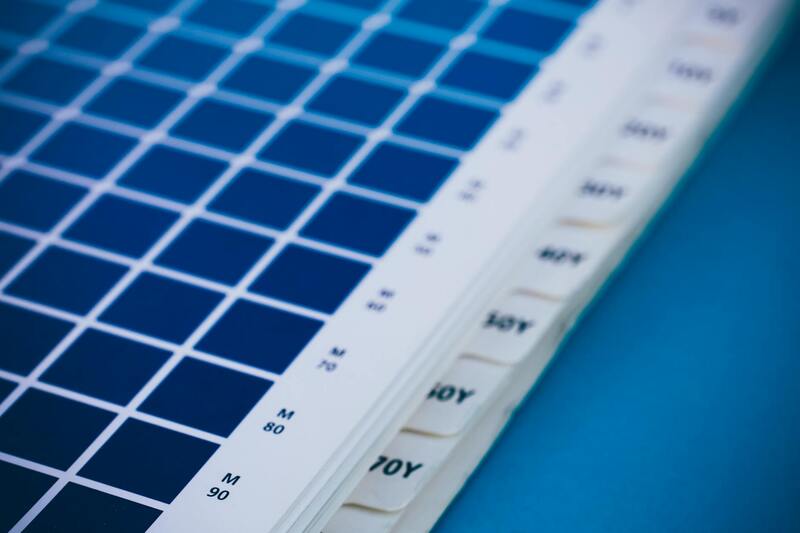
Material choice should align with both budget constraints and project objectives. Procuring materials in bulk or leveraging supplier discounts can lower costs, especially for repetitive jobs or large-volume orders. Suppliers or printing companies may also offer guidance on alternative materials that deliver similar visual effects at reduced costs, enabling clients to balance quality and expenditure effectively.
Understanding the properties and costs associated with different materials ensures informed decision-making, directly affecting the final pricing structure of colour printing services. This consideration becomes especially pertinent in projects where material durability and appearance significantly impact client satisfaction and brand perception.
Impact of Technology and Printer Type on Cost
Technological advancements in colour printing have significantly influenced the cost structure associated with various printing options. The choice of printer technology — whether digital, offset, or hybrid systems — determines the quality, speed, and ultimately the price of the final product. Modern digital printers utilize smaller, more efficient mechanisms capable of delivering high-quality colour output at competitive rates, especially suitable for short to medium print runs.
Offset printing, on the other hand, remains a preferred choice for large-volume projects due to its ability to produce consistent quality at lower unit costs when run in bulk. This method involves creating printing plates, which incur initial setup costs, but the cost per unit decreases significantly with increased quantity. Consequently, for large orders, offset printing can offer substantial savings despite its higher upfront expenses.

Furthermore, the type of printer—such as a high-end commercial offset press versus a versatile digital machine—affects not only pricing but also the range of achievable finishes, colour accuracy, and printing speeds. Advanced printers equipped with the latest colour management systems deliver sharper, more vibrant images, often at a premium cost. These investments in cutting-edge technology enable printers to handle complex colour workflows, ensuring consistency across large batches.
For small and mid-sized print jobs, digital printing offers flexibility and quick turnaround times without the need for costly setup, making it more cost-effective for limited runs. Conversely, offset printers are ideal when economies of scale are necessary and the demand justifies the initial setup expenditure.
In selecting a printing method, clients should consider not only the initial cost but also the long-term value, including factors such as colour fidelity, turnaround time, and finishing options that can add to the overall expense. Analyzing these elements ensures that the chosen technology aligns with project needs and budget expectations, ultimately influencing the final colour printing price.
Material Choices and Their Effect on Price
The selection of materials plays a crucial role in determining the overall colour printing price. Different types of paper, cardstock, or specialty substrates influence both the cost and the final output quality. Standard materials such as coated or uncoated paper are generally more budget-friendly, suitable for a broad range of printing needs. However, when clients opt for premium materials like textured, glossy, or metallic papers, the expenses increase significantly due to material costs and the complexity involved in printing on such surfaces.
Additionally, the weight and thickness of the paper affect printing costs. Heavier and thicker stocks tend to require more advanced handling and machinery adjustments, which may lead to higher prices. Specialty finishes—such as embossing, lamination, or foil stamping—also add to the cost, providing a more luxurious appearance but at a premium price point. It's vital for businesses to balance material quality with budget constraints, ensuring that the chosen materials meet both aesthetic standards and financial expectations.

Impact of Technology and Printer Type on Cost
The technological advancements in printing equipment have a direct impact on the pricing of colour printing services. Digital printers, equipped with the latest colour management software and high-resolution capabilities, generally offer competitive rates for short to medium runs. They enable quick setup and turnaround times, which is advantageous for projects with tight deadlines or small batch sizes. The cost per print is relatively lower for small quantities due to minimal setup requirements.
In contrast, offset printing, especially with high-end presses, involves significant initial setup costs, including plate creation and calibration. When printing large quantities, offset becomes more economical because the setup costs are amortized over a higher number of units, reducing the cost per piece. Modern offset presses with advanced colour control systems produce highly consistent and vibrant results, which is critical for branding and quality assurance.
The choice of printer technology also influences the ability to reproduce complex colour gradients and achieve precise colour matching. High-end printers with sophisticated colour management techniques such as Pantone matching and CMYK calibration tend to command higher prices but offer superior accuracy and consistency across print runs.
Getting Accurate Cost Estimates for Colour Printing in Singapore
Obtaining precise and reliable quotations is essential for effective budgeting and project planning in colour printing. To ensure you receive an accurate assessment, provide comprehensive details to your chosen print service provider. This includes specifying the type of material, colour specifications, quantity, size, and the desired finish or special effects. Clear communication about these aspects enables providers to develop detailed quotes, avoiding surprises due to overlooked costs or additional charges.
Requesting sample prints before committing to a large order can be highly beneficial. Samples help verify the colour accuracy, paper quality, and overall finish, ensuring that the final product aligns with your expectations and standards. When comparing quotes from multiple providers, pay close attention not only to the total cost but also to what is included—such as setup fees, delivery charges, and additional costs for special requirements like UV coating or lamination.
Most reputable printing companies in Singapore are equipped to provide detailed quotations based on your specific needs. They often utilize digital quoting tools or direct consultations, allowing for quick turnaround and precise pricing. Establishing a clear understanding of pricing structures—whether fixed rates per page, slabs based on quantity, or variable charges for added features—facilitates better decision-making and price comparison.
Furthermore, inquire about discounts for bulk orders or repeat business, which can significantly reduce unit costs when planning larger print runs. Some providers also offer package deals that include design assistance, proofing, and delivery, providing more comprehensive cost savings and convenience.
In addition, ensure that your provider understands your desired turnaround time, as urgent requests or expedited services may incur additional fees. Finding a balance between cost, quality, and speed is crucial for managing your overall colour printing budget effectively. By approaching quotes with a thorough understanding of your project scope and requirements, you can secure the most accurate pricing and avoid unexpected expenses, ensuring your printing investments remain within budget while achieving high-quality results.