Business Brochure Printing In Singapore: Guide To Effective Print Marketing
Overview of Business Brochure Printing
Business brochure printing stands as a vital component in contemporary marketing strategies, offering a tangible means to showcase a company's products, services, and brand identity. In an increasingly digital world, professionally printed brochures continue to hold significant value, providing a physical touchpoint that reinforces brand credibility and builds lasting client relationships.
Custom-designed brochures serve as versatile marketing collateral suited for various contexts, including trade shows, direct mail campaigns, in-store displays, and corporate presentations. They enable businesses to communicate complex information in a structured and aesthetically appealing manner, enhancing customer engagement and understanding.
The importance of effective brochure printing lies in its ability to combine compelling visuals with concise messaging, effectively capturing the attention of prospective clients. High-quality printing elevates the perceived value of the message, exemplifying professionalism and commitment to quality. Moreover, well-executed brochures facilitate brand consistency by aligning with a company's visual identity, including logos, color schemes, and typographic styles.
From small businesses to large corporations, the strategic use of printed brochures enhances visibility and credibility in competitive markets. They serve as a cost-effective tool that can reach targeted audiences efficiently, especially when integrated into comprehensive marketing campaigns. The tactile experience of physically holding a brochure can leave a lasting impression, fostering trust and encouraging further engagement.
To maximize their impact, businesses should consider the layout, clarity of messaging, and visual appeal during the design process. Choosing the appropriate paper stock, finishes, and binding options further adds to the durability and aesthetic appeal, ensuring the brochure remains in pristine condition throughout its distribution cycle. As a result, well-designed and printed brochures not only attract attention but also communicate professionalism and reliability, making them an essential element of any effective marketing toolkit.
Material and Finish Options
When selecting materials for business brochure printing, the choice of paper stock and finishes plays a crucial role in delivering a polished and durable product. Premium cardstock, such as matte or gloss finishes, not only enhances visual appeal but also provides durability, ensuring the brochure withstands handling and transportation. Coatings like UV or epoxy can add resistance to scratches and water, maintaining the brochure’s pristine look over time. For a more tactile experience, options like soft-touch matte finishes or textured papers can evoke sophistication and attention to detail. It is essential to consider the brochure’s purpose and distribution environment when choosing materials, as these factors influence the longevity and presentation of the final product.

Binding and Folding Techniques
The structural design of a brochure influences both its aesthetics and functionality. Common binding methods for brochures include saddle stitching, perfect binding, and wire binding, each suited to different formats and content lengths. Folding techniques, such as tri-fold, bi-fold, Z-fold, or gate fold, allow for creative presentation and efficient use of space. For instance, a tri-fold is ideal for succinct messaging and easy distribution, while a saddle-stitched booklet accommodates more extensive content with a clean, professional appearance. Selecting the appropriate binding and folding options ensures the brochure aligns with branding goals and facilitates ease of reading.
Color and Printing Techniques
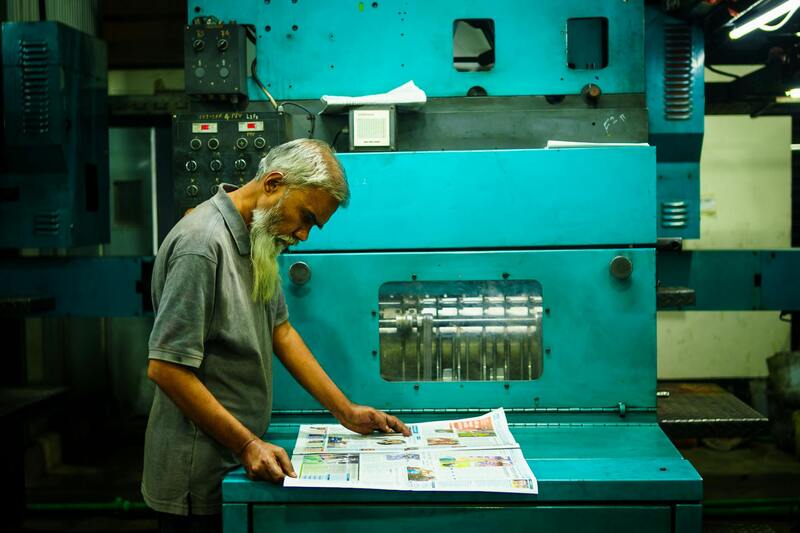
Color plays an integral role in capturing attention and conveying brand identity. Digital and offset printing technologies are widely used in business brochure production, each offering unique advantages. Offset printing provides consistent color reproduction and is cost-effective for large quantities, while digital printing offers quick turnaround times suitable for smaller batches. Incorporating vibrant, true-to-color imagery and crisp text enhances clarity and professionalism. Additionally, special printing techniques like spot UV coatings, embossing, foil stamping, or thermography can be integrated to highlight key elements, add texture, or create visual interest. These techniques are instrumental in making key messages stand out, reinforcing your brand’s professionalism and attention to detail.
Overview of Business Brochure Printing
Business brochure printing stands as a fundamental element in crafting a compelling corporate image and conveying essential information about products, services, or brand ethos. The process involves translating your marketing objectives into visually appealing print materials that enhance your outreach efforts. With the advent of advanced printing methods and diverse material options, businesses can produce brochures that not only look professional but also align seamlessly with their branding strategies. Properly designed and printed brochures serve as tangible touchpoints that foster customer engagement, increase brand recognition, and generate leads.
Official Methods and Reliable Techniques in Brochure Printing
Executing business brochure printing through established, professional channels is essential to ensure quality and consistency. Certified printing services employ industry-standard processes and equipment, such as offset and digital printing technologies, to produce vibrant, durable brochures. Offset printing, favored for large volume orders, guarantees precise color matching and sharp image reproduction, making it suitable for extensive marketing campaigns or corporate portfolios. Meanwhile, digital printing offers quick turnaround times and economical options for small to medium batches or personalized brochures, enabling businesses to respond swiftly to market demands or customized messaging.
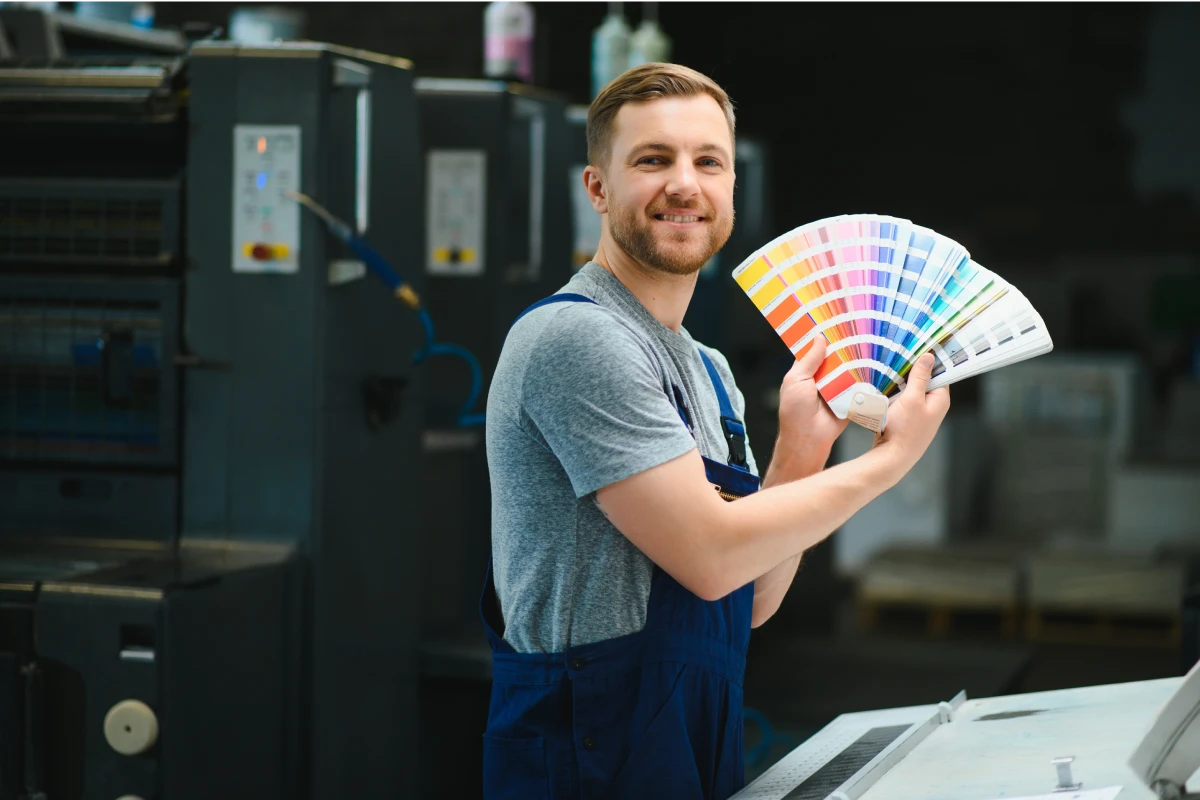
Using high-grade substrates—ranging from glossy and matte paper stocks to textured finishes—further elevates your brochure's visual appeal and tactile experience. Additionally, adherence to standardized color management practices, including Pantone matching and calibrated proofing, ensures that printed materials faithfully represent your brand colors and design intent.
Incorporating Special Printing Techniques
- Spot UV Coatings: Adds a glossy, transparent overlay to specific areas of the brochure, highlighting key messages or visuals for striking visual contrast.
- Embossing and Debossing: Creates raised or recessed impressions on paper surfaces, adding texture and a tactile dimension that emphasizes branding or design elements.
- Foil Stamping: Applies metallic or pigmented foils to select sections, imparting a luxurious finish that captures attention and enhances perceived value.
- Thermography: Produces raised printing effects that mimic embossing without the need for complex tooling, suitable for quick, cost-effective enhancements.
Integrating these techniques allows for the creation of visually compelling brochures that resonate with target audiences, reinforcing brand professionalism and attention to detail.
Ensuring Printed Brochures Meet Industry Standards
Reliability in brochure printing also hinges on quality control measures. This includes rigorous color checking, substrate testing, and calibration of printing presses. Reputable printing providers consistently perform proofing processes and sample reviews before mass production, minimizing errors and ensuring the finished product aligns with client expectations. These procedures safeguard brand integrity and deliver consistent quality across multiple batches.
Ensuring Printed Brochures Meet Industry Standards
Achieving excellence in business brochure printing relies heavily on rigorous adherence to established quality control protocols. Top-tier printing services implement comprehensive measures to guarantee that every brochure produced aligns with professional standards, ensuring consistency and avoiding costly errors.
Color accuracy is fundamental; it involves meticulous calibration of digital printers and proofing processes to match the desired palette precisely. By conducting multiple testing phases, including digital proofs and hard proofs, printers verify color fidelity before proceeding to large-volume runs. This prevents discrepancies that could undermine brand consistency.
Semi-regular substrate testing plays a vital role as well. Different paper stocks and finishes may react differently under specific conditions; therefore, testing these materials ensures compatibility with chosen printing technologies and finishes. Such proactive measures reduce the risk of misprints, smudges, or surface inconsistencies that can detract from a brochure’s professionalism.
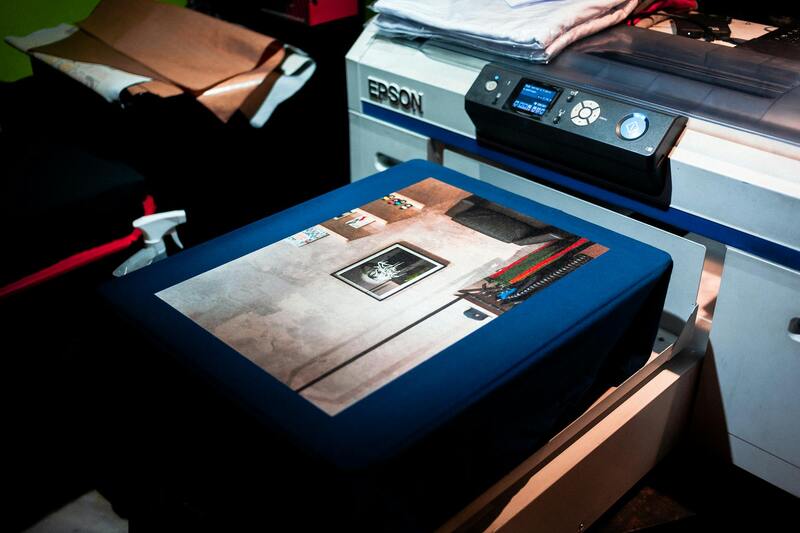
Calibration of printing presses is another critical element. Advanced color management software and regular equipment maintenance ensure that each run produces uniform results. Consistent color reproduction across batches sustains the brand's visual integrity, reinforcing recognition and trust within target markets.
Reputable production facilities also emphasize the importance of proofing processes and sample reviews. These steps involve presenting clients with accurate representations of the final product for approval, allowing for modifications before mass production. Such practices diminish the likelihood of errors and align output with the client’s expectations.
Furthermore, detailed inspection phases post-printing verify for defects, alignment, finishing quality, and overall appearance. This diligence is essential in maintaining high standards and fostering long-term partnerships with clients who seek reliability and excellence in brochure printing.
Overview of Business Brochure Printing
Business brochure printing stands as a vital component of corporate marketing strategies, serving as a tangible reflection of brand identity and messaging. When executed with precision and quality, brochures effectively communicate a company's offerings, values, and unique propositions to prospective clients and partners. The process involves meticulous planning, from selecting appropriate materials to employing suitable printing technologies that ensure the final product aligns with branding standards and quality expectations.
In the realm of professional brochures, consistency and clarity are paramount. The printing process requires adherence to strict quality control measures, including calibration of printing equipment and rigorous inspection protocols. From initial proofing stages to final inspection, every step is aimed at minimizing errors and maximizing visual appeal. When properly managed, business brochures become powerful tools that support marketing campaigns, product launches, and corporate communications, contributing directly to brand growth and customer engagement.
Types of Business Brochures
- Tri-Fold Brochures: Compact yet spacious, tri-fold designs organize information into easily digestible sections, ideal for straightforward messaging.
- Bi-Fold Brochures: Offering a simple two-panel layout, bi-fold brochures are suitable for highlighting core information with a clean aesthetic.
- Gate Fold Brochures: Featuring panels that open like gates, these brochures create a dramatic unboxing experience, perfect for showcasing high-end products or services.
- Z-Fold Brochures: Flexible and colorful, Z-folds are great for step-by-step guides or segmented content that needs to be unfolded sequentially.
- Custom Fold Brochures: Tailored to specific branding or functional needs, custom folds can incorporate unique shapes and structural elements for enhanced visual impact.
Design Elements for Effective Brochures
Design is the cornerstone of brochure effectiveness. A professional layout should seamlessly blend visual components with compelling content, guiding readers through the narrative. Key design elements include:
- Consistent Branding: Use of brand colors, logos, and fonts to reinforce identity.
- Clear Hierarchy: Well-organized sections that prioritize key messages and facilitate easy navigation.
- Captivating Imagery: High-resolution images that resonate with the target audience and support textual content.
- Concise Copy: Informative yet succinct text that communicates value propositions without overwhelming.
- Call-to-Action: Visible prompts encouraging recipients to engage further, such as visiting a website or contacting sales teams.
Material and Finish Options
Material selection influences both the aesthetic appeal and durability of a brochure. Common options include:
- Paper Stocks: Ranging from lightweight gloss or matte finishes to heavyweight, premium substrates, the choice depends on the desired tactile experience and usage context.
- Finish Options: Matte finishes offer a refined, subdued look that minimizes glare, while gloss finishes enhance vibrancy and sharpness. Satin finishes provide a balanced appearance with moderate sheen, combining durability with visual appeal.
Additional finishing techniques, such as spot UV coating, embossing, or lamination, can add tactile interest and protect the printed surface from wear. Incorporating these elements thoughtfully can transform a standard brochure into a sophisticated marketing asset, reinforcing brand prestige and encouraging engagement.
Overview of Business Brochure Printing
Business brochure printing remains a cornerstone of corporate marketing strategies, providing a tangible and visually appealing method to communicate brand stories, products, and services. High-quality brochures serve as portable marketing tools that can effectively showcase a company's offerings, reinforce brand identity, and foster customer engagement. These printed materials are often distributed at events, sent via mail, or displayed in physical locations to leave a lasting impression on prospective clients and partners.
Choosing the right brochure printing approach involves understanding various factors including design, material, and printing technology. Precision in these areas ensures the final product meets professional standards and aligns with brand objectives. Companies seeking impactful, durable, and visually compelling brochures opt for official printing methods that leverage advanced technology and high-grade materials, ensuring consistency and excellence across production batches.
Types of Business Brochures
Different types of brochures serve diverse marketing needs, each suited to particular presentation styles and distribution channels. The most common formats include:
- Bi-fold Brochures: Divided into two panels, bi-folds are ideal for concise messaging with a clean, organized appearance.
- Tri-fold Brochures: Comprising three panels, these brochures are highly versatile and popular for their compact design and ability to segment information.
- Request for Quote (RFQ) Brochures: Designed to provide detailed proposals and service offerings, often with a professional, formal layout.
- Z-fold and Gate-fold Brochures: Customized folds that add visual interest and increase space for detailed content, suitable for premium presentations.
The choice of brochure type depends on the message complexity and the target audience's expectations. Specifically, professional enterprises often lean toward sleek bi-fold or tri-fold designs that balance visual appeal with functionality, ensuring the communication resonates effectively.
Design Elements for Effective Brochures
Effective brochure design hinges on several key elements that work together to create a compelling visual narrative:
- Color Palette: Consistent with branding, choosing colors that evoke the desired response and enhance readability.
- Typography: Clear, professional fonts that guide the reader effortlessly through the content.
- Imagery: High-resolution images aligned with the message and audience interests, used to attract and retain attention.
- Layout and Hierarchy: Structured content blocks with a logical flow, allowing key messages and calls-to-action to stand out.
- White Space: Balanced spacing to prevent clutter, making content more accessible and aesthetically pleasing.
Careful integration of these design components ensures the brochure not only communicates effectively but also aligns with professional branding standards. Incorporating unique visual elements like icons, infographics, and subtle textures can elevate the brochure's appeal and reinforce brand identity.
Material and Finish Options
The tactile quality and durability of a brochure are significantly influenced by material and finishing choices. Selecting appropriate paper stocks and surface treatments enhances both aesthetic appeal and the brochure’s longevity. Common material options include:
- Paper Stocks: Ranging from lightweight gloss or matte finishes to heavier, premium art papers, the selection depends on desired tactile experience and usage context.
- Finish Options: Matte finishes offer a sophisticated, subdued appearance that minimizes glare, while gloss finishes amplify vibrancy and sharpness. Satin finishes provide a balanced sheen conducive to both elegance and durability.
For additional refinement, finishing techniques such as spot UV coating, embossing, or lamination are often employed. These treatments add tactile interest and protective layers that resist wear and tear, especially when brochures are handled frequently. The integration of these effects should be respectful of the overall design to ensure a harmonious and professional appearance, thus transforming standard printed pieces into sophisticated marketing assets that bolster brand prestige and customer engagement.
Overview of Business Brochure Printing
In the realm of corporate branding and marketing, business brochure printing plays a pivotal role in visually communicating a company's value proposition, products, and services. High-quality brochures serve as tangible assets that leave a lasting impression on potential clients and stakeholders. The process involves meticulous planning, design, and execution to ensure that the printed material accurately reflects the company's professionalism and brand identity.
Choosing the right printing method, materials, and finishing touches is essential for crafting brochures that stand out. From the initial concept to the final production, every stage requires a focus on quality and detail. Reliable printing services in Singapore are equipped with advanced technologies and skilled professionals who can deliver consistent, vibrant results tailored to your brand's objectives.

Types of Business Brochures
- Bi-fold Brochures: Simplistic and easy to handle, bi-folds open into four panels, ideal for concise messaging and call-to-action.
- Tri-fold Brochures: Offering six panels, this format enables segmented presentation of information, perfect for detailed offerings without overwhelming the reader.
- Z-fold Brochures: Similar to tri-folds but folding in a zig-zag pattern, providing a unique opening experience and organized content display.
- Gate-fold Brochures: Featuring large front panels that open like gates, these are suitable for high-end presentations and premium branding.
- Booklet Style: Multiple pages bound together, often used for catalogs, product ranges, or detailed service descriptions.
Design Elements for Effective Brochures
The visual and textual harmony in a brochure significantly influences its effectiveness. Incorporating strategic design elements ensures the message resonates with the target audience and facilitates engagement.
- Consistent Brand Identity: Use your brand’s colors, typography, and logo placements to reinforce recognition.
- Compelling Headlines: Clear, impactful headlines draw attention and convey key messages instantly.
- High-Quality Images and Graphics: Professional visuals complement the text, illustrating products or services vividly.
- Infographics and Icons: Simplify complex information and highlight important points with visual cues.
- Whitespace Balance: Adequate spacing prevents clutter, allowing the content to breathe and improving readability.
- Call-to-Action (CTA): Clear instructions guide readers on the next steps, such as contacting or visiting your website.

Material and Finish Options
Material choice and finishing techniques contribute to the brochure’s tactile appeal and durability, which directly influence perceived quality and resistance to wear over time.
- Paper Stocks: Options range from lightweight gloss or matte finishes to heavyweight, textured art papers that add a premium feel.
- Gloss Finish: Reflects light, intensifies colors, and creates a vibrant, eye-catching look suitable for imagery-heavy brochures.
- Matte Finish: Offers a subdued, sophisticated aesthetic that minimizes glare, ideal for text-heavy or professional presentations.
- Satin Finish: Provides a balanced sheen that combines elegance with durability, making it versatile for various designs.
Finishing techniques such as spot UV coating, embossing, or lamination further elevate the brochure’s look and tactile quality, offering protective layers that resist handling wear and enhance visual appeal. These treatments can be strategically applied to highlight certain areas, like logos or headlines, adding depth and sophistication.
Understanding the Proper Methods for Business Brochure Printing
When it comes to producing professional business brochures, employing reputable and legitimate printing avenues ensures your marketing materials uphold the highest standards of quality and brand integrity. Authentic printing services operate within industry regulations and utilize proven techniques, guaranteeing that every brochure delivered meets your expectations for durability, appearance, and effectiveness.
Official Printing Channels and Their Significance
Relying on established official printing channels involves partnering with certified providers that have demonstrated expertise and adherence to quality benchmarks. These vendors typically possess the necessary credentials, equipment, and experience to handle diverse brochure specifications. They use high-grade materials and advanced printing technology to produce sharp images, vibrant colors, and precise finishes, all while ensuring consistency across large batches.
By choosing such services, businesses safeguard their brand reputation through the delivery of professionally finished brochures that reflect authenticity and trustworthiness. Unauthorized methods, which may involve unverified sources or outdated practices, risk compromising the tactile and visual appeal of your marketing collateral, ultimately affecting audience perception and engagement.
Authorized and Secure Payment Methods
- Credit and Debit Card Transactions: Utilizing secure card payment gateways ensures the legitimacy of your purchase and the protection of sensitive data.
- Bank Transfers: Confirmed bank transactions with reputable financial institutions serve as reliable payment channels within the official procurement process.
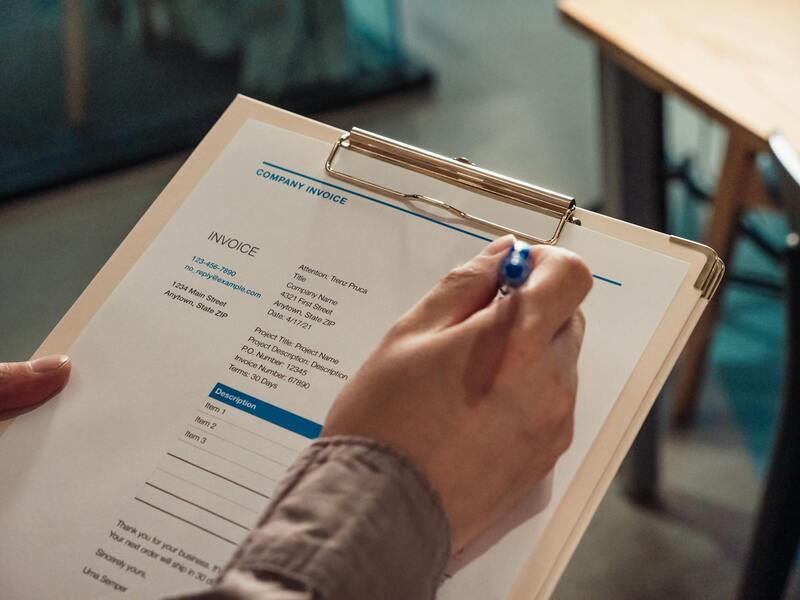
- Official Invoices and Receipts: Always insist on official documentation for transparency and record-keeping purposes.
Engaging with authorized printers also promotes adherence to safety standards and contractual obligations, preventing disputes or issues related to subpar output.
Verification and Quality Assurance Processes
Legitimate printing firms follow stringent quality assurance protocols, including proofing stages where clients review digital or physical samples before full production. This process ensures the final brochure aligns with your specifications in terms of design accuracy, color reproduction, and material selection.
Verification extends to the materials used; using certified paper stocks and finishes guarantees durability and aesthetic appeal. Additionally, reputable printers implement security measures to prevent counterfeit or tampered products, sustaining your brand’s credibility.
Official Documentation and Certification
Authorized printing vendors typically possess certifications and licenses that validate their legitimacy within the industry. These documents certify compliance with industry standards and the use of environmentally responsible manufacturing practices. Requesting proof of such credentials confirms that your brochures are produced through officially sanctioned channels, ensuring quality and accountability.
Utilizing Approved Supply Chains
- Access to Genuine Materials: Certified vendors source their materials from reputable suppliers, reducing the risk of inferior or counterfeit paper and ink.
- Transparent Supply Chains: Clear documentation regarding sourcing and processes provides confidence in the authenticity of your printed brochures.