Fast Brochure Printing: Quick, Reliable, And High-Quality Printing Services In Singapore
Understanding Fast Brochure Printing
Fast brochure printing has emerged as a vital service for businesses aiming to promote their products, services, and brand message swiftly without compromising on quality. This specialized printing process leverages advanced technologies and streamlined workflows to reduce production times, enabling companies to meet tight marketing schedules and respond promptly to market opportunities. In today's competitive landscape, the ability to implement quick brochure campaigns can give a significant edge, ensuring that a business's promotional material reaches its target audience promptly and effectively.
At its core, fast brochure printing involves a combination of digital and offset printing methods optimized for speed and efficiency. Unlike traditional printing which might take days or even weeks, fast brochure printing offers turnaround times that can range from same-day to a few days, making it an indispensable service for time-sensitive promotions, product launches, or event announcements. This rapid service is especially crucial for businesses that require frequent updates to information, seasonal campaigns, or last-minute marketing pushes.

To meet the demands of quick turnaround, printing providers utilize high-speed digital printers capable of producing vibrant, high-resolution brochures in bulk within short timeframes. Alongside the equipment, optimized workflows, effective supply chain management, and dedicated production teams play crucial roles in maintaining the balance between speed and quality. The importance of rapid brochure printing extends beyond mere convenience; it maximizes marketing impact by allowing businesses to capitalize on fleeting opportunities and maintain a dynamic presence in the marketplace.
Moreover, the importance of fast brochure printing is underscored by its ability to support diverse business needs—from local retail stores requiring immediate promotional flyers to large corporations preparing extensive marketing campaigns. This adaptability ensures that companies of all sizes can benefit from rapid production, securing competitive advantages and fostering stronger customer engagement through timely communication.
In essence, fast brochure printing represents an intersection of technological innovation and strategic marketing, facilitating the swift and reliable dissemination of key messages. As businesses increasingly recognize the value of immediacy in communication, the demand for efficient and high-quality fast brochure printing services continues to grow, highlighting its vital role in modern marketing strategies.
Understanding Fast Brochure Printing
Fast brochure printing hinges on the use of advanced digital printing technology combined with streamlined production workflows. These techniques enable printers to produce high-quality, detailed brochures within shortened timeframes, often even within the same day or overnight. Precise calibration of digital printers ensures vibrant color accuracy, sharp imagery, and crisp text, maintaining professional standards without the delays associated with traditional offset printing. This shift to digital methods also means that short runs or customized brochures can be printed efficiently, allowing businesses to adapt swiftly to market demands or promotional opportunities.
Moreover, the supply chain management integral to fast brochure printing involves synchronized procurement of raw materials like premium papers and inks. By managing inventories tightly and establishing reliable supplier relationships, printing companies minimize delays caused by material shortages. Effective job scheduling and dedicated production teams further facilitate rapid turnaround times. This holistic approach ensures that every aspect of the printing process aligns seamlessly, resulting in timely delivery for clients needing urgent marketing materials.
Another critical element supporting swift brochure output is the adoption of automated pre-press workflows. These systems perform tasks such as file validation, color correction, and layout adjustments rapidly, reducing human error and accelerating the entire process. Coupled with digital presses designed for quick changeovers, printers can switch between different designs, sizes, or quantities with minimal downtime. The benefits of employing official and legitimate methods in fast brochure printing extend beyond speed. These practices guarantee adherence to quality standards and consistency, essential for maintaining brand integrity. Use of certified raw materials and recognized printing techniques ensures that final products meet customer expectations for durability and visual appeal. Additionally, employing state-of-the-art hardware and software safeguards against issues like color mismatches or misalignments, which could otherwise compromise the professionalism of printed brochures.
Furthermore, the integration of cloud-based management systems allows real-time tracking and updates throughout the production cycle. Clients can monitor progress, approve proofs, and make adjustments effortlessly, which accelerates decision-making and reduces delays. When combined, these legitimate practices embody a comprehensive approach to fast brochure printing, harmonizing rapid throughput with uncompromised quality.
Comprehensive Techniques and Methods for Rapid Brochure Production
Achieving quick turnaround times in brochure printing necessitates the use of advanced, legitimate printing technologies and proven methods. Digital printing, with its ability to produce high-quality outputs directly from digital files, remains the backbone of fast brochure production. This technology minimizes setup times, allowing for rapid runs without sacrificing quality or detail. Offset printing, while traditionally slower, has incorporated efficiencies such as quick changeover plates and automated press adjustments, making it a viable option for larger volume orders that still require fast delivery.

In addition to printing hardware, legitimate pre-press workflows significantly contribute to speed. These workflows include automated file validation systems that check formatting and design issues, color management software ensuring consistent color reproduction across batches, and layout automation tools that streamline the arrangement process. Such systems reduce human error and expediting the overall production cycle. When combined with high-speed digital presses designed for quick changeovers—enabling swift switching between different sizes, designs, or quantities—these solutions craft a seamless pipeline from file submission to finished product.

Moreover, the integration of cloud-based management platforms enhances transparency and efficiency. Clients and production teams can view real-time updates on job status, approve proofs, and request modifications instantly. This digital collaboration accelerates decision-making processes and minimizes delays that can adversely affect delivery schedules. Pairing this digital transparency with legitimate, certified raw materials—such as high-quality, durable paper stocks—ensures that completed brochures meet stringent standards for visual appeal and longevity.
Focusing on authentic methods not only expedites brochure production but also preserves the integrity of the final product. Recognized printing techniques and certified materials are designed to work harmoniously with high-precision hardware, preventing issues such as misalignments, color inconsistencies, or print defects. This assured quality is fundamental to delivering professional brochures that effectively represent a brand.
Ultimately, combining legitimate processing systems, proven printing technologies, and structured project management facilitates risk-free, accelerated brochure printing. These practices enable businesses to meet tight deadlines without compromising on quality, providing a reliable stream of marketing collateral that supports swift promotional campaigns.
Implementing Reliable Methods for Fast Brochure Production
To achieve swift turnaround times in brochure printing without sacrificing quality, it is essential to leverage official and standardized techniques that are widely recognized in the printing industry. Utilizing high-precision digital and offset printing equipment, which operate under strict calibration and maintenance protocols, ensures consistency and efficiency. These machines are designed to handle large volumes of print jobs in a fraction of the time traditional methods require, providing detailed color accuracy and sharp image reproduction. The utilization of dual-process workflows, combining digital printing for short runs with offset presses for larger quantities, optimizes speed while allowing customization and flexibility.
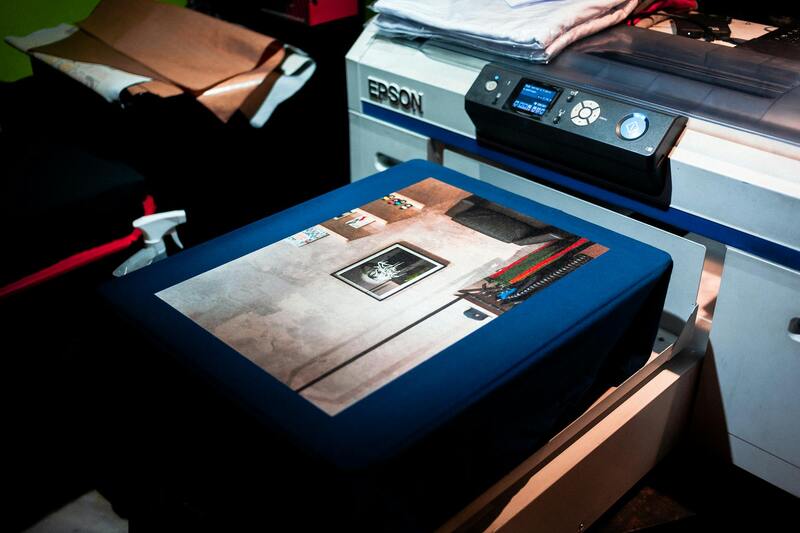
Moreover, certified management systems such as ISO workflows and quality assurance protocols support legitimate operations, ensuring every brochure produced meets strict standards. Automated proofing and pre-press procedures minimize human errors and accelerate the approval cycle. High-quality raw materials, including pre-certified paper stocks with suitable finishes like gloss or matte, are chosen to ensure durability and visual appeal under rapid processing conditions. These tangible supports improve adherence to production timelines while safeguarding the integrity of the final product.
Leveraging Certified Materials and Proven Printing Technologies
Fast brochure printing relies heavily on the strategic selection of materials and technologies that are compatible with rapid production schedules. Professional suppliers maintain an extensive inventory of standard sizes such as A4, A5, or custom dimensions that facilitate quick setup. Using materials like 128gsm gloss or matte art paper, which are optimized for digital and offset printing, allows for quick drying times and minimal delays associated with handling or finishing processes. Finishing options such as lamination, UV coating, or folding are incorporated using automated machinery, further reducing turnaround times.
Consistency in color reproduction and print fidelity is achieved through the employment of precise color management systems and legitimate printing procedures. These systems ensure that each brochure adheres to brand standards and visual expectations, making sure that speed does not compromise quality. The integration of legitimate, certified equipment verifies that each printing process conforms to industry standards, resulting in reliable, high-quality brochures that effectively communicate brand messaging without delays.
Maintaining Inspection and Quality Control Standards for Rapid Output
Implementing official quality control practices throughout the printing process guarantees the final product’s professionalism. Real-time inspection systems detect defects such as misalignments, color inconsistencies, or imperfections early in the workflow, allowing prompt corrections and avoiding reprints. Using certified raw materials and adhering to rigorous quality checks before and after printing facilitates delivering brochures that meet high standards and are ready for distribution. This proactive approach not only accelerates delivery schedules but also ensures that every brochure upholds its intended visual and tactile standards, reinforcing brand integrity in fast-paced marketing campaigns.
Understanding Fast Brochure Printing
Fast brochure printing involves utilizing specialized printing technologies and efficient processes to produce high-quality brochures within a shortened timeframe. It requires a combination of advanced digital and offset printing methods that are optimized for speed without compromising the accuracy of colors, detail, or overall visual appeal. This approach is particularly advantageous for time-sensitive marketing campaigns, product launches, or last-minute promotional events where quick turnaround times are essential. Key to achieving such rapid production is the employment of legitimate, certified printing equipment that adheres to industry standards, ensuring each brochure maintains professional standards while meeting tight deadlines.
Efficient Printing Technologies
- Digital Printing: Ideal for short runs and rapid output, digital printing enables on-demand production with minimal setup time. Its ability to produce vibrant images and crisp text makes it suitable for producing brochures with complex graphics or varied content in a quick cycle.
- Offset Printing: When large quantities are needed rapidly, offset printing can be optimized for speed by employing high-speed presses and automated workflows. Modern offset systems are capable of producing high-volume brochures with consistent quality, often with quick turnaround options.
- Automated Finishing: Incorporating automated folding, binding, and lamination processes further accelerates the completion of brochures. These finishing systems are integrated within the production line, reducing manual interventions and decreasing overall production time.
Streamlining the Production Workflow
To maximize efficiency, proficient printing services implement streamlined workflows that encompass seamless file preparation, pre-press checks, and fast approval processes. Digital proofing options allow clients to review layouts swiftly, reducing delays caused by revisions. Additionally, employing legitimate, high-quality raw materials from certified suppliers guarantees consistency and reduces the risk of reprints due to material defects or discrepancies. Each step is meticulously planned, from file submission to final delivery, which minimizes bottlenecks and ensures prompt fulfillment of printing orders.
Understanding Fast Brochure Printing
In today's competitive market, the ability to produce high-quality brochures swiftly offers a significant edge. Fast brochure printing encompasses various technological advancements and efficient workflows that enable businesses to meet tight deadlines without compromising on quality. This process involves specialized digital or offset printing methods designed for rapid turnaround times, with particular attention paid to material selection, file preparation, and finishing techniques. By leveraging state-of-the-art presses and automated systems, print providers can deliver vibrant, professional brochures tailored to the unique needs of each client within hours or a few days. The integration of high-speed digital presses has revolutionized brochure production, allowing for immediate printing from digital files, thereby eliminating lengthy setup processes and reducing the overall lead time. This means businesses can respond swiftly to market opportunities, execute last-minute campaigns, or fulfill urgent promotional demands with confidence.
Technologies and Printing Methods for Speed
The core of fast brochure printing hinges on the selection of appropriate printing technologies. Digital printing stands out as the primary method, offering on-demand production with minimal setup time and the ability to produce short runs efficiently. This technique enables immediate printing from digital files, reducing turnaround times significantly. Offset printing, traditionally associated with large-volume production, has evolved to support quick turnaround options through high-speed presses and streamlined workflows. Modern offset presses are equipped with automated processes that facilitate rapid loading, printing, and finishing, making them suitable for larger projects requiring both speed and high quality. Additionally, automated finishing equipment such as folding, binding, and laminating machines integrate seamlessly with printing lines, further reducing manual labor and accelerating the entire process.
The combination of these advanced methods ensures that businesses can obtain professionally finished brochures swiftly, whether for regional marketing campaigns, product launches, or special events. Consistent quality is maintained through standardized processes and the use of certified raw materials, which prevent delays caused by reprints or material discrepancies.
Materials and Sizes Available for Rapid Production
To meet the demands of fast brochure printing, a variety of materials and sizes can be utilized without sacrificing quality or durability. Common paper stocks include gloss, matte, and silk finishes, typically available in weights ranging from 128gsm to 250gsm. These options provide excellent vibrancy and clarity for images and text, crucial for producing visually appealing brochures. For additional durability and premium presentation, thicker stocks and specialty finishes like soft-touch coatings or UV lamination can be incorporated into the rapid workflow, provided they are available from certified suppliers and compatible with high-speed finishing equipment.
Standard brochure sizes such as A4, A5, and 8.5x11 inches are frequently used due to their versatility and ease of handling. Custom sizes are also possible and can be accommodated swiftly when specified early in the file submission process. The choice of size and material is influenced by the intended use, target audience, and budget, but the flexibility of modern printing systems allows for quick adjustments to meet specific requirements.
Summary of Materials and Sizes
- Common paper stocks: gloss, matte, silk (128gsm-250gsm)
- Durable options: thicker papers, specialty finishes
- Standard sizes: A4, A5, 8.5x11 inches, custom sizes
- Compatibility with automated binding, folding, and lamination equipment
Choosing the Most Official and Effective Printing Methods for Speed
When it comes to fast brochure printing, selecting the correct printing technology is paramount to achieving high-quality output within tight deadlines. The two primary digital printing methods employed are high-speed digital presses and traditional offset presses adapted for rapid production. These technologies are meticulously optimized to accelerate the printing process while maintaining visual clarity and color fidelity, making them the go-to options for urgent brochure needs.
High-Speed Digital Printing: Digital presses such as Xerox and HP Indigo models are capable of printing large volumes quickly, with minimal setup times. Their ability to print directly from digital files eliminates the need for plates and reduces prepress preparation, enabling turnaround times often within the same day. Digital printing supports variable data, allowing for personalized brochures on demand, which can be a significant advantage for targeted marketing campaigns.
Offset Printing for Rapid Turnaround: Modernized offset presses have incorporated fast setup options and automation, enabling them to compete with digital presses in speed. They are particularly advantageous for larger print runs where consistent color matching and high detail are necessary. When properly managed, offset presses can deliver vibrant images and sharp text efficiently, especially with quick-turnaround projects that demand bulk production.

Both methods are supported by precise workflow management systems that facilitate seamless file preparation, color management, and scheduling. The adoption of automated workflows reduces errors and accelerates the process from prepress to finishing, ensuring timely delivery without compromising standards.
Beyond printing methods, employing efficient finishing techniques can also expedite brochure production. Automated folding, binding, lamination, and cutting equipment streamline the entire process, from printing to final packaging. These solutions are vital in fulfilling urgent orders, especially in scenarios requiring same-day or next-day delivery.
Choosing the right mix of technology depends on the project scope, desired quality, and deadlines. Consulting with a professional printer adept in leveraging these state-of-the-art methods ensures optimal results tailored to specific fast-turnaround requirements. Reliable providers utilize these proven approaches to guarantee that every brochure meets high standards while adhering to strict schedules.
Understanding Fast Brochure Printing
Fast brochure printing is a strategic approach that leverages advanced printing technologies and streamlined workflows to deliver high-quality printed materials within tight deadlines. This method is essential for businesses and organizations that require quick turnaround times without compromising on the visual appeal or informational clarity of their brochures. The process integrates automated prepress systems, digital and offset printing techniques, and efficient finishing solutions to ensure that bulk orders are produced swiftly and accurately.

In practice, fast brochure printing involves meticulous file preparation, precise color management, and real-time scheduling. By utilizing state-of-the-art digital presses, companies can produce small to medium-sized runs with rapid execution, often within a single day. Offset printing, on the other hand, is suited for larger quantities, offering durability and consistent color fidelity, while still being capable of quick turnaround when managed with automated systems.
Key Components of Rapid Brochure Production
- Digital Printing Technologies: Digital presses allow for on-demand printing, reducing setup time and enabling quick adjustments for different designs or batch sizes.
- Automated Workflow Systems: These systems streamline every step from file submission to final delivery, minimizing errors and accelerating the process.
- Advanced Finishing Equipment: Automated cutting, folding, binding, and laminating machines expedite the completion of brochures, ensuring they are ready for distribution in minimal time.
- Material Selection: Rapid production is supported by the availability of versatile materials that can be processed quickly without sacrificing quality.
Technical enhancements such as high-speed digital presses capable of handling complex designs with precise color matching, combined with automated finishing lines, form the backbone of fast brochure printing services. These innovations allow for seamless transitions from design to final product, enabling businesses to meet urgent marketing and promotional needs efficiently.
Technologies and Printing Methods for Speed
Modern rapid brochure printing relies heavily on digital printing methods given their flexibility and speed. Technologies like inkjet and electrophotography (laser) are central to this process. Digital printing offers the benefit of variable data printing, which allows for personalized brochures to be produced quickly without additional setup times. For larger runs, accelerated offset printing facilities equipped with multi-color presses and rapid curing systems are utilized to fulfill demands within tight schedules.
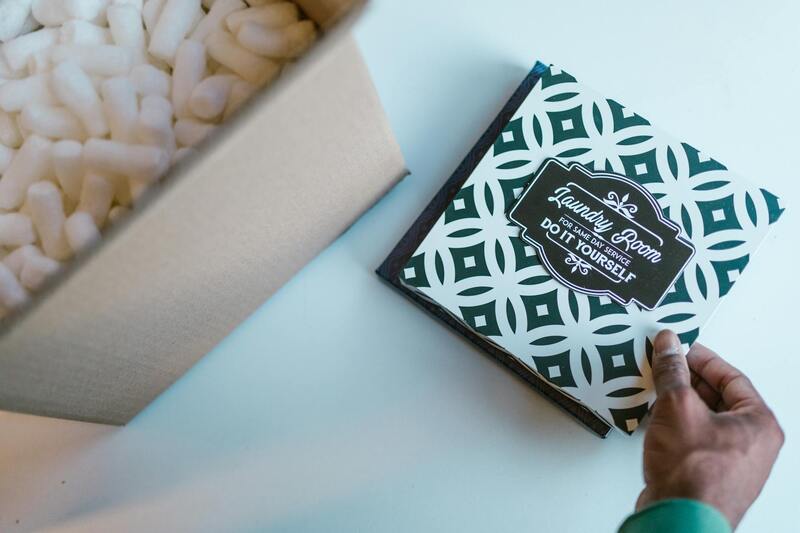
Some printing companies incorporate hybrid approaches, where initial proofs or small runs are executed digitally, and bulk production is handled via offset presses, managed through integrated workflow systems. This synergy optimizes speed and quality for various production scales, ensuring that briefs are met with precision and punctuality.
Materials and Printing Techniques for Speed
Materials compatible with rapid printing include lightweight, versatile substrates like gloss or matte art paper, which dry quickly and are easy to process through automated finishing lines. These substrates support vibrant color reproduction and durability, essential qualities for high-impact brochures. Additionally, flexible adhesive substrates and lightweight cardstocks enable rapid folding and binding, further streamlining the assembly process.
Printing techniques such as digital toner-based printing and rapid UV-curing offset presses facilitate lightning-fast print runs, all while maintaining detailed imagery and crisp textual elements. The selection of appropriate inks and coatings also plays a vital role in quick drying times and high-quality finishes.
Understanding Fast Brochure Printing
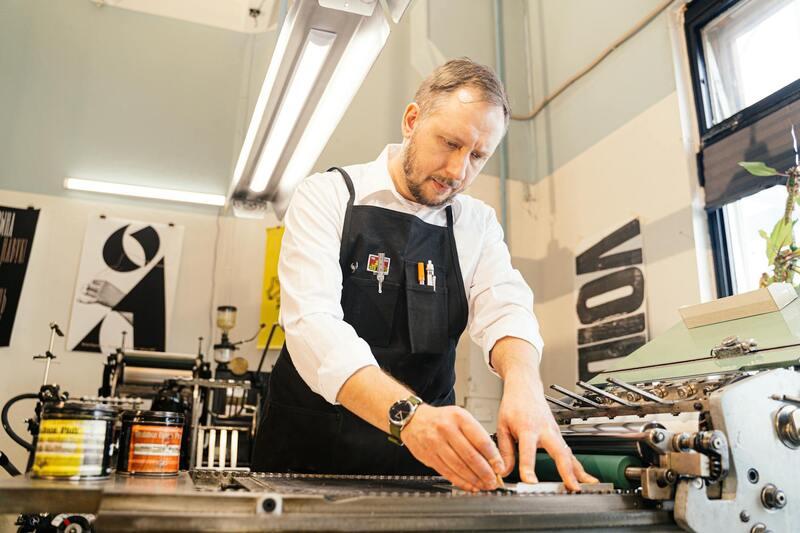
Rapid brochure printing involves utilizing advanced digital and offset printing technologies to produce high-quality marketing materials within short timeframes. This process is specially designed to meet urgent business needs without compromising on clarity, color accuracy, or durability. Digital printing, in particular, has revolutionized the production speed by enabling printing directly from digital files, eliminating the need for traditional plate creation associated with offset presses. The result is a streamlined workflow that significantly reduces lead times, often delivering completed brochures within the same day or within 24 hours, depending on order volume and complexity. High-speed digital presses are capable of handling various paper types, including gloss, matte, and uncoated stocks, with vivid color reproduction and sharp textual details. When rapid turnaround is prioritized, choosing compatible materials and optimized design files becomes crucial, ensuring a smooth printing process and minimizing delays.
Benefits of Fast Brochure Printing
Fast brochure printing provides numerous advantages for businesses aiming to initiate marketing campaigns swiftly or capitalize on time-sensitive promotional opportunities. The primary benefit is the ability to meet tight deadlines, ensuring that marketing materials are ready when needed, whether for trade shows, product launches, or last-minute sales events. Additionally, rapid printing services often come with flexible order sizes, allowing for small batch runs that are cost-effective and environmentally friendly by reducing wastage. The immediacy of production also enables businesses to respond to market trends quickly by updating designs or messages without significant delays. Furthermore, high-quality printing standards are maintained through advanced technology, which guarantees crisp images and vibrant colors that reinforce brand professionalism. Ultimately, fast brochure printing enhances operational agility, allowing brands to stay relevant and competitive in dynamic markets.
Types of Brochures Suitable for Fast Printing
- Tri-fold Brochures: Compact, versatile, ideal for event handouts or product summaries.
- Z-fold Brochures: Expandable design suitable for detailed information layouts.
- Bi-fold Brochures: Classic, simple design perfect for straightforward messaging.
- Gate-fold Brochures: Premium feel with intricate folds, suitable for high-end product presentations.
- Octagon or Specialty Folds: Creative folding options for unique marketing appeals.
These formats are typically compatible with digital and offset presses, allowing for swift turnaround times while maintaining design flexibility and visual clarity. The choice of fold type depends on the amount of information, the visual style, and the overall marketing strategy, all achievable with rapid production methods.
Materials and Sizes Available for Rapid Production
Fast brochure printing accommodates a diverse range of materials and sizes to fit various branding needs and budget considerations. Common materials include:
- Gloss Art Paper (128gsm to 170gsm): Popular for vibrant color reproduction and durability.
- Matte Art Paper: Offers a sophisticated finish, ideal for elegant branding.
- Uncoated Paper: Flexible for writing or further finishing processes.
- Lightweight Cardstocks: Suitable for more durable, high-quality brochures.
Size options are usually standardized, with A4 and A5 being the most common for quick turnaround, but custom sizes and folds are also achievable given appropriate substrate options. These sizes ensure compatibility with high-speed printers and streamline finishing processes such as folding, cutting, and binding.
Technologies and Printing Methods for Speed
Achieving rapid brochure production relies on a combination of advanced technologies. Digital toner-based printers and UV-curing offset presses are at the forefront because of their ability to produce crisp images and fine text in minimal timeframes. Digital presses can often produce short runs efficiently, with quick setup times and minimal wastage. Meanwhile, UV-curing offset technologies allow for rapid drying and handling of heavier stocks, making them suitable for larger quantities without sacrificing speed. Many printing facilities incorporate hybrid workflows—digital for initial proofs or small batches and offset for larger runs—to streamline operations further and ensure consistent quality at high speeds. Automated finishing lines, equipped with modern folding, cutting, and binding machinery, complement these printing methods, providing a seamless, rapid completion of brochure production.
Materials and Printing Techniques for Speed
Optimizing material and technique choices is essential for ensuring speedy production without quality compromise. Lightweight, quick-drying substrates such as gloss or matte art paper are preferred as they facilitate faster handling and finishing times. UV coatings can be applied immediately after printing, further accelerating the process while enhancing durability and vibrancy. Digital toner-based printing excels in speed, allowing for high-resolution graphics and sharp text with minimal setup times. For larger quantities, rapid UV-curing offset presses serve as an effective option, capable of producing high-volume runs efficiently. The use of appropriate inks and quick-dried coatings ensures that drying times do not slow down subsequent operations such as folding or binding, maintaining consistent flow and timely delivery.
Understanding Fast Brochure Printing
Fast brochure printing involves utilizing advanced digital and offset printing technologies designed to minimize production time while maintaining high-quality output. These methods leverage state-of-the-art machinery and streamlined workflows to accelerate each phase of the printing process, from prepress preparations to finishing touches. Digital printing, with its immediate setup and minimal changeover times, allows for rapid production of small to medium runs, making it ideal for urgent marketing campaigns or limited-time promotions. Offset printing, equipped with fast-drying inks and automated workflows, is often employed for larger quantities, ensuring consistent quality at high speeds. Combined with digital file management and automated color calibration, these systems enable printing providers to efficiently deliver brochures within tight deadlines.

Materials and Sizes Available for Rapid Production
When speed is prioritized, selecting the right materials is crucial. Lightweight, quick-drying substrates such as 128gsm gloss or matte art paper are commonly used because they facilitate swift handling and finishing. Heavyweight options can also be processed rapidly when combined with advanced drying technologies like UV coatings, which cure instantly after printing. Standard brochure sizes such as A4 and A5 are preferred for quick turnaround times due to their widespread compatibility with folding and binding machinery. Custom sizes may require additional preparation but can still be achieved swiftly with modern digital workflows.
Available materials include:
- Gloss and matte art paper (128gsm to 170gsm) for vibrant images and durability
- Heavyweight card stock for premium feel when needed
- Quick-drying inks and coatings to speed up drying and handling
Technologies and Printing Methods for Speed
Utilizing the latest digital press systems is fundamental to achieving rapid brochure production. Digital toner-based printers produce high-resolution images and sharp text with minimal setup, suited for short runs or personalized prints. For higher volume requirements, UV-curing offset presses are deployed, capable of printing large quantities with consistent quality in a reduced timeframe. Hybrid workflows, combining digital and offset printing, are common to optimize efficiency, with digital used for proofs and small batches, and offset for bulk production. Automated finishing machinery, fitted with modern folding, cutting, and binding stations, further minimize manual intervention and accelerate project completion.

Materials and Printing Techniques for Speed
Optimal material choice combined with advanced techniques is vital for rapid turnaround. Quick-drying inks, such as UV or solvent-based types, paired with substrates that facilitate fast absorption and drying, are essential. UV coatings not only enhance durability and vibrancy but also cure instantly, allowing next-stage operations like folding or binding to commence immediately. The application of inline finishing techniques, including cutting and folding, integrated within high-speed presses, ensures minimal delays. Techniques like quick-dry offset printing are ideal for large orders, balancing speed with impeccable quality.
Choosing the Right Printing Service Provider
Reliability and technological capability are key when selecting a service provider for fast brochure printing. A competent provider maintains a variety of high-speed digital and offset presses, ensuring they can handle multiple project sizes without compromising quality. Access to a broad range of materials and finishing options also plays a role in meeting tight deadlines. Additionally, a proven track record of adhering to schedules and providing consistent results reflects a provider’s capacity to deliver under pressure. Customer support and transparent communication throughout the process are equally important to coordinate specifications and ensure swift completion.
Choosing the Right Provider for Fast Brochure Printing
When searching for a partner capable of rapid brochure production, it is essential to evaluate their technological infrastructure. Details such as the presence of digital presses, UV curing equipment, and automated finishing lines indicate readiness to meet expedited timelines. Experience in handling similar projects efficiently and their ability to adapt to varying design complexities should guide your selection. Additionally, providers offering streamlined file submission processes and clear communication channels can significantly reduce turnaround times.
Design Tips for Accelerated Printing
Creating print-ready files optimized for speed involves adhering to fundamental design principles. Utilize standard brochure sizes like A4 or A5 to facilitate compatibility with automatic folding and cutting machines. Maintain simple, clean layouts that require minimal color layers to reduce printing complexity. Using solid color backgrounds and limited color palettes can also speed up printing and drying times. Ensure that files are properly formatted, with high-resolution images embedded and color profiles standardized. This reduces delays caused by reprints or adjustments. Modular designs that can be easily scaled or modified further support quick turnaround without compromising visual impact.
Understanding Fast Brochure Printing
Fast brochure printing is a specialized service designed to meet the urgent demands of businesses and individuals who require high-quality printed marketing materials within tight deadlines. Leveraging advanced digital and offset printing technologies, this method ensures that large volumes of brochures are produced efficiently without compromising on clarity or durability. By utilizing streamlined workflows, automated processes, and proven quality control measures, providers can deliver tailored brochure solutions rapidly, enabling clients to execute timely marketing campaigns, product launches, or event promotions. The process begins with precise file preparation, where designed layouts are optimized for quick printing, ensuring minimal delays due to technical adjustments. Efficient material handling and constant monitoring during production help maintain consistency, resulting in a final product that aligns with specified standards and expectations.
Technologies and Printing Methods for Speed
Modern fast brochure printing employs a combination of digital printing, UV curing, and automated finishing processes to achieve swift turnaround times. Digital printing, with its ability for quick setup and minimal downtime, is ideal for short to medium runs while maintaining high resolution and color fidelity. UV curing systems accelerate ink drying, allowing for immediate handling and further processing of printed sheets, thus reducing lead times. Automated finishing equipment, including folding, binding, and cutting machines, streamline the post-printing stage, ensuring that finished brochures are ready for distribution swiftly. In scenarios demanding extremely rapid production, some providers utilize hybrid printing techniques that combine digital and offset methods to balance speed with cost-efficiency and print quality. This integrated approach ensures that each project adheres to tight schedules without compromising on visual appeal or structural integrity.

Materials and Printing Techniques for Speed
Choosing the right materials is vital when fast brochure printing is necessary. Standard options include lightweight glossy or matte art paper, which are compatible with quick drying and high-resolution printing. Using pre-cut and pre-graded sheets minimizes handling time during setup. Printing techniques such as digital printing are favored for their flexibility and rapid execution, especially for smaller print runs with variable content. Offset printing may also be employed for larger quantities but typically requires longer setup times; however, modern digital offset presses now offer speed advantages for medium-sized batches. The application of quick-drying inks and compatible substrates ensures that drying and handling are seamless, reducing bottlenecks in the production line. Incorporating modular design elements that avoid complex folding or finishing steps further accelerates the overall process, making it easier to meet demanding deadlines.

Understanding Fast Brochure Printing
Fast brochure printing involves leveraging advanced printing technologies and streamlined processes to produce high-quality brochures within tight timeframes. Unlike traditional methods that require extensive setup and lengthy production cycles, rapid printing employs digital presses that facilitate quick turnaround times without sacrificing print clarity or durability. This approach is particularly beneficial for businesses or organizations needing to distribute promotional materials promptly, such as for seasonal campaigns, last-minute events, or urgent marketing pushes. 
Leveraging Digital Technology for Speed
At the core of fast brochure printing is the utilization of digital printing technology. Digital presses eliminate many of the preparatory steps associated with offset printing, such as creating plates, which significantly reduces the setup time. This technology allows for immediate production once the digital file is ready, resulting in faster turnaround times, often within a few hours or a day, depending on the complexity and volume. Digital printing also supports short runs with variable data options, making it suitable for personalized marketing campaigns that require quick adjustments and instant printing capabilities. Efficient file preparation and pre-press workflows further expedite the process, ensuring that the final print jobs are completed promptly without compromising on detail or color accuracy.
Optimizing Printing Materials for Speed
Choosing the right materials is essential to meet rapid production deadlines. Lightweight, coated papers such as glossy or matte art papers, typically 128gsm, dry quickly and are compatible with digital ink formulations. Pre-cut and pre-graded sheets facilitate quicker loading and setup, reducing handling time during the printing process. When selecting materials, gloss or matte finishes are preferred as they promote fast drying and can withstand handling during distribution. Additionally, using standardized sizes like A4 or A5 can streamline the printing and folding processes, further shortening production times. Consistency in material selection also allows for predictable drying times and finishing, preventing delays caused by unforeseen material-related issues.
Efficient Finishing Techniques for Rapid Completion
In fast brochure printing, finishing techniques are tailored to minimize bottlenecks. Automated cutting, creasing, folding, and binding equipment help accelerate the final stages. For example, tri-fold or z-fold brochures can be folded instantly with mechanical folders, while high-speed cutters can trim large runs swiftly. The adoption of inline finishing methods, such as varnishing or lamination, integrated into the printing process, reduces the need for separate post-processing steps. Modular and simplified design elements that avoid complex folds or intricate die-cut shapes contribute to rapid finishing, ensuring brochures are ready for distribution without delays. Utilizing quick-drying inks and substrates further enhances throughput, enabling the entire production cycle to be completed within a shortened timeline.
Strategies for Ensuring Prompt Delivery
Effective communication between clients and printing service providers is crucial to achieve fast turnarounds. Clear specifications, such as predefined sizes, materials, and design layouts, help prevent misunderstandings that could cause delays. Appropriately prioritizing the production schedule, employing just-in-time inventory management, and maintaining a well-equipped print shop with the latest digital presses can significantly enhance speed. Additionally, opting for standardized design templates or simple layouts accelerates the pre-press process. Real-time progress updates and flexible scheduling options allow clients to plan distribution promptly upon project completion. By integrating these strategies, printing providers can reliably meet urgent deadlines, ensuring that businesses can distribute their brochures without compromising quality.
Understanding Fast Brochure Printing
Fast brochure printing involves utilizing advanced printing technologies and streamlined processes to produce high-quality brochures within tight deadlines. This method is especially crucial for marketing campaigns, product launches, and business events where timely distribution can significantly impact brand visibility and customer engagement. The core of fast brochure printing lies in digital printing techniques, which allow for rapid setup and short production runs without sacrificing detail or color accuracy. With digital presses, businesses can achieve quick turnaround times by avoiding extensive plate creation or manual adjustments associated with traditional offset printing. Moreover, intelligent scheduling, automated workflows, and efficient pre-press operations contribute to minimizing production cycle times, ensuring comprehensive materials reach clients in record time.

Benefits of Fast Brochure Printing
- Time Efficiency: Overcoming typical production delays, rapid printing services deliver brochures swiftly, supporting urgent promotional needs.
- Cost Savings: By reducing lead times and eliminating unnecessary steps, fast brochure printing can be more economical, especially for small to medium runs.
- Flexibility: Businesses can quickly adapt and modify designs without incurring significant costs or delays, facilitating real-time marketing adjustments.
- High Quality: Modern digital printing ensures vibrant color reproduction and crisp text, even in expedited production cycles.
- Increased Responsiveness: Enables prompt responses to market opportunities, competitive campaigns, or last-minute requests from clients or stakeholders.
Types of Brochures Suitable for Fast Printing
Certain brochure formats are ideal for rapid production owing to their simplicity and standard dimensions. These types typically include bi-fold, tri-fold, and z-fold brochures, which are straightforward to design and assemble. Additionally, small-sized brochures, such as A4 or A5 flyers, lend themselves well to quick turnaround times due to their manageable dimensions and less complex folding requirements. Custom shapes or intricate die cuts may require additional setup time, which could hinder fast processing; therefore, streamlined designs are favored for projects requiring expedited delivery.
Materials and Sizes Available for Rapid Production
Fast brochure printing companies offer a wide array of materials and sizes to accommodate diverse business needs. Common paper stocks include:
- 128gsm gloss art paper for vibrant imagery
- Matte finishes for a sophisticated look
- Heavyweight paper options for durability in high-traffic areas
Sizes typically available include standard dimensions such as A4, A5, or custom sizes tailored for specific campaigns. The choice of material and size often influences both the printing time and cost, making it essential for clients to select options that align with their urgency and budget constraints.
Technologies and Printing Methods for Speed
The backbone of rapid brochure production is digital printing technology, specifically digital presses equipped with high-speed output capabilities. These devices enable quick setup and short pre-press times, turning around projects within hours or days as needed. Additionally, some providers utilize inline finishing options, such as binding, lamination, or UV coating, integrated into the printing process, which eliminates the need for separate post-processing steps. This integration accelerates the entire production cycle while maintaining high standards of quality.
Materials and Printing Techniques for Speed
Utilizing quick-drying inks and compatible substrates enhances throughput, especially in high-volume runs. Digital presses employ toner-based or inkjet-based technology, both capable of delivering sharp images rapidly. To ensure consistent quality, providers often choose substrates that dry quickly and are compatible with their printers, reducing the risk of smudging or delays during handling. The selection of straightforward, standardized design elements or templates further reduces pre-press time, facilitating faster completion of projects.
Choosing the Right Printing Service Provider
Selecting a competent printing partner is vital for ensuring timely delivery of fast brochures. Key factors include the provider's technological capabilities, experience with expedited projects, and their ability to handle custom requests efficiently. Reliable service providers maintain well-equipped print facilities with state-of-the-art digital presses and streamlined workflows. Additionally, transparent communication, clear turnaround estimates, and proactive project management are essential qualities that help safeguard against unforeseen delays and ensure your brochures meet deadlines.
Choosing the Right Provider for Fast Brochure Printing
To optimize your quick-turnaround projects, prioritize providers with proven expertise in rapid printing services. Look for companies that offer detailed service descriptions, flexible scheduling options, and a track record of punctual deliveries. Availability of offline consultation and design assistance can also streamline the process, reducing errors or misunderstandings that might cause delays. Ensuring the provider uses high-quality materials and cutting-edge digital presses guarantees that your brochures will look professional, even when produced under tight schedules.
Design Tips for Accelerated Printing
Designing with speed in mind involves selecting simple, efficient layouts and minimizing complex graphics or special finishes that require additional processing. Use standard fonts and straightforward color schemes to streamline pre-press workflows. Modular templates can be employed to facilitate quick customization, and avoiding intricate die-cut shapes or folds ensures faster cutting and finishing. Ensuring that designs are optimized for digital printing — such as appropriate resolution and color profiles — further reduces potential issues during production.
Designing Brochures for Fast Production
It is advisable to create layouts that are compatible with common sizes and folding styles to expedite printing. Choosing designs that are clean, with minimal layers and effects, shortens processing time. Standardizing elements like headers, logos, and color schemes can greatly reduce pre-press adjustments. Using vector graphics instead of raster images enhances print quality and speeds up output, while ensuring that all text is properly embedded or outlined prevents font issues and reprints. All these design strategies contribute to a seamless, swift production cycle, allowing you to meet urgent marketing deadlines without sacrificing professionalism.