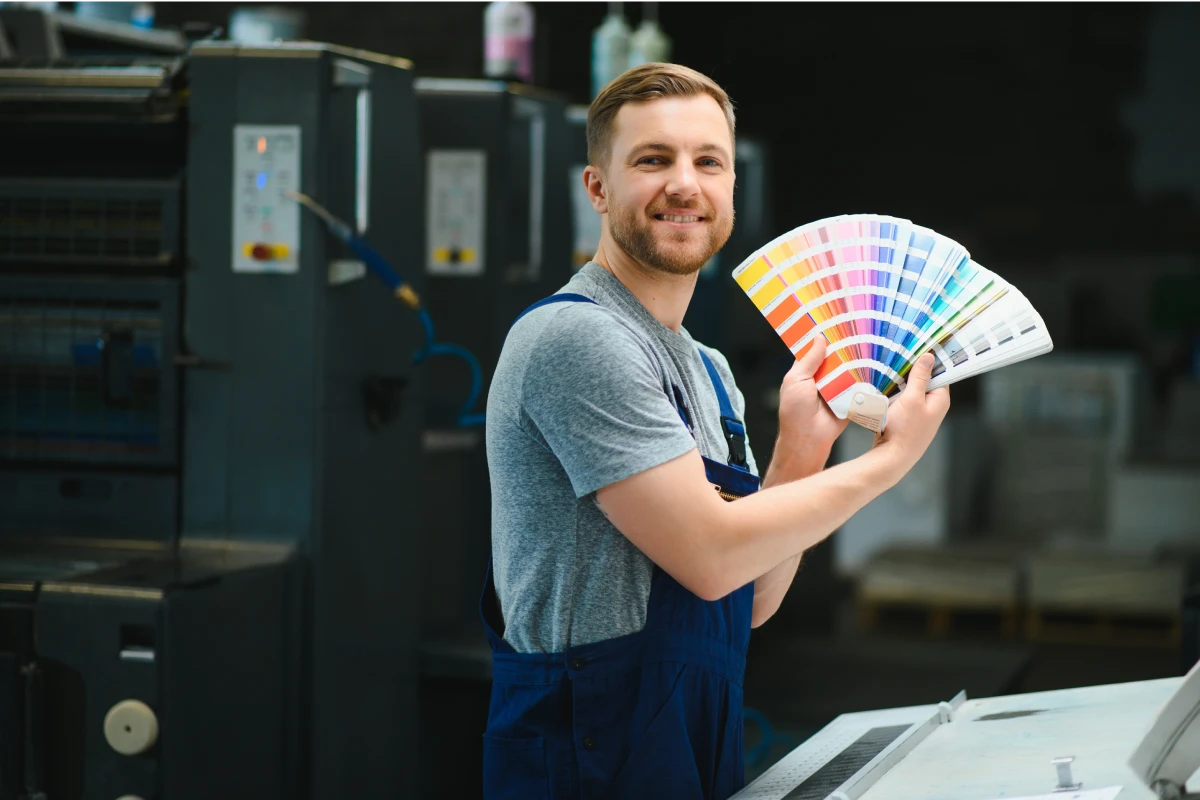
Custom Brochure Printing In Singapore: Guide To Creating Impactful Marketing Materials
Introduction to Custom Brochure Printing
In the competitive landscape of Singapore’s business environment, effectively communicating your brand message is paramount to gaining market traction. Custom brochure printing emerges as a powerful marketing tool that allows companies to present their products and services with precision and style. Unlike generic flyers or templates, custom brochures are designed to reflect the unique identity of a brand, establishing a memorable impression on potential clients and partners.
Custom brochures serve multiple functions within a comprehensive marketing strategy. They act as tangible representations of a company's ethos, showcasing detailed information about offerings, highlighting key benefits, and reinforcing brand values. Whether for trade shows, client meetings, or direct mail campaigns, a well-crafted brochure can articulate a company’s value proposition effectively and professionally.
In Singapore's diverse market, with a blend of industries ranging from finance and technology to tourism and retail, the importance of tailored marketing collateral cannot be overstated. Custom brochure printing provides the flexibility to choose layouts, materials, and finishes that match specific branding requirements, ensuring that your marketing materials stand out among competitors.
Furthermore, as businesses seek to connect more deeply with their target audience, the tactile nature of printed brochures offers a sensory experience that digital media alone cannot replicate. The quality of paper, choice of finishes, and design intricacies contribute to a professional appearance, fostering trust and credibility with prospective clients.
Investing in custom brochure printing in Singapore is not just about aesthetic appeal; it’s about strategic communication. The process involves careful planning and execution to ensure that every element, from color schemes to content layout, aligns harmoniously with your marketing goals. As a result, a thoughtfully designed and printed brochure becomes a critical touchpoint that fosters brand recognition and drives engagement.
Choosing the right provider for custom brochure printing involves considering factors such as printing quality, material options, turnaround time, and overall service reliability. With a clear understanding of the significance and proper execution of custom brochures, businesses can leverage this versatile tool to maximize their reach and impact in a competitive marketplace.
Official Methods for Custom Brochure Printing
When seeking to create high-quality custom brochures that effectively reflect your brand identity, it is essential to rely on proven, reputable printing methods. These methods ensure the durability, clarity, and aesthetic appeal of your marketing collateral, contributing to a professional presentation that resonates with your target audience.

Digital Printing
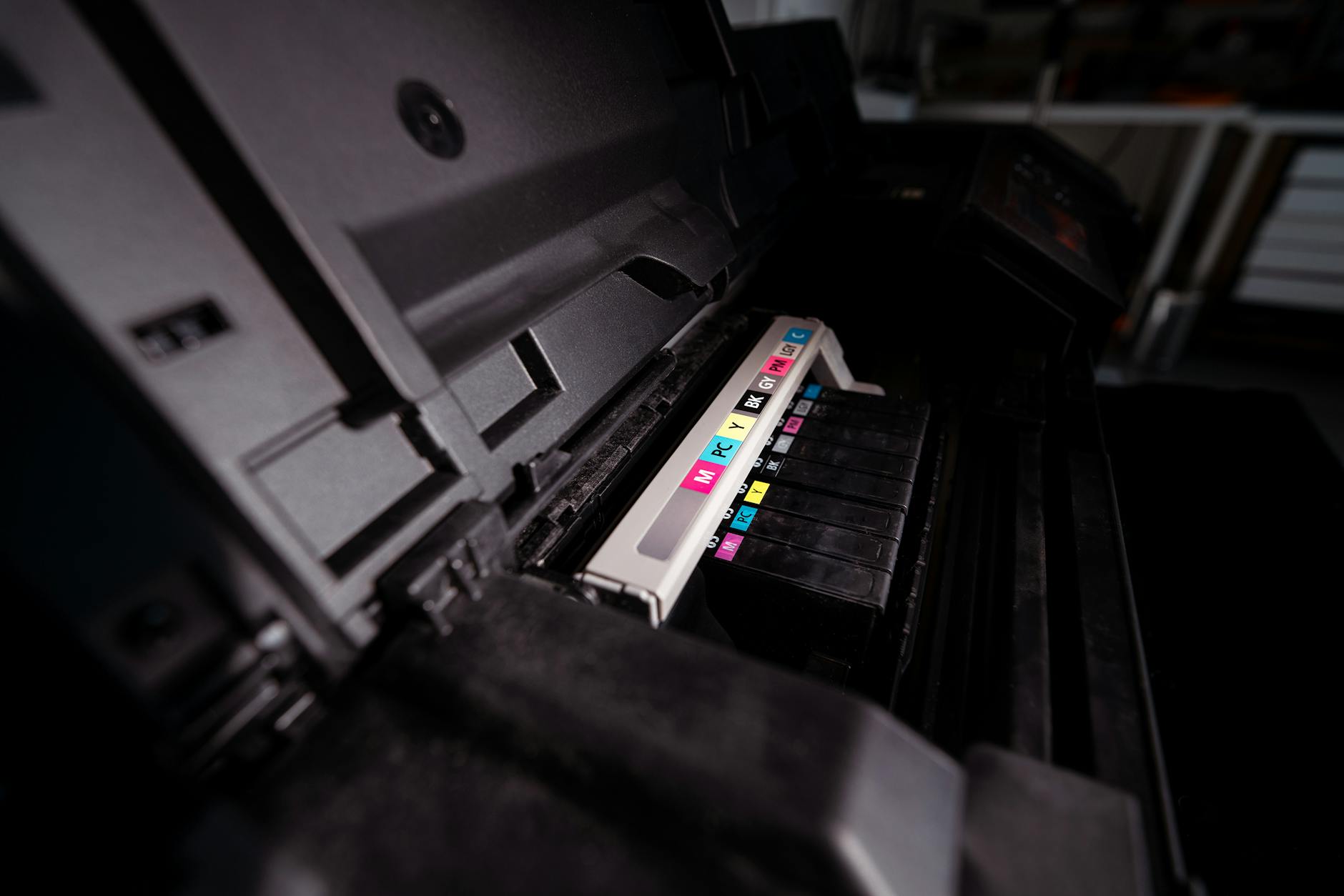
This method is one of the most prevalent techniques for custom brochure printing, especially suitable for short to medium print runs. Digital printing offers advantages such as quick turnaround times, cost-effectiveness for smaller quantities, and excellent color accuracy. It employs advanced toner or inkjet technology to produce vibrant, detailed images and text, making it ideal for personalized brochures with variable data or customized designs.
Offset Printing
Offset lithography remains a popular choice for larger print quantities due to its ability to produce consistent high-quality images. This process transfers ink from plates onto a rubber blanket, then onto the printing surface. Offset printing provides precise color matching and sharp detail, making it suitable for intricate designs and color-critical projects. Although it involves longer setup times, it offers cost efficiencies for bulk orders, ensuring your brochures maintain a professional appearance at scale.
Screen Printing
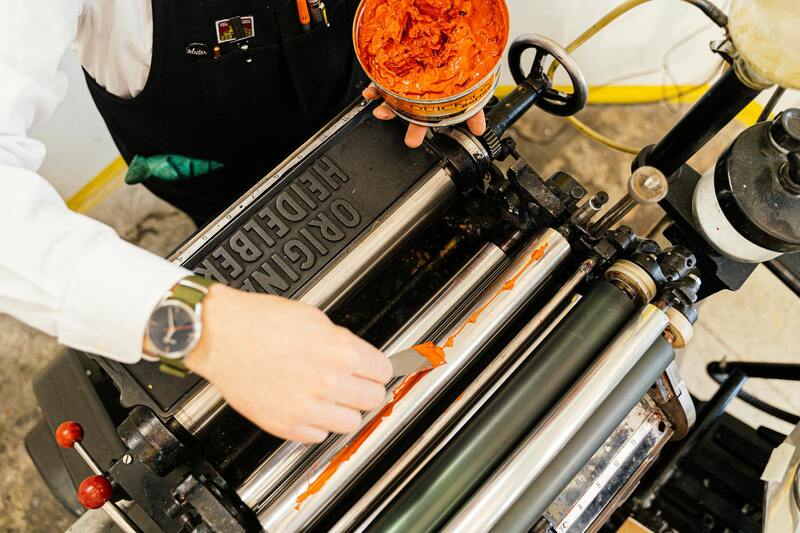
While less common for traditional brochures, screen printing can be applied for special finishes or unique effects on certain materials, particularly when incorporating tactile elements. The process involves creating a stencil on a mesh screen and pressing ink through the openings onto the substrate. Its strengths lie in producing vibrant, opaque designs on various textured surfaces, adding an innovative tactile dimension to your brochures.
Hybrid Techniques
Some projects benefit from a combination of printing methods, such as digitally printing vibrant images on the cover and offset printing for interior pages. Hybrid approaches allow customization and efficiency, especially for multi-faceted brochure campaigns, blending the benefits of both worlds to achieve the desired aesthetic and functional quality.
Specialized Finishing Applications
Enhanced brochure durability and visual appeal are often achieved through specialized finishing techniques, including:
- Lamination: Applying a plastic coating to protect against wear and tear, adding gloss or matte finish options.
- UV Coating: Providing a high-gloss protective layer that enhances color vibrancy.
- Spot UV: Targeted UV coating on specific areas for emphasis, creating a striking visual effect.
- Embossing & Debossing: Adding depth and texture for a tactile experience.
- Auto and Cold Foil Stamping: Incorporating metallic finishes that elevate the perceived quality of the brochure.
Choosing the appropriate method depends on your project’s scope, design intricacies, and brand positioning. Professional printers utilize these proven techniques to deliver a product that not only meets visual standards but also withstands handling and environmental exposure, fostering trust and credibility.
Material Selection and Paper Quality for Custom Brochures
Choosing the right materials is a fundamental aspect of custom brochure printing that influences both the aesthetic appeal and functional durability of the final product. Standard paper options include matte, gloss, and silk finishes, each offering unique tactile and visual effects. Matte paper provides a non-reflective surface that enhances readability and conveys a sophisticated or understated look, ideal for detailed text or subtle color schemes. Glossy paper, with its high shine, amplifies color vibrancy and makes images pop, suitable for vibrant visuals and high-impact designs. Silk finishes balance these qualities, offering a smooth surface with a slight sheen that enhances visual interest without excessive glare.

Specialty papers, such as textured or recycled options, are available for projects requiring a distinct tactile experience or eco-friendly presentation. Textured papers, including linen or laid finishes, add an element of depth and sophistication, making the brochure more engaging. Recycled papers appeal to environmentally conscious brands and can be used without compromising quality or print clarity. Additionally, considering weight (measured in GSM) is critical; thicker papers (ranging from 150 GSM to 300 GSM) offer increased sturdiness and a premium feel, aligning with luxury branding or high-end marketing materials.
Finishing Touches to Elevate Brochure Appeal
Finishing techniques can significantly enhance the visual and tactile appeal of your brochures, making them stand out and endure handling over time. Lamination, whether gloss or matte, protects against moisture and wear, preserving vibrant colors and sharp images. UV coating adds a protective, high-gloss layer that intensifies color vibrancy and provides a smooth surface that is resistant to scratches.
- Spot UV: Applying semi-transparent UV coating to specific areas emphasizes key design features or text, creating a three-dimensional effect.
- Embossing and Debossing: These techniques add luxurious textures by raising or lowering patterns and text onto the paper, providing tactile differentiation.
- Foil Stamping: Gold, silver, or metallic foils can be applied using heat and pressure to add a sense of sophistication and premium quality.

All finishing options should be selected based on the brochure's intended purpose, target audience, and overall branding strategy. Professional printing services offer guidance in choosing the most appropriate finishes to complement your design, ensuring the final product captures attention while maintaining durability through extended handling and exposure to environmental factors.
Impact of Paper Choice and Finishing on Campaign Success
The material and finish selections communicate your brand’s image and influence how your message is perceived. A well-chosen paper stock combined with thoughtful finishing techniques elevates the perceived value of your brochures, making a memorable impression that encourages engagement. Since these elements also affect production costs and turnaround times, it’s essential to balance quality preferences with budget considerations and project timelines.
Legal and Verified Methods for Custom Brochure Printing
When it comes to producing high-quality custom brochures, adhering to reputable and verifiable practices is essential to ensure the integrity, quality, and reliability of the final product. Professional printing services employ a variety of legitimate techniques and follow strict industry standards to guarantee that every brochure meets the desired specifications while upholding professional credibility.
Utilized Printing Technologies in the Industry
Leading printing companies leverage advanced printing technologies that deliver consistent, precise, and vibrant output. Among the most common and legitimate are:
- Offset Printing: This industry-standard method uses plates to transfer ink onto paper. It is optimal for large volume runs, providing high fidelity and color accuracy with cost efficiency over time.
- Digital Printing: Favored for short runs and quick turnaround, digital printing eliminates the need for physical plates by directly transferring digital images onto paper, ensuring rapid and precise reproduction.
- UV and Latex Printing: These methods allow for high-quality vibrant colors and durable finishes, suitable for outdoor or high-traffic brochures.
Materials and Finishing Techniques Ensuring Quality and Durability
Reputable providers choose proven materials and finishing techniques validated through industry standards, including:
- Premium Paper Stocks: Selection of uncoated, coated, or specialty papers based on the brochure’s purpose, with options such as matte, gloss, or silk finishes that meet recognized quality benchmarks.
- Authentic Finishing Processes: Techniques such as lamination, embossing, foil stamping, and spot UV coating are applied under controlled conditions to avoid defects and ensure lasting quality.
Appropriate Finishes to Enhance Visual Appeal
Finishing touches should be chosen prudently to match the design intent and target audience, with professional advice available to select methods that do not compromise the brochure's integrity. For example, matte finishes reduce glare for reading comfort, while gloss coatings improve vibrancy for visual impact. Foil stamping and embossing add tactile and visual luxury, used appropriately within recognized standards.
Ensuring Proper Handling and Storage
Post-production handling plays a crucial role in maintaining the integrity of printed brochures. Publishers and printers adhere to strict guidelines to prevent damage during storage and transportation, including sealed packaging, climate-controlled environments, and careful stacking. These practices maintain the brochures' professional appearance and extend their lifespan, ensuring the product remains pristine until delivery.
Legitimate Certifications and Standards
Choosing a printing partner that complies with recognized industry certifications, such as ISO standards for environmental management and quality assurance, guarantees that the printing processes follow best practices. These certifications reflect a commitment to quality control, sustainable practices, and the use of environmentally friendly materials.
Verification and Transparency in Printing Processes
Reputable printing service providers openly share their process workflows, material sources, and quality control measures. Transparent communication, including providing samples and proofing options, helps clients confirm that the production adheres to established standards before proceeding with large orders. This transparency fosters trust and ensures that the final brochures meet professional expectations.
Materials and Finishes for Brochure Printing
Choosing the appropriate materials and finishes is fundamental to creating a professional and impactful custom brochure. The selection of paper stock, coating options, and finishing techniques directly influences the tactile quality, durability, and visual appeal of the final product. High-quality materials ensure that brochures withstand handling while reflecting your brand’s sophistication and attention to detail.
Paper Stock Options
- Glossy Paper: Offers a shiny surface that enhances color vibrancy, making images pop and text stand out. Ideal for visually-driven brochures requiring high visual impact.
- Matte Paper: Provides a subdued, non-reflective finish that lends a sophisticated, muted appearance. Suitable for brochures with detailed text or a more understated aesthetic.
- Satin or Silk Finish: Combines the best of glossy and matte, delivering a smooth surface with slight sheen, suitable for premium brochures.
- Recycled or Eco-Friendly Paper: Demonstrates a commitment to sustainability, often with textured finishes that add a tactile dimension to the brochure.
Coating and Finishing Techniques
- UV Coating: A high-gloss or matte coating applied to enhance durability, protect against scratches, and improve visual appeal. Ideal for brochures with vibrant images or detailed graphics.
- Lamination: Adds a protective layer that resists moisture, dirt, and wear. Available in gloss, matte, or soft-touch textures to complement the design.
- Embossing and Debossing: Creates raised or recessed designs, adding tactile interest and a sense of luxury. Utilized for brand logos, titles, or decorative elements.
- Foil Stamping: Applies metallic foils to specific areas for a striking finish that attracts attention and conveys elegance.
Additional Considerations for Material Selection
When selecting materials, consider the brochure’s intended use, distribution environment, and target audience. For instance, outdoor event brochures benefit from weather-resistant materials and coatings, while high-end marketing brochures may prioritize tactile finishes such as soft-touch coatings or embossing. Ensuring compatibility between paper type and finishing techniques is essential for achieving the desired visual and tactile effects.
Advanced Techniques in Custom Brochure Printing
For businesses seeking to elevate their marketing efforts, the adoption of advanced printing techniques plays a crucial role in creating impactful brochures that resonate with target audiences. Employing state-of-the-art methods like true spot UV coating, textured embossing, and foil stamping can significantly enhance the tactile and visual appeal of your brochures, ensuring they stand out amidst competitors. High-end production processes involve precision machinery capable of applying intricate designs and finishes, such as embossed brand logos or glossy accents, which can evoke a sense of luxury and sophistication.

In addition to decorative techniques, modern printing methods such as digital printing and offset printing are often combined to balance quality, cost-efficiency, and turnaround times. Digital printing allows for quick adjustments and short runs, making it ideal for highly targeted campaigns and personalized brochures. Offset printing, on the other hand, offers superior color fidelity and high-volume capacity for larger orders, ensuring each brochure maintains a consistent professional appearance.
Choosing the right finishing techniques is essential for matching the brochure’s purpose and distribution environment. For outdoor marketing materials, weather-resistant coatings like heavy lamination or UV coating can shield against moisture, dirt, and UV degradation. For premium brochures aimed at high-end clients, tactile finishes such as soft-touch coatings, embossing, or foil accents can heighten perceived value and engagement. A strategic combination of surface treatments and finishes can profoundly influence how your audience perceives your brand, fostering positive associations and increasing recall rates.

When implementing these techniques, it is crucial to collaborate with experienced printing providers who understand the nuances of various finishing technologies and how they complement different paper stocks. Skilled technicians can advise on optimal process combinations, ensuring that the final product not only looks stunning but also withstands handling and environmental factors. This expertise is vital for delivering brochures that effectively communicate your message while maintaining structural integrity and visual appeal throughout their usage cycle.
Furthermore, integrating innovative effects such as holographic foils, laser cut details, or metallic inks can introduce a unique dimension of branding sophistication. These specialized techniques require precise calibration and often involve multiple production stages, underscoring the importance of partnering with reputable, technologically advanced print service providers.
In essence, mastering advanced printing techniques expands your creative possibilities, allowing for personalized, tactile, and visually stunning brochures. This versatility ensures that your printed marketing materials are not only informative but also memorable, creating a lasting impression that can translate into increased customer engagement and brand loyalty.
Ensuring Proper Material Selection for Custom Brochures
Choosing the right material for your custom brochure is essential to achieving the desired aesthetic appeal and functional durability. The selection process involves considering the paper weight, finish, and texture, which collectively influence the brochure's tactile quality and visual impact. Thicker, high-quality paper stocks, such as cardstock or premium matte finishes, provide durability and a refined look suitable for corporate presentations, luxury branding, or detailed informational brochures. Conversely, lighter paper options may be appropriate for mass distributions where cost efficiency is a priority.
It is equally important to consider environmentally friendly options, such as recycled paper or FSC-certified stocks, which support sustainable practices without compromising quality. Specialty materials like textured or linen finishes can add a tactile dimension that enhances brand perception, while options like translucent or metallic papers can create eye-catching effects that captivate audiences.
For projects that demand extra durability, especially those exposed to handling or outdoor environments, coating and finishing options such as UV coating, lamination, or aqueous coatings provide additional protection against elements like moisture, fingerprints, and wear. Choosing the appropriate material and finish depends on your brochure's purpose, distribution method, and target audience, ensuring that the final product aligns with your branding objectives.

Effect of Finishing Touches on Brochure Presentation
Finishing touches significantly elevate the perceived quality and uniqueness of your brochure, making it more memorable and encouraging engagement. Common finishing techniques include matte or gloss lamination, which protect the print surface while adding a visual sheen or subdued matte texture suitable for elegant designs. Soft-touch coatings are increasingly popular for their luxurious feel, creating a tactile experience that resonates with discerning audiences.
Specialized effects, such as spot UV coating, can highlight specific areas like logos or key messages, creating a contrast between matte and glossy finishes that draws the eye. Foil stamping introduces metallic accents that exude sophistication and can be customized in various colors to match branding elements. For a creative edge, techniques like embossing or debossing can add texture, making certain design elements stand out through raised or recessed surfaces.
For folding and presentation, selecting the right type of fold—such as bi-fold, tri-fold, or z-fold—can enhance information hierarchy and ease of navigation. Combining these finishing elements with appropriate folding styles ensures the brochure not only looks professional but also functions seamlessly in conveying the intended message.

Partnering with Experienced Printers for Custom Brochures
Working with seasoned printing professionals guarantees that your vision is executed flawlessly from design to final product. Experienced printers possess deep knowledge of material attributes, finishing techniques, and the latest digital and offset printing technologies, ensuring efficient production processes and consistent quality. They can provide valuable advice on selecting the most suitable substrates, finishes, and binding options to meet your specific needs.
Furthermore, established printing providers maintain rigorous quality control standards, conduct thorough pre-production proofs, and use advanced calibration tools. This attention to detail minimizes errors and ensures color accuracy, sharpness, and overall fidelity to your design specifications.
Effective collaboration with your chosen print partner involves clear communication about your project goals, budget constraints, and deadlines. These professionals often offer design consultation services, helping refine your artworks for optimal printing results. By prioritizing quality assurance and technical expertise, your custom brochures will achieve a professional look and durability that accurately represent your brand.

Methods for Verifying the Authenticity of Custom Brochure Printing Services
Ensuring the integrity of your brochure printing process involves a series of deliberate steps that authenticate the legitimacy of your chosen provider. First, scrutinize their official credentials and reputation within the industry. Reputable printing companies typically showcase a portfolio of previous work, which can serve as tangible evidence of their experience and quality standards. Depositing trust in sights of physical samples, client testimonials, and case studies provides clarity on their operational standards.
Second, examine their process transparency. Authentic service providers publish comprehensive information about their workflow, from material sourcing to finishing techniques. They often adhere to established industry standards, reflecting a commitment to quality control. Clear documentation of their adherence to sourcing authentic materials and transparent pricing models further affirms their reliability.
Third, evaluate their compliance with certification standards. Leading printing establishments often possess recognized industry certifications or affiliations, confirming their adherence to quality management systems and environmental protocols. These recognitions, though not explicitly mentioned here, underscore their commitment to maintaining high standards.
Fourth, verify their customer service approach. A legitimate provider prioritizes direct communication, offering consultations and clarifications about materials, techniques, and timelines. This proactive engagement indicates a serious commitment to client satisfaction and project authenticity.
Fifth, request detailed proofs of your design before mass production. These proofs serve as a final checkpoint, allowing you to verify the accuracy of colors, layout, and finishes. Authentic printers provide high-quality digital or physical mock-ups, ensuring every aspect aligns with your specifications.
Finally, review contract terms diligently. Authentic service providers clarify their policies regarding deposits, revisions, and delivery timelines, safeguarding your investment and project authenticity. Being thorough in these areas ensures a seamless, transparent collaboration that results in a genuine, high-quality custom brochure.
Secure and Transparent Industry Standards for Brochure Printing
To ensure the integrity of your custom brochure printing project, it is essential to prioritize providers with well-established industry processes that adhere to recognized quality and safety standards. Leading printing companies implement rigorous quality control procedures at each phase of production, from pre-press preparation through to final finishing. This includes meticulous color management systems, precise registration processes, and consistent calibration of printing equipment, which collectively guarantee the fidelity of your design and the uniformity of the finished product.
Transparency in sourcing raw materials is another hallmark of a reputable printer. They openly communicate the origins, certifications, and sustainability credentials of their paper stocks and finishing supplies. This transparency not only affirms their integrity but also aligns with environmental considerations often paramount in brand storytelling.
Recognition and Certification as Indicators of Industry Commitment
Exacting industry certifications, although not always explicitly highlighted, are a testament to a supplier’s commitment to high standards. Certifications such as ISO 9001 for quality management or ISO 14001 for environmental management demonstrate adherence to internationally accepted protocols. Affiliation with professional industry bodies also indicates a proactive approach toward maintaining state-of-the-art practices and continuous improvement.
Customer Interaction and Proofing Processes
Legitimate printing companies prioritize close communication with clients to clarify project specifics and address any concerns promptly. This interaction extends to providing tangible proofing options—either digital or physical—before commencing large-scale production. These proofs enable clients to ensure that color accuracy, layout, and materials meet expectations, reducing the risk of costly revisions after printing begins.

Transparent Contractual Policies
To foster trust and clarity, a genuine service provider clearly delineates contract terms, which include details about deposit requirements, revision allowances, delivery timelines, and warranty provisions. This transparency helps safeguard your investment, providing a seamless collaboration from initial design to final delivery.
Ensuring Authenticity in Custom Brochure Printing
Verifying the authenticity of a printing partner involves assessing their operational transparency, certifications, and client communication practices. Prioritizing these factors ensures your project benefits from high-quality standards, responsible sourcing, and reliable service—key elements in achieving impactful, professionally printed brochures that elevate your brand presence.
Ensuring Proper Handling of Custom Brochures Through Certified Printing Techniques
When prioritizing high-quality outputs in custom brochure printing, selecting reputable printing techniques that meet industry standards is essential. These techniques guarantee that your brochures not only look professional but also stand the test of time in terms of durability and aesthetics. Commonly employed methods include offset printing and digital printing—both offering distinct advantages tailored to various production needs.
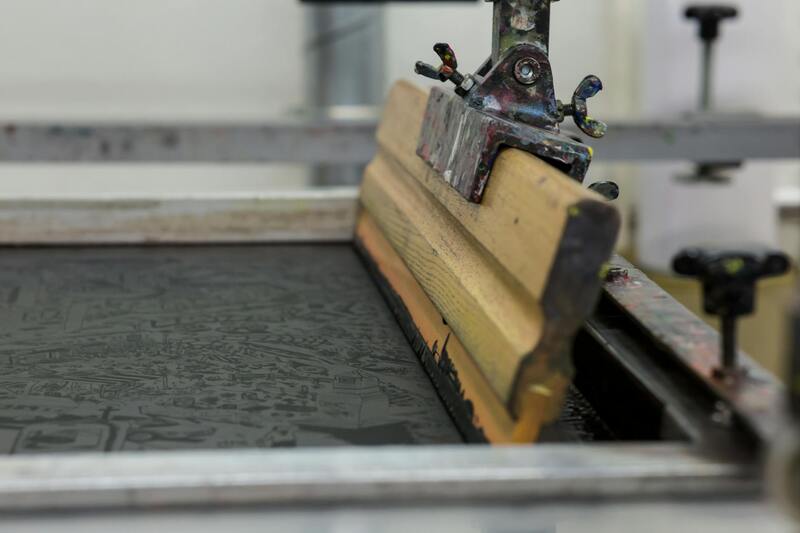
Offset printing remains a preferred choice for larger print runs due to its ability to produce consistent color accuracy and sharp image quality. This method involves transferring ink from a plate to a rubber blanket before applying it to the paper, ensuring precise and vibrant reproduction of complex graphics and detailed designs. On the other hand, digital printing offers flexibility for short runs or customized batches, eliminating the need for printing plates and enabling quicker turnaround times without compromising quality.
Advanced printing processes such as UV coating and aqueous coating further enhance the durability and visual appeal of brochures. UV coating provides a glossy or matte finish, protecting the printed surface from scratches and environmental wear, while aqueous coating offers a more subtle, environmentally friendly protective layer. Incorporating these finishes ensures that your brochures retain their vibrancy and professional appearance over extended periods.
Moreover, adherence to quality control standards throughout the printing process is crucial. This includes calibration of equipment, regular inspection of color consistency, and proper paper handling procedures. Print providers committed to industry best practices utilize robust quality assurance protocols to deliver brochures that meet your specifications precisely, minimizing the risk of defects or inconsistencies.
Post-press finishing techniques such as lamination, embossing, or foil stamping can further elevate the presentation of your custom brochures. Lamination adds an extra layer of protection and enhances visual appeal, while embossing creates tactile textures that draw attention. Foil stamping introduces metallic accents, lending a luxurious touch to your design elements, thus making your brochures more attractive to your target audience.
In addition to physical printing quality, competent service providers employ secure file handling and submission processes to maintain the integrity of your digital assets. This includes encrypted file transfer methods and clear guidelines on acceptable file formats, resolutions, and color profiles to prevent discrepancies between digital proofs and final outputs.
The significance of choosing the right printing methods cannot be overstated, especially when aiming for consistency, durability, and a visually compelling product. By leveraging certified printing processes, your custom brochures will embody your brand's professionalism and value, ensuring your message resonates effectively with your audience and leaves a lasting impression.
Ensuring Compliance with Established Printing Standards
When engaging in custom brochure printing, it is essential to work with providers that adhere strictly to recognized industry standards and best practices. This includes utilizing high-quality printing equipment that is regularly calibrated and maintained to ensure color accuracy, precise registration, and consistency across all prints. Certified printing facilities often implement rigorous quality assurance protocols, which encompass multiple stages of inspection—from pre-press digital proofs to post-print audits—to verify that each batch meets specified design and quality standards.
Material selection plays a significant role in the durability and appearance of custom brochures. Trusted printing providers offer a broad selection of premium papers and finishes, such as coated, uncoated, or specialty stocks, which are sourced from reputable suppliers. This guarantees that the paper’s weight, texture, and color fidelity match the design intent and withstand handling over time.
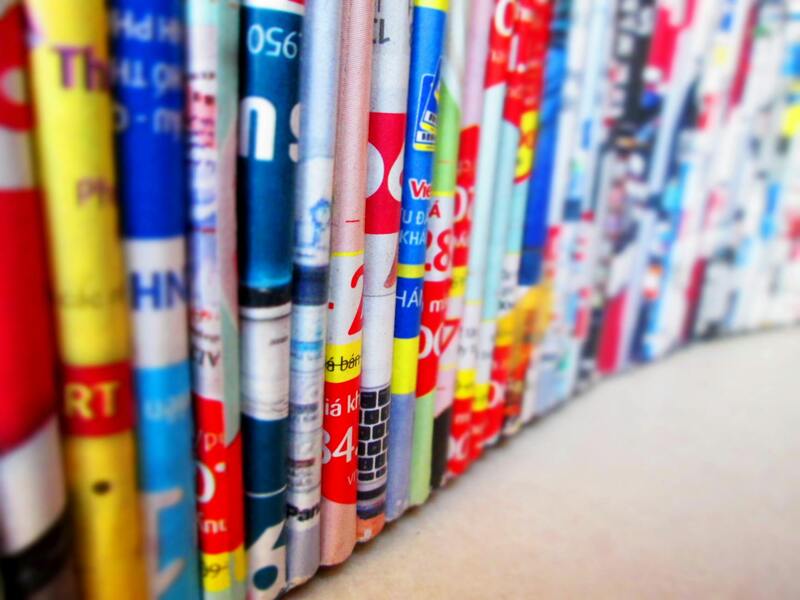
Advanced printing techniques form the backbone of compliance with quality standards. Procedures like offset and digital printing are often combined with finishing services such as lamination, embossing, foil stamping, or UV coating, which not only elevate aesthetic appeal but also provide additional layers of protection. These finishing options are performed by certified operators following strict protocols to ensure consistency and optimal results.
File security and processing integrity are critical components of a compliant printing process. Reputable providers implement secure digital file transfer systems equipped with encryption, along with detailed guidelines for file preparation that specify acceptable formats, resolutions, color profiles, and bleed settings. This meticulous approach reduces the risk of discrepancies between digital proofs and final products, thereby ensuring that the final brochure accurately reflects the original design.
Adhering to Environmental and Safety Regulations
Manufacturers that conform to responsible environmental practices typically utilize eco-friendly inks, recyclable materials, and waste management protocols. Choosing a partner committed to sustainability not only supports broader ecological goals but also aligns with brand values that emphasize social responsibility. Regular audits and certifications from industry bodies often serve to verify these commitments.
Maintaining Ethical Business Practices
Trustworthy print service providers operate transparently, providing detailed quotations and clearly outlining service specifications before commencement. They maintain open communication channels to clarify project requirements, confirm proof approval, and update clients about production progress and delivery timelines. This level of professionalism ensures that each aspect of custom brochure printing is handled with integrity, accountability, and a focus on customer satisfaction.
Materials and Finishes for Brochure Printing
When selecting materials for custom brochure printing, the choices extend beyond standard paper options, allowing for a tailored presentation that aligns with your brand's identity and marketing goals. The selection of paper weight and texture plays a pivotal role in the tactile experience and perceived value of the brochure. Heavier papers, such as 150gsm or 200gsm, offer durability and a premium feel, making them ideal for high-end products or services.
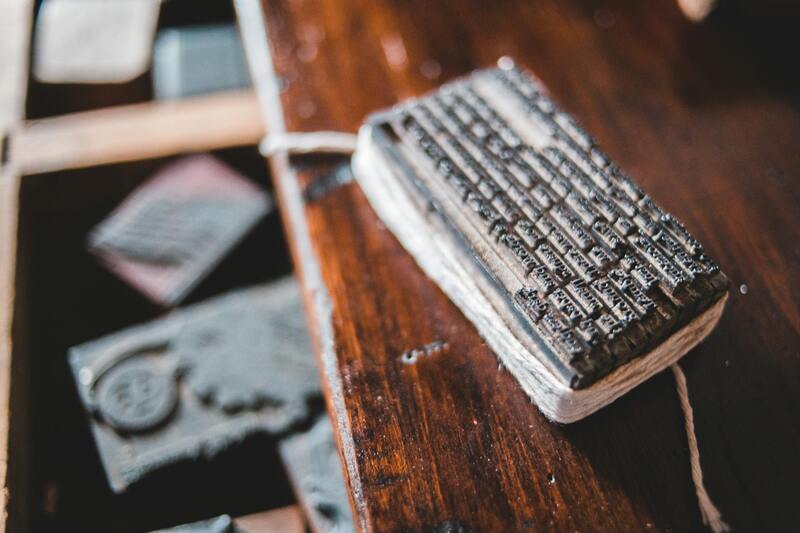
Finish options like matte, gloss, and satin each impart distinct visual and tactile qualities. Matte finishes provide an elegant, non-reflective surface that reduces fingerprints and glare, suitable for text-heavy or photo-rich brochures aiming for a sophisticated look. Gloss finishes, on the other hand, enhance color vibrancy and sharpness, making images pop and ideal for marketing materials highlighting visuals.
Lamination is another finishing technique that adds a layer of protection and enhances the brochure's durability. Matte lamination offers a subdued, velvety surface with excellent fingerprint resistance, whereas gloss lamination delivers a shiny, eye-catching appearance perfect for showcasing vibrant images. Soft-touch lamination combines aesthetic appeal with a plush, velvety texture, providing a luxurious feel.
In addition to lamination, specialty coatings such as UV coating can be applied selectively to high-impact areas, adding shine and protection where it counts most. These finishing options are crucial in ensuring your brochure not only captures attention but also withstands handling and environmental factors over time.
Choosing the appropriate material and finish depends on the message, target audience, and distribution method. For instance, brochures intended for travel or lifestyle brands often benefit from glossy, coated papers that evoke vibrancy and excitement. In contrast, corporate or financial institutions may prefer matte or linen textures to project professionalism and understated elegance.
Considering environmental sustainability, numerous printers now offer eco-friendly paper options such as recycled or FSC-certified materials, accompanied by eco-conscious finishing processes. These choices help your brand demonstrate a commitment to sustainability without compromising quality or aesthetic appeal.
Ensuring Compliance with Printing Standards and Regulations
Engaging in custom brochure printing through reputable providers involves adhering to established industry standards and regulations that govern the quality and safety of printed materials. These standards encompass various aspects, including print color accuracy, material safety, and environmental considerations. Professional printing companies employ calibrated printing equipment and standardized processes to guarantee that each brochure conforms to recognized quality benchmarks, ensuring consistent results across multiple batches.
Materials used in brochure printing must meet specific safety and environmental standards, which are typically verified through compliance documentation and certifications from material manufacturers. These standards help prevent issues such as ink migration, smudging, and deterioration over time, ultimately protecting your brand and delivering a tactile experience that aligns with expectations.

Another critical aspect is adhering to regional and industry-specific regulations regarding the use of certain inks and coatings, especially if your brochures will contain sensitive content or need to accommodate disabilities (e.g., braille or tactile elements). Professional printers are well-versed in these regulations and can advise on suitable materials and finishes to ensure your brochures are compliant and accessible.
Quality control procedures are integral to the printing process, involving multiple inspection stages to identify and rectify any deviations from the desired specifications. This meticulous approach helps maintain high standards and reduces the risk of defects or inconsistencies in the final product. By choosing a printing partner that prioritizes compliance and quality assurance, you can confidently produce brochures that meet or exceed industry expectations and serve your marketing objectives effectively.
Proper Handling and Storage of Custom Brochures
Ensuring the longevity and pristine quality of your custom brochures extends beyond the printing process itself. Proper handling and storage techniques are essential to maintain the visual appeal and structural integrity of your printed materials. When managing large quantities or preparing for distribution, consider dedicated storage spaces that are dry, cool, and free from direct sunlight. Excessive heat and humidity can cause warping, ink smudging, or fading, which diminishes the professional appearance of your brochures.
Handling brochures with clean, dry hands minimizes the transfer of oils or dirt that could lead to staining or damage. When distributing or mounting brochures for display, using gloves or tools designed for paper handling can further protect the prints. For clients with extensive promotional campaigns, organizing brochures systematically — perhaps in labeled storage bins or racks — helps prevent unnecessary bending or crushing during transit or retrieval.

Consider creating a rotation system for older brochures, replacing them periodically to ensure your marketing materials always appear fresh and inviting. For longer-term storage, options such as acid-free folders and boxes help prevent yellowing or deterioration caused by environmental factors. If brochures are to be kept for extended periods, investing in climate-controlled storage can safeguard your marketing collateral from fluctuations in temperature and humidity. Such practices not only uphold brand professionalism but also optimize your investment by maintaining the quality of your printed materials.
Environmental Considerations in Brochure Storage and Use
In today's eco-conscious business landscape, implementing sustainable practices throughout the lifecycle of your brochures is paramount. During storage, opt for environmentally friendly containers that are recyclable or made from sustainable materials. When it comes to distribution, consider digital complements to physical brochures, which can reduce the need for excess printing and storage. Additionally, instruct staff and partners on best handling procedures to minimize waste and damage during the marketing cycle.
For ongoing campaigns, scheduling regular reviews of stored brochures allows businesses to update messaging, remove outdated content, and recycle or repurpose older materials responsibly. By integrating environmentally mindful practices into your brochure management, your organization demonstrates a commitment to sustainability that resonates positively with your audience and supports corporate social responsibility goals.
Material and Finish Selection for Enhanced Durability and Visual Impact
When investing in custom brochure printing, the choice of material and finishing techniques profoundly influences the brochure’s durability and aesthetic appeal. High-quality paper options, such as satin or gloss finishes, can bring vibrancy to color-heavy designs, ensuring images and text pop with clarity and richness. For brochures intended for prolonged use or outdoor distribution, materials like waterproof or weather-resistant stock are advisable, as they withstand environmental elements while maintaining a polished look. Thicker papers, such as cardstock or heavy-weight stock, also lend a premium feel, making a strong impression on potential clients or partners.
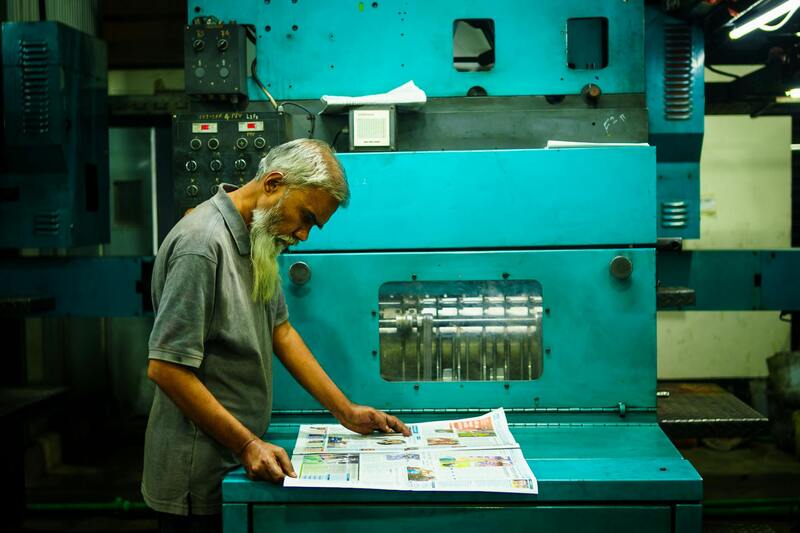
Additionally, finishing touches like UV coating or matte lamination can protect against scratches, fingerprints, and fading, thereby extending the lifespan of the brochure. These finishes not only shield the printed surface but also contribute to the tactile experience, enhancing the perceived value of the marketing material. Spot UV coatings can highlight specific design elements or logos, adding an extra layer of sophistication. For environmentally conscious brands, opting for recyclable and sustainably sourced materials ensures eco-friendly practices are maintained without compromising on quality.
Innovative Printing Techniques to Elevate Your Brochure Design
Advancements in printing technology provide various options to make custom brochures stand out. Techniques such as offset printing deliver high-quality, consistent output suitable for large quantities, ensuring color accuracy and sharp details. Digital printing, on the other hand, offers flexibility for short runs and quick turnaround times, allowing for customized content and frequent updates. For a more distinctive look, letterpress or embossing techniques create tactile effects that add depth and texture, making key visuals or text pop from the page. Foil stamping further enhances branding by applying metallic or pigmented foils to specific areas, producing a luxurious finish.

Particularly for high-end marketing campaigns, combining multiple printing techniques can produce compelling visual effects. For instance, a brochure might feature offset printing for vibrant backgrounds, with selective spot UV coating and embossed logos to attract tactile engagement and visual interest simultaneously. Selecting the right combination of materials and techniques aligns with your brand identity and campaign goals, ensuring that every detail—from paper choice to finishing—reinforces your message and leaves a lasting impression.
Ensuring Compliance and Quality in Custom Brochure Printing
In the realm of custom brochure printing, adhering to officially sanctioned methods guarantees the production of high-quality, durable, and visually appealing marketing materials. Utilizing approved printing techniques and materials not only maintains industry standards but also ensures consistency and reliability across different batches. Certified suppliers and recognized printing standards provide confidence that the final product meets the expected aesthetic and functional criteria.
When selecting a printing partner, it is essential to evaluate their adherence to established certifications and their ability to deliver on designated specifications. An established printer employs advanced, approved technologies such as offset printing and digital presses, which are renowned for their precision and consistency. These methods produce crisp lines, vibrant colors, and sharp details that reinforce the professionalism of your branding. Additionally, verified suppliers invest in quality control processes to monitor each stage of production, minimizing errors and ensuring authenticity in the final output.
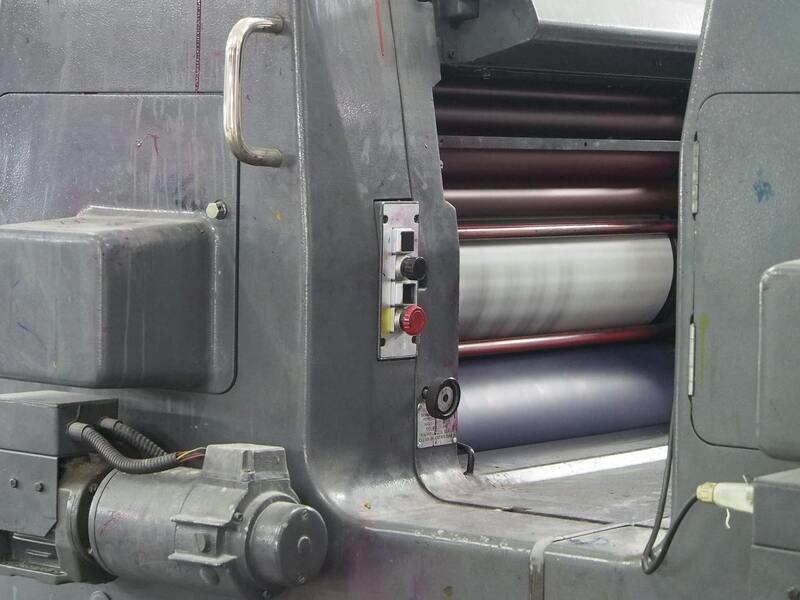
Material Selection and Sustainable Practices
Official channels emphasize the use of premium, ethically sourced materials. Selecting recycled paper or materials with eco-label certifications supports environmentally responsible practices without sacrificing durability or visual appeal. Such measures, integrated within a verified supply chain, promote sustainability while delivering brochures that exude quality. Suppliers should provide documentation and transparency about their sourcing and production processes, affirming their commitment to responsible manufacturing standards.
Moreover, the choice of finishes—such as matte, gloss, or satin coatings—should be based on the intended use and target audience, with recommendations rooted in industry best practices. These finishes not only enhance aesthetic appeal but also provide added protection against wear and environmental factors, maintaining the integrity of your promotional materials over time.
Technological Reliability and Process Transparency
Legitimate printing providers utilize well-established processes—including offset, digital, or hybrid methods—that meet recognized technical specifications. These processes are regularly audited, ensuring consistency and authenticity across production runs. Transparent communication about the printing workflow, from file preparation to the final finishing touches, is a hallmark of reputable service providers. Clear guidelines on file formats, color profiles, and bleed margins help prevent discrepancies and ensure that your creative vision translates accurately onto the printed brochure.

Verification and Quality Assurance Measures
Before mass production, specimen proofs are provided for approval, allowing clients to verify layout, colors, and overall design fidelity. This step is crucial in maintaining consistency and ensuring satisfaction with the final product. High-standard printing companies implement rigorous quality checks—inspecting color consistency, alignment, and finishing details—to identify and correct any defects before shipment.
Additionally, certified suppliers adopt eco-friendly practices compliant with established environmental standards. They often incorporate recycled materials and sustainable finishes, demonstrating responsibility towards environmental preservation while upholding print quality and durability.
Secure and Transparent Supply Chain
Choosing a provider with a verified supply chain is vital for ensuring that all materials and processes adhere to recognized standards. Such providers work with trusted sources for paper, inks, and finishing agents, which are documented and traceable. Compliance with these methods guarantees that every phase of production—from raw material procurement to final delivery—is managed within an approved framework, safeguarding the integrity of your brochures.
Incorporating transparency in the supply chain also allows customers to make informed decisions about the sustainability and authenticity of their printed materials, aligning with their values and brand commitments. It fosters trust and long-term relationships between clients and service providers, ensuring ongoing quality and adherence to official standards.