Guide To Custom Brochures: Design, Types, And Printing In Singapore
Understanding Custom Brochures
Custom brochures serve as versatile marketing tools tailored to meet individual business needs, effectively communicating brand identity, product details, and service offerings to target audiences. Unlike generic promotional materials, custom brochures provide an opportunity for companies to develop a unique visual language that aligns with their branding strategy. They are designed not only to inform but also to engage potential clients, creating a memorable impression that can influence purchasing decisions.
The primary purpose of custom brochures extends beyond mere presentation. They act as strategic assets that help establish authority within a specific industry or market segment. Well-crafted brochures demonstrate professionalism and attention to detail, fostering trust and credibility among prospective customers. Moreover, they serve as tangible representations of a company’s ethos, values, and mission, enabling businesses to communicate their narrative compellingly.
In marketing campaigns, custom brochures are instrumental in delivering targeted messages to specific demographics. For instance, a business might develop different brochure versions for various products or services, each designed with tailored content and visuals that resonate with the intended audience. This customization ensures that the message remains relevant and impactful, increasing the likelihood of consumer engagement.
Custom brochures also facilitate the storytelling process. Through a combination of high-quality images, compelling copy, and strategic layout, they guide readers through a narrative that highlights a company's unique advantages. Whether distributed at trade shows, included in direct mail campaigns, or provided at point-of-sale locations, brochures enhance the overall marketing mix.
Furthermore, they can serve as valuable reference materials for sales teams and business partners, helping to communicate complex information clearly and professionally. The adaptability of custom brochure formats and finishes allows businesses to emphasize important details and create a tactile experience that reinforces their branding.
Understanding Custom Brochures
Custom brochures serve as versatile marketing tools tailored to effectively communicate a brand’s message. Unlike generic templates, these brochures are crafted with specific content, visuals, and layouts that align with a business’s unique identity and target audience. The ability to customize extends beyond aesthetics; it encompasses the choice of paper, finishes, folding styles, and informational hierarchy, enabling companies to create a tactile and visually compelling experience that resonates with viewers.
One of the primary strengths of custom brochures lies in their capacity to tell a cohesive story. Through high-quality images, persuasive copy, and well-planned layouts, they guide potential customers through a narrative that highlights a company’s core strengths and offerings. Whether used for product launches, corporate presentations, or service promotion, these materials help businesses articulate their value propositions clearly and professionally.
Additionally, well-designed custom brochures can serve as authoritative references for sales teams and distribution channels. They encapsulate complex information—such as technical specifications, customer benefits, or step-by-step processes—in a format that is both informative and accessible. The choice of materials and finishes can also impact customer perception, helping to reinforce brand values and establish a sense of quality and trustworthiness. Incorporating tactile elements like textured finishes or specialty folds can further heighten engagement and memorability.
Why Customization Accentuates Your Brand Identity
- Personalized Content: Tailored messaging ensures your core brand messages hit the right notes with your target audience.
- Design Flexibility: Unique layouts and visuals help distinguish your brand amidst competitors.
- Enhanced User Engagement: Custom features and finishes provide a memorable tactile experience, encouraging continued interaction with your brand.
- Consistency: Custom brochures can be aligned seamlessly with other branding elements, creating a cohesive marketing ecosystem.
From selecting specific paper stocks to applying coatings that resist wear and fingerprints, every customization aspect plays a strategic role. These elements reinforce the perceived value of your offerings and demonstrate a commitment to quality, which can influence purchasing decisions. Moreover, in a marketplace flooded with standard options, bespoke brochures elevate your brand’s stature and capture audience attention more effectively.
The Importance of Strategic Customization
Strategic customization involves understanding your marketing goals and audience preferences. For example, a luxury brand might opt for thick, textured paper with matte finishes and elegant foil stamping, emphasizing exclusivity and sophistication. Conversely, a tech startup may favor sleek, modern layouts with vibrant visuals and interactive elements to communicate innovation and dynamism.
Careful consideration of these factors ensures that every aspect of the brochure from paper selection to fold design works synergistically to reinforce your message. Tailored printing techniques, such as spot UV coating or embossing, amplify specific details, drawing attention to key messages or brand elements. The goal is to create a printed piece that not only delivers information but does so in a way that leaves a lasting impression.
Understanding Custom Brochures
Custom brochures serve as versatile marketing tools crafted to align precisely with your brand identity and promotional objectives. Unlike generic templates, these brochures are designed from the ground up, allowing for meticulous control over layout, content placement, material selection, and finishing techniques. The level of customization extends from the initial concept phase, ensuring each brochure reflects your unique message and visual style, to the final print that captures every detail with clarity and precision.
Precision in design and construction enhances the effectiveness of a brochure, making it more than just an informational pamphlet—it's a compelling visual statement that resonates with your target audience. The process involves thorough planning, including defining the purpose of the brochure, understanding the preferences of your demographic, and selecting appropriate printing techniques and materials. This comprehensive approach ensures that your brochures not only look impressive but also deliver your message in a memorable and impactful manner.
By opting for custom brochures, businesses can leverage various elements such as unique layouts, tailored content, and specialized finishes to create a cohesive brand narrative. These custom features help distinguish your offerings in a crowded marketplace, foster brand recognition, and build trust with potential clients. Ultimately, investing in tailored brochure solutions enables your marketing efforts to stand out, convey professionalism, and generate tangible engagement with your audience.

Types and Folding Styles of Brochures
Brochure types are defined largely by their size, format, and fold styles, each serving different purposes and aesthetic preferences. Common formats include tri-fold, bi-fold, z-fold, gate fold, and roll fold, among others. The choice of fold significantly influences both the visual impact and the functionality of the brochure—tri-folds are versatile and popular, ideal for distributing detailed information in a compact form, while gate folds lend an air of sophistication, suitable for high-end branding.
Folding techniques not only enhance readability but also contribute to the overall tactile experience, making the brochure more engaging. For instance, a Z-fold allows multiple panels to be unfolded sequentially, ideal for storytelling or step-by-step guides. Conversely, gate folds open to reveal a central, larger panel, providing ample space for high-impact visuals and key messaging.
- Tri-fold: Classic three-panel fold, commonly used for brochures, menus, and event programs.
- Bi-fold: Divides the page into two halves, offering a straightforward layout suitable for straightforward messaging.
- Z-fold: Sequential unfolding, perfect for interactive presentations or storytelling layouts.
- Gate fold: Opens from the center, ideal for displaying impressive visuals or introductory messages.
- Roll fold: Multiple folds that produce narrow panels, suitable for detailed flowcharts or step descriptions.
Choosing the right fold style is fundamental to achieving your desired communication flow and aesthetic appeal. The selection should consider the complexity of the information, visual hierarchy, and the overall impression you wish to make on your audience.
Materials and Printing Options
Choosing the appropriate materials and printing techniques for your custom brochures is vital to achieving desired durability, aesthetic appeal, and brand representation. The selection process involves evaluating various paper stocks, finishes, and printing methods that align with your specific marketing goals.
High-quality paper stocks, such as glossy, matte, or satin finishes, play a significant role in enhancing visual impact. Glossy finishes are ideal for vibrant imagery and eye-catching designs, offering a sleek and polished look. Matte finishes, on the other hand, provide a sophisticated and understated elegance, reducing glare and making text easier to read. Satin finishes offer a balanced approach, combining vibrant colors with a smooth, soft sheen.
For added tactile engagement and durability, specialty materials can be utilized. These include textured papers that provide a unique feel, as well as synthetic or plastic-based materials for outdoor or moisture-prone environments. Such materials ensure that brochures withstand handling and environmental factors, maintaining their visual and structural integrity over time.
Printing techniques further influence the visual impact of your brochures. Offset printing, widely used for large quantities, ensures sharp images and consistent color reproduction, making it suitable for detailed designs and high-precision branding. Digital printing offers rapid turnaround times and flexibility for smaller runs, allowing for customization and quick updates.
Specialty printing options such as UV coating, spot UV, and embossing add another layer of sophistication to your brochure's design. UV coating enhances durability and adds a glossy or matte effect, while spot UV highlights specific design elements with a shiny finish. Embossing creates a raised texture, adding tactile interest and a premium feel to key areas like logos or headings.
Color Management and Finishing Touches
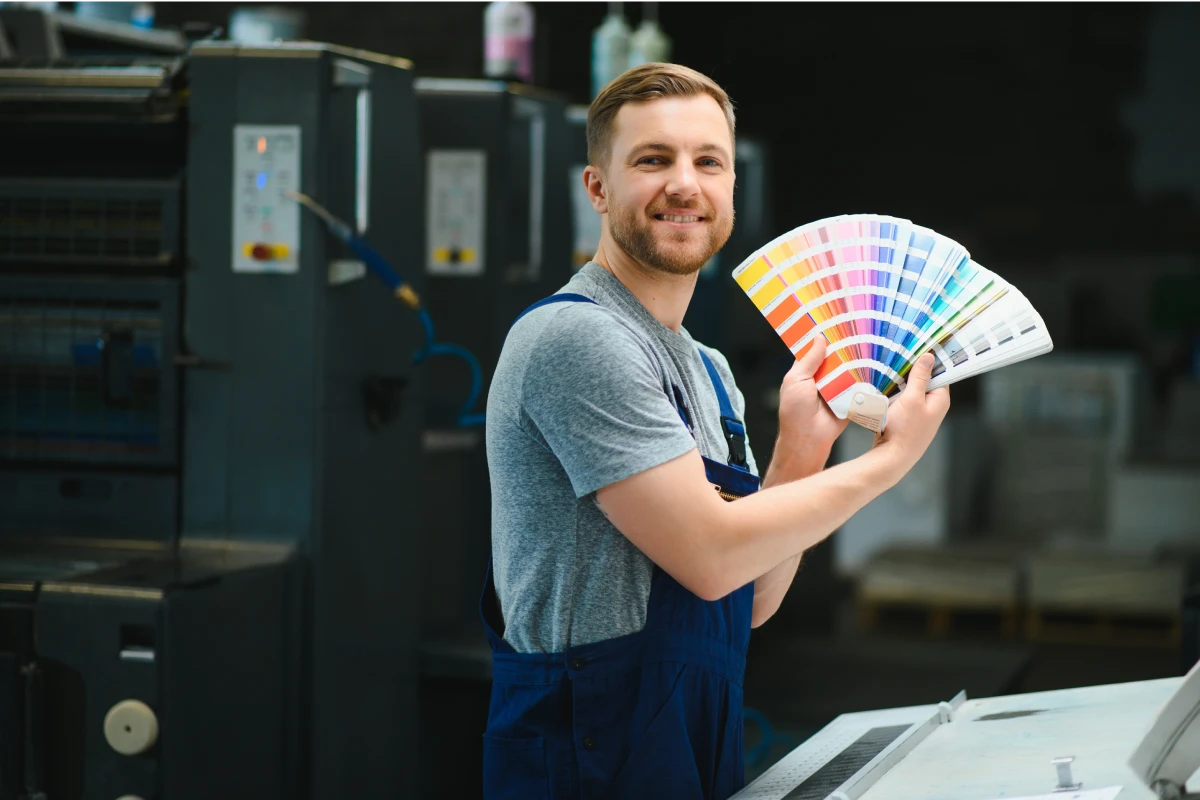
Effective color management ensures your brochures accurately reflect your brand's palette. Utilizing Pantone matching systems or color-Proofing processes guarantees consistent and precise color reproduction across print runs. This consistency bolsters brand identity and ensures visual messaging aligns with marketing strategies.
Finishing touches, such as rounded corners, perforations, or UV coatings on specific sections, can be incorporated to elevate the overall presentation. These details contribute not only to aesthetics but also to practical functionality, such as ease of handling or interactive features.
Considerations for Eco-Friendly and Sustainable Options
Sustainable printing practices are increasingly important in modern marketing. Selecting eco-friendly materials like recycled papers, biodegradable coatings, and soy-based inks reduces environmental impact. These options communicate a commitment to sustainability and can enhance a brand’s reputation among environmentally conscious consumers.
Ensuring your custom brochures are printed using official, environmentally responsible methods underscores your dedication to quality and corporate responsibility. Proper management of the printing process—from material selection to finishing—serves to produce a professional product that effectively communicates your brand message and stands the test of time.
Design Considerations for Custom Brochures
Crafting an effective custom brochure requires meticulous attention to design elements that resonate with your target audience and accurately convey your brand message. Every aspect, from layout to visual hierarchy, influences how your message is received and remembered.
Visual Hierarchy and Layout
Start with a clean, organized layout that guides the reader’s eye naturally through the content. Use size, contrast, and placement to emphasize key information such as your main selling points, contact details, or calls to action. Balance text and imagery to avoid clutter while maintaining visual interest, ensuring that each element contributes purposefully to the overall message.
Typography Selection
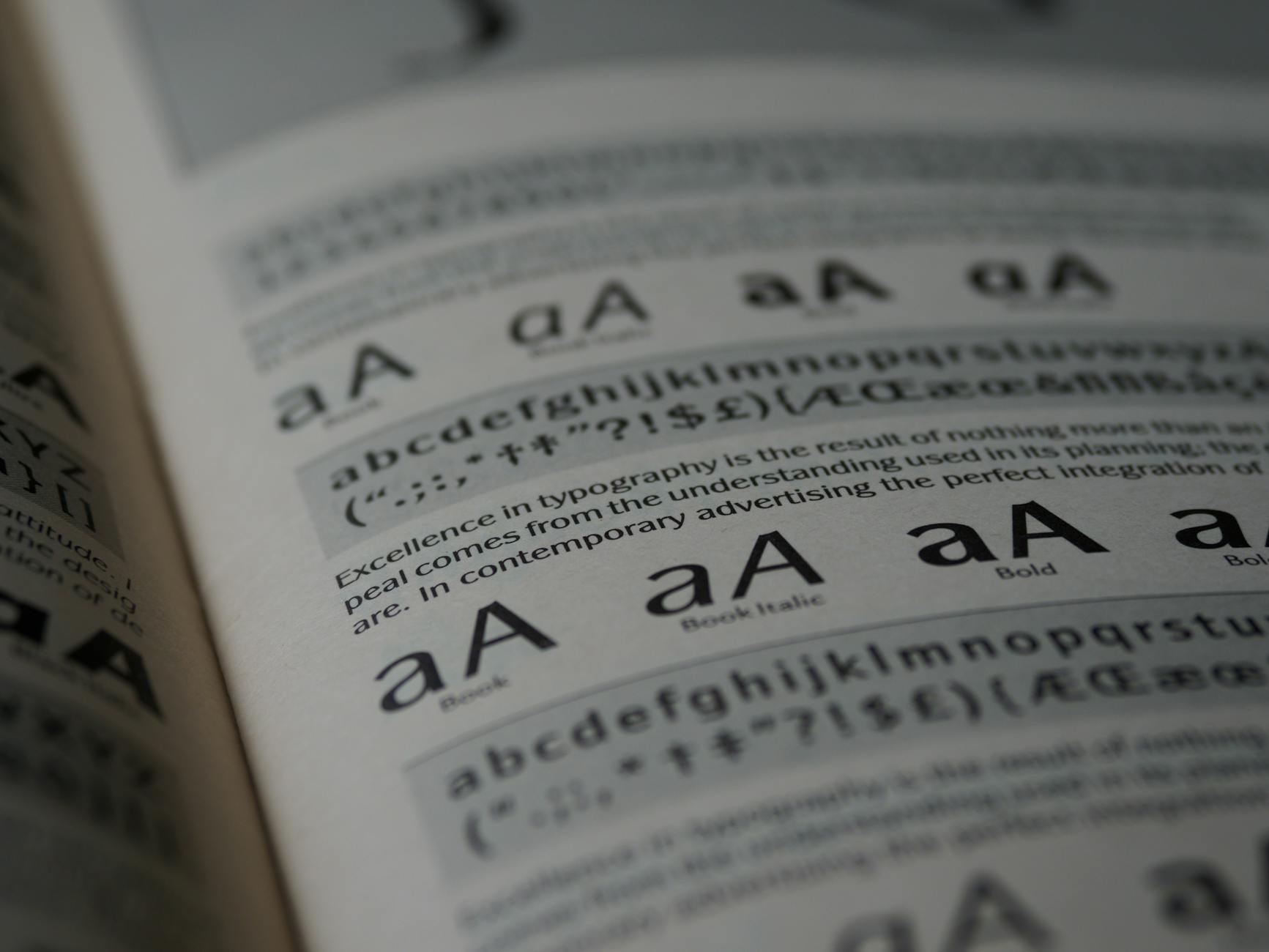
Choose fonts that align with your brand personality yet remain highly legible across all formats. Combining a primary font for headings with a secondary font for body text often yields a professional appearance and enhances readability. Consistent typographic hierarchy reinforces the flow of information, making it easier for recipients to digest content at a glance.
Color and Branding Integration
Color schemes should complement your brand’s palette, utilizing contrast strategically to highlight critical sections. Effective color use not only enhances aesthetic appeal but also evokes specific emotions aligned with your marketing goals. Incorporate brand elements such as logos, icons, and imagery to reinforce brand recognition and cohesion throughout the brochure.
Interactivity and Practicality
Incorporate design features that enhance usability, such as perforations for tear-off sections, fold lines, or interactive elements like QR codes. These small details contribute to a seamless user experience while encouraging engagement. Additionally, consider the functional aspects—like palm-friendly rounded corners or durable finishes—that support longevity and ease of handling.
Eco-Conscious Design Choices
Reflect your commitment to sustainability by opting for eco-friendly materials and inks. Use recycled papers and environmentally considerate coatings that do not compromise print quality. Such choices resonate with environmentally conscious consumers and demonstrate corporate responsibility, adding value to your brand’s reputation.
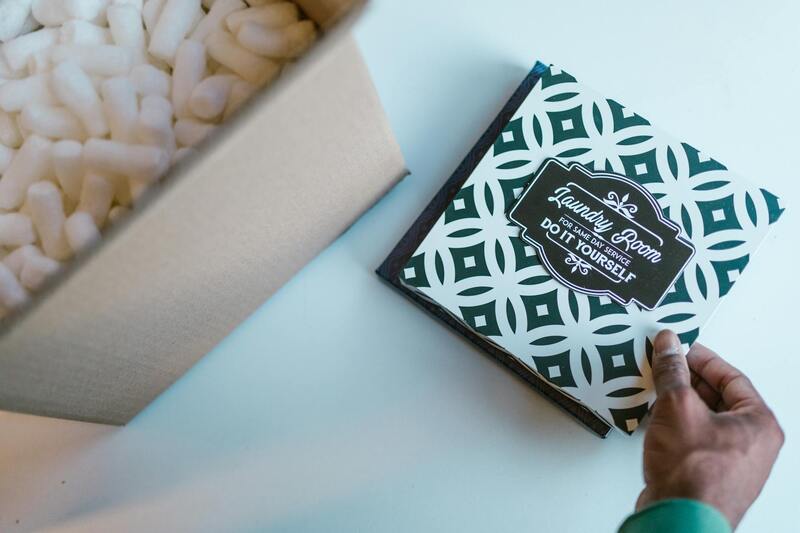
Choosing a Printing Service in Singapore
When selecting a printing partner for custom brochures, several key criteria should influence your decision to ensure high-quality results that meet your promotional needs. First, assess the turnaround times offered by the service provider. Fast, reliable delivery is essential, especially if your marketing campaign has tight deadlines. Reliable printing companies maintain efficient production schedules without compromising quality, enabling timely distribution of your marketing materials.
Secondly, quality assurance processes are vital. A reputable service provider employs rigorous checks at various stages of production—from color accuracy to material consistency. Consistency across multiple print runs guarantees that your branding remains uniformly represented, reinforcing brand recognition. Request samples or view previous work to evaluate the clarity of graphics, durability of inks, and overall finish quality before committing.
Customization options represent another important consideration. A good printing partner should offer a broad range of printing techniques, paper stocks, finishes, and folding styles, allowing you to tailor your brochures precisely to your branding and messaging goals. Being able to incorporate unique elements such as embossed logos, spot UV coating, or eco-friendly materials can significantly elevate the impact of your marketing collateral.
Cost-effectiveness determines how well your project aligns with your budget. Transparent pricing structures, without hidden charges, and volume discounts are features to look for. Additionally, obtaining detailed quotes that specify costs for different materials, finishes, and size options helps you plan your expenditure accurately. An approach that balances affordability with quality ensures your investment results in compelling, professional-looking brochures.
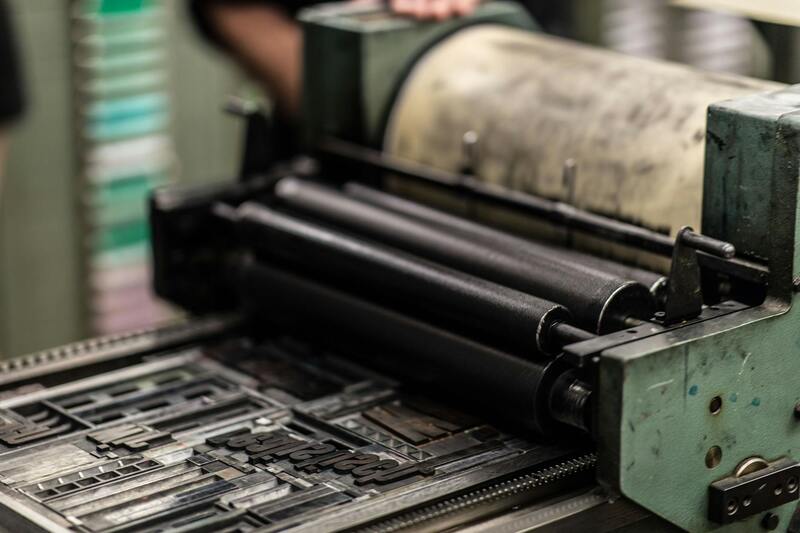
Lastly, customer service plays a critical role. Responsive communication, clear guidance during the design and ordering process, and post-order support contribute to a smooth, stress-free experience. A dedicated team that understands your marketing objectives can recommend suitable materials and finishing options, ensuring your custom brochures effectively communicate your message to your target audience.
By thoroughly evaluating these factors—timing, quality assurance, customization, cost, and service—you can identify a printing service in Singapore that consistently delivers premium custom brochures aligned with your branding and marketing strategies.
Understanding Custom Brochures
Custom brochures serve as versatile marketing tools tailored precisely to your brand’s identity and objectives. Unlike standard templates, customized options enable businesses to select specific sizes, finishes, and folding styles, ensuring that each brochure aligns perfectly with their messaging strategy. They provide an effective platform for storytelling, product showcases, and detailed information dissemination. When crafted with careful consideration of targeted design elements, custom brochures can significantly enhance audience engagement and foster brand recognition.

Types and Folding Styles of Brochures
Brochures come in a variety of formats and folding techniques, each serving different promotional purposes:
- Bi-fold Brochures: Simple, two-panel design ideal for straightforward messaging.
- Tri-fold Brochures: Popular for its compact layout, offering six panels for organized content.
- Z-fold Brochures: Folds into a zigzag pattern, providing sequential storytelling capabilities.
- Gate Fold Brochures: Features side panels that open outward, creating a dramatic reveal of images or content.
- Double Parallel Folds: Multiple parallel folds allowing for extensive content sections.
- Roll Fold: Helical folding style that maximizes space while maintaining a sleek profile.
Choosing the right fold depends on your content volume, visual impact requirements, and how you want the audience to interact with your information. Each folding style offers unique opportunities for creative design and effective storytelling.
Materials and Printing Options
The durability and tactile quality of your brochures hinge on the materials and printing techniques selected. Common materials include:
- Glossy Paper: Enhances colors and provides a shiny finish, ideal for vibrant imagery.
- Matte Paper: Offers a subdued, sophisticated look with reduced glare, suitable for elegant branding.
- Uncoated Paper: Provides a natural feel and is great for writing or stamping.
- Recycled Paper: Environmentally friendly choice that aligns with sustainable branding initiatives.
Printing options further influence the brochure’s visual impact and professionalism:
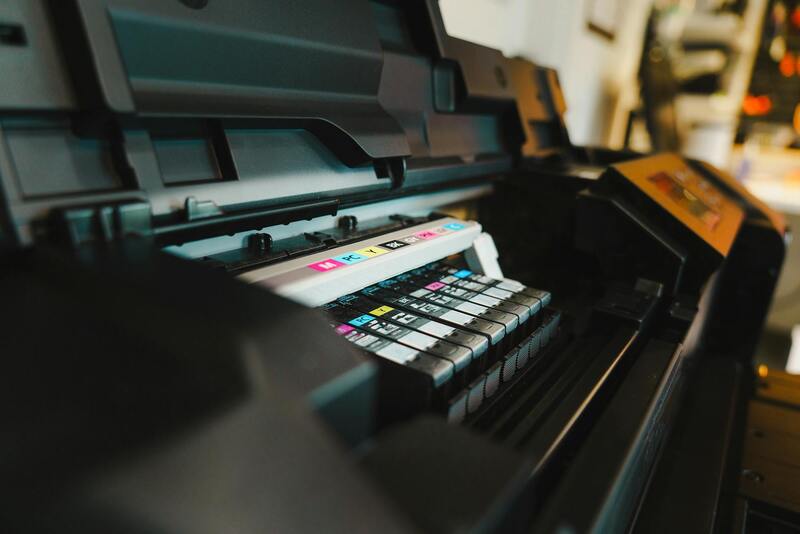
- Digital Printing: Cost-effective for small to medium runs, with quick turnaround times.
- Offset Printing: Economical for larger volumes, delivering high-quality images with sharp detail.
- Special Finishes: Embossing, spot UV coating, foil stamping, or soft-touch coatings can add tactile interest and elevate the perceived value of your brochures. Eco-friendly options like soy-based inks or recycled materials contribute to sustainable practices and appeal to environmentally conscious consumers.
Design Considerations for Custom Brochures
Design plays a pivotal role in ensuring that your custom brochures capture attention and communicate your message effectively. Key considerations include:
- Visual Hierarchy: Use size, color, and positioning to guide the reader’s eye toward the most important information.
- Brand Consistency: Incorporate logos, color schemes, and typography aligned with branding guidelines.
- High-Quality Imagery: Use professional photographs or graphics that reflect your brand’s quality and style.
- Clear Call-to-Action (CTA): Make sure the desired response is evident and accessible, whether it's visiting a website, calling, or visiting a location.
- Whitespace Utilization: Allow breathing space to avoid clutter and improve readability.
- Content Balance: Combine concise copy with compelling visuals to maintain interest without overwhelming the viewer.
Working collaboratively with experienced designers or printing specialists ensures that these factors harmonize effectively, resulting in brochures that not only look appealing but also convey your message with clarity and impact.
Ensuring Legal and Ethical Standards in Custom Brochure Production
Creating high-quality, compliant custom brochures involves meticulous adherence to lawful practices that respect intellectual property rights and industry regulations. Working with reputable printing companies like s7printing.com ensures that you utilize legitimate sources for all design elements, materials, and printing processes, safeguarding your brand and maintaining ethical standards.
Utilizing Authorized Design Assets
One of the foundational steps in producing compliant custom brochures is sourcing design assets from authorized providers. This includes using licensed fonts, royalty-free images, and graphics obtained from reputable suppliers. Employing such assets prevents potential legal conflicts and preserves the integrity of your branding efforts.
Following Industry Standards and Regulations
Adherence to relevant industry standards ensures that your brochures meet quality and safety benchmarks. This encompasses compliance with local and international printing and advertising guidelines, including appropriate use of trademarks, copyrights, and disclaimers. Regular consultation with industry professionals or legal advisors can help navigate complex regulatory landscapes.
Partnering with Certified Printing Services

Professional printing providers prioritize transparency, quality control, and adherence to sustainable practices. They ensure that all materials used are sourced responsibly and that the final product complies with applicable regulations, thus reinforcing the credibility of your marketing collateral.
Implementing Transparent Content Policies
- Ensure all claims are substantiated with credible evidence.
- Avoid deceptive language or misleading information that could misinform consumers.
- Include accurate contact details and clear messaging that aligns with your branding standards.
Maintaining Proper Documentation and Records
Keeping detailed records of your design files, licenses, and correspondence with suppliers is vital for compliance verification and accountability. Proper documentation facilitates prompt resolution of any disputes or inquiries regarding the origin and authenticity of your brochures.
By establishing a framework rooted in legal and ethical best practices, you not only safeguard your brand reputation but also foster consumer trust and loyalty. Partnering with trusted providers like s7printing.com ensures that your custom brochures are produced to the highest standards of integrity and professionalism, ultimately enhancing your marketing effectiveness and brand credibility.