Name Card Printing SG: Best Business Card Services In Singapore
Comprehensive Guide to Name Card Printing in Singapore
Types of Name Cards Available in Singapore
In Singapore, the diversity of name card options caters to various professional needs and personal branding strategies. Standard business cards serve as essential tools for everyday networking, featuring basic contact information on durable cardstock. For more upscale presentations, premium name cards utilize higher-quality materials and intricate finishes, enhancing their visual appeal. Textured cards introduce tactile elements, such as linen or embossed surfaces, to leave a memorable impression. Metal business cards stand out with their durability and sleek metallic finishes, ideal for luxury brands or high-end industries. Additionally, specialty materials like transparent plastic, wood, or eco-friendly recycled papers provide unique aesthetics and reflect environmentally conscious values. Each type of name card aligns with specific business objectives, whether emphasizing professionalism, creativity, or sustainability.
Popular Name Card Materials and Finishes
The choice of materials profoundly influences the overall impression of a name card. Commonly used cardstock includes matte, gloss, and matte-laminated finishes, offering different tactile experiences. For a luxurious touch, options like velvet lamination or soft-touch coatings provide a refined surface that enhances the card’s feel. Metal name cards often feature aluminum, brass, or stainless steel, accompanied by finishes such as brushed, polished, or anodized, which add depth and sophistication. Texture plays a significant role, with embossed or embossed foil elements adding physical dimension. Finishes such as spot UV coating are used to highlight specific areas with a glossy effect, while foil stamping introduces metallic accents for an eye-catching presentation. These choices enable businesses to tailor their identity to match their branding narrative effectively.

Design Considerations for Name Cards
Designing a compelling name card involves a careful balance of visual elements and practical information. The layout should ensure clarity, with legible typography and appropriately sized contact details. Incorporating a company logo and color scheme consistent with branding helps reinforce identity. The choice of font styles and sizes should reflect the business’s tone—formal, innovative, or casual. Simplicity often works best; overly cluttered designs can diminish impact. Strategic placement of elements guides the recipient's eye and highlights key information. Consideration of negative space creates a clean look while allowing a focal point, such as a logo or tagline. Additionally, including a QR code or social media handles can enhance connectivity and engagement.
Pricing and Turnaround Times for Name Card Printing
Cost considerations depend heavily on material selection, design complexity, and order volume. While basic cardstock cards might be economical for bulk printing, premium or specialty options can command higher prices due to material costs and finishing techniques. Turnaround times vary: standard orders typically require 3 to 5 working days, though expedited services can deliver within 24 hours or less, depending on the provider. Agencies offering immediate or same-day printing cater to urgent needs, ensuring businesses can meet tight deadlines without compromising quality. It's advisable to communicate specifications clearly and request quotes early to facilitate smooth processing. Opting for reputable printers with consistent quality control guarantees a final product that aligns with expectations and branding standards.
Understanding the Range of Name Card Materials and Finishes in Singapore
Choosing the right material and finish for your name card is essential to reflect your brand identity effectively and to ensure durability. The selection influences not only the tactile experience but also the overall visual appeal of the card, creating a lasting impression on recipients.
Common Materials Used in Name Card Printing
- Art Paper (Art Card): This is the most widely used material, offering versatility and a smooth surface suitable for most designs. It comes in various thicknesses, providing options for a lightweight or premium feel.
- Plastic (PVC): Known for its durability and resistance to water and wear, plastic cards are ideal for long-term use and situations demanding sturdiness.
- Foil and Metallic Finishes: Incorporating foil stamping adds a metallic sheen, creating a luxurious look often suited for high-end brands or special editions.
- Embossed Materials: Embossing adds a three-dimensional element, making logos or text stand out, which elevates the tactile quality of your business card.
- Spot UV Coating: This finish applies a high-gloss coating to specific areas, highlighting logos or key information with a striking contrast against matte backgrounds.
Finish Options to Enhance Visual Impact
- Matte Finish: Provides a smooth, non-reflective surface that reduces fingerprints and enhances readability, ideal for professional and understated designs.
- Gloss Finish: Adds a shiny, vibrant surface that makes colors pop and enhances images, suitable for bold and colorful branding.
- Lamination: A protective layer that increases durability and offers options for matte or gloss textures, prolonging the lifespan of the card.
- Foil Stamping: Adds metallic accents that create a distinctive, eye-catching effect, often used for logos or decorative borders.
Specialty Materials and Custom Finishes
For businesses seeking unique presentation styles, specialty options such as textured papers, dye-cut shapes, or transparent PVC cards can help stand out. Custom finishes like soft-touch coatings or matte varnishes can further differentiate your brand, providing a premium feel and sophisticated appearance.
When selecting the appropriate material and finish, consider the nature of your business, target audience, and the message you wish to convey. Collaborating with experienced local printers can ensure your choices align with industry standards and aesthetic goals, resulting in a cohesive and powerful branding tool.
Official Name Card Printing Methods in Singapore
In Singapore, businesses seeking to produce professional and high-quality name cards should opt for established printing techniques that guarantee consistency, durability, and a premium finish. Digital printing is the most prevalent method, offering quick turnaround times, vibrant color reproduction, and precise detailing suitable for short-run and customized designs. This approach is ideal for startups or small batches where flexibility and speed are critical.
Offset printing, on the other hand, provides an excellent choice for larger quantities, delivering superior image quality and consistency across batches. It is especially advantageous when producing a significant volume of business cards with uniform color and intricate designs. Offset printing also enables a wider array of specialty finishes and textured effects, elevating the perceived value of the final product.
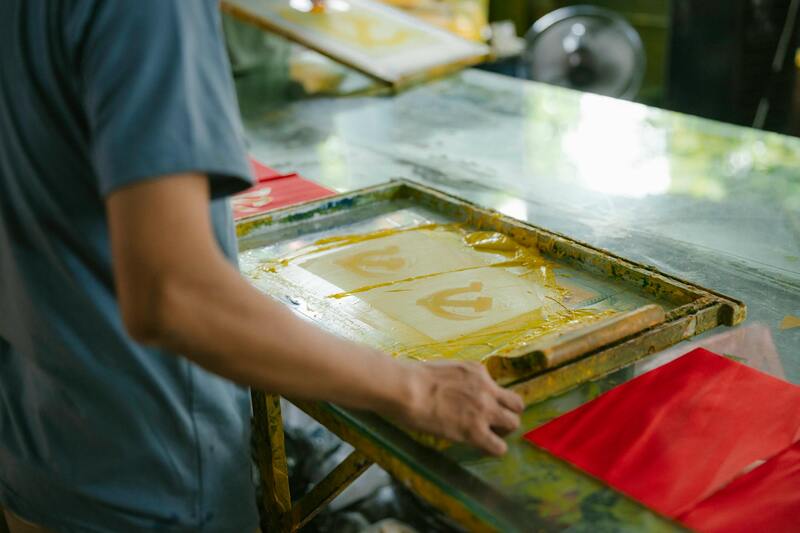
Screen printing is another traditional method utilized for distinctive effects, particularly when incorporating tactile elements like embossing or foil stamping. While less common for standard business cards due to its setup costs, it remains an option for custom, high-impact designs requiring specific textures or metallic accents.
Hybrid printing techniques that combine digital and offset processes are increasingly popular, providing businesses with a balance of rapid production and high-quality output. Choosing the right method depends on factors such as design complexity, budget constraints, and intended shelf life of the business card.
Before proceeding with a printing process, it’s vital to consult with reliable local printers in Singapore who possess extensive experience in executing official print jobs. They can advise on suitable formats, paper choices, and finishes that align with your branding goals and ensure compliance with industry standards.

Ensuring Professionalism Through Proper Printing Techniques
Employing reputable and well-established printing techniques not only guarantees an attractive appearance but also enhances your company's credibility. High-quality printing methods can significantly impact customer perception, conveying a message of professionalism and attention to detail.
It is essential to verify the technical capabilities of your print provider, ensuring they utilize proven methods with state-of-the-art equipment. Proper color management, precise registration, and consistent quality control are vital components of professional name card production.
Furthermore, using official printing channels diminishes the risk of lower-quality outputs associated with unofficial or unverified sources. Certified local printers in Singapore adhere to strict production standards, facilitating seamless communication and ensuring your design specifications are met accurately.
In addition to standard printing, consider options such as spot UV coating, foil accents, embossing, or matte lamination through established providers. These enhancements can add a layer of sophistication and make your business cards stand out in a competitive market.
Work closely with your selected printer to review proofs before the full run, ensuring every element aligns with your branding standards. This collaborative process helps prevent costly reprints and guarantees a polished, professional product that accurately reflects your brand identity.
Types of Name Cards Available in Singapore
Singapore's business environment offers a diverse array of name card options, catering to various industries and branding needs. Traditional paper-based cards remain the most prevalent, featuring standard sizes such as the classic 85 x 55 mm or alternative dimensions to suit specific branding concepts. These cards can be customized with different textures, finishes, and embellishments to reflect the company's identity.
In addition to standard paper cards, there are specialty formats designed to stand out. For instance, foldable name cards provide additional space to showcase more information or creative graphics. Die-cut cards allow for unique shapes that resonate with the brand's ethos or product line, making them memorable at a glance. Magnetic business cards serve dual purposes, functioning as mini fridge magnets that keep contact information in sight at all times.
Moreover, digital and innovative variants are gaining popularity, with NFC-enabled cards allowing for seamless sharing of contact details via tap-and-go technology. Such cards incorporate embedded chips that can link to online portfolios, websites, or social media profiles, making networking more interactive and efficient. 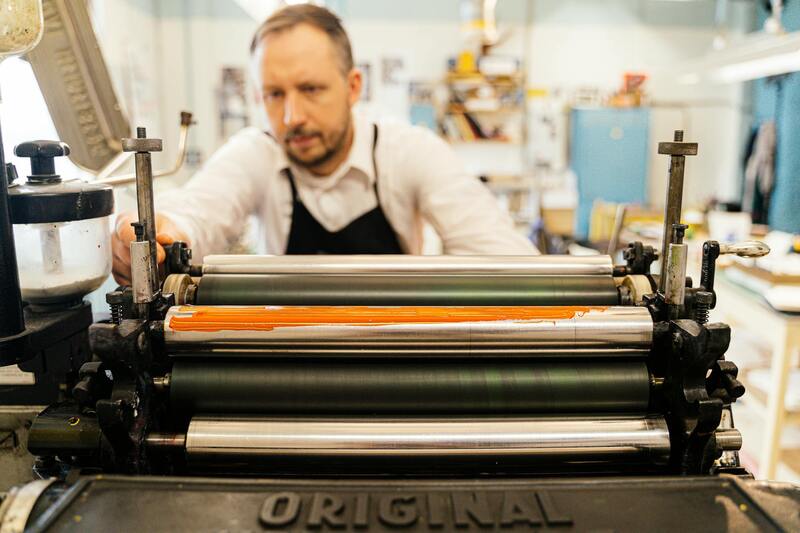
Popular Name Card Materials and Finishes
Material selection plays a pivotal role in creating an impactful name card. Standard options include matte and gloss finishes on high-quality cardstock, which provide durability and a professional look. Matte finishes lend a sophisticated, understated elegance, while gloss coatings enhance color vibrancy and offer a sleek appearance.
For a premium feel, specialty materials such as textured papers, linen, or recycled eco-friendly stocks are widely used. These materials not only add tactile interest but also align with sustainability trends embraced by forward-thinking companies. Transparent polyester cards are another popular choice, especially for minimalistic and modern designs.
Outstanding finishes such as spot UV gloss, foil stamping, embossing, or debossing can elevate standard cards to luxury status. Spot UV coats specific design elements or logos, creating contrast and visual depth. Foil accents, often in gold, silver, or colored variants, imbue a sense of exclusivity, making the design truly stand out. Embossing and debossing techniques add texture, tactile appeal, and visual hierarchy to the card, making key information more prominent.
Innovative finishes like matte lamination or soft-touch coatings provide a premium, velvety feel that enhances the card's quality perception. Combining these techniques with eco-conscious materials can produce cards that are both visually impressive and environmentally responsible. Selecting the right material and finish requires understanding your brand’s identity and the message you wish to convey, ensuring alignment between design intent and tactile experience.
Design Considerations for Name Cards
Crafting an effective name card design involves several strategic considerations. Firstly, maintaining a clean and uncluttered layout ensures that key information such as name, position, company logo, contact details, and social media handles are easily discernible. Consistent typography choices, balanced spacing, and appropriate use of color are essential for readability and visual harmony.
When integrating your logo and branding elements, sizes and placements should be optimized to ensure visibility without overwhelming the overall design. Incorporating subtle design accents, such as lines, icons, or patterns, can create visual interest while maintaining professional integrity. It’s advisable to use high-resolution images and vector graphics to preserve clarity across different sizes and finishes.
Color schemes should reflect brand identity, with consideration for color psychologie and contrast. Dark text on a light background typically improves legibility, but bold, vibrant colors can be used strategically to draw attention to specific details. Additionally, incorporating social media icons or QR codes enhances connectivity, especially when designed with ample whitespace to prevent a cluttered look.
Finally, ensure that your design aligns with the physical constraints of the chosen card type. For example, die-cut or embossed variants may require additional margins or special handling during production. Collaborating with experienced designers and professional printers allows for refinements that translate your branding vision into a polished, effective business card.
Additional Customization Options and Special Features
To create a distinctive and memorable name card in Singapore, many printing providers offer a range of customization options that go beyond standard designs. These features not only enhance the visual appeal but also serve functional purposes, allowing businesses to convey professionalism and creativity effectively. Among the popular options are embossed and debossed finishes, which add tactile dimension by raising or recessing elements like logos and text. Spot UV coating is another favored feature, providing a high-gloss highlight over matte backgrounds, thus drawing attention to specific details such as brand marks or contact information.
For a more luxurious appearance, foil stamping can be employed to add metallic accents like gold, silver, or holographic effects. Die-cut shapes allow for unconventional card forms, making the business card stand out with custom contours that reflect the brand personality or industry. Magnetic business cards, with their practicality, offer longevity and repeated exposure, especially suitable for industries where clients retain contact information for extended periods.
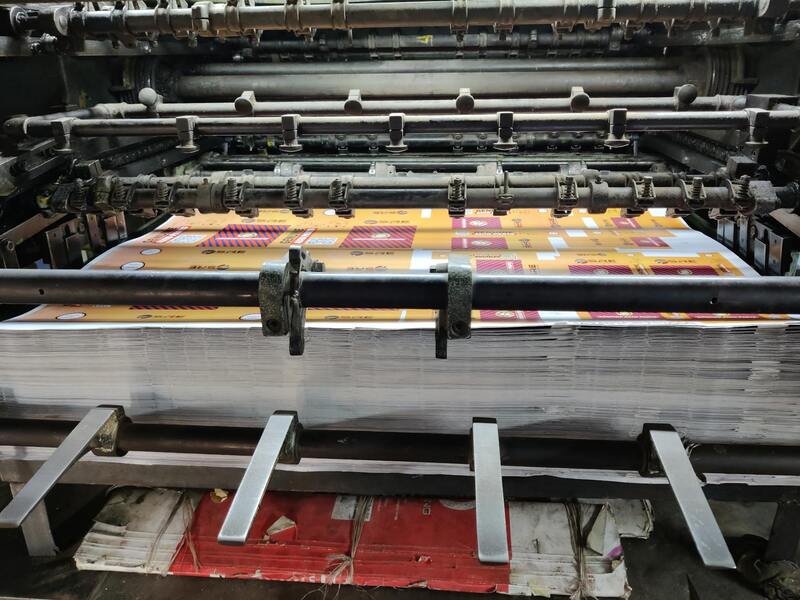
Moreover, integrating features like QR codes and NFC tags can facilitate seamless digital connections. QR codes enable recipients to quickly access websites, portfolios, or contact details via smartphones, boosting engagement. NFC-enabled cards take this further by allowing instant data transfer through contactless technology, which can include digital business cards, promotional content, or loyalty information.
Local printers also provide options for finishes that mimic natural materials, such as wood or stone textures, via high-quality printing substrates. Additionally, specialty coatings such as matte, satin, or velvet finishes can affect the tactile experience and visual perception of the card. These choices are instrumental in aligning the final product with the company's branding and desired impression.
When selecting these features, it’s important to consider the intended impression, budget, and practicality. Work with experienced designers and printing specialists who can advise on the optimal combinations of textures, finishes, and technical features to achieve a balanced, professional look that enhances brand recognition and leaves a lasting impact.
Types of Name Cards Available in Singapore
Singapore’s business landscape demands versatility and innovation in name card offerings. From standard paper cards to advanced digital options, the variety caters to diverse branding needs. Traditional paper cards remain the most prevalent, available in matte, gloss, or silk finishes which provide a professional appearance suitable for most industries. Among specialty options, foldable cards introduce additional space for branding or showcasing products, while transparent PET cards evoke a modern, minimalist aesthetic.
Interactive cards are gaining popularity, integrating technologies such as NFC tags and QR codes that enable instant digital connection and information sharing. Magnetic business cards, with their practicality and durability, are suitable for industries seeking long-term client engagement. For premium branding, embossed or foil-stamped cards lend a tactile quality and visual luxury, emphasizing exclusivity. Additionally, die-cut shapes allow the creation of unique contours that reflect brand identity or industry themes, further elevating the card’s visual impact.
Popular Name Card Materials and Finishes
Material selection significantly influences the look, feel, and perceived value of a name card. High-quality cardstock, such as premium matte or gloss finishes, ensures durability and a sleek appearance. For a more tactile experience, textured papers like linen or uncoated stock can convey sophistication. Specialty materials, including wood, transparent acrylic, or metal, are increasingly used for bespoke branding or luxury presentations.
Finishing touches further customize the business card. Matte finishes reduce glare and provide a sophisticated appearance, while satin or velvet coatings add tactile richness. Spot UV coating is often applied selectively to highlight logos or key design elements, creating contrast and visual interest. Foil stamping, whether in gold, silver, or custom colors, enhances the design’s elegance, adding a metallic sheen that catches light. Embossing and debossing techniques add depth, making logos or text stand out physically, which enhances tactile engagement.
Design Considerations for Name Cards
- Brand Alignment: The design should reflect the company’s identity, with consistent use of logos, colors, and typography.
- Information Hierarchy: Key details such as name, position, contact number, and email should be prominent and easy to read.
- Visual Balance: Adequate spacing and alignment contribute to a clean and professional look.
- Functionality: Incorporate tech features like QR codes or NFC tags thoughtfully, ensuring they do not clutter the design.
- Material and Finish: Match the card’s purpose with appropriate material choices and finishing options for maximum impact.
Good design considers both aesthetics and practicality, ensuring the card not only looks appealing but also functions effortlessly as a representative tool for networking and branding.
Types of Name Cards Available in Singapore
In Singapore, the variety of name cards caters to diverse professional preferences and branding requirements. Business owners and professionals can choose from standard options like the classic standard business cards which are suitable for everyday networking, offering simplicity and affordability. For those seeking to make a statement, fancy business cards with creative shapes or embossed details provide a distinctive look. Premium business cards incorporate high-end materials and elaborate finishes, ideal for luxury branding or high-profile clients.
Specialized options such as laminated business cards offer enhanced durability and resistance to wear and tear, making them suitable for frequent handling. Spot UV business cards feature selective glossy areas that highlight logos or design elements, adding a touch of elegance. For a tactile and memorable experience, embossed and foil stamped cards deliver depth and shine that captivate recipients. Additionally, die-cut business cards allow customization of unique shapes, standing out amid standard card formats.
Emerging trends include the integration of technology, with services like NFC business cards and premium NFC cards enabling contactless data sharing. These innovation-driven options are growing popular among tech-savvy businesses aiming for seamless networking experiences. Moreover, for companies emphasizing sustainability, eco-friendly materials such as recycled paper or biodegradable plastics are increasingly available, aligning branding strategies with environmentally conscious practices.

Official Methods for Ensuring Name Card Printing Authenticity in Singapore
Obtaining high-quality name cards in Singapore involves selecting established and reputable printing providers that adhere to industry standards and uphold consistent quality assurance practices. Recognized companies often invest in advanced printing technology, follow strict quality control procedures, and utilize certified materials, all of which contribute to the credibility and durability of the final product.
Engaging with experienced local printers ensures access to well-documented processes, transparent service contracts, and clear communication channels. These providers typically have detailed portfolios and customer reviews that validate their professionalism and adherence to quality guidelines. Additionally, legitimate printing services usually offer comprehensive customization options, allowing clients to select from a variety of trusted printing techniques, material choices, and finishes to match branding requirements precisely.

Verifying the Authenticity of Name Card Printing Services
- Check for Industry Credentials: Reputable service providers should have memberships with industry associations, accreditations, or certifications that confirm their expertise and commitment to quality standards.
- Review the Portfolio and Customer Testimonials: Authentic printing companies showcase recent work and encourage feedback from clients, providing insights into their operational standards and output consistency.
- Assess Material Quality and Finish Options: Genuine providers use high-grade materials such as premium cardstock, eco-friendly options, and reliable finishing techniques like embossing, foiling, or spot UV to add distinctiveness and durability.
- Inquire About Process Transparency: Clear communication regarding printing methods, turnaround times, and price breakdowns indicates a reliable and professional approach.
- Request Sample Prints: Receiving physical samples permits an evaluation of print clarity, color accuracy, and overall quality prior to placing larger orders.
Ensuring the Use of Certified Materials and Techniques
Authentic printing establishments prioritize the procurement of certified materials, such as FSC-certified paper and environmentally responsible inks. These resources guarantee that the printed products meet safety standards and sustainable practices. Advanced printing techniques like offset, digital, and letterpress are employed with precision, often backed by industry equipment that guarantees consistent results.
Furthermore, legitimate providers update their equipment regularly, incorporating innovations like UV coating, magnetic strip embedding, or NFC tags, ensuring compatibility with modern branding needs. They also adhere to strict calibration protocols to maintain color integrity and print exactness, which is critical for branding consistency across all promotional materials.
Formal Documentation and Service Guarantees
Certified printing vendors typically provide formal quotations, service level agreements, and quality assurance policies. These documents delineate expected standards, responsibilities, and remedy procedures should any discrepancies arise in the final product. Such documentation is essential in establishing a trustworthy relationship and confirms the printing method's official compliance with industry norms.
S7 Printing, for instance, exemplifies this approach, offering detailed service descriptions, transparent pricing, and guaranteed turnaround times, ensuring clients receive authentic, high-quality name cards through legitimate channels.