Guidelines For Designing And Printing A Professional Name Card
Understanding the Importance of a Professional Name Card
In the realm of professional branding, a well-designed name card serves as a tangible representation of an individual’s or company's identity. Beyond merely conveying contact information, it reflects the professionalism, attention to detail, and aesthetic sensibility of its owner. An effective name card can act as a memorable touchpoint in networking situations, business meetings, and social events, fostering lasting impressions that facilitate future collaborations.
The significance of a professional name card extends to establishing credibility and trust among clients, partners, and stakeholders. It demonstrates a commitment to quality and professionalism, especially when the card features high-quality materials, precise design, and expert printing techniques. In competitive industries, a distinctive name card can differentiate a brand from others, positioning it as a serious contender and a reflection of the company's values and standards.

The Role of Name Cards in Professional Settings
In business environments, name cards facilitate seamless communication and quick sharing of essential information. They act as personal branding tools that encapsulate key details such as name, title, company name, contact numbers, email address, and physical location. A carefully crafted name card ensures that recipients can easily memorize and contact the cardholder when needed.
Furthermore, name cards are often used as networking tools in conferences, trade shows, and corporate events. They serve as physical tokens that symbolize a professional connection, making it easier to follow up and foster ongoing communication. A professionally designed name card can also demonstrate the company's dedication to quality and detail, enhancing its reputation among clients and partners.
Making a Strong First Impression
The initial visual impact of a name card is crucial. The design, layout, and material all contribute to how recipients perceive the brand. When a name card appears polished, aligns with brand aesthetics, and features consistent branding elements, it reinforces the company's image and values. This initial impression can influence the recipient's perception of the professionalism and credibility of the individual or organization.
Summing Up the Value of a Professional Name Card
Investing in a high-quality, professional name card is an essential aspect of personal and corporate branding. It acts as a physical extension of your professional persona, encapsulating your identity and values in a compact, tangible form. As a strategic tool, it helps establish credibility, foster connections, and leave lasting impressions that can contribute to long-term success in various professional settings.
Choosing the Right Material and Finishes for a Professional Name Card
Material selection and finishing touches significantly influence the tactile experience and visual appeal of a name card. Premium cardstock options, such as thick, matt, or glossy finishes, not only provide durability but also communicate a sense of quality and professionalism. For clients aiming for a distinctive look, textured surfaces like linen or cotton feel add elegance and uniqueness. Additionally, incorporating specialty finishes like spot UV coating can make specific elements, such as logos or contact details, stand out with a subtle shine, reinforcing brand identity.

When considering finishes, options such as foil stamping or embossing can create a tactile hierarchy, highlighting essential information or branding elements. Matte finishes tend to exude sophistication and reduce glare, making the card easier to read under various lighting conditions. Glossy finishes, on the other hand, amplify vivid colors and lend a vibrant, modern touch. The choice of finish should align with the brand’s personality and the message to be conveyed, ensuring the name card leaves a lasting impression.
Design Considerations for a Professional Look
Effective design combines clarity, aesthetics, and coherence with brand identity. A balanced layout with adequate white space helps prevent overcrowding, making the information easily digestible. Consistent use of brand colors, fonts, and logos fosters brand recognition and reinforces corporate messaging. The hierarchy of information—such as name, title, contact details—should be clearly established, guiding the recipient’s eye naturally across the card.
Design elements like icons or subtle graphic motifs can enhance visual interest without distracting from essential information. Keep the font size legible and professional, avoiding overly decorative styles that may compromise readability. Alignment and symmetry are also crucial for a polished appearance, presenting a seamless, cohesive look that projects professionalism.
Printing Techniques and Services
The printing method selected has a lasting impact on the quality and authenticity of a name card. Digital printing offers quick turnaround times and cost-effectiveness for smaller quantities, suitable for personalized or limited editions. Offset printing, however, provides high precision, color consistency, and superior quality for bulk orders, delivering sharp image reproduction and flawless detail.
Specialized techniques like letterpress printing create a tactile impression, adding depth and sophistication to the design. Spot UV coating highlights specific areas with a glossy finish, contrasting with matte backgrounds for visual pop. Embossing or debossing introduces a three-dimensional element, elevating the tactile experience and emphasizing key aspects of the design.
Customizing and Personalizing Name Cards
Personalization elevates a standard name card into a memorable keepsake. Incorporating unique elements such as handwritten signatures, custom illustrations, or personalized messages can strengthen the connection with recipients. Additionally, the use of customized formats—such as die-cut shapes aligning with branding themes—can make the card instantly recognizable.
Technologies like NFC chips embedded within the business card provide interactive features, allowing instant access to digital profiles or portfolios. Customizable options extend to the choice of materials, finishes, and formats, enabling a tailored approach aligned with individual or brand identities.
Cost and Turnaround Time for Name Card Printing
Pricing for professional name cards varies based on the chosen materials, printing techniques, and order volume. While basic digital printing in standard sizes may be economical and quick, premium options such as embossed finishes or specialty papers entail higher costs and longer production times. Planning ahead for several days to a week can ensure quality and timely delivery for large projects or intricate designs.
Industry-standard turnaround times generally range from 2 to 7 business days, depending on the complexity and quantity. For high-volume orders or custom finishes, communicating early and choosing reliable providers can help avoid delays and meet strategic deadlines.
Maintaining Brand Consistency and Best Practices
Consistency across all branding materials, including name cards, fortifies recognition and professionalism. Ensure the design adheres to established brand guidelines regarding colors, fonts, and logo usage. Regular audits of printed materials can prevent discrepancies that might dilute brand perception.
Best practices also involve updating contact information periodically and maintaining high-quality printing standards. To maximize the impact, distribute name cards strategically at networking events, and consider complementing them with digital business profiles to provide multiple avenues for contact. Keeping the design simple yet impactful allows the message to resonate while ensuring affordability and ease of production.
Design Considerations for a Professional Look
Creating a professional name card hinges on balancing visual appeal with clarity and purpose. Key considerations include layout, typography, color schemes, and logo placement. The design should reflect the individual’s or company's brand identity, ensuring consistency across all marketing materials. Opting for a clean layout with ample whitespace enhances readability and projects a sophisticated image.
Typography choices play a crucial role; selecting legible fonts that align with brand personality ensures the contact information and key messages are easily understood at a glance. Use of bold or contrasting fonts may highlight essential details like name, position, or contact numbers, while keeping secondary information subdued.

Color palettes should resonate with the brand’s visual identity. Subtle, muted tones convey professionalism, whereas vibrant colors can reflect innovation or creativity. It’s vital to maintain consistency with existing branding elements such as logo and corporate colors, avoiding overly complex or cluttered designs that may distract recipients or undermine the card's purpose.
Printing Techniques and Services
Choosing the right printing method and finishing touches can significantly elevate the perceived value of a name card. Digital printing is suitable for most standard business cards, offering quick turnaround times and cost efficiency. For enhanced tactile feel and visual impact, techniques like embossing or foil stamping add texture and shine, making the card stand out in a stack.
Spot UV coatings can be applied selectively to create gloss contrasts on matte or textured backgrounds, accentuating logos or key contact details. The application of various finishes not only enhances aesthetic appeal but also improves durability, ensuring the card maintains its professional appearance over time. Specialty papers, such as textured or thick cardstocks, further reinforce a premium image and demonstrate attention to detail.
Engaging with reputable print service providers ensures high-quality output. Experience in handling high-resolution files and knowledge of suitable finishes results in consistent quality that aligns with design specifications. Consultation with the printing provider can also help determine the best options for the desired outcome, whether that's a simple matte finish or a complex layered effect.
Customizing and Personalizing Name Cards
Personalization extends beyond basic contact details. Incorporating unique design elements such as custom icons, QR codes linking to digital profiles, or personalized color schemes tailored to each recipient can make a name card memorable. Adding elements like a signature or a personalized message can also foster stronger connections with contacts.
Advanced customization options include specialty shapes, die-cut edges, or integrating tangible textures that engage the sense of touch. Such features convey a bespoke quality that distinguishes your name card from typical templates, supporting a memorable professional impression.
It’s important to keep a consistent theme across all personalized touches to avoid visual clutter and maintain a cohesive brand image. Careful consideration of the balance between distinctive design and clarity ensures that personalization enhances rather than detracts from the communication purpose of the card.
Understanding the Importance of a Professional Name Card
In a competitive business environment, a well-crafted professional name card serves as a vital tool for effective networking and brand reinforcement. It acts as a tangible representation of your professional identity, conveying credibility, attention to detail, and a commitment to quality. When designed and printed with precision, a name card can leave a lasting impression that encourages future contact and collaboration. Businesses aiming to establish a solid reputation understand that the first physical interaction often begins with this small yet impactful piece of marketing material.

Moreover, a high-quality name card can differentiate your brand from competitors. It provides a concise overview of your contact information, professional credentials, and organizational branding, all presented in a visually appealing layout. This forms the cornerstone of professional communication, making it easier for prospective clients and partners to remember your name and details. As part of an overall branding strategy, the name card seamlessly complements other marketing efforts, reinforcing your professional image in every transaction.
Key Elements of an Effective Name Card
Creating a compelling professional name card involves careful consideration of several key elements that influence both aesthetics and functionality. These elements must work harmoniously to communicate your brand message clearly and professionally.
- Contact Information: Include essential details such as your name, job title, phone number, email address, and company website. Accurate and up-to-date contact info ensures recipients can easily reach you.
- Brand Logo and Identity: Your logo should be prominently displayed to enhance brand recognition. Consistency in color schemes and font styles ties the card to your overall branding efforts.
- Design Layout: Balance visual elements with whitespace to prevent clutter. A clean, organized layout enhances readability and aesthetic appeal.
- Typography: Choose professional, legible fonts that reflect your brand personality. Font size should be easily readable at a glance.
- Color Scheme: Select colors that resonate with your brand identity and evoke the desired emotional response. Complementary colors improve visual interest without overwhelming the viewer.
- Special Features and Finishes: Incorporate design features such as embossed text, spot UV coatings, or foil accents to add a touch of sophistication and tactile engagement.
Design Considerations for a Professional Look
To achieve a polished, professional appearance, consider the overall aesthetics and visual harmony of your name card. Consistency in design elements, aligned with your professional image, plays a pivotal role. Opt for a refined color palette that echoes your brand colors while ensuring sufficient contrast for readability. The choice of fonts should mirror your industry standards—sleek and modern for tech-related fields, traditional and elegant for legal or consultancy services. Placement of logos and icons should be strategic, ensuring they do not overshadow critical contact details while maintaining visual balance.
In addition, the inclusion of subtle design elements such as textured backgrounds or minimalist graphics can elevate the card’s appearance. The placement of white space is equally important; it prevents visual clutter and guides the recipient's eye naturally across the information hierarchy. Carefully curated visual aesthetics foster an impression of professionalism and attention to detail, reinforcing your credibility in any business setting.
Understanding the Importance of a Professional Name Card
In today’s competitive business environment, a well-crafted professional name card serves as a tangible representation of your brand and professional identity. It offers an immediate visual impression, conveying credibility and attention to detail. A high-quality name card not only facilitates easy contact sharing but also fosters trust and establishes a lasting connection with clients and partners. When designed with precision and printed using top-tier methods, a professional name card can elevate your stature within your industry, making it an essential tool for networking and business growth.
Key Elements of an Effective Name Card
- Clarity and Readability: Ensuring contact details are legible is paramount. Use clean fonts and appropriate sizes to make information accessible at a glance.
- Brand Consistency: Incorporate elements such as logos, color schemes, and fonts that align with your overall branding strategy. Consistency reinforces brand recognition and professionalism.
- Visual Balance: Strategic placement of design elements, including logos and icons, helps maintain visual harmony. Adequate white space prevents clutter and directs focus toward key information.
- Unique Design Elements: Embossed texts, foil accents, or spot UV coatings add tactile and visual interest, making your card stand out and leaving a memorable impression.
- Effective Use of Color: Colors should complement your brand identity, evoke the desired emotional response, and ensure sufficient contrast for readability. Complementary colors enhance visual appeal without overwhelming the viewer.
Choosing the Right Material and Finishes
Selecting appropriate materials and finishes is crucial in crafting a professional business card that exudes quality and durability. Common materials include premium cardstock, which offers sturdiness and a luxurious feel. Variations such as matte, gloss, or textured finishes provide different tactile experiences and visual effects. For instance, matte finishes offer an elegant understated look and reduce glare, while gloss finishes enhance vibrancy and color depth. Embossing and foil stamping are specialized finishes that add sophistication, making certain design elements pop and creating a tactile engagement that can impress recipients.
Design Considerations for a Professional Look
Achieving a polished and professional appearance necessitates meticulous attention to design details. Maintain consistency in your color palette and font choices, ensuring they resonate with your industry standards and brand image. Position your logo prominently but harmoniously, avoiding overpowering essential contact information. Incorporate subtle design elements like minimalist graphics or textured backgrounds to elevate the aesthetic without cluttering the layout. The creative use of white space is vital; it guides the recipient’s eye naturally across the card and emphasizes crucial details. The overall layout should evoke sophistication and reflect the professionalism you uphold in your business dealings, fostering confidence and credibility.
By integrating these design principles with high-quality materials and finishes, you ensure that your name card not only provides contact information but also reinforces your brand's image and values in every interaction. The decision to invest in premium printing methods and personalized design features ultimately pays off by leaving a memorable impression that can lead to new opportunities and strengthened professional relationships.
Understanding the Importance of a Professional Name Card
In the realm of business communication, a professional name card functions as a tangible representation of your brand and personal identity. It serves as a quick reference for contact information while also conveying your business's values and professionalism. A well-designed name card fosters trust, leaves a memorable impression, and facilitates future networking opportunities. The strategic design, quality materials, and thoughtful details distinguish your card from countless others, ensuring your contact details are not only received but remembered.
Key Elements of an Effective Name Card
- Clear and Legible Contact Information: Ensure your name, position, phone number, email, and company website are prominently displayed, utilizing fonts that are easy to read.
- Brand Logo and Visual Identity: Your logo should be positioned to enhance brand recognition without overpowering other elements.
- Consistent Color Scheme and Typography: Use colors and fonts aligned with your branding guidelines to project professionalism and cohesiveness.
- White Space Utilization: Adequate spacing prevents clutter, making key details stand out and improving overall readability.
- Additional Elements: Subtle design features such as textures, patterns, or embossed elements can add tactile appeal and sophistication.
Choosing the Right Material and Finishes
The material selection greatly impacts the feel and durability of your name card. High-quality cardstock, such as premium matte or gloss finishes, exudes professionalism. Laminated surfaces offer additional protection, while textured finishes like linen or embossing introduce tactile richness. Incorporating special finishes such as spot UV, foil stamping, or matte coatings not only enhances aesthetics but also highlights key sections, like your logo or contact details. These premium finishes communicate value and reinforce your brand's credibility.

Design Considerations for a Professional Look
Achieving a polished and sophisticated appearance relies on meticulous design choices. Balance is essential; that means aligning visual elements harmoniously and maintaining hierarchy to guide the recipient's eye through the card naturally. Consistency in branding—colors, font styles, and logo placement—creates a unified appearance that reinforces recognition. Minimalist graphics paired with ample white space evoke elegance and clarity. Subtle textures or embossed features add depth without clutter, making the card not only informative but also engaging to touch. The overall layout should radiate professionalism, ensuring each element contributes to a cohesive and credible impression.
Printing Techniques and Services
Modern printing technology offers a spectrum of options to elevate the quality of your professional name cards. Digital printing provides speed and cost efficiency for small runs with vibrant color output. Offset printing is ideal for larger quantities, delivering sharp image quality and precise color matching. Specialty techniques such as spot UV coating create contrasting glossy accents against matte backgrounds, highlighting specific areas like logos or contact details. Foil stamping introduces metallic accents for a luxurious touch, while embossing or debossing adds tactile dimension, emphasizing key design elements. These techniques, when selected and executed properly, significantly enhance the perceived value of your name card, creating a memorable first impression for every recipient.
Understanding the Importance of a Professional Name Card
In a competitive business environment, a professionally crafted name card serves as a vital tool for networking and establishing credibility. It acts as a tangible representation of your personal brand and organizational identity, leaving a lasting impression on potential clients and partners. A high-quality name card can convey professionalism, attention to detail, and a commitment to excellence, which are crucial for fostering trust and opening opportunities.
Many professionals underestimate the power of a well-designed name card, often considering it a mere formality. However, the strategic use of a professional name card can significantly influence perceptions and facilitate ongoing relationships. By ensuring that each element—design, material, and finishing touches—aligns with your brand values, you enhance your visibility and reinforce your message to your audience. In essence, a professional name card is an essential extension of your marketing toolkit, capable of making a memorable statement with every handover.

Key Elements of a Effective Name Card
- Clear Branding: Prominent display of your logo, company colors, and brand fonts ensures immediate recognition.
- Concise Information: Include essential details such as your name, position, contact number, email, and company website.
- Readable Typography: Font choice and sizing should prioritize clarity and professionalism.
- Balanced Layout: Adequate white space combined with strategic element placement avoids clutter.
- Visual Hierarchy: Design hierarchy guides the recipient’s eye naturally from the most critical to supplementary information.
Consistency and Differentiation
Maintaining visual consistency with your overall branding helps reinforce recognition, while innovative design elements—such as unique shapes or subtle graphic accents—can differentiate your card from competitors. When every detail aligns with your professional persona, the impact is both cohesive and compelling.

Choosing the Right Material and Finishes
The material selection for your name card significantly influences perceived quality and durability. Common choices include:
- Standard Card Stock: Cost-effective and suitable for bulk printing, with options for various thicknesses.
- Premium Paper: Heavier or textured papers add a tactile element of sophistication.
- Plastic or PVC: Durable, waterproof, and often used for NFC-enabled or uniquely shaped cards.
Finishing touches such as matte, gloss, or soft-touch coatings help elevate the aesthetic appeal. Specialty finishes like spot UV coating highlight specific areas—logos or contact details—by adding a glossy contrast against matte backgrounds. Embossing or debossing techniques impart a three-dimensional feel, making the card more engaging and luxurious. Metallic foils further enhance visual interest, especially when used for logos or key text, imparting a sense of prestige.
Design Considerations for a Professional Look
Designing a professional name card involves careful attention to alignment, color harmony, and elemental balance. It’s essential to keep the layout aligned with your brand identity, using color schemes that reflect your industry standards—such as subdued tones for corporate environments or vibrant palettes for creative sectors. White space plays a critical role in preventing clutter and maintaining elegance, allowing key information to stand out seamlessly.
Incorporating subtle graphic elements or textures can add depth without overwhelming the design. When applicable, using embossed logos or textured paper can create a tactile experience that reinforces a premium feel. The use of icons or minimal graphics can also help convey contact methods clearly and efficiently, enhancing usability without compromising professionalism.
Printing Techniques and Services
Advancements in printing technology enable a wide array of finishes and effects to elevate your name card. Digital printing offers flexibility and quick turnaround times, making it suitable for shorter runs or customized orders. Offset printing remains the go-to for bulk production, ensuring high sharpness and color consistency. Specialized techniques bring additional dimension and appeal:
- Spot UV Coating: Adds glossy highlights to selected elements for visual contrast.
- Foil Stamping: Introduces metallic accents, delivering a luxurious appearance.
- Embossing/Debossing: Creates tactile elements that make your card stand out physically.
- Laser Cutting: Enables intricate shapes or unique edges for a distinct look.
Professional printing services can guide you through these options, ensuring your design translates effectively onto the chosen material. Proper execution of these techniques enhances the overall perceived value, making your name card not just informative but also a memorable keepsake.
Understanding the Importance of a Professional Name Card
In the competitive landscape of modern business, a well-crafted professional name card functions as a crucial tool for networking and brand recognition. It encapsulates your identity, expertise, and contact information in a compact, tangible form that leaves a lasting impression. Beyond mere contact details, an effective name card communicates professionalism, attention to detail, and a clear representation of your brand ethos. Such cards not only facilitate immediate information exchange but also serve as physical reminders of your business interactions, fostering future engagement and opportunities.
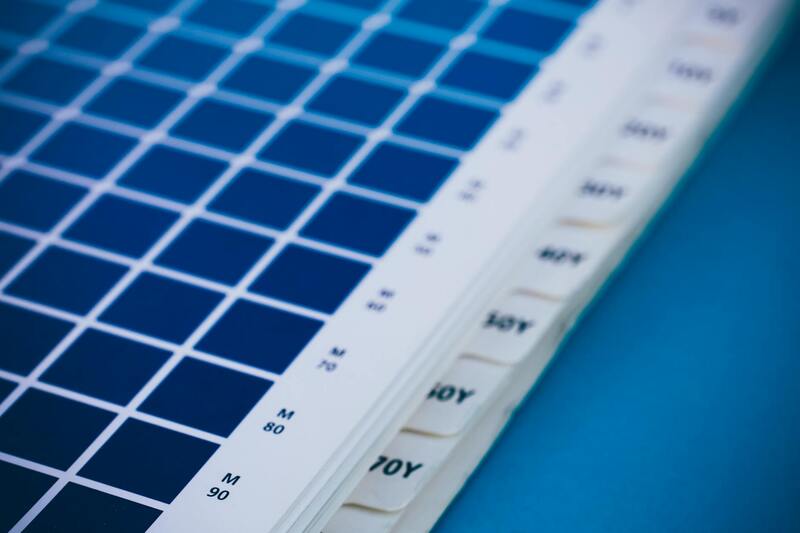
Key Elements of an Effective Name Card
- Clear and Legible Text: Ensuring your name, position, and contact details are easy to read at a glance.
- Consistent Branding: Use of logo, color scheme, and fonts that align with your brand identity.
- Contact Information: Including essential details such as phone number, email, website, and social media handles.
- Visual Balance: Harmonious layout that emphasizes important details without appearing cluttered.
- Unique Design Elements: Incorporation of graphic motifs, textures, or finishes that distinguish your card from competitors.
Choosing the Right Material and Finishes
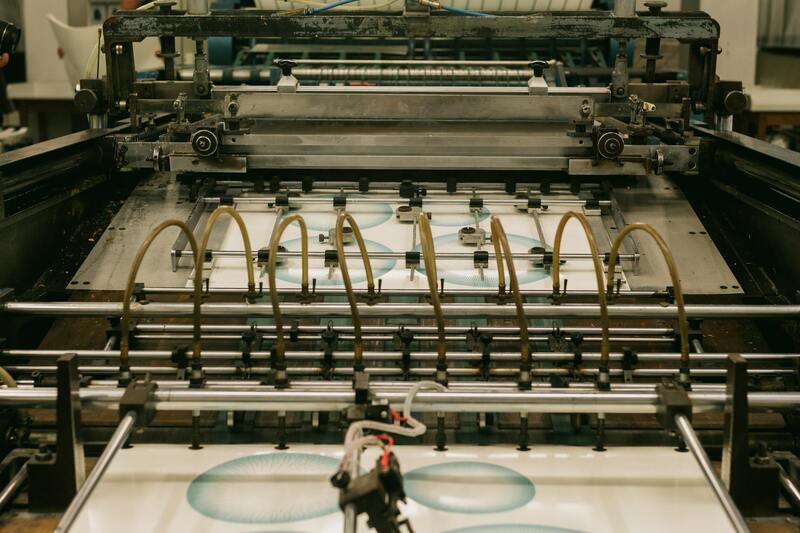
The selection of material significantly influences the tactile experience and perceived value of your name card. Options range from standard cardstock to premium materials like textured paper, plastic, or metal. Finishes such as matte, gloss, or soft-touch coatings can enhance visual appeal while also protecting the card. Embossing and debossing techniques add tactile depth and can highlight logos or key information, reinforcing a sense of quality. Specialty finishes like foil stamping or spot UV coating introduce metallic or glossy accents to specific elements, elevating the overall aesthetic and creating visual contrast that draws attention.
Design Considerations for a Professional Look
Achieving a polished, professional appearance requires careful attention to layout, typography, and graphic elements. Utilize a minimalist approach to maintain elegance and clarity, avoiding overcrowded designs. Select fonts that are clean and legible, and size them appropriately to ensure readability across various formats. Use consistent spacing and alignment to create a balanced composition. Incorporate subtle graphic motifs or textures that complement your branding without overwhelming the overall design. When suitable, integrating embossed logos or textured papers can reinforce a sense of luxury and tactility. Additionally, consider the overall size and shape of the card—standard dimensions facilitate compatibility with wallets and cardholders, while custom shapes can add distinctiveness when executed with precision.
Printing Techniques and Services
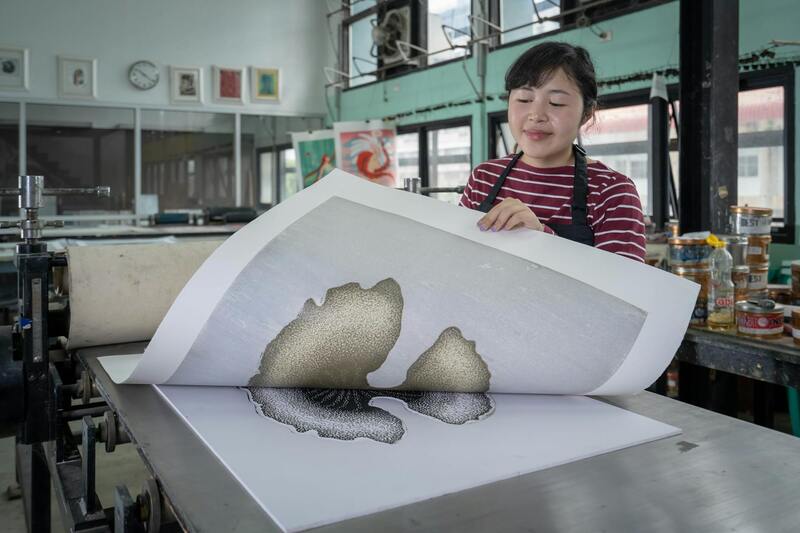
Utilizing advanced printing techniques can significantly enhance the visual and tactile quality of your name card. Digital printing offers flexibility, quick turnaround, and cost-efficiency for short runs and customized orders. Offset printing remains optimal for larger quantities, ensuring sharpness, color consistency, and high-quality finishes. Additional techniques such as spot UV coating produce glossy highlights on selected areas, creating a striking contrast. Foil stamping introduces metallic accents for a luxurious effect, while embossing or debossing add an impressive tactile dimension. Intricate laser cutting allows for unique shapes and edges, providing a distinctive silhouette that sets your card apart. Professional print service providers can advise on combining these techniques to achieve your desired aesthetic while maintaining functional clarity.

Customizing and Personalizing Name Cards
Personalization is key to making your name card memorable. Beyond standard design elements, consider adding personal touches such as handwritten notes, unique icons, or even QR codes that link directly to your digital portfolio or website. Metallic or textured finishes can further enhance tactile engagement. Modular designs or variable data printing allow for tailor-made variations that reflect different roles, departments, or client types. Custom shapes or die-cut edges can also reinforce brand storytelling or thematic concepts. The goal is to create a card that not only conveys information but also embodies your unique brand personality, ensuring it stands out in a stack and encourages recipients to retain it.
Cost and Turnaround Time for Name Card Printing
Pricing for professional name cards varies based on material quality, print technique, design complexity, and order quantity. Standard cardstock with basic finishes remain cost-effective and are suitable for bulk distribution. Premium options involving specialized finishes, custom shapes, or metallic accents tend to incur higher costs, reflecting their added complexity and visual impact. Turnaround times are typically negotiable, with digital printing providing rapid delivery—sometimes within 24 to 48 hours—while offset printing may require a few days for larger batches. It is essential to plan ahead, especially for the launch of new branding initiatives or major networking events, ensuring that high-quality cards arrive promptly and meet your professional standards.