Custom Made Business Cards: Design, Materials, And Printing Options
Introduction to Custom Made Business Cards
Custom made business cards are an essential tool for professionals seeking to make a memorable first impression. Unlike standard business cards, these personalized cards allow individuals and companies to showcase their unique branding elements, including logos, color schemes, and specific design features. The significance of custom business cards extends beyond mere contact information; they serve as a tangible representation of a business’s identity, professionalism, and attention to detail. When crafted thoughtfully, custom business cards can significantly enhance networking efforts, foster brand recognition, and differentiate a business in a competitive marketplace.
Designing a custom business card involves a combination of creative expression and strategic communication. The goal is to create a compact yet impactful visual that conveys essence, credibility, and a sense of trustworthiness. Professional presentations through tailored design and quality materials not only leave a lasting impression but also reflect the quality of services or products offered. Custom business cards are also versatile in accommodating various industries, allowing for creative expression that aligns with a brand’s voice and target audience.

Investing in bespoke business cards signals a level of professionalism and dedication to detail. Companies and entrepreneurs recognize that a well-designed card can be a powerful marketing tool, generating opportunities for connections and collaborations. Furthermore, custom features such as embossing, foil stamping, and textured finishes heighten tactile appeal, making each card not just informative but also an experience for the recipient. Ultimately, these personalized cards serve as a physical touchpoint that complements digital branding strategies and helps establish credibility within any industry.
Material Choices and Finishes for Custom Business Cards
Selecting the right materials for your custom business cards is a fundamental step in showcasing your brand’s identity and ensuring durability. Premium paper stocks such as thick matte, glossy, or textured finishes add a tactile dimension that enhances the perceived value of your cards. Additionally, specialty materials like recycled paper or eco-friendly options demonstrate a commitment to sustainability, appealing to environmentally conscious clients.
Regarding finishes, options like soft-touch coating provide a luxurious feel, while matte finishes minimize glare and offer a sophisticated look. Glossy finishes enhance vibrancy and make colors pop, ideal for designs with bold graphics or images. Texture finishes, including linen or embossed patterns, add depth and a unique feel, setting your cards apart from mass-produced alternatives.
Customization Options and Features
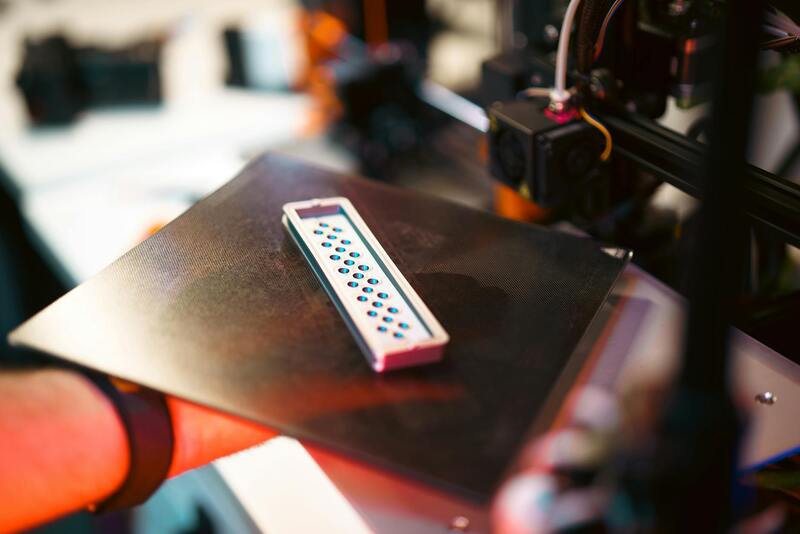
Beyond the standard design, numerous customization features are available that enable your business cards to reflect your brand’s personality and purpose. Embossing and debossing techniques provide a three-dimensional effect, making your logo or key information stand out physically. Foil stamping adds metallic accents, such as gold or silver, which lends a premium quality and catches light at different angles.
Other exciting options include die-cut shapes that deviate from traditional rectangular forms, allowing for creative silhouettes relevant to your industry. Layered or transparent overlays can introduce new visual dynamics, making the card more engaging. Rounded corners offer a softer look and feel, while spot UV coating highlights select areas with a glossy finish, drawing attention to important elements.

Printing Techniques and Production Processes
The choice of printing technique greatly influences the final appearance and quality of your business cards. Digital printing is suitable for quick turnaround times and small runs, providing sharp images and vibrant colors. Offset printing offers high precision and is cost-effective for larger quantities, delivering consistent results with fine detail.
Specialty techniques such as letterpress printing produce a tactile impression on thicker stock, imparting an artisanal touch to each card. Screen printing is often used for bold, solid colors and can accommodate textured or raised effects. For intricate designs or textured finishes, embossed or thermoformed processes can create depth and dimension.
The production process begins with meticulous pre-press preparation, ensuring colors and designs are accurately transferred. Proofing stages allow for adjustments before mass printing, minimizing errors. Post-processing includes trimming, folding, or applying coatings, each contributing to the final quality and durability.

Pricing and Budget Considerations
Prices for custom business cards vary based on factors such as material selection, printing techniques, quantity, and complexity of design. Basic cards with standard finishes are generally affordable, making them suitable for frequent networking or mass distribution. Upgraded options involving specialty materials, foil accents, or textured finishes naturally incur higher costs.
A strategic approach involves balancing aesthetics with budget constraints. For small batches, digital printing with simple designs can be cost-effective, while larger orders may benefit from offset printing for economies of scale. It’s essential to consider the lifetime value of a professionally designed, high-quality card, which can leave a stronger impression and generate more meaningful connections.
Cost-effective options, like bulk purchases or pre-designed templates with customization, help manage expenses without compromising quality. Additionally, exploring promotional or package deals from printing providers can yield savings while maintaining a high standard of craftsmanship.

Material Choices and Finishes
Selecting the right material is fundamental to elevating the impact of custom made business cards, with options ranging from traditional paper stocks to innovative alternatives that align with brand identity and sustainability goals. Standard cardstock remains popular for its affordability and versatility, offering a solid foundation for printing designs that require durability without excessive expense. For brands aiming to make a statement, thicker premium papers, such as 32pt or 48pt cardstock, provide a substantial feel that conveys quality and professionalism. In addition to paper, plastic or PVC cards are increasingly favored for their waterproof qualities and long-lasting appearance, particularly suitable for industries that require repeat contact, such as hospitality or retail. The finish applied to the card also significantly influences its presentation. Matte finishes lend a sophisticated, non-reflective surface that reduces glare and is ideal for detailed text or subtle designs. Conversely, gloss finishes enhance colors and details, making designs pop and adding vibrancy.

Specialized finishes serve to enhance visual appeal and tactile experience. Spot UV coating, for example, applies a shiny, raised effect to specific elements like logos or text, creating a striking contrast against matte backgrounds. Foil stamping introduces metallic accents—gold, silver, or colored foil—that elevate the sense of exclusivity and draw attention to key design features. Embossing and debossing techniques add depth by creating three-dimensional textures, which work well for logos or decorative motifs. Recycled or eco-friendly materials are increasingly popular, offering options like textured or uncoated kraft paper for brands committed to sustainability. Ultimately, the choice of material and finish should complement the overall design concept, reinforce brand messaging, and meet practical requirements of durability and handling. Choosing high-quality materials and premium finishes not only enhances visual appeal but also ensures the card maintains its integrity through multiple exchanges, leaving a lasting impression.
Personalization Through Specialized Printing Techniques
To create distinctive custom made business cards, leverage advanced printing methods that add depth, texture, and visual interest. Techniques such as embossing and debossing involve creating raised or recessed designs, which enhance tactile engagement and highlight key elements like logos or names. Letterpress printing also offers a textured, indented effect that imparts a classic and high-quality appearance, ideal for brands seeking an elegant presentation.
Spot UV coating is another impactful technique, applying a glossy, raised finish to specific areas of the card—such as the company logo or name—while the surrounding design remains matte. This contrast draws attention and lends a sophisticated, modern aesthetic. Foil stamping introduces metallic accents—gold, silver, or colored foil—that can highlight brand initials or decorative motifs, adding a layer of luxury and exclusivity.
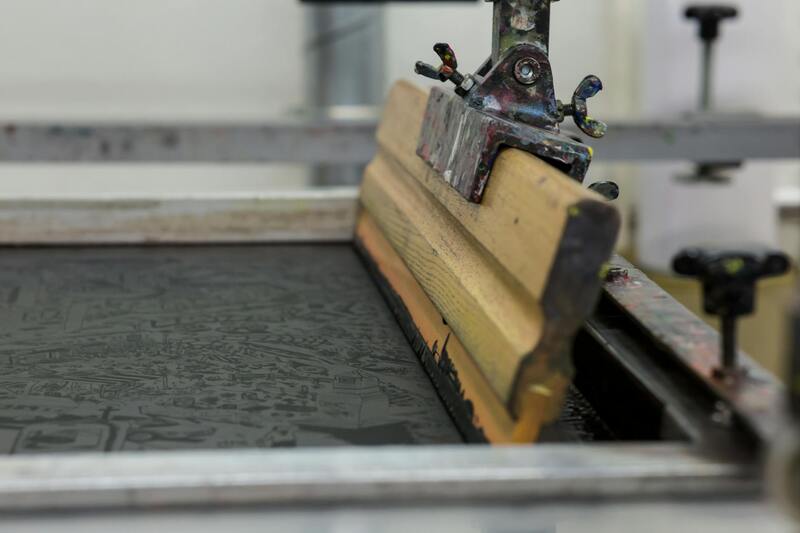
Incorporating innovative printing methods extends beyond visual effects. Techniques like letterpress and foil stamping require specialized equipment and expertise, ensuring that each card not only looks exceptional but also stands out in hand. The application of textured finishes and metallic accents can transform a simple card into a memorable brand touchpoint.
Integration of Unique Elements and Practical Features
Customization options also include the incorporation of functional elements that improve usability and engagement. Adding QR codes can provide instant access to digital portfolios or contact information, seamlessly blending physical and digital networking. Incorporating this feature involves precise placement and durable printing to ensure scannability over time.
Brand-specific features such as custom cut shapes, unique textures, or layered effects contribute to a memorable impression. Die-cut designs can transform standard rectangular cards into creative shapes that reflect the brand’s personality—circular, oval, or bespoke contours.

Beyond aesthetics, durability plays a crucial role in ensuring the card withstands handling over time. Selecting high-quality materials and finishes, such as thick cardstock or weather-resistant coatings, guarantees longevity and an enduring professional image. Combining innovative design features with robust materials ensures your business card maintains its visual impact through multiple exchanges, reinforcing brand strength at every interaction. This comprehensive approach to customization exemplifies how blending traditional craftsmanship with strategic features can produce a truly exceptional business card.
Precision in Printing and Production Processes
Achieving superior quality for custom made business cards requires meticulous selection of printing techniques and a thorough understanding of the production workflow. Each method offers distinct advantages that can be tailored to meet specific design requirements and branding goals.
- Digital Printing: Digital printing provides quick turnaround times and cost-effective solutions for small runs. This method is ideal for designs with complex colors or detailed graphics, ensuring vibrancy and sharpness without the need for plates or setup fees.
- Offset Printing: Known for high-quality and consistent output, offset printing is suitable for large volumes. It delivers excellent color accuracy and smooth finishes, making it a reliable choice for premium business card projects where color fidelity is critical.
- Letterpress and Traditional Letterpress Techniques: This historic method creates a tactile impression on the card surface, adding a sensory dimension to the design. Letterpress is often used for tactile logos or text, providing an elegant and distinguished appearance.
- Specialty Finishes: Finishes such as spot UV, foil stamping, embossing, or matte and gloss coatings enhance visual appeal and tactile sensation. These finishes are carefully applied during the final stages of production to highlight specific design features or add a layer of sophistication.
The production process involves precise alignment, quality control checks, and finishing techniques to ensure the final product meets the highest standards. Selecting an experienced printing service allows for seamless integration of these methods, resulting in business cards that reflect professionalism and attention to detail.
Exploring Official Methods for Custom Made Business Cards
When choosing a method to produce custom made business cards, employing legitimate and established techniques is crucial for ensuring your cards uphold a professional appearance and durability. The selection process involves understanding various printing and finishing methods, each offering distinct benefits that can align with your brand’s identity and quality expectations.
Official Printing Techniques
- Offset Printing: This traditional method is renowned for consistent high-quality output, especially effective for larger quantities. By transferring ink from a metal plate to a rubber blanket, and then onto the paper, offset printing guarantees precise color fidelity and sharp details, making it ideal for designs with complex color schemes and gradients.
- Digital Printing: A versatile and cost-efficient approach suitable for short runs or personalized cards. Digital presses use electronically sourced images, allowing quick turnaround times while maintaining high resolution and color accuracy.
- Letterpress Printing: Known for creating tactile impressions, letterpress imparts a unique, embossed feel on the card surface. This technique is often employed for elegant, high-end business cards where text or logos are meant to stand out through texture and depth.
- Flexography and other proven methods: Depending on the production scale, certain methods like flexography may be used for specialty finishes or specific substrates, always adhering to industry standards for quality and consistency.
Finishing and Protective Treatments

Protective finishes and embossing techniques are applied as final steps to elevate the visual sophistication and tactile quality of business cards. Official finishing methods include UV coating, foil stamping, embossing, debossing, and spot UV, which are meticulously executed to enhance specific design elements or add a protective layer against wear and tear.
Adherence to Industry Standards
Using recognized methods ensures that the production process aligns with established quality benchmarks. This adherence results in business cards that are not only visually striking but also structurally durable, resistant to smudging, scratching, and fading over time. Additionally, working with certified printing providers guarantees the use of genuine supplies and techniques that meet the necessary standards of quality control.
Material and Substrate Considerations
The choice of materials plays an integral role in the overall quality of custom business cards. Cardstocks such as high GSM paper, textured surfaces, or synthetic substrates like PVC are common choices. Each material responds differently to various printing and finishing methods; therefore, selecting the appropriate combination is essential for achieving the desired aesthetic and durability.
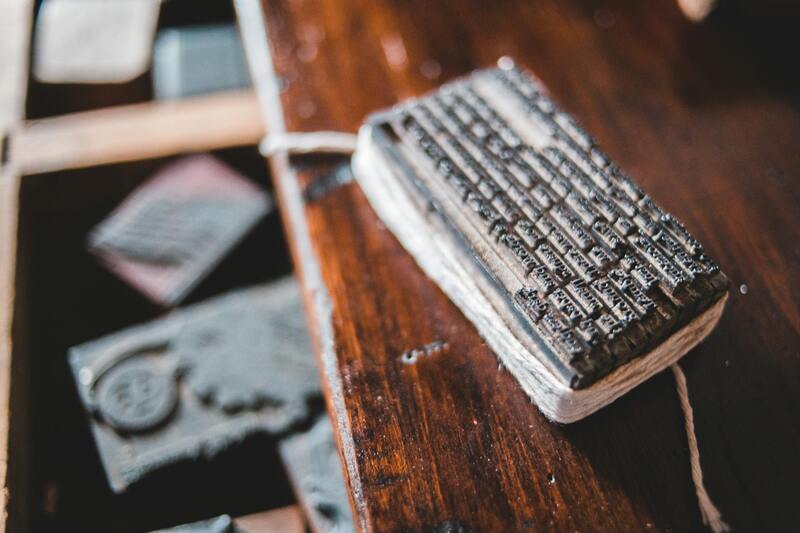
Collaborating with a reputable printer who uses certified methods guarantees that your custom made business cards will conform to industry standards, delivered with precise registration, vibrant colors, and flawless finishes. These official methods serve as the foundation for producing a product that effectively communicates professionalism and attention to detail, making a lasting impression on your contacts and clients.
Ensuring Authenticity Through Certified Methods
When it comes to producing custom made business cards, selecting production techniques that adhere to industry-recognized standards is fundamental for maintaining quality and consistency. Certified methods in printing and finishing guarantee that every card not only meets predefined specifications but also upholds the expectations of durability, visual appeal, and professionalism. These processes involve rigorous quality control measures, precise registration, and the use of genuine materials, all of which contribute to an end product that accurately reflects your brand identity.
Official production techniques encompass a range of printing and finishing options, including digital, offset, letterpress, and foil stamping, executed with standardized equipment and materials. By working with providers committed to these certified standards, you ensure that your cards are produced with impeccable registration, vibrant color reproduction, and flawless finishes. Such methods also promote durability, making your cards resistant to everyday wear, smudging, scratching, and fading over time.
Material and Substrate Considerations
The foundation of a high-caliber custom business card lies in the choice of materials. Reputable printing providers utilize certified substrates that meet industry standards, such as high GSM cardstocks, textured papers, or synthetic options like PVC. Each material responds differently to various printing processes and finishing techniques, so selecting the right combination is essential for achieving specific aesthetic and functional goals. For example, thick cardstock offers a sturdy, premium feel, while textured surfaces add tactile interest, and synthetic substrates enhance longevity and water resistance.
Using official methods ensures that these materials are handled correctly during the printing process, resulting in clear, vibrant images and text with precise registration. Applying finishes like lamination or spot UV coating via certified procedures further enhances durability, resistance to wear, and visual appeal. This meticulous approach helps reinforce your brand's professionalism and attention to detail, making every business card a testament to your commitment to quality.
The Role of Certification in Longevity and Visual Excellence
Certifications serve as an assurance that the entire production process, from material selection to finishing, adheres to stringent industry criteria. This adherence guarantees consistent quality across batches, critical for maintaining a professional image. Certified methods also ensure the use of sustainable and environmentally responsible supplies, aligning your branding with contemporary eco-conscious standards.
For businesses aiming to create lasting impressions, the longevity of a custom business card is paramount. Certified techniques in lamination, UV coating, or embossing provide resistance against general wear and tear, preserving the visual integrity and tactile qualities over time. As a result, recipients are more likely to keep and refer to your card, fostering ongoing engagement and recognition.
Ensuring Authenticity and Quality Through Certified Methods
When producing custom made business cards, adhering to verified procedures is crucial to achieving the highest standards of quality and durability. Certified production methods encompass a range of industry-approved processes that guarantee consistency across batches. This includes the use of proven printing techniques, approved materials, and certified finishing procedures such as lamination, spot UV coating, and embossing. These methods are designed to produce vibrant colors, sharp details, and tactile elements that leave a lasting impression.
By opting for production processes supported by official certifications, businesses can ensure that their custom business cards not only meet aesthetic expectations but also withstand everyday handling. Certified lamination and coating techniques provide resistance against water, smudges, and general wear and tear, helping your cards maintain their professional appearance over time. The application of certified embossing or foil stamping adds a sophisticated touch that enhances the tactile experience while also preventing premature deterioration.

Maintaining Environmental and Ethical Standards
In addition to quality assurance, certified methods often incorporate sustainable and eco-conscious practices. Using certified environmentally friendly inks, recycled substrates, and sustainable processing techniques helps align your brand with contemporary values of social responsibility. These practices ensure that your custom business cards are not only visually compelling but also produced with respect for the environment.
- Consistent print quality across large batches
- Superior color fidelity and precise registration
- Enhanced durability through certified lamination and protective finishes
- Environmental responsibility via eco-certified materials and processes
Impacts of Certified Production on Brand Image
Employing officially certified methods directly contributes to a stronger brand image by demonstrating a commitment to excellence and professionalism. Custom business cards created through verified procedures reflect attention to detail, high standards, and a dedication to quality that clients and partners can trust. These qualities foster confidence and help position your brand as a leader in your industry.
Furthermore, certified production techniques facilitate compliance with industry standards, ensuring that your business cards are appropriate for various professional contexts and adhere to regional expectations. When your cards are produced following official guidelines, you can confidently distribute them, knowing they uphold industry best practices.