Custom Card Printing Singapore: Guide To Personalized Business And Greeting Cards
Overview of Custom Card Printing
Custom card printing has emerged as a versatile solution for individuals and organizations seeking personalized cards tailored to specific needs. This service encompasses the production of a variety of cards, including gift cards, membership cards, corporate branding cards, and event passes, among others. In Singapore, the demand for high-quality custom cards has grown significantly, driven by the increasing need for branded promotional materials, personalized gifts, and functional prepaid cards.
At its core, custom card printing involves the design, production, and finishing of cards that reflect specific visual identities or functionalities. The process begins with client specifications, which are then translated into detailed digital designs. These designs incorporate unique artwork, logos, text, and other elements that make the cards distinctive. The printing then proceeds using advanced techniques to ensure clarity, color accuracy, and durability.

Common types of custom cards include:
- Prepaid cards: Used for retail and transportation, these cards often feature custom branding and designs to enhance user engagement.
- Membership cards: These cards serve as proof of membership and often include security features and personalized details.
- Event passes and tickets: Customized for concerts, conferences, or corporate events to facilitate access control and branding.
- Gift cards: Personalized cards that serve as gift vouchers, often featuring unique artwork for different occasions.
In Singapore, the utilization of custom card printing leverages advanced printing technology and premium materials to produce durable, visually appealing cards that meet specific functional requirements. Whether for promotion, identification, or gifting, custom cards are a powerful tool to strengthen brand identity and customer loyalty.
Materials and Finishes for Custom Cards
Choosing the right materials and finishes is essential to creating durable and visually striking custom cards. Various options are available to meet both functional and aesthetic preferences. The most common base materials include PVC, PET, and composite cardstock, each offering different levels of rigidity, flexibility, and resistance to wear and tear. PVC is the industry standard for its robustness, waterproof qualities, and ability to hold high-quality printing details.
Beyond raw materials, the finishes applied to custom cards significantly influence their appearance and longevity. Glossy finishes enhance colors, making graphics and logos pop, while matte finishes offer a subdued, professional look with reduced glare. Soft touch coatings provide a tactile experience that conveys luxury, while embossing or debossing adds a three-dimensional element, heightening the tactile and visual appeal of the design.

Specialty Finishes and Effects
- Spot UV Coating: Applied selectively to highlight specific areas such as logos or icons, creating a contrast between matte and shiny surfaces.
- Foil Stamping: Adds metallic elements like gold or silver accents, enhancing prestige and visibility.
- Laminate Layers: Providing extra protection against scratches, fading, and moisture, ensuring the card remains pristine over time.
- Ultraviolet (UV) Coating: Offers a high-gloss finish that seals the surface for added shine and protection.
Design and Customization Options
Inside the realm of custom card printing, design flexibility is vast. Clients can choose from a range of visual elements to craft distinctive cards that mirror their branding or personal style. High-resolution images, custom logos, textured backgrounds, and unique fonts can all be incorporated to produce visually engaging cards.
Advanced customization options include holographic overlays, transparent sections, and UV spot printing, which add layers of complexity and sophistication. For functional cards like membership or prepaid cards, security features such as holograms, microtext, or embedded chips can be seamlessly integrated without compromising the design.
Design Considerations for Effective Custom Cards
- Clear, high-resolution artwork to ensure sharp visuals.
- Readable fonts and appropriate font sizes for contact details or instructions.
- Consistent branding elements, including logos, color schemes, and taglines.
- Inclusion of security features or QR codes where necessary for authentication or access control.

Materials and Finishes for Custom Cards
Choosing the right materials and finishes for custom card printing is essential to ensure durability, aesthetic appeal, and alignment with your branding goals. High-quality cardstock remains the standard base material, offering a sturdy foundation that withstands daily handling. For eco-conscious clients, biodegradable or recycled materials are increasingly available, allowing for sustainable branding efforts without compromising quality.
Special finishes further enhance the visual and tactile experience of your custom cards. Foil stamping, such as gold, silver, or holographic foils, adds a metallic sheen that elevates the card’s appearance, making it perfect for premium branding or special events. Spot UV coating provides a high-gloss accent on specific design elements like logos or images, creating a striking contrast against matte backgrounds.
Textures are also an option for adding depth and uniqueness. Embossing and debossing techniques create a raised or recessed effect, giving your cards a distinctive tactile dimension. Additionally, textured coatings, including linen, canvas, or leather-inspired finishes, lend a sophisticated look and feel that reflects exclusivity or craftsmanship. When combined with matte or gloss lamination layers, these finishes are protected against scratches, fading, and moisture, ensuring your cards maintain their quality over time.

Applying multiple finishes or combining different textures can achieve complex and eye-catching results. For instance, combining foil stamping with holographic overlays creates visual depth ideal for branding or promotional items. Security features like holograms or microtext can also be embedded into the material, providing both aesthetic appeal and functional security for sensitive or high-value cards.
Design and Customization Options
Design flexibility is at the core of custom card printing, allowing clients to craft visually engaging and purpose-driven cards. High-resolution printing ensures sharpness in images and text, crucial for maintaining brand integrity. Incorporating your logo, brand colors, and taglines consistently across your cards reinforces brand recognition and professionalism.
Design elements such as textured backgrounds, custom fonts, and layered visual effects can be seamlessly integrated into your layout. Advanced customization options include holographic overlays, transparent sections, and UV spot printing—each adding sophistication and complexity to your design. For functional cards like membership or prepaid cards, security features like holograms, embedded chips, or QR codes can be included without disrupting the overall aesthetic and user experience.
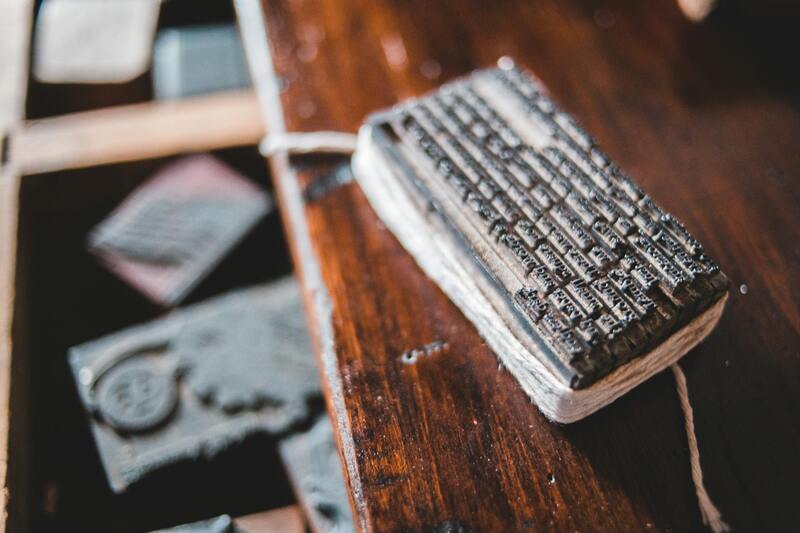
When designing for security and usability, attention to readable fonts and proper sizing of contact details or instructions is vital. For branding consistency, incorporate logos, color schemes, and taglines that align with your overall corporate identity. Strategic placement of security elements and scannable codes ensures both functionality and aesthetic harmony.
Production Time and Ordering Process
Order turnaround times for custom cards typically range from a few days to a week, depending on complexity and volume. The process begins with selecting your preferred card type, materials, and finishes. You then upload your design or work with a professional designer provided by the printing service. Once the mock-up is approved, production commences, utilizing high-speed digital presses and finishing machines to ensure precision and quality control.
Bulk ordering often qualifies for volume discounts, making larger campaigns or corporate distributions more cost-effective. The ordering platform generally provides real-time updates, estimated delivery dates, and options for expedited services if needed, streamlining the process from design to delivery.
Materials and Finishes for Custom Cards
Choosing the right materials plays a crucial role in achieving the desired look, feel, and durability of your custom cards. High-quality cardstock, PVC, or composite materials are commonly used to ensure longevity and resistance to wear and tear. For applications requiring added robustness, such as membership or identification cards, thicker PVC options provide increased durability, resisting bending and scratching over time.
In addition to base materials, a variety of finishes are available to enhance the visual appeal of your cards. Matte finishes offer a sophisticated, non-reflective surface that minimizes fingerprints and glare, making text and imagery easier to read. Conversely, gloss finishes impart a shiny, vibrant look that amplifies colors and details, making your design pop.
Specialty finishes such as soft-touch coating can add a luxurious tactile experience to your cards, while UV coating provides extra protection against scratches, moisture, and UV damage. Embossing or debossing techniques can insert a tactile element into your design, highlighting logos or key elements with a raised or recessed effect. Foil stamping enables the addition of metallic accents, elevating branding elements and creating an upscale appearance.
The application of security features, such as holographic overlays, microtext, or embedded chips, can be seamlessly integrated into these materials and finishes without compromising the visual integrity of the design. This cohesive approach ensures your custom cards are both aesthetically appealing and functionally secure.
Additional Customization Options
- Embedded RFID or NFC chips for contactless functionality
- Personalized serial numbers or QR codes for tracking and verification
- Edge coloring or custom shapes to reinforce brand identity
- Transparent or translucent elements for modern, minimalist designs
Because material and finish choices directly impact the overall appearance and performance of your final product, consulting with your printing service about the best options for your specific needs can ensure optimal results. Selecting the appropriate combination of base material, finish, and security features will position your custom cards as both attractive and reliable assets for your branding, security, or gifting objectives.
Advanced Security Features in Custom Card Printing
To ensure the integrity and authenticity of your custom cards, a range of advanced security features can be seamlessly integrated into the printing process. These features not only safeguard against counterfeiting but also enhance the visual appeal of the cards, reinforcing brand trust and reliability. The inclusion of holographic overlays, microtext, embedded chips, and other security elements can be tailored to meet the specific needs of your organization or event.
Holographic overlays serve as a visible deterrent to counterfeiters, providing a shimmering, multi-dimensional effect that is difficult to replicate. Microtext, which involves ultra-fine print, adds an additional layer of verification that can be verified under magnification. Embedded RFID or NFC chips facilitate contactless communication, allowing for secure access, transactions, or identification with ease of use. These chips can be integrated discreetly into the card without compromising aesthetics.
Implementing security features requires precise craftsmanship and high-quality printing techniques. For example, UV security inks can be used in specific areas to reveal hidden patterns under ultraviolet light, making unauthorized reproduction more challenging. Digital watermarking and micro-lamination are also effective methods for embedding covert security elements into the card's surface or layers, helping to verify authenticity quickly.

Best Practices for Incorporating Security Features
- Determine the level of security needed based on the card's purpose, whether for identification, access control, or premium gifting.
- Choose security elements that complement the overall design and branding, avoiding clutter or compromised visual clarity.
- Work with a reputable printing service that has expertise in security printing to ensure all features are correctly integrated and durable.
- Test security feature implementation on sample cards before proceeding with bulk orders to assess feasibility and visual impact.
- Educate cardholders or recipients on how to verify these security elements to prevent fraud and ensure confidence in your custom cards.
The integration of these security techniques must be balanced with design considerations, ensuring that the cards remain attractive and functional without sacrificing security. A professional approach guarantees that the cards serve their intended purpose effectively, maintaining both aesthetic appeal and functional integrity across all applications.
Understanding Secure Methods in Custom Card Production
While designing and producing custom cards, employing secure printing techniques is vital to ensure authenticity and prevent counterfeiting. Advanced methods such as holographic overlays, microtext, and embedded security features are integrated during the printing process to establish a layered defense against unauthorized duplication. These elements not only enhance the visual appeal of the cards but also serve as quick verification tools for the recipients and authorities.

Incorporating Microtext and Fine Line Patterns
Microtext involves printing extremely small characters that are difficult to replicate without specialized equipment. When integrated into custom cards, microtext can be placed along borders or within design elements, providing an embedded security layer that is normally invisible to the naked eye but can be revealed under magnification. Fine line patterns and intricate artwork can also serve as security markers; their complex designs are challenging for counterfeiters to accurately reproduce, significantly increasing the difficulty of unauthorized copying.
Embedding Chips and Magnetic Stripes
Smart card technologies, such as embedded chips, offer data storage capabilities that are securely protected through encryption. These chips can store information crucial for identity verification, access control, or financial transactions. Magnetic stripes, although more traditional, can be encoded with unique data sequences that are difficult to duplicate, adding an additional security layer. Using high-quality materials for these components reduces wear and tampering risk, ensuring long-lasting security features.
Using UV and Variable Ink Techniques
UV-reactive inks are used in specific areas of custom cards, revealing hidden patterns or information under ultraviolet light. This technique is particularly useful for quick on-site validation, offering a covert security feature that’s invisible under normal lighting. Variable data printing, where each card contains unique serial numbers or codes, amplifies security by providing individualized verification options. Combining these methods results in a robust security profile that protects both consumers and issuing entities.
Testing and Maintaining Security Features
Implementing security features in custom card printing requires rigorous testing. Producing sample cards with embedded security elements allows for thorough evaluation of durability, clarity, and functionality. Regular updates and variations in security features help stay ahead of counterfeit techniques. Training staff or verification personnel to recognize authentic security markers is essential, ensuring quick and effective validation during distribution or use.
Conclusion
Employing legitimate security techniques within custom card printing not only protects the integrity of the product but also establishes trust with end-users. Carefully selecting and integrating a combination of security features, from holographic overlays to microtext and embedded chips, enhances the overall security architecture of each card. It is critical to work with experienced printing specialists who understand the intricacies of security printing to ensure these features are effectively incorporated without compromising the aesthetics or functionality of the design.
Ensuring Compliance with Official Methods of Custom Card Printing
To guarantee the authenticity and security of your custom cards, it is essential to work exclusively with recognized and established printing providers that utilize approved printing technologies and adhere to industry standards. These providers employ official printing techniques such as offset, digital, dye-sublimation, and holographic printing, which are certified for quality and security. Relying on qualified professionals ensures that the production process aligns with permitted methods, safeguarding your investment and maintaining the integrity of your custom cards.
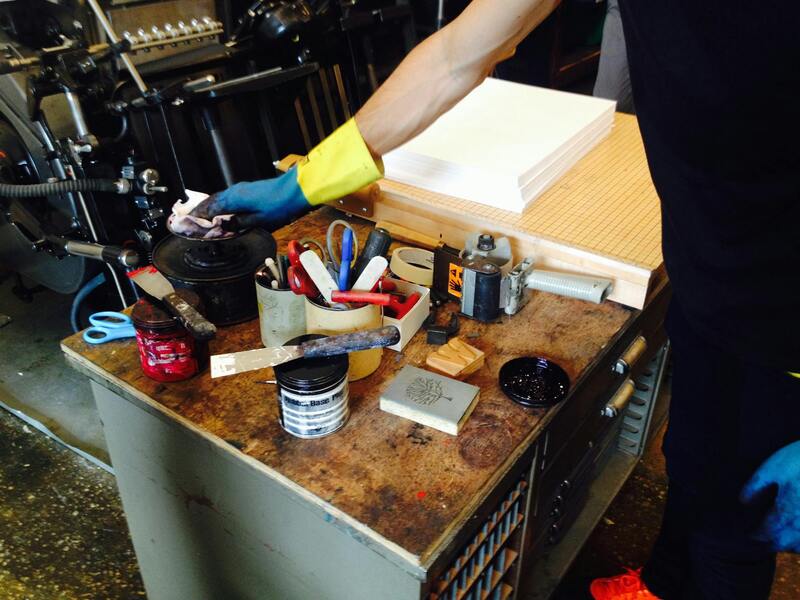
This approach not only guarantees the durability and clarity of your design but also ensures the inclusion of legitimate security features. Official methods often involve comprehensive quality control checks, including color calibration, lamination adherence, and security feature verification, which are critical for making your cards resistant to duplication or tampering. It is advisable to request proof of compliance or certification from your printing partner to verify that their processes meet validated standards.
Utilizing Advanced Security Features Properly
Implementing officially approved security features such as holograms, microtext, UV elements, embedded chips, and biometric markers significantly enhances the authenticity of your custom cards. These features are integrated using certified equipment and conform to industry regulations, making them difficult to replicate illicitly. When engaging with authorized providers, ensure they offer comprehensive security solutions compliant with formal standards, giving you confidence in the legitimacy of your cards and the safety they provide.

Security features should undergo rigorous testing by certified labs or specialists to confirm their durability and resistance to wear, environmental factors, and counterfeiting attempts. Regular validation and updates to the security measures help in staying ahead of counterfeit methods. Authentic custom card providers will showcase these capabilities and provide documentation or certification confirming the security level of the features deployed in your custom designs.
Working with Licensed Practitioners and Suppliers
Partnering solely with licensed and reputable printing companies ensures that all production methods and security techniques are legitimate and compliant with established standards. These providers typically hold certifications issued by relevant authorities or industry bodies, demonstrating their adherence to approved printing protocols. Choosing such partners not only guarantees a legitimate process but also assures comprehensive support, from initial design consultation through to final delivery, with full transparency on the methods used.
Request detailed documentation or certifications that affirm the provider’s compliance with approved standards before placing your order. This due diligence helps you avoid unverified or unsupported techniques that could compromise the security and authenticity of your cards. Working with licensed providers also provides recourse in case of issues during production, offering assurance of their responsibility towards quality and compliance at every stage.
Maintaining Quality and Authenticity Over Time
Even after approved production, maintaining the authenticity of your custom cards requires ongoing management. Utilize official verification methods such as scanning security holograms, microtext, or embedded RFID chips with certified devices. Regularly monitor the condition of your cards, looking out for signs of tampering or wear that could undermine their legitimacy. Proper storage in controlled environments and periodic validation of security features help preserve the integrity of your custom cards, ensuring they continue to serve their intended purpose reliably.
Ensuring Authenticity Through Certified Custom Card Printing Methods
To guarantee that your custom cards are produced using recognized and trustworthy methods, it is vital to work with printing providers that adhere to established industry standards. These providers often demonstrate their commitment to quality and legitimacy by obtaining certification from relevant authorities or industry bodies. Such certifications confirm that the printing process follows stringent protocols, utilizing approved materials and security features that enhance the card’s durability and authenticity.
Partnering with certified printers ensures that your custom cards incorporate legitimate security elements, such as embedded microtext, holographic overlays, RFID chips, or advanced encryptions, which are difficult to replicate illicitly. These features not only fortify the card’s integrity but also enable reliable verification, providing confidence that the cards serve their intended purpose without dispute.

Before placing an order, request comprehensive documentation or official certifications that affirm the provider’s compliance with industry standards. This due diligence helps prevent the use of unsupported or unverified methods that could compromise the card’s security features and overall quality. Transparent communication about the methods employed during production provides added assurance of the legitimacy and effectiveness of the security measures integrated into your custom cards.
Maintaining the authenticity of your custom cards over time requires ongoing vigilance. This involves utilizing official verification techniques, such as scanning embedded holograms, RFID chips, or microtext with certified devices. Regular assessments of the condition and security features of your cards—especially in environments where authenticity is critical—help detect any signs of tampering or wear. Proper storage in controlled environments and periodic validation of security features safeguard the cards’ integrity, ensuring they continue to function as reliable proof of authenticity when needed.

Ultimately, the legitimacy of your custom card printing process depends on selecting providers committed to rigorous standards and transparent practices. By emphasizing certified methods and regular security evaluations, you ensure that your custom cards remain reliable, protected, and recognized as valid credentials or promotional tools—minimizing risks associated with counterfeit attempts or compromised security features.